
7 Ways People Are Using Their Crisper Drawer All Wrong
Opening the refrigerator reveals a common source of frustration for many households. You buy beautiful vegetables on Sunday and throw them away by Wednesday. Statistics show that the average American wastes about $421.44 worth of groceries per year. Most of it is due to improper storage.
Your fridge’s compartments exist to manage moisture levels for different types of fresh foods. Manufacturers design them specifically to control the environment around your fruits and vegetables.
When you ignore the adjustable sliders on the front, you defeat the entire purpose of the design. Fresh foods require specific conditions to maintain their texture and flavor profiles.
This is a list of common mistakes people make with their refrigerator storage. Here are seven ways people are using their bottom compartments incorrectly.
1. Not Adjusting Humidity Settings
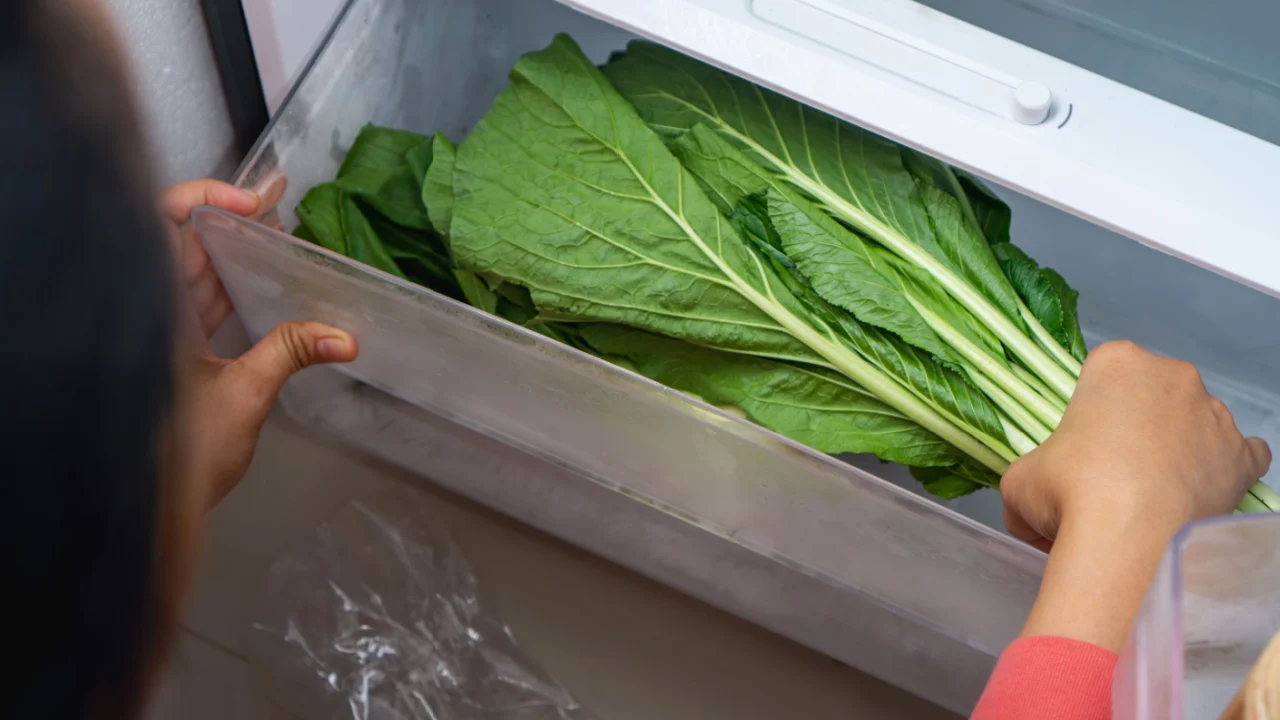
Many refrigerators feature sliders that control the airflow entering the bottom compartments. Leaving these sliders in the middle position provides no benefit to your fresh foods.
Leafy greens require a high-humidity environment to prevent moisture loss and wilting. When you leave the vents open, dry air rushes in and quickly ruins your lettuce.
Close the vent completely to create a high-humidity zone for your vegetables. This traps the natural moisture inside the compartment and keeps leafy items hydrated.
Open the vent to allow airflow when storing foods that rot easily in damp conditions (I’m looking at you, berries). Paying attention to these simple sliders significantly extends the lifespan of your groceries.
2. Mixing Incompatible Produce
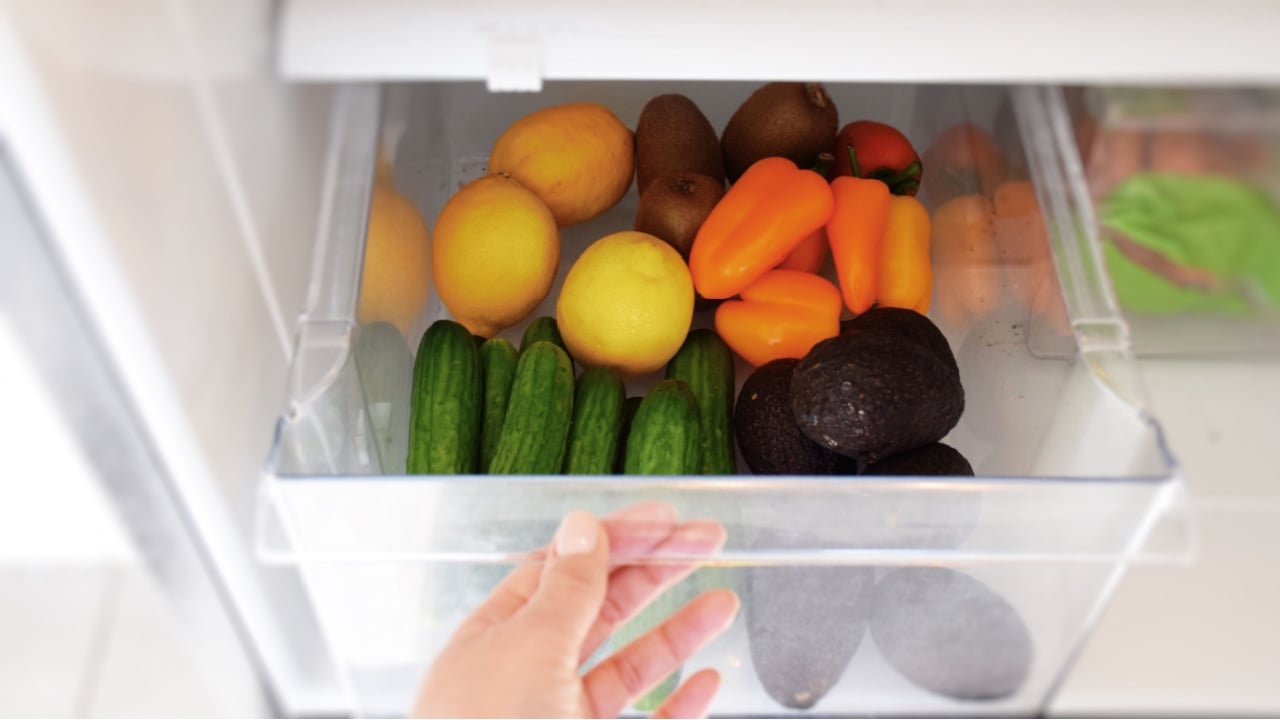
Some produce should not be stored together. Apples and bananas release a natural ripening agent, ethylene gas, as they age. (Although bananas don’t even need the fridge, as you hopefully know!)
Storing these gas-producing fruits next to sensitive vegetables causes a chemical reaction. The trapped gas forces your carrots and cucumbers to ripen far faster than normal. This rapid aging process turns firm vegetables into a mushy mess within days.
You must keep your ethylene producers completely separate from your sensitive items. Designate one compartment specifically for fruits that emit this gas during the ripening process.
Use the second compartment exclusively for vegetables that need protection from accelerated aging.
3. Storing Items That Do Not Belong
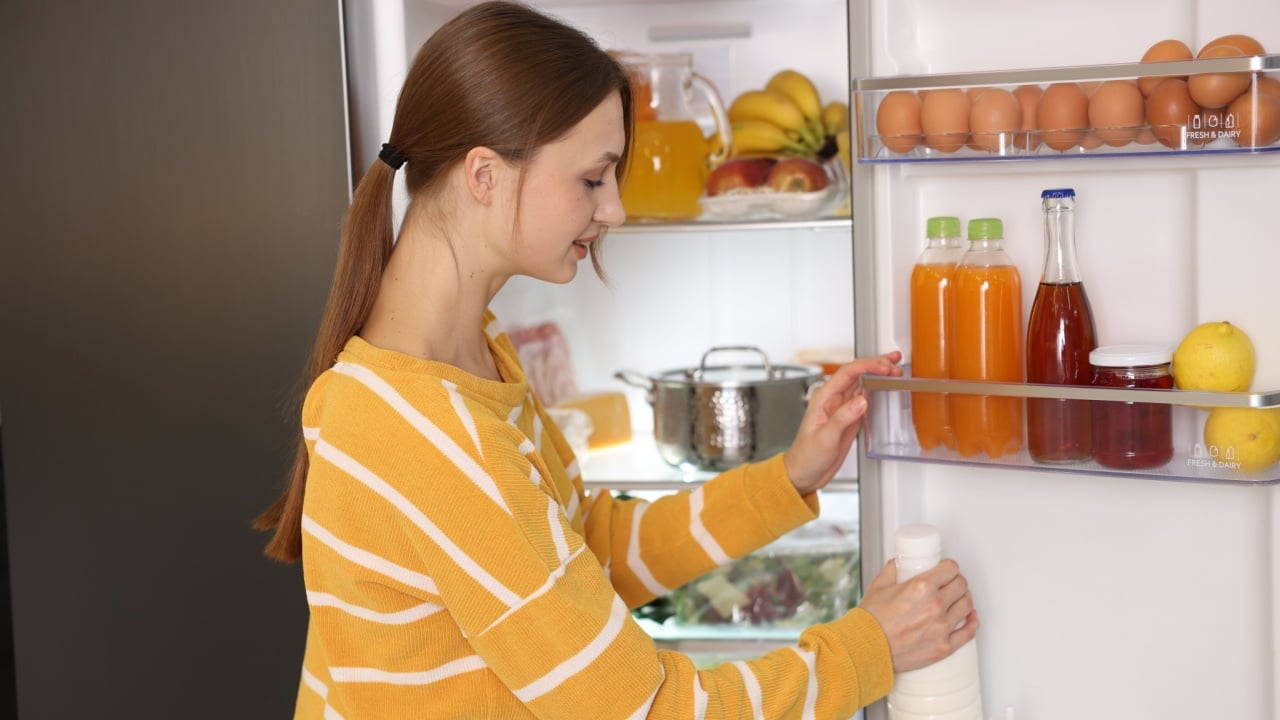
Some people treat the bottom compartments as extra storage space for random groceries. Placing soda cans and wrapped cheeses in these areas wastes valuable climate-controlled space.
These zones are designed to manage moisture levels for fresh, unpackaged fruits. Packaged goods and meats gain absolutely no benefit from adjustable humidity settings.
Remove any bottled beverages or sealed deli meats from your bottom compartments today. Relocate these items to the regular shelves where the temperature remains consistently cold.
Dedicate the specialized compartments entirely to the fresh produce they were built to protect. Reserving this space allows you to organize your fresh foods properly.
4. Ignoring Drawer Separation
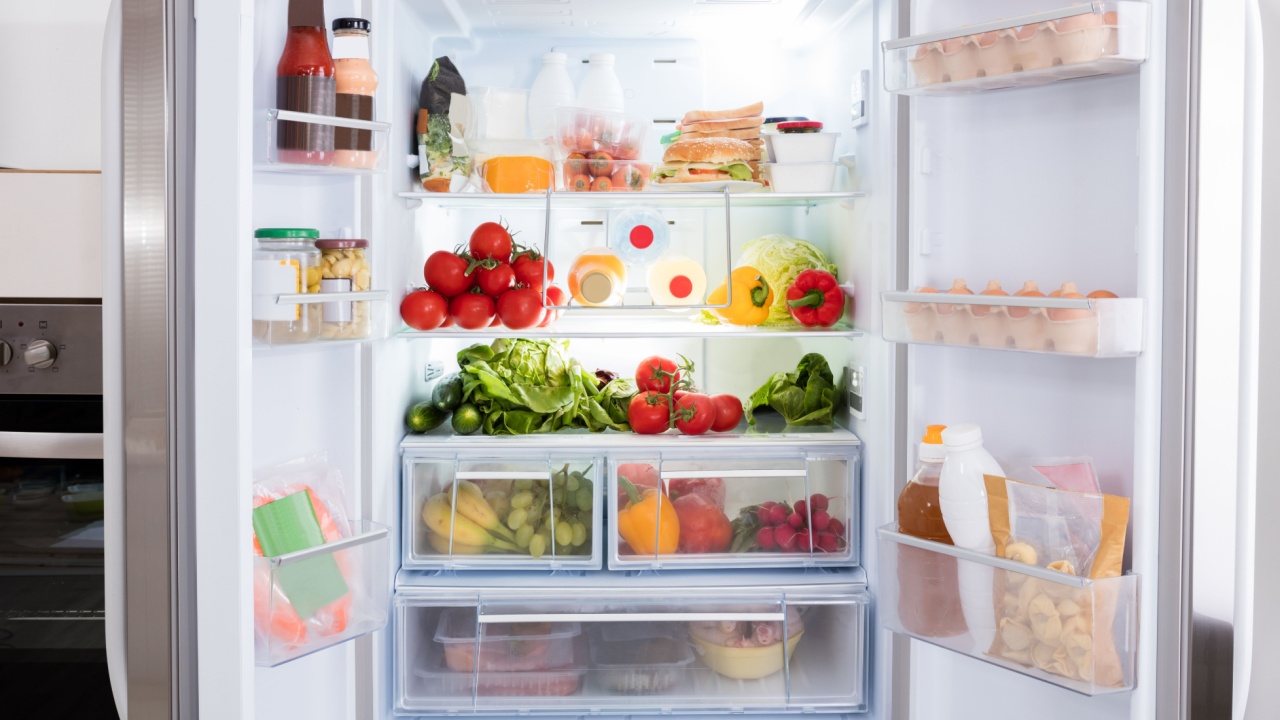
Modern refrigerators typically provide two separate compartments to accommodate different food requirements. Throwing all your fruits and vegetables together into a single bin ruins the system.
Mixing items with different moisture needs leads directly to premature rotting and wilting. One combined space cannot provide both high moisture and adequate airflow simultaneously.
You should divide your fresh foods based on their specific environmental needs. Place thin-skinned fruits in one area with the vent open for proper airflow.
Dedicate the other section to leafy greens with the vent completely shut tight. Using both compartments as intended creates two distinct climates within your refrigerator.
5. Overstuffing The Compartments
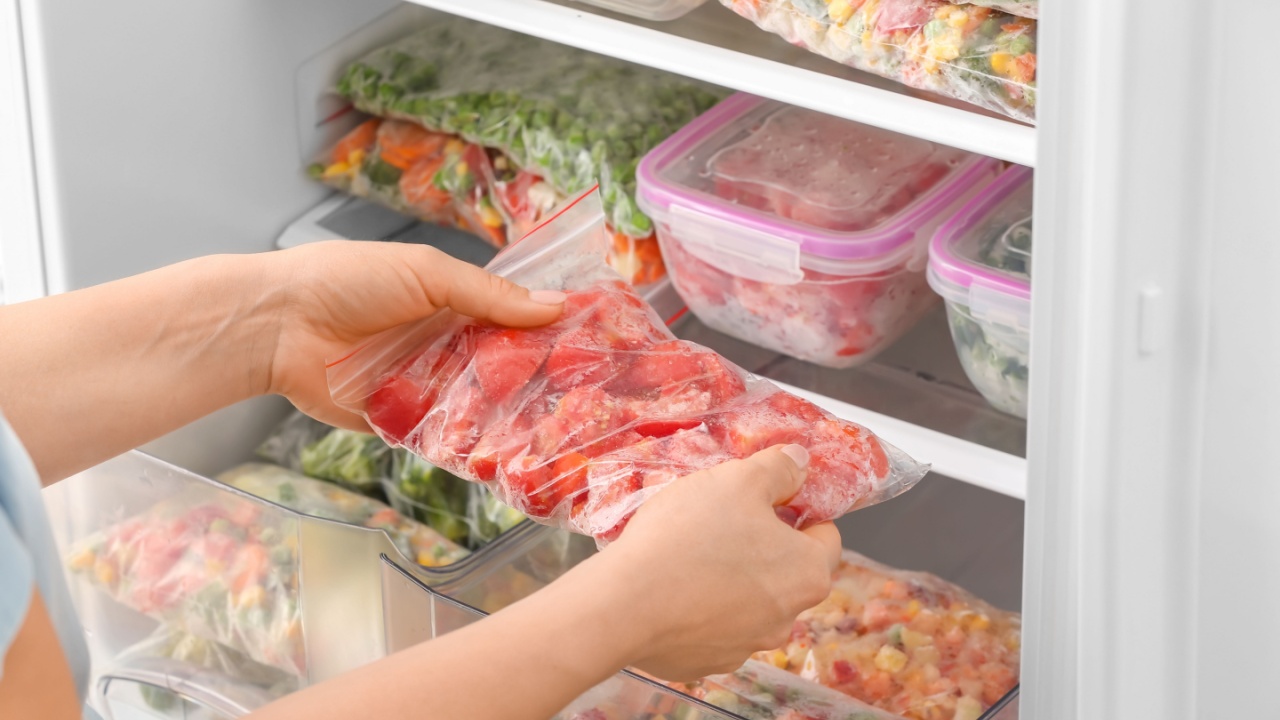
Overpacking the crisper blocks the necessary air circulation. The climate control system fails completely when food blocks the ventilation holes entirely.
Heavy items placed on top of delicate greens will cause physical damage and bruising. A packed compartment also traps too much moisture and encourages rapid mold growth.
Leave at least a third of the compartment empty to allow proper air movement. Store only what you plan to eat within the next few days.
Spread items out loosely instead of pressing them firmly against the plastic walls. A well-organized space helps maintain a stable environment and prevents your food from rotting.
6. Not Cleaning The Spaces Regularly
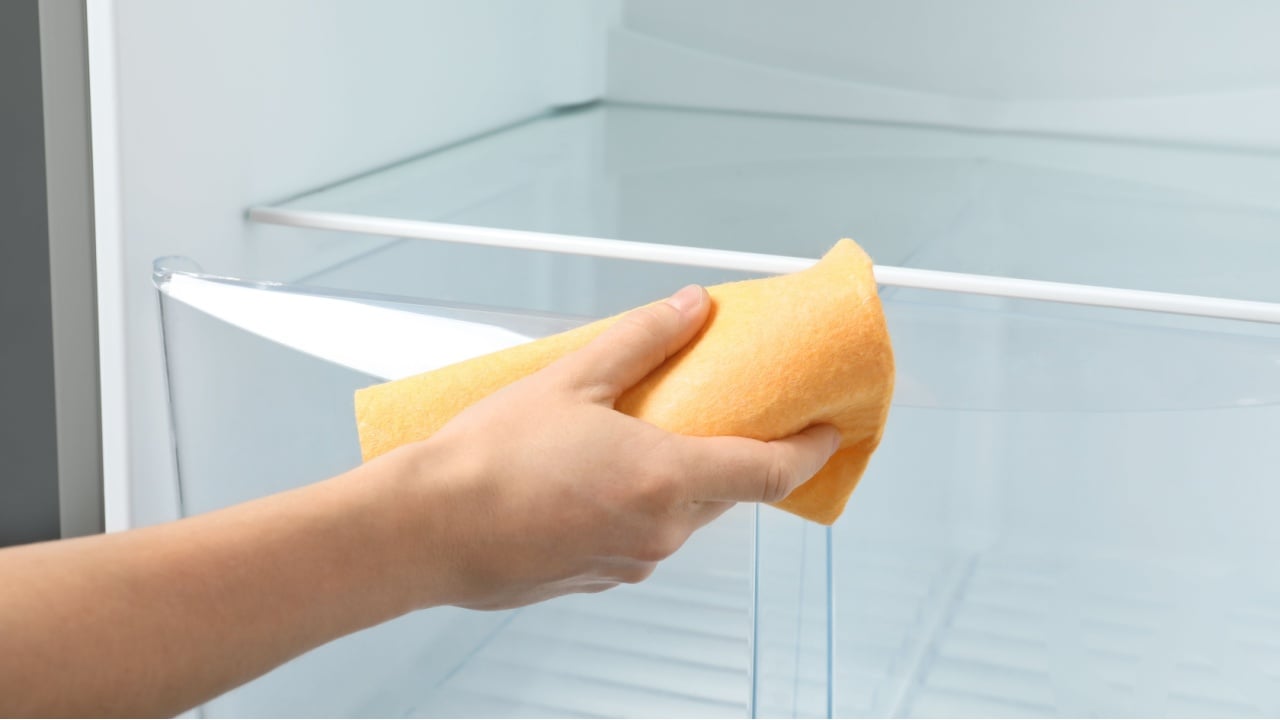
Forgotten vegetable leaves and fruit juices frequently accumulate at the bottom of the bins. This sticky residue creates a perfect breeding ground for harmful bacteria and aggressive mold.
Any new, fresh food placed on top of this residue will spoil much faster. The unseen bacteria quickly spread to every new item you bring home from the store.
Empty the compartments completely and wash them with warm, soapy water every month. Dry the plastic surfaces thoroughly before returning any fresh food to the space.
Place a clean paper towel at the bottom to absorb excess moisture and catch debris. Routine maintenance keeps the environment sanitary and protects your expensive groceries from contamination.
Maximize Your Fresh Food Storage
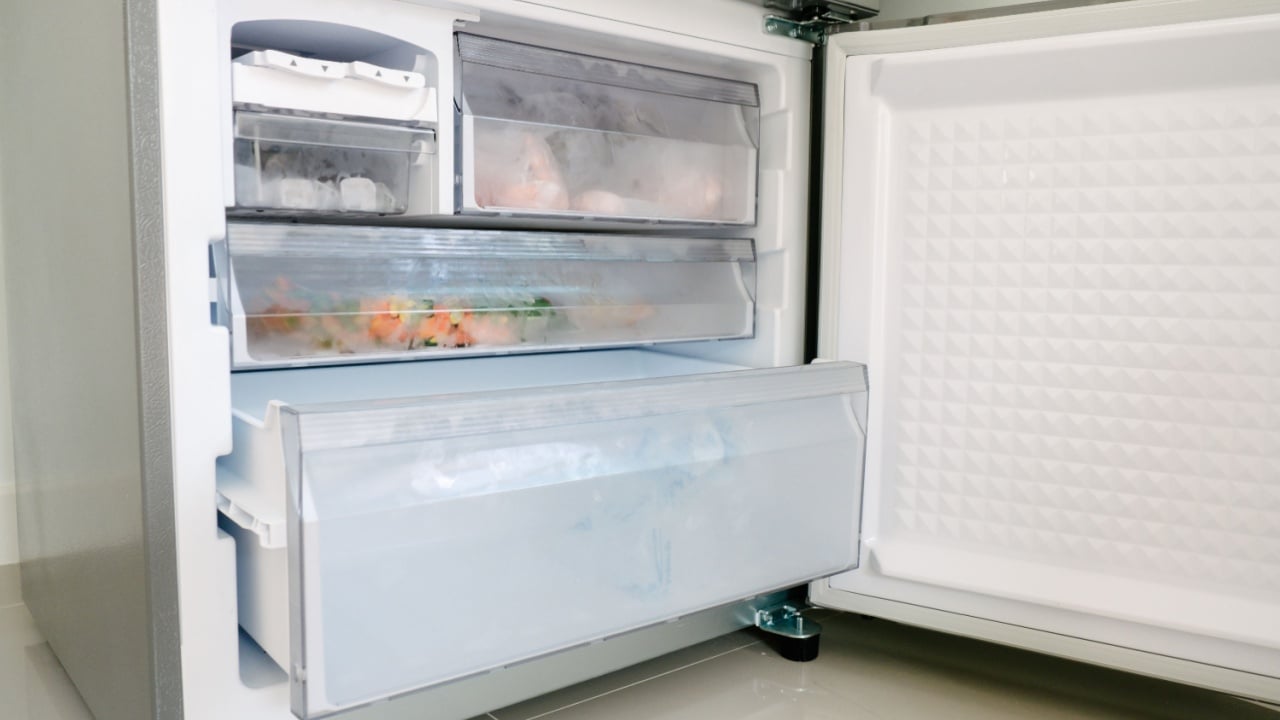
Taking a few minutes to organize your refrigerator changes how long your groceries last. You now have the knowledge to adjust settings and separate incompatible items properly.
Small changes to your routine prevent spoiled food and save you money every month. Start organizing your bottom compartments today to enjoy fresh produce all week long.
Read More:
6 Fruits That Never Belong in the Fridge
12 Condiments You’re Storing Wrong (They Don’t Need the Fridge)


