12 Condiments You’re Storing Wrong (They Don’t Need the Fridge)
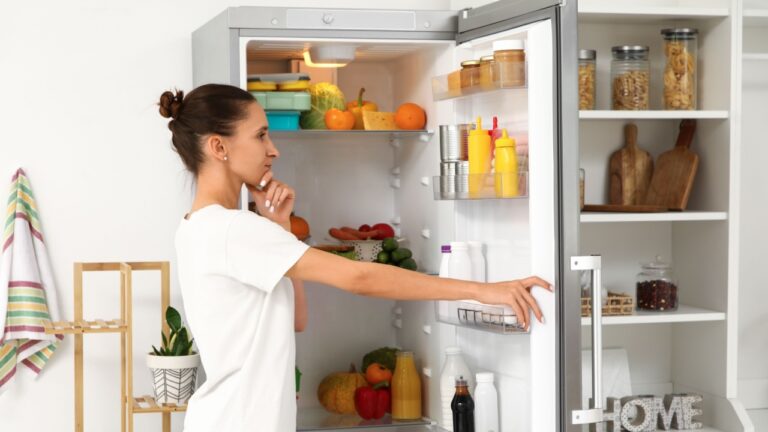
Owning a fridge is great; stacking it, not so much. It gets cluttered quickly if you don’t stay disciplined, and one reason for this is trying to store condiments. One might say condiments bring nothing but disharmony to any limited cold storage unit: they are a necessary evil, perhaps.
Nevertheless, condiment hoarders don’t even need to put everything they own into the refrigerator. Saving valuable space in your well-stocked fridge might be another first-world problem, but it’s important. Besides, constantly moving things to reach others is frustrating for people who crave order.
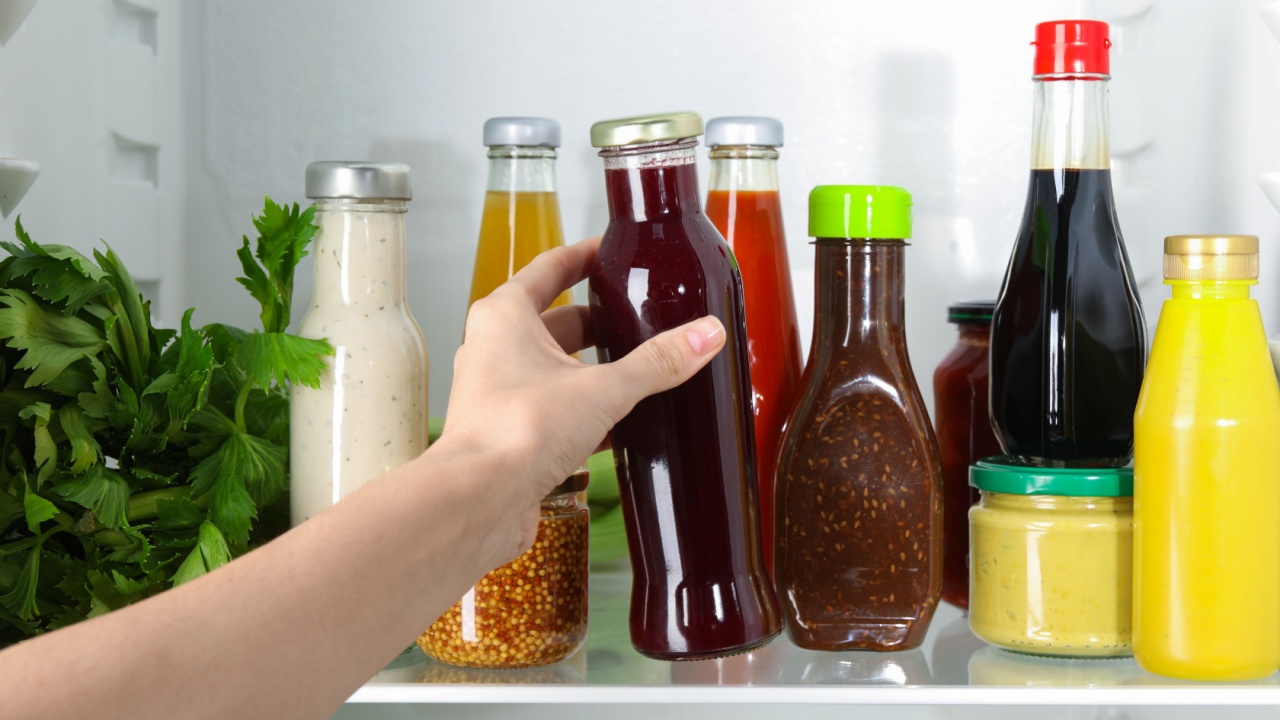
Some sauces and adjacent kitchen friends are quite happy being stored at room temperature, living out their shelf lives in cool, dark bliss. Which ones can you safely remove from that busy refrigerator?
1. Chocolate-Hazelnut Spread
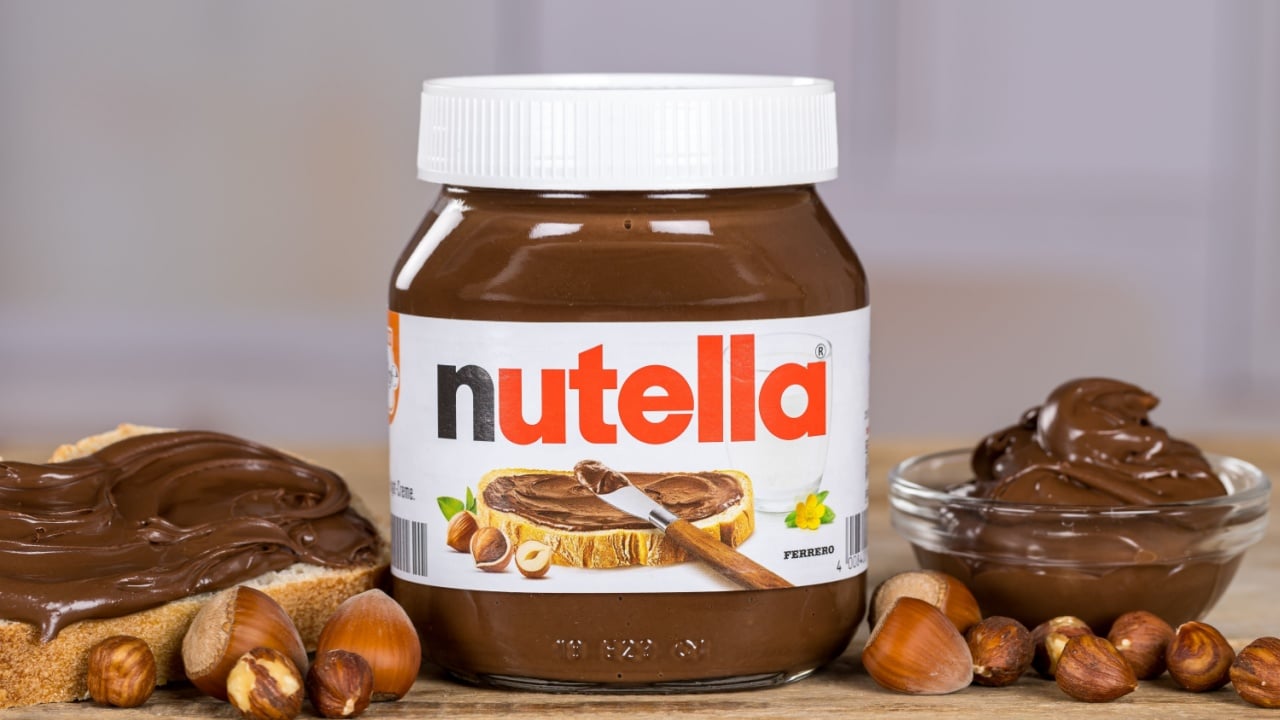
The French take chocolate hazelnut spread quite seriously. It got so bad that when a national supermarket chain announced a 70% knock-down on a well-known brand, chaos ensued. It became known in France, thanks to French news group Le Progres, as the “Nutella Riots.” One shopper even gained a black eye from one furor; thankfully, no other dangerous discounts followed.
Those lucky enough to secure a near lifetime supply of the breakfast staple could all rest in the knowledge that pantry storage was not a problem. “Do not refrigerate Nutella; otherwise, it will harden and become difficult to spread,” reads the Ferrero website. “Excessive heat will accelerate the loss of flavor and may cause the oils found in Nutella to separate.” If it’s good enough for the market leader, it should apply to all other non-artisan brands.
2. Honey

Honey is the overachiever of the condiment world: antimicrobial, low-moisture, and essentially immortal. I switched to honey as a tea sweetener years ago, and I can testify that cold honey is no fun. Cold temperatures cause crystallization, turning smooth honey into a gritty mess. Besides, room temperature works for bees, so following their lead makes sense. However, be warned: that room cannot get too comfortable.
“Exposing your honey to warmer temperatures, from direct sunlight or other types of direct heat (like your stove or oven) can cause darkening and subtle flavor changes,” warns Sioux Honey. Avoiding the warmest areas of the kitchen is the best practice. Therefore, never refrigerate honey.
3. Hot Sauce

A Southern Living post shines light on the three main types of hot sauce recipes: vinegar-based, vinegar-based with fresh ingredients, and fermented hot sauces. Vinegar-based products like Tabasco can withstand lengthy periods in suitable conditions because of their acid content. The vinegar and capsaicin are two natural preservatives.
Essentially, the more natural the sauce’s ingredients, the more likely a fridge is needed. “Sauces with fresh ingredients or high water content (like sambal oelek or sweet chili) should be refrigerated to prevent spoilage,” writes Taylor Tobin. You are most likely to encounter these in farmers’ markets or from artisan producers. Sidenote: Sriracha mayo is certainly a no-no for the pantry.
4. Mustard

Mustard is practically built for the shelf. Vinegar, mustard seed compounds, and low moisture make it hostile to spoilage. If your fridge space is at a premium, a short spell on the sidelines for your hot dog’s best friend won’t hurt.
“It lasts just fine for up to two years in the pantry,” notes a Cook’n guide. “But when opened, it needs refrigeration and shouldn’t be kept longer than one year.” This condiment is a strong candidate for the cupboard. Refrigerate only if you want to keep its sharp bite intact over time.
5. Vinegar (All Types)

If there were a king of shelf-stable liquids, vinegar would wear the crown. Its acetic acid content makes it self-preserving. One might even say this condiment is the mother of room-temperature storage, considering its appearance in so many other condiments.
An aficionado web platform, Supreme Vinegar cites Vinegar Institute studies. The hypothesis: “vinegar has a nearly indefinite shelf life.” In tests on this longevity, researchers found that “the safety of the vinegar was not compromised, though the taste and quality may change.” This piquant pantry grandee can sit in tepid comfort for life. Refrigeration adds nothing here.
6. Peanut Butter
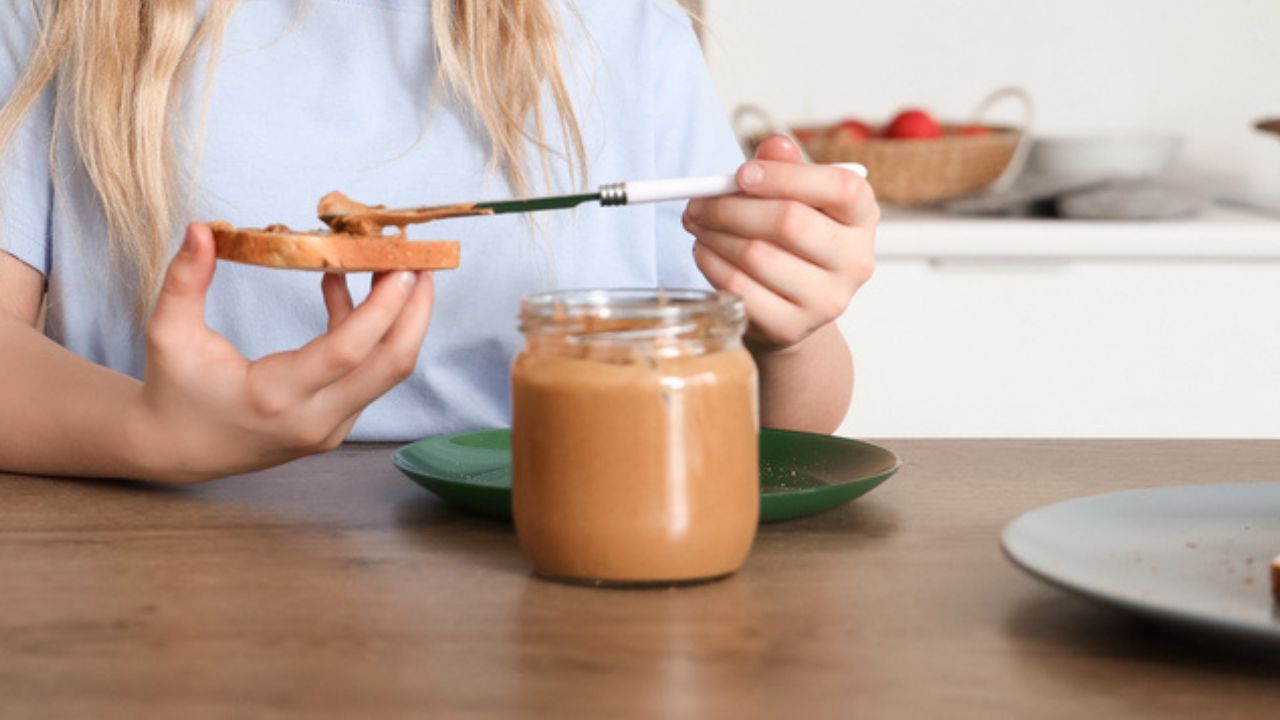
Commercial peanut butter is engineered for convenience, with stabilizers that prevent oil separation and spoilage. Yet, even the mighty sandwich filler for all Americans has its limits.
“An open jar of peanut butter stays fresh [for] up to three months in the pantry,” advises the National Peanut Board. “After that, it’s recommended to store the peanut butter in the fridge.” This step gives it another three to four months, though I am not sure a jar of PB in any American kitchen lasts this long anyway.
7. Jam & Jelly
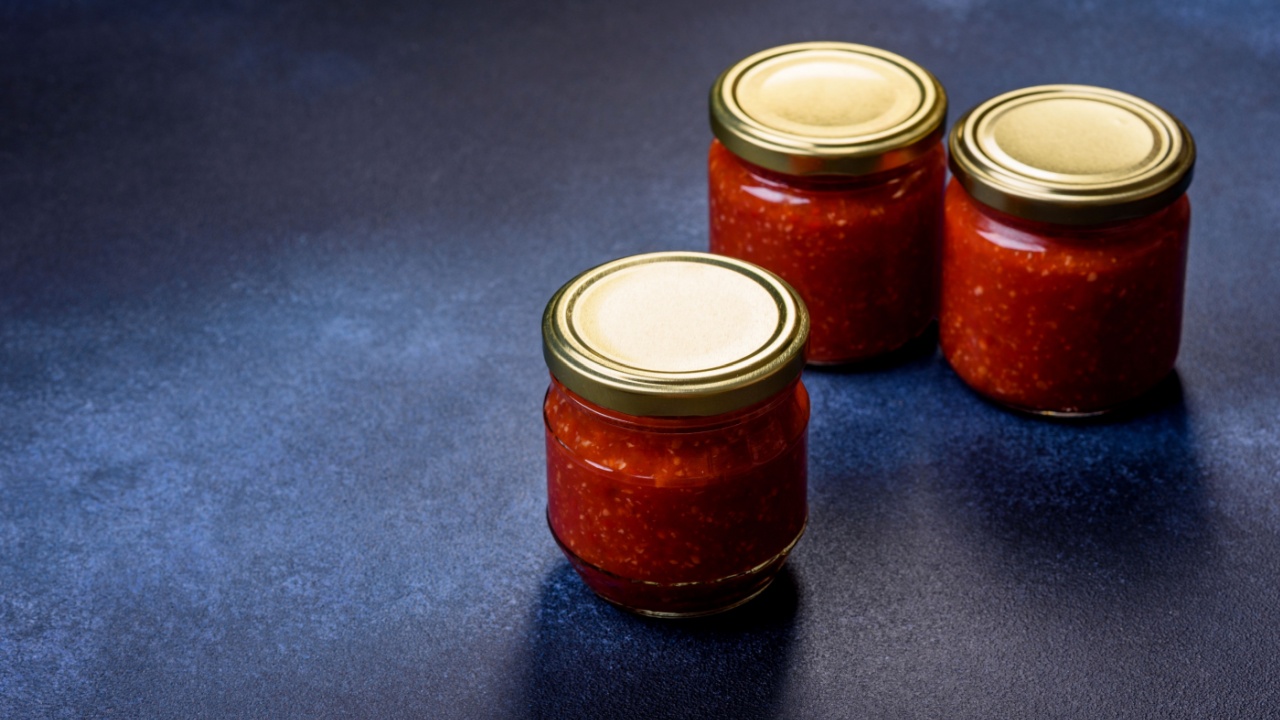
The sugar we use in jams and jellies does more than add sweetness: it is also a natural preservative. That’s why jams have survived centuries without modern refrigeration. Moreover, the preserving starts with the canning, meaning an unopened jar of preserve (quite a giveaway in the title, there) lasts for years. Yet, once opened, it is best left in the fridge, says the National Center for Home Food Preservation (NCHFP).
“Opened home-canned jams and jellies should be kept in the refrigerator at 40°F or lower,” reads their user guide. Technically, your jam is pantry-safe short term (on a camping trip, for example), but refrigeration is the smarter long-term play once opened.
8. Maple Syrup
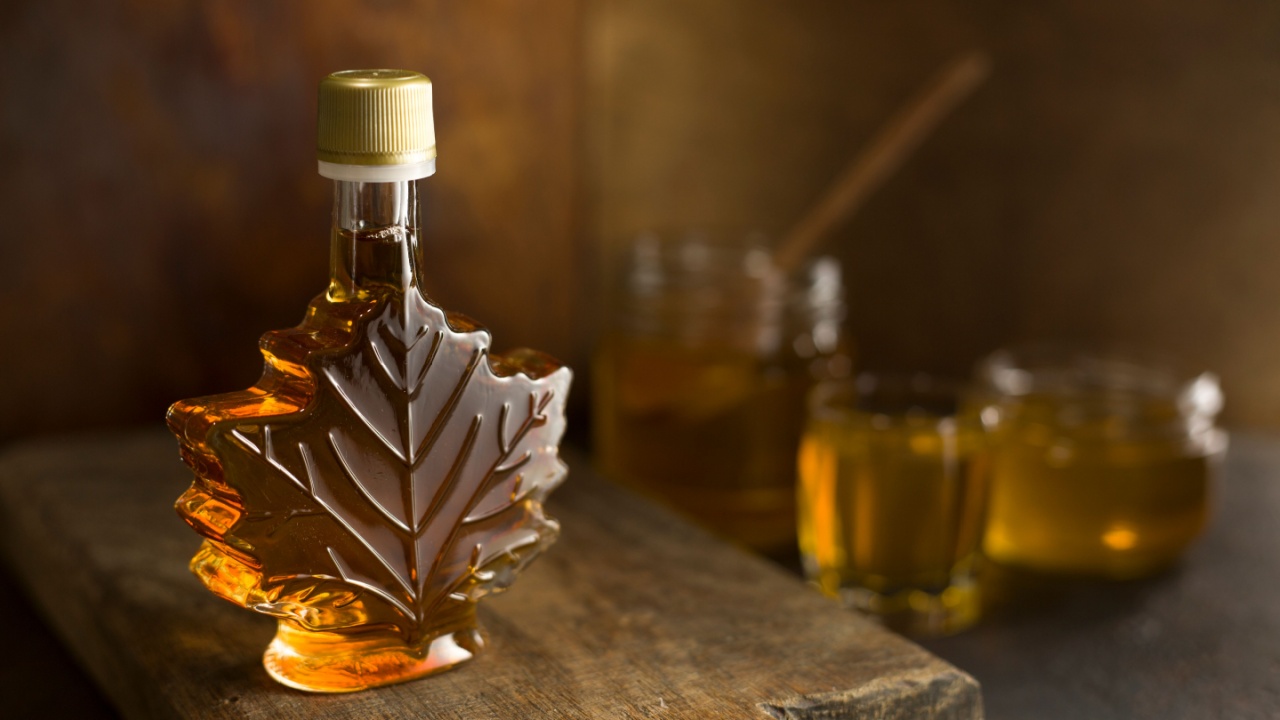
There is a spectrum with maple syrups: on one hand, there are mass-manufactured or more artisan styles. Depending on the environment, most types can sit happily at room temperature for some time. Pure maple syrup sits in a gray area: shelf-stable for a while, but vulnerable over a longer period.
“Maple syrup is resistant to spoiling because of the high sugar content,” says a Maple Farmers article. However, this sticky resource needs a glass container, or you compromise on color and flavor. Of course, if maple syrup isn’t something you eat regularly, the fridge will save you money on spoilage.
9. Fish Sauce
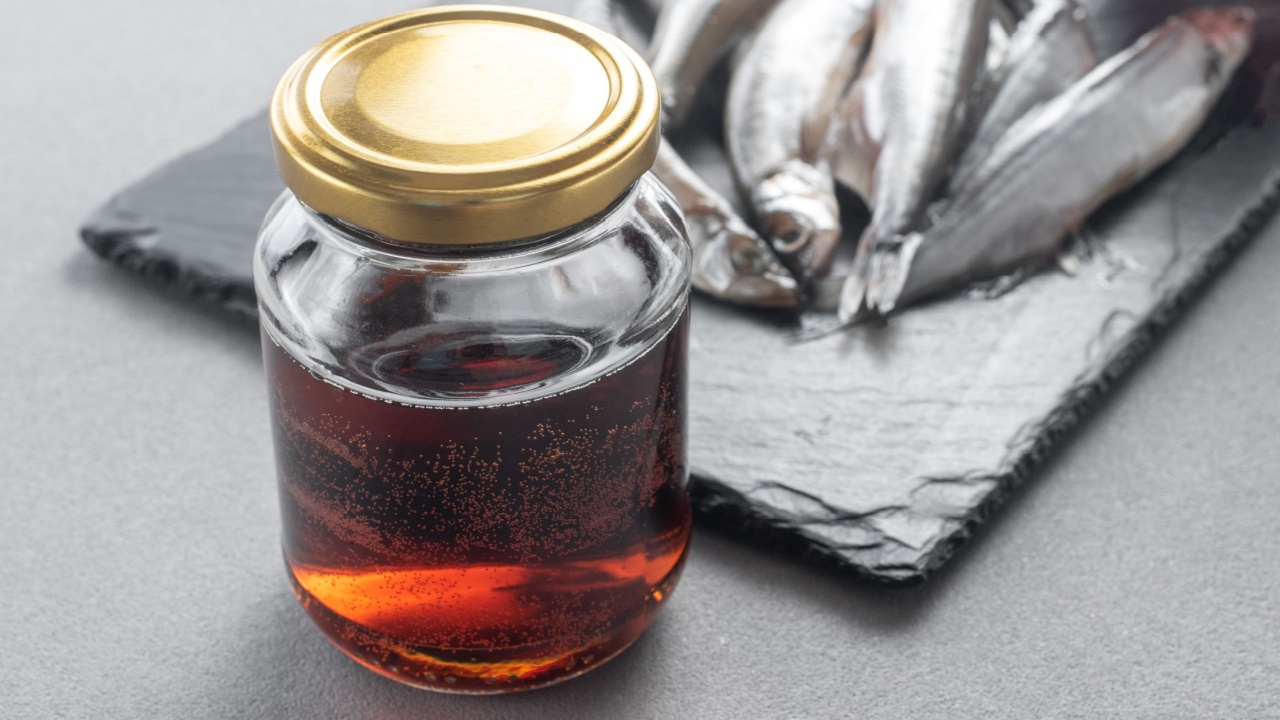
I lived in Vietnam for several years, and a lasting memory is seeing bottles of fish sauce on dining tables everywhere. What’s more, most of them were out in the tropical heat for much of the day. This feat was made possible by high customer turnover, because most Vietnamese diners love the stuff.
A Fully Healthy guide stipulates that domestic users need a different approach for the pantry. “Lasts around three to six months, especially if the cap is tightly sealed and the bottle is kept cool,” reads the guide. Pungent but powerful, fish sauce owes its stability to fermentation and high salt content.
10. Ketchup
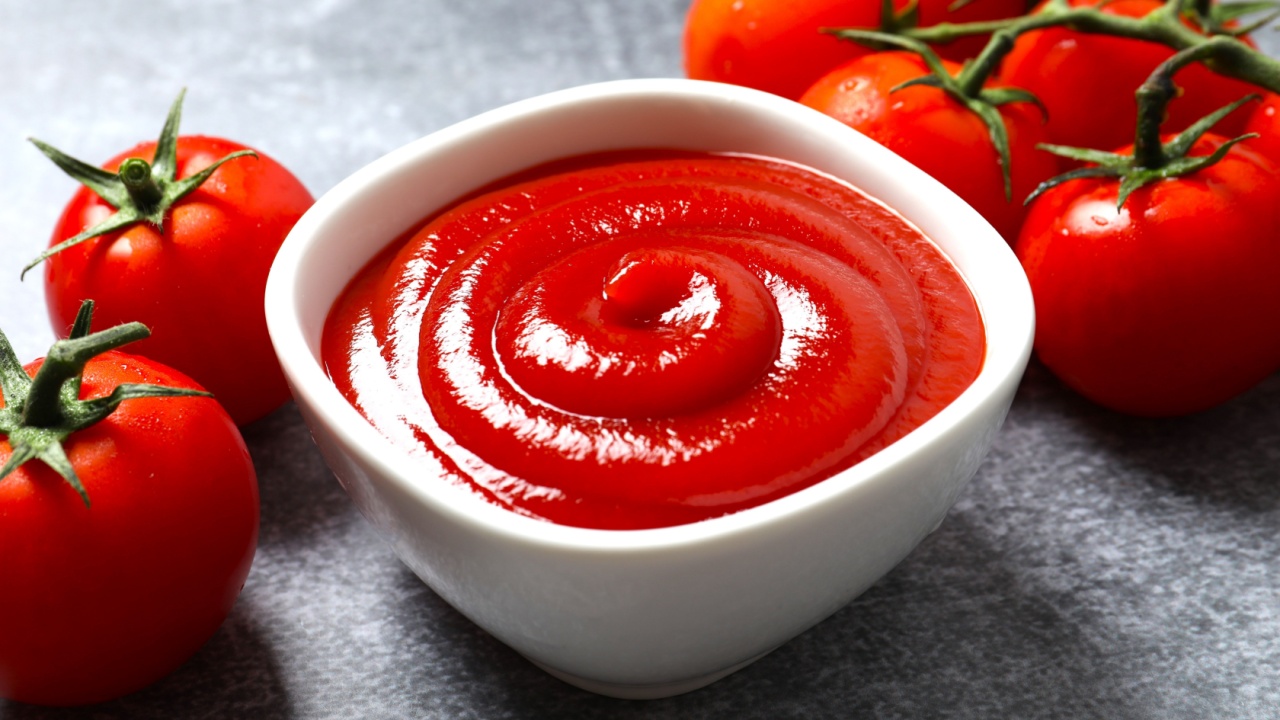
Ketchup’s tangy sweetness is more than just for flavor: it’s what keeps it safe. Made with vinegar and sugar, it’s naturally resistant to bacterial growth. A Today article weighs in on this debate. It states that Heinz Ketchup is shelf-stable, but “its stability after opening can be affected by storage conditions.”
Indeed, not all room temperatures are the same: if you live in a warm place with no air-conditioning, perhaps the fridge is a safer option. Ketchup is pantry-safe, but cold storage helps maintain that bright, tomato flavor. The verdict: leave it out if you go through bottles quickly; chill it if one lingers. While most homeowners might use the fridge, it isn’t a dealbreaker.
11. Pickles
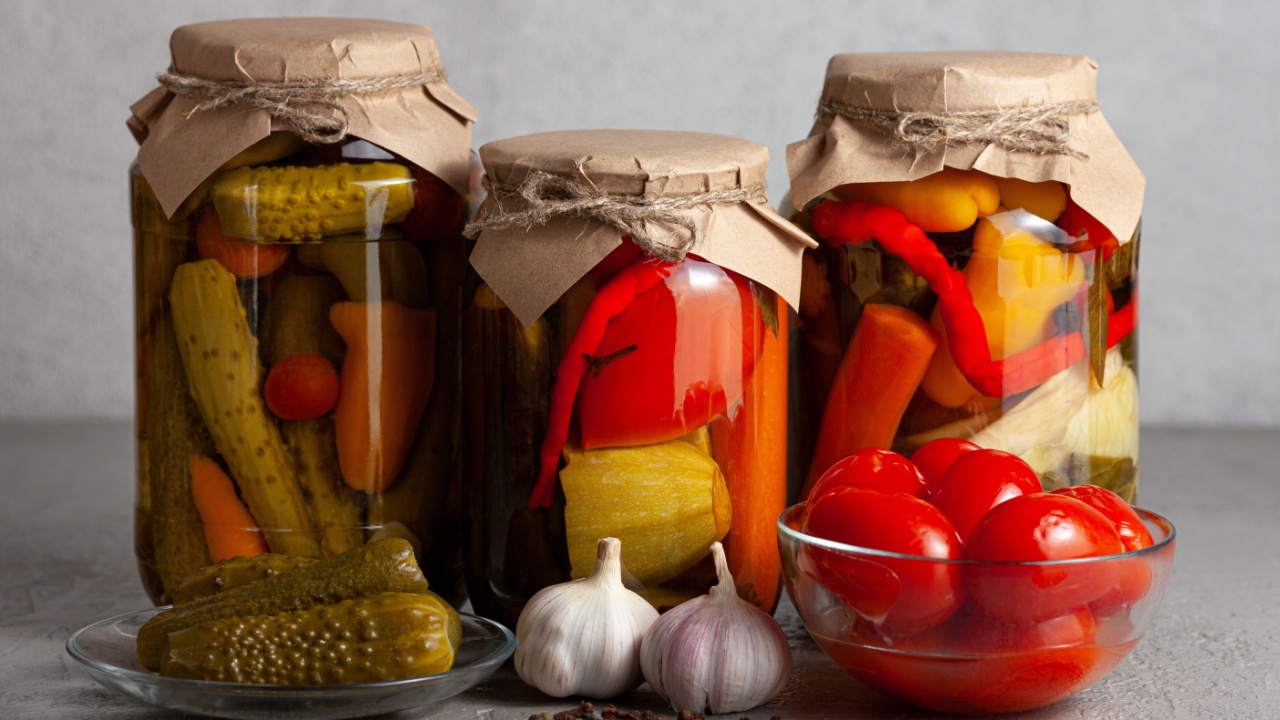
Before opening, pickles are preserved by brine, one of the oldest food safety tricks in the book. Therefore, they can last quite a while with the right conditions: away from any heat and sunlight. (Once open, the fridge is always a better option.)
We will defer to the experts for this evaluation. A post from Sucker Punch Pickles gives insight into this topic. It states how key ingredients in the production process help preserve them. Additions like salt, vinegar, and low pH levels are the main reasons for its success.
12. Bottled Lemon Juice
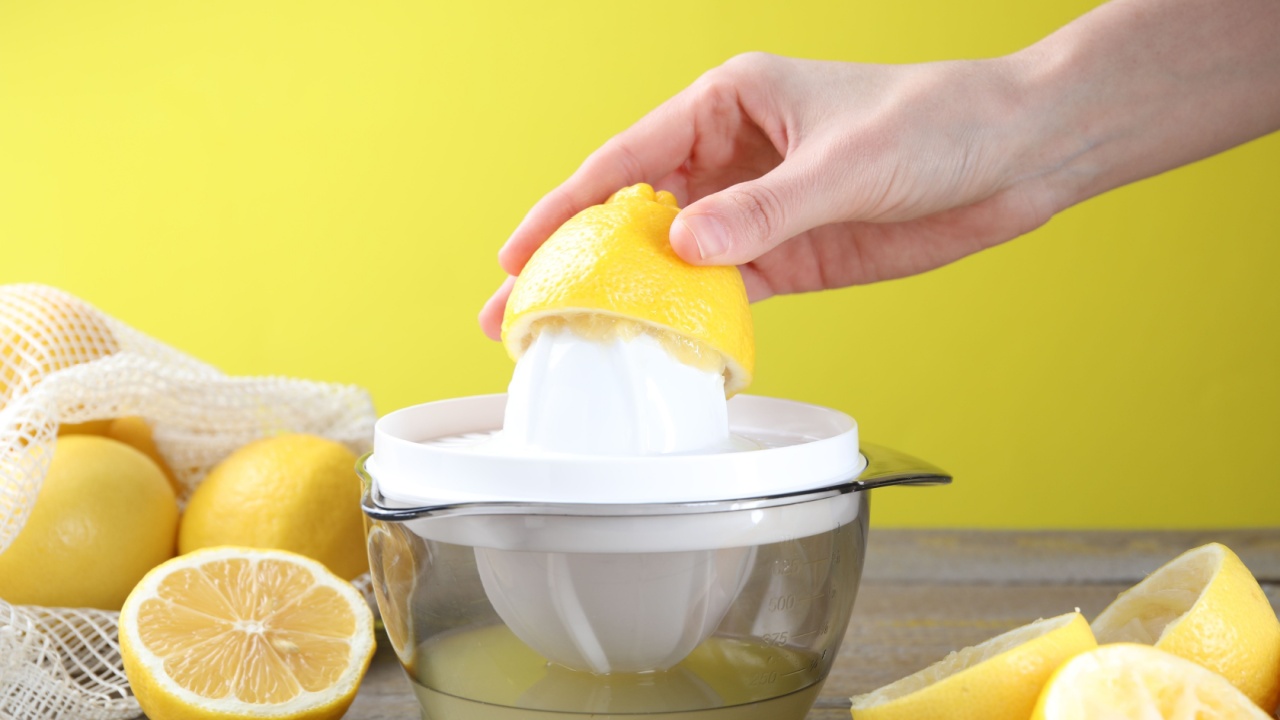
While some might turn their nose up at bottled lemon juice, not everyone has access to fresh lemons. Those in fresh citrus food deserts are entitled to their bottled lemon condiment, good for pancakes or seafood. Good news for them: acid and pasteurization combine to make bottled lemon juice highly stable.
“Properly stored, opened lemon juice that has been sold unrefrigerated and contains preservatives will generally stay at best quality for about 12 to 18 months,” claims a Still Tasty guide. Even so, once opened, such a small container will not clutter any fridge.