10 Reasons Your Seeds Aren’t Sprouting Like You Hoped
Here’s a fact that changes everything: most seeds that “fail” don’t fail to germinate. They start to germinate, get all the way to the finish line underground, and then die when the soil dries out for a single afternoon.
The gardener never knows. They just see an empty tray and blame themselves.
That scenario repeats itself countless times every spring, and sprintime is when it matters most. The seeds you’re starting right now are racing against a calendar. Miss the germination window or make a fixable mistake, and you’re back to square one while your transplant dates tick closer.
The good news is that nearly every case of seeds not sprouting traces back to one of ten identifiable problems, each with a clear solution.
1. The Soil Dried Out Exactly Once at the Wrong Moment
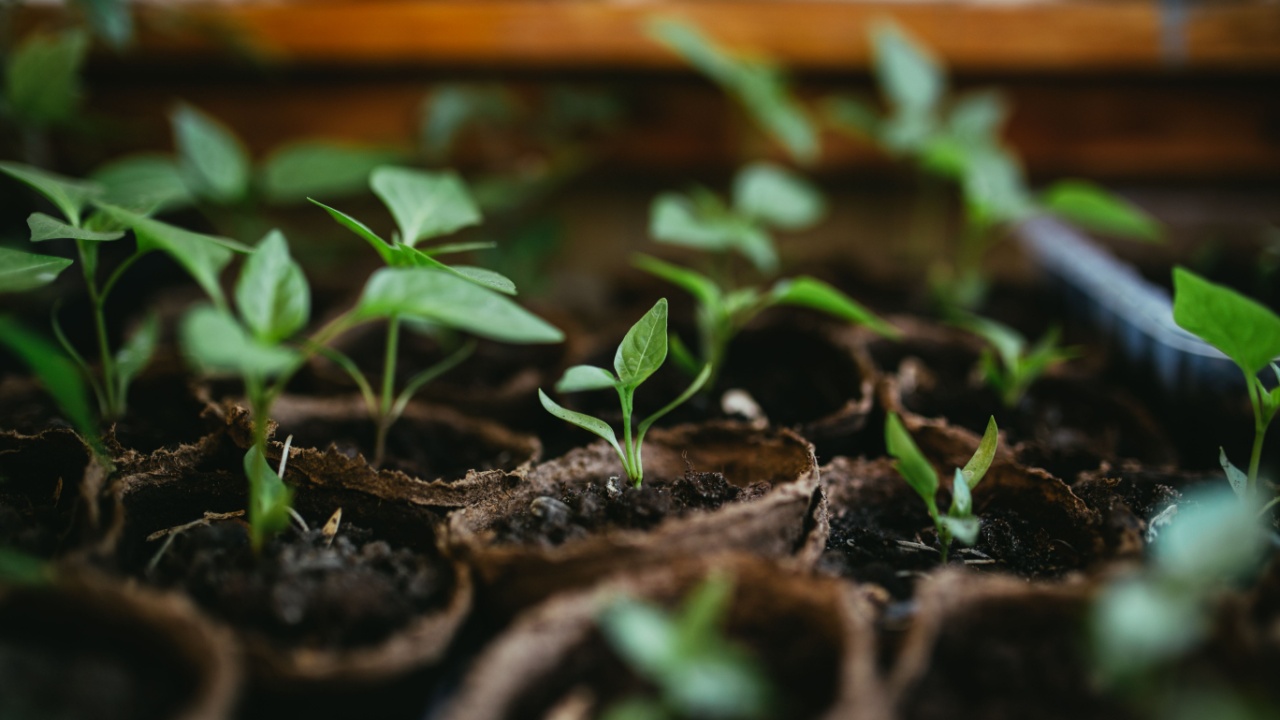
This is the most common germination killer, and the sneakiest. Germination is not a single event; it is a continuous biological process. Once a seed absorbs water and begins cellular division, it is committed. It cannot pause and resume. According to Epic Gardening, a seed starts the germination process when conditions are moist and stops when moisture disappears, meaning even a brief dry spell mid-process is fatal.
The soil surface can look fine while the top inch has gone completely dry. Seeds sitting near the surface, exactly where most of them are supposed to be planted, dry out the fastest.
The fix is to stop relying on visual checks. Stick a finger into the surface daily. Use bottom watering: set your seed trays in a shallow dish of water and let the soil wick moisture up from below. Cover trays with a humidity dome or a piece of plastic wrap to slow evaporation. Remove the covering the moment seedlings break the surface to prevent damping off.
2. Your Seeds Are Buried Too Deep
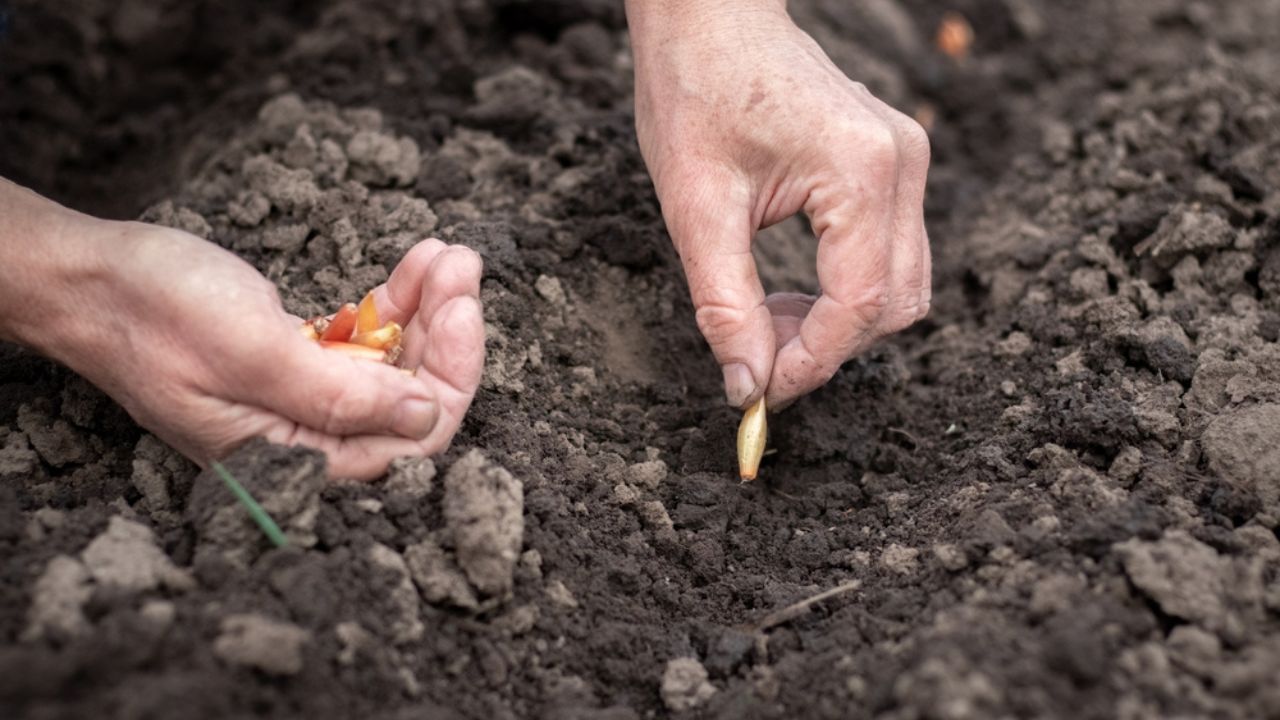
The temptation to dig a proper hole is almost universal, and it is also one of the primary reasons seeds die underground. Kaleb Wyse, gardening expert and founder of Wyse Guide, explains it plainly: seeds contain everything they need to sprout and reach air and light, but if planted too deep, they run out of energy before the surface.
The rule is simple: plant seeds at a depth no greater than twice their width. A seed the size of a pumpkin seed gets buried about an inch deep. Tiny seeds like lettuce, basil, or snapdragons get pressed onto the surface and barely dusted with soil, or not covered at all. According to the Gardenary, these small seeds actually benefit from light on their seed coats as they germinate, so they belong right at the surface.
Always read the seed packet before planting. It is the most reliable source for the exact depth your specific variety needs.
3. The Soil Temperature Is Colder Than You Think
Air temperature and soil temperature are not the same thing, and confusing them is behind a significant share of failed germination. Epic Gardening notes that even if a seed tray is in a warm room, placement near a drafty window or on a cold surface can keep soil temperatures well below the germination threshold.
The Old Farmer’s Almanac publishes detailed germination temperature charts showing how wide the range actually is. Cool-season crops like lettuce and spinach can sprout in soil as low as 35°F, while warm-season crops like peppers and eggplant need soil temperatures of 65–90°F. A tomato seed placed on a cold surface in a 68°F room may be sitting in 55°F soil and simply refusing to move.
A seedling heat mat raises soil temperature 10–15°F above ambient, which can be the difference between germination in one week and germination never. Use a soil thermometer rather than guessing.
4. Your Seeds Are Too Old

Seed viability declines with age, and it declines silently. There is no visible sign that a seed has lost the ability to germinate until you wait three weeks and nothing happens. The Almanac’s viability chart shows that parsnips, leeks, onions, and shallots often lose viability within two years, while tomatoes, cucumbers, and beets can remain viable up to five or six years when stored properly.
Improper storage accelerates that decline. A packet left in a warm garden shed through one summer can be functionally dead before it expires on paper.
Before planting any seed stored for more than a year, run the paper towel test: moisten a paper towel, place 10 seeds on it, fold it over, seal it in a plastic bag, and place it somewhere consistently warm for 7–10 days. Count how many sprout. If fewer than five germinate, sow much more heavily than usual to compensate, or buy fresh seed. Gardenary recommends starting over entirely if fewer than 50% germinate or if the seedlings that do emerge look weak.
5. You’re Using the Wrong Soil
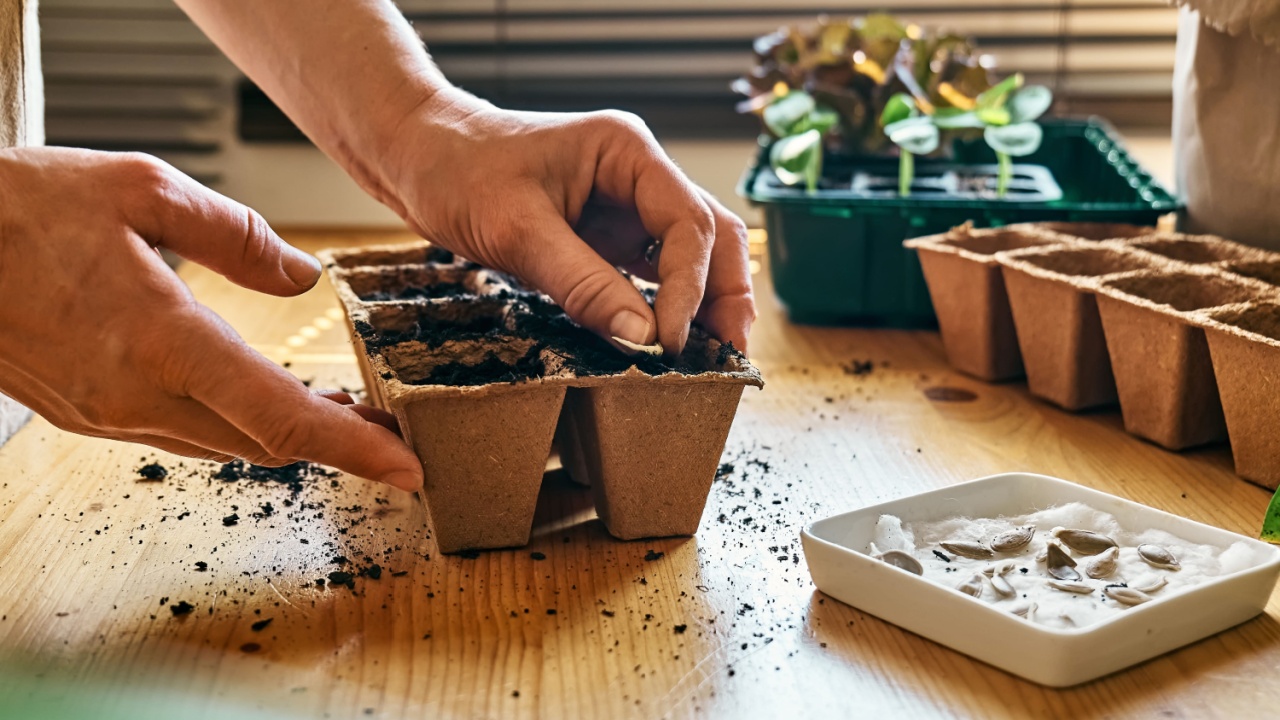
Regular potting mix and garden soil are the wrong tools for seed starting. Teri Valenzuela, natural science manager for Sunday, explains that too much water can suffocate seeds and encourage fungal diseases like damping off, while the dense particle structure of standard potting mixes limits the oxygen and moisture contact tiny seeds need. According to Rebecca Sears, gardening expert for Ferry-Morse, using soil that is poorly draining or not sterile creates a risk of disease, poor drainage, and nutrient imbalance right at the most vulnerable moment in a plant’s life.
Use a seed-starting mix specifically formulated for germination. It is fine-textured, lightweight, sterile, and designed to hold moisture without compacting. For very small seeds, sieve the mix to remove large particles that would reduce moisture contact with the seed surface.
6. Some Seeds Need Light; Others Need Darkness
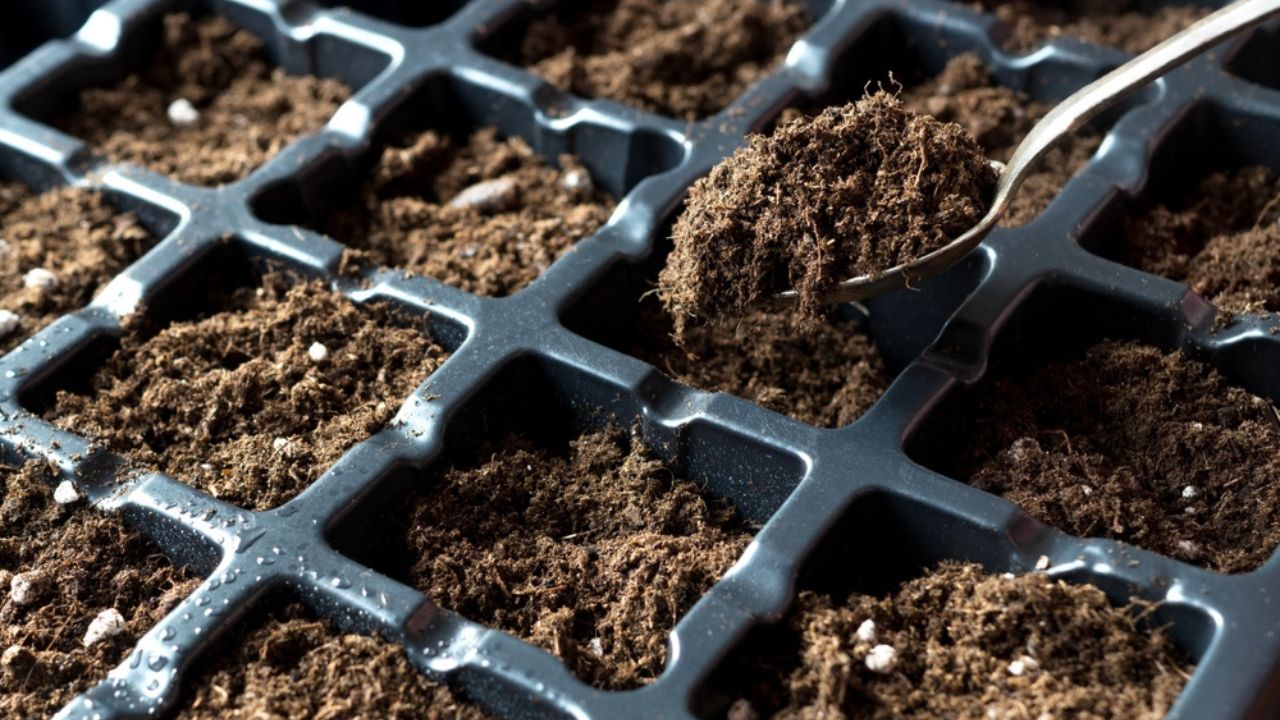
This is the rule that surprises almost everyone at least once. The Almanac is direct about it: most vegetable and herb seeds do not need light to germinate; they actually require darkness. Covering them with the recommended depth of soil and maintaining consistent moisture is correct. The exceptions are certain flower seeds and a handful of vegetables.
Seeds that require light to germinate include lettuce, carrots, celery, okra, petunias, begonias, geraniums, and zinnias, according to Allison Cooper at Backyard Boss. These should be pressed onto the surface of pre-moistened soil and not covered. Burying a light-requiring seed means it may never germinate, no matter how perfect the temperature and moisture are.
7. You Haven’t Actually Waited Long Enough
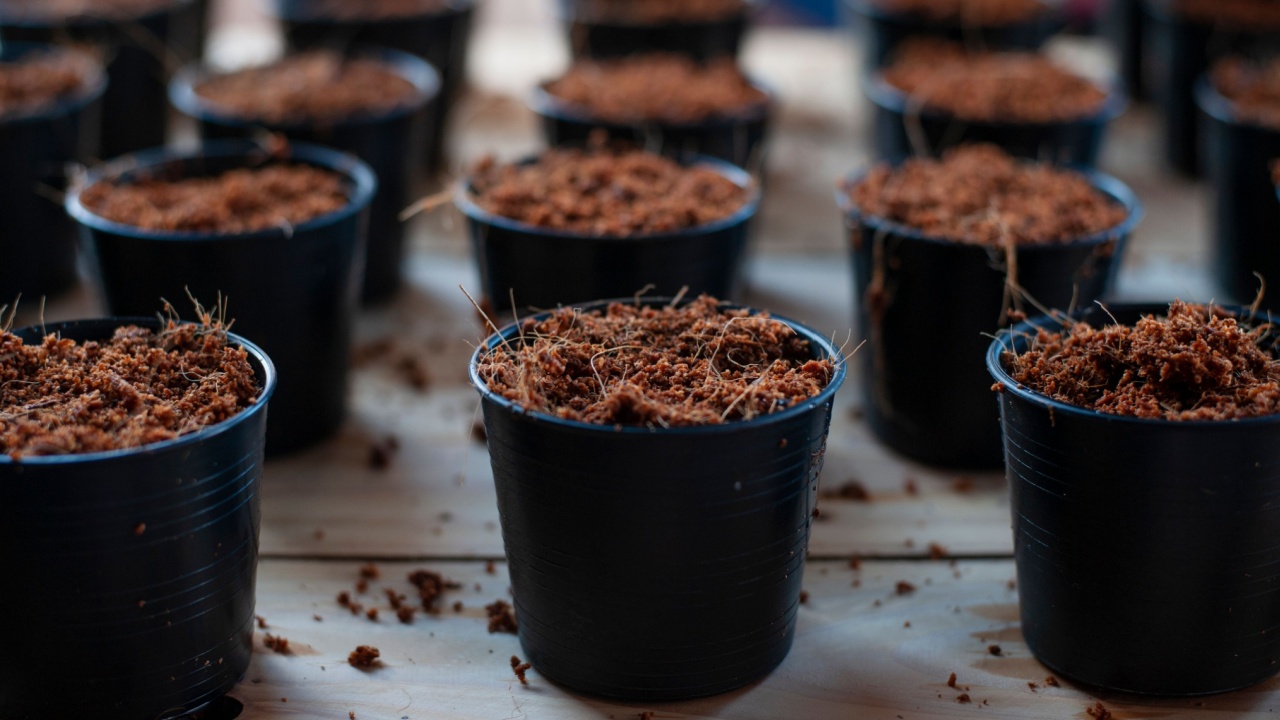
Gardeners abandon viable seeds more often than they admit. According to Real Simple, while lettuce and basil sprout in as little as five to seven days, carrots and parsley can take three weeks; lavender and peppers push that further. If you are checking a pepper tray on day 10 and seeing nothing, you are not behind schedule.
Check the seed packet for the “days to germination” figure before you plant. Write the expected germination date somewhere visible. The Gardenary’s advice is worth repeating: check the number of days until germination on the back of the seed packet, then remind yourself that good things take time. A seed that is still within its germination window is not a failure; it is a seed doing exactly what it should.
8. Hard-Coated Seeds Need Help Getting Started
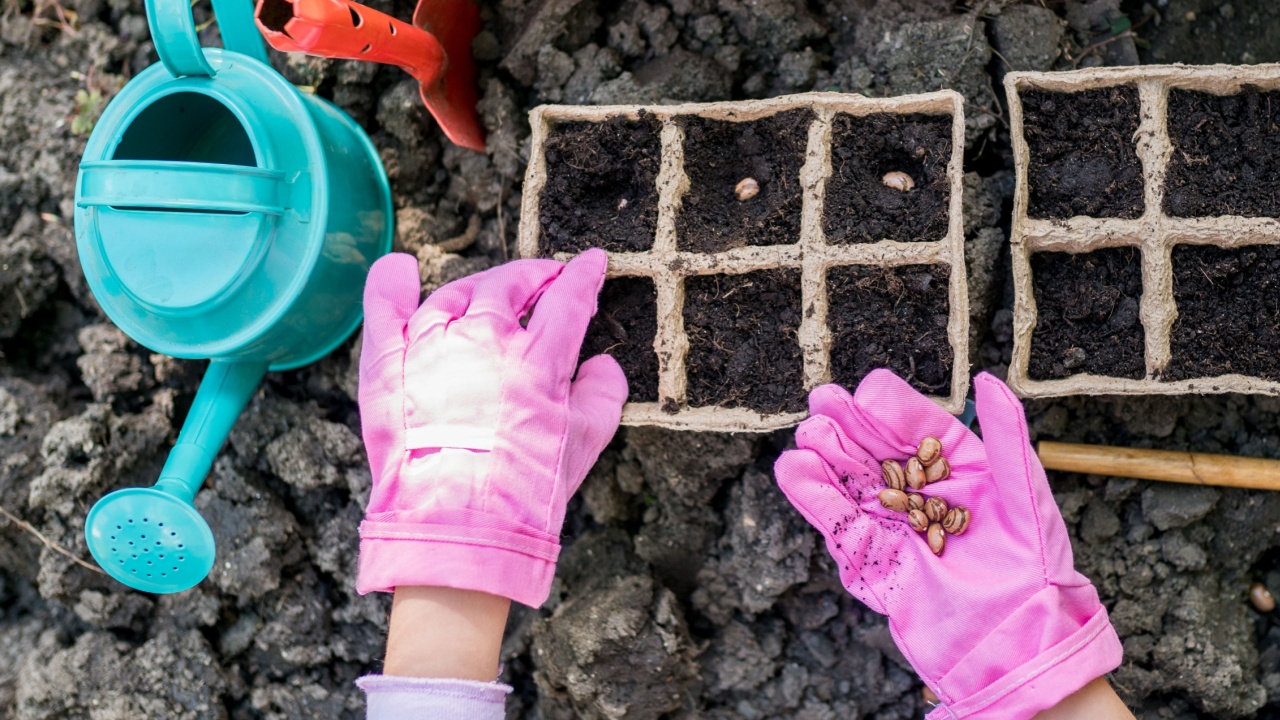
Some seeds have evolved with a tough outer coating that resists moisture. In nature, that coating is worn down by soil abrasion, freezing and thawing, or passage through an animal’s digestive system. In your seed tray, nothing breaks it down unless you do.
Scarification means nicking or roughing up the seed coat mechanically, using a nail file, sandpaper, or nail clippers. The Almanac recommends this for nasturtiums, sweet peas, and any large seed with a noticeably woody coat. A single nick at the opposite end from the seed’s eye is enough to create an entry point for moisture.
Soaking is the complementary approach. Beans, peas, beets, squash, cucumbers, and sunflowers all benefit from an 8–12 hour soak in warm water before sowing. The Almanac notes you can see the difference in a soaked versus an unsoaked pea before you even plant it.
9. Some Perennials and Wildflowers Need Cold First
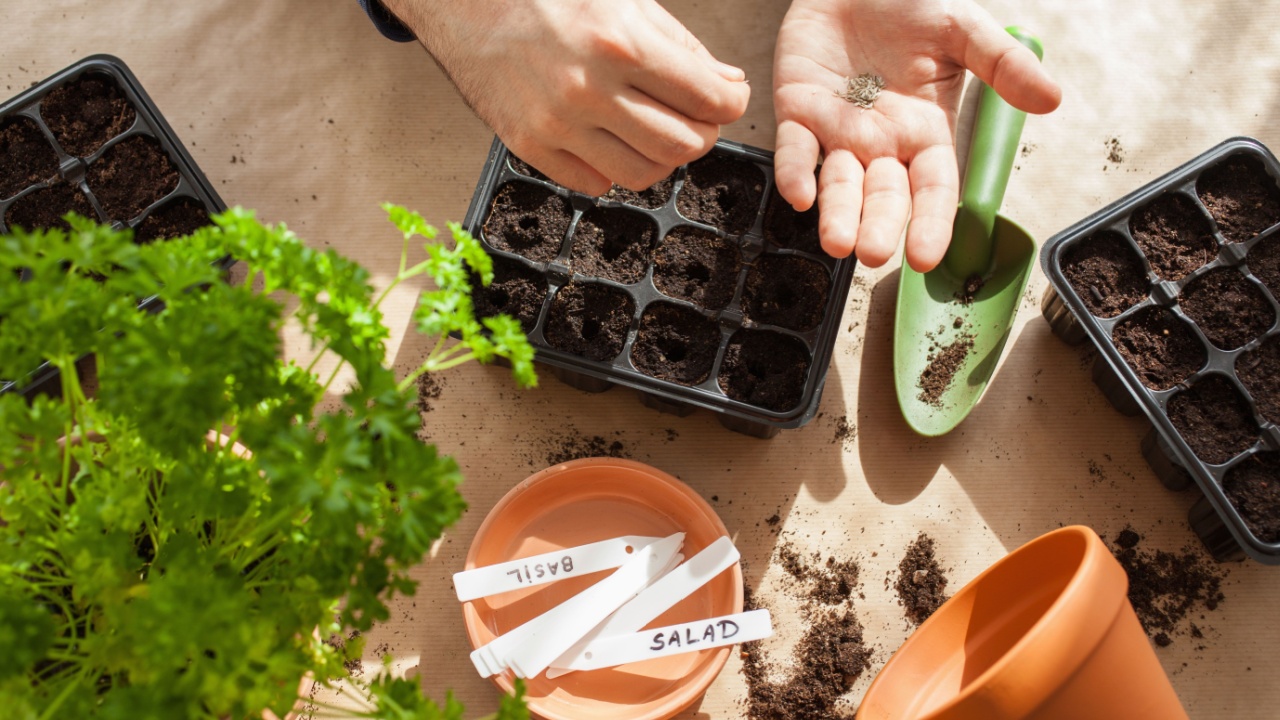
Native perennials and wildflowers are often governed by cold stratification requirements built into their biology. A milkweed seed, a purple coneflower, or a native aster may sit in warm, moist, perfectly prepared soil for weeks and never move, not because anything is wrong, but because it is waiting for a cold period that never came.
According to Epic Gardening, the fix is either to sow these seeds outdoors in the fall so they experience natural winter cold, or to refrigerate them in a damp paper towel or bag for four to six weeks before planting indoors. The exact duration varies by species; check with a reputable seed supplier or your local cooperative extension office.
10. Pests, Fungi, or Damping Off Got There First
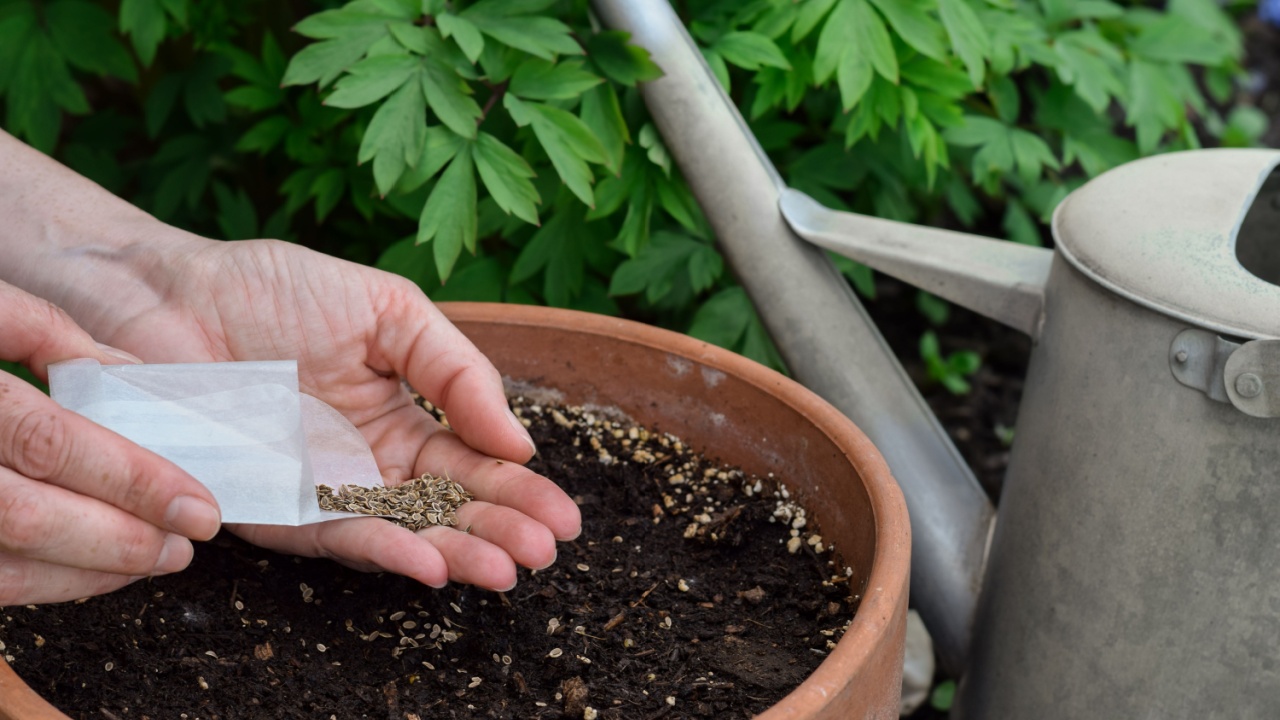
Sometimes the seeds sprouted. You just never saw it. Damping off, a fungal disease caused by soil-borne pathogens, attacks seedlings at or just below soil level, causing them to collapse and die within days of emergence. Allison Cooper at Backyard Boss notes it is particularly common in cool, overly wet conditions. The seedling appears, then disappears, and it looks exactly like germination failure.
Outdoors, birds, mice, and slugs will eat seeds directly from freshly sown beds without leaving obvious evidence. A tray that looked full at planting can be empty by morning.
Prevention is straightforward: always use sterile containers and fresh seed-starting mix. Improve airflow around indoor seedlings. Avoid overwatering. Use row cover or physical barriers for direct-sown outdoor beds. According to Botanical Interests, in an indoor setting, a single pest or pathogen can multiply rapidly with no competition, so the sterile environment matters more indoors than out.
Start With One Fix, Not a Full Diagnosis
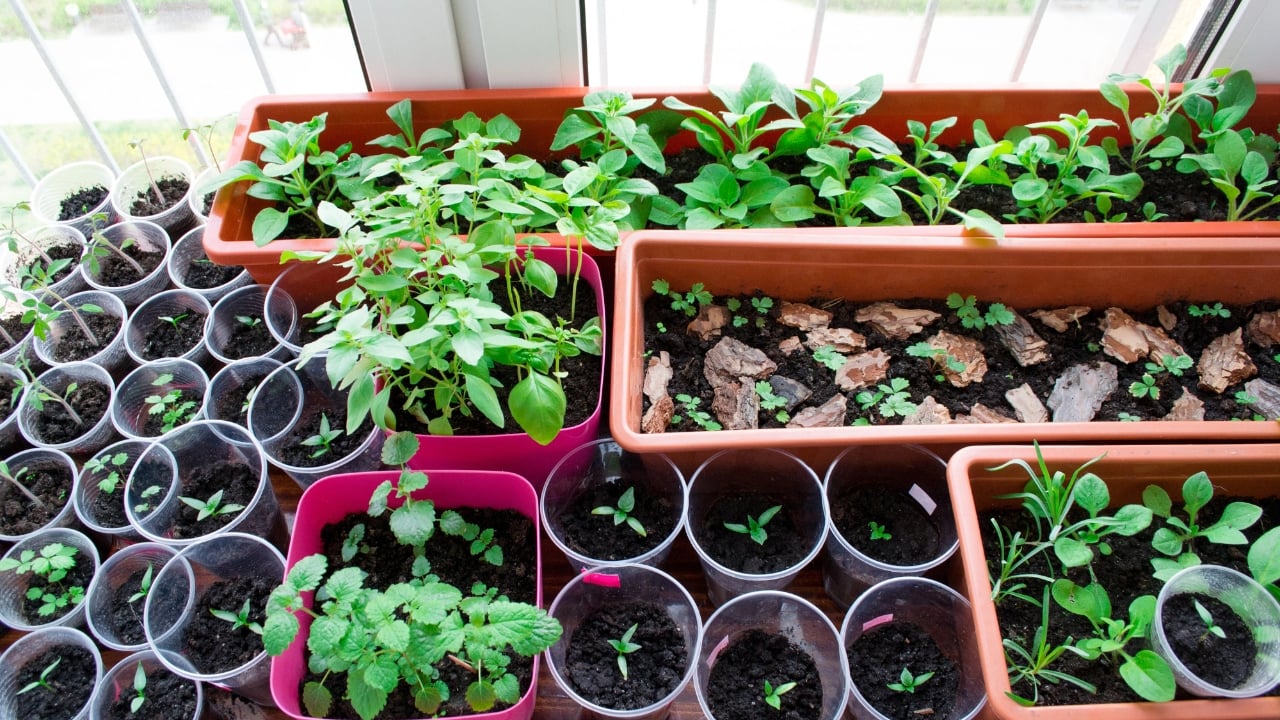
Failed germination is rarely a sign that you lack a green thumb. It is a sign that one variable was slightly off during a process that requires several variables to align simultaneously. The fix is rarely complicated: adjust your watering method, check your soil temperature, run a paper towel test before sowing old seeds, and read the packet before deciding on depth.
Springtime gives you time to correct and resow. The window is not closed. Get back in there.
Read more:
Why wildlife experts are telling people to take down their bird feeders
Plant these 10 companion plants with your tomatoes — and stop planting these 4