6 Fruits That Never Belong in the Fridge
Storing fruit seems simple enough, but that trip from the grocery bag to the kitchen counter or refrigerator can make all the difference. Many of us automatically put produce into the cold to preserve it, but some fruits lose their flavor and texture when chilled.
This guide will walk you through six fruits that fare much better when left out of the refrigerator, explaining why room temperature is their friend and how to store them correctly for the best taste.
1. Bananas
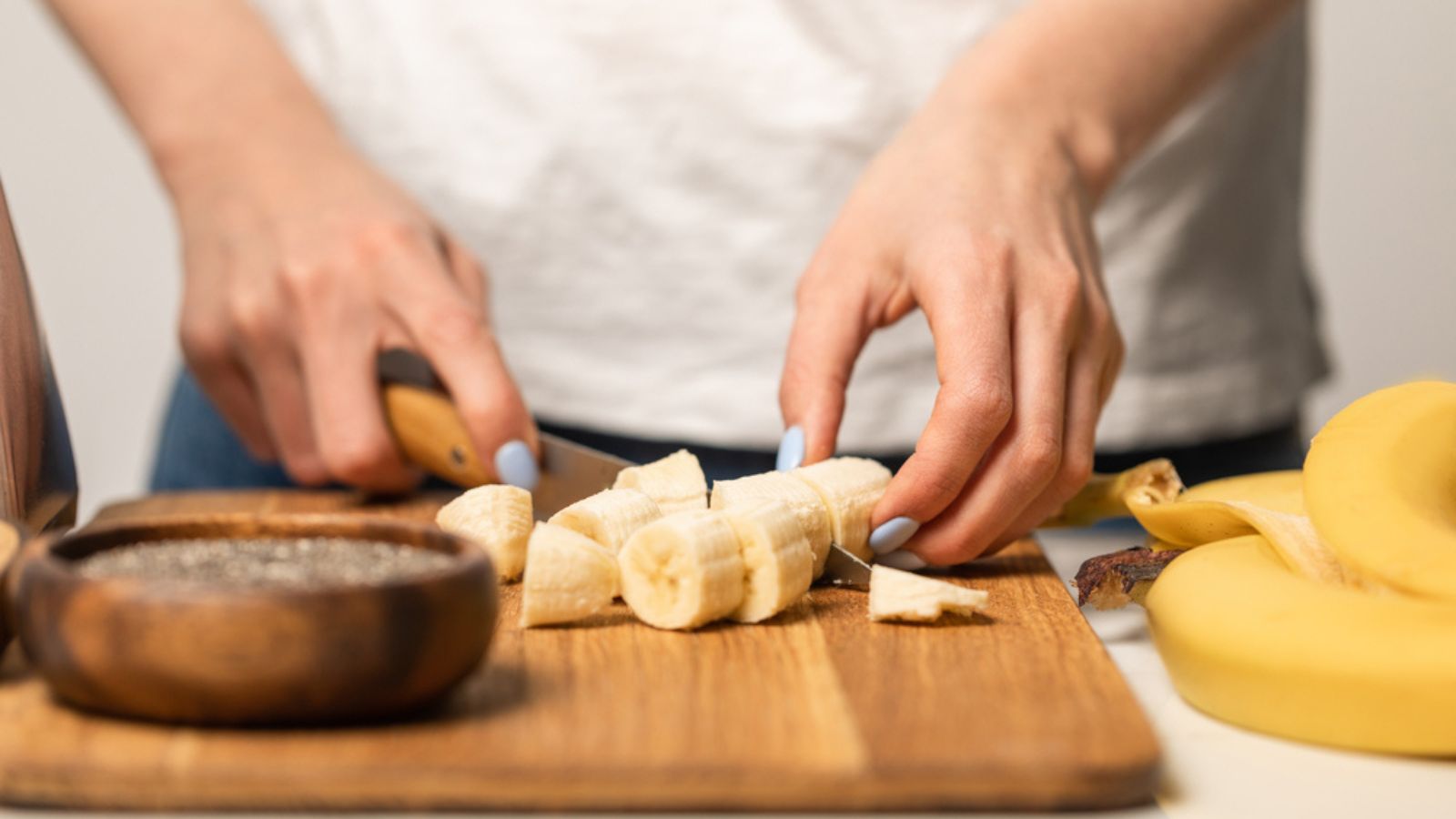
Bananas are tropical fruits that thrive in warm climates, so they have no natural defense against the cold. Placing them in the refrigerator triggers a process called chilling injury. This disrupts the enzymes that allow them to ripen, while causing other enzymes to work more efficiently at breaking down their cells. The result is a banana peel that quickly turns dark brown or black, even while the fruit inside remains underripe.
The cold temperature effectively halts the ripening process. A green banana placed in the fridge will stay green and starchy, never developing the sweetness and soft texture you expect. For optimal flavor, keep bananas on your kitchen counter. If you want to speed up ripening, place them in a paper bag. Once they reach your desired level of ripeness, you can move them to the fridge for a day or two to hold them at that stage, but be prepared for the peel to darken.
2. Stone Fruits Like Peaches and Plums

Peaches, plums, and nectarines are part of the stone fruit family. These fruits continue to ripen after being picked, developing their signature juicy sweetness and aroma. Refrigeration stops this vital process cold. An unripe peach or plum will remain hard and flavorless if chilled too soon. Worse, the cold can damage their internal structure, leading to a dry, mealy, and disappointing texture.
The best way to handle stone fruits is to let them sit on the counter at room temperature. You can arrange them in a single layer, stem-side down, to protect them from bruising. They will soften and become more fragrant as they ripen over a few days. You can test for ripeness by gently pressing the fruit near the stem; it should have a little give. Once they are perfectly ripe and juicy, you can store them in the refrigerator for a few days to extend their life.
3. Avocados
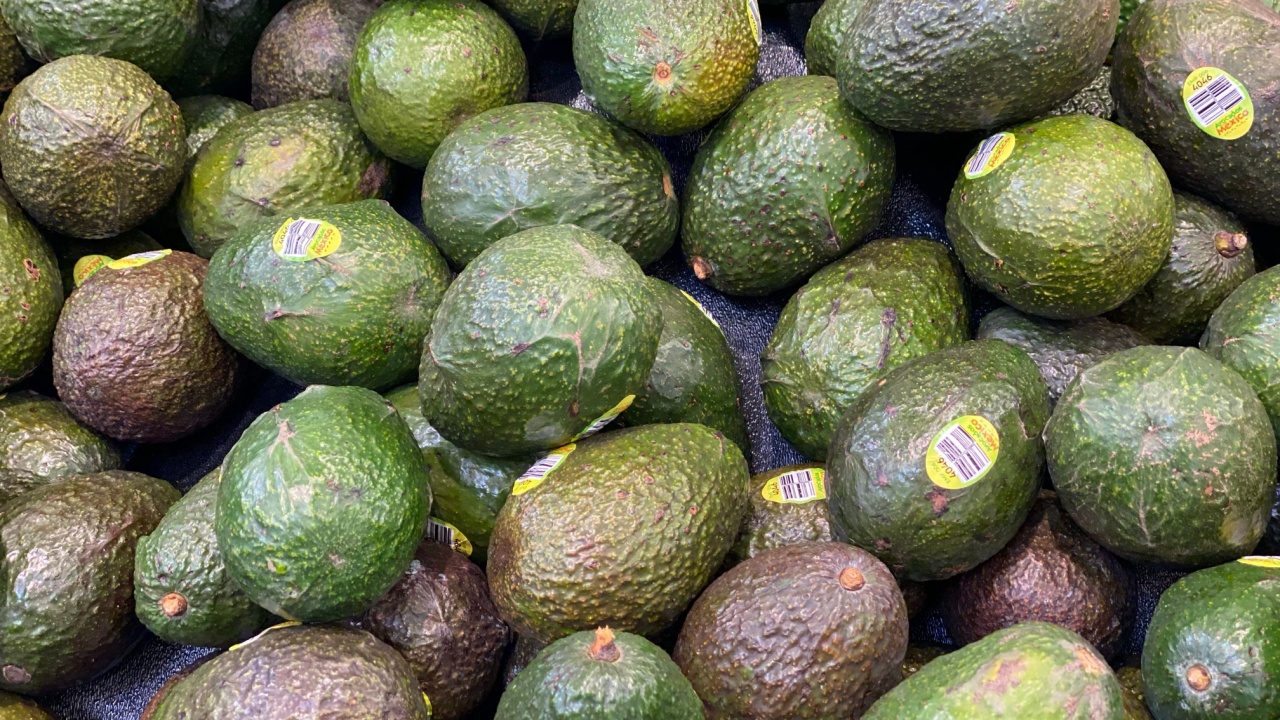
Avocados are another fruit that ripens off the tree, and their ripening journey is sensitive to temperature. If you buy a hard, green avocado and put it straight into the refrigerator, it will stay that way. The cold effectively pauses the enzymes responsible for softening the flesh and developing its creamy, buttery flavor. You will be left with a rubbery, unappealing fruit, expensive as it has become.
To get that perfect creamy texture, leave your avocados on the counter. Depending on their initial firmness, they can take anywhere from two to five days to ripen. You will know an avocado is ready when it yields to gentle pressure. At this point, you have a window of opportunity to enjoy it. If you are not ready to eat it right away, you can then move the ripened avocado to the refrigerator to slow down further ripening for two or three days.
4. Tropical Fruits
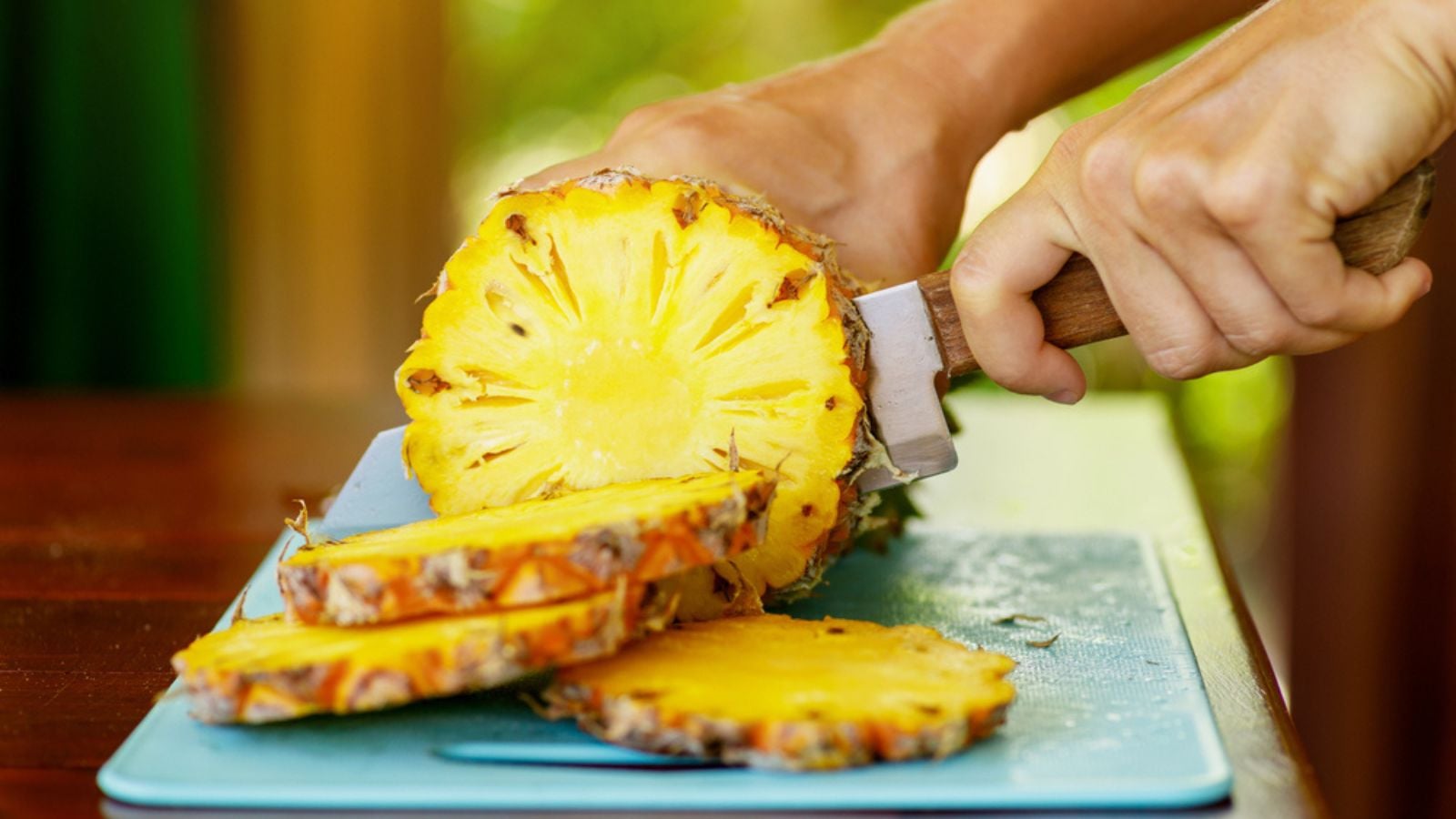
Most tropical fruits, including pineapples, mangoes, and papayas, grow in warm, humid regions. Their cellular structures are not built to withstand cold temperatures. Chilling these fruits before they are ripe can cause internal damage, resulting in discoloration, pitting, and a loss of flavor. The cold air of a refrigerator also inhibits the enzymes that produce the aromatic compounds that give these fruits their wonderful scent and taste.
Store whole, uncut tropical fruits on your countertop until they are fully ripe. A pineapple will become more fragrant at its base, and a mango will soften slightly and smell sweet. Once you have cut into the fruit, however, the rules change. Any leftover cut portions must be stored in an airtight container in the refrigerator to prevent them from spoiling.
5. Kiwi

Kiwi is a fruit that ripens after being harvested, and its texture is highly dependent on proper storage. When you buy kiwis at the store, they are often firm to the touch. Placing them directly into the refrigerator will keep them in that hard, acidic state for weeks. The cold temperature halts the natural softening and sweetening process.
To enjoy a sweet and juicy kiwi, let it ripen at room temperature for three to five days. To speed things up, you can place them in a paper bag with an apple or banana, which releases ethylene gas that encourages ripening. A ripe kiwi will be plump and yield to gentle pressure. Once it reaches this stage, you can move it to the refrigerator to keep it fresh for another week or two.
6. Tomatoes
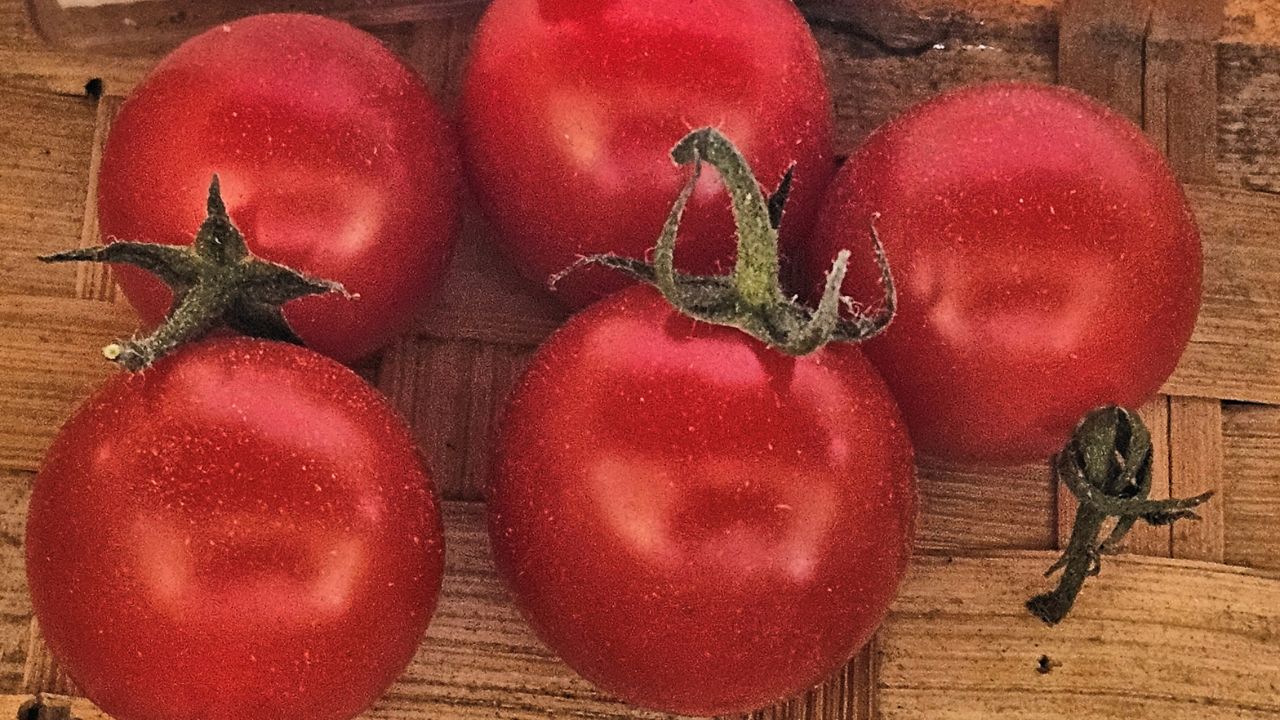
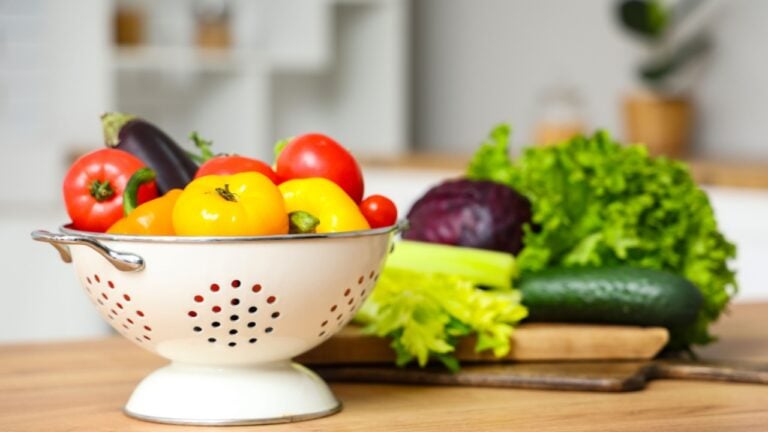
While often used as vegetables in the kitchen, tomatoes are botanically fruits. One of the biggest mistakes you can make is storing fresh tomatoes in the refrigerator. The cold temperature is detrimental to their flavor and texture. It breaks down the membranes inside the fruit walls, leading to a mealy, mushy consistency. More importantly, chilling permanently stops the tomato from producing the volatile compounds that create its complex, garden-fresh taste.
For the most flavorful experience, store your tomatoes on the counter, away from direct sunlight. Arrange them in a single layer with some space between them to allow for air circulation. They will continue to ripen and develop flavor for several days. Enjoy them at room temperature to get the full effect of their natural sweetness and aroma.
Enjoying Your Fruit at Its Peak
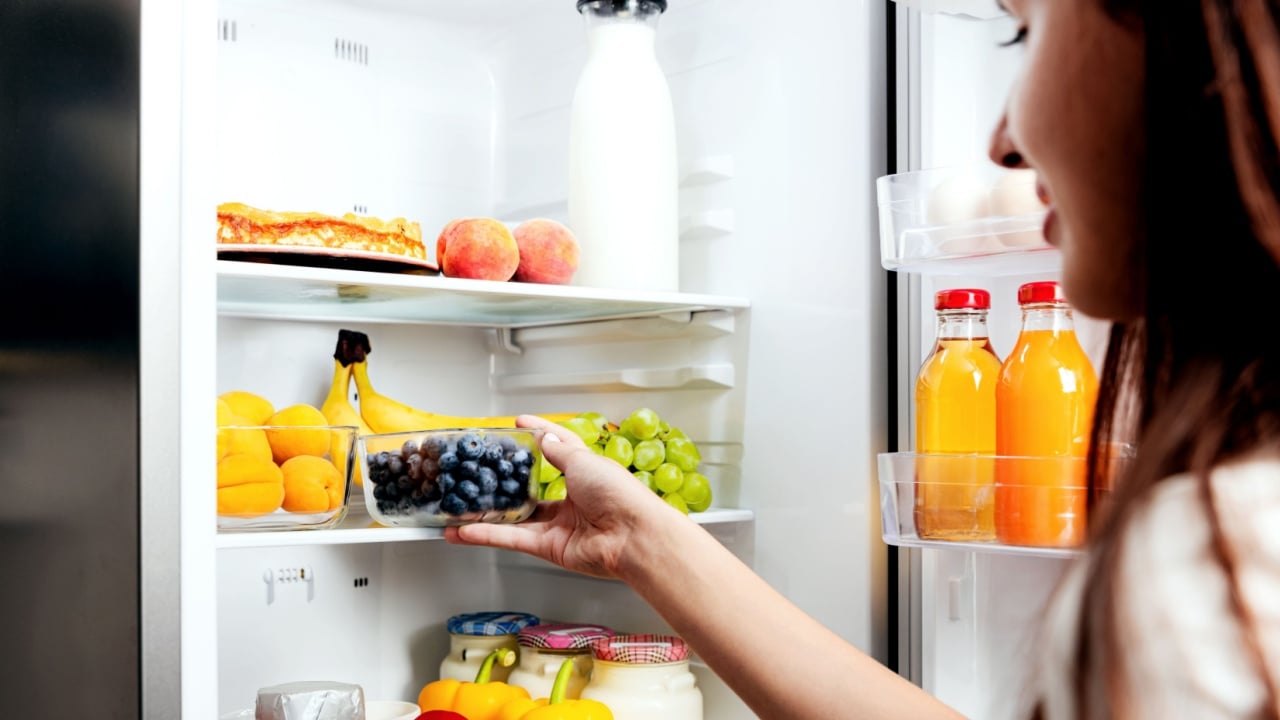
Proper storage is the secret to getting the most out of your fresh fruit. By keeping these six fruits out of the refrigerator and allowing them to ripen naturally on your counter, you preserve their intended flavor and texture. The next time you unload your groceries, give your bananas, stone fruits, avocados, and other temperature-sensitive produce a prime spot on the counter. A little patience will reward you with juicier, sweeter, and more satisfying fruit every time.
Read more:
14 Foods to Never Store in Plastic for Our Health’s Sake
14 Places You Should Never Use as Storage (But Probably Are Anyways)