
12 States Pushing to Cut or End Taxes on Your Home
For many homeowners, the arrival of the annual property tax bill can feel like a gut punch. As real estate values have soared, so have the taxes, putting a tight squeeze on household budgets and leaving many wondering how they’ll afford to stay in their homes.
Since 2019, property taxes have jumped by 30% nationwide, fueled by home prices that have spiked 55% since the pandemic. In response, a growing political movement is taking shape. Across the country, lawmakers and taxpayer advocacy groups are championing proposals to slash, or even eliminate, property taxes for permanent residents.
So, which states are leading the charge? Below, we’ll explore where this legislation is gaining traction, what it could mean for local housing markets, and what homeowners can expect from these financial reforms.
1. Montana

Montana recently enacted legislation delivering a tax cut to 80 percent of residential property owners for the 2025 tax year. The average homeowner receives a $500 reduction, while another 10 percent of residents will avoid tax increases entirely. This plan targets homestead properties and even offers a tax break for long-term renters living in these primary residences.
Homeowners should review their local property classifications to confirm their primary residence qualifies for the homestead exemption. Vacation home owners face a different scenario, as non-homestead properties could see tax increases of 68 percent through 2026. Reviewing the local department of revenue guidelines will clarify exact eligibility and potential savings.
2. North Dakota

North Dakota expanded its home property tax credit from $500 to $1,600 following a push for significant reform. The state plans to replace the lost local revenue by tapping into its Legacy Fund, which grows through taxes on substantial oil production. Officials note this legislation puts primary residences on a path toward zero property taxes within the next decade.
Residents looking to benefit from this expansion should verify their status with their county assessor. Keeping property records updated helps secure the maximum available credit. Monitoring local legislative sessions will provide advance notice of any further reductions planned for upcoming tax years.
3. Ohio

Late last year, Ohio passed legislation to cap property tax increases at the rate of inflation. A citizens’ movement is currently gathering the 400,000 signatures required by July to place a complete property tax repeal on the 2026 ballot. This grassroots effort highlights a strong desire among residents for more aggressive financial relief.
Homeowners can calculate their potential savings by tracking the current inflation rate against their previous tax bills. Getting involved in local community discussions offers a way to stay informed on the signature-gathering progress. Adjusting household budgets now in anticipation of these capped increases provides a practical financial buffer.
4. Florida

Florida is considering a major shake-up to property taxes. Lawmakers are discussing a ballot proposal that would increase the home property tax exemption by $100,000 each year for ten years. If it passes, this plan could eventually get rid of home property taxes entirely, without touching school funding. For this to happen, it needs a thumbs-up from 60 percent of voters.
If you’re a voter, it’s worth looking into how this could affect local housing prices, as some studies predict a potential 9 percent jump. Getting ready for these market changes can help you make smarter moves, whether you’re buying or selling. Make sure you’re registered to vote so you can have your say in this big financial decision.
5. Pennsylvania

A new proposal in Pennsylvania could put property tax elimination right on the ballot. Supporters say the current system is unfair to homeowners and want to give the state legislature five years to figure out other ways to bring in money. This plan offers quick relief for taxpayers but puts off the tricky task of funding local schools and services.
If you live in PA, it’s a good idea to tune into local school board meetings and check out your town’s budget proposals. Knowing how local services get funded will help you see the bigger picture if this tax goes away. It’s also smart to look at what could replace it, like higher sales taxes, to get a better handle on the state’s financial future.
6. Kansas

Kansas lawmakers proposed a bill to create a new fund designed to pave the way for property tax reductions. The plan involves repealing specific state sales tax exemptions to generate revenue, which would then be used to lower property taxes once the fund reaches a sufficient size. The measure is currently awaiting further movement in the state legislature.
Homeowners tracking this bill should monitor the specific sales tax exemptions targeted for repeal. Understanding how everyday purchases might become more expensive helps balance the prospect of lower annual property bills. Contacting local representatives provides a direct way to voice opinions on this funding strategy.
7. Illinois

Illinois lawmakers introduced legislation designed to reward long-term residency. The proposed bill exempts homeowners from paying property taxes entirely if they have lived in their house for 30 years or longer. This measure aims to protect seniors and long-established residents from being priced out of their neighborhoods by rising property values.
Homeowners approaching the 30-year mark should gather documentation proving their continuous residency. Organizing utility bills, mortgage statements, and past tax records simplifies the application process if the bill becomes law. Younger buyers might factor this potential long-term benefit into their decision to settle permanently in the state.
8. Missouri
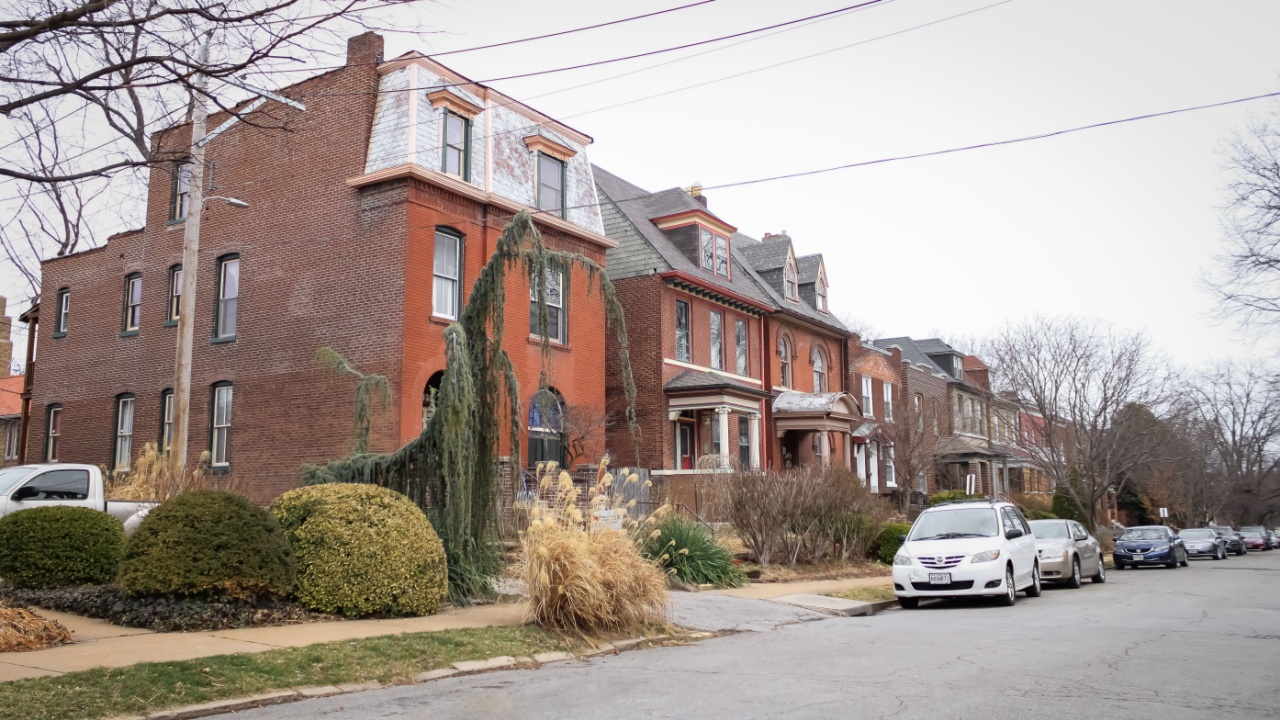
Missouri recently explored replacing property taxes with a statewide sales tax. Although the 2025 bill did not advance, the concept remains a topic of active discussion among state legislators seeking alternative revenue models. Proponents argue that a consumption-based tax creates a fairer system than taxing unrealized real estate gains.
Residents should evaluate their annual spending habits to determine how a higher sales tax would affect their finances compared to their current property tax bill. Staying active in local town hall meetings helps keep track of similar future proposals. Budgeting for potential changes in daily expenses provides a solid financial safety net.
9. Indiana
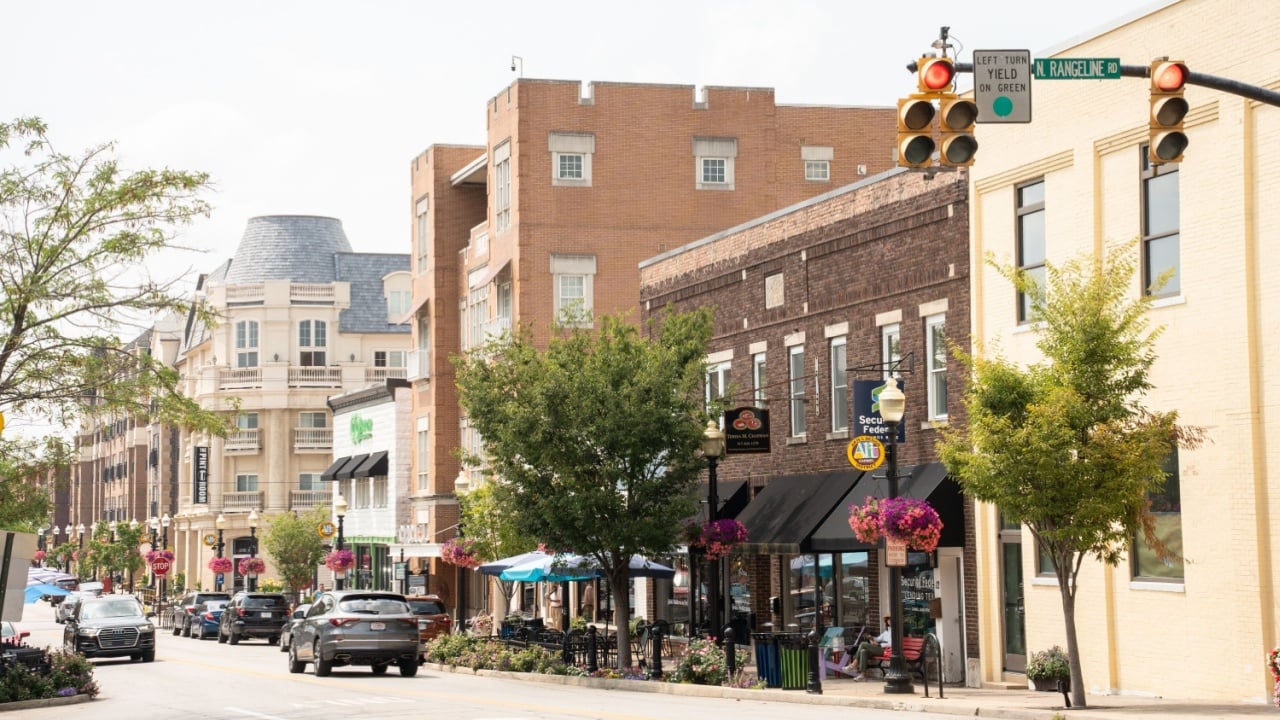
The Indiana legislature has debated various property tax relief bills to address resident concerns over rising home valuations. While recent sweeping measures failed to advance, the ongoing dialogue signals a strong legislative focus on easing the financial strain on homeowners. Local taxpayer advocacy groups continue to press for meaningful reform.
Property owners should regularly review their annual property assessments for accuracy. Filing an appeal on an overvalued home remains the most effective immediate strategy for lowering a tax bill. Consulting a local real estate appraiser provides the necessary data to support a successful assessment appeal.
10. Oklahoma

Oklahoma lawmakers introduced bills aimed at capping property tax increases for primary residences. Although these specific measures stalled, the push for reform highlights the statewide frustration with unpredictable annual tax bills. Legislators continue to look for ways to protect homeowners without devastating municipal budgets.
Homeowners can take advantage of existing state exemptions, such as the senior valuation limitation, to control rising costs. Visiting the county assessor’s office website reveals all currently available deductions and required forms. Submitting applications before the spring deadlines guarantees participation in these cost-saving programs.
11. Texas

Texas rolled out a massive $18 billion property tax cut, one of the biggest the state has ever seen. What does this mean for most homeowners? Your homestead exemption will jump from $40,000 to a whopping $100,000. The new law also lowers school district tax rates, which means you’ll pay less for every hundred dollars your property is worth.
To get in on these big savings, you need to make sure you’ve filed for your homestead exemption. You can check your local appraisal district’s website to see if it’s already applied. It’s a good idea to set a calendar reminder for the annual deadline so you don’t miss out on saving thousands.
12. Colorado

Colorado’s property tax assessments have been skyrocketing, so lawmakers held special sessions to figure out what to do. They’ve come up with some new bills that temporarily lower assessment rates and let homeowners put off paying some of their taxes. These are emergency fixes to help people avoid sticker shock after the crazy real estate boom.
If you’re thinking about deferring your property taxes, be sure to calculate the long-term costs, since interest will likely be added to what you owe. It might be better to check with your county treasurer about local payment plans to make your increased bills more manageable. It’s also a good idea to look at the new assessment rates so you can get a clearer picture of your future housing costs.
Take Control of Your Property Taxes

Owning a home feels much more secure when you actively manage your property tax obligations. By researching local exemptions, attending community meetings, and staying informed on legislative changes, you gain control over your annual housing expenses.
Reach out to your county assessor today to verify your current exemptions and start keeping more of your hard-earned money in your pocket.
Read More: