
15 States Where Property Taxes Are Slowly Devouring Homeowners
Buying a house is a huge deal, probably the biggest purchase you’ll ever make. And while you’re busy worrying about the mortgage rate and the sale price, there’s a sneaky expense hiding in the paperwork: property taxes.
You’ll eventually pay off your mortgage, but property taxes stick around forever. In some states, these yearly bills are so high that they feel like a second mortgage, draining your bank account and retirement funds. Before you sign that dotted line and pack your bags, it’s smart to know what you’re getting into financially.
Here’s a look at the states where property taxes will cost you the most and why.
1. New Jersey
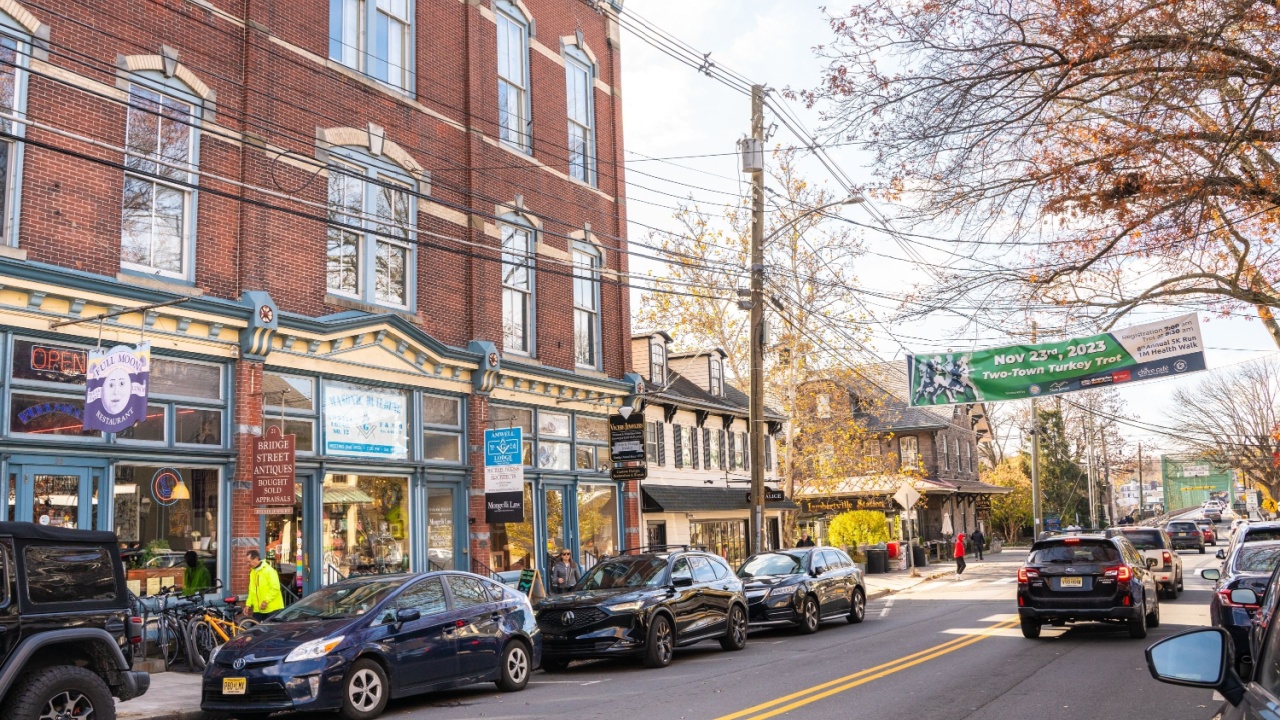
The Garden State consistently takes the crown for the highest property taxes in the country. With an average rate of about 2.33%, residents end up paying way more than the national average. Most of that cash goes toward funding top-tier public schools and local services.
If you’re looking at an average-priced home here, expect an annual bill that easily clears $8,000 or $9,000. Before you fall in love with a house, make sure to crunch the numbers; these taxes eat into your monthly budget. It’s also worth doing your homework on specific towns, since rates can swing wildly depending on where you land.
2. Illinois

Illinois is a tough spot for property owners, especially if you’re looking around the Chicago area. The state has an average effective tax rate of about 2.11%, with most of that money going toward local government and public pensions.
Even if you find a house that looks like a bargain compared to the coasts, those high taxes can quickly drive your cost of living back up. If you’re house hunting, pay close attention to county assessments. In the “collar counties” near Chicago, your tax bill might be as high as your mortgage payment.
3. New Hampshire

The Granite State is famous for having no state income tax and no sales tax, creating a reputation as a tax haven. However, the government still requires revenue to operate, and it collects the bulk of it through property taxes.
The average rate sits at roughly 1.89%. This trade-off means that while your paycheck might look larger, a good chunk of it will go right back into your escrow account. Retirees are often drawn to the state for the income tax benefits, but they need to be ready for that large annual bill that comes with owning a home.
4. Connecticut
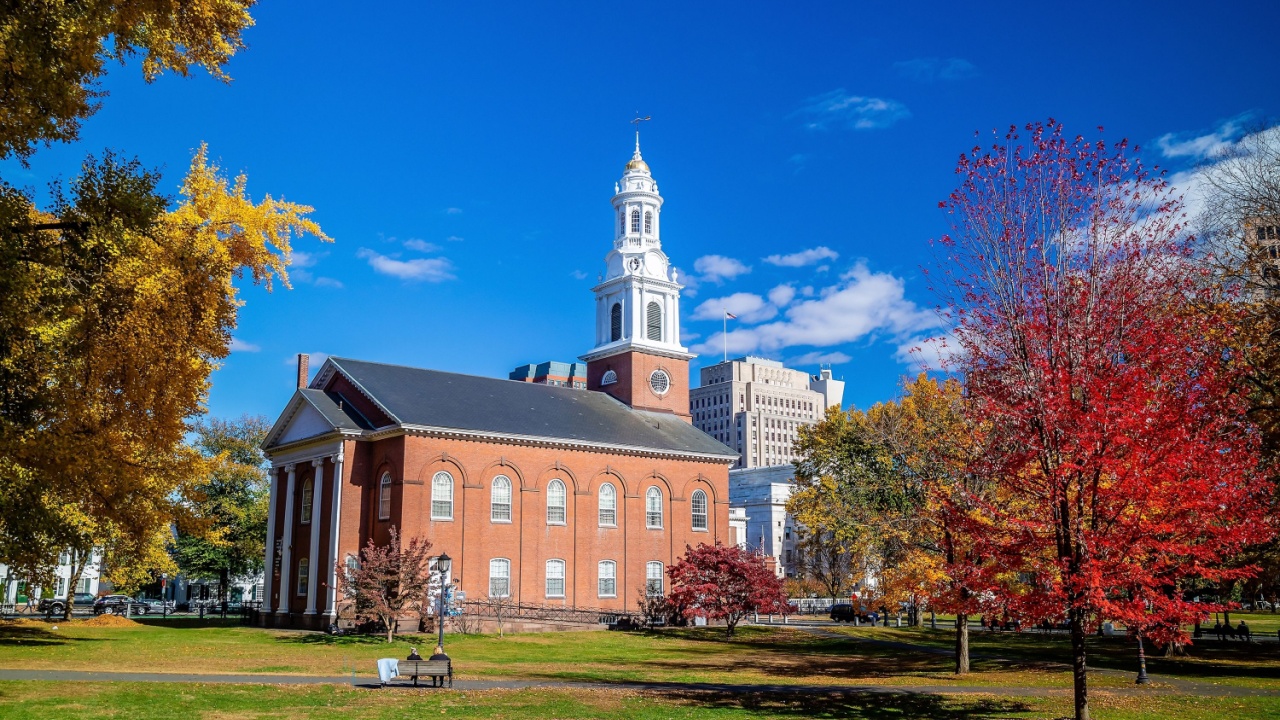
Connecticut homeowners face a double-edged sword: high property values and a high tax rate of about 2.07%. This combination results in some of the largest average annual tax bills in the United States.
All that money goes toward funding top-notch public schools and city services, which helps maintain property values, but makes it harder for new buyers to get into the market. If you’re thinking about moving to the Constitution State, it’s worth checking if your town has any tax breaks for seniors or veterans that could ease the financial burden a bit.
5. Vermont

Vermont may have a small-town vibe, but its property taxes are anything but small, averaging around 1.78%. The cost of maintaining roads, utilities, and infrastructure across the state’s mountainous terrain plays a big role. Plus, a lot of the funding for schools comes from these taxes.
If you’re thinking about buying a second home for those ski getaways, this rate might catch you off guard and disturb your budget. It’s a good idea to compare rates between towns; areas near popular ski resorts can have different taxes than more rural communities.
6. Texas
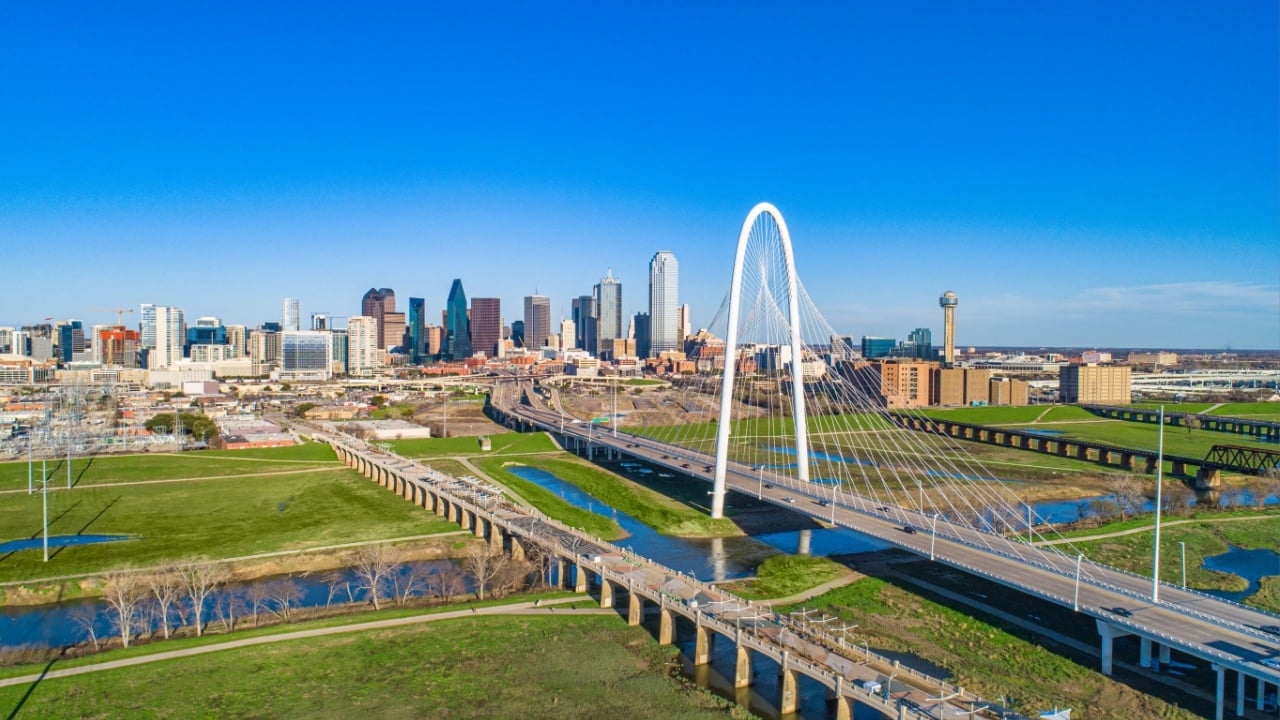
Texas is another state that lures residents with the promise of zero state income tax. To balance the ledger, the state relies heavily on property taxes, which average 1.63%. In booming markets like Austin, Dallas, and Houston, where home values have skyrocketed, this percentage translates to a massive annual bill.
The state does not have a property tax set at the state level; instead, local taxing units set the rates. One pro-tip for homeowners: you can protest your property value assessment every year. If you’re successful, it could save you hundreds of dollars.
7. Wisconsin
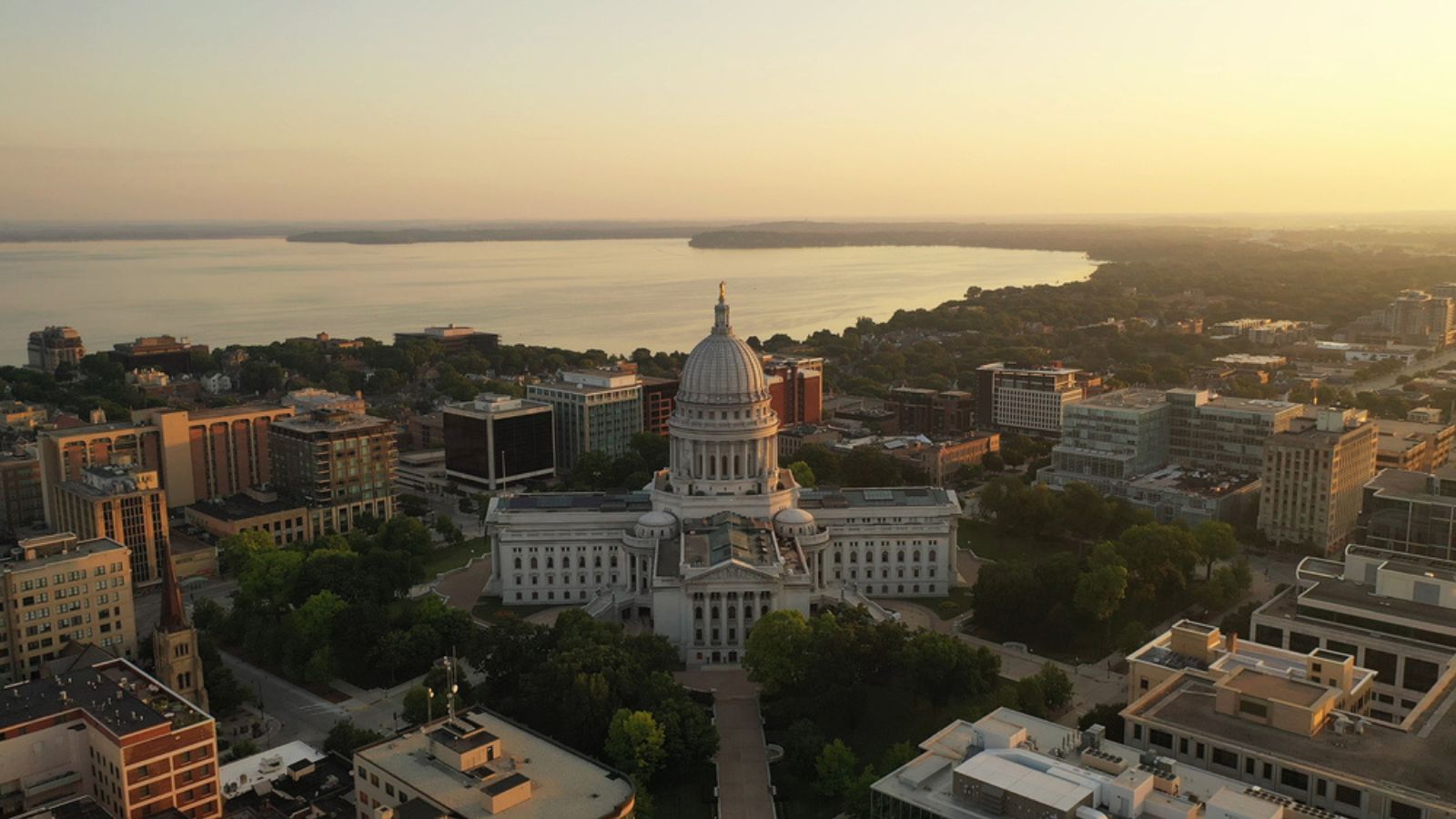
Wisconsin residents pay an average property tax rate of 1.59%. While living in the Midwest is usually cheaper than on the coasts, this tax rate stands out. The money mostly goes towards funding technical colleges, public schools, and local services. For a median-priced home, the tax bill is manageable, but it adds up fast for higher-end properties.
If you’re house hunting, make sure to ask about the “mill rate” in the school district you’re considering to get a clearer idea of what to expect.
8. Nebraska
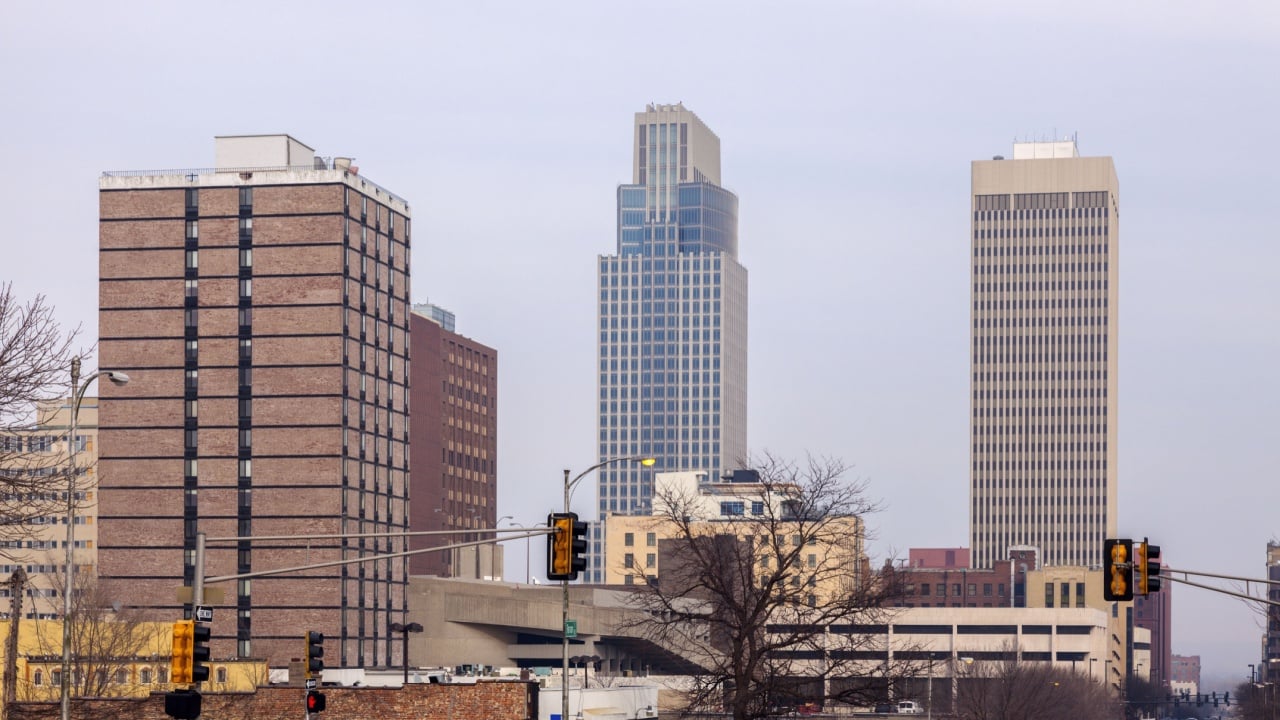
Nebraska’s property taxes average 1.73%, making it one of the priciest spots for homeowners. Even though agriculture is the backbone of the state, residents end up paying a big share of the bill for public services.
Lawmakers have tried to offer some relief over the years, but taxes still feel pretty steep compared to what homes are actually worth. If you’re planning to buy land or a house here, look into recent tax credits; they could save you a decent amount of cash.
9. New York
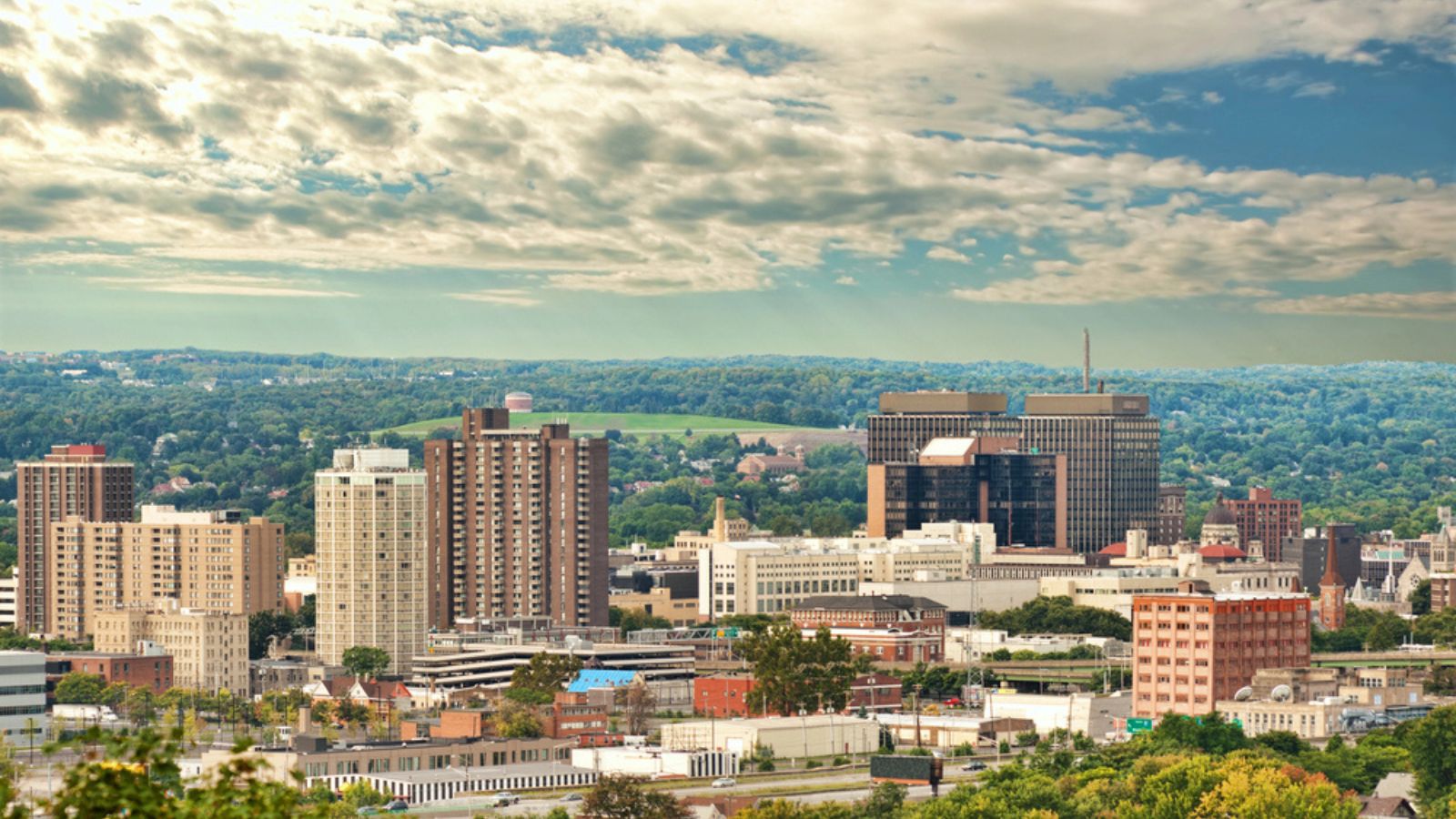
New York’s property taxes can be tricky, with big differences between Upstate and New York City. The statewide average rate is 1.64%, but the actual amounts can be sky-high thanks to property values. In places like Westchester and Nassau counties, annual tax bills often hit $15,000 or even $20,000.
On the other hand, New York City has lower rates but massive property assessments. If you’re looking at homes in the Empire State, it’s important to understand the breakdown between “school tax” and “general tax” on your bill.
10. Rhode Island
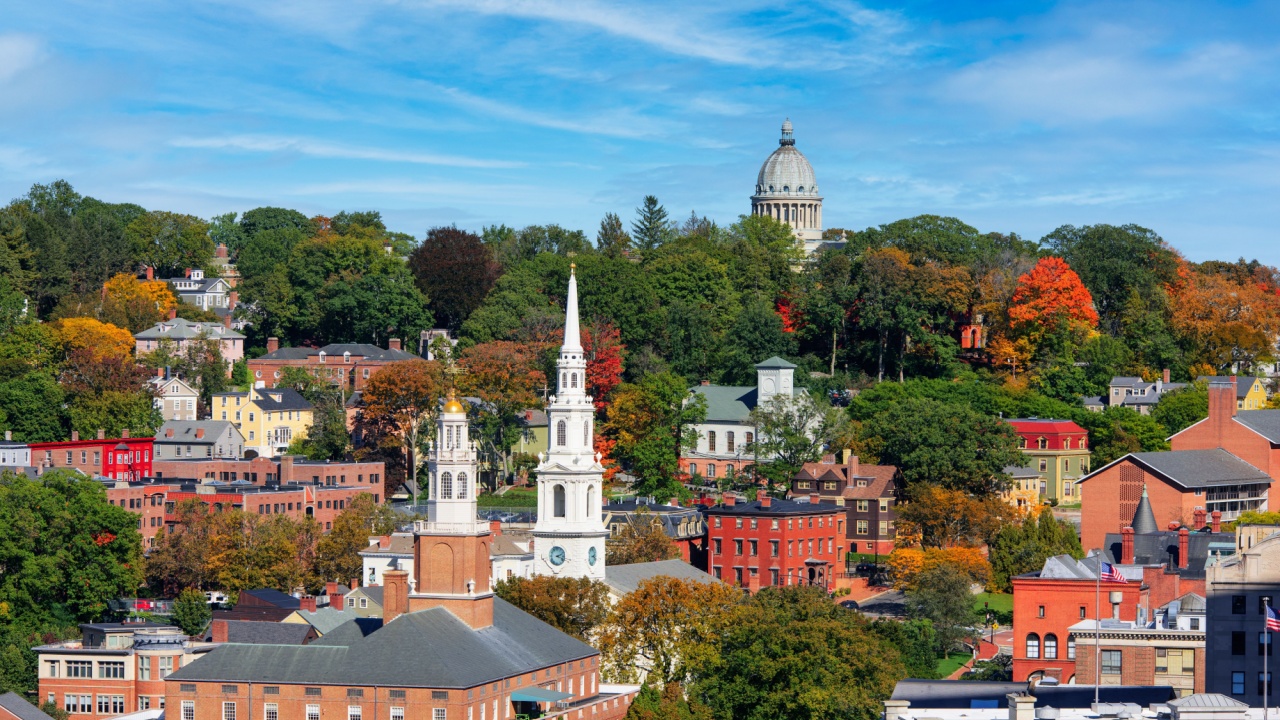
The smallest state in the union commands a substantial tax rate of 1.39%. Coastal properties in towns like Newport drive up the average property value, making the effective tax burden feel heavier.
The revenue supports a dense population and aging infrastructure. Buyers should look closely at the tax rate history of the specific town, as financial health differs across the state.
11. Ohio
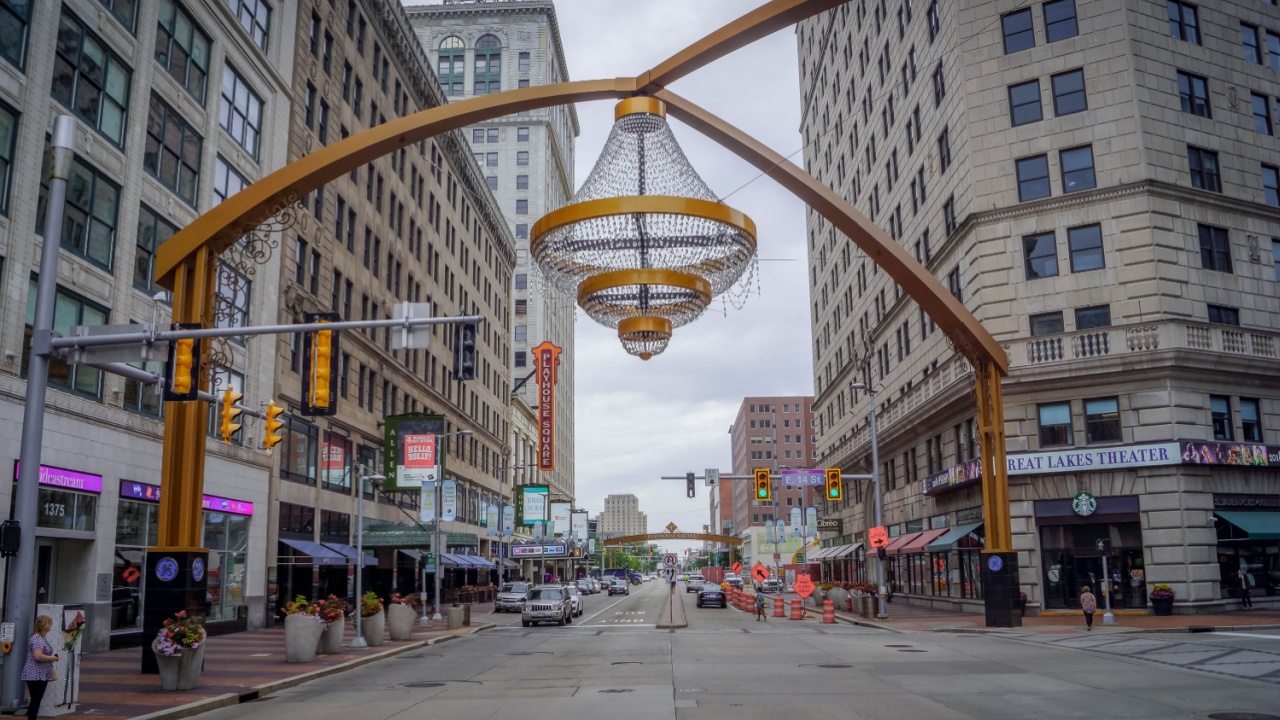
Ohio offers a more moderate average rate of 1.43%, but this can be deceptive. The state’s tax system can get tricky with its “inside” and “outside” millage, and voters often pass local tax hikes for schools and other services. This means your tax bill could suddenly spike if a new school levy is approved.
If you live in big cities like Cleveland or Columbus, you’ll probably pay more than someone in a rural area. It’s a good idea to check how often local levies have passed in the past; it can give you a hint about where your tax bill might be headed.
12. Michigan
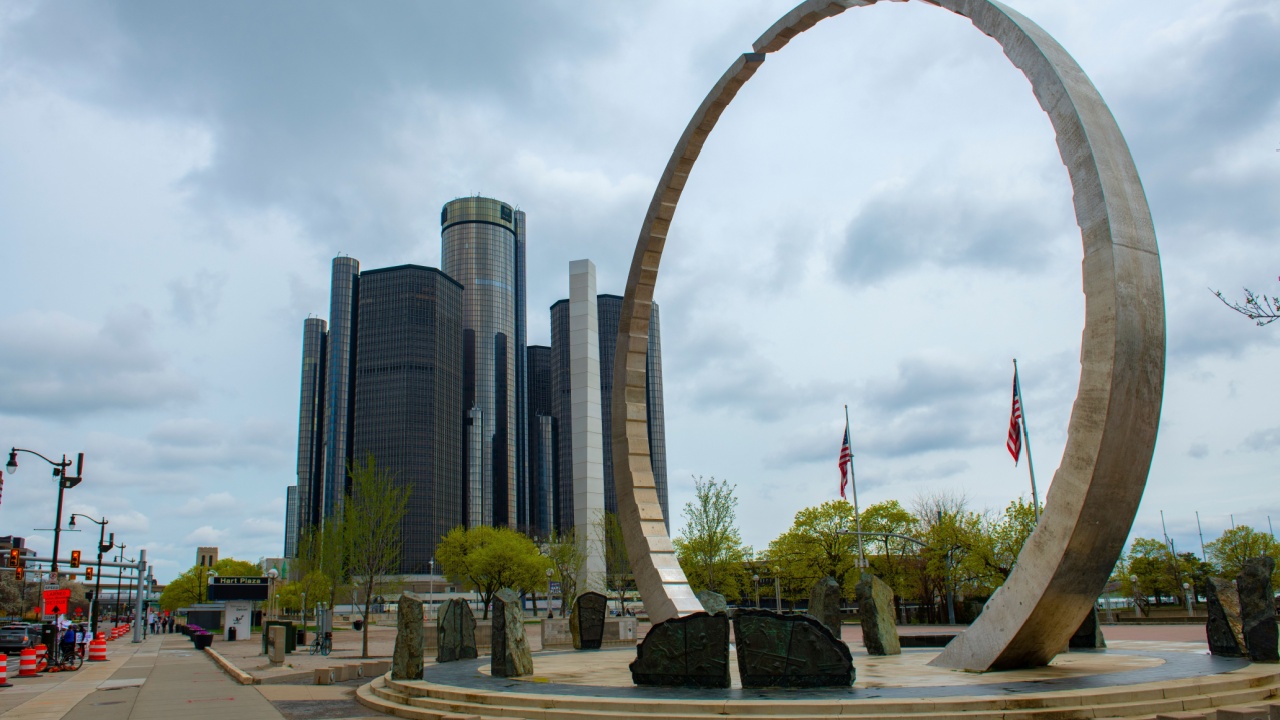
With an average rate of 1.35%, Michigan lands right in the middle of the high-tax range. But with property values steadily climbing, the actual amount you pay keeps going up.
The good news? The state limits how much your home’s “taxable value” can increase each year while you own it, which helps protect against big jumps. The catch? That cap resets when the home is sold, so new buyers might end up with a much higher tax bill than the previous owner. Always base your tax estimates on the purchase price, not what the seller paid.
13. Iowa
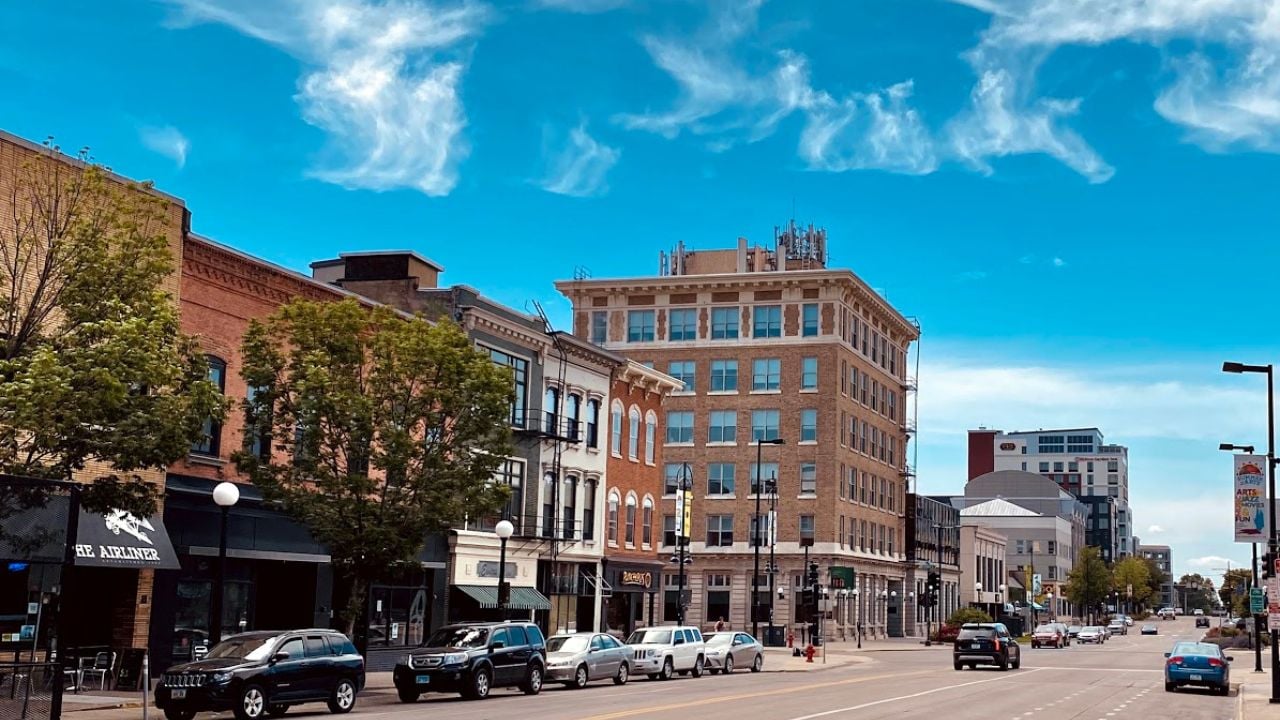
In Iowa, homeowners face an average tax rate of 1.49%. While home prices in the Hawkeye State are pretty affordable compared to the rest of the country, that property tax rate can take a bite out of your budget.
Bigger cities like Des Moines need more services, which tends to drive rates higher. The assessment system can also be a headache, thanks to confusing “rollback” rates. It’s a smart move to chat with a local real estate agent who can break down the specific rollback percentage for your home.
14. Pennsylvania

Pennsylvania’s average tax rate is 1.41%, but the real challenge is how much it varies locally. School district taxes make up most of the bill and can differ a lot, even within the same county. If you’re buying in the Philadelphia suburbs, expect higher bills, while the central part tends to have lower ones.
Plus, the state has a unique transfer tax system and an appeal process for assessments. If your assessment feels off compared to your purchase price, be ready to appeal!
15. Massachusetts
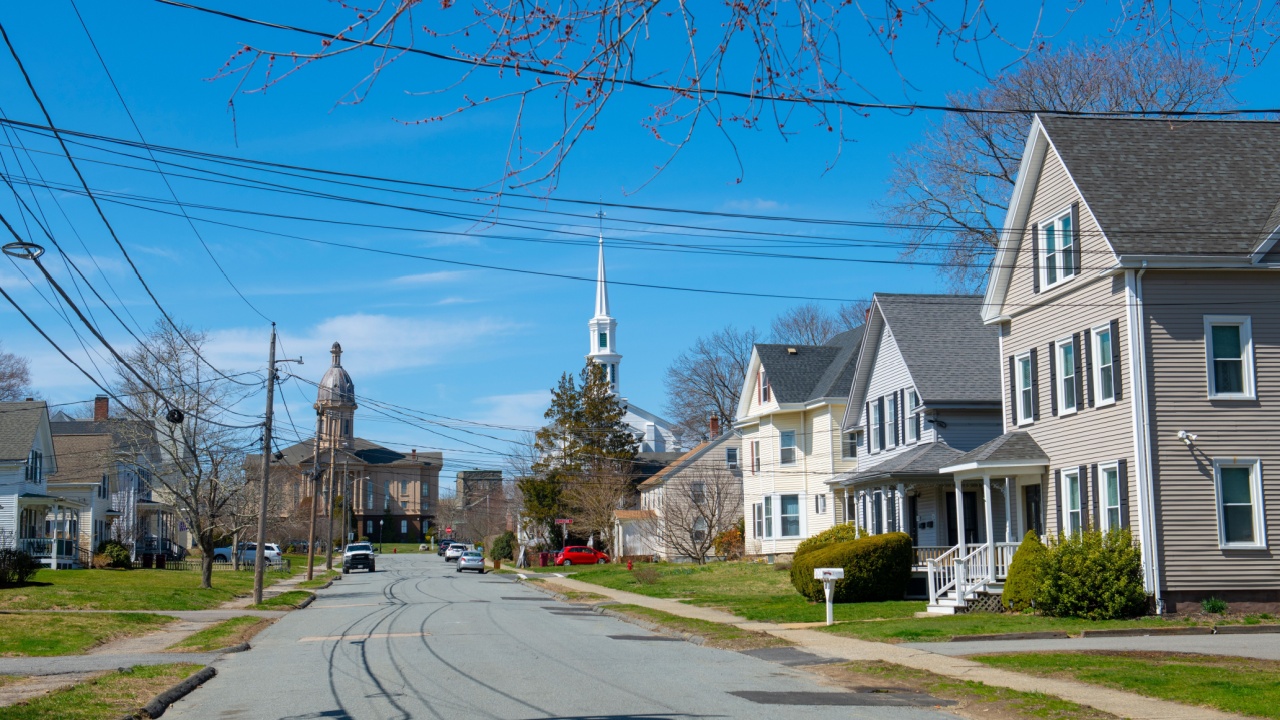
Massachusetts closes out the list with an average rate of 1.15%. While the percentage seems lower than others on this list, the “Taxachusetts” nickname exists for a reason: property values.
Even a small percentage of a million-dollar home adds up fast. Proposition 2½ helps keep property taxes in check by capping how much a city or town can raise, but overrides happen pretty often. When you’re buying, focus on the actual dollar amount in the listing instead of just the tax rate to get a real sense of affordability.
Stay Ahead of the Tax Game

Don’t forget to factor in property taxes when you’re buying a home. A low mortgage payment won’t mean much if your monthly tax bill pushes your total housing costs over budget. Before you make an offer, check the current tax assessment and look into how often rates have gone up in the area.
Talking to a local financial advisor or real estate agent can help you understand exactly where your money is going. Doing your homework now will save you from financial stress later and give you peace of mind about your investment.