
16 Smart Home Hacks for Fixing Life’s Little Annoyances
A home brings a constant stream of minor frustrations that slowly eat away at your patience (and bank account if ignored for too long). A door refuses to open smoothly, a floorboard shrieks every time you walk past the hallway, or a cold breeze sneaks under the back entryway. Sometimes, people resign themselves to living with these daily irritations because hiring a professional feels entirely too expensive for such small issues.
Taking control of these minor repairs gives you a profound sense of accomplishment and peace of mind. Fixing these problems requires almost zero technical skill, and you probably already own all the materials needed to get the job done right now. Did you know you can use household items in unexpected ways? This allows you to solve irritating maintenance problems quickly and cheaply.
This guide provides exactly 16 practical methods for quickly and effectively repairing everyday household nuisances. You gain total control over your living environment without needing to spend an entire weekend wandering through a massive hardware store. You will walk away with actionable knowledge to immediately improve your daily living space and eliminate those lingering frustrations for good.
1. Block Cold Drafts With A Pool Noodle

Cold air slipping under an exterior door forces your heating system to work much harder than necessary. No need to buy a draft stopper (like the image above), you can slice a standard foam pool noodle completely down the middle, then wrap it under the bottom edge of the door. The thick foam creates a tight seal against the floor threshold, blocking the cold air from entering your living space.
This fix takes fewer than five minutes to complete and costs practically nothing if you already have leftover summer toys in the garage. Applying this method saves a significant amount of money on your monthly energy bills during the colder months. You can easily remove the foam piece in warmer weather and store it for the following winter.
2. Silence Squeaky Floorboards Using Baby Powder
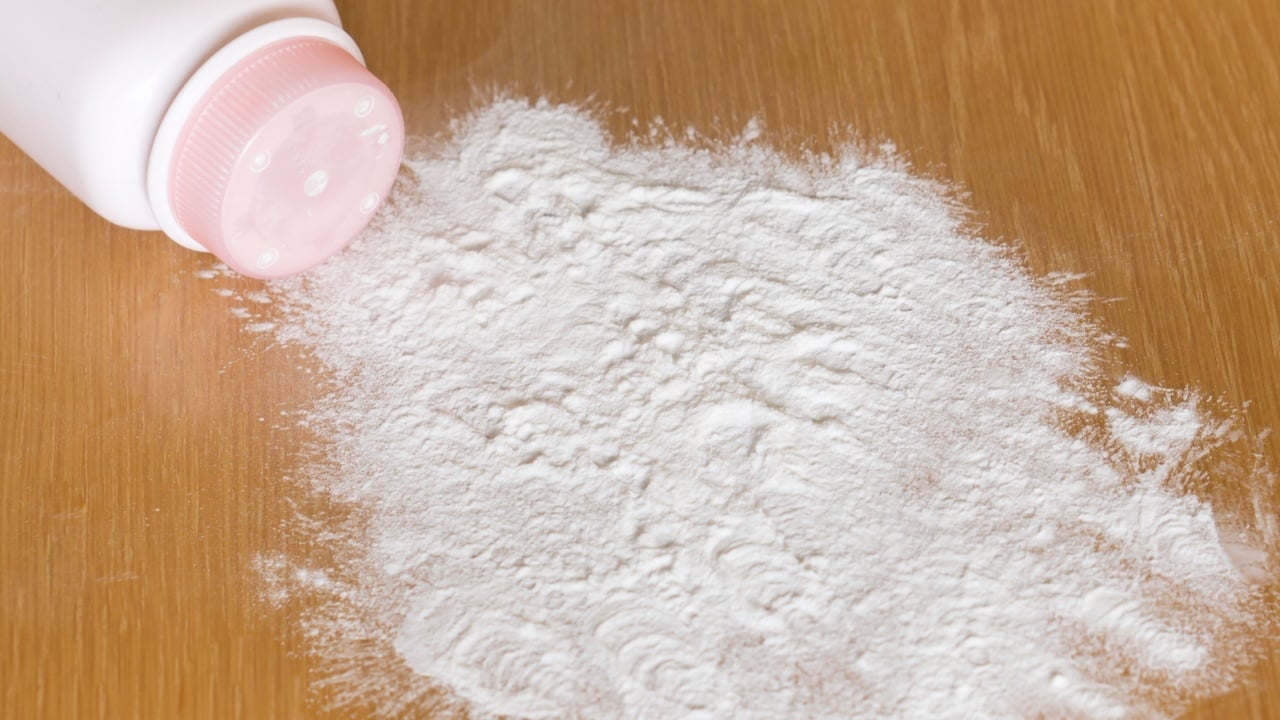
Walking quietly through the hallway late at night becomes impossible when your wooden floorboards protest with loud shrieks. The noise happens because the wood pieces rub tightly against each other when pressure is applied from above. You can sprinkle regular baby powder or talcum powder directly over the noisy seams and sweep it into the cracks with a soft brush. The fine powder acts as a dry lubricant, immediately reducing friction between the wooden planks.
This simple application eliminates the need to pull up carpets or hammer new nails into your beautiful hardwood floors. You might need to reapply the powder a few times a year if the noise returns after heavy foot traffic or vacuuming. Keeping a small bottle of powder in your cleaning caddy helps you address new squeaks as soon as they develop. The subtle scent of the powder also leaves the room smelling fresh and clean.
3. Erase Water Rings With A Hair Dryer
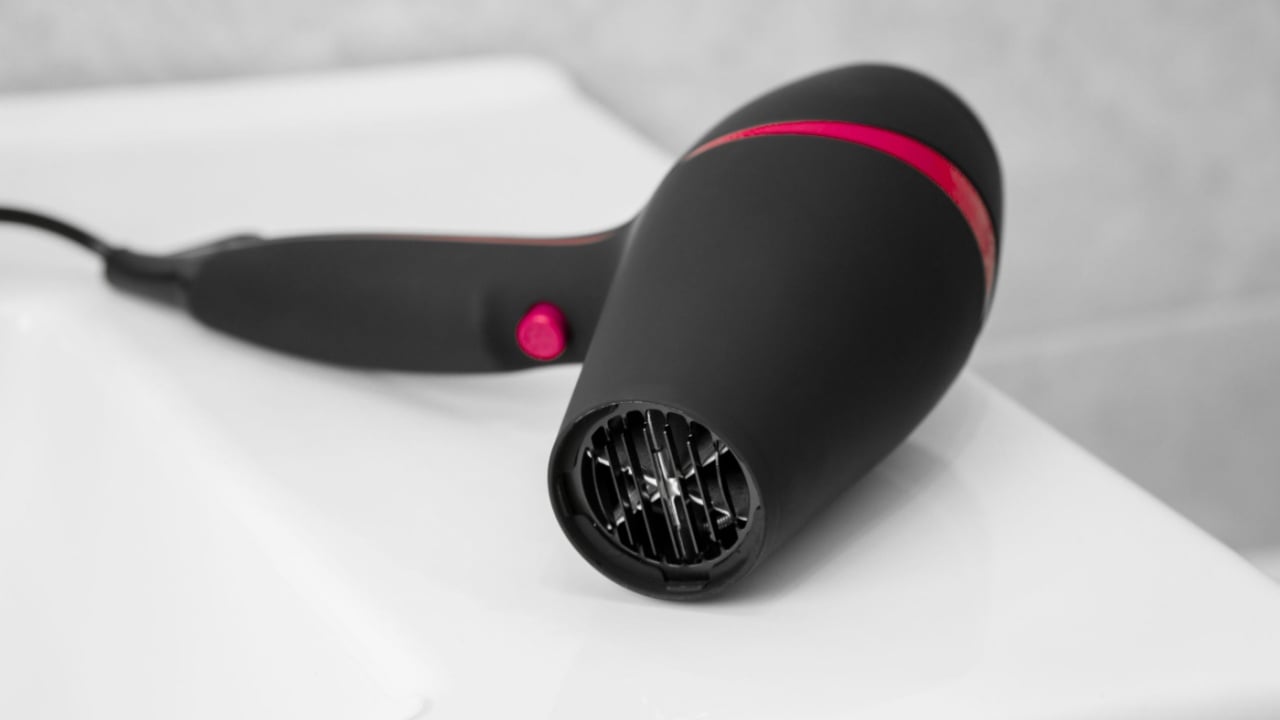
Finding a cloudy white ring on your favorite wooden coffee table immediately ruins your mood. These marks occur when moisture from a cold glass gets trapped beneath the wood’s clear surface finish. Pointing a standard hair dryer set to medium heat directly at the stain will slowly draw the trapped moisture out of the finish. You just need to move the dryer back and forth steadily until the cloudy spot completely vanishes.
Applying a dab of olive oil afterward helps rehydrate the wood and restores a beautiful shine to the surface. Acting quickly yields the best results, so try to treat these spots soon after you notice them on the furniture. This heating method works only on white moisture stains, not dark rings, as dark rings indicate that water has penetrated deep into the wood grain.
4. Stabilize Wobbly Tables With Wine Corks
Sitting down to eat dinner at a table that rocks back and forth is incredibly annoying and frequently causes spilled drinks. Often, the problem stems from uneven flooring rather than a genuinely defective piece of furniture. You can slice a thin round section off the end of a regular wine cork and glue it directly underneath the shortened table leg.
The natural sponge texture of the cork compresses slightly, providing a perfect custom cushion that levels the entire piece. You can easily customize the thickness of the cork slice to match exactly what your uneven floor requires. The cork material also prevents heavy wooden legs from scratching your delicate tile or hardwood floors when the table moves.
5. Smooth Squeaky Hinges With Olive Oil
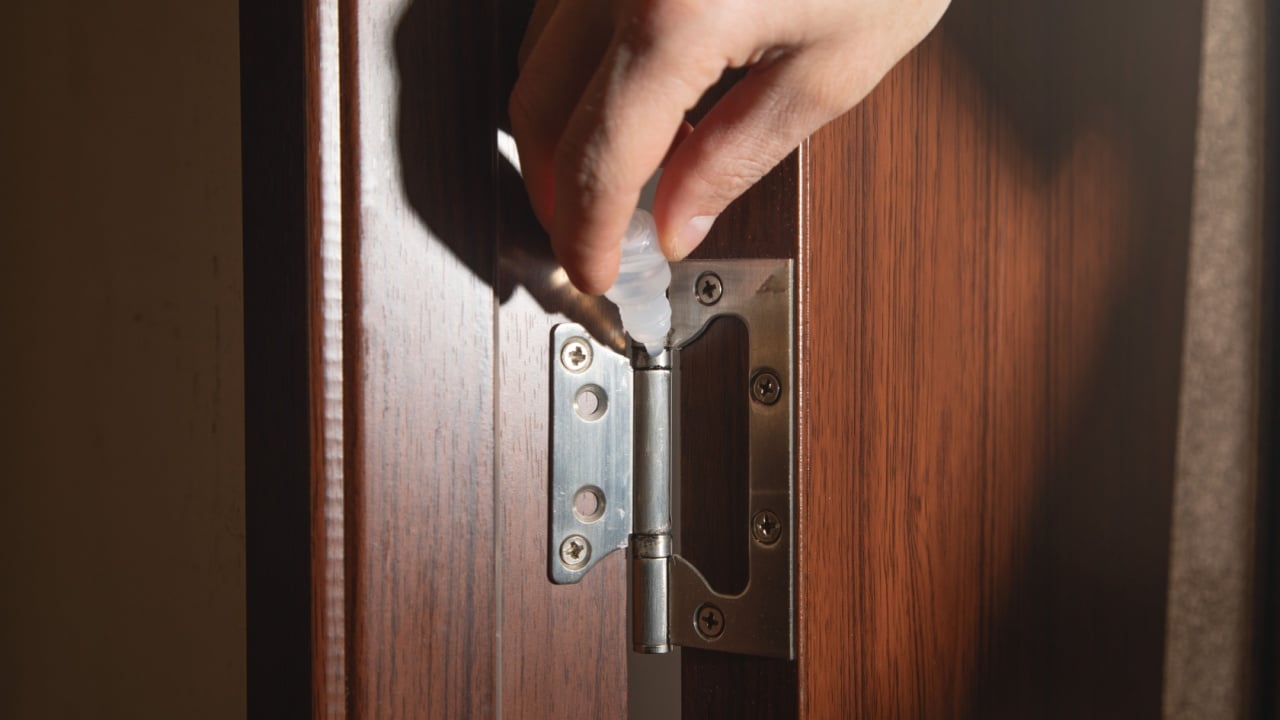
Opening a bedroom door should never sound like a scene from a terrifying horror movie. Metal hinges develop a loud friction noise over the years as the factory lubrication slowly wears away completely. Dipping a cotton swab into cooking olive oil and dabbing it directly onto the hinge pins provides instant relief.
Open and close the door a few times to distribute the oil evenly throughout the metal cylinder. A tiny drop is entirely sufficient, so you never have to clean up a massive, greasy mess off the floor. The oil treatment usually lasts for many months before you need to apply another round to the same hinge.
6. Organize Messy Cords Using Toilet Paper Rolls
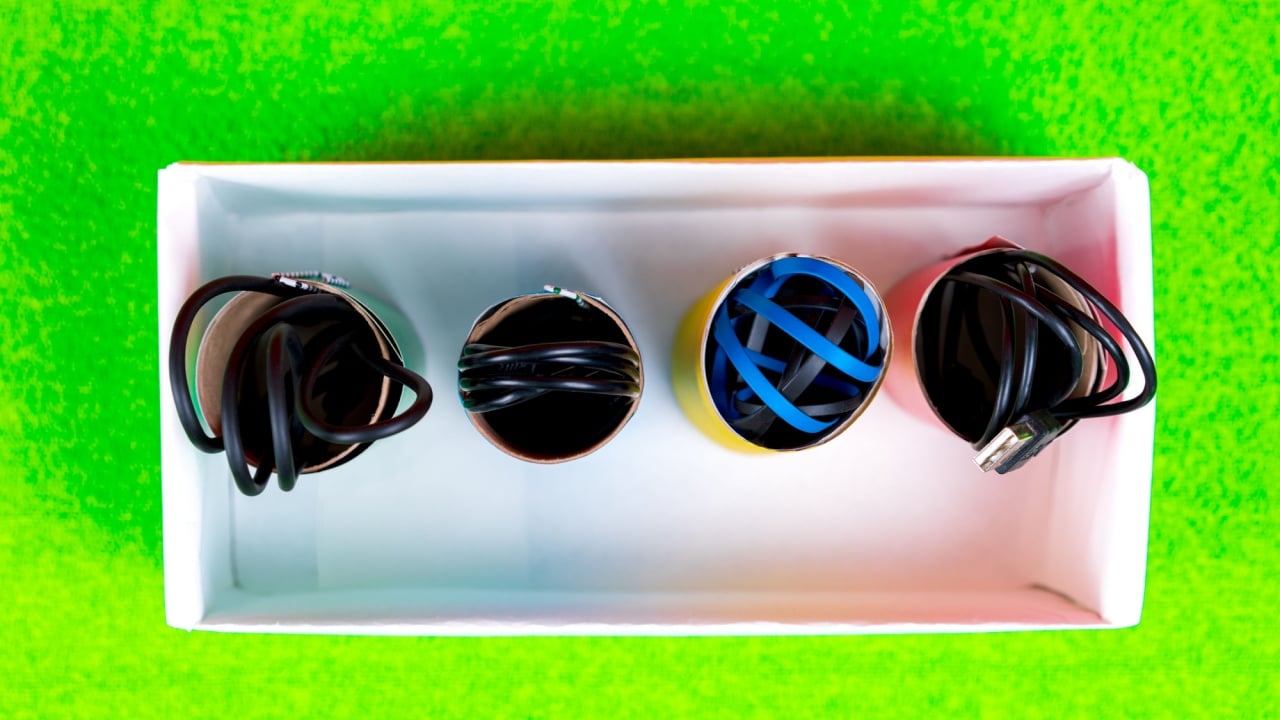
A tangled pile of electrical chargers and extension cords looks incredibly messy and makes it impossible to find the right plug. Loose wires inevitably wrap themselves into impossible knots the second you place them inside a storage box. Folding each cord neatly and sliding it inside an empty cardboard toilet paper roll keeps everything perfectly separated and highly organized.
You can write the name of the specific device directly onto the cardboard tube using a permanent marker. Stand these filled rolls upright inside a shoebox to create an incredibly neat storage system for your entire electronic collection.
7. Repair Stripped Screw Holes With Wooden Golf Tees
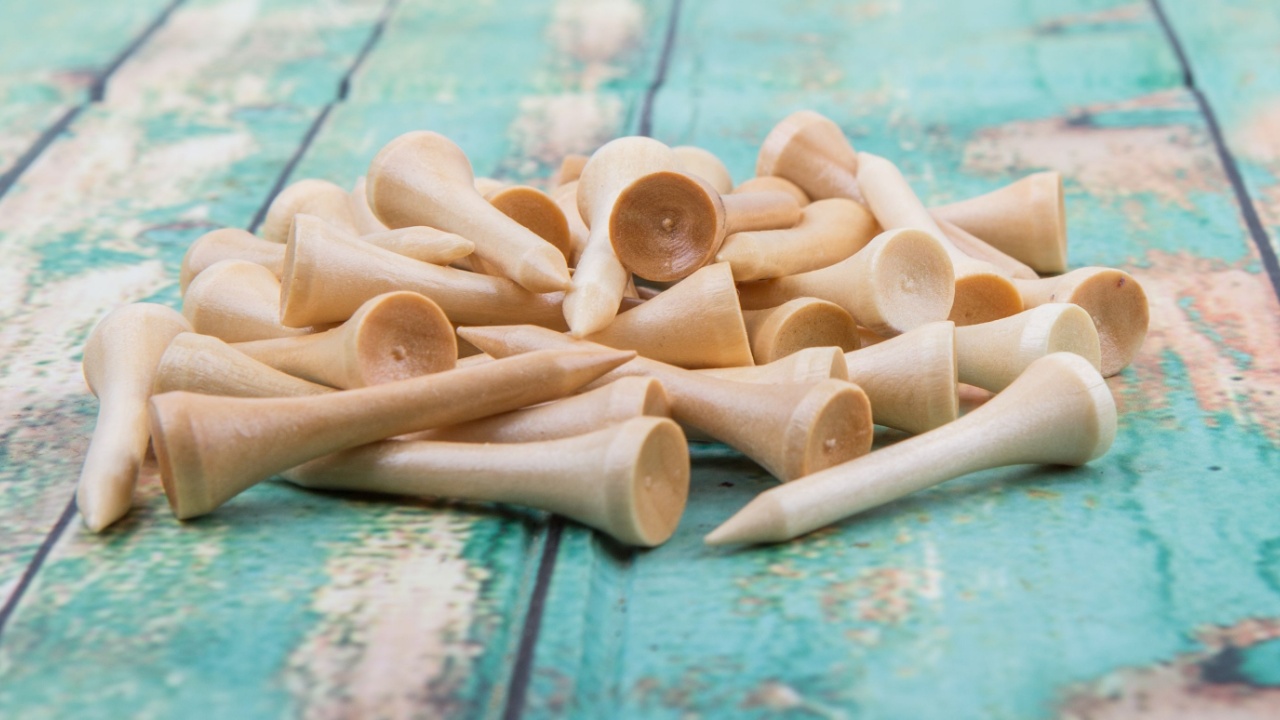
A door hinge hanging loosely from the frame happens because the internal wood grain holding the screws has completely eroded. Pushing larger screws into the same damaged hole rarely works and often cracks the surrounding door frame. You can dip a wooden golf tee into standard wood glue and tap it firmly into the enlarged hole with a hammer.
Once the glue has dried completely, you simply cut the protruding end of the tee flush with the door frame. This technique creates a brand-new, solid-wood center for your hardware screws to bite into securely. You can use standard wooden toothpicks bundled together if you do not have any golf accessories readily available.
8. Glide Sticky Windows Using Bar Soap

Trying to force a stubborn wooden window open during the summer heat is a frustrating task. Wood frames swell naturally with high humidity, causing immense friction along the painted sliding tracks. Rubbing a dry bar of hand soap directly along the window channels deposits a thin layer of slippery wax.
This method avoids sticky liquid lubricants that attract dirt and create a dark sludge in your window sills. Any cheap brand of solid soap works perfectly, and you only need to apply it a few times a year. The soap leaves no visible residue, keeping your clean white window frames looking immaculate.
9. Deodorize Smelly Drains With Baking Soda And Vinegar
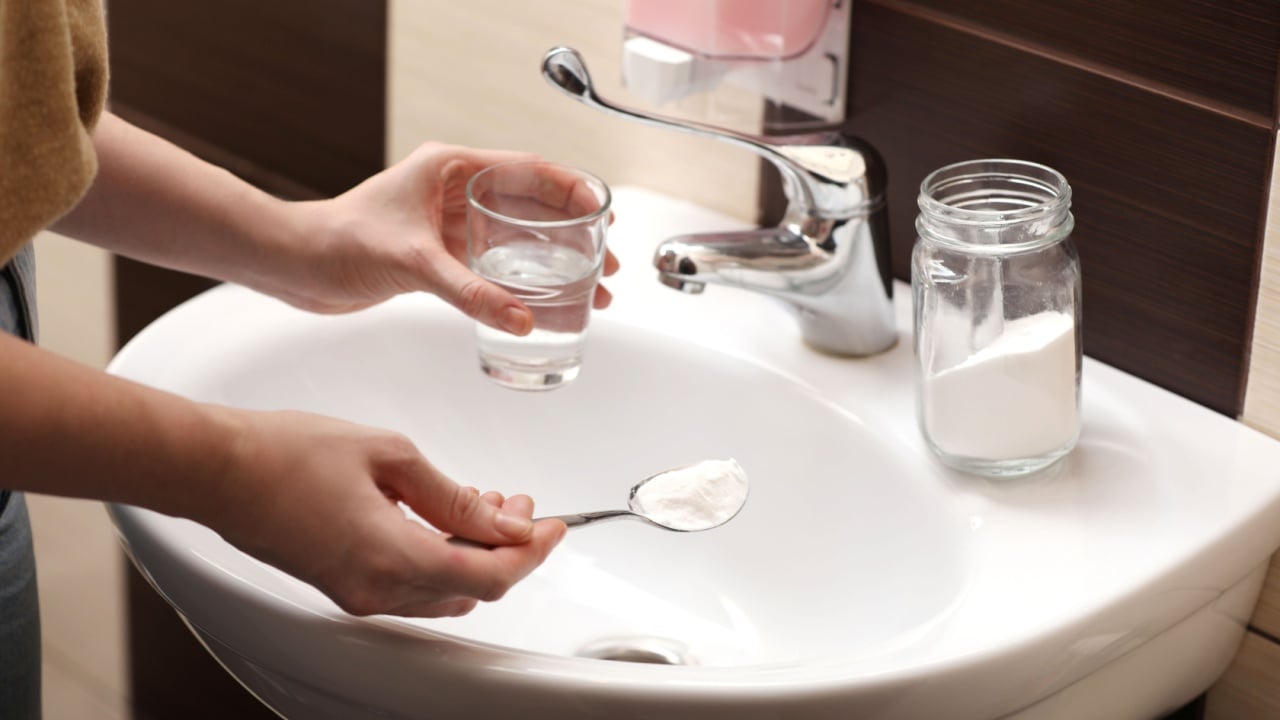
Kitchen sinks often develop a foul odor due to tiny food particles decaying deep within the dark plumbing pipes. Dumping harsh chemical liquids down the sink can easily damage older plumbing and introduce dangerous fumes into your kitchen. A simple remedy is to pour one cup of dry baking soda, then one cup of white household vinegar. This creates an intense bubbling reaction in the drain.
Flush the entire system with boiling water, and ten minutes later, the loosened grime is entirely washed away. The household ingredients neutralize the bad odors completely naturally, leaving your kitchen smelling clean again. Performing this simple flush once a month keeps the plumbing flowing quickly and prevents major clogs from forming.
10. Identify Important Keys With Colorful Nail Polish
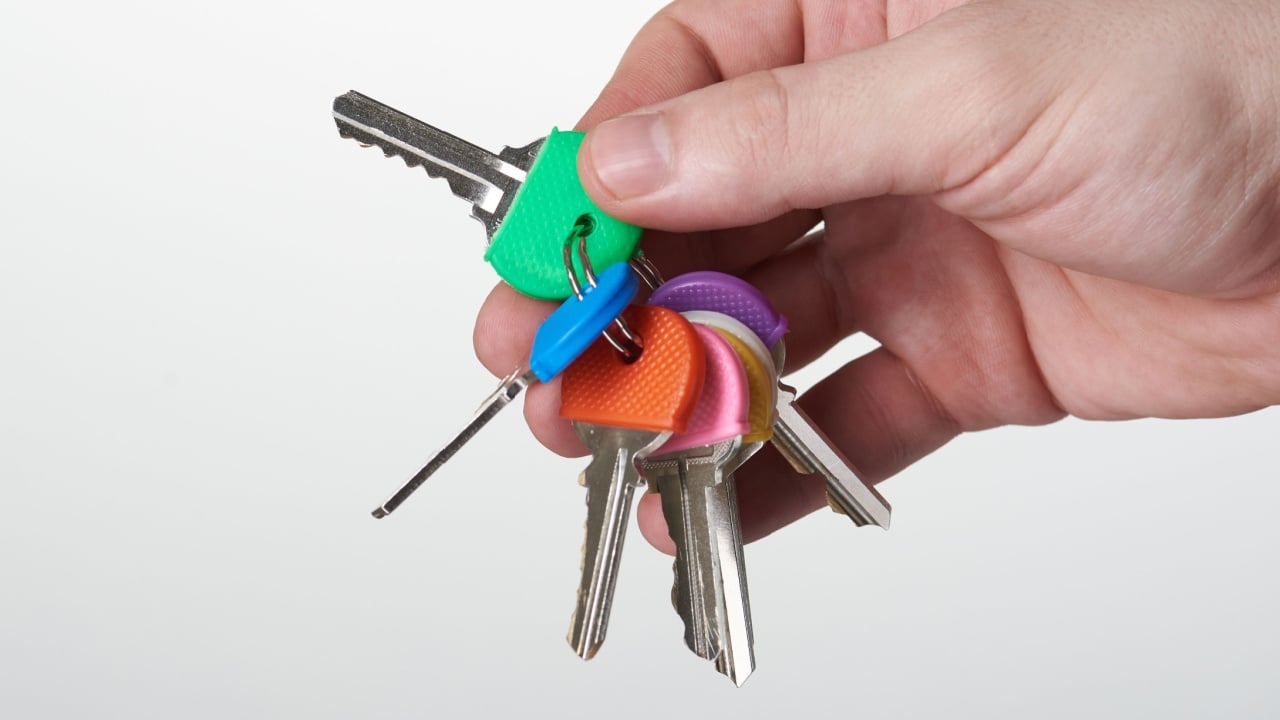
Staring at a massive ring of identical silver keys makes opening your front door incredibly annoying, especially in the dark. Fumbling through five different keys while holding heavy groceries tests anyone’s patience. Painting the top section of each key with a distinctly different color of bright nail polish completely solves this daily frustration.
The hardened enamel paint resists chipping and provides an instant visual cue for every lock in your home. You can color-code your entire keyring, designating red for the front door, blue for the back, and yellow for the garage. If you ever change the lock, simply wipe the old color away with standard polish remover and paint a new one.
11. Patch Tiny Drywall Holes With White Toothpaste
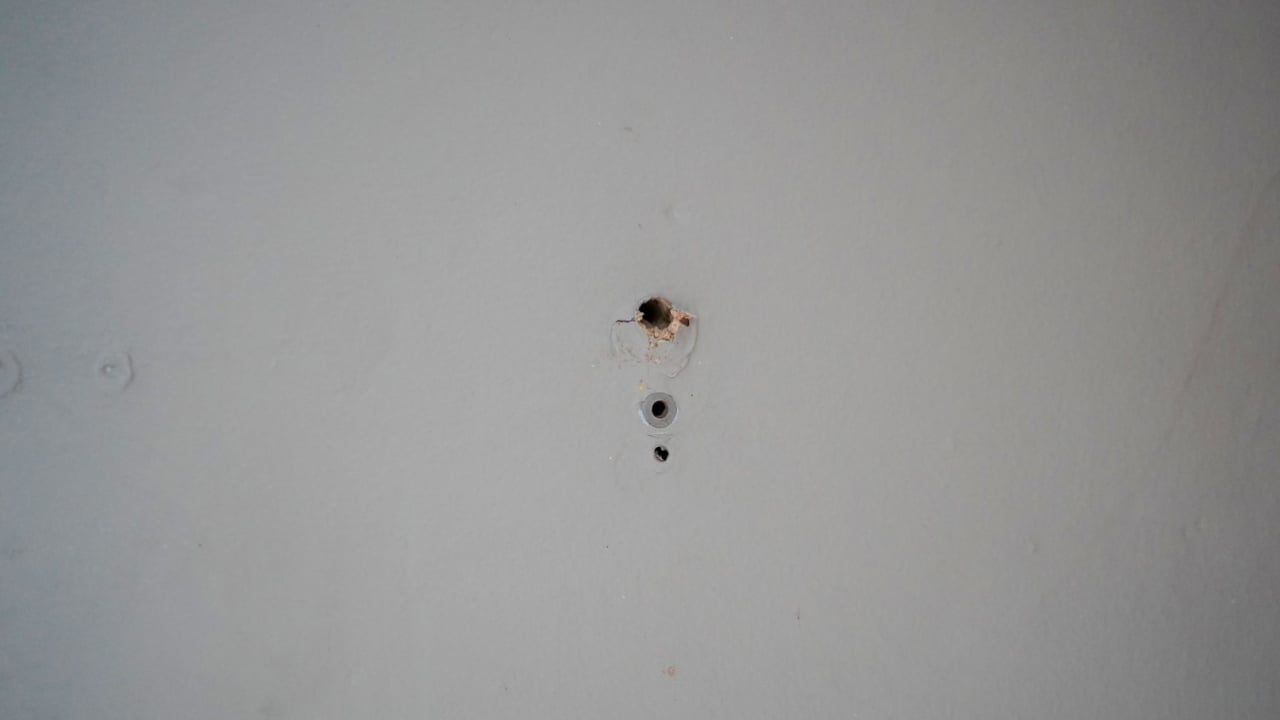
Pulling a picture frame off the wall usually leaves behind an ugly nail hole that ruins the entire visual space. Buying a massive tub of professional spackling paste makes very little sense when you only have one tiny puncture to repair. Squeezing a small drop of plain white toothpaste into the hole and smoothing it flat with a stiff card fills the gap perfectly. The paste dries surprisingly hard and perfectly mimics the texture of standard drywall mud.
You must use plain white paste, as gel varieties will not dry properly or hold paint. Once the paste has fully hardened, dab a tiny amount of matching wall paint over the area to completely hide the fix. This trick works wonderfully for renters trying to secure their full security deposit before moving out of an apartment.
12. Hide Furniture Scratches With A Walnut
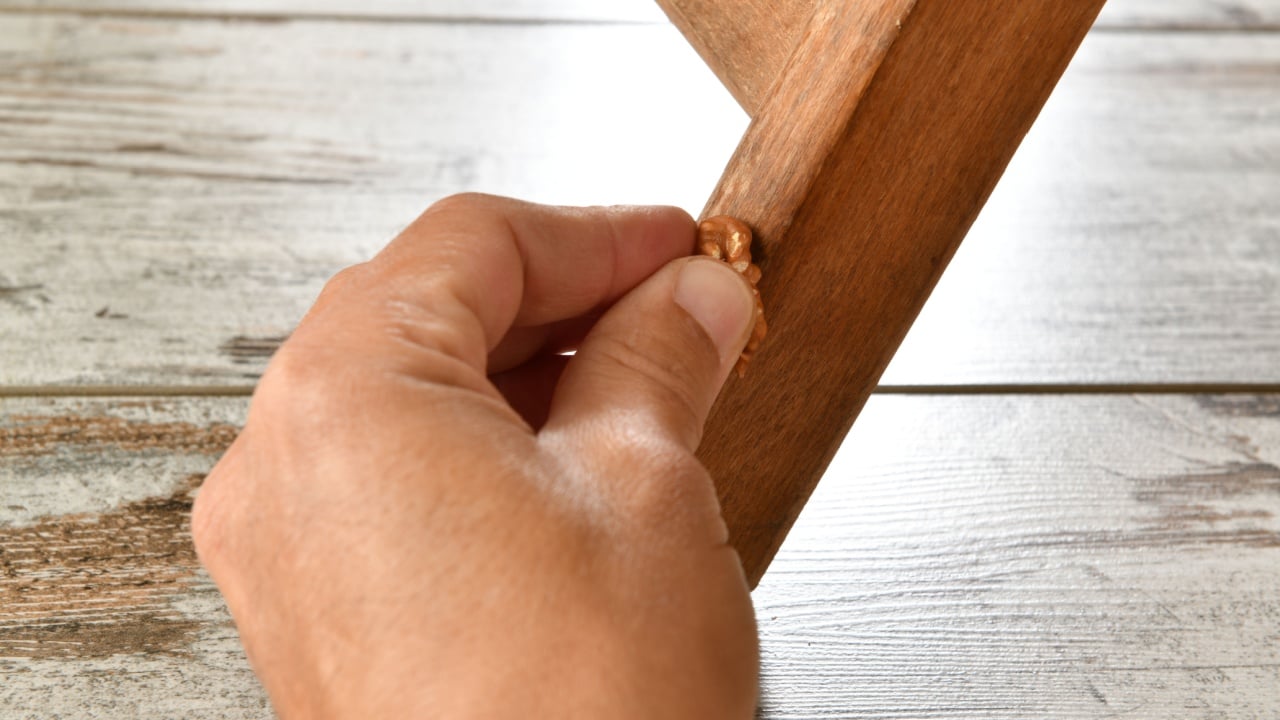
Moving heavy objects across a wooden table frequently leaves behind bright, ugly scratches that catch the light terribly. These shallow gouges expose the raw, unstained wood underneath, making the damage highly visible from across the room. Vigorously rubbing the meat of a raw walnut directly over the scratch transfers natural oils and dark matter into the groove.
The raw wood absorbs the dark walnut oil, darkening the scratch until it blends seamlessly into the surrounding finish. This gentle repair avoids messy liquid stain markers that often leave unnatural dark streaks on your expensive furniture. You simply wipe the area with a soft cloth afterward to remove any remaining nut particles.
13. Balance Shaking Ceiling Fans With Coins And Tape
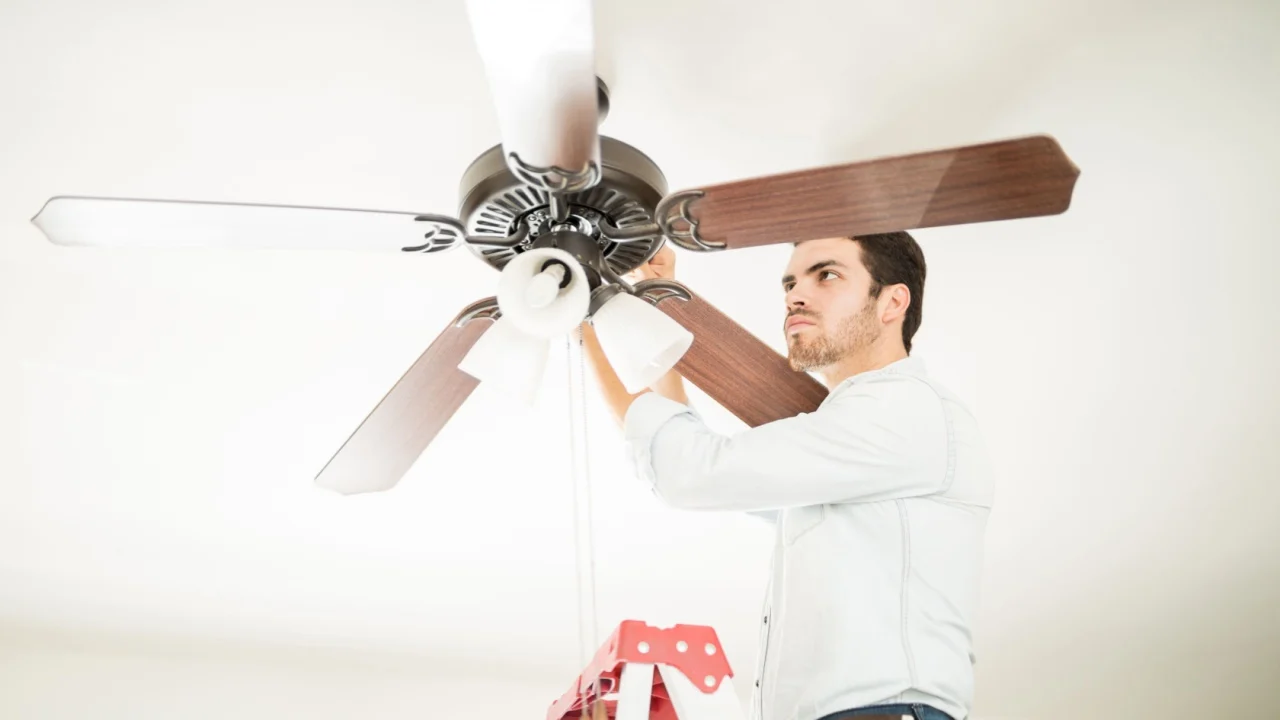
A ceiling fan spinning unevenly creates a loud rattling noise and threatens to pull the entire fixture out of the ceiling. The shaking happens because one of the large wooden blades weighs slightly less than the others. Taping a heavy metal coin to the top, hidden side of an individual blade adds the necessary counterweight to steady the rotation.
You simply move the taped coin to different blades until the heavy rattling noise completely stops. Using standard clear tape allows you to make adjustments quickly and prevents the coin from flying off during high speeds. You will finally be able to sleep peacefully in a perfectly balanced, totally silent cooling breeze.
14. Fix Sticking Drawers With Paraffin Wax

Old wooden dresser drawers frequently jam tightly in their tracks, refusing to open without a massive physical struggle. The raw wood on the bottom runners swells and binds against the frame, creating tremendous friction every time you pull the handle. Rubbing a block of solid paraffin wax heavily along the wooden tracks creates a super smooth gliding surface.
The thick wax fills in the microscopic gaps in the wood grain, allowing the heavy drawer to slide effortlessly. Using a plain, uncolored candle works exactly the same way if you do not have dedicated paraffin wax available (it’s okay, most of us don’t!). The wax remains completely dry, meaning it will never stain your folded clothing or attract dust bunnies. You simply glide the drawer back and forth a few times to distribute the wax evenly across the entire wooden runner.
15. Anchor Slipping Rugs With Acrylic Caulk
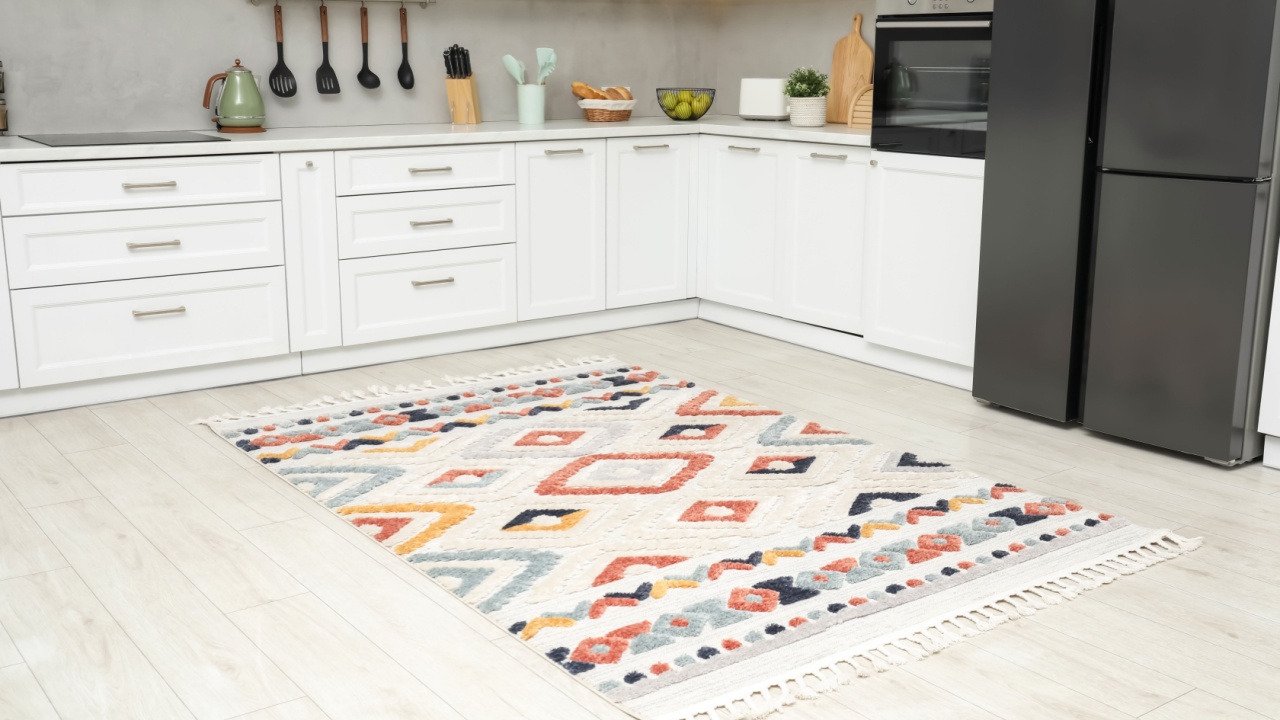
Stepping onto a loose hallway rug and sliding across the hardwood floor poses a significant safety hazard. Thin decorative rugs completely lack the necessary rubber backing to grip smooth surfaces effectively. Flip the rug completely upside down and draw thick lines of acrylic window caulk across the back to solve the issue entirely.
Once the thick rubbery lines dry completely, they act exactly like heavy-duty traction pads. The cured caulk grips the floor tightly yet remains soft enough to avoid scratching your delicate wooden planks. You can wash the entire rug exactly as you normally would without destroying the new rubber grips.
16. Clear Shower Head Buildup With A Vinegar Soak
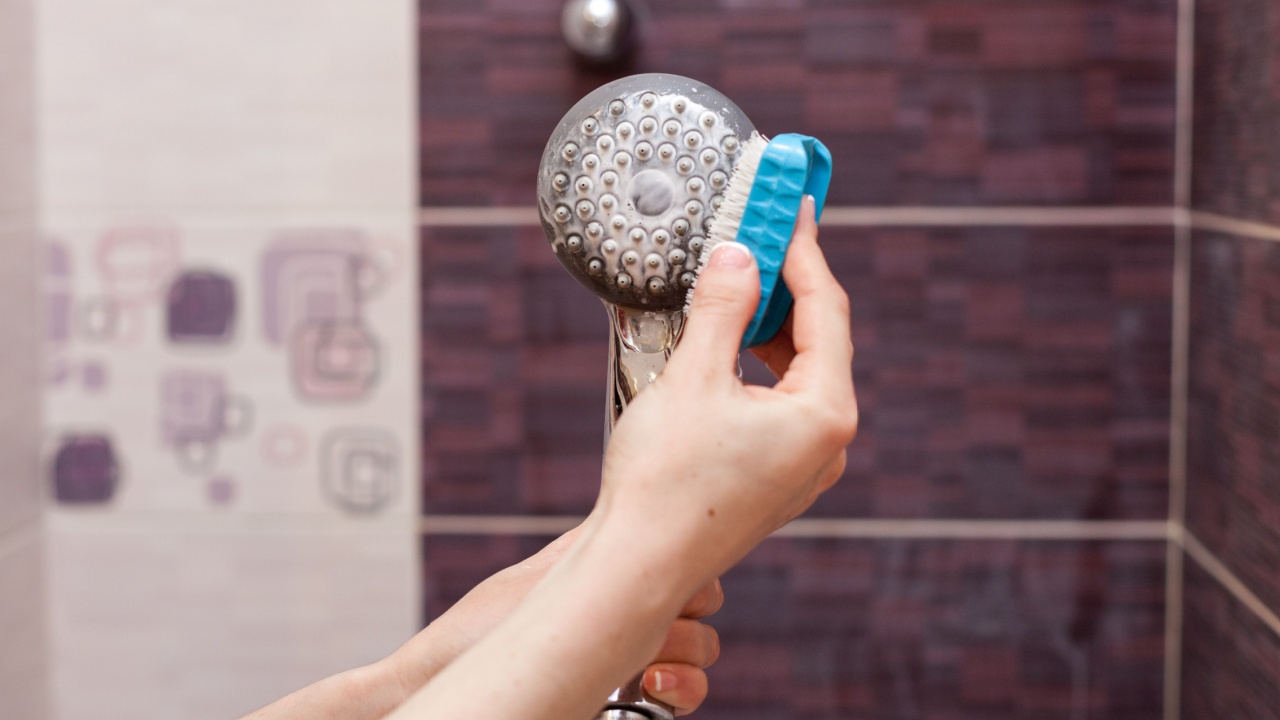
Water spraying randomly in completely wrong directions from your shower happens because hard mineral deposits are blocking the tiny nozzles. Trying to scrape these rock-hard minerals away with a metal pin usually permanently damages the delicate plastic fixtures. Filling a plastic sandwich bag with white vinegar and tying it securely around the showerhead forces the minerals to dissolve completely.
Leave the bag attached overnight to give the mild acid plenty of time to eat through the toughest calcium blockages. Remove the bag the next morning and run hot water to flush all the broken down debris completely down the drain. The shower returns to full water pressure instantly, providing a perfectly even stream for your morning routine.
From Annoying to Amazing

Handling household maintenance issues immediately stops small irritations from growing into massive, expensive problems down the road. You can dramatically improve your daily living experience by simply applying a few clever solutions to those nagging repairs. These specific methods prove that you do not need a massive budget or specialized training to keep your home functioning beautifully. Keep these simple tricks firmly in mind the next time something in your house starts acting stubborn.
Read More: