
12 Most Overvalued Housing Markets in the U.S.
If you’re trying to buy a home right now, you know how expensive it is. Back in early 2020, a homeowner with a fixed mortgage rate could expect to spend less than 25% of their income on their house payment. But by late 2024, that number shot up to nearly 36%. Renters aren’t having it any easier, with rent taking up 32% of their earnings. In some cities, these numbers are even higher, making real estate feel completely out of reach for the people who live there.
To figure out these rankings, we used data from the U.S. News Housing Market Index. Analysts look at how much more people are paying for housing compared to the national median income. When a market demands that homeowners shell out 40%, 50%, or even a whopping 115% of their local income for a mortgage, it’s considered seriously overvalued.
Here’s a look at 12 markets where housing costs are way out of sync with local paychecks, plus some tips for how to manage if you’re trying to buy in one of these competitive areas.
1. Kahului Wailuku Lahaina, Hawaii
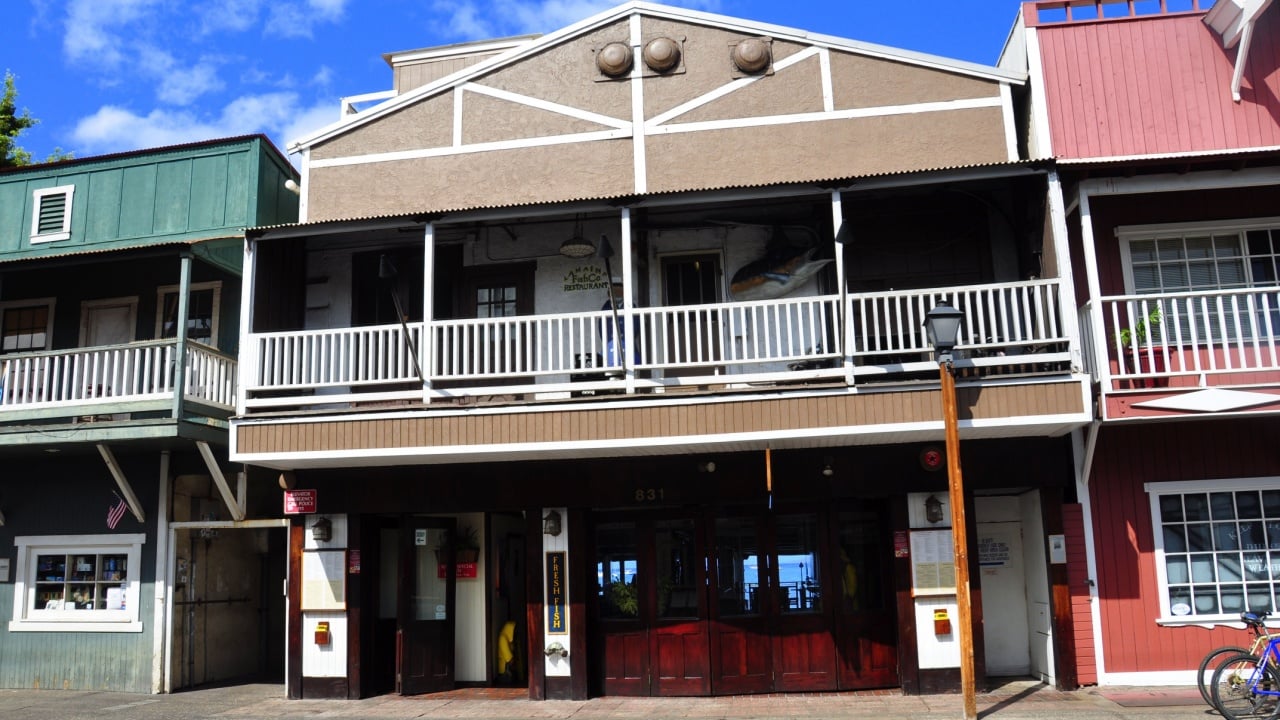
The Kahului metro area is the most overvalued market in the country, demanding a massive 115.4% of the local income just to pay the mortgage. Its remote location jacks up construction and shipping costs, and high demand from out-of-state buyers sends prices soaring. The median home price has hit $1.2 million, way above the national average of $430,000.
If you’re set on buying in this gorgeous spot, look into government-backed programs or local grants to help with the costs. Hawaii is also pushing for more accessory dwelling units (ADUs), which could mean rental income to help with your mortgage. It’s smart to check out local zoning laws for multi-family homes before you put in an offer.
2. San Francisco, Oakland, & Berkeley, California
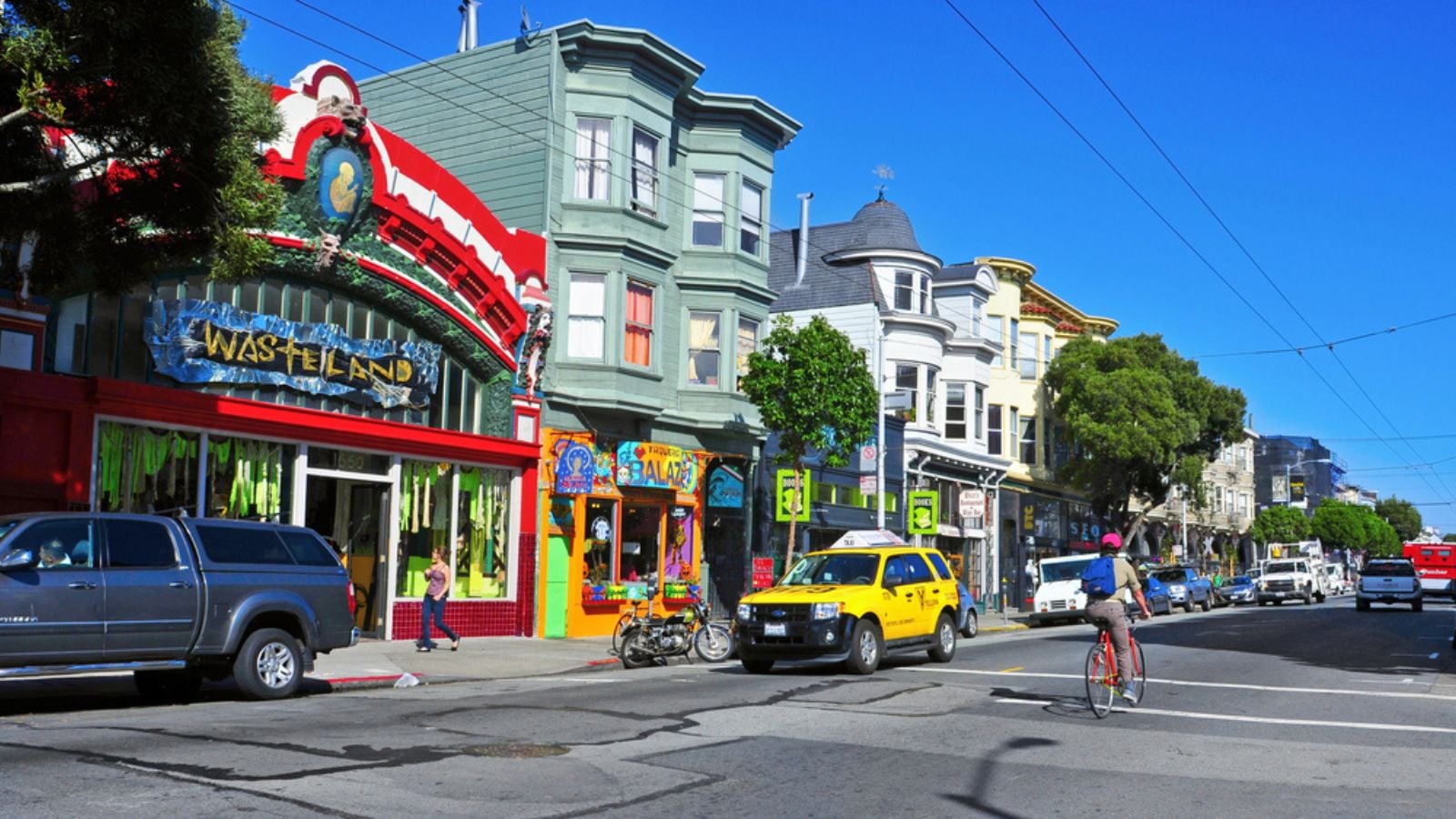
In the Bay Area, homebuyers are looking at a tough payment-to-income ratio of 68.3 percent. For years, there hasn’t been enough housing for all the jobs, which keeps home prices sky-high. The crazy cost of living means people often have long commutes or get roommates to make ends meet.
To get into this market, you might need to be flexible and look a bit further out from the city center. Check out the East Bay or find a place that just needs a little cosmetic work to find a better deal. It’s also a good idea to get pre-approved for a loan early on; it’ll help you compete with all the cash offers.
3. Riverside-San Bernardino-Ontario, California
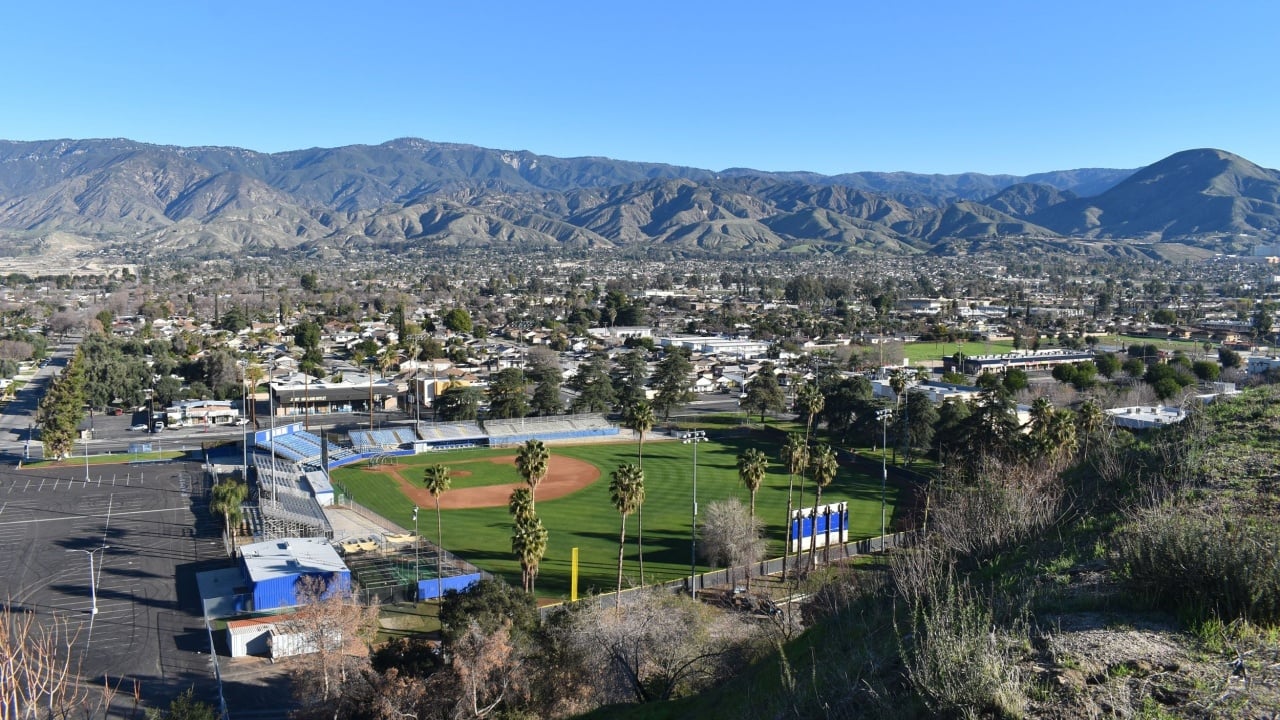
In the Inland Empire, housing payments eat up about 67.8 percent of an average person’s income. It used to be the affordable spot next to coastal California, but a flood of new residents looking for more space has sent real estate prices soaring.
If you’re hunting for a house here, look at up-and-coming neighborhoods on the edge of the metro area for better prices. You could also check out new construction developments that might offer builder incentives or good financing deals. A local real estate agent who knows the area’s growth patterns can point you toward a smart investment.
4. San Diego-Chula Vista-Carlsbad, California
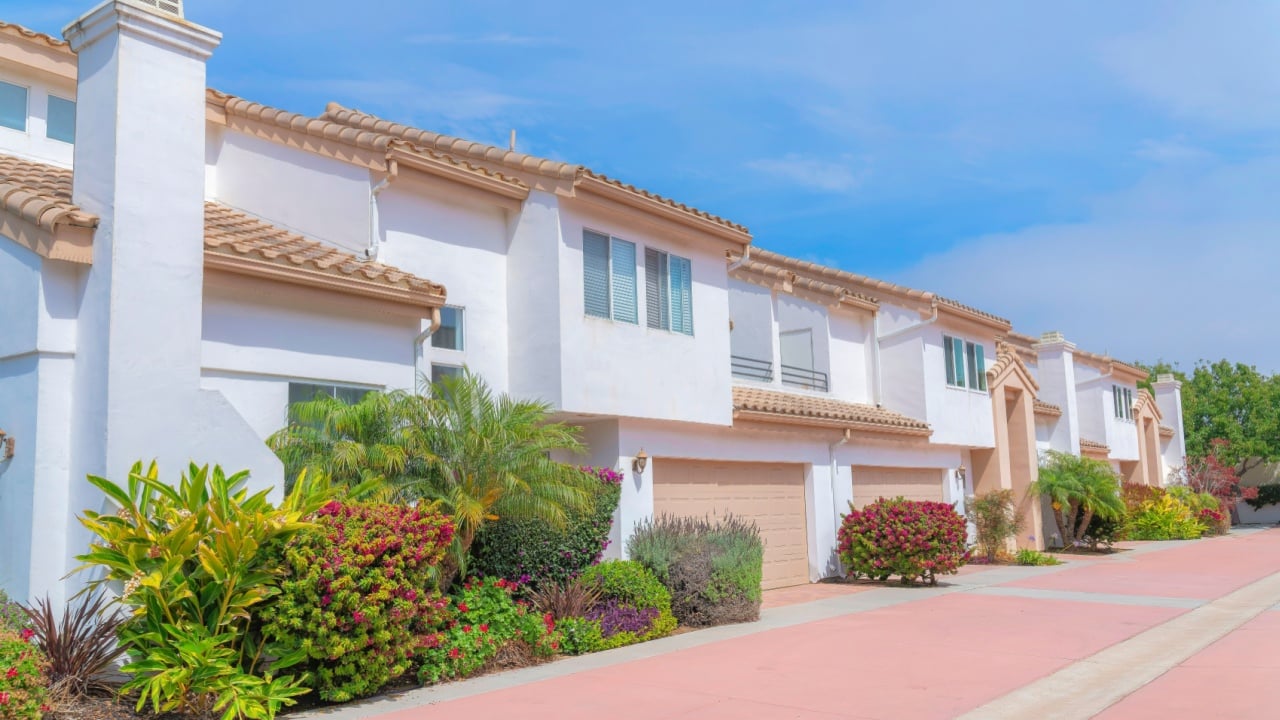
In San Diego, you’ll need about 66.3 percent of your income for housing. The great weather and beach lifestyle make it super popular, but there are tight building rules and not a lot of room to build, which means not enough houses to go around and prices that just keep going up.
Buyers should look for homes in neighborhoods that are getting new infrastructure or public transit soon. These places often see their value go up faster, giving you a good return on your investment. It’s worth digging into city planning documents to spot these opportunities before everyone else does.
5. Los Angeles-Long Beach-Anaheim, California
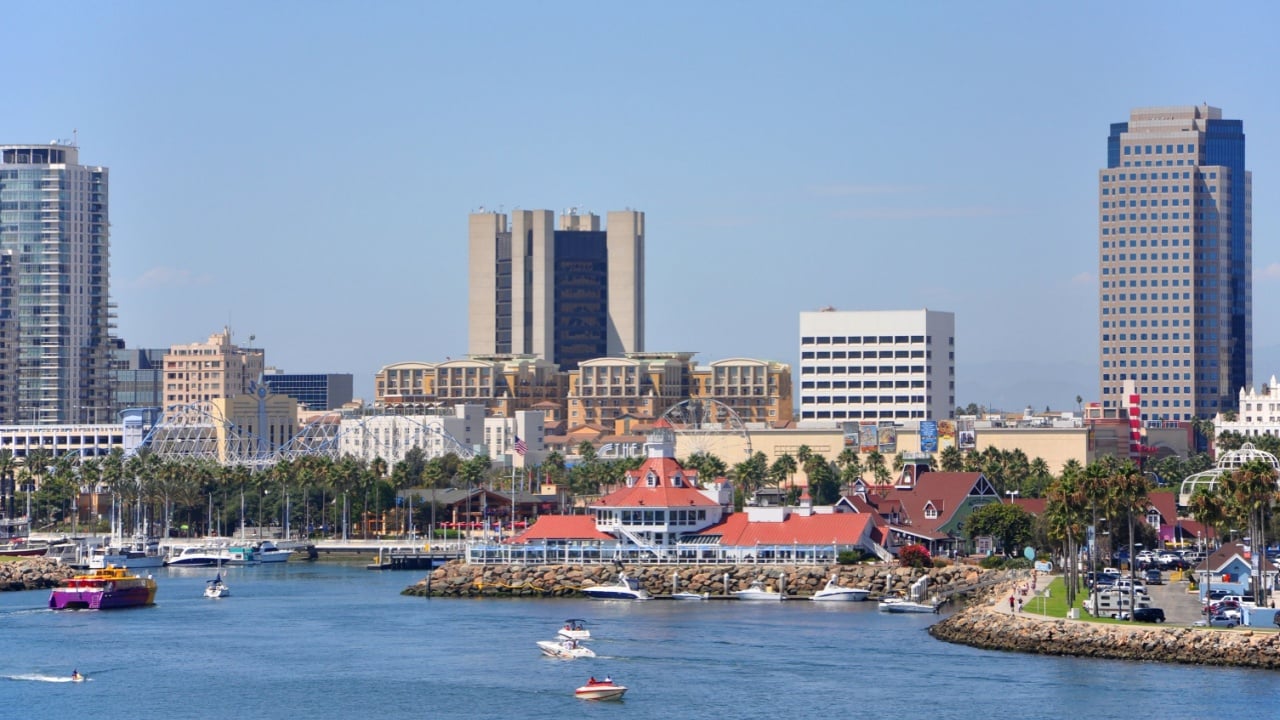
The LA metro area takes up 66 percent of local income for housing. With a huge population, not much land to build on, and recent wildfires destroying homes, there just isn’t enough housing to meet demand. For first-time buyers, the amount of competition makes it incredibly hard to find something affordable.
To have a shot in the LA market, you need to show up to open houses early and make strong, simple offers. Teaming up with family or friends to co-buy can also boost your budget. And don’t forget to hire a thorough inspector to make sure you don’t end up with a house full of expensive, hidden problems.
6. San Jose-Sunnyvale-Santa Clara, California
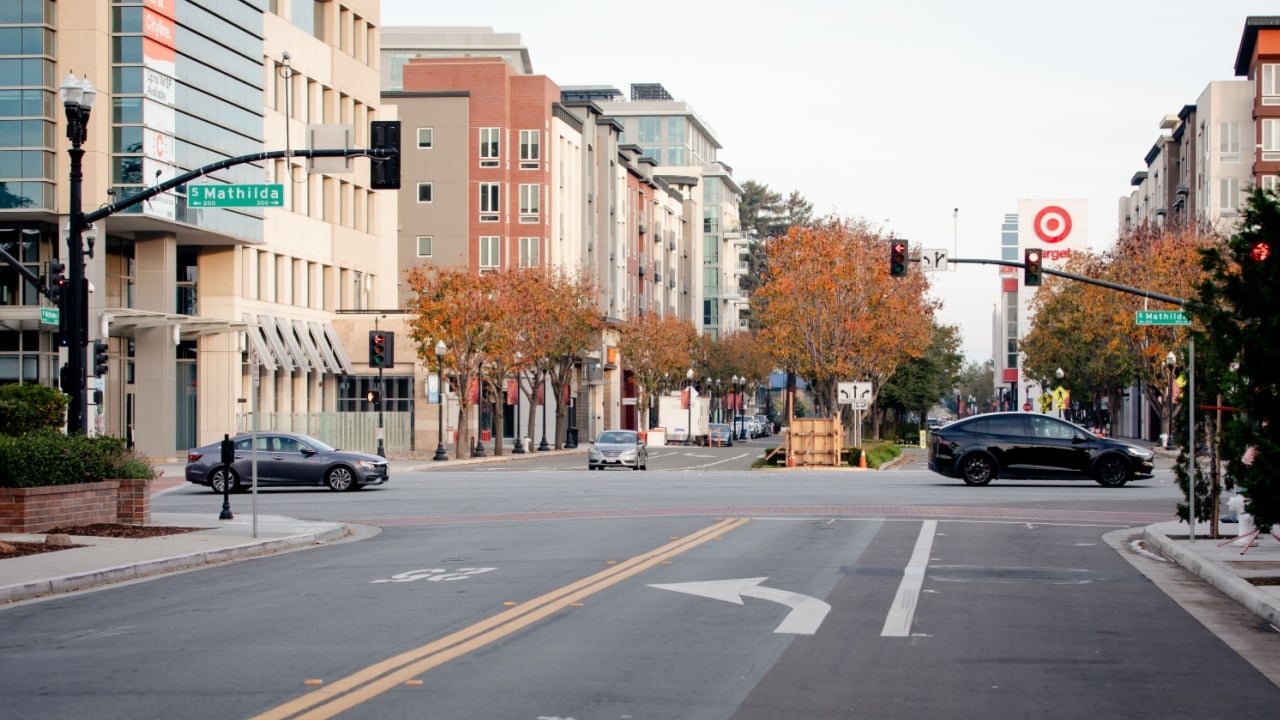
Right in the middle of Silicon Valley, the San Jose market has a payment-to-income ratio of 62.3 percent. The huge number of high-paid tech workers drives up home prices like crazy. Even though local wages are high, the cost of a house is still out of reach for the average person.
If you’re buying here, condos and townhomes are often a more affordable way in than single-family houses. Joining local neighborhood groups online can give you a heads-up on listings before they’re widely advertised. In Santa Clara, the name of the game is moving fast and having all your finances ready to go.
7. Urban Honolulu, Hawaii
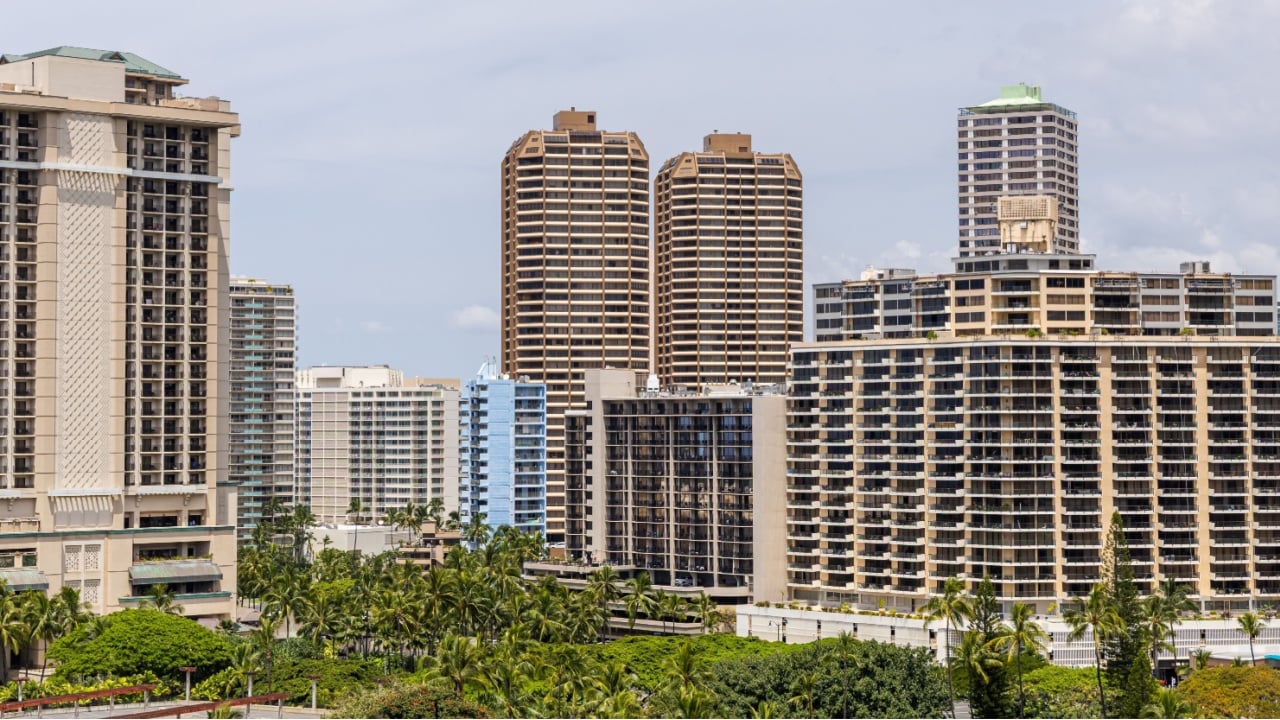
Urban Honolulu requires about 58.9 percent of a person’s income for a mortgage. Just like Kahului, Honolulu is on an island with limited space and has to import most of its building supplies. On top of that, investors and people buying vacation homes take a lot of the available housing, leaving less for full-time residents.
One way to get a lower purchase price in Honolulu is to look at leasehold properties, where you buy the building but rent the land. Just make sure you have a lawyer look over the lease terms so you don’t get into a financial mess later. You might also find more affordable options if you check out older high-rise condos.
8. Sacramento-Roseville-Folsom, California
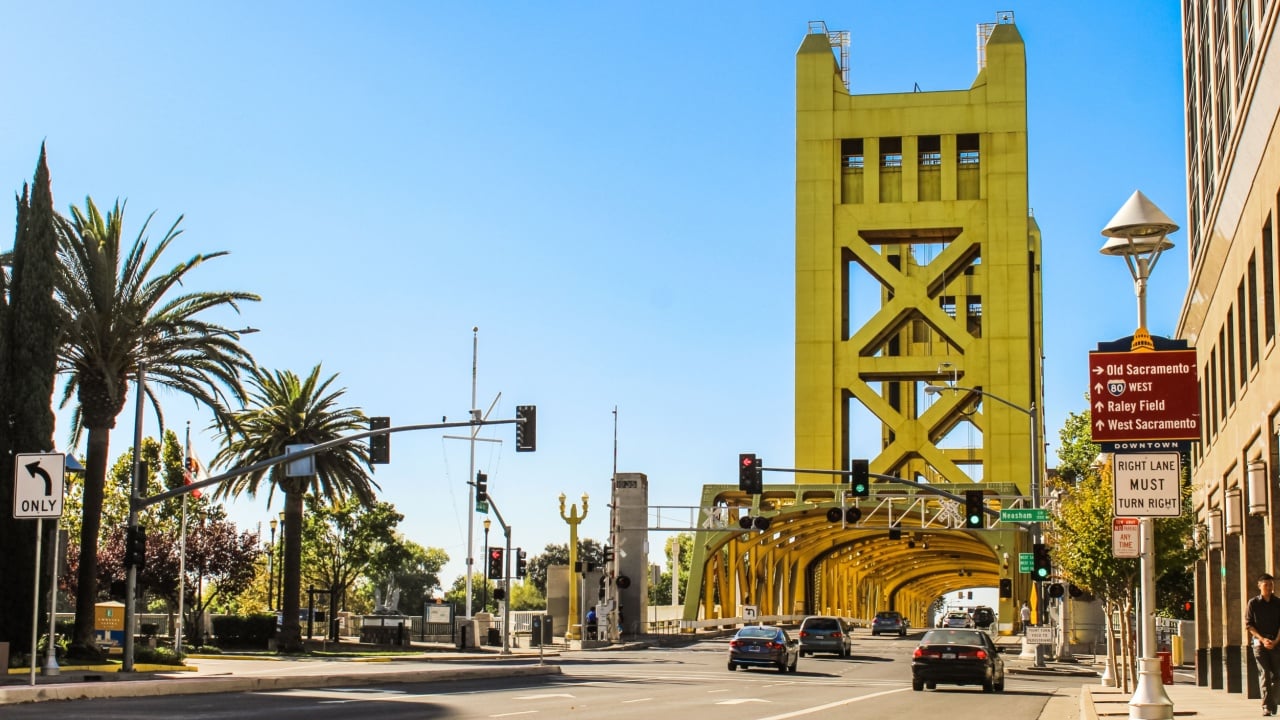
Sacramento is overvalued, with housing costs at 49.8 percent of local income. It used to be an affordable escape from the Bay Area, but a huge wave of new residents in the last five years has dried up the housing supply and shot prices way up.
A good strategy here is to look for homes that have been on the market for over a month, which gives you more room to negotiate. Sellers of older homes might be more open to helping with closing costs or lowering your interest rate. If you’re patient and keep an eye out for price drops, you could find a much better deal.
9. Seattle-Tacoma-Bellevue, Washington
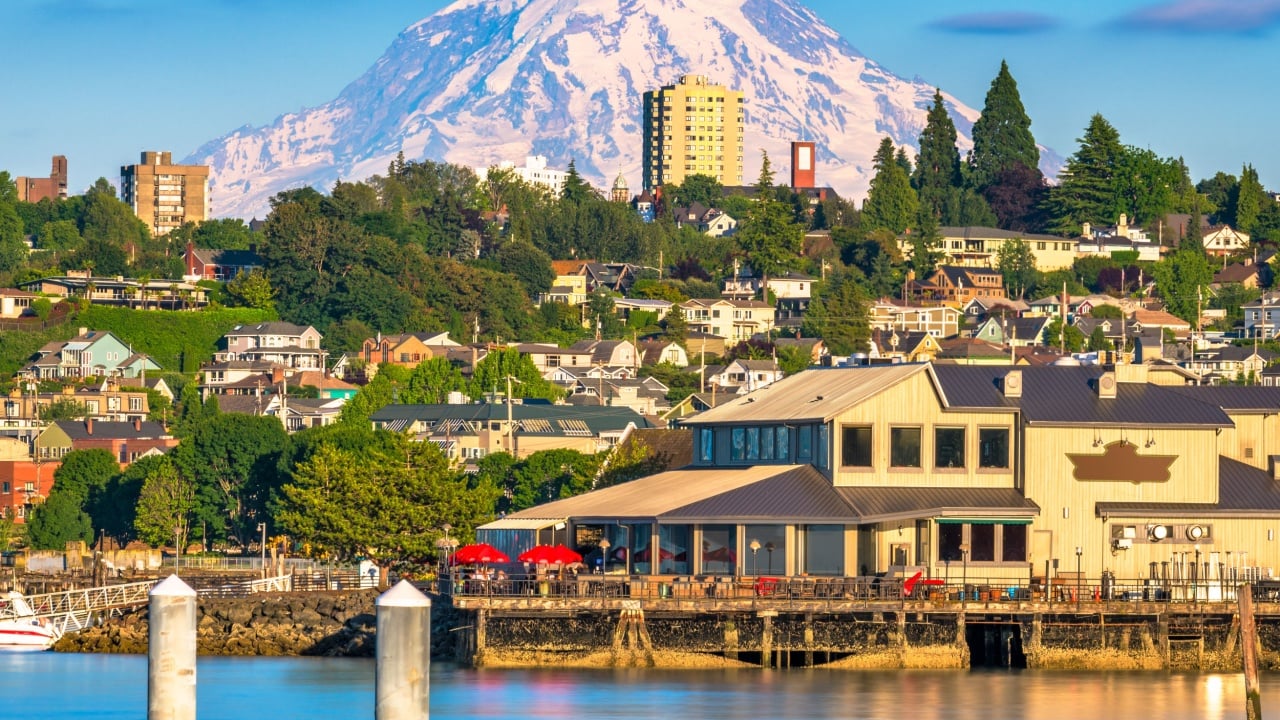
The Seattle area requires 47.3 percent of local income for housing. Big companies and a booming tech scene keep attracting high-paid workers. Since the city is hemmed in by mountains and water, there’s not much room to expand, which pushes prices up.
For more space for your money, try looking in neighborhoods a bit south of the city, like Tacoma. Another smart move is to check out properties near new light rail stations, which let you get into the city easily without the high upfront cost. A good local agent can help you figure out which suburbs have the best future potential.
10. New York-Newark-Jersey City, New York
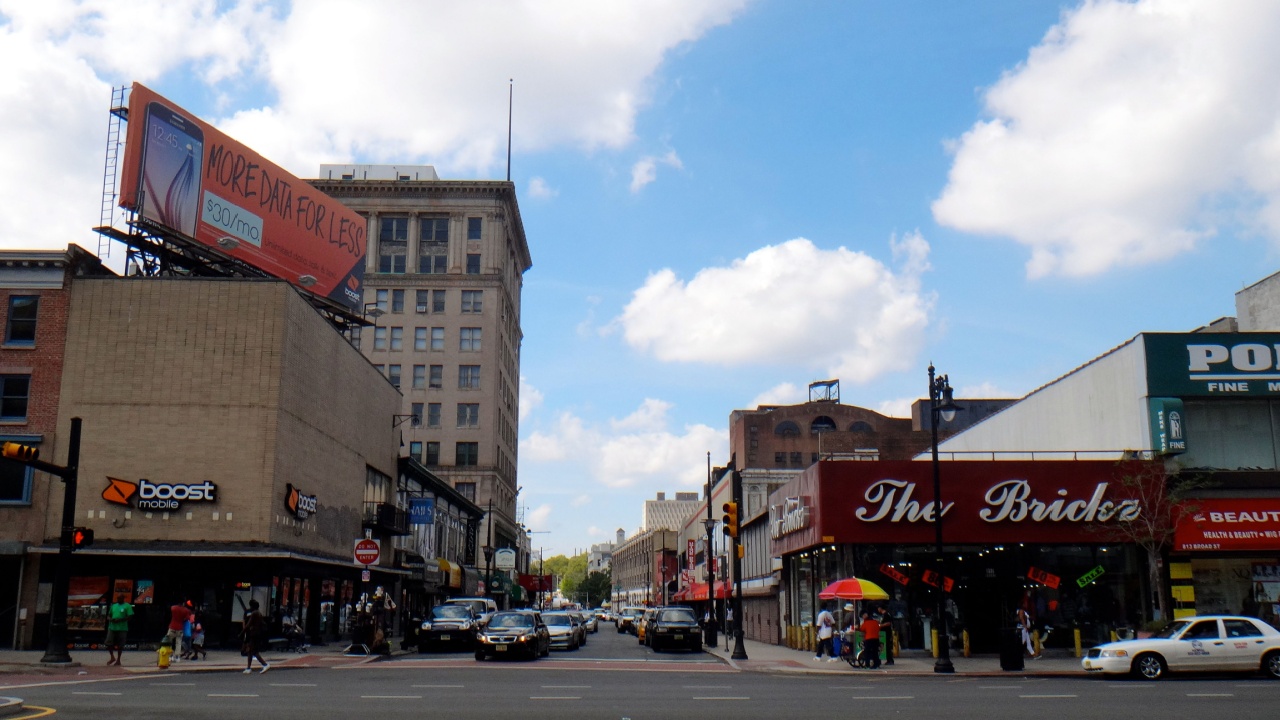
The massive NYC metro area demands 47.1 percent of an average income for a home. The city’s density and a super-competitive market that spans three states keep property values high. On top of that, high property taxes in New Jersey and New York make it even harder to afford a home.
You can find more affordable places with decent commutes by looking at transit hubs across the river in New Jersey. It’s crucial to calculate all your monthly costs, including property taxes and HOA fees, before you make an offer. Also, consider multi-family homes where you could get rental income to help pay the mortgage.
11. Greeley, Colorado
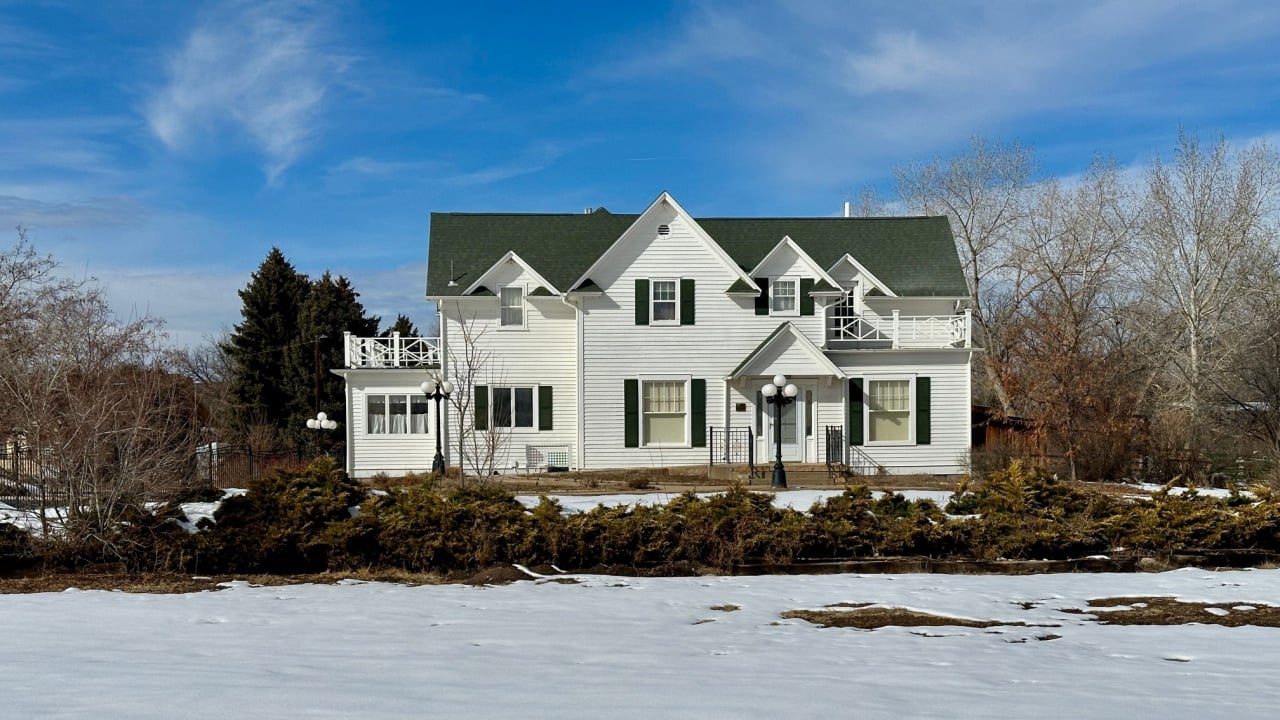
Greeley is a classic “Zoomtown,” with a housing cost ratio of 46.7 percent. When remote work became a big thing, a lot of people left expensive coastal cities for places like Greeley that offer more space and outdoor activities. This wave of out-of-state buyers quickly made it too expensive for local workers.
If you really want to live in Greeley, look for homes just outside the city where property taxes might be a bit lower. Keep an eye on local building permits to get a jump on new subdivisions that might have introductory prices. You’ll also face less competition if you’re ready to make a move during the slower winter season.
12. Fort Collins, Colorado
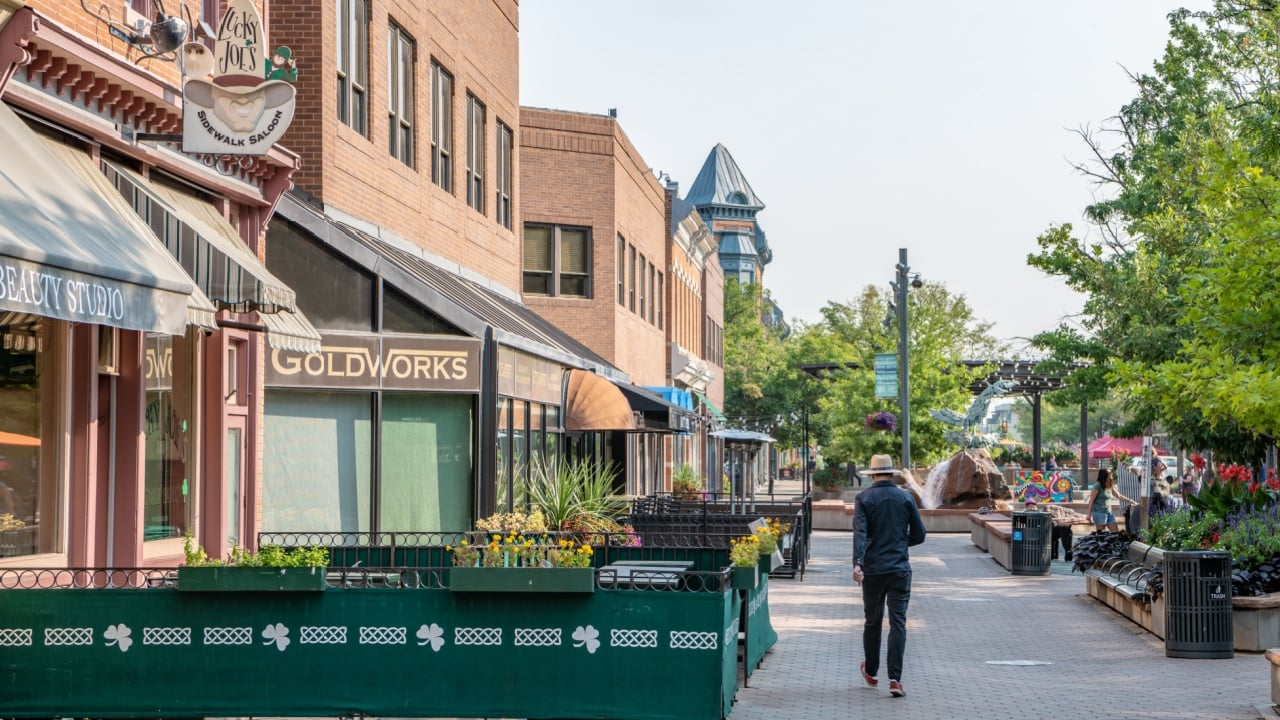
Just a short drive from Greeley, Fort Collins is overvalued by 44.5 percent. It’s a popular city thanks to its university and outdoor lifestyle, so new people are always moving in. There isn’t enough new housing being built to keep up, which means home prices stay high.
To find a good deal in Fort Collins, think about buying a fixer-upper. You can build equity by doing renovations yourself. Also, check with local credit unions; they sometimes have better mortgage rates than the big national banks. If you broaden your search to include smaller, nearby towns, you might find the right mix of affordability and convenience.
Smart Strategies for an Overvalued Market

Navigating an expensive housing market requires careful financial planning and a clear understanding of local trends. Review your budget meticulously, research neighborhood developments, and connect with a trusted real estate professional to find the best possible opportunities. Head over to the U.S. News Housing Market Index to explore free tools and real-time data to guide your upcoming real estate decisions.
Read More: