16 Backbreaking House Chores We Luckily Don’t Have to Do Anymore
Maintaining a home a century ago required a level of physical labor that borders on unimaginable today. People spent nearly all their waking hours scrubbing, lifting, and mending just to keep a household functioning. Modern appliances replaced this intense physical toll with the push of a button.
The shift away from intense manual labor transformed daily life around the world. Inventions like electricity, indoor plumbing, and motorized machinery removed the heaviest burdens from the daily schedule. People suddenly gained hours of free time to pursue education, hobbies, and careers outside the home.
You will soon discover exactly how difficult daily maintenance used to be. The following list details the most grueling tasks our ancestors faced daily. Read on to see exactly how technology improved our standard of living.
1. Making Butter the Old-Fashioned Way
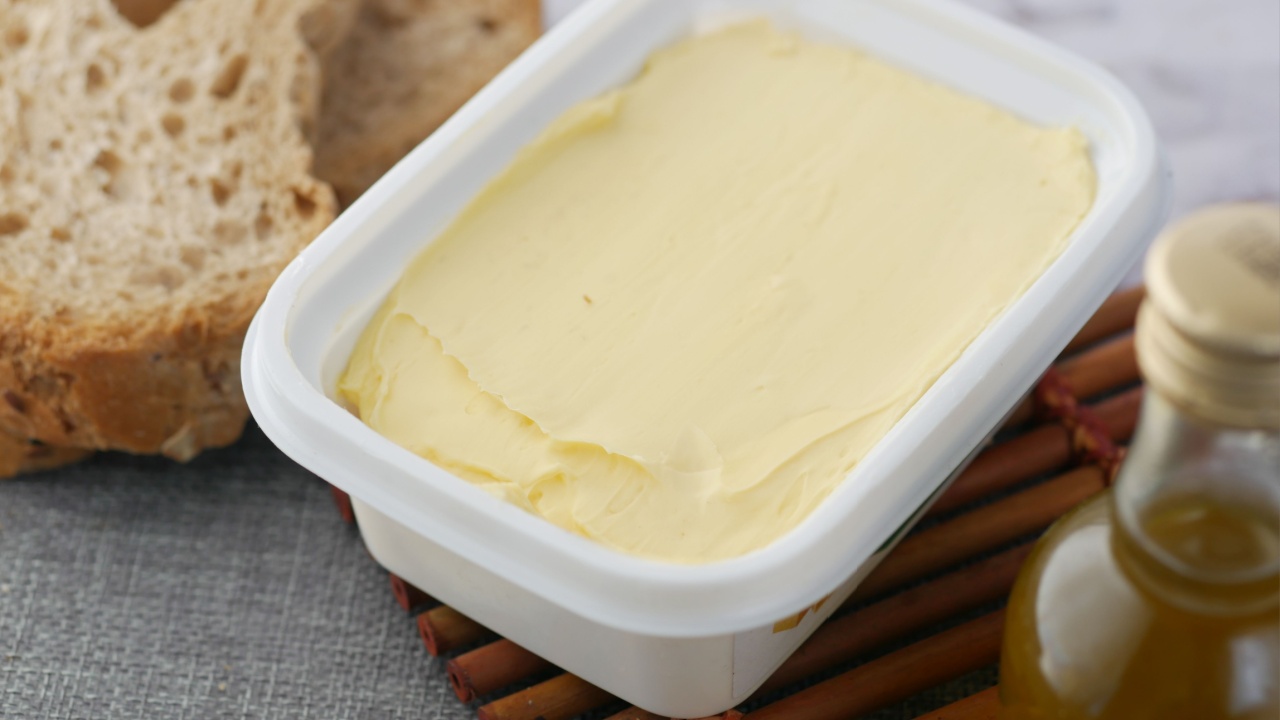
Families used to spend hours turning heavy cream into a usable staple. The process involved moving a wooden plunger up and down inside a tall churn until the liquid finally separated. The physical repetition caused severe muscle fatigue in the arms and shoulders.
Modern grocery stores have completely eliminated this physical requirement. People simply buy a neat rectangular block from the refrigerated section instead of performing hours of manual labor. If you want to try making butter at home, just shake heavy cream in a jar or use a stand mixer for a few minutes until it thickens.
2. Window Cleaning With Old Supplies

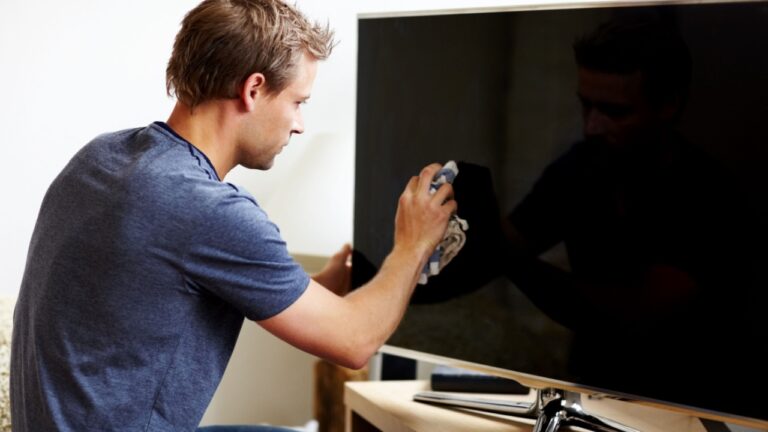
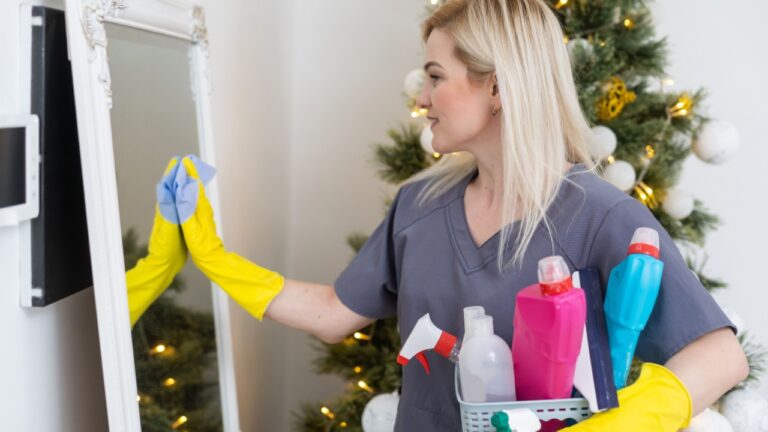
Cleaning glass required harsh ammonia and heavy bundles of newsprint. People scrubbed the glass aggressively to remove streaks, often leaving their hands covered in dark ink. The process took an entire afternoon for a standard-sized house.
Today, advanced glass cleaners and microfiber cloths make the job fast and painless. For a quick clean, just spray the window with cleaner and wipe with a microfiber cloth for a clear finish.
3. Operating a Manual Vacuum Cleaner
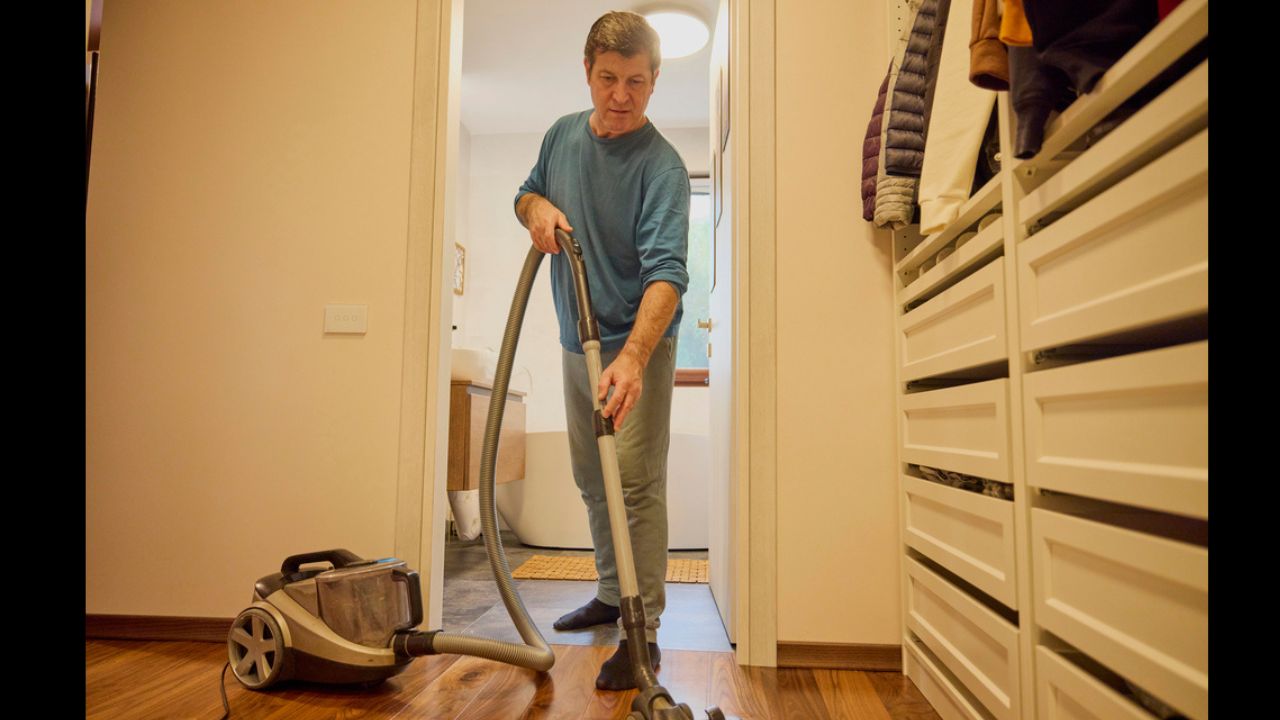
Early vacuum cleaners required human power instead of electricity. One person had to turn a heavy crank or pump a bellows while another person directed the nozzle. The machinery was incredibly heavy and awkward to maneuver across a room.
Motorized vacuums and robotic cleaners completely removed this burden. To vacuum today, just plug in the machine and guide it across the floor or press a button to let a robot do the job for you. Modern machines glide effortlessly across carpets to collect dirt with zero human exertion.
4. Repairing Clothes by Hand
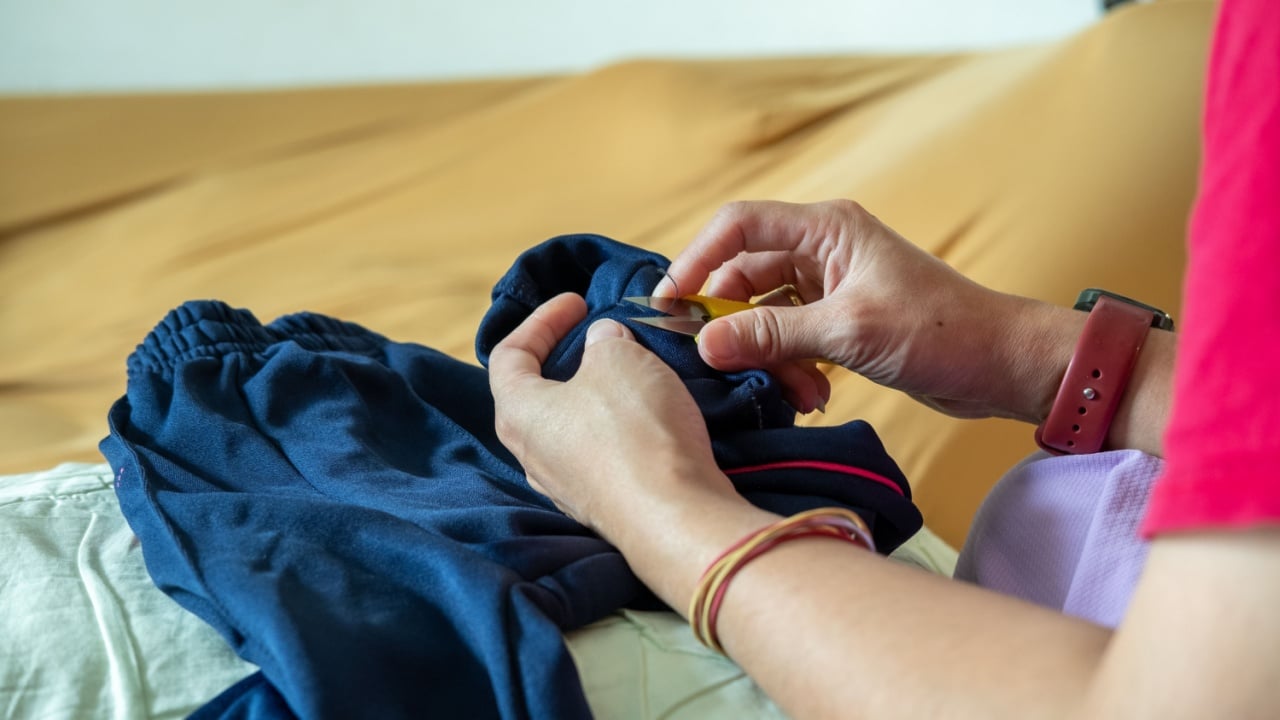
A torn shirt or pair of pants meant hours of tedious needlework. People saved every scrap of fabric to painstakingly repair damaged garments by the light of a single bulb or candle. Buying new clothes was simply too expensive for the average family.
Today, you can easily fix a small tear at home with an iron-on patch or in a few minutes using a basic sewing kit. Mass production also made clothing highly affordable and accessible, albeit of lower quality. Most people now simply replace damaged items.
5. Using Heavy Irons Heated with Charcoal
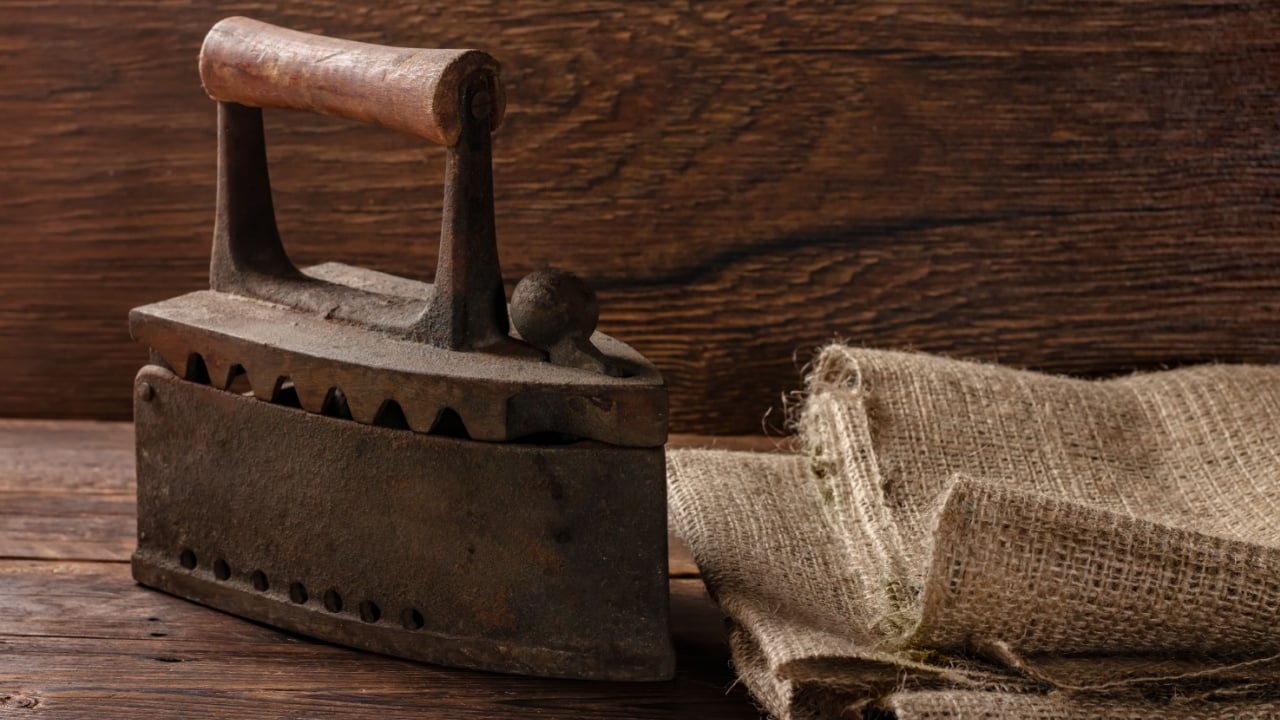
Pressing clothes required filling heavy cast-iron devices with smoldering coals. The person ironing constantly risked severe burns and had to manage the temperature by opening and closing small vents. Dropping soot on a clean white shirt meant the entire washing process had to start over.
Electric irons now plug into the wall and heat up in seconds. Adjustable dials and steam features make wrinkle removal a completely safe task; just fill the iron with water, adjust the setting, and gently press your clothes on a stable surface for quick results.
6. Managing Outhouse and Chamber Pot Duties
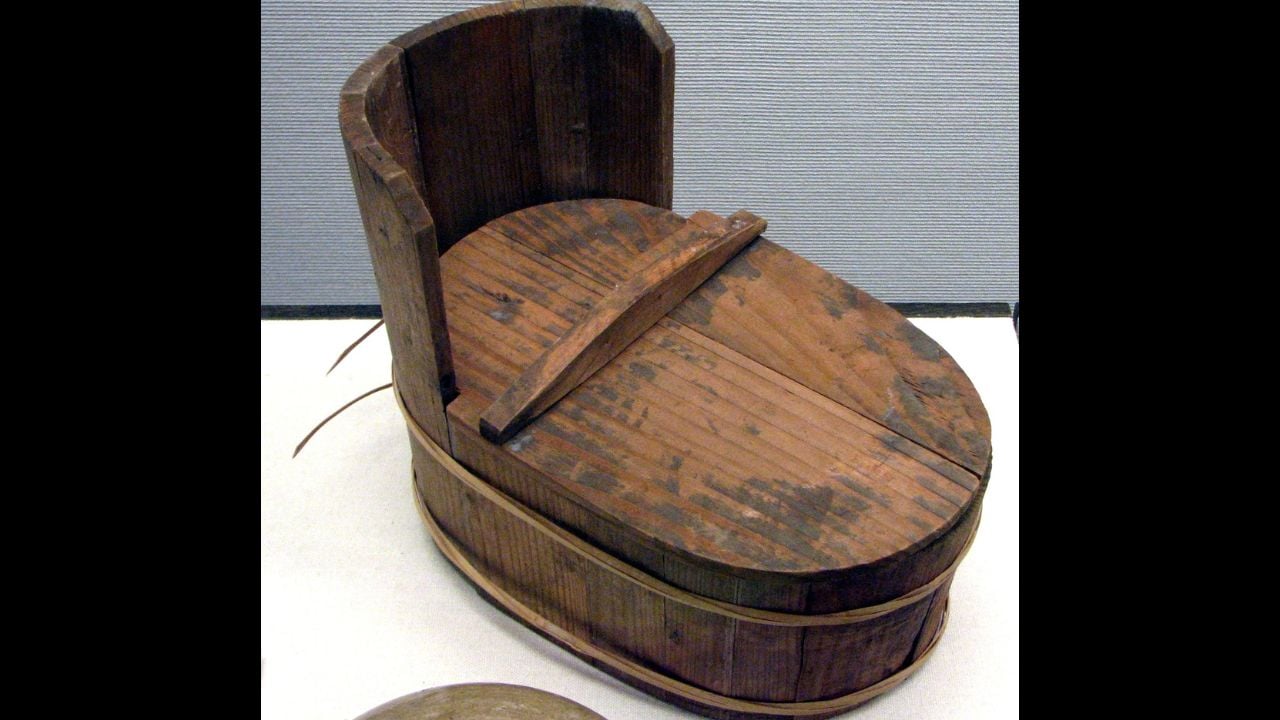
Indoor plumbing did not exist for most of human history; instead, there were chamber pots. Emptying waste receptacles was a daily, highly unpleasant chore that exposed families to terrible odors and dangerous bacteria. Hauling the contents outside required a strong stomach and constant vigilance.
Modern plumbing systems handle sanitation seamlessly. Flushing a toilet is quite sanitary and requires no physical contact with waste. To clean the toilet, simply apply a toilet cleaner, scrub with a toilet brush, then flush for a hygienic finish.
7. Carrying Water from Wells
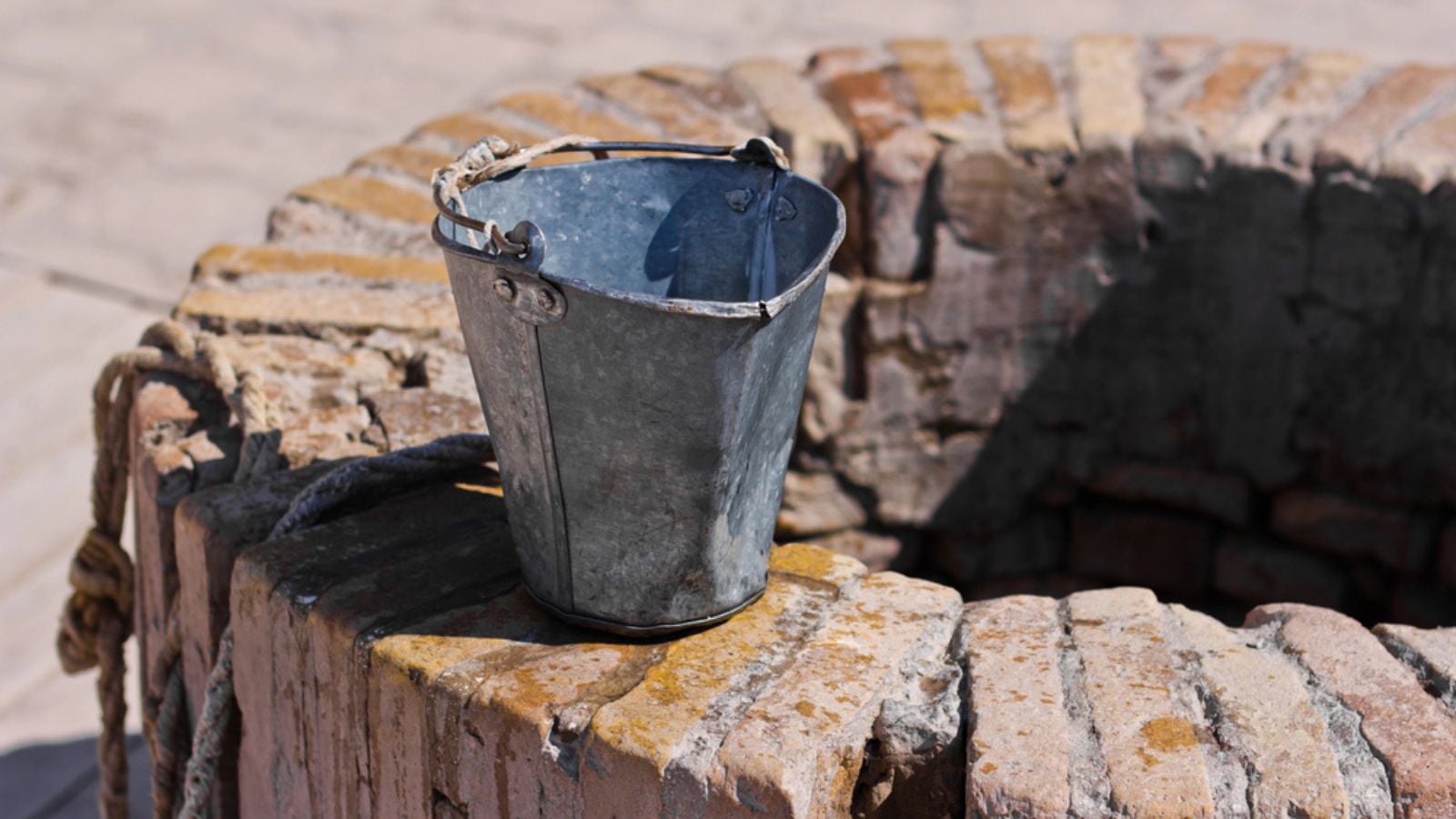
Every single drop of water used for cooking, drinking, and bathing had to be carried by hand. People walked back and forth to a water well, carrying heavy wooden buckets slung over their shoulders. The immense weight caused severe back pain for many years.
Pipes now deliver clean water directly into homes. Turning a faucet provides an endless supply of hot and cold liquid instantly. All it takes to get water for cooking or drinking at home today is to simply twist the tap and fill your pitcher or pot.
8. Removing Fat from Homemade Soups and Lard

Food preparation involved boiling animal bones and constantly monitoring the massive pots. Someone had to stand over the hot stove to carefully remove impurities and grease as they rose to the surface. Preserving the remaining fat for cooking required careful storage in heavy crocks.
Modern food processing handles all refinement before products reach the store. Cooking oil and processed broths sit neatly on pantry shelves, ready for immediate use. If you ever need to skim fat at home, just refrigerate your soup and use a spoon to lift the fat from the surface before serving.
9. Refreshing Rugs by Hand
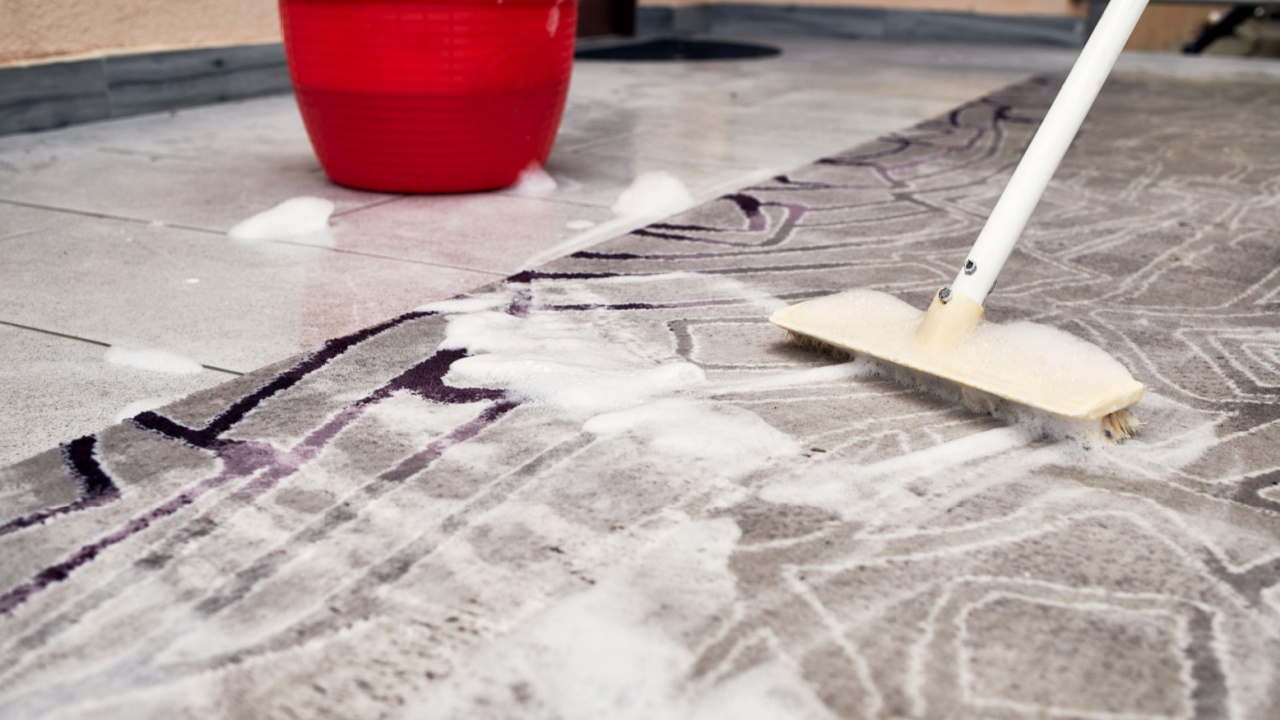
Spring cleaning meant hauling heavy carpets outdoors and draping them over a sturdy line. People repeatedly struck the fabric with a wire or wicker paddle to dislodge dirt. The task required immense upper-body strength and left the worker covered in grime.
Powerful suction vacuums automatically extract dirt from deep within carpet fibers, making spring rug cleaning a thing of the past. You can also use a carpet spray for targeted spot cleaning.
10. Preparing Poultry and Removing Feathers Manually
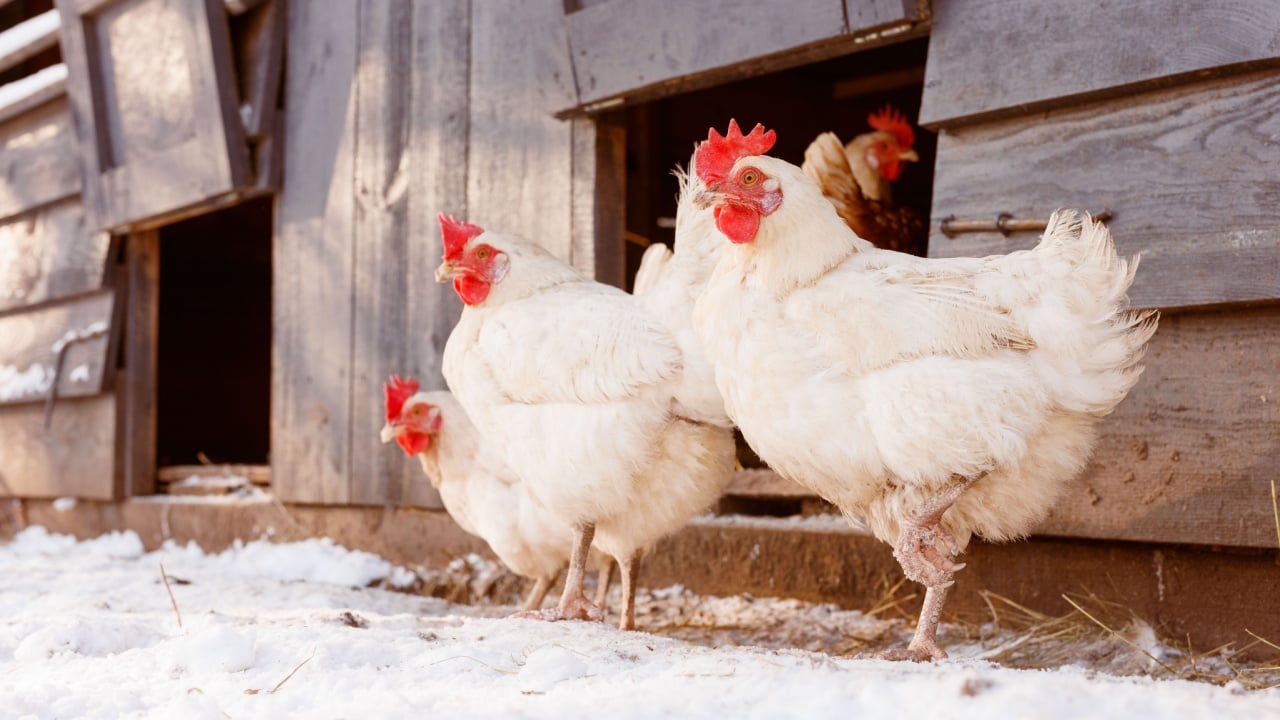
Eating chicken for dinner required a gruesome and messy preparation phase. Families had to dunk the bird in scalding water before painfully pulling out every single feather by hand. The process left a horrible smell and took a significant amount of time.
You do not need to process your own chicken if you don’t want to. Supermarkets sell poultry completely cleaned, cut, and wrapped. Preparing a meal at home today is as simple as seasoning the chicken and placing it in the oven.
11. Keeping Clocks and Music Boxes Running
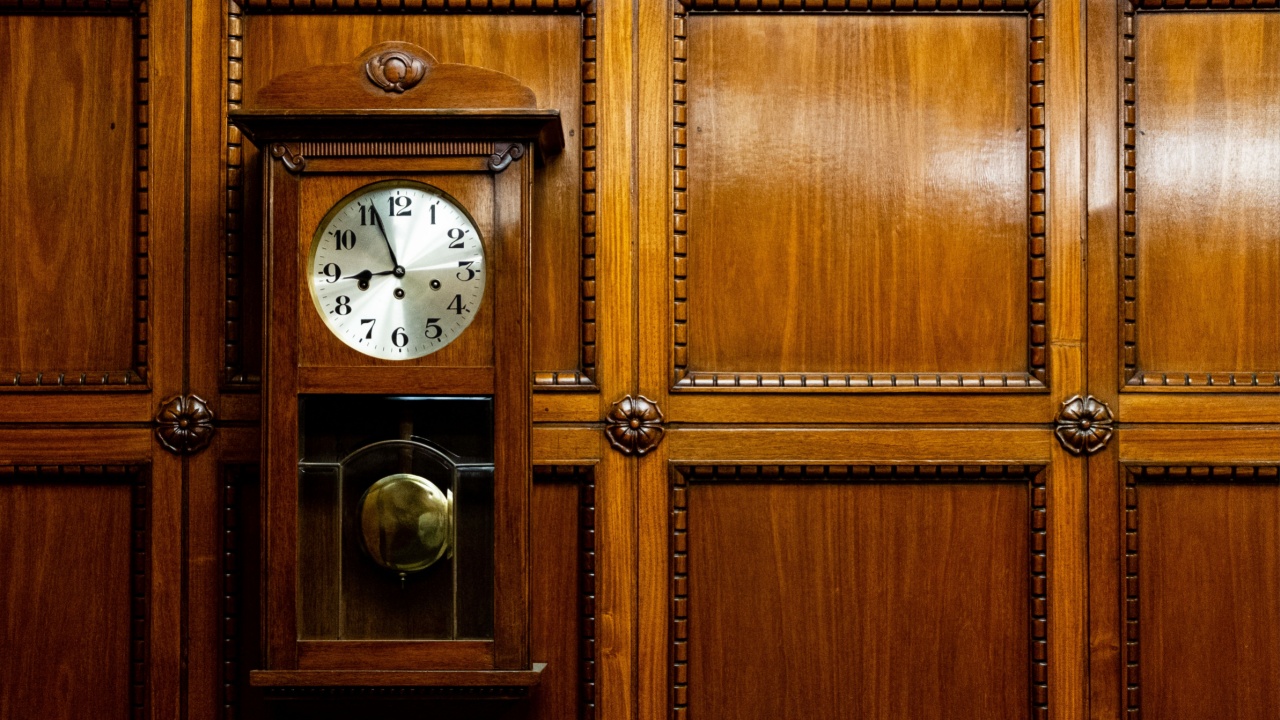
Mechanical devices like a grandfather clock require constant human intervention to continue functioning. A designated person walked through the house, turning small keys to tighten the springs inside every timepiece. Forgetting the task meant the entire household lost track of time.
Digital clocks and battery-powered mechanisms run independently for years. Smart devices even update automatically to reflect daylight saving time changes. Most people don’t even use clocks anymore; phones took over the job of telling time.
12. Harvesting Ice Blocks for Old-Fashioned Food Storage
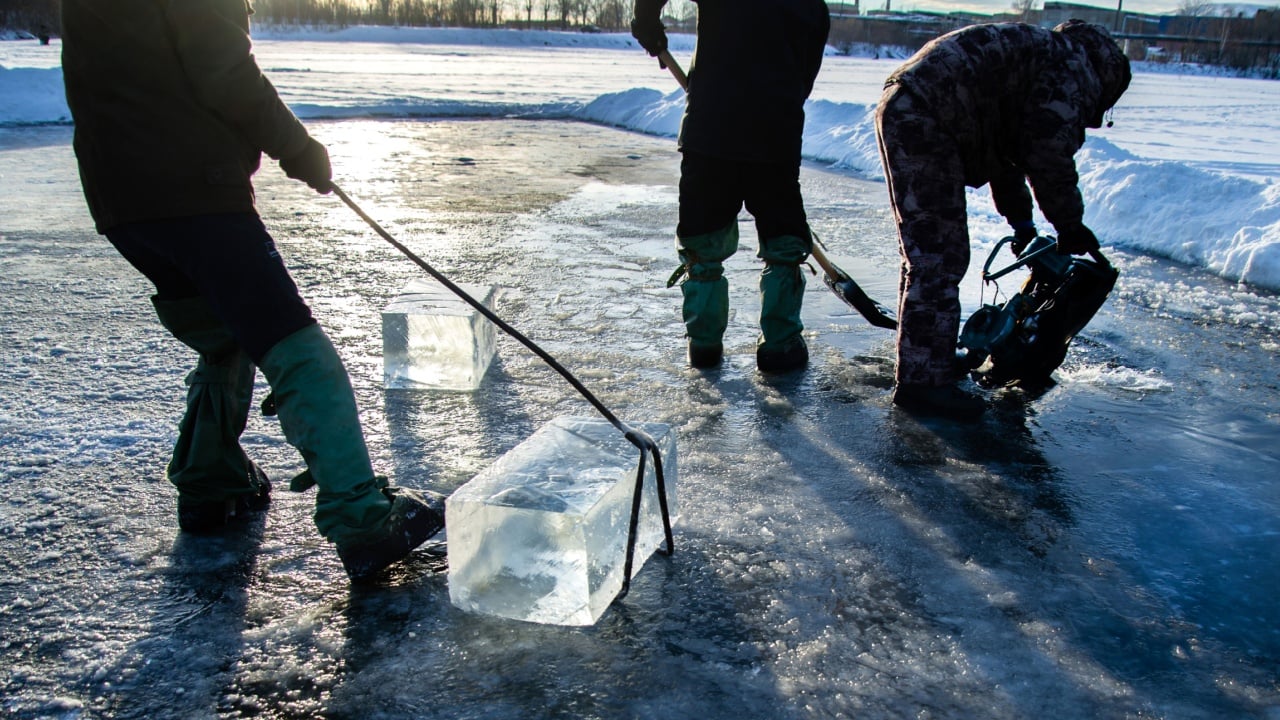
Preserving food required massive blocks of frozen water harvested during the winter. Men used giant saws to cut chunks from frozen lakes, moving them into insulated sheds for summer use. Families then hauled the melting blocks into their kitchen iceboxes every few days.
Modern electric refrigerators maintain perfect, consistent temperatures around the clock with minimal effort. Food stays fresh and safe for extended periods without anyone needing to haul heavy, melting blocks of frozen water from an insulated shed just to keep things cool.
13. Bringing in Coal or Wood for Heating
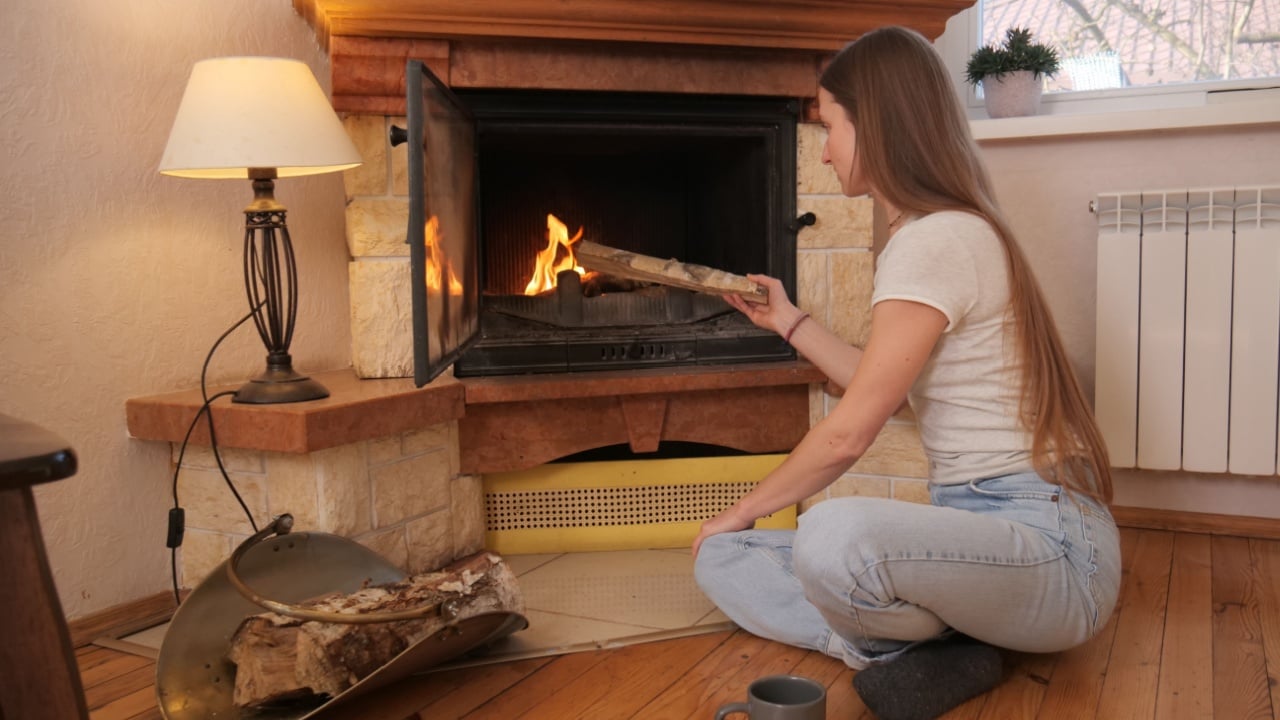
Keeping a house warm meant constantly feeding fuel into a central heater. People chopped wood or shoveled heavy coal from a cellar bin multiple times a day. The constant ash buildup required daily scraping and disposal.
Central heating has significantly changed how we keep our homes warm. You can just set your thermostat to your preferred temperature and let your heating system keep your space comfortable. Natural gas and electricity provide steady warmth without any heavy lifting or messy ash removal.
14. Waxing and Buffing Floors by Hand
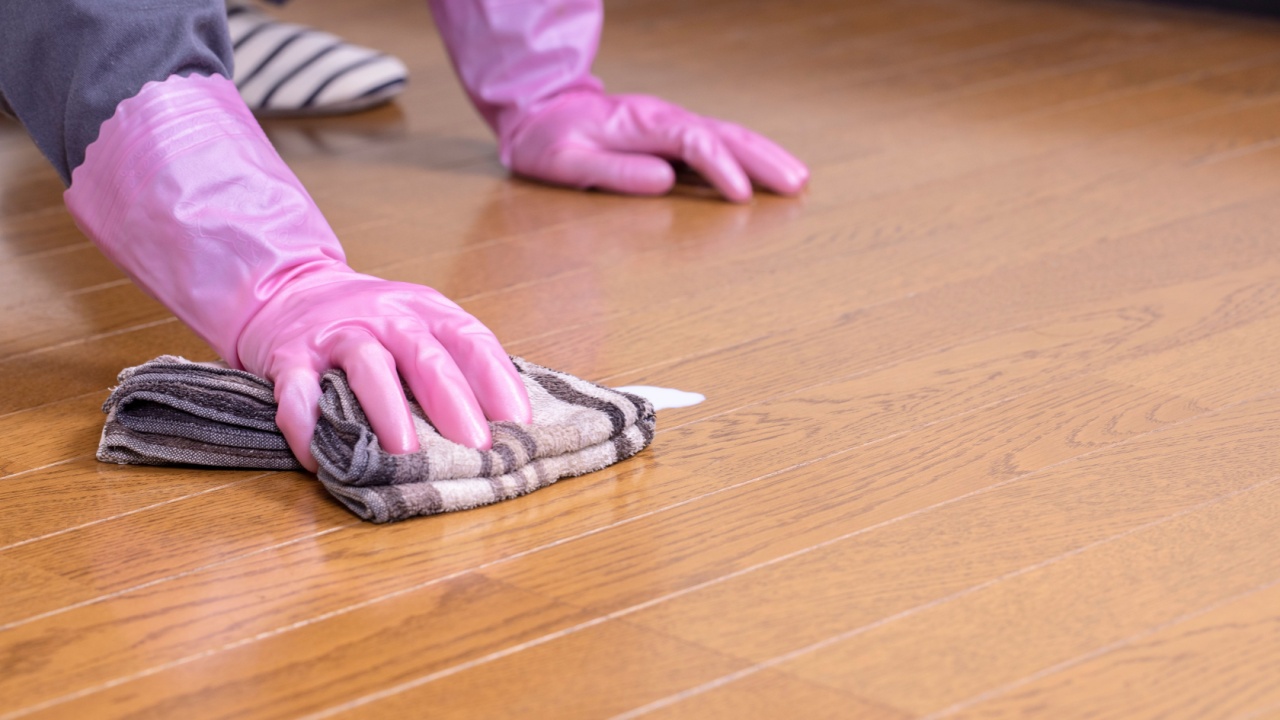
Achieving a shiny floor involved applying thick paste wax and rubbing it vigorously with a heavy cloth. People pushed a weighted block back and forth across the wood until a gloss finally appeared. The repetition caused extreme exhaustion.
Modern liquid floor finishes, on the other hand, offer a much simpler alternative. These advanced formulas can be poured or mopped evenly across the surface and then simply left to dry. As they cure, they harden into a durable, shiny finish that gives floors a professionally polished appearance.
15. Doing Laundry on a Washboard
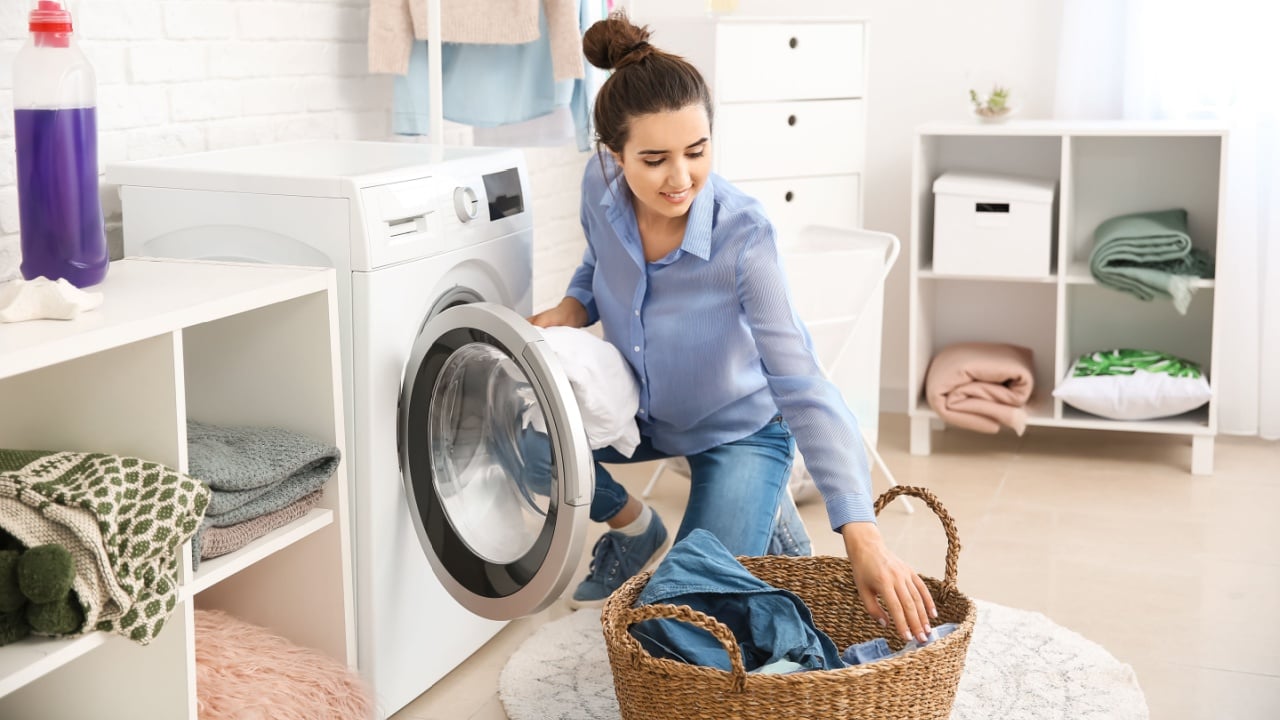
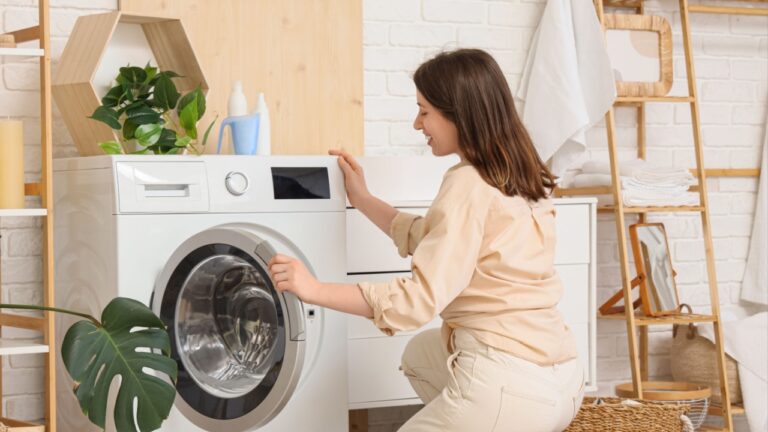
Laundry day involved boiling water, harsh lye, and a rigid metal board. People scrubbed heavy, wet fabric against the metal until the dirt released, severely damaging their knuckles in the process. Ringing out the heavy, soaking wet garments demanded incredible grip strength.
Washing machines handle the agitation and spinning completely unassisted. To do laundry at home now, place your clothes in the washer, add detergent, select your cycle, and press start, then come back when it’s done.
16. Cleaning Copper and Brass Pots Manually
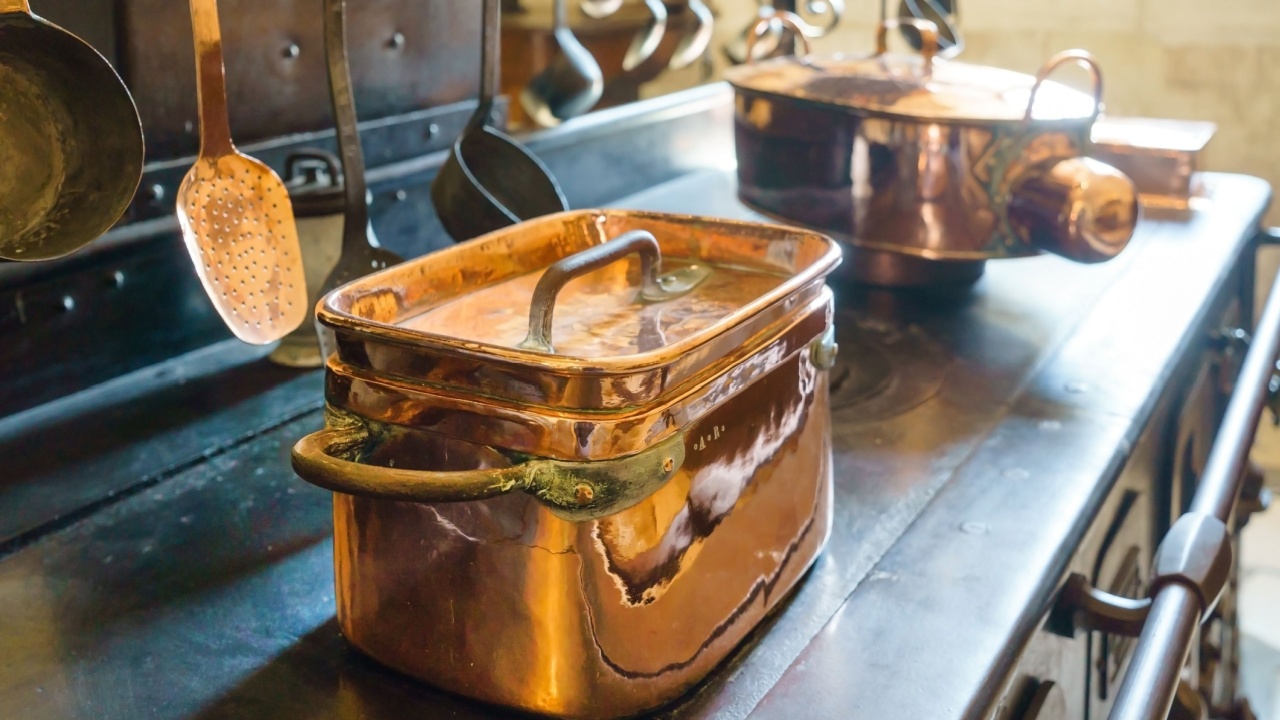
Cookware used to turn completely black from the open flames of a wood stove. Getting the metal to shine again required coarse sand, vinegar, and endless rubbing. The dark soot stained the hands and clothing permanently.
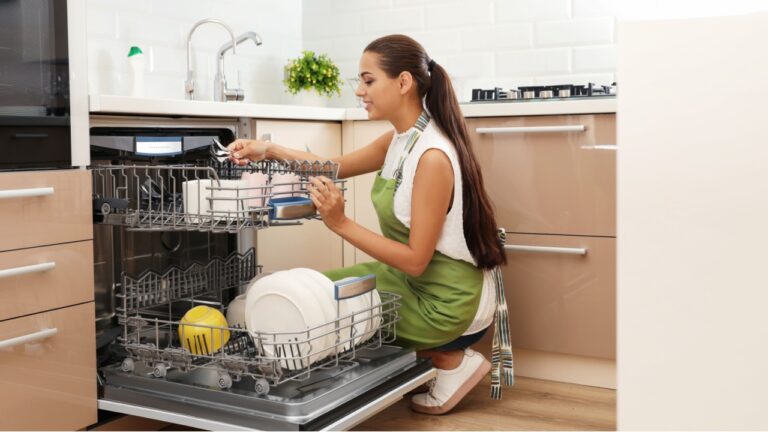
Thankfully, today’s fires are smokeless and do not stain your pots. If you need to clean tough spots or a burnt pan at home today, fill the pan with warm soapy water, let it soak, then use a gentle scrubber. Dishwashers handle the toughest baked-on messes effortlessly.
The Relief of Modern Convenience

Looking back at these grueling tasks highlights the incredible value of modern appliances. Physical labor previously consumed every waking hour, leaving little room for relaxation or personal growth. Technological advancements literally brought our society the gift of free time.
You can appreciate your modern appliances much more after seeing how difficult life used to be. Celebrate the incredible freedom you possess by spending your extra time doing things you actually enjoy. Or grab a vintage appliance to remind yourself what quality used to look like.
Read More: