15 Unhealthy American Foods to Stop Eating Immediately (Backed by Nutrition Science)
The average American diet reads like a cautionary tale. Convenience has quietly won the battle against nutrition, and the result is a food culture packed with high-fructose corn syrup, trans fats, refined carbs, and sodium levels that make a cardiologist wince. The Centers for Disease Control and Prevention (CDC) reports that 3 in 4 American adults live with at least one chronic disease, and diet is one of the biggest contributing factors.
To help you navigate these tricky waters, we have compiled this list based on nutrition research, guidelines from groups like the American Heart Association (AHA), and published studies, highlighting foods known to affect health, causing everything from weight gain and blood sugar spikes to a higher risk of cancer and heart disease.
Here are 15 common foods that you might want to reconsider. For each one, we’ll explain why it’s harmful and offer a healthier alternative.
1. Margarine

Margarine used to be marketed as the heart-healthy swap for butter, and for years, many people bought into it. The issue? Traditional margarine is made with partially hydrogenated vegetable oils, which create trans fats during processing. Trans fats are some of the worst fats out there, raising bad cholesterol (LDL) and lowering the good kind (HDL). The AHA has even linked trans fats to a higher risk of heart disease and stroke.
But it doesn’t stop there; margarine can also trigger inflammation in the body, which can lead to issues like arthritis, diabetes, and heart problems. While some newer margarines have ditched trans fats, many stick versions still have them. Always check for “partially hydrogenated oils” on the label. If you’re looking for healthier options, stick to real butter in small amounts or try avocado-based spreads instead!
2. Bacon
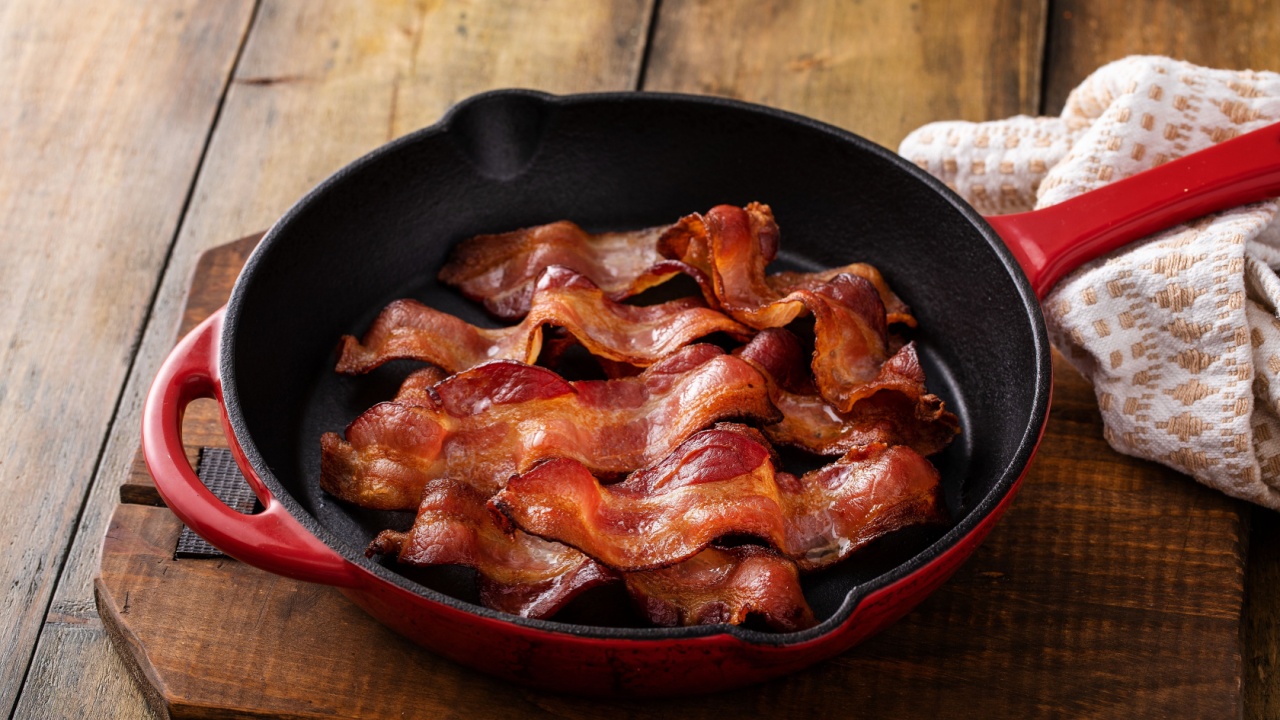
Bacon is a beloved part of American food culture, but it’s not the healthiest choice. A single serving contains a lot of saturated fat, which can raise bad cholesterol and increase the risk of heart disease. Even more worrying is the sodium nitrate used as a preservative in bacon. When digested, it can form nitrosamines, which the World Health Organization (WHO) says are likely linked to cancer.
The WHO also classifies processed meats like bacon as Group 1 carcinogens, meaning they can increase cancer risk, similar to tobacco (though the risk is not as high). This doesn’t mean eating bacon occasionally is dangerous, but eating it every day can add up over time. For a healthier breakfast, try turkey bacon (which has less fat) or eggs with smoked salmon for a more nutrient-packed option.
3. High-Fructose Corn Syrup
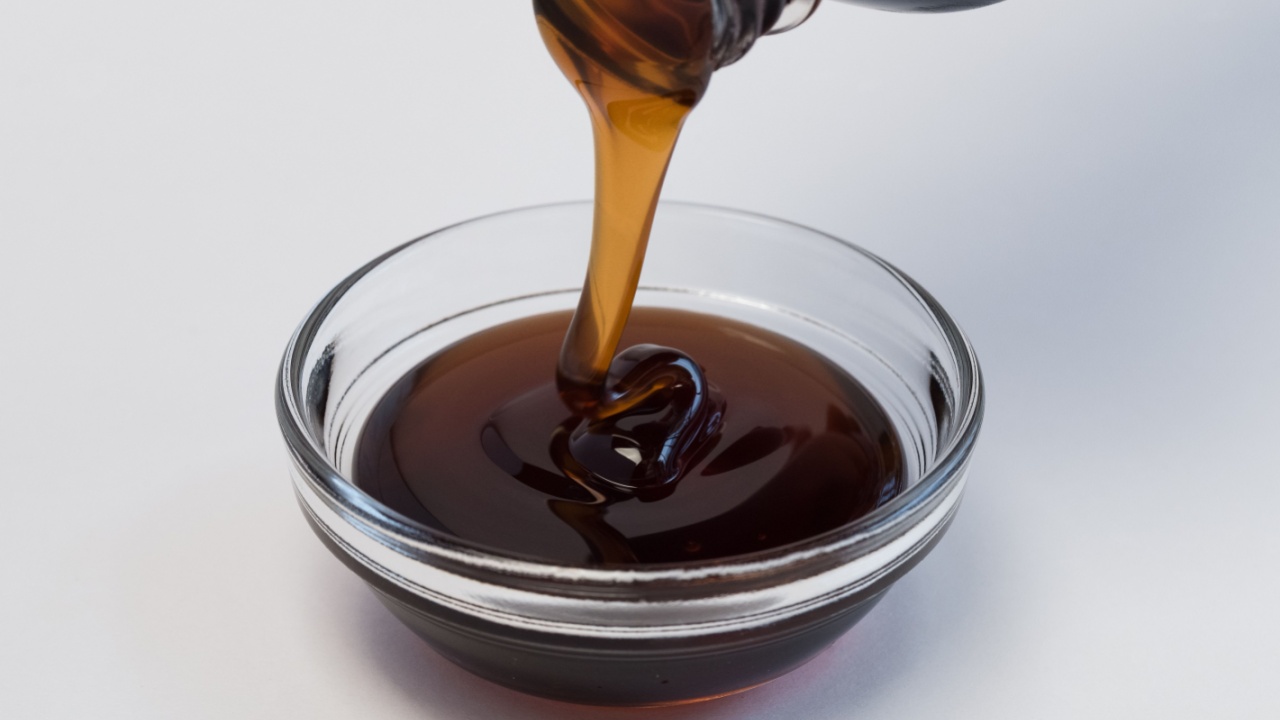
High-fructose corn syrup (HFCS) is a common sweetener made from cornstarch. Since the 1970s, it has been widely used in American foods because it’s cheaper than sugar and helps products last longer on the shelf. You can find it in everything from soda and bread to salad dressing and ketchup. The problem is how our bodies handle it. Your liver processes most of the fructose, and when you consume too much, it turns the excess into fat. This can lead to non-alcoholic fatty liver disease and higher triglyceride levels.
Studies have linked high HFCS consumption to a greater risk of obesity, type 2 diabetes, and metabolic syndrome. A key issue is that HFCS is hidden in so many foods, so people often eat it without knowing. A good way to cut back is to check ingredient labels and choose products sweetened with whole fruit or small amounts of regular sugar.
4. White Bread

White bread is made from refined flour, which has had most of its fiber and nutrients removed. What’s left is mostly starch. Because of this, white bread has a high glycemic index (around 75), meaning it causes your blood sugar to spike quickly and then crash. These spikes can lead to insulin resistance, which is a step toward type 2 diabetes.
One study found that eating a lot of white bread was linked to a 40% higher risk of weight gain and obesity. Since your body digests it so quickly, you get hungry again soon after, making it easy to overeat. Whole-grain bread is a better choice because it contains fiber and nutrients that keep you full longer and don’t spike your blood sugar as much.
5. Fast Food Burgers
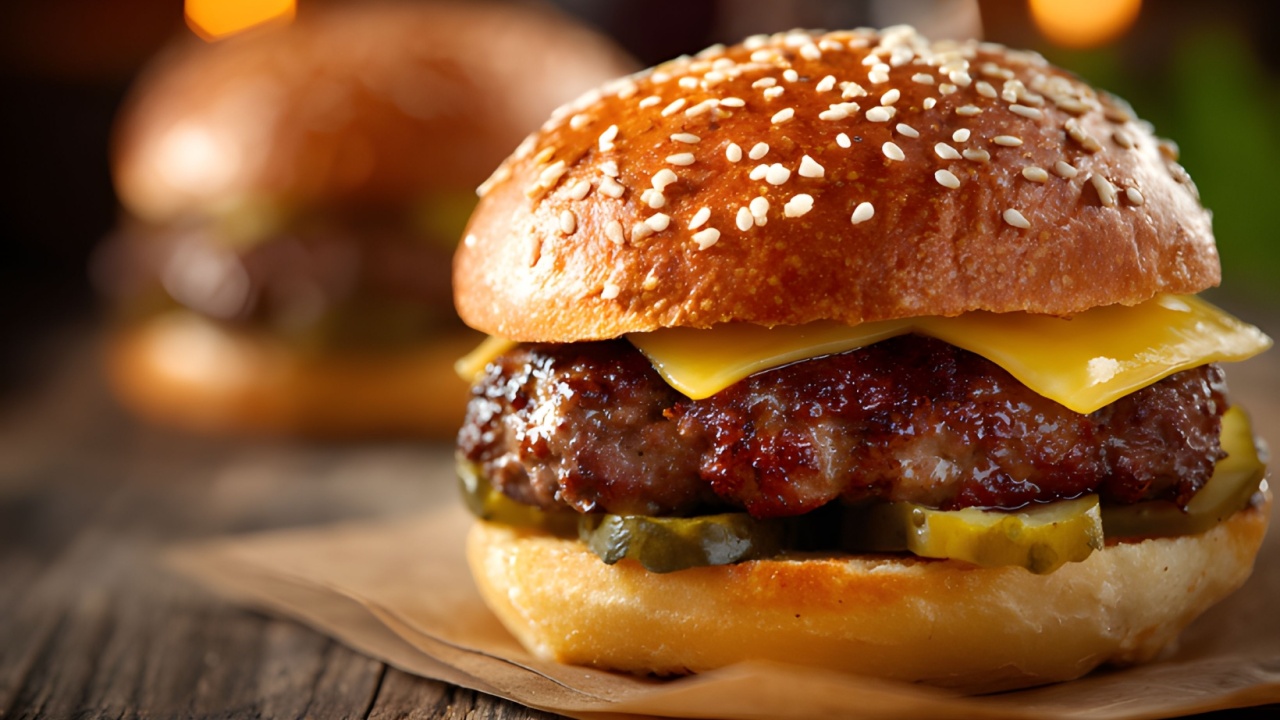
A single fast-food burger can have between 500 and 1,000 calories. The patties are often high in saturated fat, the buns are made from refined flour, and the sauces are loaded with sugar and salt. Regularly eating fast-food burgers has been linked to higher rates of obesity, type 2 diabetes, and heart disease.
The sodium content is also a concern. One burger can contain over 1,000 mg of sodium, which is nearly half of the daily recommended limit. A healthier option is to make a burger at home with lean ground beef (or a plant-based patty), a whole-grain bun, and fresh veggies. This drastically cuts the calories and salt while still being satisfying.
6. French Fries

French fries are one of America’s most popular and unhealthiest foods. Potatoes themselves are fine, but deep-frying them in oil turns them into a high-fat, high-salt snack. A medium serving of fries has about 365 calories, 17 grams of fat, and 256mg of sodium. Frying starchy foods at high heat also creates acrylamide, a chemical that might cause cancer.
A Harvard study found that eating fries regularly was strongly linked to long-term weight gain. The combination of refined carbs, fat, and salt is designed to make you want more, making it hard to eat just a few. For a similar texture with more nutrients, try roasting sweet potato wedges in olive oil.
7. Sodas

A 12-ounce can of soda has about 39 grams of sugar, more than the recommended daily limit for women. This sugar comes from HFCS or sucrose and provides calories with no nutritional value. Drinking soda regularly is linked to weight gain, type 2 diabetes, tooth decay, and non-alcoholic fatty liver disease.
One of the main problems with soda is that liquid calories don’t make you feel full in the same way that solid food does. This makes it easy to consume extra calories without realizing it. While diet sodas have no calories, some research suggests they might still affect your metabolism. Sparkling water with a squeeze of lemon or lime is a much healthier way to get your fizz fix.
8. Hot Dogs

Like bacon, hot dogs are processed meats that the WHO classifies as Group 1 carcinogens. They are made from leftover meat trimmings mixed with fillers, preservatives, and a lot of salt. A single hot dog can have around 190 calories, 16 grams of fat, and nearly 600 mg of sodium before you even add a bun or toppings.
Eating processed meat regularly has been linked to an increased risk of colorectal cancer. The nitrates used as preservatives are a major reason why. If you enjoy hot dogs at a barbecue, try to have them less often and look for nitrate-free versions. Grilled chicken sausages or plant-based dogs are also healthier alternatives.
9. Potato Chips
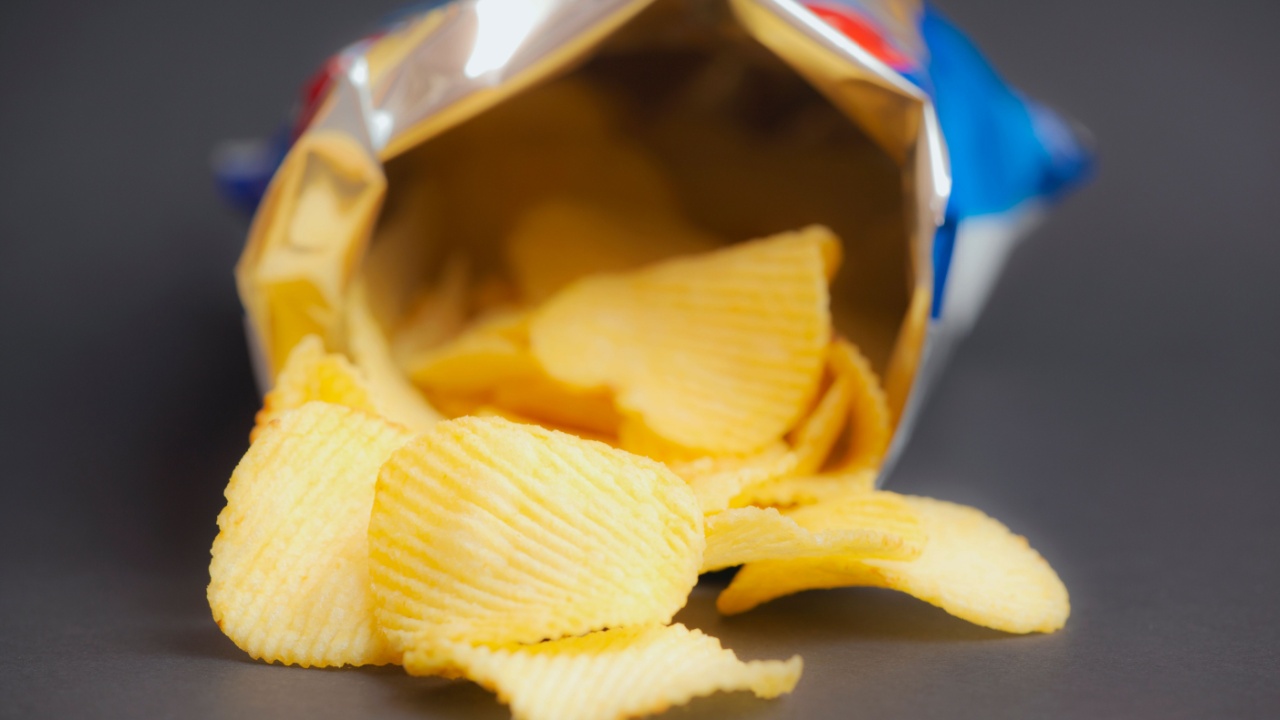
Potato chips are scientifically designed to make you overeat. The blend of fat, salt, and crunch is so rewarding to the brain that it’s hard to stop at just one serving. A one-ounce serving has about 155 calories and 10 grams of fat, but most people eat far more than that in one sitting.
A Harvard study named potato chips as the food most strongly linked to weight gain over four years. Many chips are also fried in oils high in omega-6 fatty acids, which can cause inflammation if you eat too much. Air-popped popcorn with a little salt offers a similar crunch with fewer calories and more fiber.
10. Milkshakes

A large fast-food milkshake can contain over 800 calories and more than 100 grams of sugar. They are usually made with full-fat ice cream and sugary syrups, contributing to weight gain and an increased risk of type 2 diabetes.
People often think of milkshakes as a treat to have with a meal, not as a meal itself, making it easy to consume too many calories. A homemade smoothie with frozen banana, unsweetened almond milk, and a scoop of nut butter can give you that same creamy sweetness with much less sugar and more nutrients.
11. Frozen Pizza
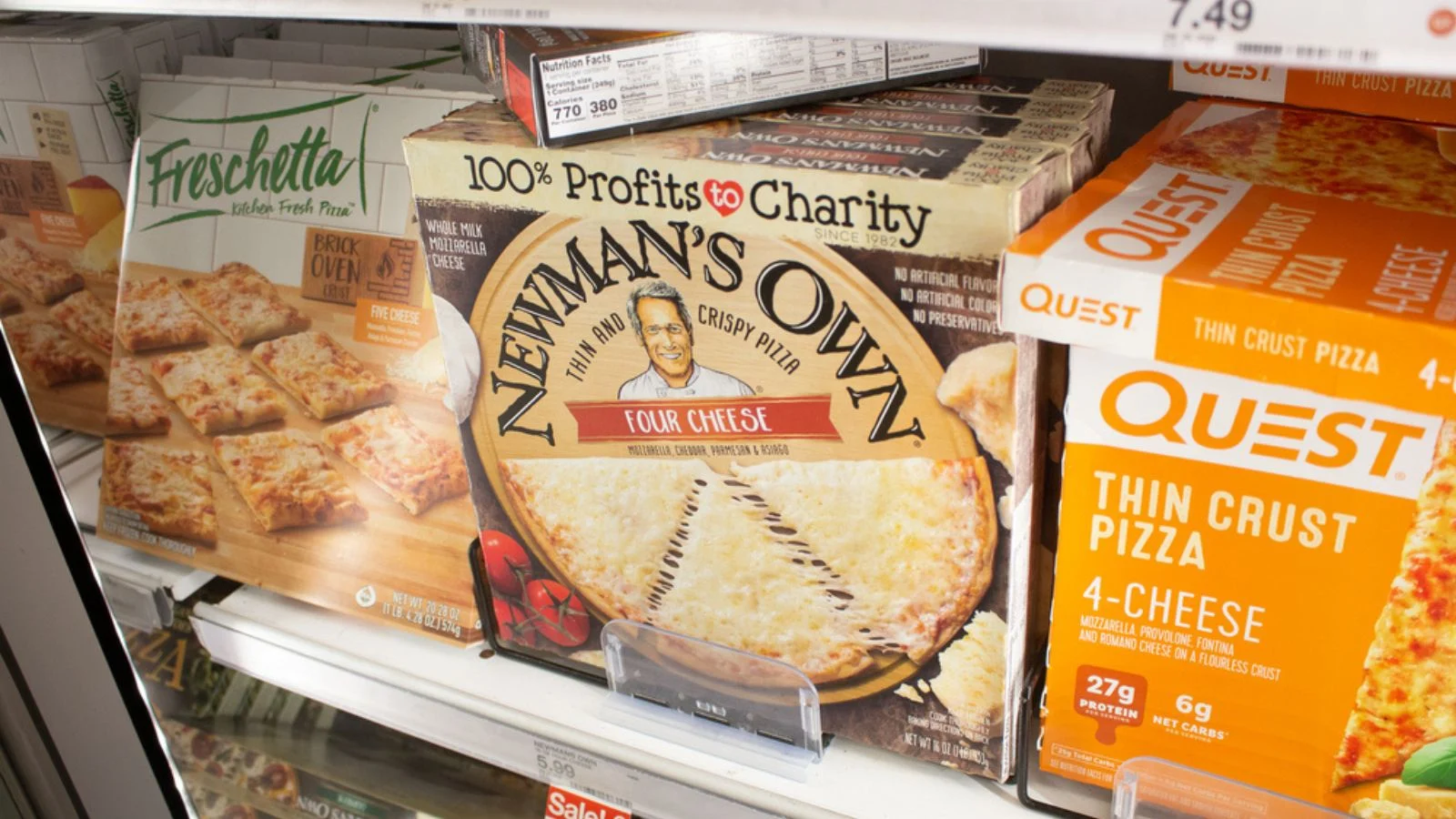
Frozen pizza is convenient, but that convenience comes at a cost. Most have crusts made from refined flour, processed cheese, and salty sauces and toppings. A typical serving (just two slices) can have 400-600 calories and 800-1,200 mg of sodium, and most people eat more than that.
The high sodium content is bad for your blood pressure. Just a few slices can use up more than half of your daily recommended sodium intake. For a healthier option, choose frozen pizzas with whole-grain crusts and veggie toppings, or make your own on a whole-wheat pita.
12. Donuts

Donuts are a mix of refined flour, sugar, and deep-fried fat, a poor nutritional combination. A single glazed donut (whether from a grocery store, Dunkin, or Krispy Kreme) has about 260 calories and 12 grams of sugar, with very little fiber or protein. This means they digest quickly, causing your blood sugar to spike and then crash, leaving you hungry again soon after.
This blood sugar rollercoaster, if repeated often, can lead to insulin resistance. For a sweet breakfast that will actually keep you full, try Greek yogurt with fresh fruit and a little honey.
13. Microwave Popcorn

While plain popcorn is a healthy whole-grain snack, the microwaveable kind is a different story. The bags are often coated with chemicals to prevent sticking, and the popcorn itself is loaded with artificial butter flavoring, unhealthy oils, and too much salt.
The chemical used for artificial butter flavor, diacetyl, has been linked to a serious lung disease. A much healthier choice is to pop your own kernels on the stovetop with a little olive oil and sea salt. It takes about the same amount of time and is much better for you.
14. Energy Drinks

Energy drinks contain high levels of caffeine, sugar, and other stimulants. They can cause a temporary increase in heart rate and blood pressure, as well as anxiety and trouble sleeping. Long-term effects are even more concerning.
Studies have linked energy drinks to heart rhythm problems, and ER visits related to them have doubled in recent years. For a real energy boost, focus on getting enough sleep, exercising regularly, and staying hydrated. It’s safer and more effective.
15. Processed Cheese

Products like individually wrapped cheese slices and cheese spreads aren’t really cheese. They are made by blending real cheese with other ingredients like emulsifiers, coloring, and extra salt. A single slice can have up to 400 mg of sodium and is high in saturated fat.
Real, minimally processed cheeses like Parmesan, feta, or goat cheese are much better choices. They offer calcium and protein without all the extra additives. Swapping processed cheese for small amounts of real cheese is an easy way to improve your diet.
Rethinking Your Daily Diet

Cutting all 15 of these foods out at once isn’t realistic, and that’s not the point. The more useful takeaway is recognizing patterns. Are processed meats showing up at every meal? Is soda a daily habit? Is white bread the default?
Identifying two or three items from this list that appear most frequently in a regular diet and finding direct swaps for them is how meaningful dietary change actually sticks. For a deeper dive into how specific foods affect long-term health outcomes, speaking with a registered dietitian is the most reliable path forward.
Read More: