
16 Foods Never Worth Buying at Walmart
For most of us, our relationship with Walmart is complicated. We walk in needing lightbulbs and toilet paper, and somehow end up staring at a bag of chips we definitely do not need but know we are bringing home. We all love a bargain, and watching the total at the checkout register stay low feels like a victory against inflation.
You have likely experienced the disappointment of cutting into an avocado that looked perfect under the store lights, only to find it brown and mushy inside. Large retailers operate on massive scales, and quality control for perishable items often takes a backseat to volume and logistics. The supply chain for these mega-stores is long and complex, meaning “fresh” food might have traveled for weeks before it lands in your cart.
This list covers sixteen specific food items you should skip during your next Walmart run. It will break down exactly why these products fail to deliver on quality or value and tell you where you should go instead to get the best bang for your buck.
1. Whole Bean Coffee
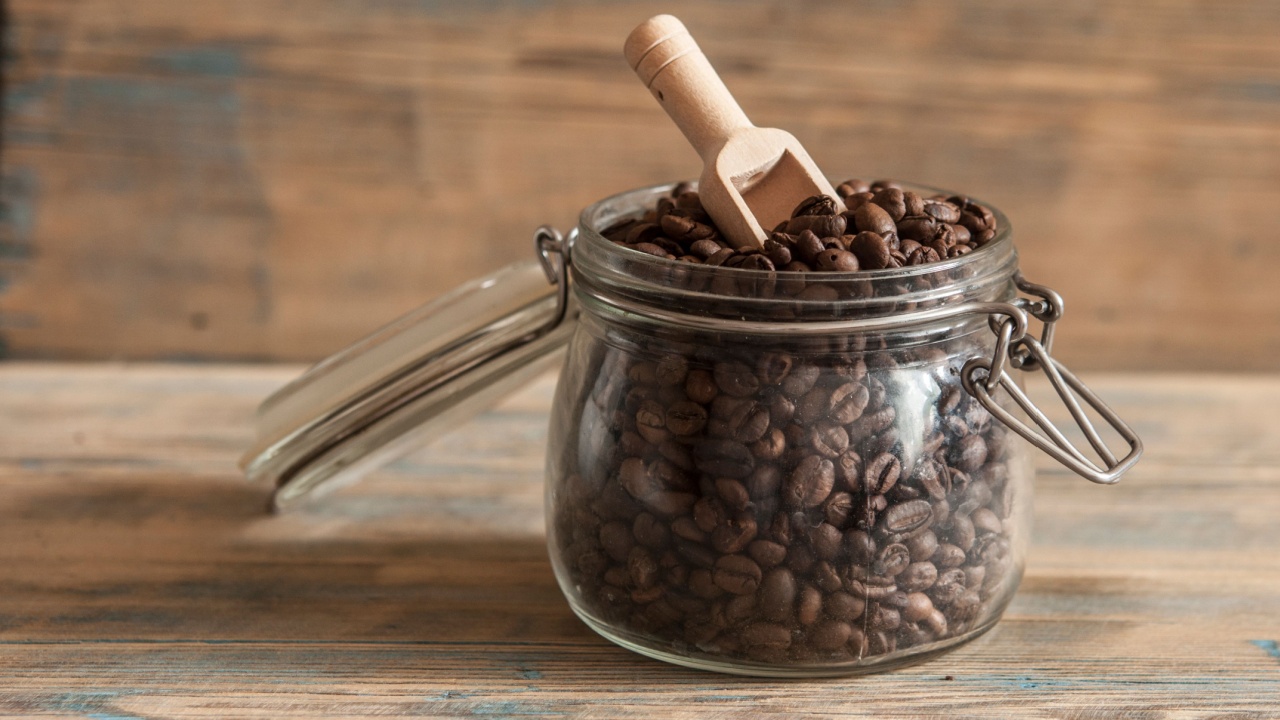
Coffee beans are delicate and lose their flavor profile quickly after roasting. The bags sitting on Walmart shelves have likely been there for months, causing the essential oils to degrade and turn rancid. You might save a few dollars upfront, but you end up with a bitter, flat cup of morning joe that requires mounds of sugar to be palatable.
Check the roast date on any bag of coffee you buy. If you cannot find a date, put it back immediately. Your best alternative is a local roaster or a store like Trader Joe’s, where turnover is high. Buying smaller batches more frequently guarantees you actually taste the notes of chocolate or fruit the label promised.
2. Fresh Produce

The produce section at Walmart is notorious for fruit and vegetables that spoil within twenty-four hours of bringing them home. Their distribution centers prioritize shelf life over flavor, often picking items way too early or storing them in cold storage for extended periods.
Visit your local farmers’ market or a dedicated grocer like Aldi for your fresh greens and fruits. You will find produce that was grown closer to home and harvested nearer to peak ripeness. If you must buy produce at Walmart, stick to hardy items like onions or potatoes and inspect every single piece before bagging it.
3. Maple Syrup

Real maple syrup is a labor-intensive product, which explains why it usually costs a pretty penny. The cheaper options at Walmart often dilute the real thing with corn syrup or cane sugar while using clever labeling to hide it. You might think you are getting a deal on Grade A amber, but you are often just buying maple-flavored sugar water.
Read the ingredient list religiously. The only ingredient listed should be “maple syrup.” Costco offers incredible value on large jugs of pure organic maple syrup that beats the price per ounce of the fake stuff at other retailers.
4. Prepared Sushi
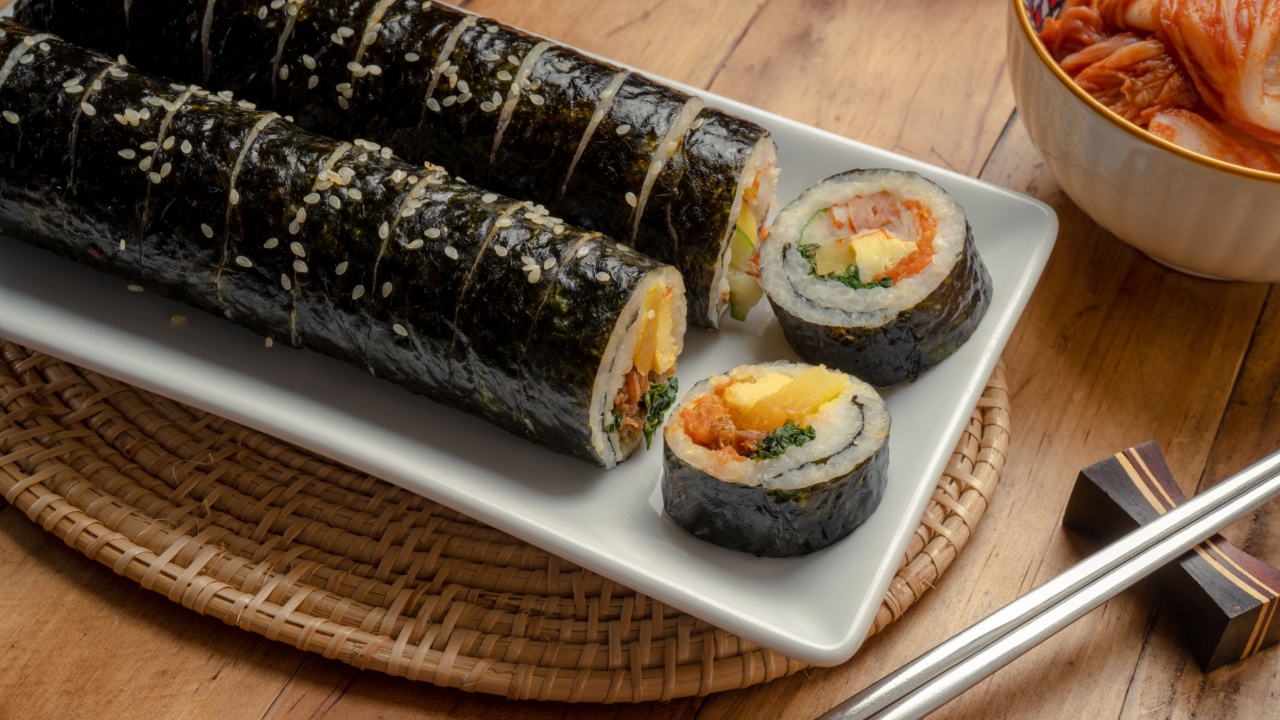
Buying raw fish from a store that also sells tires requires a level of bravery I do not possess. The rice in supermarket sushi is often refrigerated until it becomes hard and chalky, ruining the texture completely. The fish quality is rarely high enough to be eaten raw safely and enjoyably, often resulting in a fishy taste that indicates it is past its prime.
Satisfy your sushi cravings at a dedicated Japanese restaurant or a higher-end grocer like Whole Foods that has sushi chefs on-site. If you are on a budget, try making vegetarian rolls at home with avocado and cucumber. You avoid the risk of questionable seafood entirely while learning a new skill.
5. Olive Oil

The olive oil industry is rife with fraud, and discount retailers are a dumping ground for oils cut with cheaper soybean or canola oil. That “Extra Virgin” label on the Great Value bottle might not be truthful. You miss out on the health benefits and the peppery flavor that makes real olive oil a pantry staple.
Look for a seal of approval from the California Olive Oil Council (COOC) or the North American Olive Oil Association (NAOOA). Specialty food stores or even other big-box stores like Costco (Kirkland brand is consistently highly rated) are safer bets. Spending five extra dollars for oil that is actually made from olives is a worthy investment.
6. Bulk Spices and Herbs

Those plastic containers of cinnamon and oregano look like a steal, but spices lose potency rapidly once exposed to air. Unless you are cooking for a cafeteria, you will never finish that container before the contents turn into flavorless, colored dust. You end up ruining your recipes with stale herbs that add nothing to the dish.
Buy your spices in the smallest quantities possible from a bulk bin at a health food store. You can buy exactly two teaspoons of cumin for a specific recipe for pennies. This method keeps your spice cabinet fresh and your food tasting vibrant without cluttering your pantry with giant, expired jugs.
7. Pre-Packaged Deli Cheese

The pre-sliced cheese hanging in the cooler aisle is convenient, but it comes at a cost to texture and purity (not just at Walmart, at any grocer with sliced or shredded cheese). Manufacturers coat these slices in anti-caking agents like cellulose (essentially wood pulp) to keep them from sticking together. This additive prevents the cheese from melting properly and adds a gritty texture to your sandwiches.
Visit the actual deli counter and ask them to slice the cheese fresh for you. The price difference is negligible, and you get a superior product without the sawdust additives. Better yet, buy a block of cheese and slice it yourself at home to save even more money.
8. Fresh Seafood
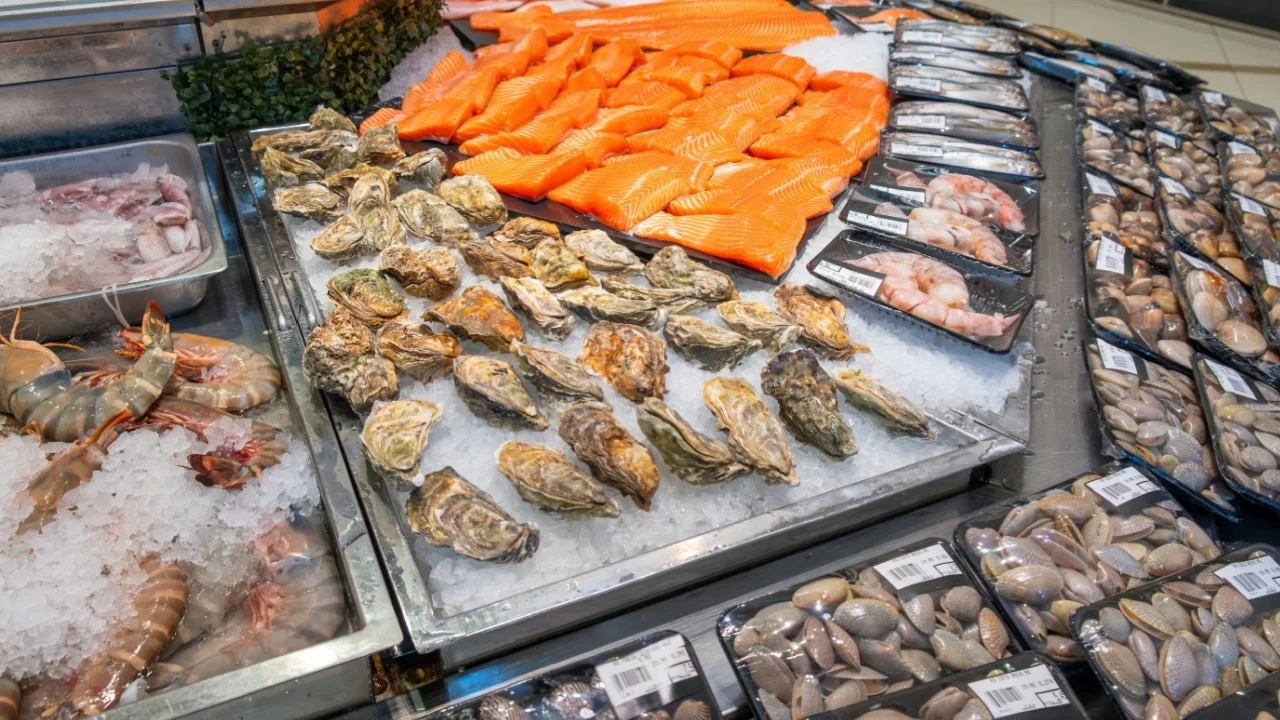
“Fresh” is a loose term in the seafood department of a big-box store in the middle of the country. The fish in the display case was likely frozen, thawed, and then laid out on ice for an indeterminate amount of time. If you can smell the fish department from the next aisle over, turn around and walk away.
Purchase frozen fish fillets instead if you cannot get to a coastal fish market. Modern flash-freezing technology preserves the fish at the moment of catch, locking in freshness and nutrients better than the “fresh” options sitting out all day. Look for vacuum-sealed portions that have no ice crystals inside the packaging.
9. Bagged Salads

Bagged salads are convenient, but they are also a frequent offender in listeria and E. coli outbreaks. The humid environment inside the plastic bag is a breeding ground for bacteria, and the leaves often turn to slime long before the expiration date. You pay a premium for lettuce that is arguably less safe than the whole head.
Buy whole heads of romaine, spinach, or kale and wash them yourself. A salad spinner is a cheap tool that will pay for itself after three uses. Your greens will stay crisp in the fridge for a week or more if you store them properly in a container with a paper towel.
10. Organic Meat

Walmart has expanded its organic offerings, but the price point on its organic meat is rarely competitive compared to the quality. You often pay top dollar for cuts that are poorly trimmed or tough. The “organic” label does not automatically guarantee that the animal was raised with the care that produces tender, flavorful meat.
Find a local butcher or join a meat CSA (Community Supported Agriculture) share. You might pay a similar price per pound, but the quality of meat from a local farm is miles ahead of mass-produced organic options. You support your local economy and get a steak that actually tastes like steak.
11. Store-Brand Canned Tomatoes
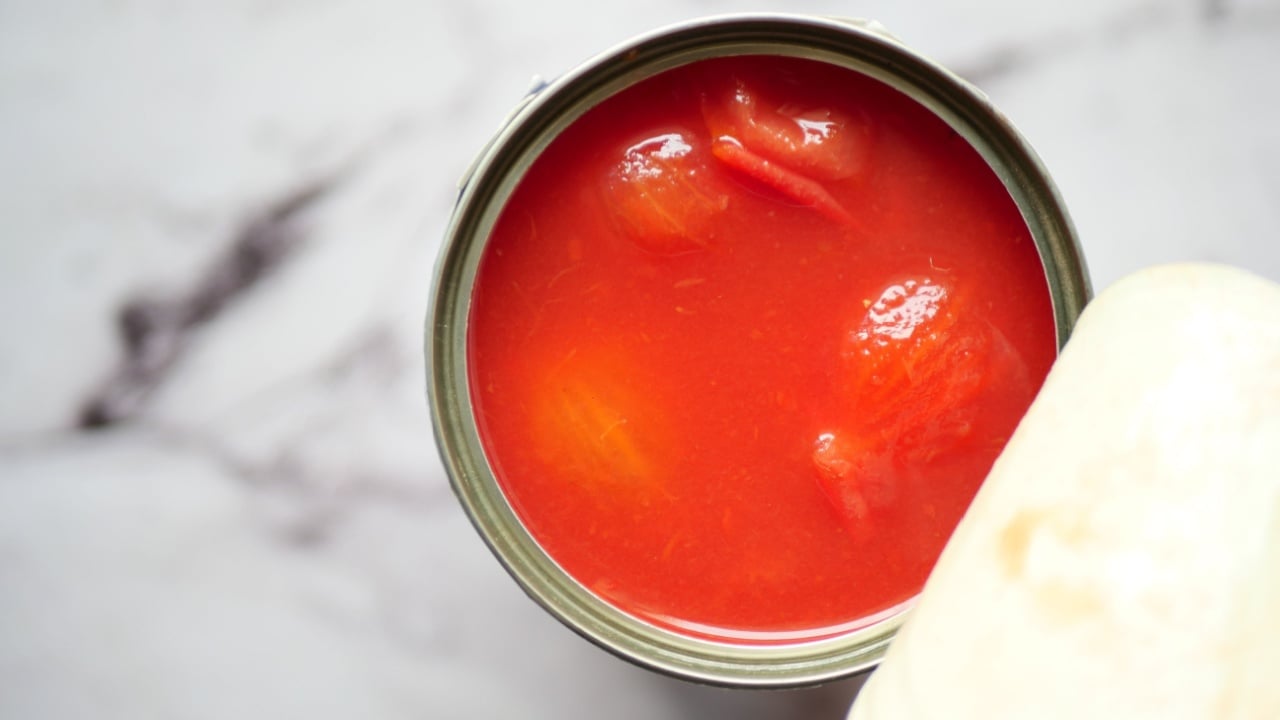
Canned tomatoes are a pantry essential, but the Great Value versions often suffer from a metallic, tinny taste. They also frequently contain calcium chloride to keep the tomatoes firm, which means they will not break down properly into a sauce. You end up with chunks of hard tomato in your pasta sauce instead of a smooth, rich consistency.
Spend the extra dollar for a brand like Cento or Muir Glen. San Marzano tomatoes are the gold standard for a reason: they are sweeter, less acidic, and dissolve beautifully into sauces. The difference in the final dish is massive for such a small price increase.
12. Balsamic Vinegar

True Balsamic vinegar from Modena is aged for years and has a complex, syrupy sweetness. The budget bottles at Walmart might be a mix of wine vinegar, caramel coloring, and sugar. While affordable, they can taste a bit too sharp and might not have the depth needed for a great dressing or glaze.
Read the label and look for “cooked grape must” as the first ingredient. If “wine vinegar” is first, put it back. You do not need to spend a fortune, but upgrading to a mid-range bottle from an Italian specialty shop will transform your salads.
13. Packaged Bakery Goods

The bakery section lures you in with the smell of sugar. However, those cakes and muffins are likely baked off-site, frozen, and thawed days later. They are loaded with preservatives to keep them soft for weeks, which can lead to a chemical aftertaste. The texture is usually oddly spongy or hopelessly dry. Last year, Walmart recalled about 1,000 bakery items due to contamination.
Bake your own muffins or cookies at home using basic ingredients like flour, butter, and eggs. If you lack the time or inclination to bake, try some no-bake desserts or support a local bakery. You will get a product made that morning with real butter and love, not high fructose corn syrup and guar gum.
14. Pre-Cut Fruits and Vegetables
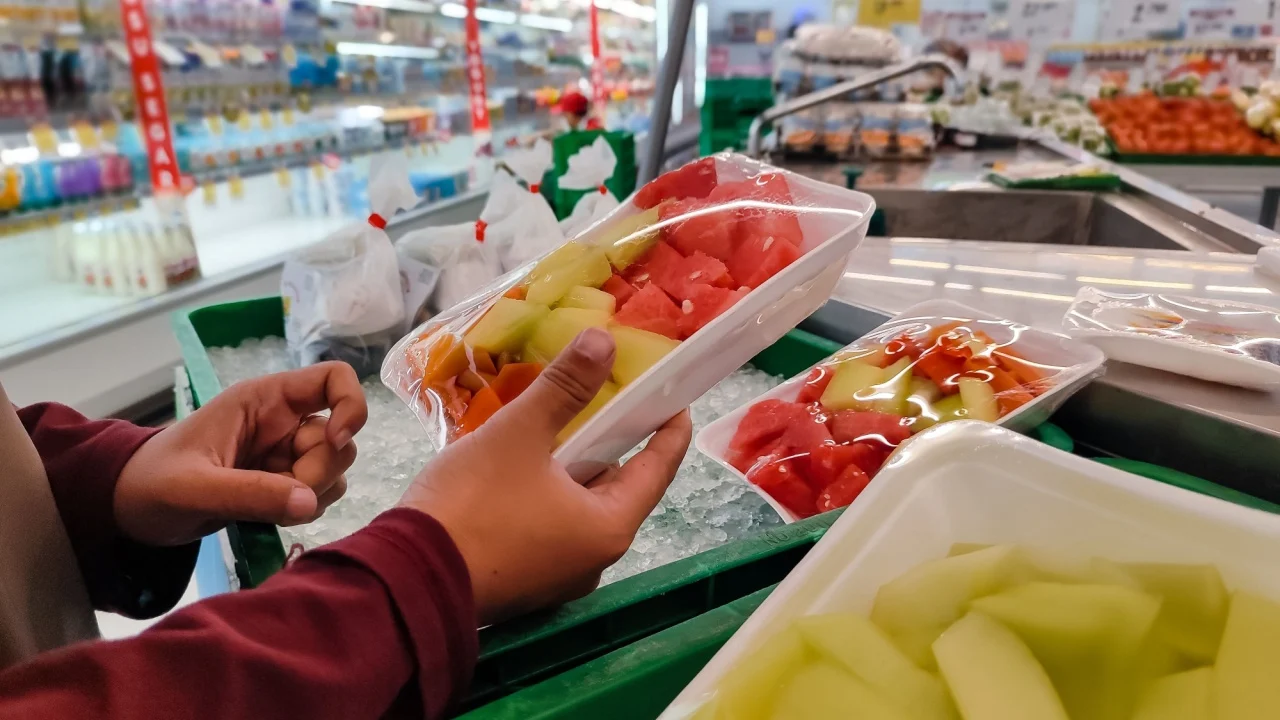
We pay a “lazy tax” when we buy fruit that has already been sliced and diced. Aside from the steep markup, pre-cut produce has a much higher risk of Salmonella contamination because it has been handled by more people and machinery. The surface area is exposed to air, causing the vitamins to degrade rapidly.
Buy the whole melon or pineapple and cut it yourself. It takes five minutes and saves you nearly half the cost. If knife skills are a barrier, invest in a simple pineapple corer or melon slicer to make the job effortless.
15. Ground Beef

The ground beef tubes at Walmart are often known to turn mushy when cooked. The high water content means your quarter‑pound burger can shrink down to golf‑ball size, so you’re essentially paying for water weight along with potentially lower‑quality trimmings.
Ask the butcher at a grocery store to grind a chuck roast for you, or do it yourself with a food processor. You control exactly what goes into your burger, and the sanitation is in your hands. The flavor of freshly ground meat is superior and worth the extra step.
16. Store-Brand Peanut Butter
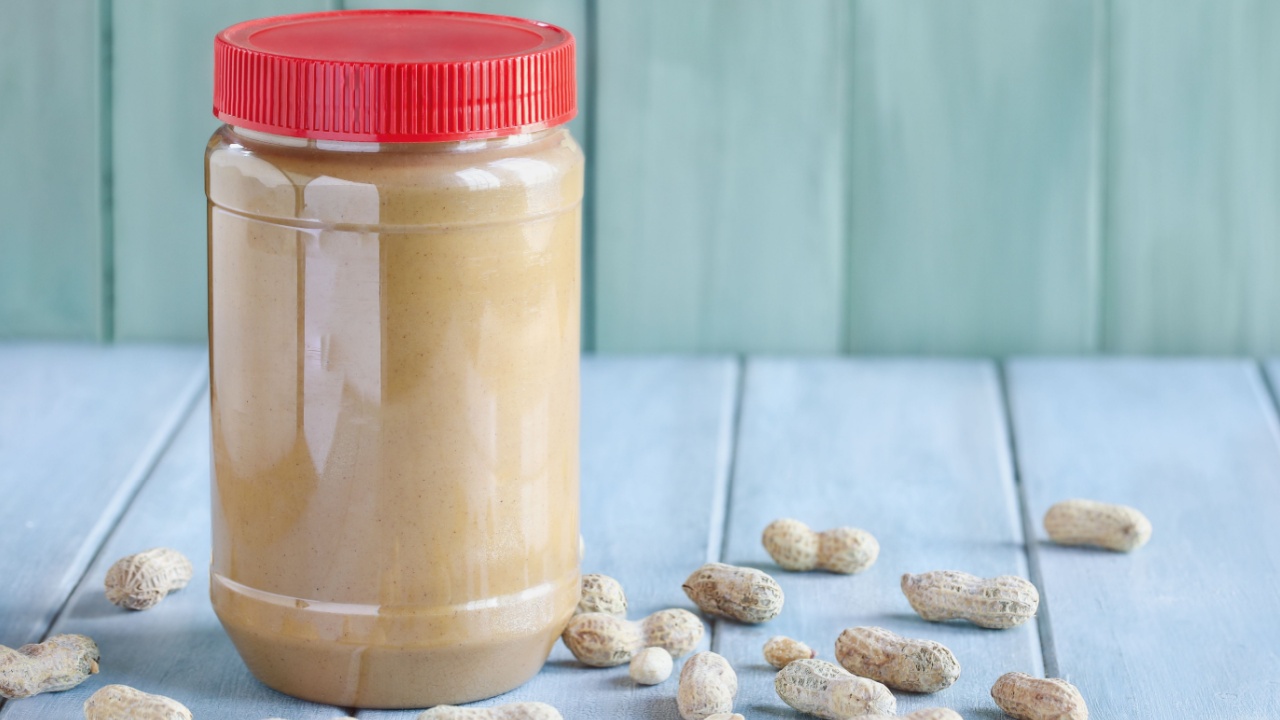
Peanut butter should be simple, but the store-brand versions are often packed with added sugars, hydrogenated vegetable oils, and molasses. These additives prevent oil separation but turn a healthy snack into a dessert. The flavor is often overly sweet, masking the actual taste of roasted peanuts.
Flip the jar over and look for one ingredient: peanuts. Maybe salt. Brands like Smucker’s Natural or Teddie are available at most supermarkets and offer a pure product without the junk. You have to stir it, but your body will appreciate the lack of hydrogenated oils.
Smarter Shopping Moves

We all want to save money, but filling your pantry with subpar ingredients is a false economy. You end up throwing away spoiled produce, suffering through bad meals, or compromising your health with additives.
It is okay to be selective. Audit your list before you leave the house, and mark the items you usually buy at Walmart. Plan a quick trip to a local grocer, Aldi, or a farmers market for your fresh items and meats. Check labels. If you must buy these items at a big-box store, read the ingredients. If you cannot pronounce the third ingredient, put it back on the shelf.