
7 Breads to Eat Without the Blood Sugar Crash
Bread often gets cast as the villain in the narrative of healthy eating. For anyone monitoring glucose levels, the bakery aisle can feel like a minefield of refined flours and hidden sugars waiting to send numbers skyward. While it is true that starchy, highly processed white loaves digest rapidly and act much like candy in your bloodstream, exiling sandwiches forever is likely unnecessary.
The solution is not elimination. It is a selection. Certain types of bread contain the fiber, protein, and healthy fats necessary to blunt the body’s insulin response. These options still contain carbohydrates, so a rise in blood sugar will occur. However, the goal is to turn a sharp, dangerous spike into a manageable, gentle curve.
By choosing nutrient-dense loaves, you can enjoy toast without the subsequent energy crash.
1. 100% Whole Grain Bread
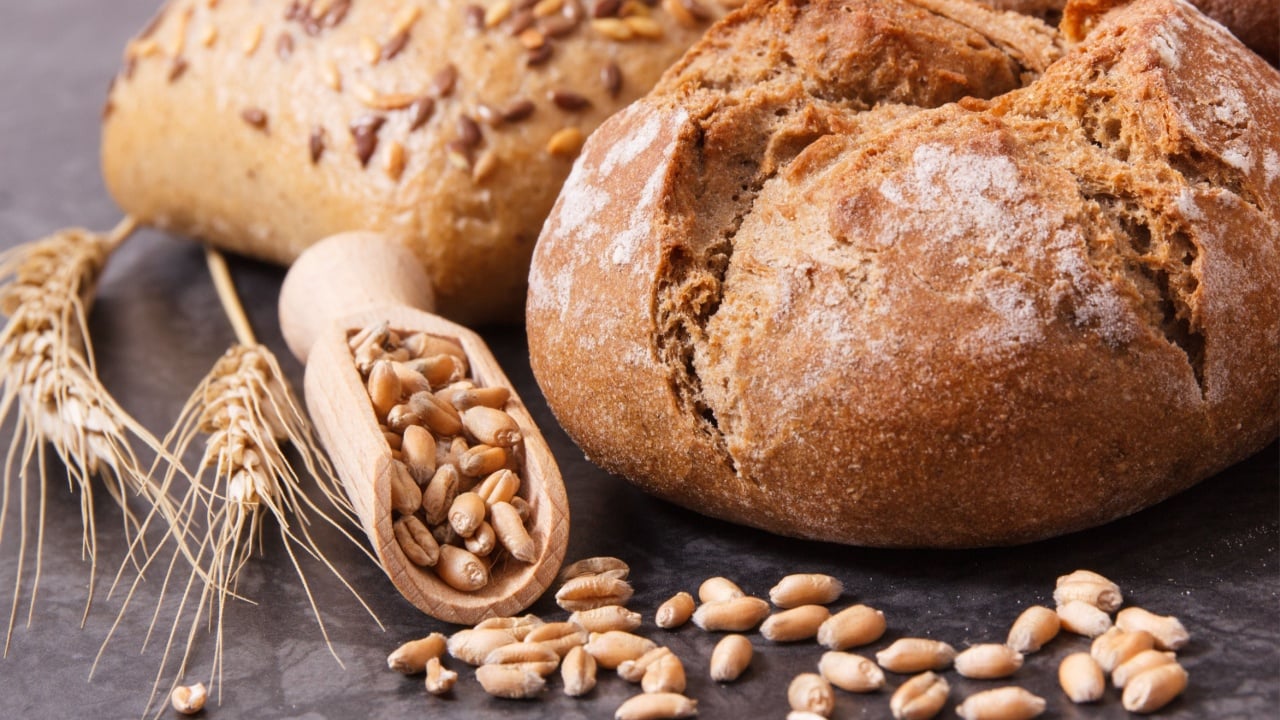
This is the reliable standard for a reason. Unlike refined white bread, which has been stripped of its most nutritious parts, 100% whole grain bread keeps the entire grain kernel intact. This includes the bran, germ, and endosperm. That structural integrity matters. Your digestive system has to work harder to break down these complex fibers, which means glucose enters your bloodstream at a much slower pace.
Navigating the label is crucial here. Marketing terms like “wheat bread” or “multigrain” can be deceptive. Flip the package over and investigate the ingredients list. The very first item must state “whole,” such as whole wheat, whole oats, or whole barley. If the first ingredient is “enriched flour” or “wheat flour” without the word “whole,” you are essentially buying white bread with a tan.
2. Sprouted Grain Bread
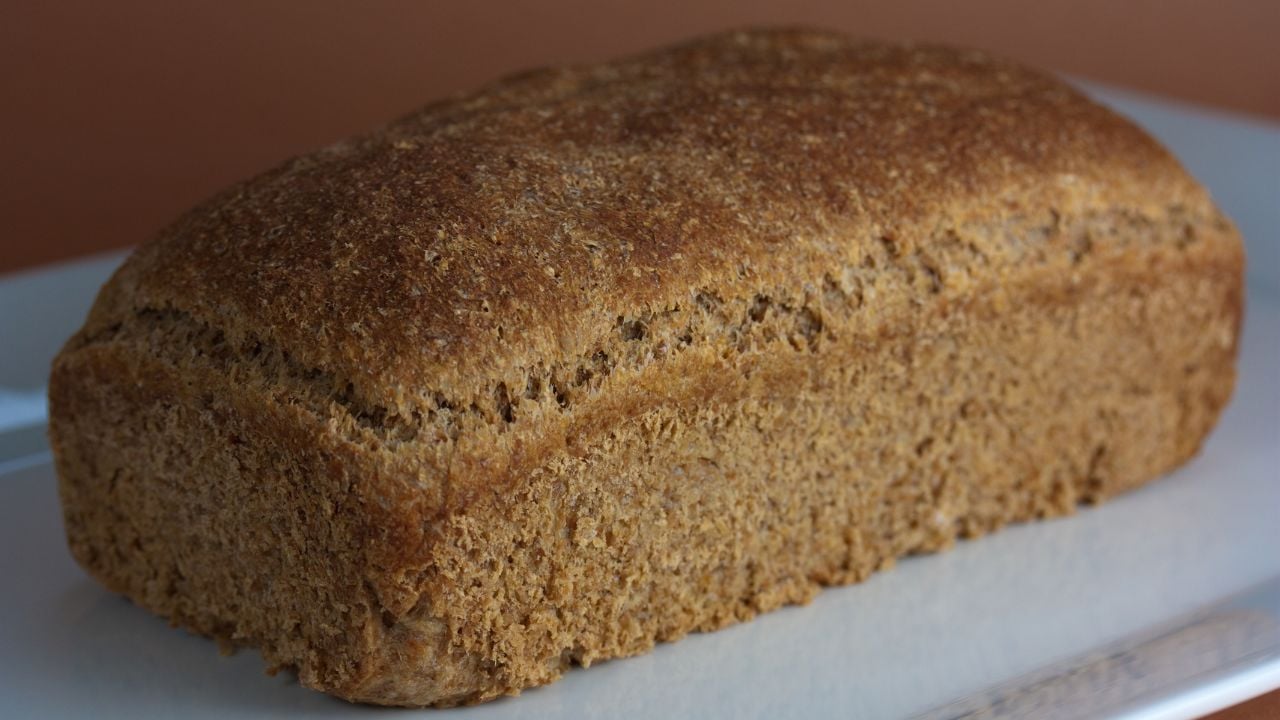
Sprouted bread packs a bigger nutritional punch than regular whole wheat. The grains are allowed to sprout before being ground into flour, which breaks down some of the starch and lowers the carb content.
Sprouting also makes nutrients and protein more available while making the bread easier to digest. Plus, it usually has a lower glycemic index compared to regular bread. When you’re shopping, check the freezer aisle; sprouted bread often skips the preservatives found in shelf-stable options.
3. Seeded Multigrain Bread

Texture is a good indicator of a blood-sugar-friendly loaf. Breads packed with whole seeds, like sunflower, pumpkin, flax, or chia, offer built-in portion control for your insulin response. The healthy fats and proteins found in these seeds act as speed bumps for digestion. They physically slow down the rate at which your stomach empties, buffering the absorption of carbohydrates.
Be wary of impostors. Some brands take a standard white flour base and simply sprinkle a few seeds on the crust for aesthetics. To get the metabolic benefits, you need a bread where the seeds are baked throughout a dense, whole-grain dough. A heavy, substantial slice is usually a good sign that the fiber content is high enough to make a difference.
4. Authentic Rye Bread

Rye is a heavyweight in the world of glucose management. It is uniquely high in soluble fiber, which dissolves in water to form a gel-like substance in the gut. This gel slows down digestion significantly and helps you feel fuller for longer periods. Studies suggest that rye bread triggers a lower insulin response compared to wheat, largely due to its density and fiber structure.
You want the dark, dense varieties rather than “light rye” or “deli rye,” which are often wheat breads colored with molasses or cocoa powder. Pumpernickel is a specific type of rye made from coarsely ground whole rye berries and is an excellent choice. The heavier the loaf feels in your hand, the better it likely is for your blood sugar.
5. Traditional Sourdough
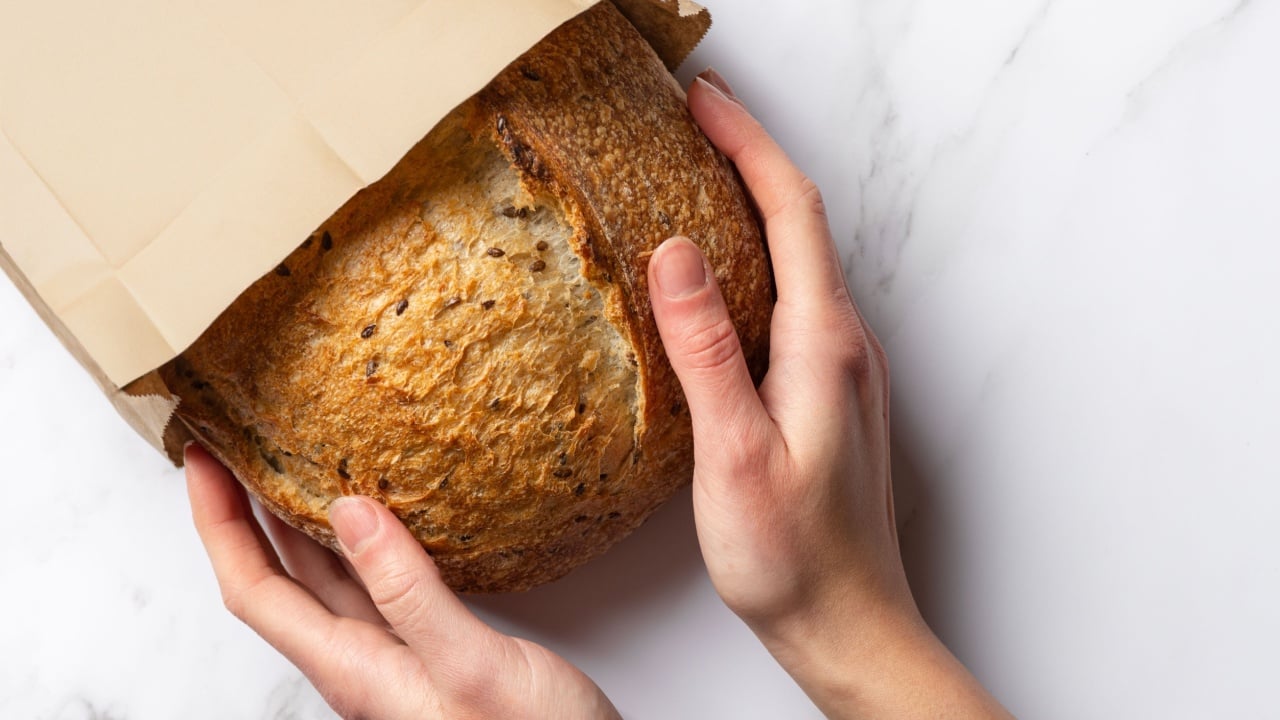
Fermentation does more than just create a tangy flavor profile. In true sourdough, wild yeast and lactic acid bacteria ferment the carbohydrates in the dough. This process produces organic acids that naturally slow down starch digestion. Consequently, eating sourdough often results in a lower blood sugar spike compared to yeast-leavened bread, even if the sourdough is made with white flour.
However, opting for a whole-grain sourdough combines the benefits of fermentation with the fiber of the bran. Be skeptical of “sour-flavored” breads in the grocery store that use vinegar or flavoring agents to mimic the taste without the long fermentation time. Look for “sourdough starter” in the ingredients to verify you are getting the real deal.
6. Almond Flour Bread
For those adhering to a stricter low-carb or ketogenic lifestyle, almond flour bread is a powerful alternative. Since it is made primarily from ground nuts rather than cereal grains, the carbohydrate count is drastically lower than that of traditional bread.
The primary macronutrient here is healthy fat, which has a negligible impact on insulin levels.
This option is calorie-dense, so portion size still matters, but it offers a way to enjoy the mechanics of a sandwich without the glucose load. You will likely find these in the gluten-free section of the grocery store or in specialty health food aisles. They tend to be more fragile than wheat breads, so toasting them often provides a better structural experience.
7. Flaxseed Bread

Flaxseed bread is an incredibly functional food for metabolic health. Flaxseeds are composed almost entirely of fiber and fat, with very few digestible carbohydrates. This means the “net carb” count (the number of carbs your body actually turns into sugar) is exceptionally low. Additionally, flaxseeds are rich in alpha-linolenic acid (ALA), a type of plant-based omega-3 fatty acid linked to reduced inflammation.
Because flax lacks gluten, these breads often rely on egg whites or wheat gluten for structure, resulting in a distinct, spongy texture. Like almond flour bread, these are often best enjoyed toasted. They provide a vehicle for your avocado or turkey slices that virtually disappears when it comes to blood sugar impact.
Take Control of Your Carb Choices

Stabilizing your energy levels does not mean you have to forego every food you enjoy. It requires a shift in strategy. By swapping out fluffy white slices for dense, nutrient-packed alternatives like sprouted grain or authentic sourdough, you can support your metabolic health without feeling deprived.
Experiment with different brands to find the texture and flavor profile that suits your palate.