
14 Most Wasted Groceries That Americans Buy on Repeat
Americans waste more food than most people think. According to the USDA, approximately one-third of the U.S. food supply is discarded each year. That’s over 100 billion pounds of food and more than $100 billion wasted. To picture it, every day Americans throw out enough food to fill a 90,000-seat football stadium.
A 2023 survey of 2,000 adults by OnePoll and HelloFresh shared some interesting insights. It found that 70% of people want to waste less food, and 73% feel guilty about it. Still, 38% admit they toss food because they don’t feel like eating it, 32% forget about leftovers, and 22% don’t know how to store food properly.
Below are the 14 foods Americans waste the most, plus tips to store them better and get the most out of what you’ve already bought.
1. Potatoes
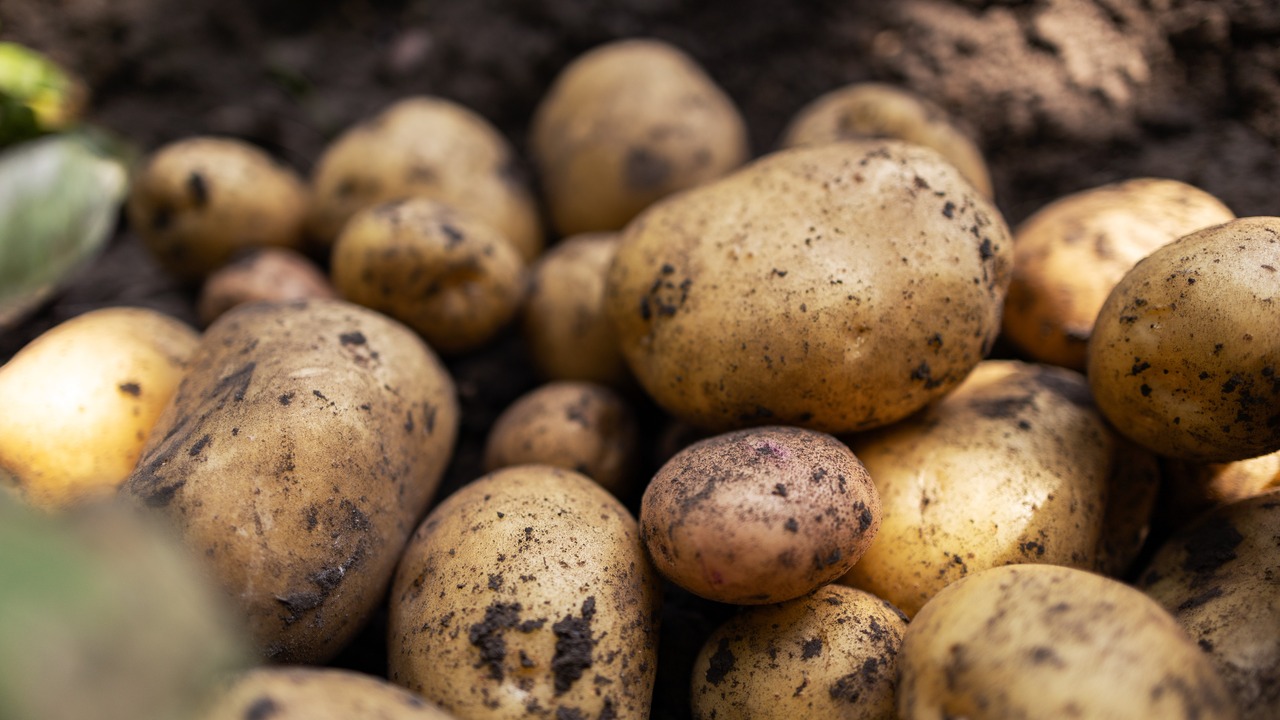
Potatoes are bought in bulk, used once or twice, and then quietly forgotten in the back of the pantry. They sprout, shrivel, and eventually turn into something unrecognizable. The irony is that potatoes are one of the most durable groceries available. When stored properly in a cool, dark, well-ventilated spot (away from onions, which accelerate sprouting), they can last anywhere from three to five weeks.
The real problem is moisture and light. Plastic bags trap humidity and speed up decay. Paper bags or open baskets in a cool pantry are a much better option. If potatoes have already started to sprout but aren’t soft or discolored, they’re still safe to eat. Just remove the sprouts before cooking.
2. Onions
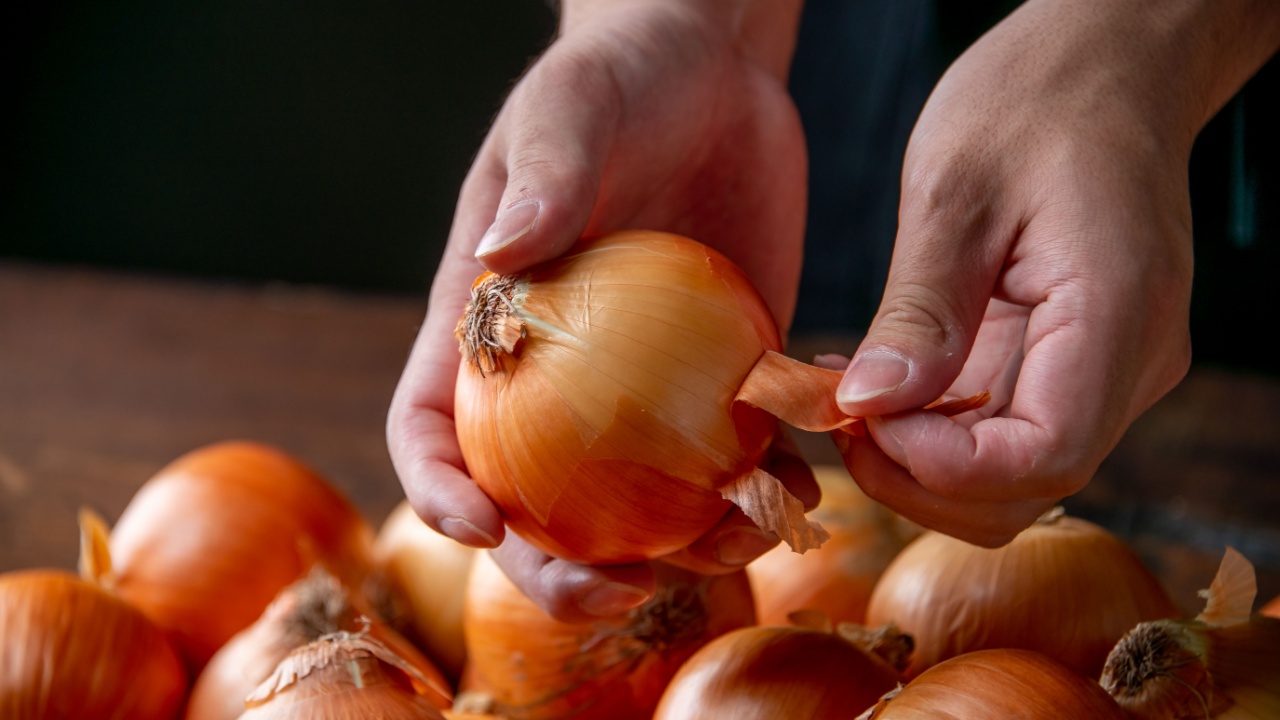
Onions have a reputation for being long-lasting, and they are, under the right conditions. A whole, unpeeled onion stored in a cool, dry, ventilated space can stay fresh for up to two months. The trouble starts when they’re stored in warm kitchens, sealed plastic bags, or next to potatoes, all of which cause them to soften and spoil far ahead of schedule.
Once cut, onions need to be wrapped tightly and refrigerated, where they’ll last about ten days. A good practice is to plan recipes that use partial onions within the same week. Given how often onions appear across cuisines, it’s rarely difficult to find a use for the leftover half.
3. Herbs

Fresh herbs are one of the most common impulse buys at the grocery store. A recipe calls for a tablespoon of cilantro, so an entire bunch comes home, gets used once, and wilts into a sad, soggy mess within days. This happens constantly, and it costs American households more than most people tally up.
The fix is straightforward. Treat fresh herbs like cut flowers. Trim the stems, place them in a glass with a small amount of water, and loosely cover the leaves with a plastic bag before refrigerating. Stored this way, soft herbs like parsley and cilantro can last up to two weeks. Alternatively, freeze chopped herbs in olive oil using an ice cube tray for a ready-to-use option that won’t go to waste.
4. Yogurt

Yogurt tends to get bought with the best of intentions and forgotten quickly, especially when it comes in multi-packs. It sits behind other items in the fridge, the expiration date passes, and out it goes. The waste is notable because yogurt actually has a reasonable shelf life of one to three weeks past the sell-by date when stored correctly at or below 40 degrees Fahrenheit, according to the USDA.
The sell-by date on yogurt is a quality indicator, not a hard expiration. As long as there’s no visible mold, unusual smell, or significant liquid separation that can’t be stirred back in, it’s generally fine to eat. Rotating items so the oldest containers are at the front of the fridge reduces the likelihood of losing track of what’s there.
5. Berries
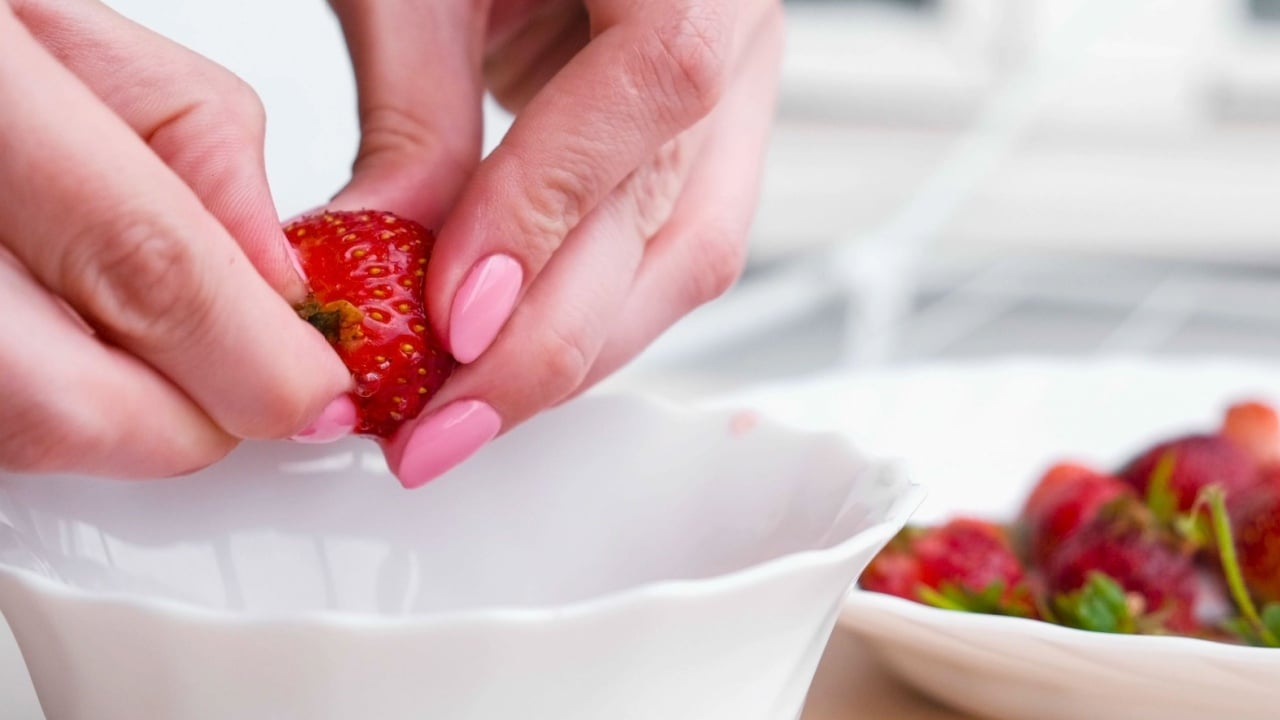
Berries are fragile, fast-moving, and expensive. Strawberries, blueberries, and raspberries all have an extremely short window between perfectly ripe and completely moldy. One bad berry can accelerate the decline of the entire container, which is why so many pints end up half-eaten and forgotten.
The best storage method involves keeping berries dry, which means they should stay unwashed until ready to eat (or need to be patted dry). If you want to wash them right away for meal and snack prepping, a quick soak in a solution of one part white vinegar to three parts water after purchase can kill surface mold spores and extend freshness by several days. After soaking, rinse thoroughly, dry completely, and store in a paper-towel-lined container in the fridge (not one that is airtight). Berries that are close to turning are excellent candidates for smoothies or freezing.
6. Carrots
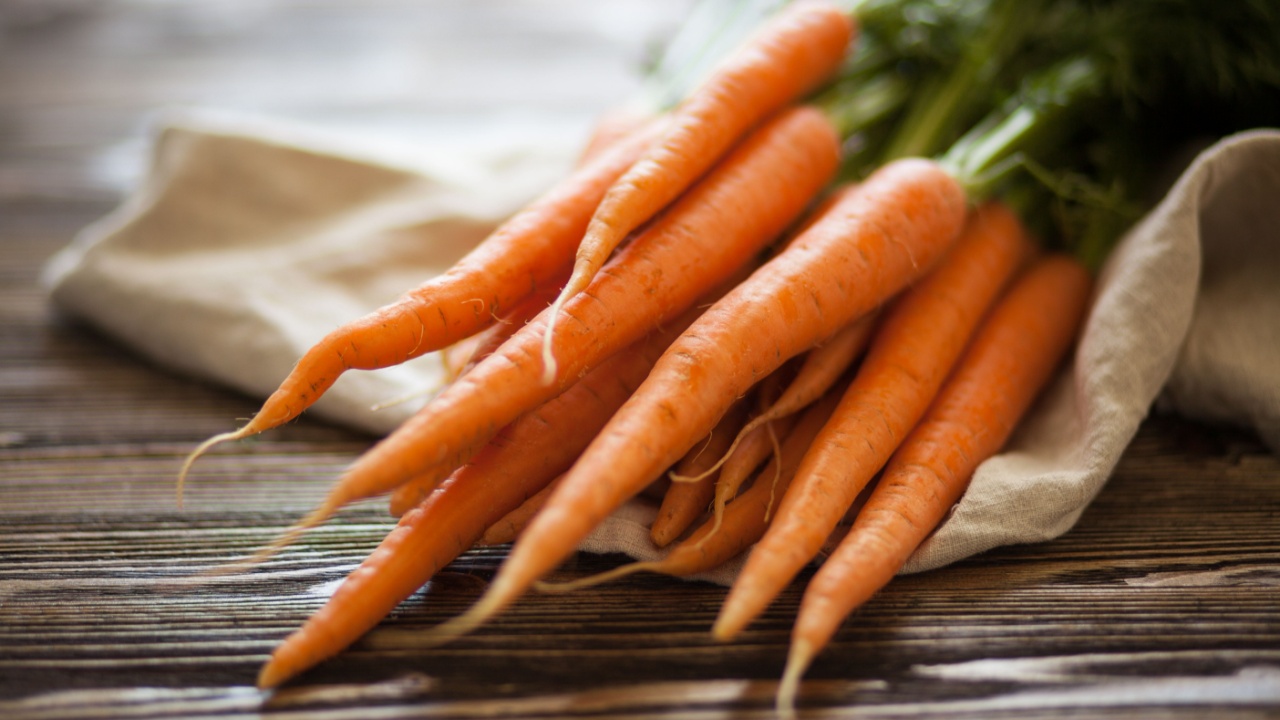
Many people throw away carrots regularly, which is a bit puzzling given how long they last. Whole carrots stored properly can stay fresh in the refrigerator for two to three months. That’s an impressive shelf life compared to most produce.
The more likely culprit is baby carrots. Pre-peeled and pre-cut, they’re convenient, but they lose moisture faster and can turn soft and mushy within a couple of weeks. For longevity, store whole or baby carrots submerged in water in a sealed container, changing the water every few days. Limp carrots can be revived with a cold water soak before cooking, making them perfectly usable in soups, stews, or roasted dishes.
7. Meat

Meat waste affects about 15% of survey respondents, and given how expensive proteins have become, that’s a costly habit. Raw ground meats have the shortest fridge life, only one to two days, while steaks and chops hold up for three to five days according to USDA guidelines. Once cooked, leftovers should be finished within three to five days as well.
The most effective strategy is to freeze what won’t be used within that window. Freezing meat on the day of purchase is perfectly safe and extends the shelf life significantly. Portioning before freezing, particularly with ground meat and bulk chicken, makes it easier to thaw only what’s needed for a given meal without committing to using the whole package.
8. Eggs

Even through a period of “eggflation” when prices were at record highs, 16% of survey respondents were still throwing eggs away. Given that eggs can last three to four weeks in the refrigerator past the purchase date, this is largely a storage issue. Eggs are best kept in their original carton on an interior shelf of the fridge, not in the door where temperature fluctuates.
A simple freshness test is the float test. Fill a bowl with cold water and place the egg in it. Fresh eggs sink and lay flat on their side. Older eggs stand upright or float, which indicates they’ve lost moisture and are past their prime. Eggs that are close to their date can still be hard-boiled, scrambled, or used in baked goods without any waste.
9. Deli Items

Deli meats are deceptively time-sensitive. An unopened package can last up to two weeks in the fridge, but once opened, the window narrows to just three to five days according to the USDA. That’s a short turnaround for items often bought without a specific meal plan in mind. About 16% of survey respondents reported this as a regular loss.
Planning meals around deli purchases makes a significant difference. If a package of turkey or ham is opened on Monday, it needs to be incorporated into lunches or dinners by Thursday or Friday at the latest. Freezing deli meat is an option, though the texture may change slightly upon thawing. Sliced meats freeze best when separated with parchment paper to prevent sticking.
10. Avocados
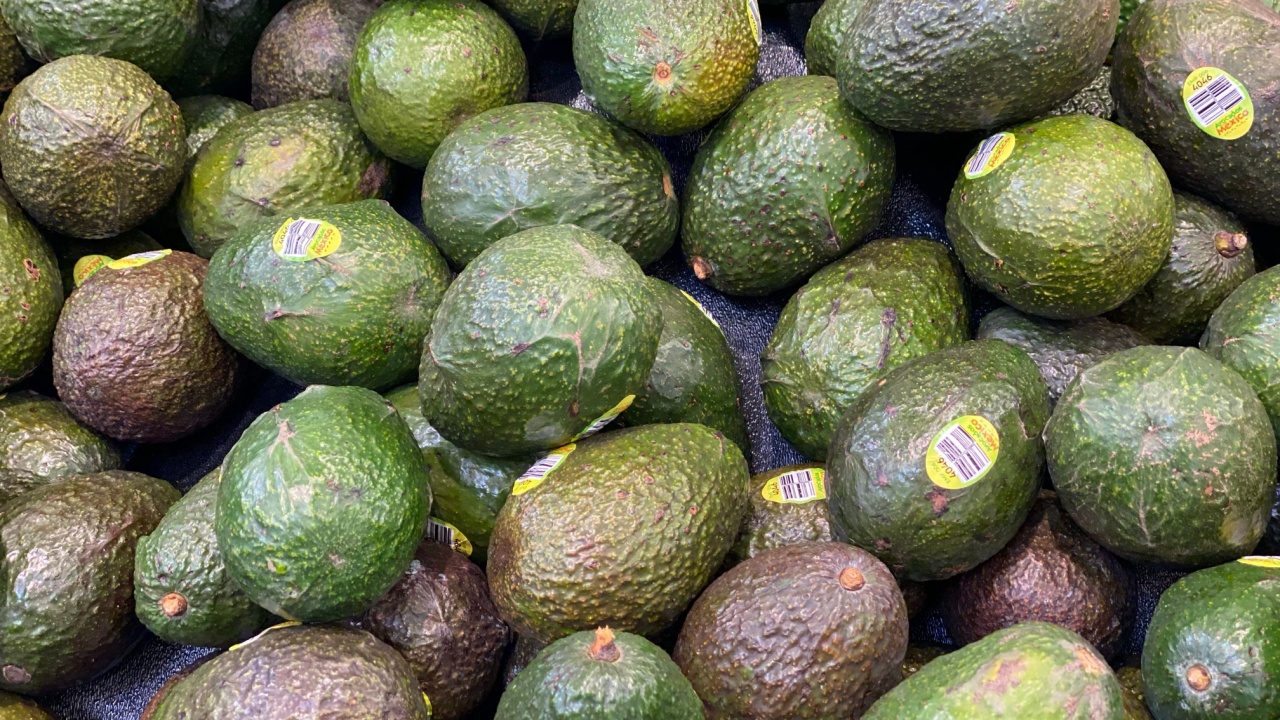
Avocados have one of the most unforgiving ripeness windows of any grocery item. Seventeen percent of survey respondents reported wasting them regularly, and the reasoning is easy to follow. They can go from rock-hard to overripe in what feels like a single afternoon. Finding the ideal window for eating them requires either careful timing or a refrigerator.
According to the trade group Avocados from Mexico, ripe avocados can last two to three days in the fridge, while unripe ones need four to five days on the counter before they’re ready to eat. To preserve a cut avocado half, brush the flesh with lemon or lime juice, press plastic wrap directly onto the surface to minimize air exposure, and refrigerate. Overripe avocados that are brown inside but not rotten still work well in smoothies or baked goods like avocado chocolate cake.
11. Bread

Bread’s short shelf life at room temperature is only two to four days for most store-bought varieties, according to the USDA. This makes it a consistent waste item for 21% of respondents. Refrigerating bread might seem like a logical solution, but cold temperatures actually accelerate starch retrogradation, the process that makes bread stale faster.
A bread box is the better solution, as it limits light exposure and maintains a stable, low-moisture environment that slows staleness without triggering refrigerator-related effects. Bread that has already gone stale isn’t necessarily wasted. It can be repurposed into croutons, breadcrumbs, French toast, or panzanella. Sliced bread also freezes well and can be toasted directly from frozen with no quality loss.
12. Apples
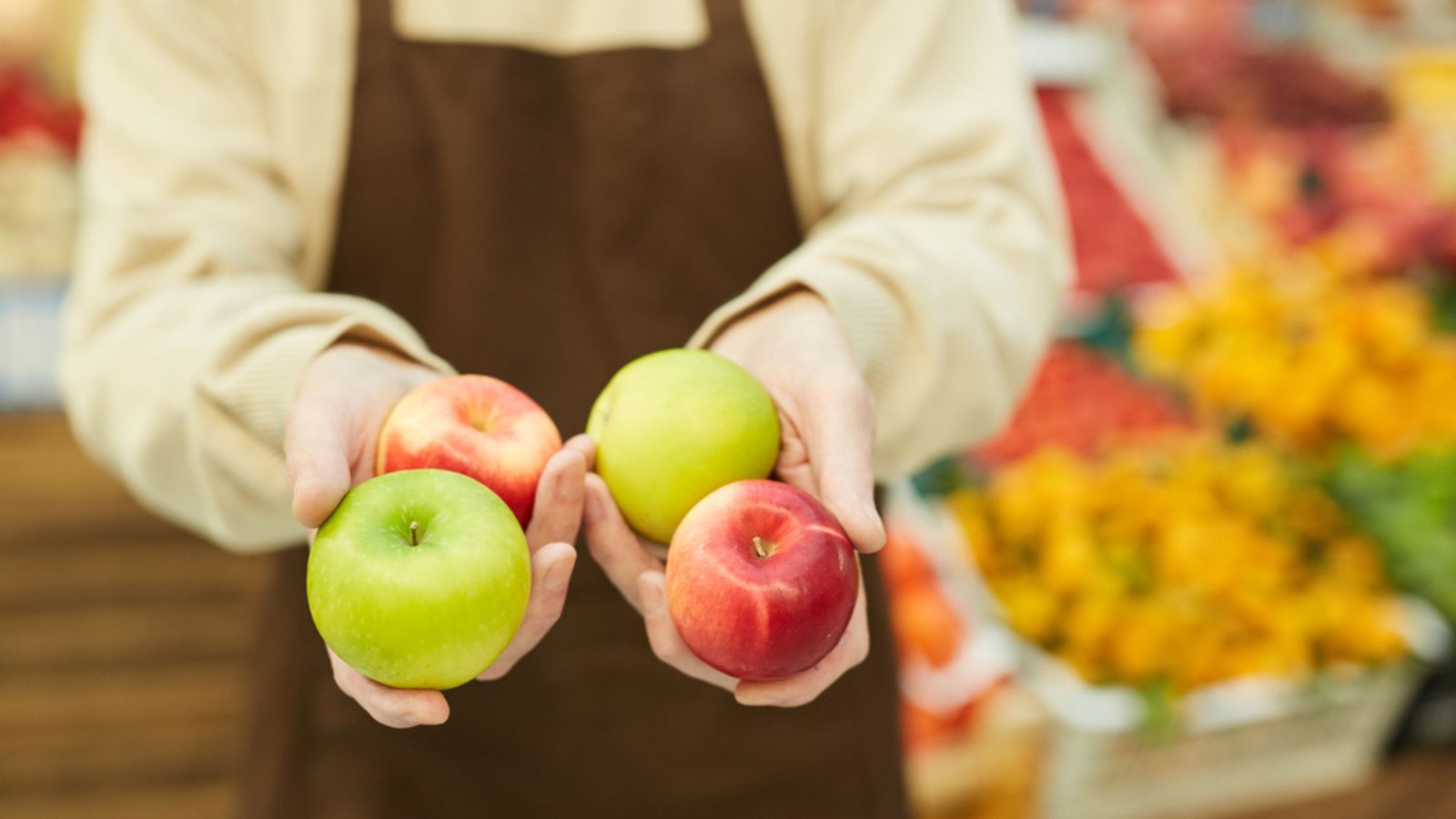
Americans consume over 15 pounds of apples per person annually, according to Statista, making them one of the country’s most popular fruits. Yet 21% of survey respondents named them among their most wasted groceries. For a fruit that can last four to six weeks in the refrigerator when stored correctly, that’s a significant miss.
The best method is to store apples in perforated plastic bags in the crisper drawer and check them regularly for bruising. The ethylene gas apples emit accelerates the ripening of surrounding produce, so keeping them away from other fruits and vegetables is worth the extra organizational effort. Bruised or mealy apples that aren’t appealing to eat raw are still excellent for sauces, crisps, and baked goods.
13. Milk

Dairy milk consumption in the U.S. has dropped considerably since the 2010s, according to USDA data, and a notable amount of what is purchased ends up being poured down the drain. Twenty-one percent of survey respondents identified milk as one of their most commonly wasted items.
Proper refrigeration matters more than most people realize. Even pasteurized milk can spoil quickly if not kept below 40 degrees Fahrenheit. Stored correctly, Grade A milk can retain fresh quality for one to five days beyond the sell-by date. Buying smaller quantities more frequently is a practical strategy for households that don’t go through a full gallon quickly. Milk that’s close to turning can be used in pancakes, mashed potatoes, soups, or baked goods before it hits the point of no return.
14. Bananas

Bananas are the most consumed fruit in the U.S., at over 26 pounds per person in 2021, according to Statista, and they’re also the most wasted, with 23% of survey respondents naming them at the top of the list. The problem is ripening speed, which is heavily influenced by temperature and proximity to other fruits.
Bananas should ideally be stored around 53 degrees Fahrenheit in a darker space without direct sunlight, according to Dole. Warmer room temperatures push ripening along too quickly. Keeping them away from apples, avocados, and other ethylene-producing fruits slows down the process. Once bananas have gone soft and spotty, they’re past their fresh-eating window but ideal for banana bread, muffins, or smoothies. Peeled ripe bananas freeze well in a zip-lock bag and are ready to blend straight from the freezer.
Don’t Let Good Food Go to Waste

Food waste is a habit, and habits can be changed with the right information. Knowing how long groceries actually last and how to store them properly makes a measurable difference in how much ends up in the bin.
Identify which items from this list disappear fastest at home, then put one or two of the storage tips above into practice. Small adjustments at the grocery store and in the kitchen add up quickly, both for household budgets and the broader food system.
Read More: