12 Mistakes That Leave a Home Stalled on the Market
Putting your house up for sale can feel a bit like sending your kid off to the first day of school. You’ve done all you can, you’ve cleaned it up, and you’re convinced it’s the best one out there. Then you wait. And wait. And the silence is deafening. You start to wonder if you packed the wrong lunch or if they told a bad joke during show and tell. When offers don’t come rolling in, it’s easy to feel a personal sting, as if buyers are personally rejecting your taste in backsplash tile.
A house that sits on the market for too long starts to collect a certain kind of digital dust. Buyers and their agents see the number of days on market ticking up and assume something is wrong with it. This perception can become a self-fulfilling prophecy, making it even harder to attract the right person. The truth is, the reasons a home languishes are often simple, practical matters that have nothing to do with the home’s actual charm or your family’s happy memories within its walls.
This article will walk you through twelve common reasons a property might be stuck in neutral. From pricing missteps to marketing misses, we’ll break down the factors that could be holding your sale back. By understanding these potential roadblocks, you can identify what needs adjusting and get your sale back on track.
1. The Price is Too High

Setting the asking price too high is one of the most frequent reasons a house fails to sell quickly. Sellers often have an emotional attachment to their property, leading them to value it based on memories rather than market realities. This inflated price can deter potential buyers right from the start, causing them to skip your listing entirely without ever setting foot inside. A property that is overpriced by even a small margin can sit for months, while correctly priced homes in the same neighborhood sell in weeks.
To fix this, you need to look at the situation with a buyer’s objective eye. Ask your agent for a comparative market analysis, or CMA, which shows the selling prices of similar homes in your area. These “comps” are your guide to what the market is willing to pay right now. Adjusting your price to align with these recent sales is often the most effective way to reignite interest and bring buyers back to the table.
2. Listing Photos Are Not Professional Quality

When selling a home, photos are everything. Studies show buyers spend 60% of their search time looking at home photos, and houses with good photos receive 118% more views. Grainy, poorly lit, or cluttered pictures taken on a smartphone can make even the most beautiful home look unappealing.
Hiring a professional photographer who specializes in property is a small investment with a huge return. They have the right equipment and knowledge of lighting and angles to make your rooms look spacious, bright, and inviting. High-quality photos not only attract more online views but also help justify your asking price. They tell a visual story that helps buyers imagine themselves living in the space, which is a powerful motivator.
3. Curb Appeal is Lacking

The exterior of your home is the first thing a buyer sees in person, and it sets the tone for the entire viewing. A neglected front yard, peeling paint, or a cluttered porch can signal to buyers that the home has not been well-maintained. This negative first impression can be hard to overcome, no matter how wonderful the interior is. People make snap judgments, and poor curb appeal can cause them to approach the rest of the tour with a critical eye.
Improving your home’s curb appeal can be a weekend affair. Simple actions like mowing the lawn, trimming overgrown shrubs, planting some fresh flowers in pots, and applying a fresh coat of paint to the front door can make a big difference. Power washing the siding and walkways can instantly brighten the property. These efforts show pride of ownership and create a welcoming atmosphere that invites buyers to see what’s inside.
4. Your Staging is Terrible or Non-Existent
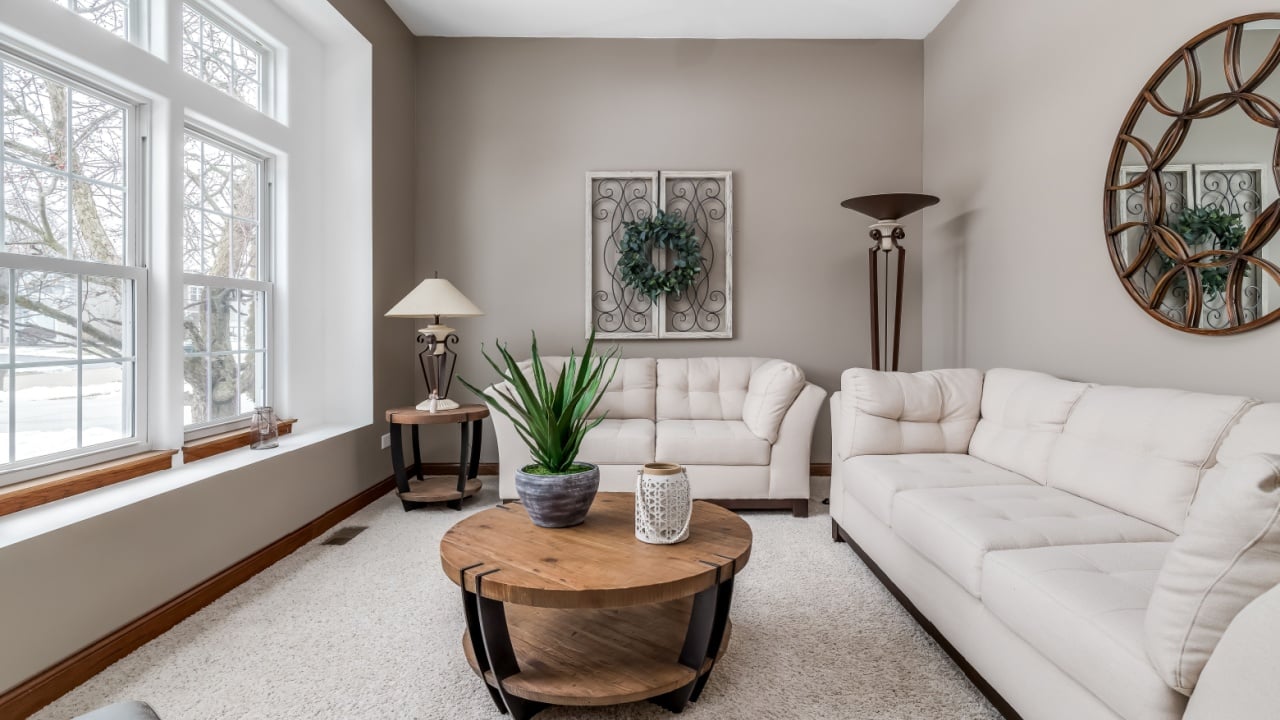
Buyers need to be able to envision themselves living in your home, and that’s difficult to do when they’re looking at your personal clutter or an empty, sterile space. Poor staging, or a complete lack of it, can be a major turnoff. Rooms packed with oversized furniture can feel small, while vacant rooms can feel cold and confusing. Without a clear purpose, potential buyers may struggle to understand how to use the space effectively.
Professional staging helps define each room and highlight the home’s best features. A stager will use furniture, art, and decor to create a warm and appealing environment that appeals to a broad audience. If professional staging isn’t in the budget, you can do a lot yourself. Declutter every surface, remove personal photos, and arrange furniture to create clear walking paths. The goal is to create a clean, neutral canvas that allows buyers’ imaginations to fill in the blanks.
5. The Listing Description is Dry

After the photos grab their attention, the listing description is what convinces a buyer to schedule a showing. A boring, generic description filled with basic facts and figures does little to sell the lifestyle that comes with the home. Phrases like “3 bed, 2 bath” are expected, but they don’t create an emotional connection. A dry description fails to highlight the unique features that make your property special.
Work with your agent to craft a compelling narrative for your home. What do you love most about living there? Mention the morning sun that fills the kitchen, the quiet street perfect for evening walks, or the proximity to a beloved local park. Use descriptive language to paint a picture of what life is like in the house. This storytelling approach helps your listing stand out and resonates with buyers on a much deeper level.
6. You’re a “Helicopter Seller”

It’s natural to want to be present for showings to point out all the great features of your home. However, sellers who linger during a viewing often make buyers uncomfortable. When the owner is present, people feel like they are intruding on someone else’s space. They are less likely to open closets, speak freely with their agent, or take their time exploring.
The best thing you can do during a showing is to leave. Let your agent handle it; that’s what you hired them for. Go for a walk, run some errands, or visit a friend. Giving buyers the freedom to explore on their own terms allows them to relax and truly picture themselves living there. This space is critical for them to form a positive opinion and decide if they want to make an offer.
7. The Marketing Needs a Makeover

Simply putting a “For Sale” sign in the yard and listing the property on the MLS is no longer enough. Effective marketing is a multi-channel effort designed to reach the widest possible audience of qualified buyers. If your agent’s marketing plan is passive, your home may not be getting the exposure it needs.
A lack of online presence, poor social media promotion, or no open house events can cause your listing to go unnoticed. Talk to your agent about their marketing strategy. If the current efforts aren’t generating traffic, it may be time to discuss a marketing makeover to get more eyes on your property.
8. You Missed the Market’s Peak

The housing market is cyclical, with periods of high demand (a seller’s market) and periods of low demand (a buyer’s market). If you listed your home just as the market was beginning to cool down, you might find that buyer activity is much slower than you anticipated. This isn’t a reflection of your home’s quality but rather a shift in broader economic conditions, such as rising interest rates or increased inventory.
When you miss the peak, patience and strategy become your best friends. You will likely need to be more competitive with your pricing and more flexible with your terms. Be prepared for negotiations and understand that the sale may take longer than it would have a few months prior. Listening to your agent’s advice on market-responsive adjustments is critical to navigating a changing landscape and achieving a successful sale.
9. You’re Getting Bad Advice

Your choice of agent has a significant impact on your selling experience. An agent who is inexperienced, unresponsive, or gives poor advice can be the root cause of a stalled sale. They might have recommended an unrealistic price, failed to market the property effectively, or provided poor guidance during negotiations. If you feel that your agent is not actively working in your best interest, it could be hindering your progress.
A good agent should be a proactive communicator, a skilled negotiator, and a savvy marketer who understands the local area. If you’re not seeing results and feel your concerns are being dismissed, it may be time to re-evaluate your partnership. Don’t be afraid to ask tough questions about their strategy. You have the right to seek a new agent if you believe your current one is not meeting your needs.
10. Your Home is Unconventional
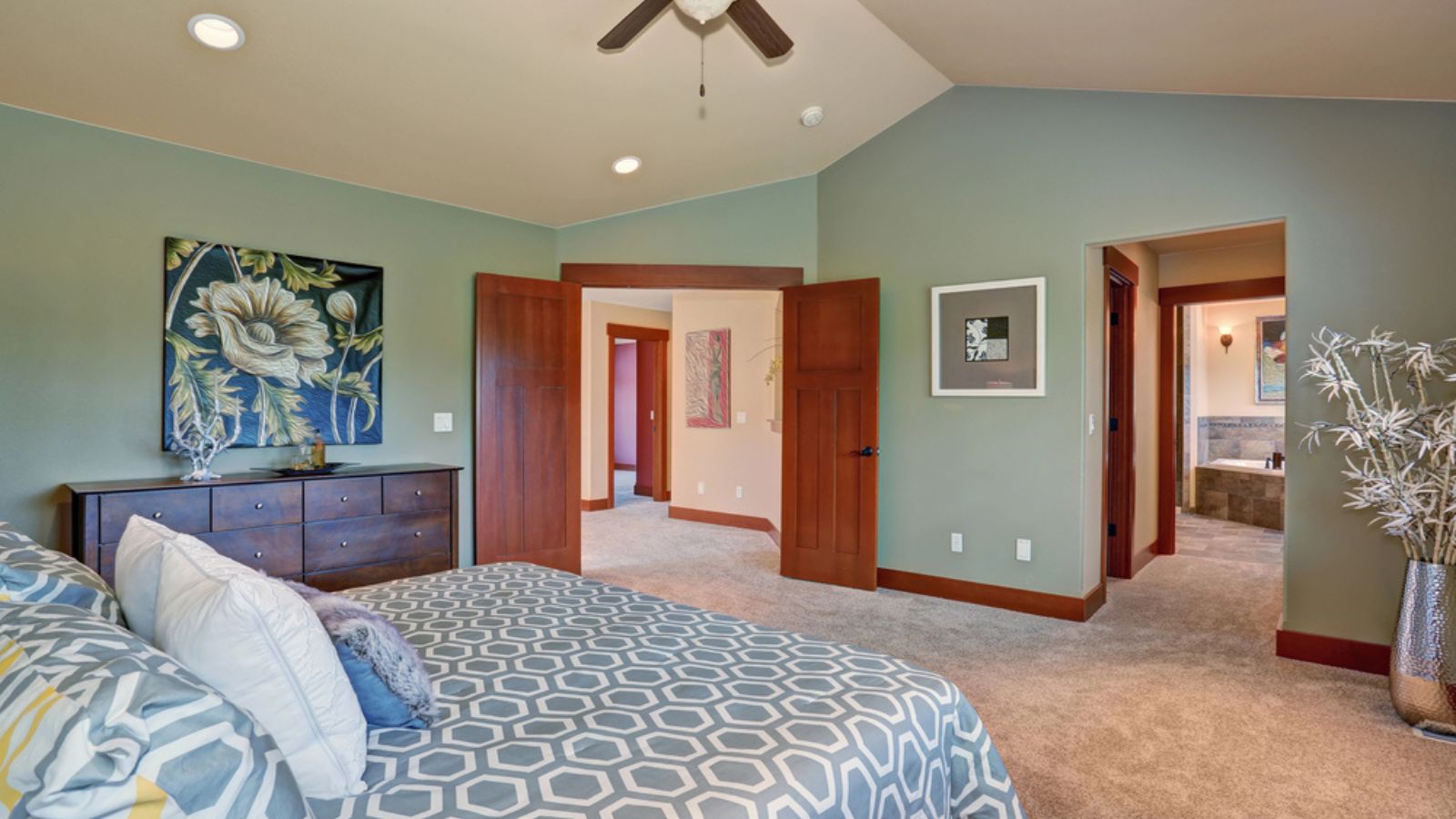
Some home features make reselling a nightmare. A home with a unique layout, such as a bedroom accessible only through another bedroom, or a highly specific design style, can be a tough sell. While these features might have worked perfectly for your family, they can limit the pool of potential buyers. Most people are looking for a home with a traditional floor plan that can adapt to their needs over time.
Marketing an unconventional home requires a different approach. Instead of trying to appeal to everyone, the strategy should be to target the niche audience that will fall in love with its unique qualities. Your agent should highlight the property’s special character as a one-of-a-kind feature rather than a flaw. It might take longer to find the right person, but for a unique home, it’s about finding the perfect match, not just any buyer.
11. There is a Specific Problem to Address

Sometimes, there’s a single, glaring issue that is scaring buyers away. This could be an old roof that is visibly in need of replacement, evidence of a past water leak, or a persistent, strange odor. Buyers are often risk-averse and may overestimate the cost and effort required to fix such problems. They might walk away rather than deal with the uncertainty of a major repair.
The best way to handle a specific problem is to address it head-on. If possible, fix the issue before buyers see it. If a full repair isn’t feasible, get a professional quote for the work. You can provide this estimate to potential buyers to show that you are transparent and that the problem is manageable. This removes the fear of the unknown and can make buyers more comfortable moving forward with an offer.
12. You Are Working with the Wrong Buyers

Not all interest translates into a viable offer. You may be attracting buyers who are not financially qualified to purchase your home or who are simply browsing without serious intent. If your agent isn’t properly vetting potential buyers before showings, you could be wasting time on appointments that will never lead to a sale. This can be frustrating and create a false sense of activity.
Ensure your agent is pre-qualifying buyers. This means confirming that they have a pre-approval letter from a lender, which indicates they are financially capable of making a purchase in your price range. Focusing on serious, qualified buyers streamlines the process and increases the likelihood of receiving a solid offer. It’s about the quality of showings, not just quantity.
Getting Your Sale Out of Neutral

If your home’s sale feels slow, the most important thing is not to lose hope. Instead, it’s time to take a step back and assess the situation with a clear head. Go through this list and honestly evaluate which factors might be affecting your property. The solution is often a combination of small, strategic adjustments rather than a massive overhaul.
Have an open conversation with your agent. Use these points as a guide for your discussion. A good agent will welcome your proactive approach and work with you to create a new plan. You are still in control, and with the right strategy, you can attract the right buyer and successfully close this chapter.
Read More:
What Homebuyers and Sellers Are Predicting for the 2026 Housing Market
Don’t Waste Time or Money: 5 Home Renovations to Skip Before Selling