4 Common Humidifier Mistakes Affecting Your Health
Dry, scratchy air sweeps in the moment winter arrives and the heater starts blasting. Skin starts to flake, mornings greet you with a parched throat, and the race to add moisture back into the house begins. A humidifier seems like the obvious answer. Fill it, switch it on, and wait for relief.
Except sometimes, the solution creates a whole set of new problems. Windows start fogging up, odd smells drift in, and simple comfort leads to musty corners or even moldy walls. Using a humidifier takes more than occasional refills or guessing at the settings. Many homeowners miss a few critical details, making this handy appliance less of a help and more of a silent saboteur.
Here are five pitfalls to sidestep so your air stays comfortable and your house stays healthy.
1. Not Cleaning the Humidifier Regularly
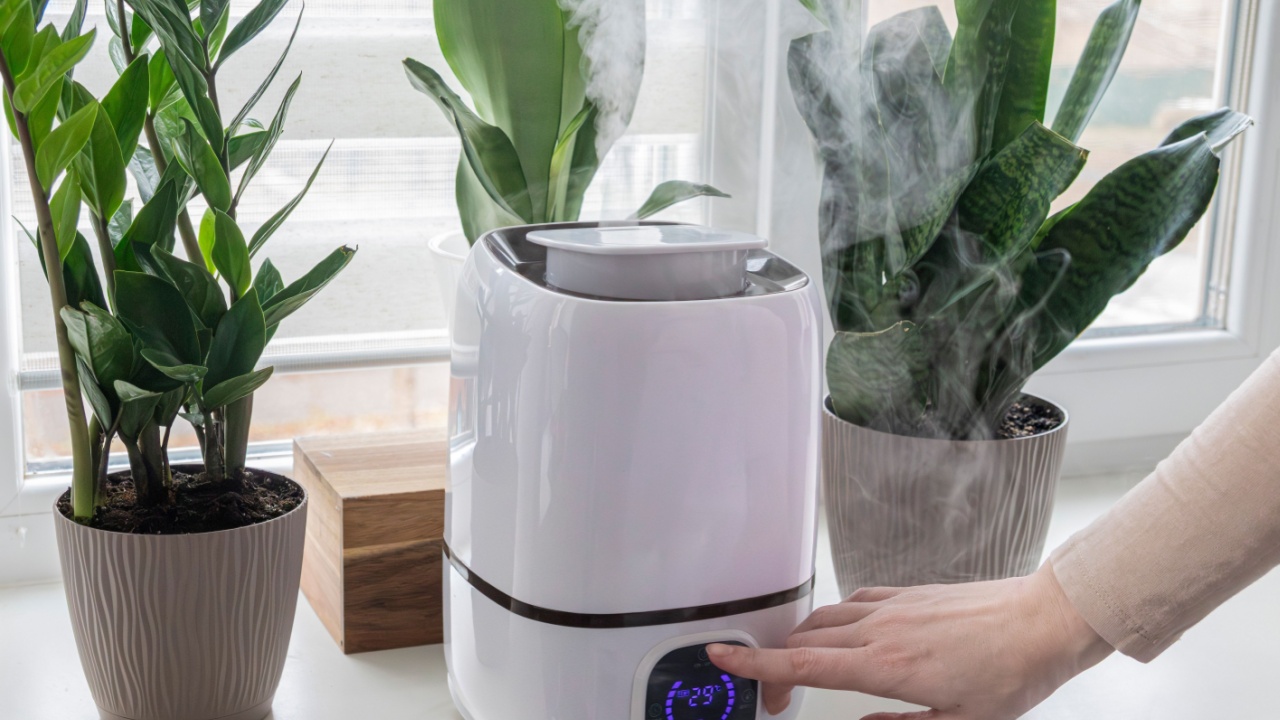
The tank may look clear. The vapor looks harmless. It is easy to assume no problems are brewing. Unfortunately, water left standing inside becomes a hotspot for mold and bacteria. The moment the machine runs, everything growing inside is sent into the air you breathe.
Inhaling those mold spores or bacteria is rough on your lungs, and anyone with allergies or asthma gets hit the hardest. “Humidifier fever” might show up as flu-like symptoms if the tank goes too long without a scrub. If pink slime appears around the nozzle, that’s a warning. Empty and rinse the tank every day. Dry it out before the next fill-up. Replace the wick filter if it feels crusty or looks discolored.
2. Letting Humidity Levels Get Too High
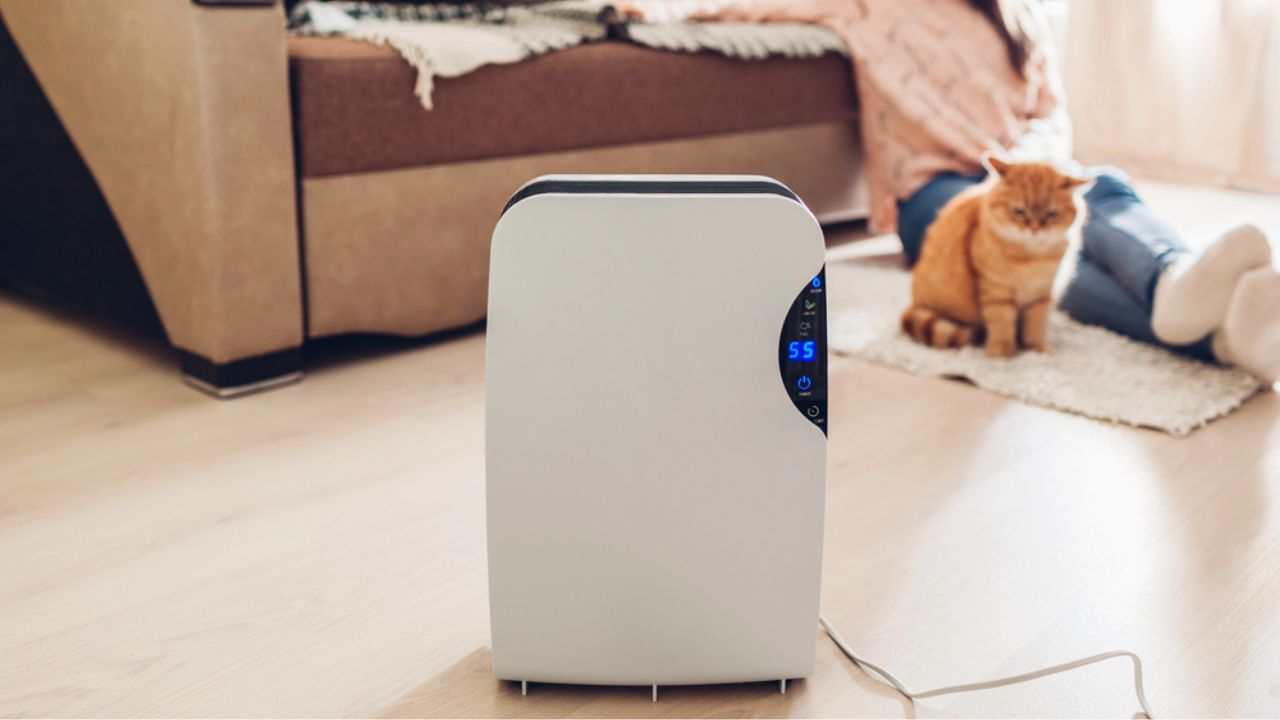
Moist air brings relief, but there’s a limit to how much a house can handle. When humidity soars, condensation gathers on windows, walls, and tucked-away corners. Dampness doesn’t just collect on surfaces; it invites unwelcome guests like mold and dust mites.
This extra moisture can sneak into walls or wood, setting the stage for slow, costly damage. You want effective comfort, not a soggy living room. Dampness or musty smells signal it’s time to scale things back. Shoot for a humidity range of 30% to 50%. If things feel swampy, open a door or window for a quick refresh.
3. Using Tap Water Instead of Distilled or Demineralized Water

Quick refills from the faucet are tempting, but minerals in tap water create complications. Instead of vanishing, minerals turn into fine white dust that lands on every surface. Breathing this dust isn’t great, especially for sensitive lungs, and it settles on furniture and electronics, too.
Mineral build-up inside the machine also shortens its lifespan. Caked-on crusts are tough to remove and can slow down mist output or even break the humidifier. Using distilled water keeps mineral dust out of your home and makes cleaning easier, so the humidifier stays in good shape. Some types tolerate tap water better than others. Check your manufacturer’s guide.
4. Adding Fragrances, Oils, or Anything Other Than Water

Scented rooms are appealing, but most humidifiers aren’t made for perfumes or essential oils. Pouring extras into the water tank can damage components or clog the internal parts. Certain oils might even irritate sensitive lungs or affect pets.
Some modern humidifiers include a separate tray for aromatherapy, but that’s the exception. Stick to water for standard units to avoid a ruined machine or a trip to the store for replacements. Only use oils if the packaging clearly says it’s safe.
Breathe Easy
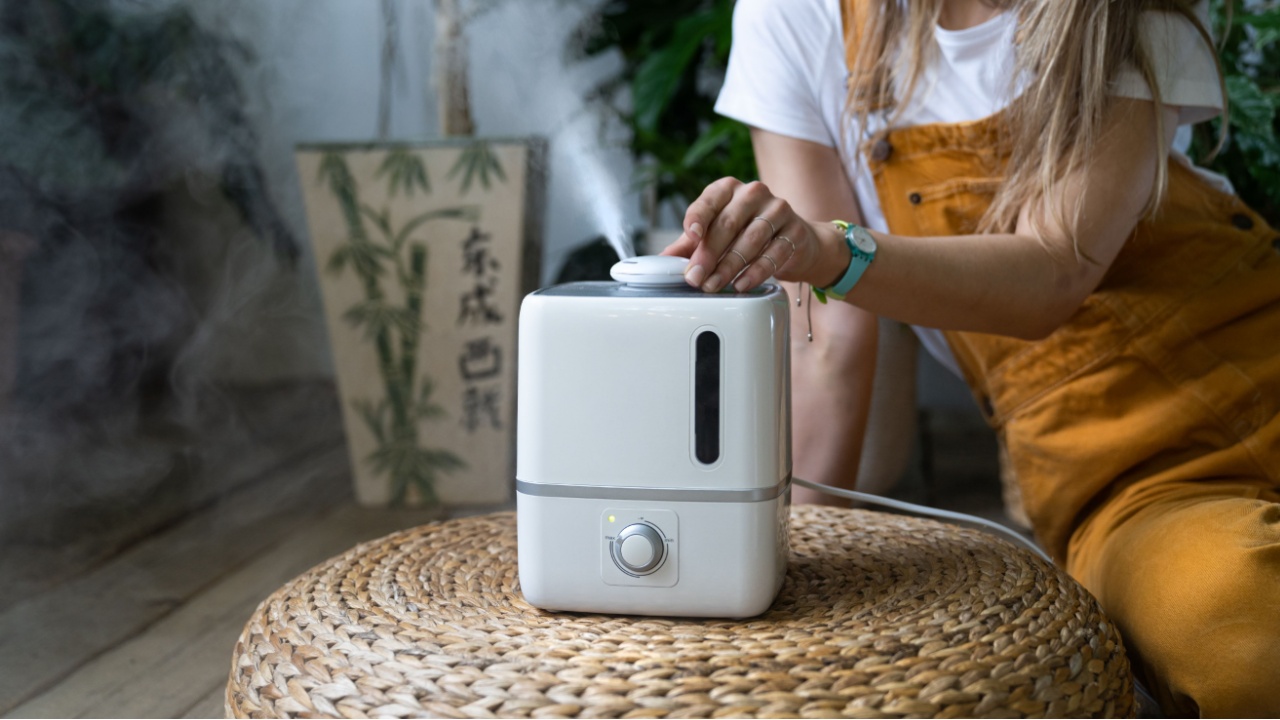
A humidifier can save skin and sinuses during the frigid cold spells if it’s used thoughtfully. Stay on top of cleaning, skip the shortcuts with water, keep tabs on indoor moisture, and avoid tinkering with oils unless the appliance truly supports them.
Add a reliable hygrometer, switch to distilled water for the next refill, and rinse out the tank every day. These small steps make a big impact on comfort and keep the house (and your lungs) in top shape.