5 Lovely Houseplants That Add a Touch of Pink
Green leaves are standard, but pink foliage brings warmth and excitement to indoor spaces. While flowers fade quickly, colorful leaves provide lasting vibrancy throughout the year. Gardeners looking to brighten up a room or add contrast to a sea of emerald will find plenty of options ranging from subtle blushes to bold magentas.
These selections offer style without requiring a degree in horticulture.
1. Pink Princess Philodendron
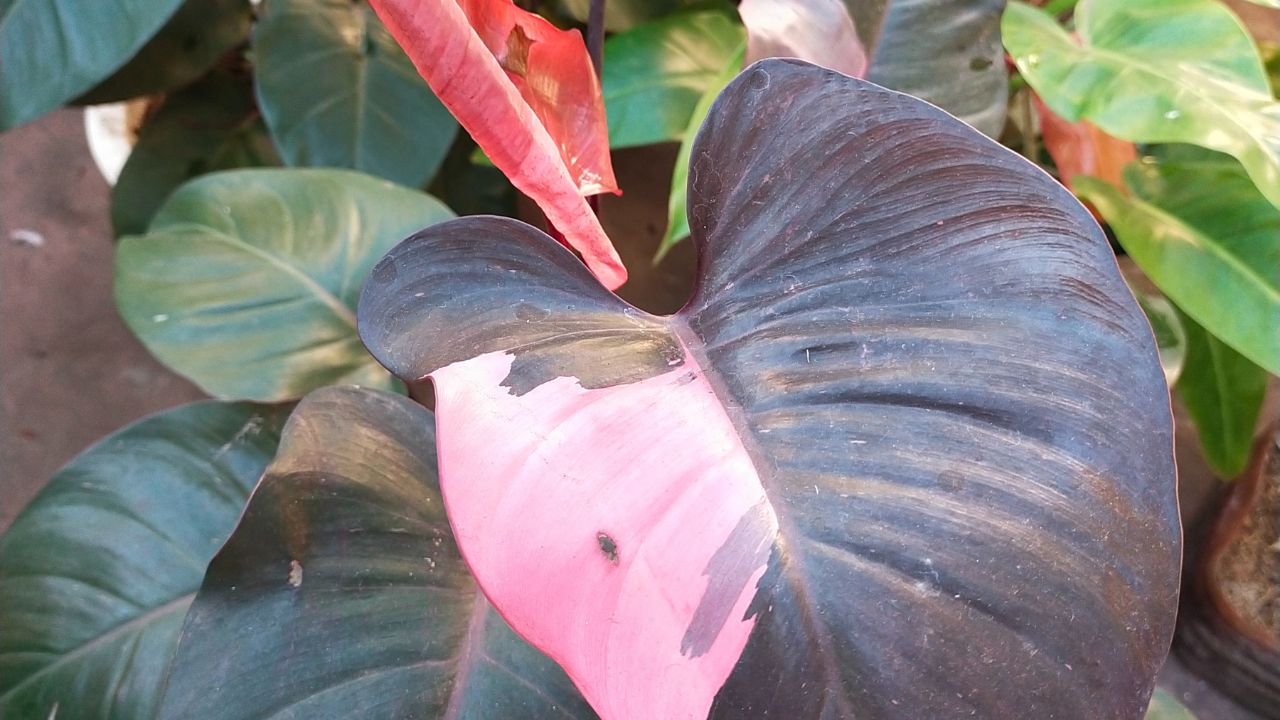
Collectors often refer to this stunning variety as the “PPP”. It features heart-shaped dark green leaves splashed with bubblegum pink variegation. This coloring results from a genetic mutation, making each leaf unique.
While it can be pricier than standard philodendrons, the dramatic appearance justifies the investment. It grows well in containers and adds an instant focal point to any room.
Quick Care Stats:
- Light: Bright, indirect light keeps the variegation strong.
- Water: Water when the top inch of soil feels dry.
- Next Steps: Rotate the pot every few weeks for even growth.
2. Polka Dot Plant
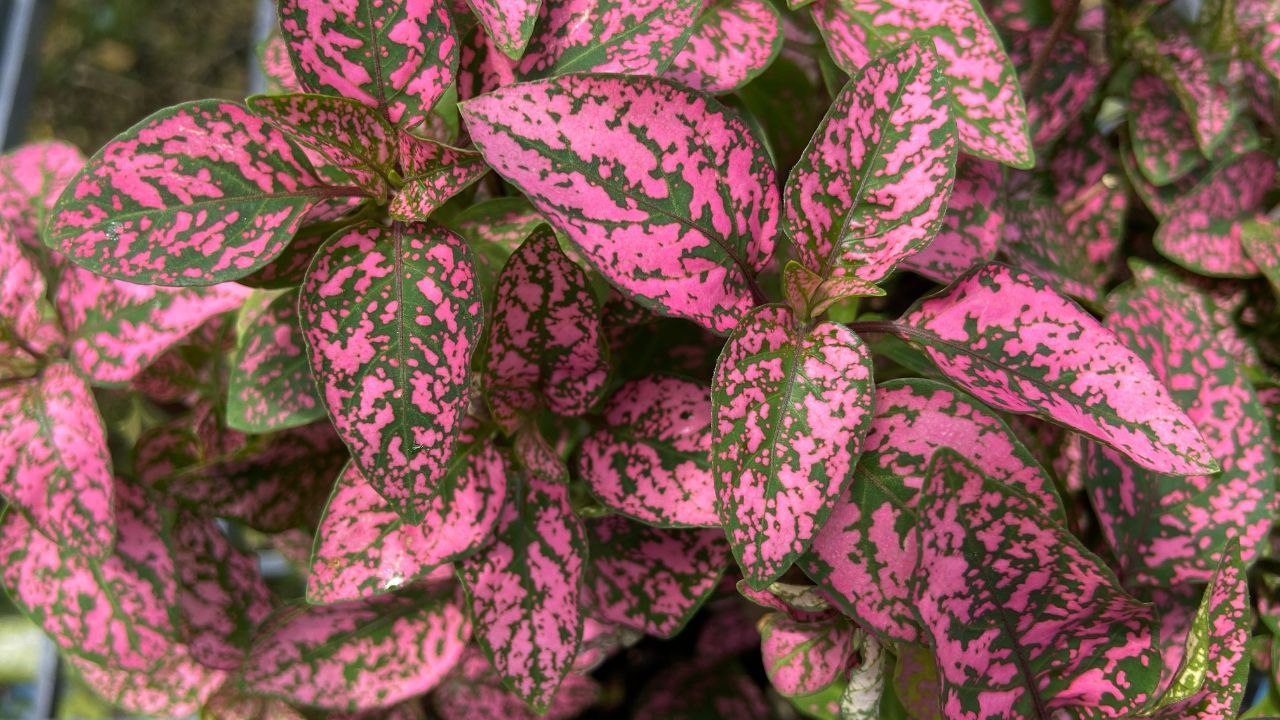
This petite plant lives up to its name with adorable speckled foliage. Varieties come with white, red, or pink spots against a green background. It stays small, making it ideal for tabletops, windowsills, or terrariums. The Polka Dot Plant thrives in humidity and adds a playful pattern to plant collections.
Quick Care Stats:
- Light: Bright, indirect light prevents leggy growth.
- Water: Keep the soil consistently moist but not soggy.
- Next Steps: Pinch back the top leaves to encourage bushier growth.
3. Wandering Dude (Tradescantia)

New plant parents will appreciate the resilient nature of the Wandering Dude. This vining plant grows rapidly and looks fantastic trailing from a hanging basket or a high shelf. The ‘Nanouk’ variety specifically boasts pinkish leaves with vivid magenta undersides. It tolerates missed waterings better than many tropicals.
Quick Care Stats:
- Light: Bright, indirect light maintains the purple hues.
- Water: Allow the soil to dry out mostly between waterings.
- Next Steps: Propagate cuttings in water to share with friends.
4. Prayer Plant
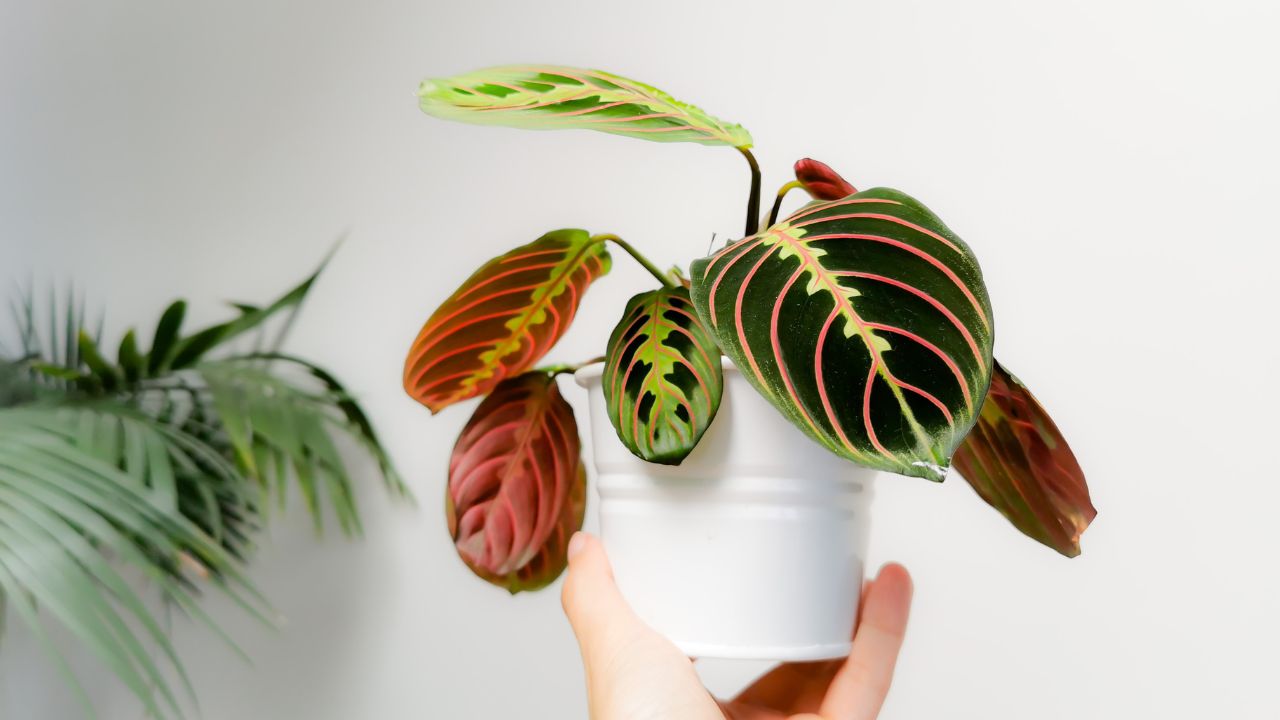
The Prayer Plant gets its name from a fascinating daily ritual: its leaves fold up at night like hands in prayer. The red variety features dark green leaves with prominent purple-pink veining. It grows in a low clumping habit, perfect for spilling over the edge of a desk or bookshelf.
Quick Care Stats:
- Light: Bright, indirect light. Avoid direct sun.
- Water: Keep soil lightly moist.
- Next Steps: Mist the leaves occasionally to increase humidity.
5. Aglaonema (Chinese Evergreen)

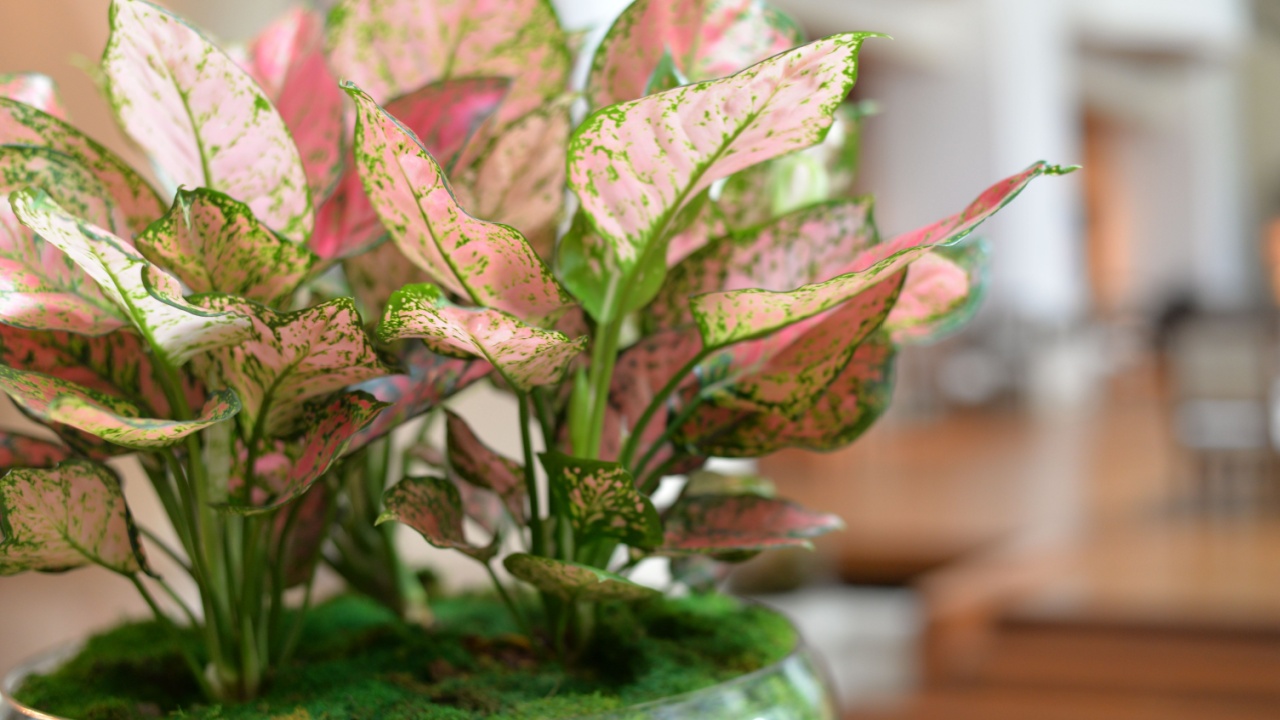
Gardeners known for forgetting to water should look into Aglaonema. This plant survives on neglect and tolerates lower light levels than most other pink options. The pink cultivars feature green leaves heavily speckled or edged with soft pinks and reds. It purifies the air while looking fabulous.
Quick Care Stats:
- Light: Low to moderate light is sufficient.
- Water: Wait until the top few inches of soil are dry.
- Next Steps: Wipe leaves with a damp cloth to remove dust and help them breathe.
Finding Your Perfect Pink Plant
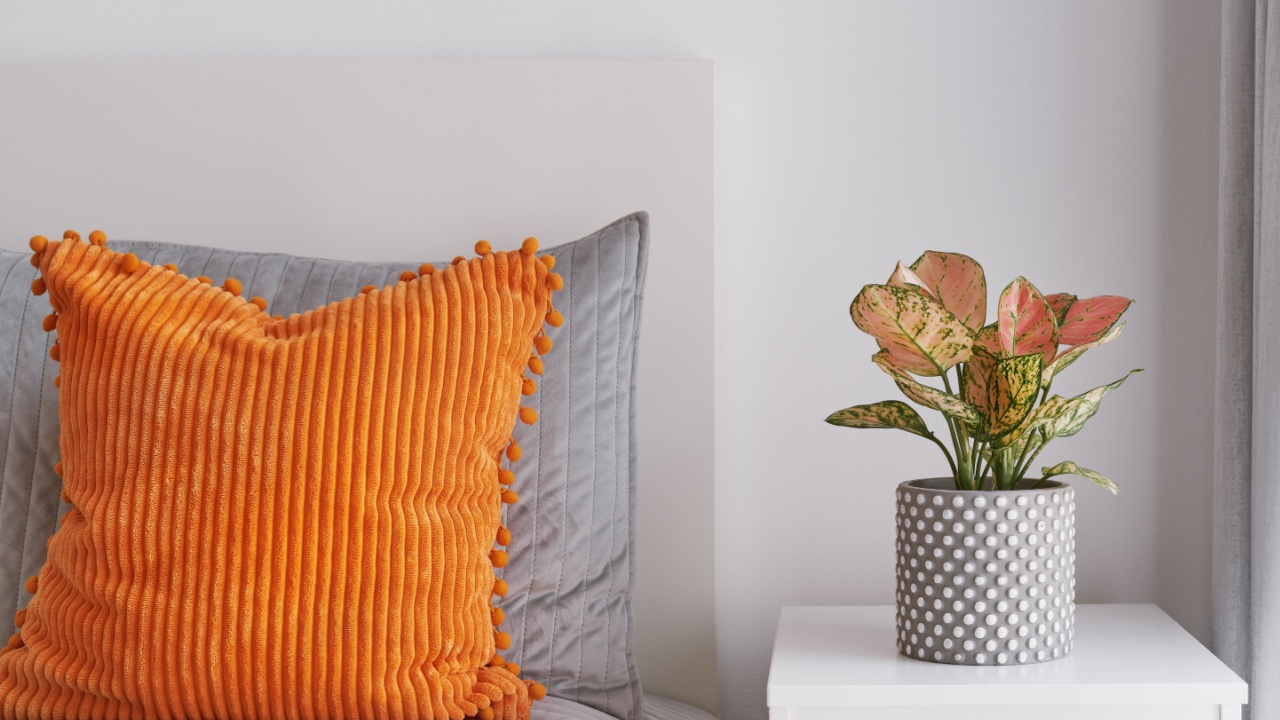
Incorporating pink into an indoor garden breaks up the monotony of green and adds a designed feel to a space. Assessing the lighting conditions in a room is the best first step. For low-light areas, an Aglaonema will likely perform best.
If a sunny windowsill is available, the Purple Heart Plant or Holiday Cactus will thrive. Start by selecting one or two plants that fit the available light and care style.