15 Fun Family Scavenger Hunt Ideas to Connect and Play
Have you tried getting kids away from Roblox or the grown-ups from their most recent murder documentary? Getting the family together for an activity that doesn’t involve a screen is like getting pandas to march in line. Between differing interests and attention spans that are shorter than a garden gnome, finding common ground is a challenge. A scavenger hunt is a brilliant way to get everyone moving, laughing, and working together.
It’s a beautifully simple concept that you can tweak for any age group, location, or occasion, transforming an otherwise ordinary afternoon into an adventure that the family will actually remember. Check out these ideas that will help you achieve maximum fun with minimum fuss.
1. The Classic Nature Hunt

Get outside and explore the wonders of your own backyard, a local park, or a nearby trail. Create a list of natural items for participants to find. This encourages everyone to slow down and observe the small details of the world around them, from the texture of a leaf to the color of a common bird. It’s a fantastic way to connect as a family and with the environment.
At a Glance:
- How to Play: Give each team a list of items like pinecones, specific types of leaves, a smooth stone, or a feather. The first team to find everything on the list wins.
- Why It Works: It’s simple to set up and gets everyone fresh air and exercise. It also doubles as a stealthy science lesson for the younger members of the family.
- Quick Tips: Instead of collecting items, have players take photos to preserve the natural environment. For an extra layer of fun, ask for creative shots, like a selfie with a particular type of tree.
2. Neighborhood Exploration

Turn a simple walk around the block into an exciting expedition by turning your attention to the landmarks and unique features that make your neighborhood special. This kind of hunt encourages you to notice details you might otherwise overlook, like an intricately carved mailbox, a beautifully maintained garden, or a hidden mural tucked away on a side street. You might be surprised by the little treasures just a few doors down. It’s a wonderful way to rediscover a familiar place and experience it with fresh eyes, finding beauty and charm in the everyday surroundings you often take for granted.
At a Glance:
- How to Play: Create a list of things to spot: a house with a red door, a specific garden gnome, a certain type of car, or a home with a basketball hoop.
- Why It Works: This activity requires zero setup beyond making a list. It fosters a sense of community and awareness of your surroundings.
- Quick Tips: Ask friendly neighbors in advance if they’d be willing to hold small tokens or clues. This adds a delightful social element to the hunt.
3. Indoor Photo Challenge

When the weather forecast isn’t exactly cooperating with your outdoor plans, you can bring the adventure indoors without missing a beat. An indoor photo scavenger hunt transforms your home into a playground, using everyday household items as the subjects for your photographic quest. This format completely avoids any dreaded post-hunt cleanup. Since the goal is to snap a picture, everything stays exactly where it was found, meaning no frantic tidying up after the fun is over.
At a Glance:
- How to Play: Give teams a list of items to photograph. You can use specific objects (“a wooden spoon”) or more creative prompts (“something that makes you smile”).
- Why It Works: It’s adaptable for any home and perfect for a rainy day. The creative prompts can reveal a lot about each person’s perspective.
- Quick Tips: Add prompts like “find something that starts with the letter S” or “take a photo of something that is older than you are.”
4. The Alphabet Quest

This hunt is a fun and educational adventure designed with families and younger children in mind. The goal is simple yet engaging: find an item that starts with each letter of the alphabet, from A to Z. From apples to zebras (or maybe zucchini!) It’s a creative way to challenge kids to think quickly and explore their surroundings. It’s like a race against the dictionary, brought to life in the real world, encouraging learning and imagination with every letter. Perfect for sparking curiosity and making memories together.
At a Glance:
- How to Play: Participants search for one object for every letter. They can either collect them or take photos. Finding items for tricky letters like Q, X, and Z is where the real challenge lies.
- Why It Works: It reinforces letter recognition and vocabulary for kids in a playful, hands-on way. It also encourages creative problem-solving.
- Quick Tips: Pair older participants with younger ones to foster teamwork and learning. Set a rule that an item can only be used for one letter to increase the difficulty.
5. Holiday-Themed Adventure

Add a festive spin to any holiday celebration with a themed scavenger hunt. It can totally elevate the excitement of Christmas, Halloween, or Easter. Why sit around eating candy when you can work for it? The decorations and overall atmosphere of the season become an integral part of the game itself, making everything feel just a little more magical (or spooky).
At a Glance:
- How to Play: Tailor the list to the specific holiday. For Halloween, search for pumpkins, skeletons, and spiderwebs. For Christmas, the list might include candy canes, ornaments, or a nativity scene.
- Why It Works: It’s a wonderful way to get everyone into the spirit of the holiday and creates a new tradition that the family can look forward to each year.
- Quick Tips: Encourage participants to dress up. Hunting for Easter eggs while wearing bunny ears or searching for ornaments in a Santa hat adds to the festive mood.
6. The Classic Treasure Hunt
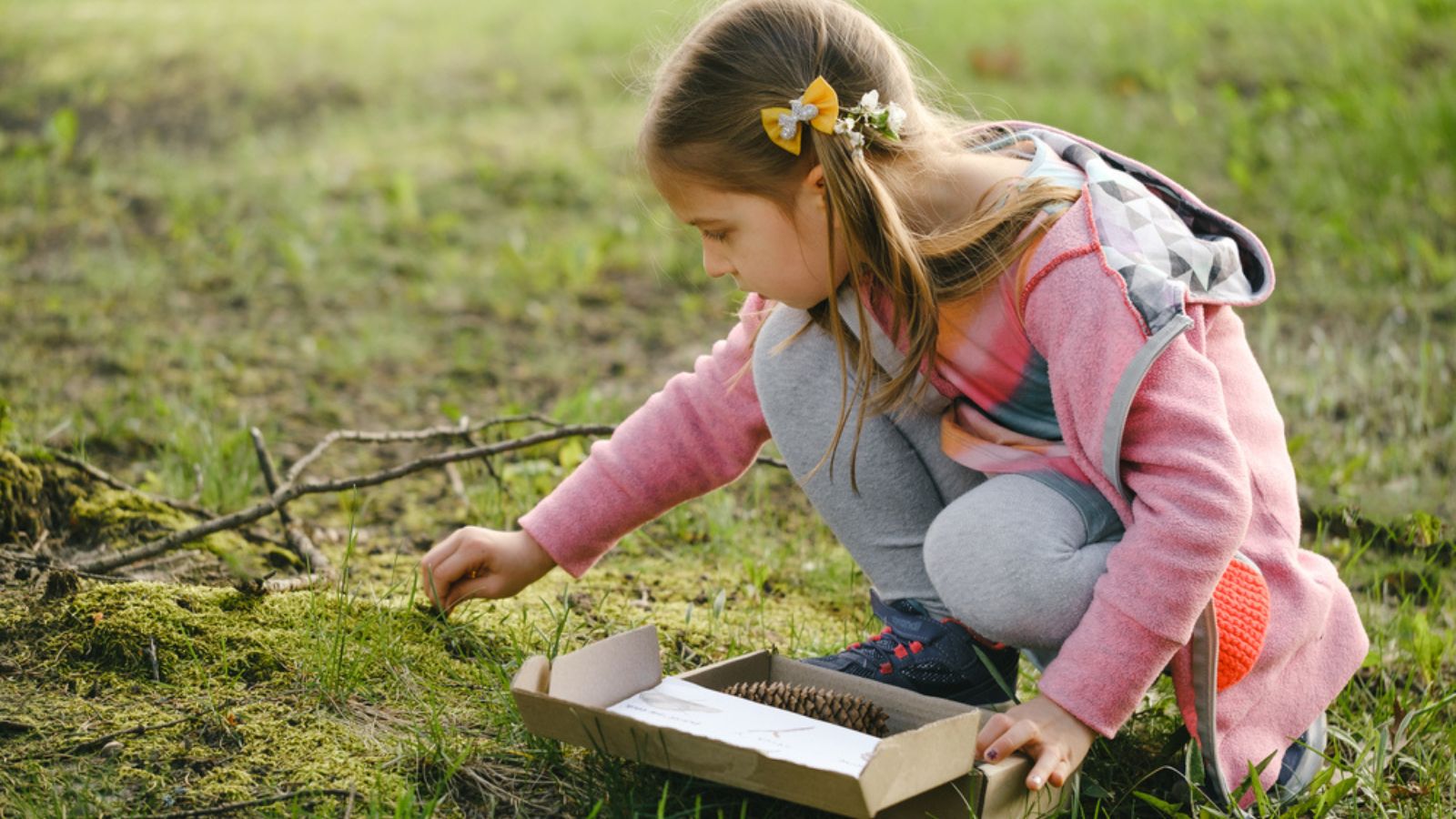
Rather than just presenting a straightforward list of items to find, this hunt takes a more engaging approach by using a series of cleverly crafted clues to lead participants toward a final “treasure.” Each clue, once solved, reveals the location of the next, creating an interactive and immersive experience.
This step-by-step progression not only builds suspense but also keeps the participants fully engaged, heightening the anticipation and excitement with every discovery. By the time the final prize is uncovered, the journey itself becomes just as rewarding as the destination.
At a Glance:
- How to Play: Write a starting clue that leads to a hidden second clue, and so on. The final clue reveals the location of a prize, which could be anything from a small toy to a family movie night basket.
- Why It Works: The progressive nature of the hunt is very engaging. It promotes critical thinking and collaboration, especially when the clues require a bit of brainpower.
- Quick Tips: This format is best for smaller groups where everyone can participate in solving the clues together. The treasure doesn’t have to be expensive; the journey is the main reward.
7. Themed Puzzle Challenge
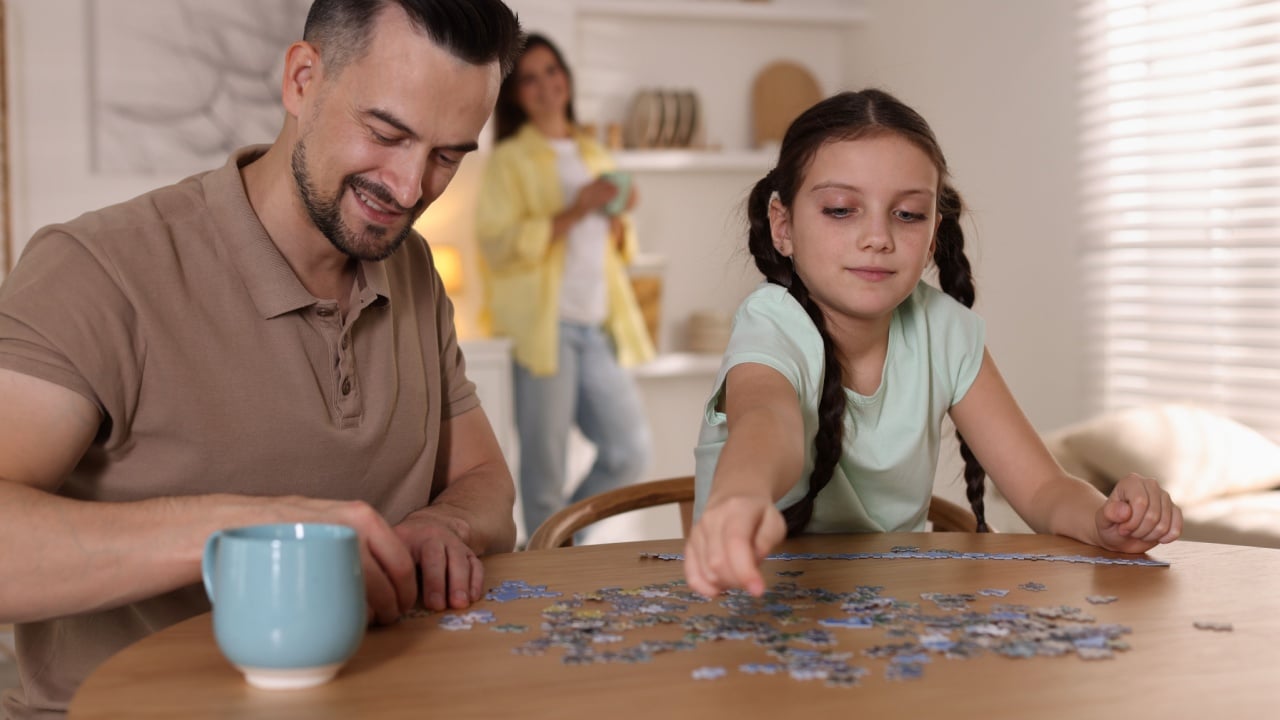
Combine the thrill of a scavenger hunt with the satisfaction of solving a challenging brainteaser. In this exciting twist, participants are presented with riddles or puzzles that they must solve in order to uncover clues about the next item they need to find.
Each solved puzzle leads them closer to the next target, turning the hunt into an engaging combination of critical thinking and exploration. For example, a riddle might hint at a specific book in a library or a common household object, adding an extra layer of fun and intrigue to the traditional scavenger hunt experience.
At a Glance:
- How to Play: For each item on your list, write a corresponding riddle. For example: “I have a face and two hands, but no arms or legs. What am I?” (A clock). Participants solve the riddle, then find the object.
- Why It Works: This hunt engages the mind as well as the body. It’s perfect for families who enjoy puzzles, riddles, and a good mental challenge.
- Quick Tips: For younger kids who can’t read yet, use picture clues. A drawing of an apple is just as effective as a written riddle.
8. A Stroll Down Memory Lane

This deeply personal hunt is less about competition and more about connection, focusing on your family’s history and shared memories. Instead of random objects, participants search for items that hold significant sentimental value, turning what could be a simple game into a rich, interactive storytelling session. It’s a fantastic opportunity to reminisce and share the stories that make your family unique. You learn a lot about each other and the family’s dynamics with such an activity.
At a Glance:
- How to Play: Create clues that relate to family memorabilia and history. Examples include “Find a photo of grandma as a teenager” or “Find the book dad has owned the longest.”
- Why It Works: It connects different generations by bringing family stories to life. It’s a beautiful way to honor your family’s unique history and create new memories.
- Quick Tips: As each item is found, have the person who knows the story behind it share it with the group. This turns the hunt into a meaningful bonding experience.
9. DIY Craft Hunt

If your family is a bit more on the artsy side, this is the perfect scavenger hunt for you. It’s a fun, two-part activity that starts with a mad dash to find craft supplies and ends with a creative showdown. First, participants hunt for a hidden treasure trove of craft supplies. Once all the materials are collected, the second phase begins: a no-holds-barred crafting competition where everyone gets to show off their creative flair. It can still be great even if you struggle with stick figures; the goal is to have fun.
At a Glance:
- How to Play: Hide craft supplies like glue, colored paper, pipe cleaners, and googly eyes. After teams find their materials, they must use them to complete a specific project, like building a birdhouse or decorating a picture frame.
- Why It Works: It appeals to a wide range of interests, from the active searchers to the creative makers. Everyone gets to take home a handmade souvenir.
- Quick Tips: Make the crafting portion a timed event. See which team can complete their project the fastest to add a competitive edge.
10. The Virtual Get-Together

Distance doesn’t have to put a damper on the fun. For families living in different locations, a virtual scavenger hunt over a video call is a creative and engaging way to stay connected. Participants can search their own homes for items from a shared list, racing against the clock or simply enjoying the process together. It’s a great way to spark laughter, create memories, and make everyone feel closer, even when miles apart.
At a Glance:
- How to Play: Everyone joins a video call. The host calls out an item, and the first person to run and bring it back to their screen gets a point.
- Why It Works: It’s an inclusive activity that bridges geographical gaps. It’s also hilarious to watch everyone scramble through their own homes simultaneously.
- Quick Tips: Include items that have a shared family connection, like “a souvenir from a family vacation” or “something that reminds you of grandpa.”
11. Food-Focused Foray
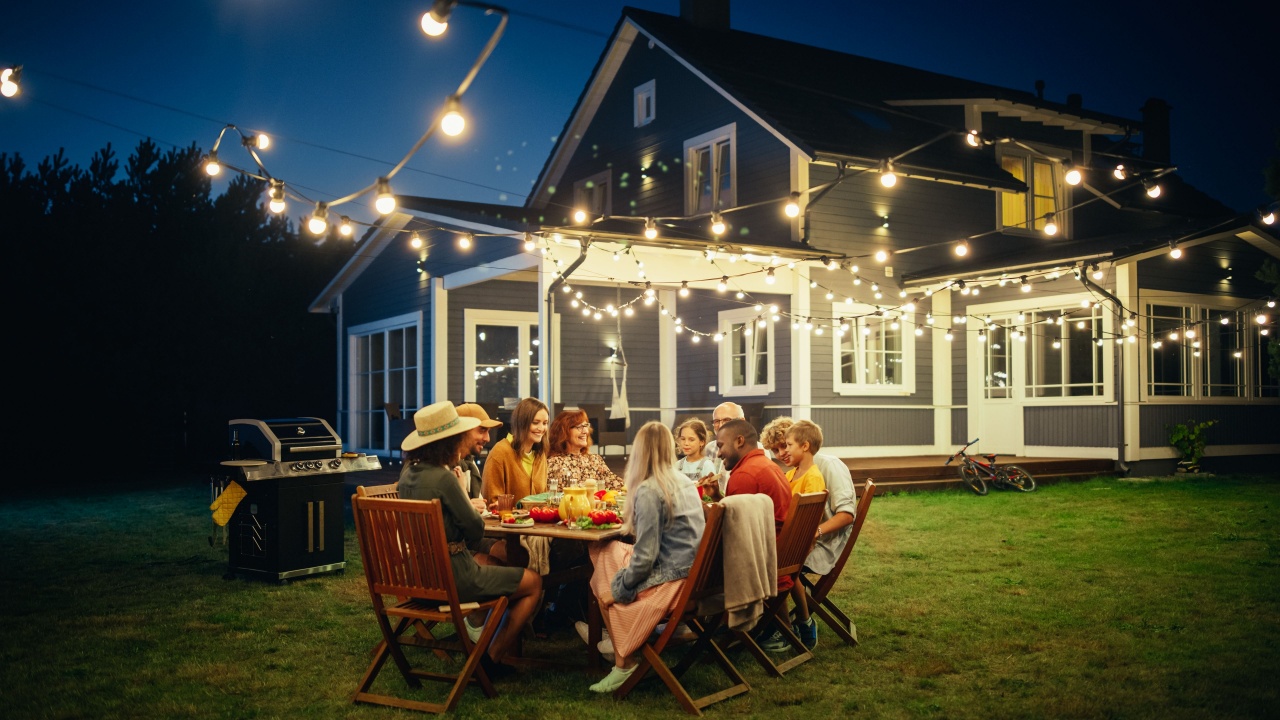
Perfect for a family get-together like a barbecue or a potluck, this particular scavenger hunt revolves entirely around food. Instead of searching for random trinkets, the items to be found can be specific ingredients for the meal, particular pre-prepared snacks, or even clues cleverly hidden on food packaging throughout the kitchen or backyard.
At a Glance:
- How to Play: Create a list of food-related items for teams to find. You can make it part of the meal preparation, such as “Find the family’s secret recipe” or “Gather all the ingredients for the salad.”
- Why It Works: It’s a practical and delicious way to get everyone involved in a group meal. The prize is obvious: getting to eat all the delicious food.
- Quick Tips: Incorporate cooking-related tasks, like “Take a picture of the oldest cookbook in the house” or “Find three different kinds of spices.”
12. Local History Expedition

Add a touch of discovery to your day by incorporating a bit of learning about your town or family’s past with a historical scavenger hunt. This activity could involve exploring local landmarks that hold stories of the past, searching for historical markers that provide insights into your area’s heritage, or even rummaging through old family heirlooms to uncover personal connections to history. From finding a plaque commemorating a significant event to unearthing a vintage photo album, this is a fun and meaningful way to connect with history while creating lasting memories.
At a Glance:
- How to Play: Create a list of historical questions or locations. For example, “Find the year the town hall was built” or “Take a photo next to the statue of the town founder.”
- Why It Works: It makes history interactive and engaging. You can also weave in your own family’s history as it relates to the area, deepening the connection to both family and place.
- Quick Tips: Prepare a few interesting facts about each location or object on the list to share when it’s found. This adds an educational layer to the fun.
13. Reverse Scavenger Hunt

Ready to really mix things up? Flip the traditional scavenger hunt on its head with a reverse scavenger hunt. Instead of searching for items, each team receives a bag filled with the exact same collection of random objects. Their mission is to figure out the most creative, clever, or downright hilarious places to hide each item.
At a Glance:
- How to Play: Give each team an identical bag of miscellaneous items (like a paperclip, a rubber band, a bottle cap, or a toy). Teams then spread out around the play area and must hide every item in an unexpected, imaginative, or hard-to-spot location. Once hiding time ends, teams swap areas and try to find each other’s hidden objects. Points can be awarded for creativity, difficulty, or the number of items the opposing team fails to discover.
- Why It Works:
It flips the usual format and encourages creativity, strategic thinking, and teamwork. The solutions teams come up with — and the places they hide items — can be genuinely inventive and hilarious. - Quick Tips:
Offer prizes for categories like “Most Creative Hiding Spot,” “Most Impossible-to-Find Item,” or “Funniest Object Placement.” This keeps things light and adds a rewarding finish.
14. Sensory Hunt

This hunt is a fantastic way to engage all five senses in a unique and engaging challenge. Rather than a typical scavenger hunt where you’re looking for specific, named objects, participants are tasked with finding items that match certain sensory descriptions. It’s a particularly excellent activity for younger children as it helps them develop their vocabulary and observational skills, and it naturally encourages a state of mindfulness by focusing their attention on the world around them.
At a Glance:
- How to Play: Create a list that includes prompts like “Find something that feels rough,” “Find something that smells sweet,” “Find something you can hear from far away,” “Find something red,” and “Find something you can safely taste.”
- Why It Works: It teaches children to describe the world in new ways and pay close attention to their sensory experiences.
- Quick Tips: This is best done outdoors in a garden or park where there is a rich variety of textures, smells, and sounds. Always supervise the “taste” portion carefully.
15. The Act of Kindness Hunt

Shift the focus from simply finding things to actively doing meaningful things. This scavenger hunt isn’t about collecting items; it’s a list of good deeds that participants need to complete as part of the challenge. From helping a neighbor to writing a kind note to a stranger, each task is designed to inspire thoughtful actions. It’s a heartwarming activity that not only fosters a sense of accomplishment but also spreads positivity within communities, leaving a trail of kindness in its wake.
At a Glance:
- How to Play: Create a list of kind acts, such as “Give someone a genuine compliment,” “Help someone with a task,” “Leave a positive note for a family member,” or “Water a plant.” Participants document their completed acts with photos.
- Why It Works: It fosters empathy, compassion, and a spirit of helpfulness. The prize is the good feeling that comes from making someone else’s day a little brighter.
- Quick Tips: This can be done within the family or expanded to include neighbors and the wider community. It’s a powerful way to teach the value of giving back.
Your Next Adventure

A successful family scavenger hunt doesn’t depend on elaborate prizes or complex setups. The real reward is the shared experience, the laughter, and the connections you build. To get started, consider your family’s unique personality. Are they competitive? Creative? Outdoorsy? Choose a hunt that plays to their strengths.
Don’t be afraid to mix and match ideas. A nature hunt could easily include puzzle clues. A holiday hunt could end with a DIY craft session. The best scavenger hunt is one that is tailored to your family.