
14 Laundry Hacks to Avoid the Never-ending Piles
Do you know the joke that even if no one is there for you, laundry will always be there? The joke loses its humor when you are the one facing a perpetual pile of laundry week after week. There’s a special kind of dread reserved for the laundry pile. It’s the domestic equivalent of a mountain that grows back every time it’s conquered.
You can’t even celebrate an empty basket because you blink and it’s overflowing with socks, shirts, and a single towel that somehow accounts for half the volume. But what if the cycle of wash, dry, fold, repeat could be less of a Sisyphean task and more of a streamlined, almost satisfying, process?
These fourteen laundry hacks are designed to help you defeat the clothing pile-up for good.
Where We Got Our Data

The laundry tips in this article are drawn from expert home-care publications, manufacturer guidance, and established fabric-care practices. Technical points, such as vinegar’s effect on detergent residue, the impact of hard water on wash performance, and the benefits of sorting by fabric type, are supported by consumer guides and appliance resources. Other recommendations reflect organizing principles, productivity research on task batching, and long-standing practices used by cleaning professionals. While not every hack has a single definitive study, all advice is consistent with consensus from credible cleaning experts and trusted home-care sources.
1. Dedicate a Completion Day
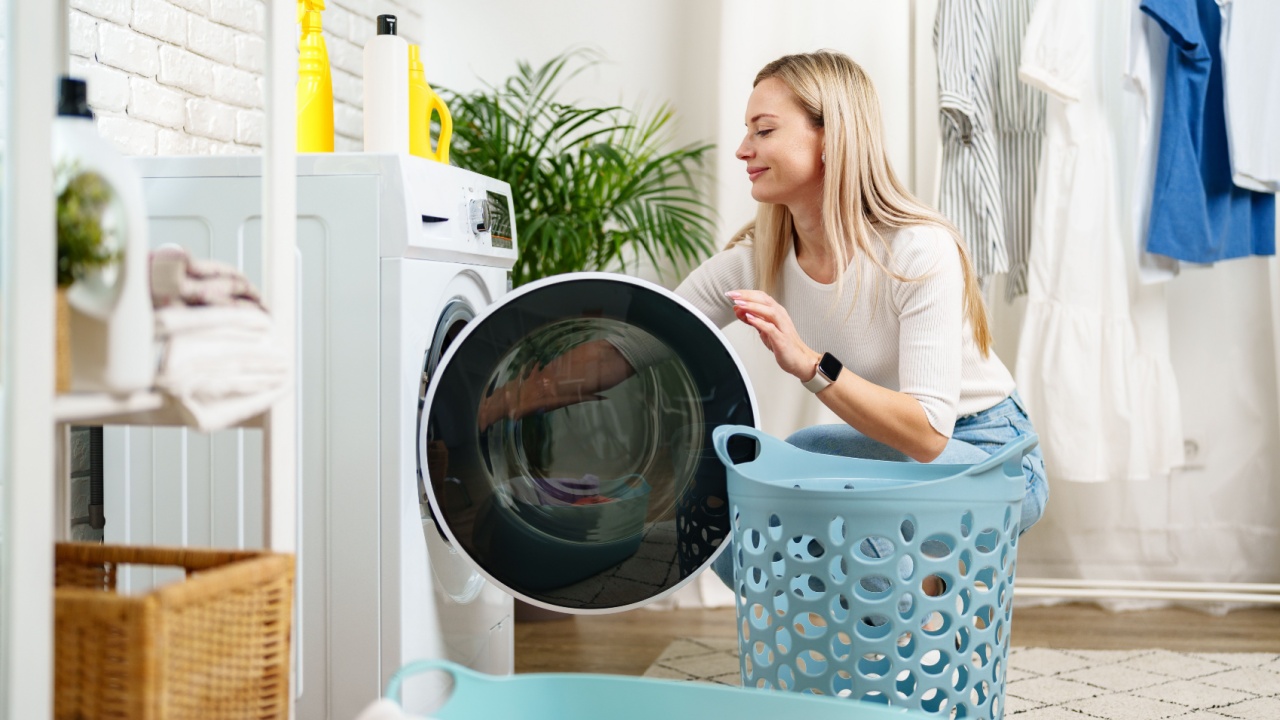
This approach turns laundry from a constant, low-grade hum of dread into a one-day event. Instead of letting washed clothes sit in the dryer or folded clothes camp out in a basket, commit to finishing the entire process: washing, drying, folding, and putting away, in one fell swoop. This effortless laundry routine will give you peace of mind since you know it will all be done by the end of the day.
Quick Scan:
- Why it works: It stops the pile-up at each stage. Clothes don’t have time to get wrinkled in the dryer or become a permanent fixture in the living room. It’s a focused effort that leads to a definitive, rewarding finish line: an empty laundry room.
- Pro-Tip: Make “Laundry Day” more enjoyable. Put on a favorite podcast, binge a new series, or blast some music. Tying the chore to an activity you enjoy can make it feel less like a burden.
2. Use Distilled White Vinegar in the Rinse Cycle
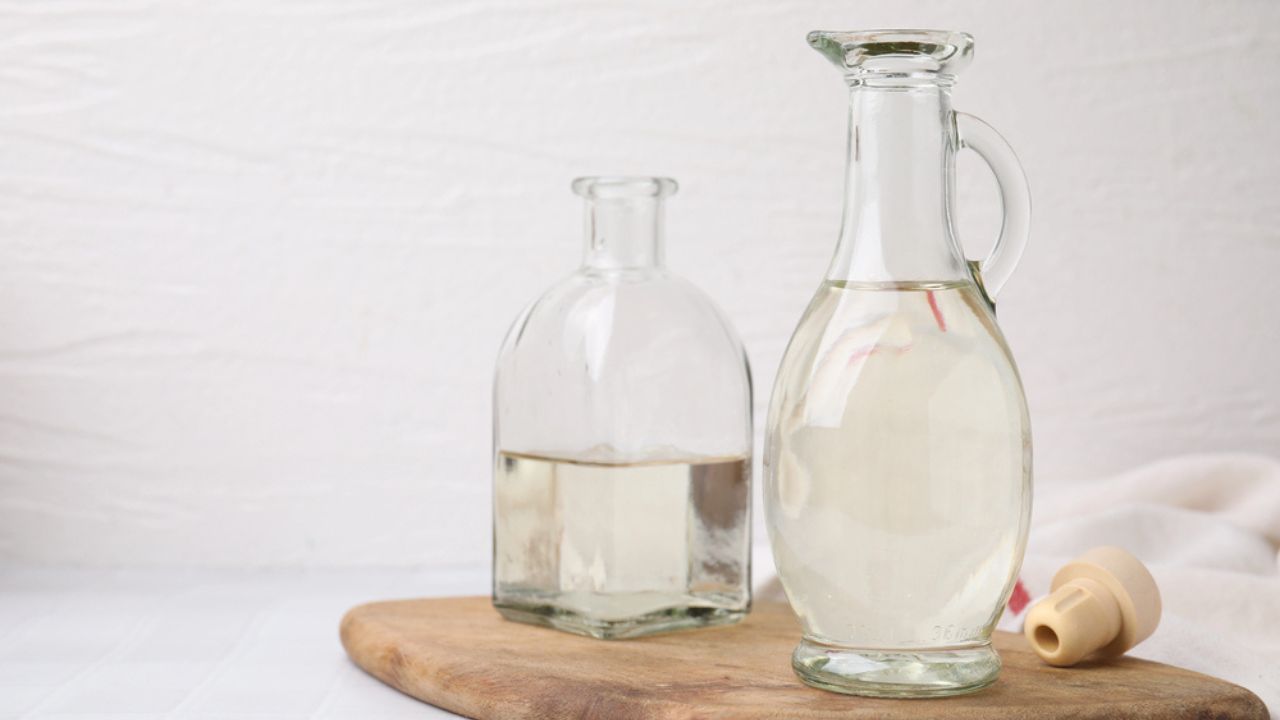
Adding about one cup of distilled white vinegar to your washer’s fabric softener dispenser during the rinse cycle is a highly effective technique. This natural solution works as a gentle alternative to commercial fabric softeners, offering similar benefits without the added chemicals or artificial fragrances. Aside from softening fabrics, vinegar also acts as a deodorizer, leaving your laundry fresh and clean without overpowering scents (or having to run it through the wash for second entire cycle).
Quick Scan:
- Why it works: Vinegar’s acetic acid breaks down detergent residue, which can leave fabrics stiff and dull. It also helps release trapped odors from mildew or sweat, softens clothes naturally, and reduces static cling without leaving a salad smell behind. The scent rinses out completely.
- Pro-Tip: This is particularly effective for towels that have lost their absorbency and athletic wear that holds onto stubborn odors.
3. Treat Stains Immediately

Knowing how to deal with common stains is an underrated life hack. That drop of coffee on a white shirt stands a much better chance of vanishing if you tackle it immediately. Acting quickly prevents the liquid from seeping deeper into the fabric and setting in place. The longer a stain is left untreated, the more time it has to bond with the fabric fibers, transforming from a temporary nuisance into a stubborn, permanent resident. A quick response, like blotting the stain or rinsing it with water, can make all the difference in keeping your shirt looking as good as new.
Quick Scan:
- Why it works: Immediate treatment disrupts the staining process before it can set. Applying a stain remover, a dab of detergent, or even just cold water can lift the offending substance from the fabric, making it much easier for the washing machine to finish the job.
- Pro-Tip: Keep a stain-remover pen or wipes in your car or purse for on-the-go emergencies. For at-home treatment, create a small “stain station” in your laundry room with various removers for different types of stains like oil, ink, and wine.
4. Craft a Basket for Small Items

Small laundry essentials like pods, dryer sheets, or reusable cotton rounds have a way of disappearing or cluttering up shelves. A simple DIY hanging basket keeps them contained and within reach. All you need is a small container. Place it on a shelf or hang it on the side of your washer, a nearby shelf, or any convenient spot in your laundry area. This creates a designated, visible place for those small items, making laundry more organized and efficient.
Quick Scan:
- Why it works: It provides a designated, visible spot for small items that often disappear.
- Pro-Tip: Use separate baskets for different items (pods, sheets, delicates) so you can grab exactly what you need without rummaging.
5. Use a Plastic Folding Board

If you’ve ever walked into a clothing store and marveled at the perfectly folded stacks of t-shirts, then this level of perfection is not out of reach. A plastic folding board might seem like an unnecessary gadget, but it can transform that lumpy, intimidating pile of clean clothes into perfectly uniform stacks worthy of a retail display. No more wonky, uneven piles that topple over the second you try to pull something out.
Quick Scan:
- Why it works: It provides a template for consistent folding. Every t-shirt, sweater, and pair of pants will be the same size, making them easier to stack, store, and find in your drawers. This method saves space and makes your closet look incredibly organized.
- Pro-Tip: This tool is great for teaching kids how to fold their own clothes. The simple, step-by-step process is easy for them to follow and helps them contribute to the laundry process.
6. Sort by Fabric Type When Rushed
Sorting laundry by color is the traditional wisdom, separating lights, darks, and brights to prevent colors from bleeding or fading. However, when time is tight, speed often takes priority over precision. In such cases, sorting by fabric type can be a smart and practical shortcut, especially if you wash everything on a cold water setting. For instance, grouping delicate fabrics or heavier materials like towels together can simplify the process while still protecting your clothes. While this method may not be ideal for every situation, it’s a useful approach when efficiency matters most.
Quick Scan:
- Why it works: Different fabrics require different care. Washing heavy items like jeans and towels separately from delicate blouses or lightweight t-shirts prevents damage to the lighter fabrics and allows for more effective drying cycles. It protects your clothes while saving you sorting time.
- Pro-Tip: Most modern detergents are formulated to be effective in cold water, which significantly reduces the risk of colors bleeding. This makes sorting by fabric type a safe and efficient alternative.
7. Stretch Shrunken Clothes with Hair Conditioner
It’s always heartbreaking to pull a favorite sweater out of the wash only to find it shrunken and now small enough to fit a doll. The disappointment can feel overwhelming, especially if it was a go-to piece in your wardrobe. Thankfully, a little hair conditioner could be the solution you need to bring your sweater back to its original size and softness.
Quick Scan:
- Why it works: Hair conditioner contains compounds that relax fibers, much like how it softens hair. Soaking a shrunken garment in a sink full of lukewarm water and a generous squirt of conditioner can relax the woolen or cotton fibers enough for you to gently stretch the item back into shape.
- Pro-Tip: After soaking for about 30 minutes, gently squeeze (don’t wring) the water out. Lay the garment flat on a towel, roll the towel up to absorb more moisture, and then reshape the item on a dry towel to air dry.
8. Make Your Own Laundry Detergent

If you’re the kind of person who gets a thrill from a good DIY project, and maybe you’re a little suspicious about what’s really in your store-bought cleaners, making your own laundry detergent might be right up your alley. It’s a great way to have full control over the ingredients, getting all up in your clothes. It can also be a surprisingly cost-effective alternative. A standard and straightforward recipe typically calls for a simple trio of ingredients: washing soda, borax, and some grated bar soap. Yep, that’s pretty much the core of it.
Quick Scan:
- Why it works: This simple combination provides the necessary components for cleaning. Washing soda helps soften water and lift dirt, borax acts as a cleaning booster and whitener, and the soap handles the general cleaning. You can also add essential oils for a custom scent.
- Pro-Tip: Before switching completely, make a small test batch to see how it works with your water type and washing machine. Some high-efficiency (HE) machines have specific requirements, so check your manual.
9. Address Hard Water Issues
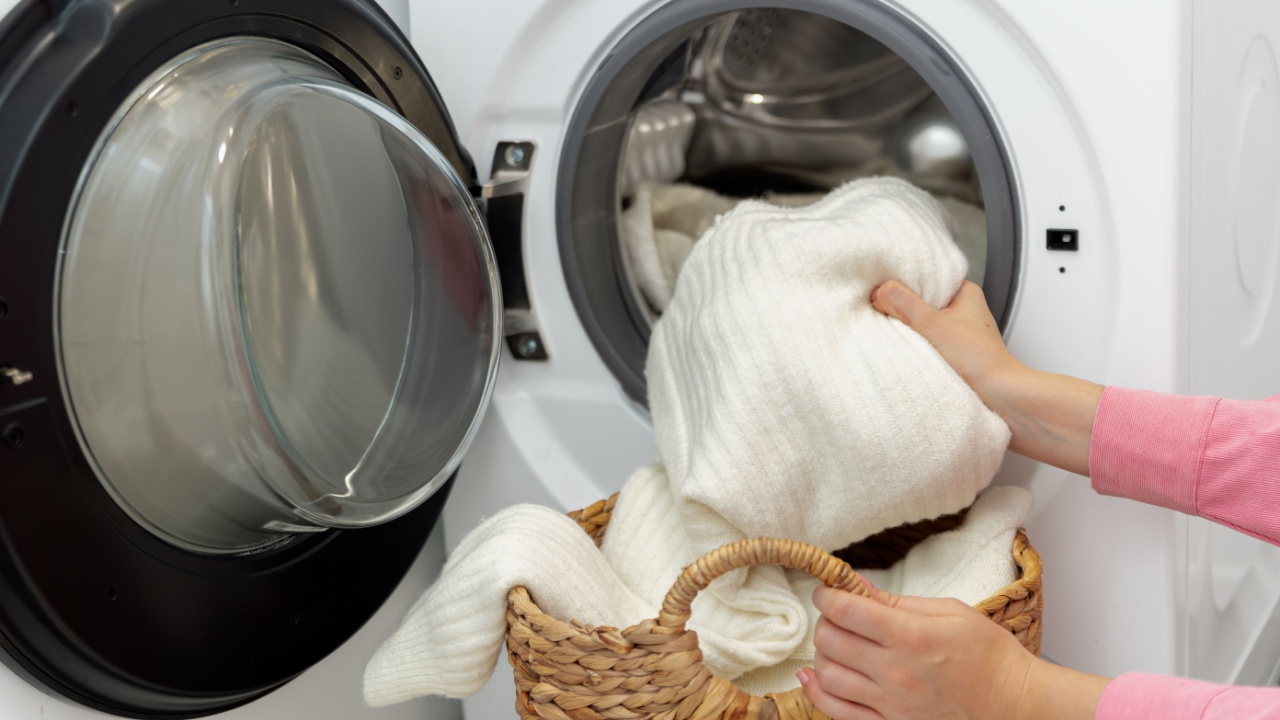
If your clothes come out of the wash feeling stiff, scratchy, or looking like they’ve been dusted with chalk, you might be dealing with hard water. Hard water contains a high concentration of dissolved minerals, namely calcium and magnesium. These minerals interfere with your detergent’s ability to do its job, making it much less effective at cleaning.
Quick Scan:
- Why it works: By neutralizing these minerals, you allow your detergent to work as intended. Adding a water-softening agent or using vinegar in the rinse cycle prevents mineral buildup on your clothes and in your machine, resulting in softer, cleaner laundry.
- Pro-Tip: Look for detergents specifically formulated for hard water. For a long-term solution, consider installing a whole-house water softening system, which benefits not just your laundry but also your pipes and other appliances.
10. Use Mesh Laundry Bags for Delicates
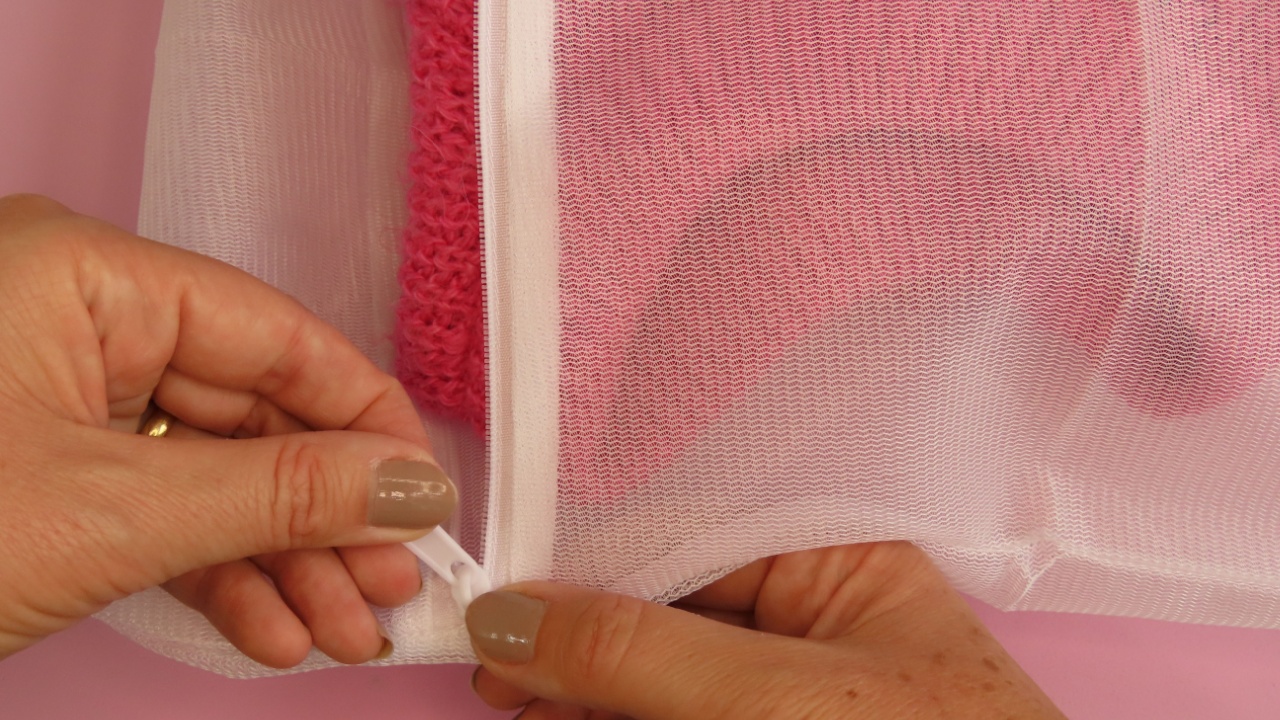
We all have those precious few clothing items that seem to hold their breath every time they go into the wash. Delicate items, lingerie, and clothes with straps or embellishments are particularly prone to damage in the washing machine. Mesh laundry bags are their best friends, providing a safe little cocoon during the tumultuous wash cycle.
Quick Scan:
- Why it works: The bags create a protective barrier, preventing items from getting stretched, snagged on other clothes, or tangled around the washer’s agitator. They allow water and detergent to flow through for a thorough clean while keeping the garments safe.
- Pro-Tip: Use them for more than just delicates. They are also perfect for keeping pairs of socks together and for washing small items like baby shoes or stuffed animals.
11. Choose Wrinkle-Resistant Fabrics
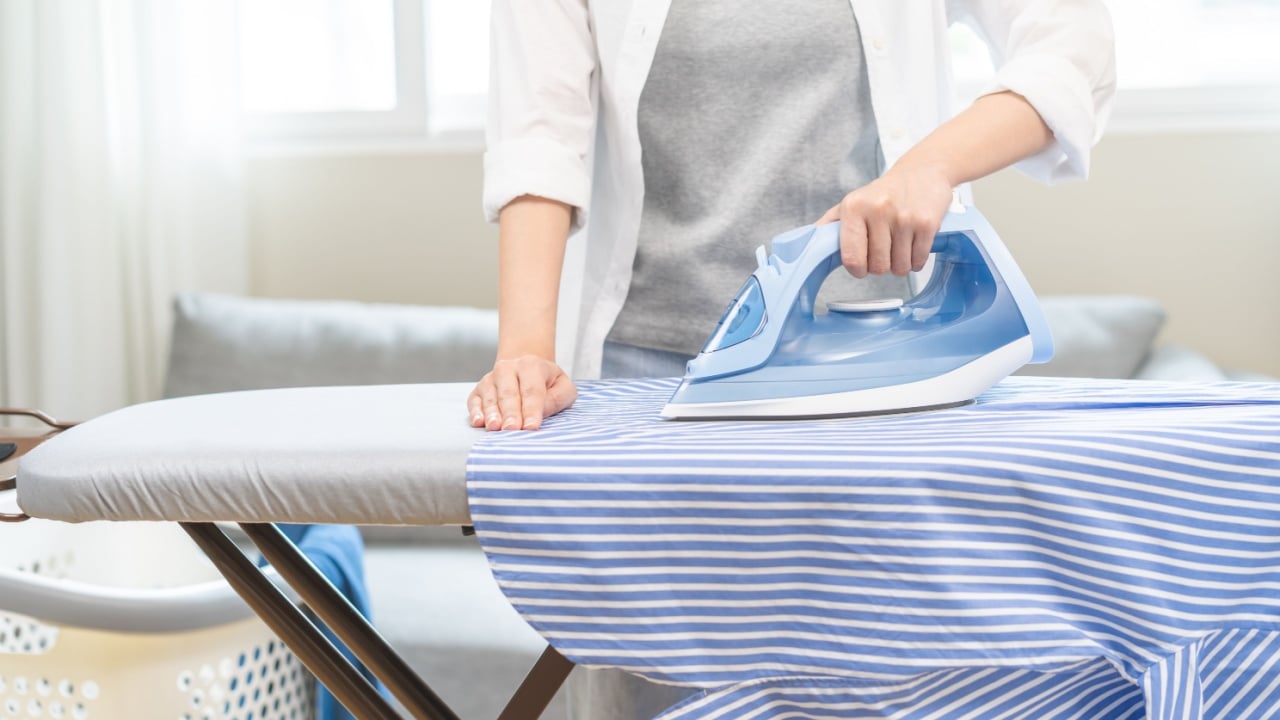
Ironing is often one of the most tedious and time-consuming parts of doing laundry, but it doesn’t always have to be. By choosing your fabrics carefully when shopping for clothing or linens, you can significantly reduce the need for ironing or even skip it altogether. For instance, wrinkle-resistant fabrics or materials like polyester blends and knits tend to hold their shape better and require far less maintenance compared to natural fibers like cotton or linen. Being mindful of fabric choices can save you time and effort, making laundry day a little easier.
Quick Scan:
- Why it works: Fabrics like microfiber, modal, Tencel, and many synthetic blends are engineered to resist wrinkling. Choosing clothing made from these materials means you can often pull them straight from the dryer and wear them without needing an iron.
- Pro-Tip: Even for fabrics prone to wrinkling, you can reduce the need for ironing by removing clothes from the dryer while they are still slightly damp and hanging them up immediately.
12. Set Timers for Each Stage
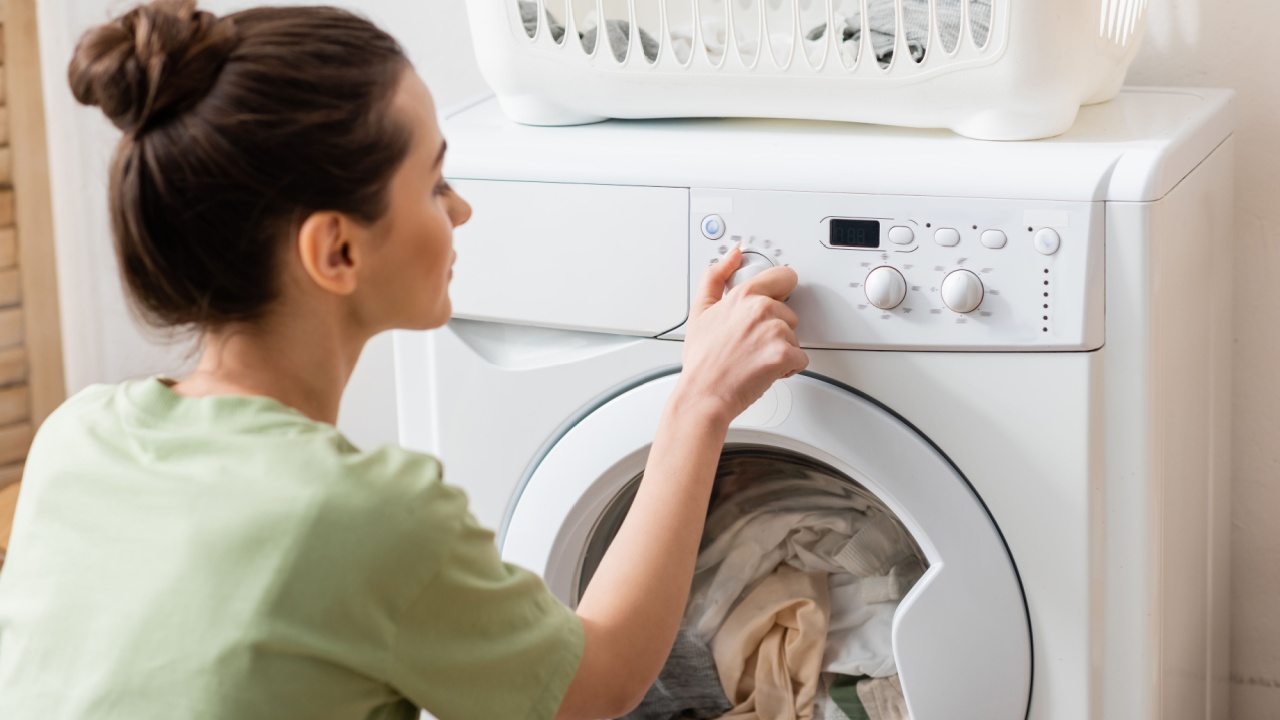
The hum of a finished washing machine or dryer often blends into the background, especially on a busy day. It’s all too easy to lose track of time, only to realize hours have gone by. By then, wet clothes may have started to develop mildew from sitting too long, or dry clothes may have become deeply wrinkled and harder to smooth out. Setting timers for each stage of the laundry process can help you stay on top of things. This guarantees your clothes are ready for the next step before any issues arise. For example, a quick alarm can remind you to move a freshly washed load into the dryer or to fold dry clothes before wrinkles set in. It’s a simple way to avoid extra work later on.
Quick Scan:
- Why it works: A simple timer on your phone or smart home device acts as an external reminder, prompting you to move the laundry to the next stage. This keeps the process moving and prevents the common problem of forgotten loads.
- Pro-Tip: Set a sequence of timers. When you start the wash, set a timer for the end of the cycle. When you move clothes to the dryer, set another timer. This creates a structured workflow that is hard to ignore.
13. Fold and Put Away at the Source

Instead of carrying a basket of freshly cleaned clothes to the couch with the intention of folding them “later,” consider folding them right in the laundry room as soon as they come out of the dryer. By taking a few extra minutes to fold each item immediately, you can avoid the temptation to let the task linger and pile up. Folding on the spot saves you the additional step of moving the basket somewhere else and can make the entire laundry process feel more streamlined and efficient.
Quick Scan:
- Why it works: This strategy, known as “single-touch,” minimizes procrastination. The warmth from the dryer makes clothes easier to fold and reduces wrinkles. By folding and immediately sorting into piles for each family member or room, the final step of putting them away becomes much faster.
- Pro-Tip: If your laundry room is small, place a small, clean folding table or even a sturdy board over your washer and dryer to create a dedicated folding surface.
14. Keep a “Singleton Sock” Basket
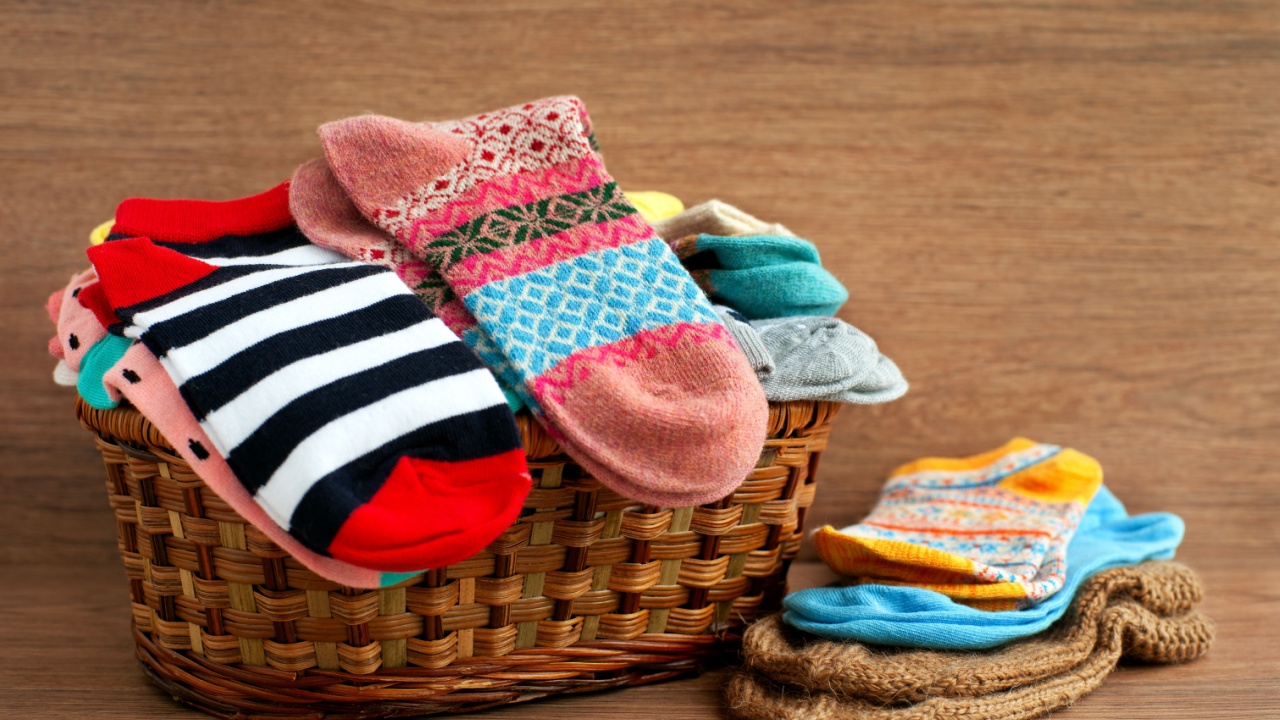
Despite your best efforts to keep pairs together, some socks will inevitably lose their partners over time. Rather than letting these single socks pile up and clutter your drawer, consider giving them a designated waiting area. This way, mismatched socks have a chance to reunite with their partners if they show up later, and your drawer stays organized in the meantime.
Quick Scan:
- Why it works: It contains the chaos. Every few weeks, you can go through the “singleton basket” and reunite pairs that have been separated across different laundry loads. It turns the search for a match into a quick, periodic task rather than a constant scavenger hunt.
- Pro-Tip: If a sock remains single for more than a month, it’s time to repurpose it. They make great dust rags, whiteboard erasers, or protective covers for small, fragile items.
Ending the Laundry Cycle
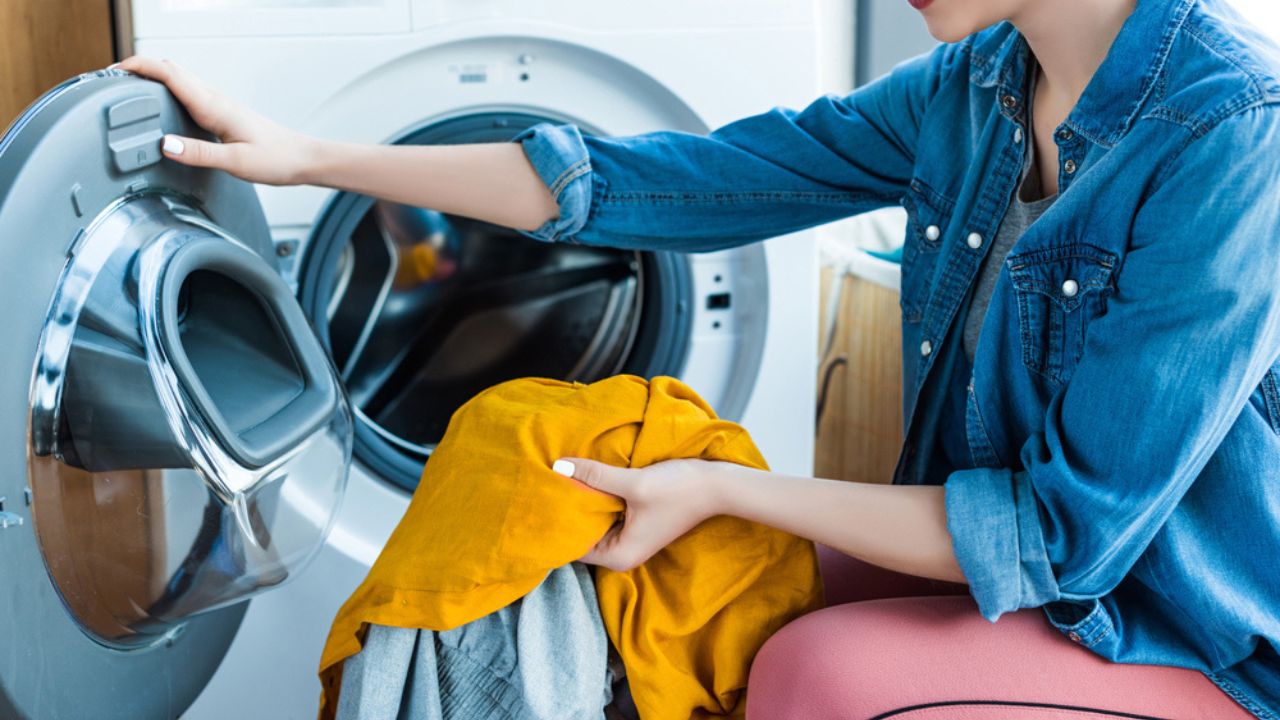
Tackling the laundry pile doesn’t require a miracle, just a better system. The goal is to break the process down into manageable, efficient steps that prevent buildup from the start. Start by incorporating one or two of these hacks into your routine. See how a dedicated laundry day feels, or try using vinegar in your next load of towels. Small changes can lead to big results, transforming laundry from a never-ending chore into a task you can finally, and truly, finish.