18 Ideas for Screen-Free Time with the Family This Weekend
Getting the family to unplug feels like trying to herd cats. Specifically, cats that are glued to tiny, glowing rectangles of infinite cat videos. Every parent knows the struggle of competing with the siren song of screens. But reclaiming family time, especially during the holidays when we wish to connect more, doesn’t have to be a mini World War.
The most fantastic hack is rediscovering the joy of doing things together, in the same room, while looking at each other. Forget the pressure to create a perfect, Instagram-worthy family moment. The goal is to find simple, fun activities that get everyone away from their devices and into the same shared experience.
Here are 18 screen-free ideas to help you reconnect, laugh, and maybe even learn something new about the people you live with.
1. DIY Craft Projects

Unleash the household’s creative chaos with a good old-fashioned craft session. It’s a fantastic way for everyone to express themselves, and you might end up with some questionable home decor that you’re obligated to display. From building birdhouses to making macaroni necklaces, the options are endless. Crafting helps develop fine motor skills in younger kids and provides a relaxing outlet for adults.
To get started, designate a “mess-friendly” zone, like the kitchen table covered in newspaper. You can buy all-in-one kits or just raid your recycling bin for cardboard tubes, plastic bottles, and old magazines. The goal is to create, not to make a masterpiece.
Quick Tips
- Theme It: Pick a seasonal theme like autumn leaf pressing or spring-themed paper flowers.
- Go Practical: Try making something useful, like decorating mugs or creating custom tote bags.
- Materials: Gather basics like glue, scissors, paint, and construction paper. Add fun extras like glitter (if you dare), googly eyes, and pipe cleaners.
2. Creative Writing and Journaling

Give everyone a notebook and a pen, and watch the magic happen. Or, watch them stare blankly for ten minutes before writing a single word. Either way, it’s a win. Creative writing encourages imagination and helps improve communication skills. You can write poetry, a collaborative short story, or have everyone journal about their day. It’s a quiet activity that provides a valuable window into each other’s thoughts and feelings.
You can set a timer for 15 minutes of silent writing or create story prompts to get the ball rolling. Try a “story chain,” where one person writes a sentence, and the next person adds to it, folding the paper to hide the previous line. The final reveal is always a good laugh.
Quick Tips
- Prompts: Use prompts like “If our pet could talk, what would it say?” or “Describe a dream you had.”
- Journal Together: Make it a regular evening ritual to spend 10 minutes journaling before bed.
- Share (or Don’t): Make it clear that sharing is optional. A journal is a personal space.
3. Painting and Drawing

You don’t need to be Picasso to enjoy painting and drawing. This is all about the process. Lay out some paper, grab some paints, crayons, or colored pencils, and let everyone create their own visual wonder. It’s a calming activity that allows for individual expression while still being a shared experience.
For a fun twist, try a “paint and sip” night with sparkling juice for the kids. Or, have everyone attempt to draw the same object, like a piece of fruit or the family pet, to see all the different interpretations.
Quick Tips
- Materials: Watercolors are a great starting point for beginners. Colored pencils and markers are less messy alternatives.
- Outdoor Art: Take your supplies outside and paint the landscape.
- Abstract Fun: Don’t focus on realism. Try splattering paint or just drawing lines and shapes to music.
4. Host a DIY Spa Day
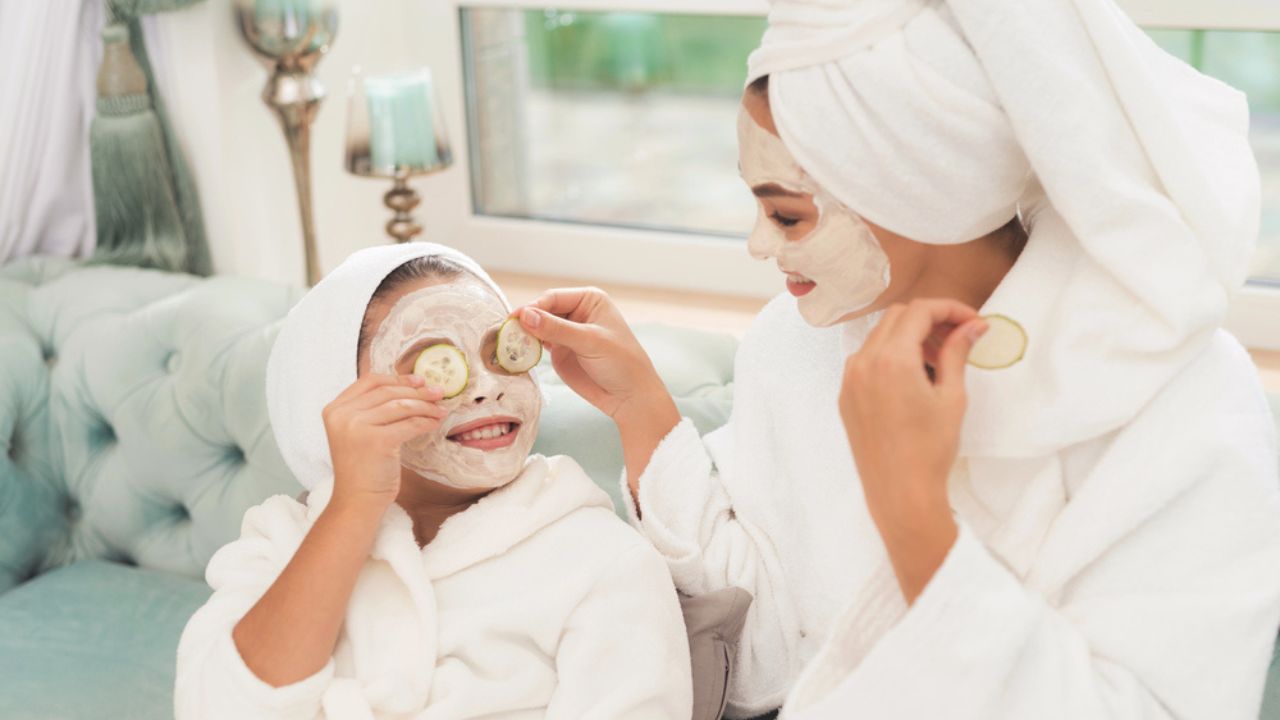
Transform your bathroom into a sanctuary of relaxation. A home spa day is a wonderful way to teach kids about self-care and to help everyone unwind. You can make your own face masks from household ingredients like yogurt, honey, and avocado. Fill the tub for a bubble bath, give each other manicures, or just lie down with cucumber slices on your eyes.
It’s an activity that feels indulgent but costs very little. Put on some calming music, light a few candles (safely, of course), and instruct everyone to speak in hushed, spa-like tones. The forced serenity is part of the fun.
Quick Tips
- DIY Recipes: Look up simple recipes for sugar scrubs (sugar and coconut oil) or oatmeal face masks.
- Set the Mood: Dim the lights, use a diffuser with essential oils like lavender, and have fluffy towels ready.
- Simple Pleasures: Even a simple foot soak in warm water can feel incredibly luxurious.
5. Read a Book Together

Rediscover the simple pleasure of a good story. You can either have a family reading hour where everyone reads their own book in the same room, or you can pick a chapter book to read aloud. Reading aloud together is an excellent way to connect and experience a story together, regardless of age. It builds vocabulary and listening skills in children and gives everyone a shared world to discuss.
Pick a classic that everyone will enjoy, like a fantasy adventure or a funny tale. Take turns reading paragraphs or assign different characters to each family member to act out the voices.
Quick Tips
- Choose Wisely: Let the kids help pick the book to increase their investment in the story.
- Create a Nook: Make a comfortable reading spot with blankets and pillows.
- Discuss It: After a chapter, talk about what happened. Ask questions like, “What do you think will happen next?”
6. Plan a Home Workout

Burn off some energy without leaving the house. A family workout can be as simple as a 20-minute yoga session or as wild as an obstacle course in the living room. Exercise releases endorphins, which improve mood and reduce stress. If you have a working home gym, this is a great time to teach the kids a few tricks.
You can find countless free family-friendly workout videos online (watch them for instruction, then put the device away). Or, create your own circuit with stations for jumping jacks, push-ups, sit-ups, and running in place.
Quick Tips
- Make it a Game: Turn exercises into a competition, like who can hold a plank the longest.
- Obstacle Course: Use pillows to jump over, tables to crawl under, and tape to create balance beams.
- Dance Party: Put on a high-energy playlist and just dance. It’s great cardio and requires zero planning.
7. Learn a New Dance

Thanks to viral videos, there’s no shortage of dance routines to learn. Pick a popular one or make up your own choreography. Learning a dance together is a hilarious exercise in coordination and patience. It gets everyone moving, laughing, and working as a team. It’s good for your joints and mental health.
Put someone in charge of being the choreographer, or have each person contribute one move to a collaborative routine. The final performance, even if it’s just for the dog, will be a memorable event.
Quick Tips
- Start Simple: Pick a dance with easy, repetitive moves.
- Break It Down: Learn the dance step-by-step, practicing each part slowly before putting it all together.
- Have a Performance: Put on “costumes” and perform your finished dance for each other.
8. Board Games and Puzzles
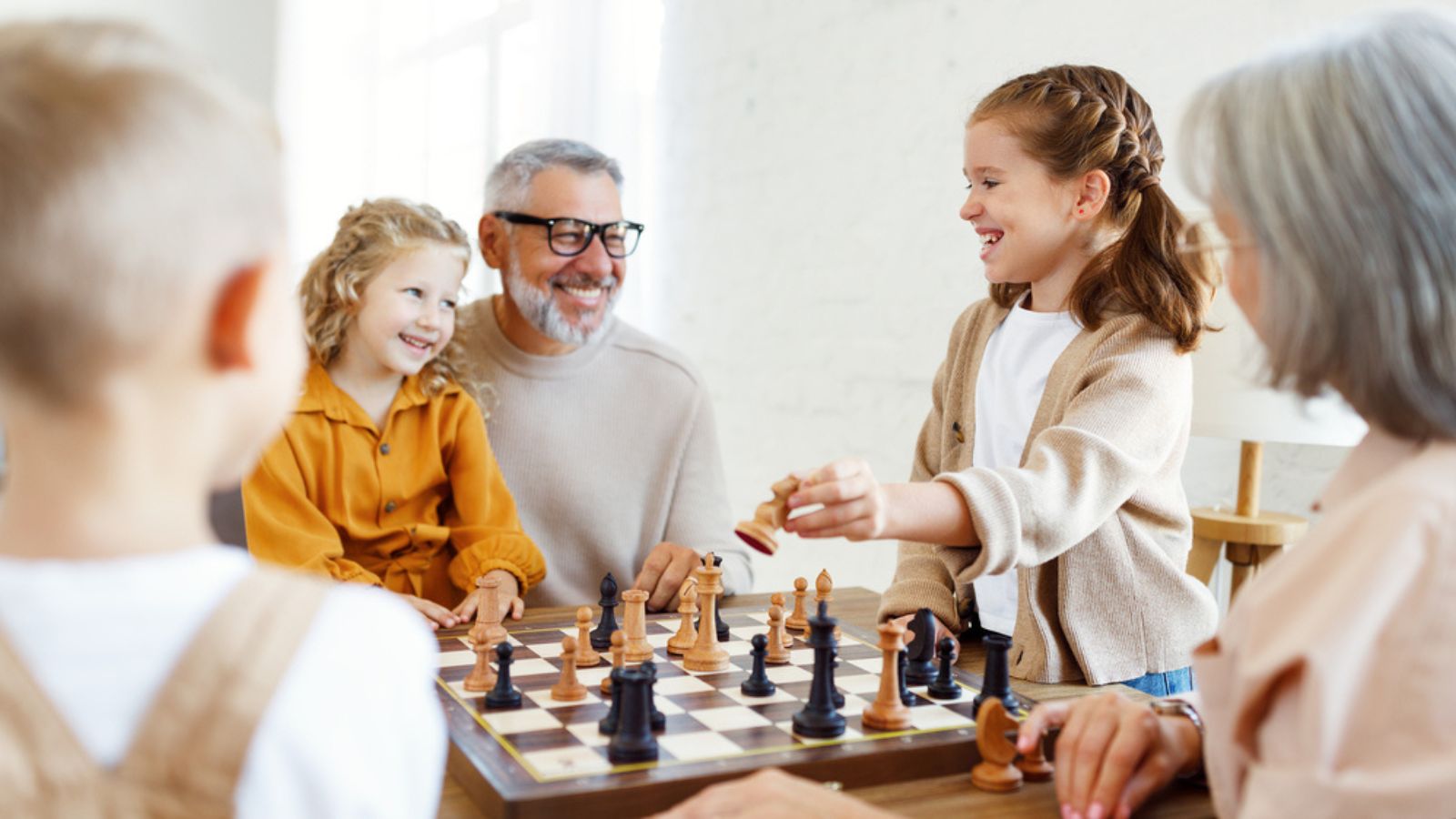
Dust off those board games from the back of the closet. Board games and puzzles are classic for a reason. They teach strategy, sportsmanship, and teamwork. Be it a competitive round of a strategy game or a collaborative effort to finish a 1000-piece puzzle, these activities bring everyone to the table for some focused fun.
Puzzles are a great long-term project that the family can contribute to over several days. Set it up on a card table where it won’t be disturbed, and people can work on it whenever they have a few free minutes.
Quick Tips
- Game Night: Make it a weekly tradition. Let a different person pick the game each week.
- Learn a New Card Game: All you need is a deck of cards to learn dozens of different games.
- Puzzle Strategy: Sort the edge pieces first. It’s a classic move for a reason.
9. Cooking and Baking Together

The kitchen is the heart of the home, so why not make it the center of your family time? Cooking or baking together is a delicious way to help improve the kids’ relationship with food. It also teaches kids valuable life skills, from reading a recipe and measuring ingredients to kitchen safety. And the best part is you get to eat the results.
Let the kids choose the recipe, whether it’s baking cookies, making a pizza from scratch, or trying a new dinner dish. Assign age-appropriate jobs, like stirring, measuring, or washing vegetables. Expect a mess, but also expect a lot of fun.
Quick Tips
- Theme Night: Plan a taco night or a build-your-own-pizza night where everyone can customize their meal.
- Baking Fun: Decorating cookies or cupcakes is always a hit with kids.
- Read the Recipe First: Go over all the steps together before you begin to avoid any surprises.
10. Indoor Scavenger Hunt

Turn your home into an adventure zone with an indoor scavenger hunt. This activity is highly adaptable for all ages and requires very little preparation. For younger kids, you can create clues with pictures. For older kids and adults, you can write riddles or cryptic clues that lead them from one spot to the next.
The prize at the end can be something simple, like choosing the next family activity or getting out of a chore. The real fun is in the hunt itself.
Quick Tips
- Types of Hunts: Try a color hunt (find something red, blue, green) or an alphabet hunt (find something that starts with A, B, C).
- Riddle Me This: Write clues that make them think. For example, “I have a face but no eyes, and hands but no arms. What am I?” (A clock).
- Team Up: For larger families, split into teams to add a competitive element.
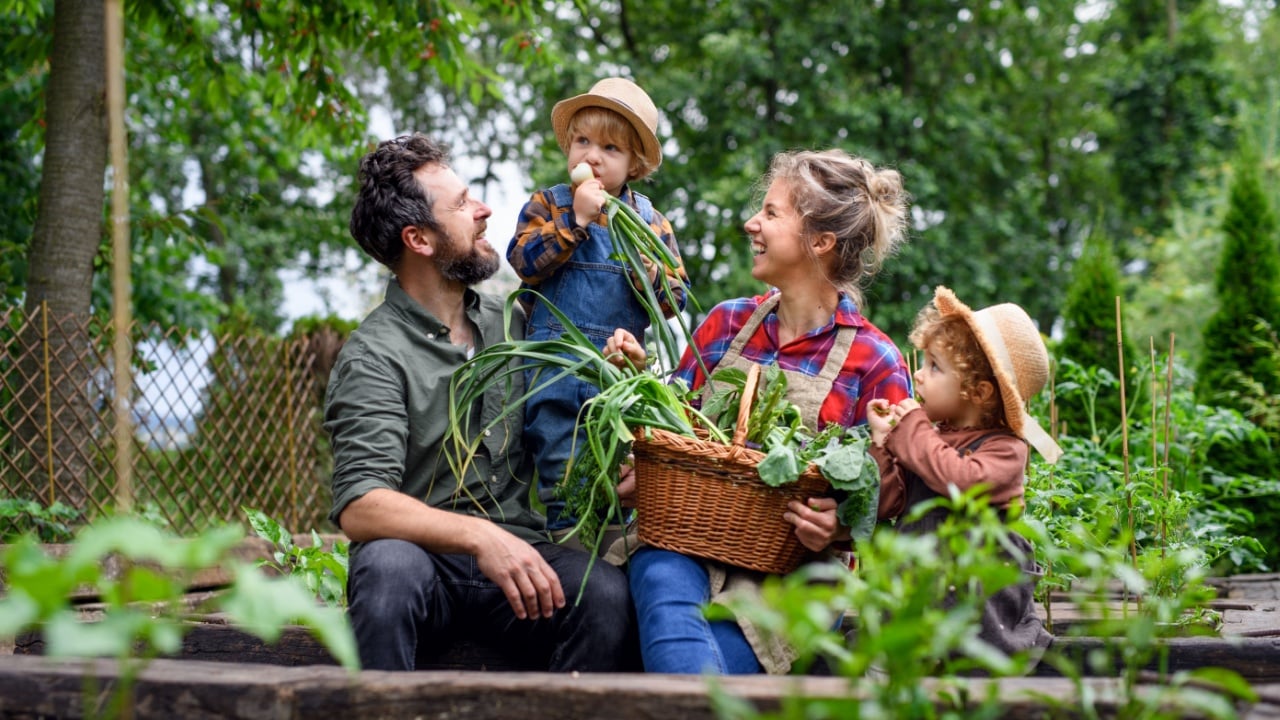
11. Home Gardening
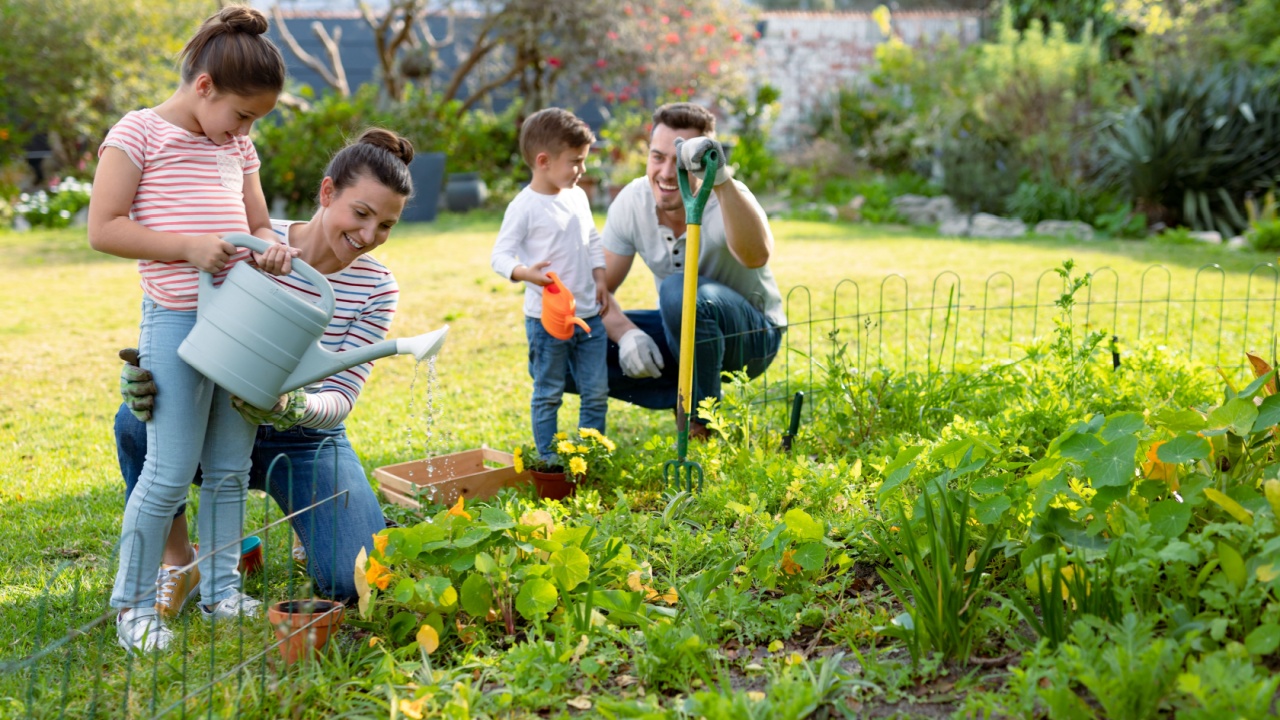
You don’t need a huge backyard to get your hands dirty (especially if it’s wintertime). Gardening can happen in pots on a windowsill or in a small container on a balcony. It’s a rewarding activity that teaches patience and responsibility. Watching something you planted grow from a tiny seed into a plant is a magical experience for kids and adults alike.
Start with something easy, like herbs (mint and basil are very forgiving) or fast-growing vegetables like radishes or lettuce. Let the kids have their own pot to take care of.
Quick Tips
- Start Small: An indoor herb garden is a great first project.
- Get the Right Gear: Get kid-sized gloves and trowels to make them feel like real gardeners.
- Learn Together: Research the plants you’re growing. Find out how much sun and water they need.
12. Write and Mail Letters

The act of writing and mailing a letter is a special treat now that we speak in emojis and abbreviations. Have your family write letters to grandparents, cousins, or friends who live far away. It’s a wonderful way to practice writing skills and to brighten someone’s day.
Decorate the paper with drawings, add stickers, and teach kids how to properly address an envelope and put on a stamp. The anticipation of waiting for a reply is an added bonus.
Quick Tips
- Who to Write: Think of elderly neighbors, family members, or even soldiers overseas.
- Thank You Notes: Make it a habit to write thank-you notes for gifts.
- Pen Pals: Find a pen pal program for a long-term letter-writing connection.
13. Science Experiments at Home
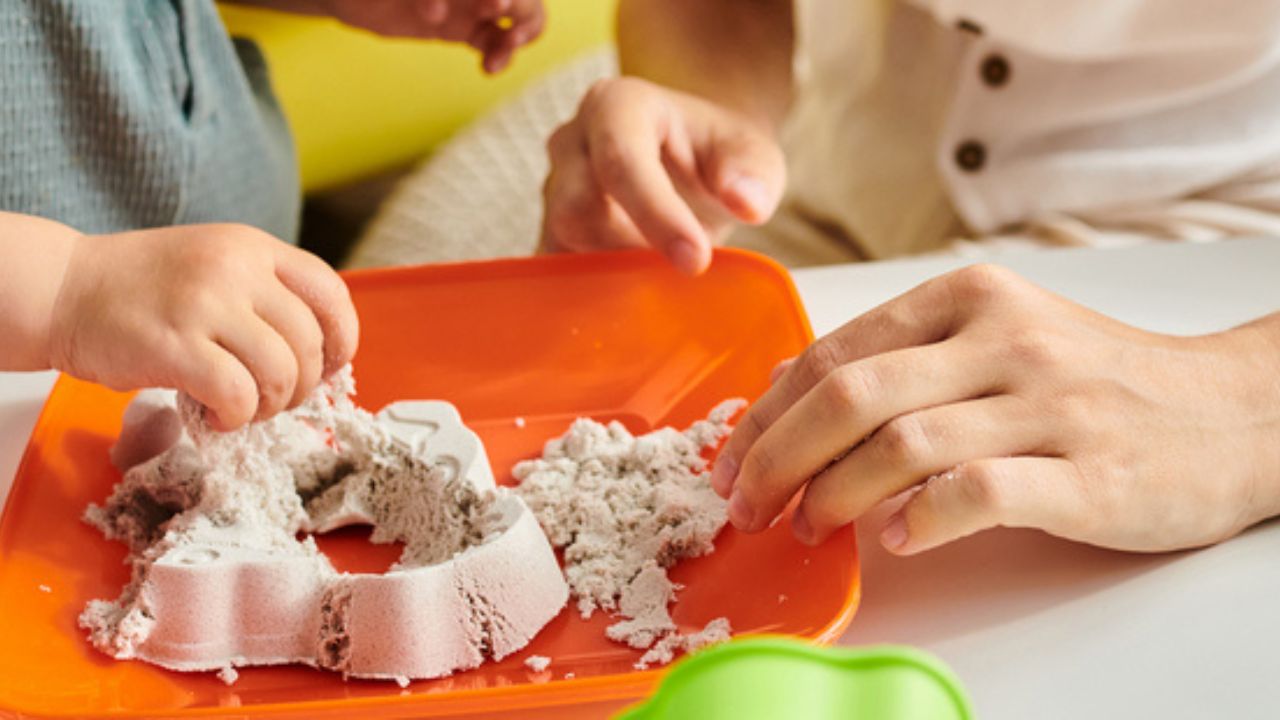
Turn your kitchen into a science lab with simple, safe experiments. You can make a volcano with baking soda and vinegar, create slime, or build a simple circuit with a battery and a lightbulb. These activities make learning about science hands-on and exciting.
Many experiments use common household items, so you likely already have what you need. The “wow” factor of seeing a scientific principle in action will capture everyone’s imagination.
Quick Tips
- Classic Volcano: A plastic bottle, baking soda, vinegar, and a little red food coloring is all you need.
- Slime Time: The classic recipe involves glue, contact lens solution, and baking soda.
- Safety First: Always have an adult supervise experiments, even simple ones.
14. Plan Your Next Vacation

Dreaming and planning together can be almost as fun as the trip itself. Get out a map or globe and talk about where you’d like to go. It doesn’t have to be a big, expensive trip. It could be a weekend camping trip or a day trip to a nearby town.
Have everyone research things to do at a potential destination. This gives kids a sense of ownership and gets them more excited about the trip. You can create a vision board with pictures and ideas.
Quick Tips
- Budgeting: Use it as a teaching moment about budgeting and saving for a goal.
- Everyone Contributes: Let each family member pick one activity for the itinerary.
- Staycation Planning: Plan a fun-filled week at home with a different theme each day.
15. Declutter and Organize a Room

This might sound like a chore, but it can be surprisingly fun when you do it together. Additionally, children need to learn how to declutter and take care of their belongings early. Pick one room or even just one closet to tackle. Put on some music, set a timer, and make it a race to see who can fill a donation box the fastest.
Decluttering as a family teaches valuable lessons about minimalism, organization, and letting go of things you no longer need. The feeling of accomplishment and the enjoyment of a newly organized space are great rewards.
Quick Tips
- The Four-Box Method: Use four boxes: Keep, Donate, Trash, and Relocate.
- Take Breaks: Don’t try to do it all at once. Work for 30 minutes, then take a 10-minute break.
- Celebrate: Once you’re done, celebrate your hard work with a treat, like ordering a pizza.
16. Learn a New Skill Together
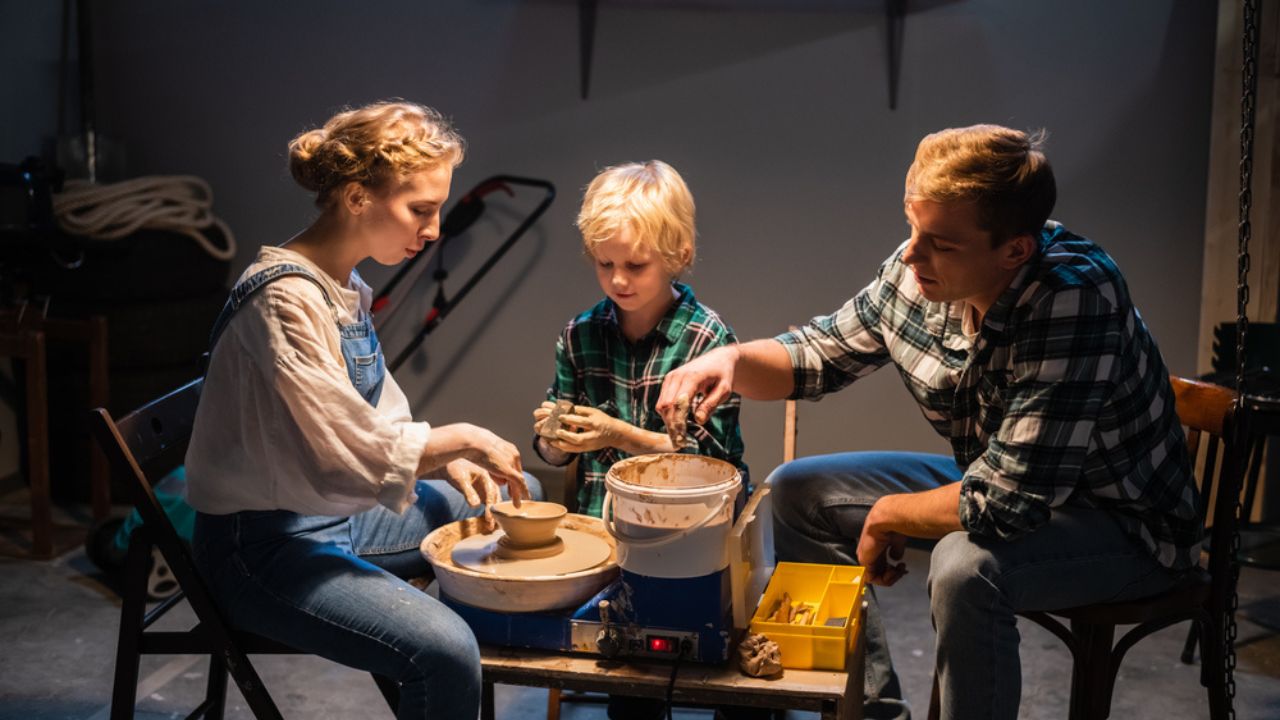
Pick a skill that no one in the family knows how to do and learn it together. It could be anything from learning to juggle, trying some basic magic tricks, or even learning a few phrases in a new language. This puts everyone on a level playing field as beginners.
There are books and kits available for almost any hobby. The process of learning, making mistakes, and improving together is a powerful bonding experience.
Quick Tips
- Knot Tying: A book on knots and a piece of rope can provide hours of practical fun.
- Magic Tricks: A simple card trick can make anyone feel like a magician.
- Juggling: Start with scarves, as they fall more slowly than balls.
17. Put on a Play or a Show

Putting on a play, show, or even karaoke is a great way to spend quality time together as a family. Write a short play, create a puppet show, or have a family talent show. This activity encourages creativity, public speaking, and collaboration. The play doesn’t need a complicated plot. It can be a silly story you make up on the spot.
Use costumes from your closet, create a stage with blankets, and make tickets for the big performance. The whole process, from writing to rehearsal to the final show, is packed with fun.
Quick Tips
- Puppet Show: Make simple puppets from paper bags or old socks.
- Talent Show: Everyone can showcase a talent, whether it’s singing, telling jokes, or doing a cartwheel.
- Improv Games: Play improv games where you have to act out a scene based on a suggestion.
18. Stargazing in the Backyard

On a clear night, head outside with a blanket and look up. Stargazing is a simple, peaceful activity that can spark wonder and curiosity. You don’t need a telescope to enjoy the night sky, though binoculars can help.
Download a stargazing app beforehand to help you identify constellations, planets, and stars (then put the phone away). Talk about space, aliens, and the vastness of the universe. It’s a humbling and connecting experience.
Quick Tips
- Find a Dark Spot: Get away from city lights if you can for a better view.
- Look for Meteor Showers: Check online for the dates of upcoming meteor showers.
- Bring Snacks: Hot chocolate makes everything better.
Make Time for Each Other

Putting down the screens can feel strange at first, but the rewards of being present with your family are immense. Let the family vote on the activity that sounds fun and give it a try. The point is not to perfectly execute a plan but to create space for connection.
Start by scheduling one hour of screen-free family time this week. Let everyone know the plan in advance, and consider allowing them to vote on the activity. The more you do it, the more natural it will become. You might find that the best entertainment doesn’t come with a screen at all.