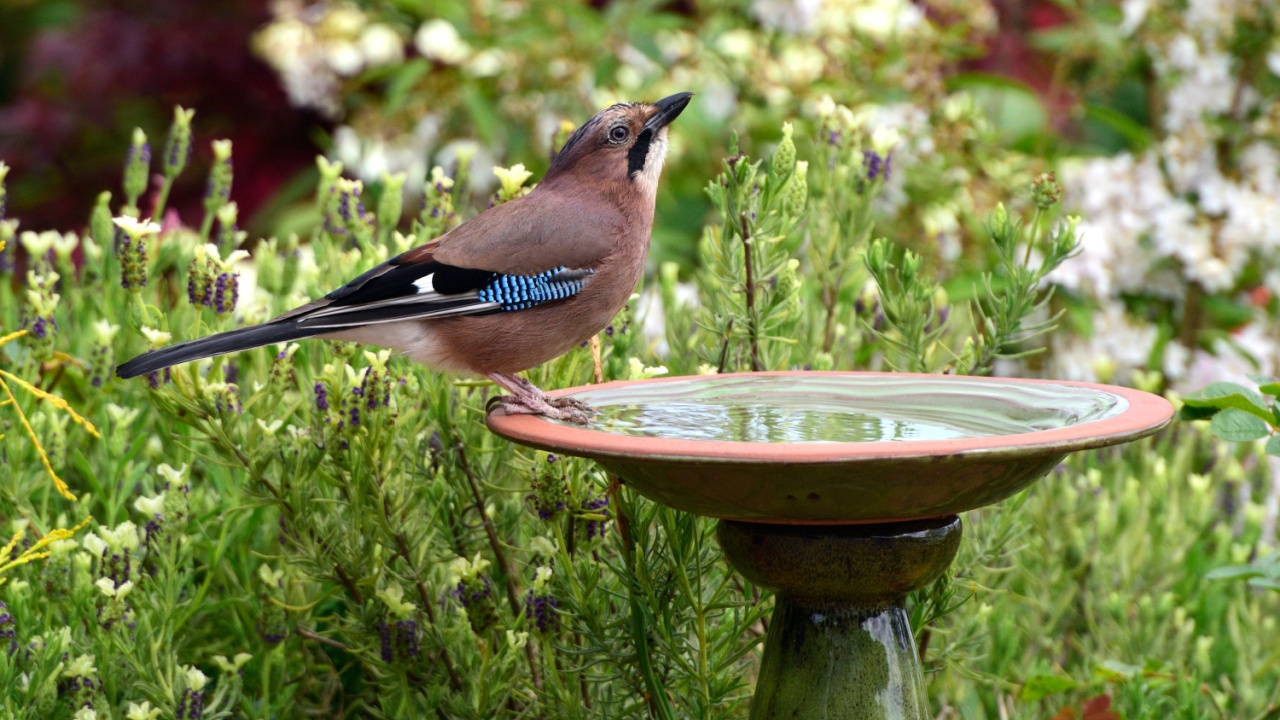
3 Tips for Buying a Birdbath They’ll Actually Love
Adding a birdbath to your garden is one of the most effective ways to transform your space into a lively sanctuary for feathered friends. While bird feeders attract seed-eaters, a source of fresh water invites a much wider variety of species to visit your yard for a drink or a quick dip. A well-chosen birdbath not only supports local wildlife but also adds a beautiful focal point to your landscape.
However, not all birdbaths are created equal in the eyes of a bird. Many designs that appeal to us might be impractical or even dangerous for them. To ensure your birdbath becomes a popular neighborhood hub instead of an empty decoration, you need to consider a few key features. This guide will walk you through what to look for when choosing a birdbath and how to maintain it, ensuring your backyard becomes a haven for birds all year long.
1. Choose the Right Depth and Slope
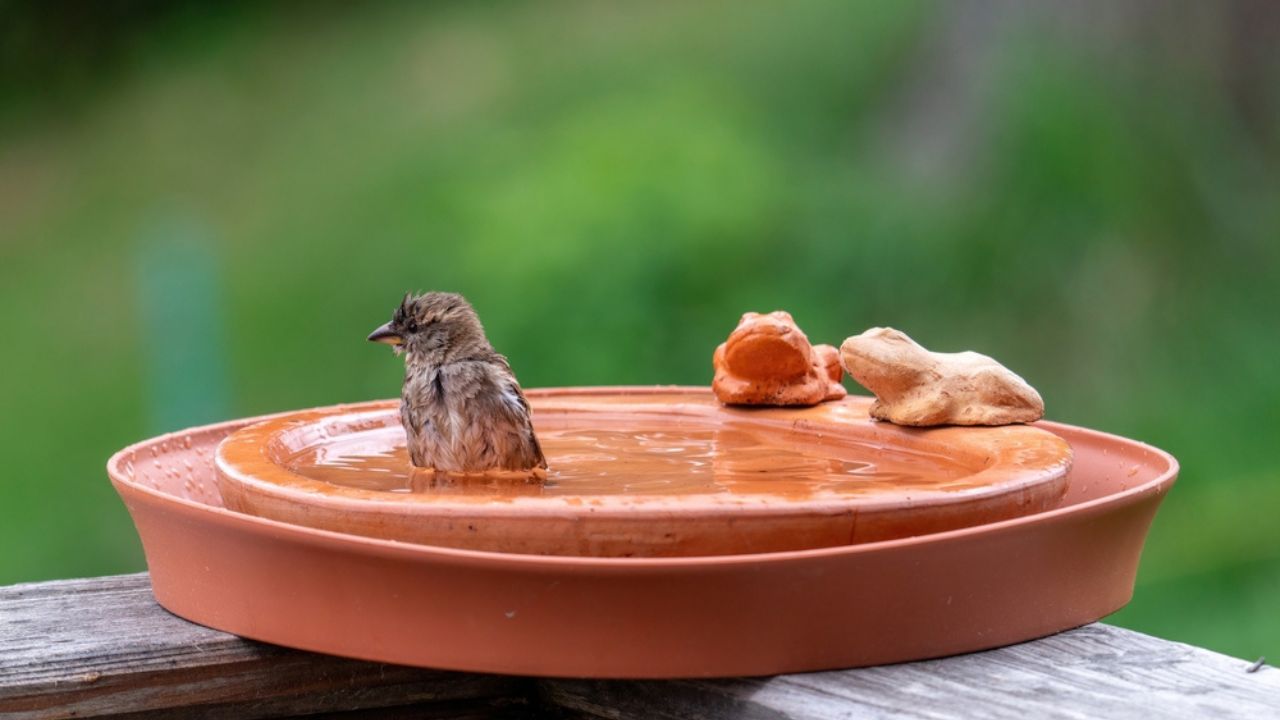
One of the most common reasons birds ignore a birdbath is that it’s too deep. Birds are cautious creatures and need to feel safe when they bathe. A basin with steep sides and deep water feels like a trap. Most songbirds prefer very shallow water where they can wade in comfortably without the risk of drowning.
A birdbath with a gentle, gradual slope from the edge to the center mimics the natural shores of a puddle or stream. This allows birds to stand at the edge and slowly walk into the water to a depth they are comfortable with. The ideal depth should be no more than one inch at the edges, deepening to a maximum of two inches in the very center. Anything deeper will deter smaller birds, which make up the majority of garden visitors. A shallow, sloped basin provides them the security they need to drink, preen, and cool off.
Actionable Tips:
- Look for Saucer Shapes: When shopping, prioritize birdbaths with wide, shallow, saucer-like basins over deep bowls.
- Check the Depth: Aim for a depth of 1-2 inches. If a bath is too deep, you can easily modify it.
- Modify an Existing Bath: If your current birdbath is too deep, add a layer of flat stones, pea gravel, or a large, flat rock in the center. This creates shallow areas and safe perches.
- Create a DIY Bath: A large plant saucer or a shallow terracotta dish placed on the ground or on a stand makes an excellent and affordable birdbath.
2. Pay Attention to Height and Location
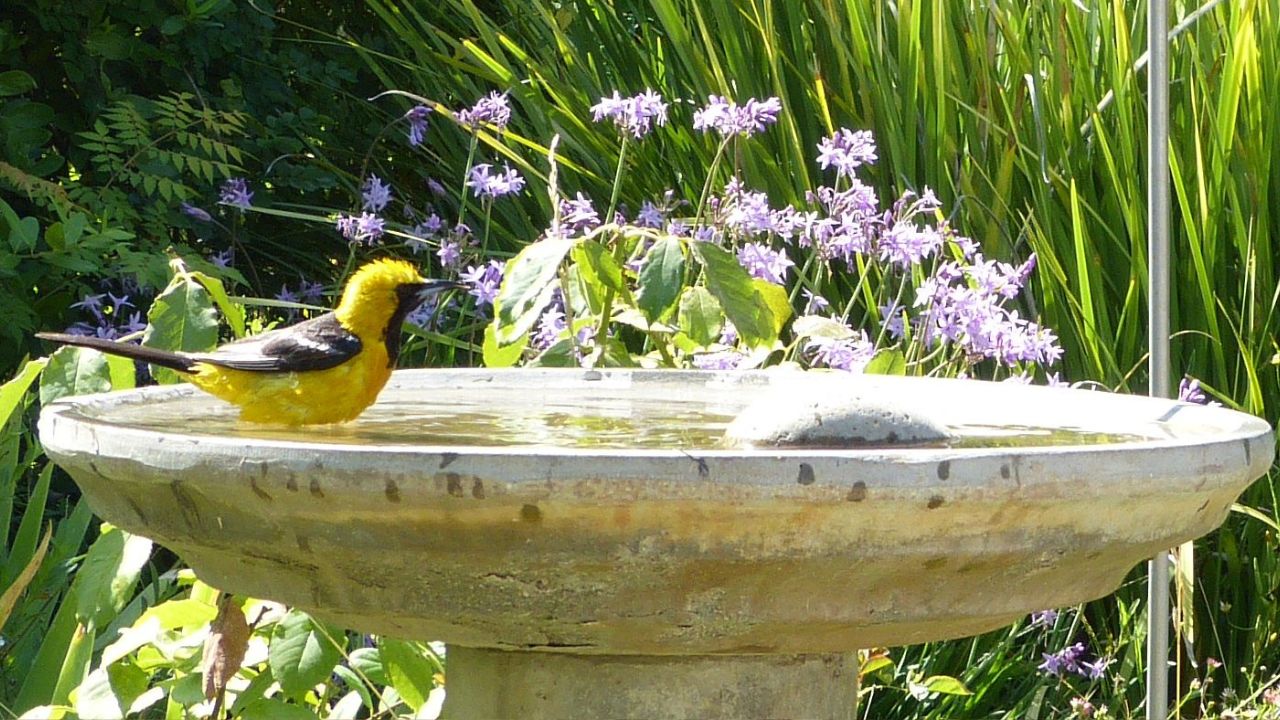
Where you place your birdbath is just as important as its design. Birds need to feel safe from predators, both on the ground and in the air. A birdbath placed in the middle of a wide-open lawn might leave them feeling exposed and vulnerable. Conversely, one hidden too deep in dense shrubbery could provide cover for predators like cats to launch a surprise attack.
The ideal location strikes a balance between safety and accessibility. Place your birdbath near trees or shrubs, about 10-15 feet away, so birds have a quick escape route. These nearby branches also serve as a safe place for them to perch and preen their feathers after bathing. Different heights also attract different types of birds. Traditional pedestal baths, about two to three feet high, are great for attracting a wide variety of songbirds. However, some species like robins and ground-feeding birds prefer baths placed at ground level. Placing your bath in a shaded or partially shaded area will also help keep the water cool and slow down evaporation on hot days.
Actionable Tips:
- Provide Cover Nearby: Position your birdbath within a short flight of trees or shrubs to give birds a safe retreat.
- Avoid Ambush Spots: Don’t place the bath directly under dense bushes where predators can hide.
- Consider Multiple Heights: If you have space, try offering both a ground-level bath and a pedestal-style one to attract a greater variety of species.
- Choose a Shaded Spot: Locating your birdbath in partial shade keeps the water refreshingly cool for visitors.
3. Ensure a Safe, Grippable Surface
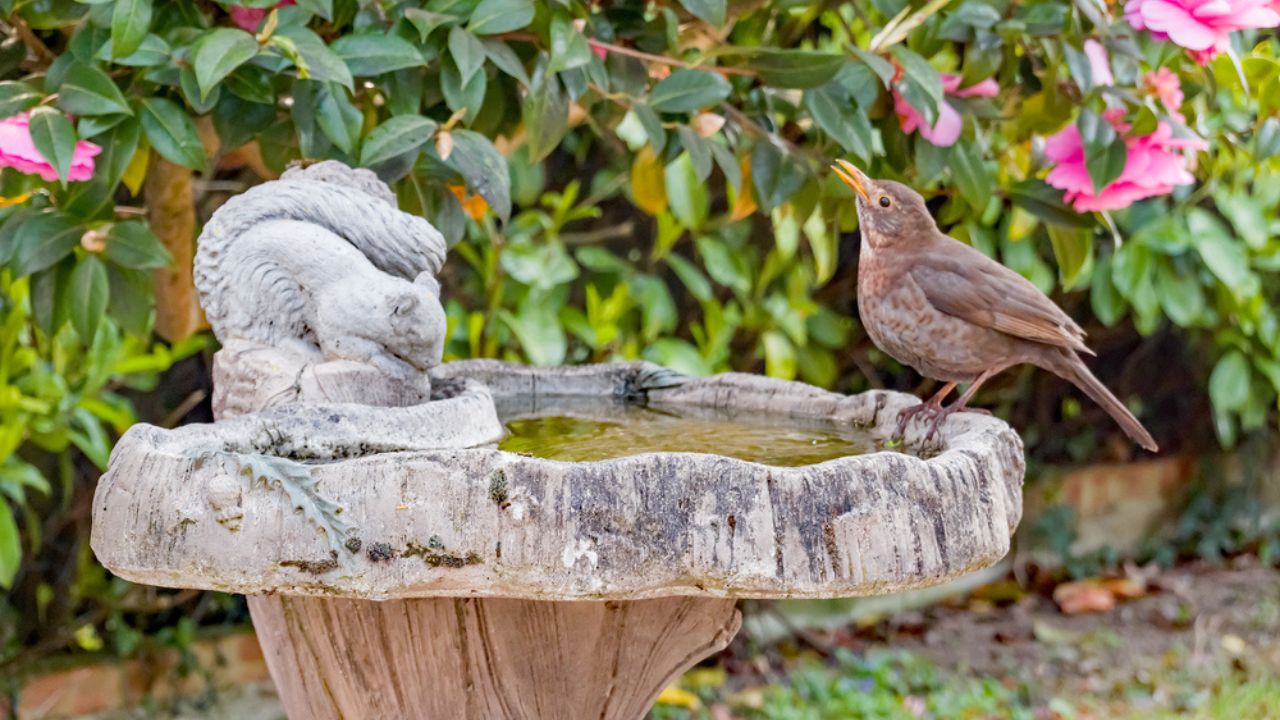
Have you ever tried to stand on a slippery, wet surface? It’s difficult and unnerving. Birds feel the same way. Many commercially available birdbaths, especially glazed ceramic or smooth plastic models, are too slick for birds to get a secure footing. When their feet can’t grip the bottom, they are less likely to enter the water.
Look for materials that offer a naturally textured surface. Concrete, stone, and unglazed terracotta are excellent choices because they provide inherent grip. Some modern resin or plastic birdbaths are designed with a textured, matte finish to solve this problem. A rough surface gives birds the confidence to move around in the water without fear of slipping. If you already own a birdbath with a slippery basin, don’t worry, it’s an easy fix. Adding materials to the bottom can instantly make it more inviting.
Actionable Tips:
- Select Textured Materials: Prioritize birdbaths made from concrete, stone, or other materials with a rough finish.
- Avoid Glazed Surfaces: Be wary of highly glazed ceramic or smooth plastic basins, as they can be too slippery.
- Add Your Own Grip: Glue down a few small, flat stones or pieces of tile to the bottom of a slippery basin using a waterproof, non-toxic silicone adhesive.
- Use Natural Additives: Simply placing a layer of sand or pea gravel in the bottom of the bath is an effective, non-permanent way to add texture and make birds feel more secure.
Choosing a Birdbath They’ll Love
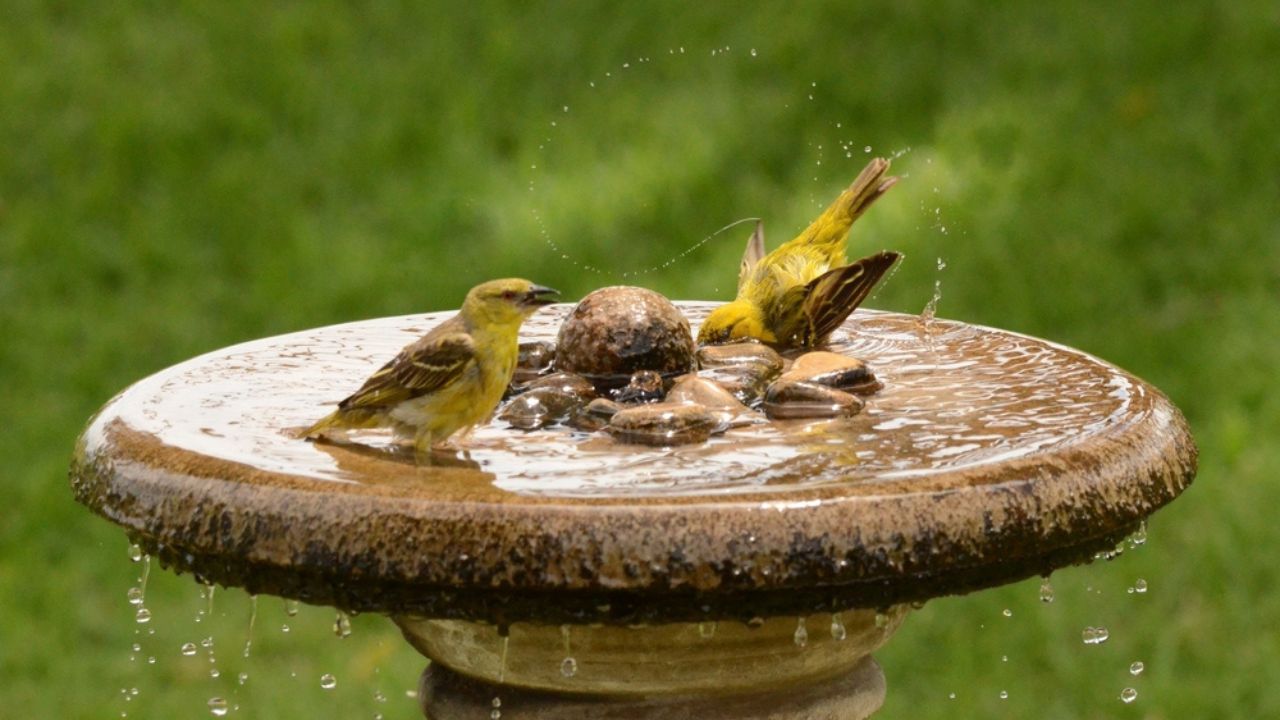
Now that you know what makes a birdbath irresistible, you can take action. Start by evaluating your current setup or planning your new purchase with these principles in mind. Remember that the key is to create an environment that feels safe and natural (including plants they love).
Your next step is to commit to maintenance. A birdbath is only as good as the water in it. Be sure to change the water every one to two days to prevent the spread of bacteria and keep mosquitoes from breeding. Give the basin a good scrub once a week with a stiff brush and a simple solution of one part vinegar to nine parts water. With a little effort, your birdbath will become the most popular spot in the neighborhood, providing endless hours of enjoyment as you watch your garden come to life.