13 Plants You Shouldn’t Prune in Fall for a Better Ecosystem
Fall garden cleanup can feel like a race against winter—raking leaves, cutting back perennials, and tidying up before the snow flies. But before you grab those pruning shears, pause. Some plants are best left alone during autumn, and cutting them back could actually harm your garden’s ecosystem and next year’s display.
Many gardeners don’t realize that fall pruning can rob wildlife of essential food sources, eliminate natural reseeding opportunities, and even damage plants that need their foliage for winter protection. Instead of following a one-size-fits-all approach to fall cleanup, learning which plants to leave standing creates a garden that supports local wildlife while reducing your workload.
Extension sites like the University of Illinois remind us that the plants on this list serve important ecological functions during fall and winter. Their seed heads feed birds, their stems provide shelter for beneficial insects, and their roots benefit from the energy stored in above-ground foliage. Some even continue blooming well into fall, providing late-season nectar when few other flowers remain.
1. Coneflower (Echinacea)
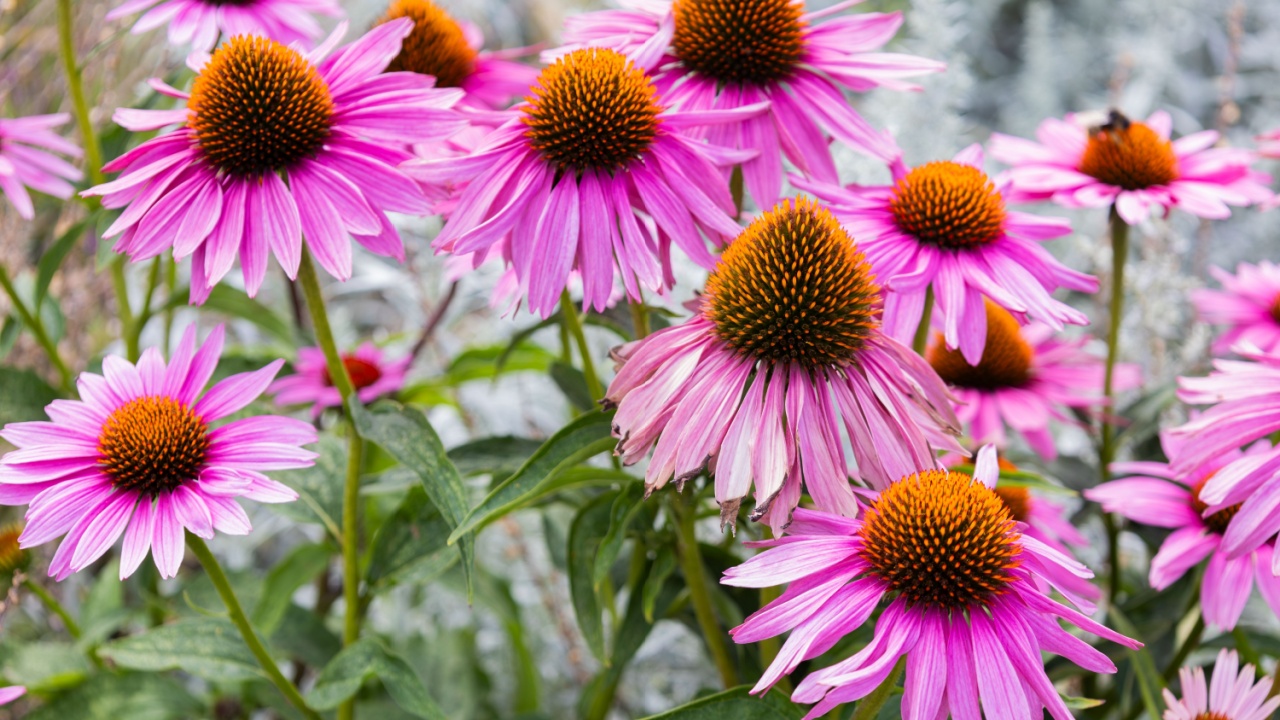
Coneflowers transform from summer showstoppers into winter wildlife cafeterias. As their vibrant petals fade, they develop cone-shaped seed heads packed with nutritious seeds that goldfinches, chickadees, and other birds depend on during harsh winter months. The sturdy stems also provide perches for birds and shelter for beneficial insects.
Cutting back coneflowers in fall eliminates this crucial food source right when wildlife needs it most. The plant’s crown also benefits from the insulation provided by its foliage, helping it survive temperature fluctuations.
Quick Care Guide:
- Zone: 3–9
- Size: 2–4 feet tall, 18–30 inches wide
- Light/Soil: Full sun, well-drained soil
- Next Steps: Leave seed heads through winter, then cut back in late February or early March before new growth begins
2. Black-Eyed Susan (Rudbeckia)
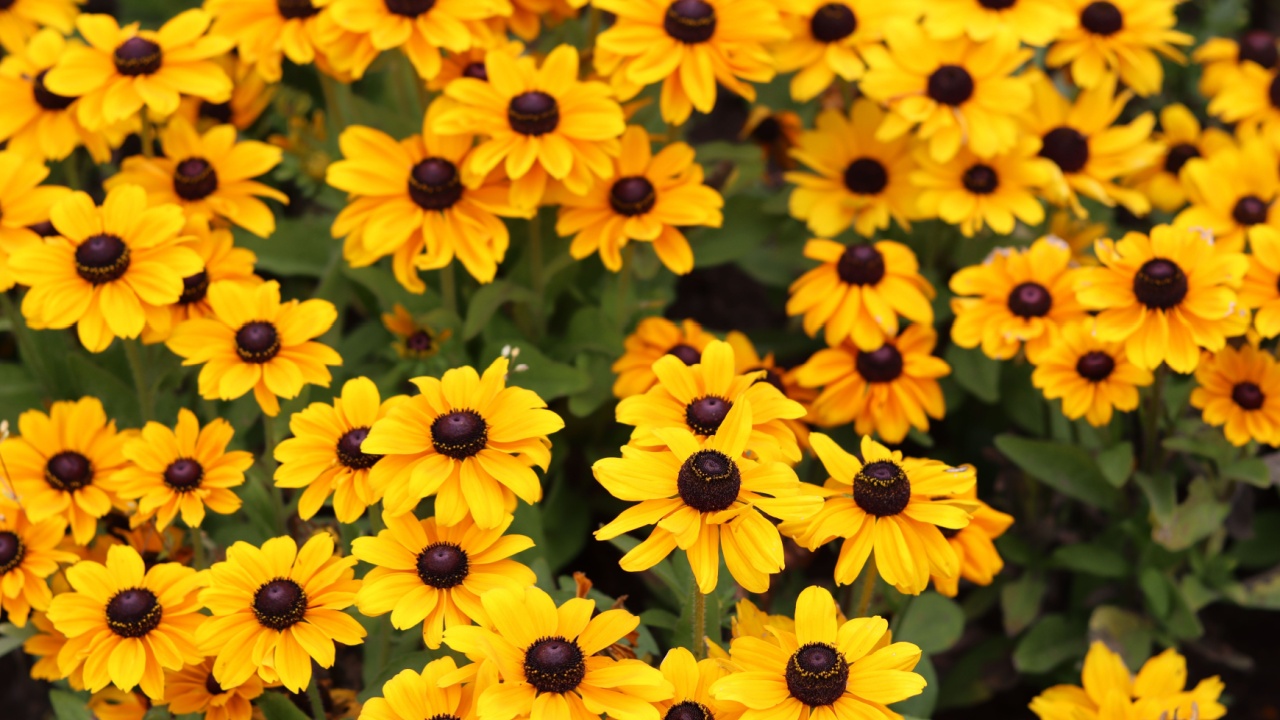
These cheerful yellow flowers continue their garden contribution long after their petals drop. Black-eyed Susans develop dark seed heads that attract finches, nuthatches, and other seed-eating birds. The seeds also fall naturally, creating new plants in unexpected garden spots.
Fall pruning removes both the wildlife value and reseeding potential. The dried stems add vertical interest to winter gardens and catch snow beautifully, creating striking silhouettes against evergreen backgrounds.
Quick Care Guide:
- Zone: 3–9
- Size: 2–3 feet tall, 18–24 inches wide
- Light/Soil: Full sun to partial shade, average well-drained soil
- Next Steps: Allow seeds to ripen fully before birds harvest them. Cut back in early spring and divide every 3–4 years
3. Sedum (Stonecrop)
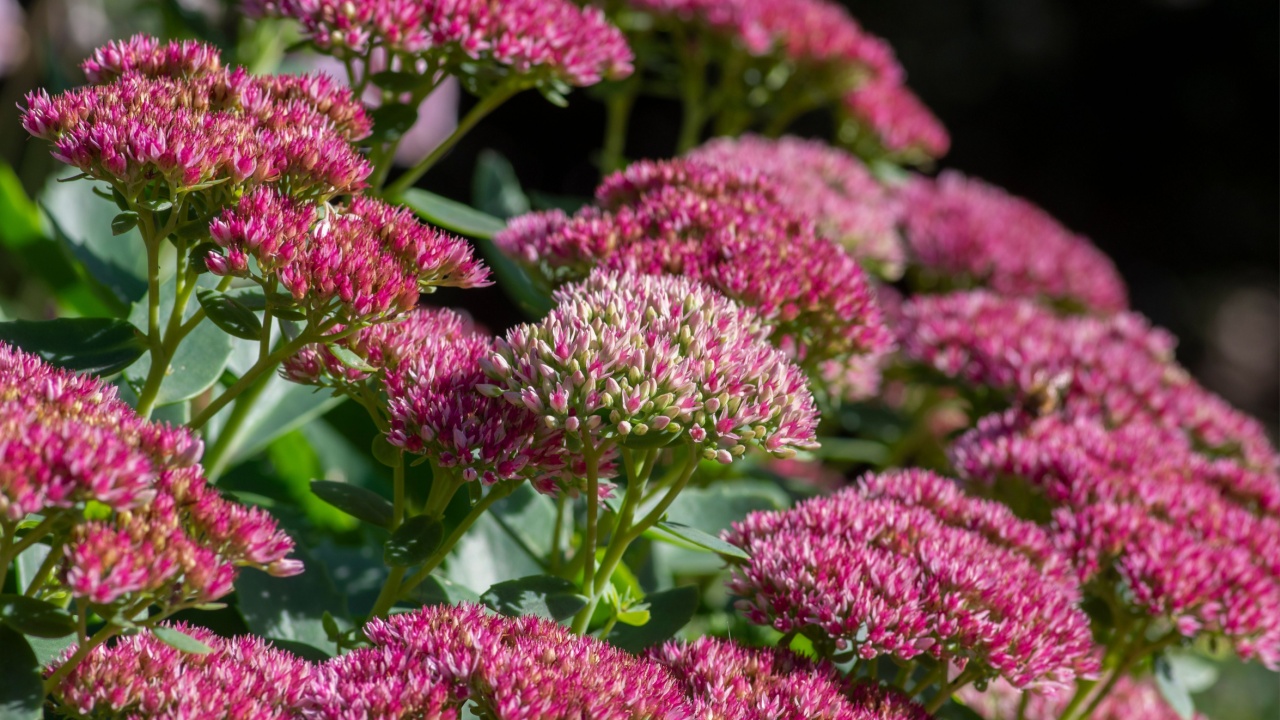
Sedums earn their keep year-round, but fall is when they truly shine. Their succulent flower clusters remain architectural and beautiful well into winter, providing texture and form when other plants have faded. These hardy perennials store energy in their thick leaves and stems, which they need to survive winter.
The flower heads also offer late-season nectar and eventual seeds for wildlife. Cutting them back in the fall forces the plant to use stored energy for new growth at the wrong time of year.
Quick Care Guide:
- Zone: 3–10 (varies by species)
- Size: 12–24 inches tall, 12–24 inches wide
- Light/Soil: Full sun, well-drained to dry soil
- Next Steps: Enjoy the winter structure, then cut back old flower stalks in spring before new growth emerges
4. Asters
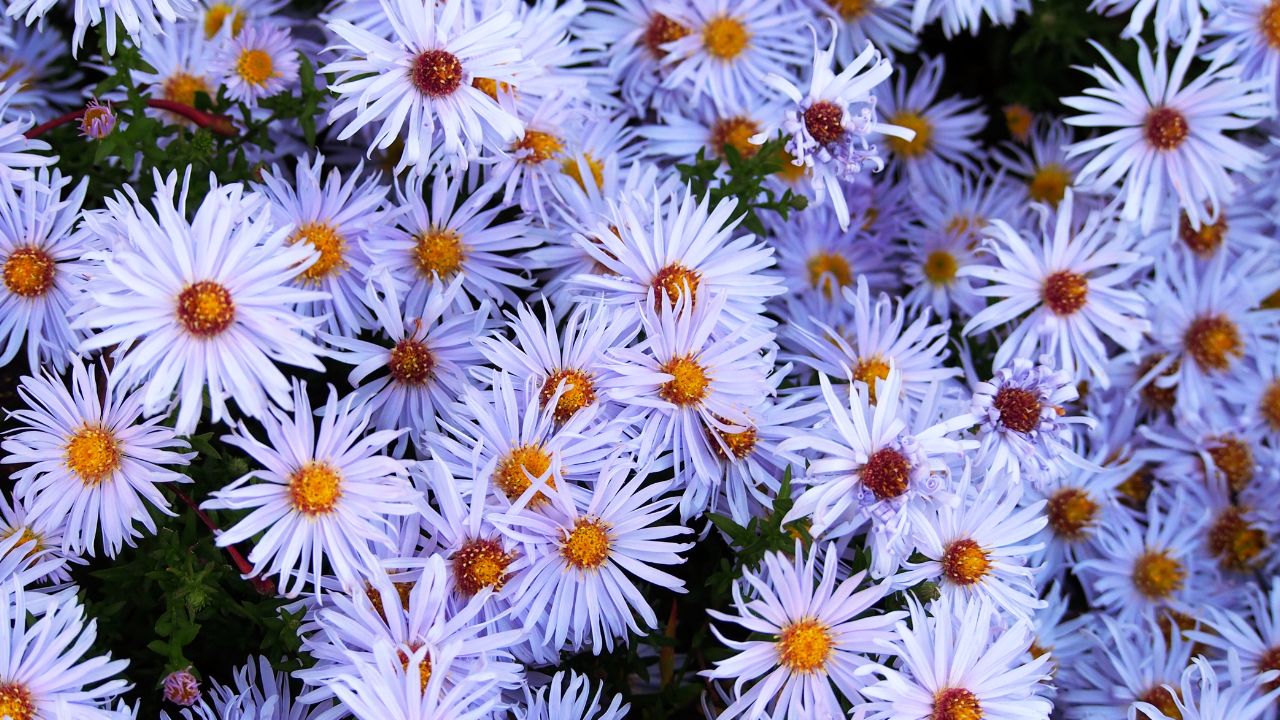
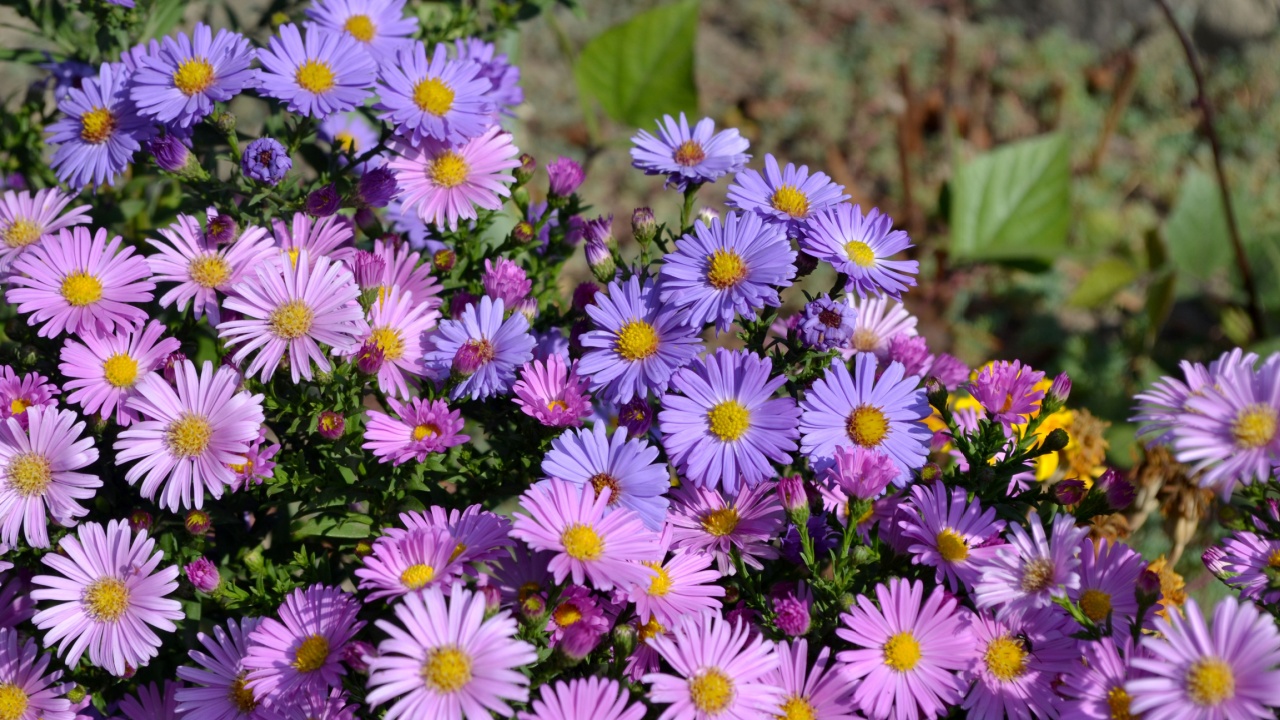
Fall-blooming asters provide some of the season’s most important pollinator resources. These native wildflowers offer nectar when most other flowers have finished, supporting migrating butterflies and late-foraging bees. Their fluffy seed heads later feed goldfinches and provide nesting material for birds.
Asters also spread through underground rhizomes, and the energy stored in their fall foliage helps fuel this natural expansion. Early pruning weakens the entire colony.
Quick Care Guide:
- Zone: 3–8 (varies by species)
- Size: 1–6 feet tall, 1–3 feet wide
- Light/Soil: Full sun to partial shade, moist, fertile soil
- Next Steps: Stake tall varieties if needed, but leave flower heads for wildlife. Cut back in spring and divide every 3 years
5. Bee Balm (Monarda)
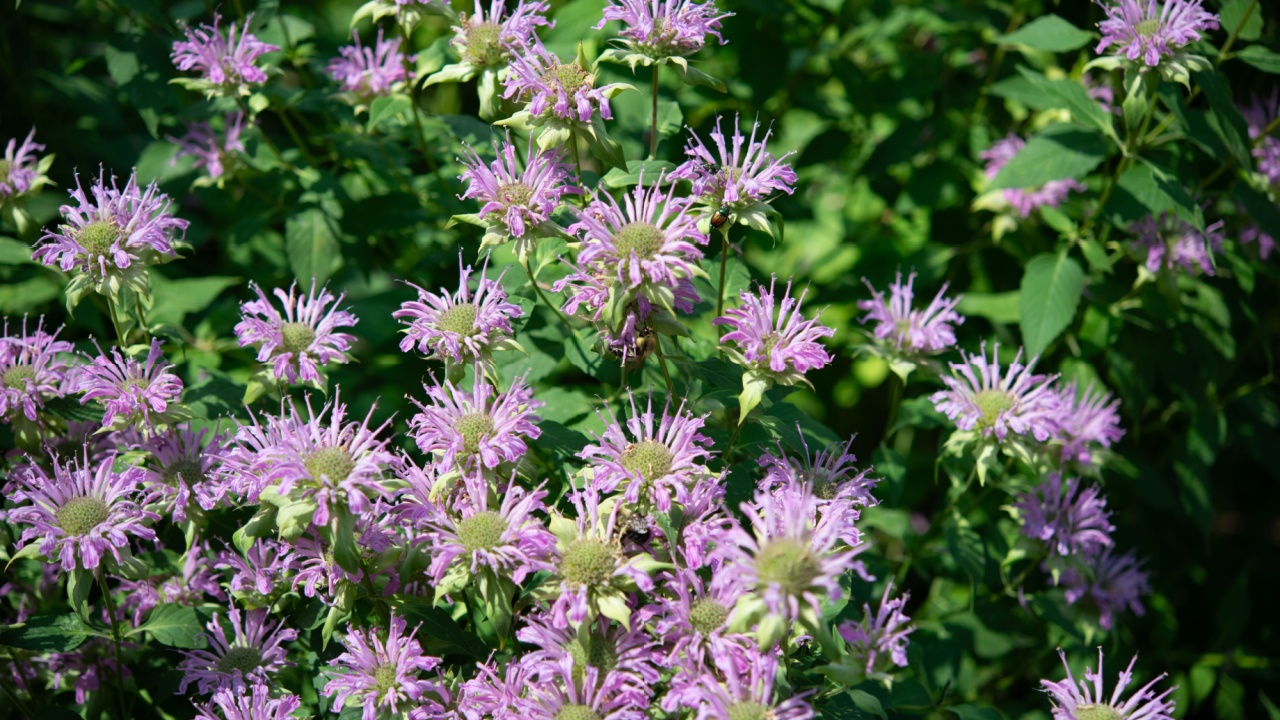
Despite its name, bee balm attracts far more than bees. Hummingbirds, butterflies, and other pollinators visit its tubular flowers, while birds later harvest the seeds from spent flower heads. The plant’s strong fragrance also helps deter garden pests naturally.
Bee balm’s hollow stems provide overwintering sites for beneficial insects like native bees. Cutting these stems in the fall eliminates important habitat just when insects need shelter most.
Quick Care Guide:
- Zone: 4–9
- Size: 2–4 feet tall, 18–36 inches wide
- Light/Soil: Full sun to partial shade, moist, well-drained soil
- Next Steps: Remove some spent flowers duringthe growing season to prevent excessive self-seeding, but leave the final flush for wildlife
6. Goldenrod (Solidago)
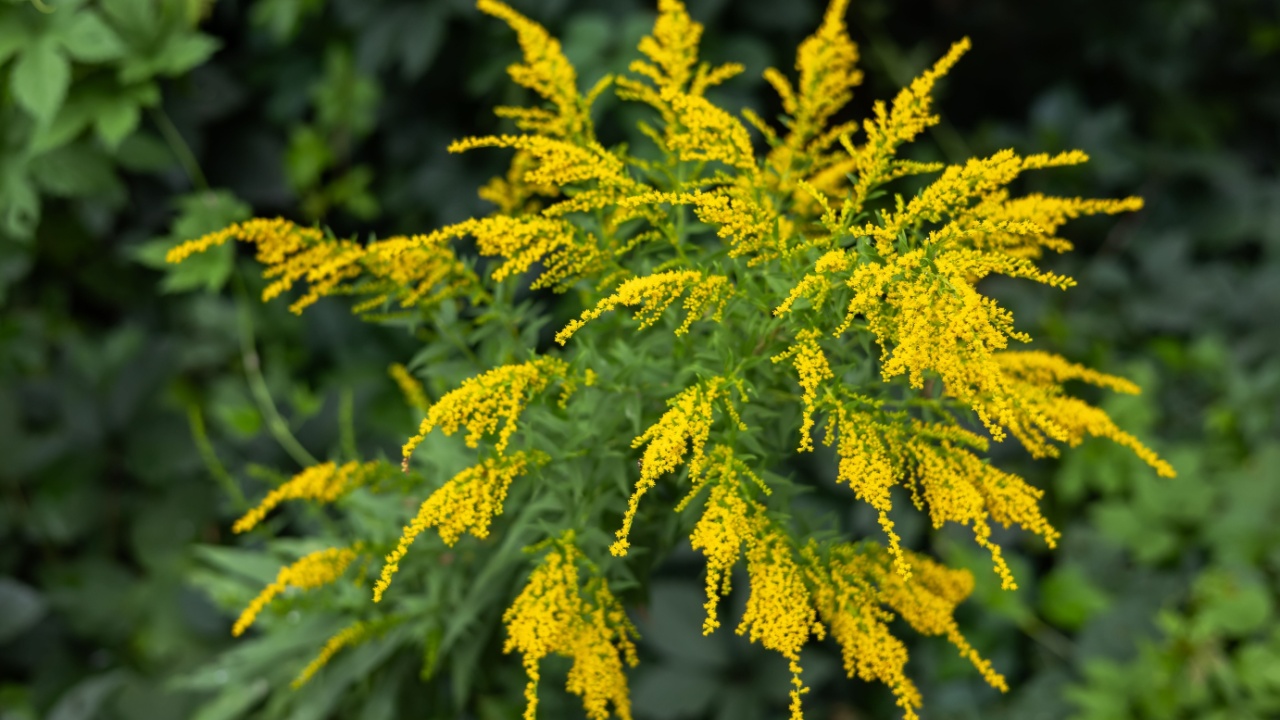
Often blamed for fall allergies (ragweed is the real culprit), goldenrod deserves a place in every wildlife garden. Its bright yellow plumes provide crucial late-season nectar for monarch butterflies preparing for migration, plus over 100 species of native bees and other pollinators.
The feathery seed heads that follow feed numerous bird species and create striking winter displays. Goldenrod’s deep roots also help prevent soil erosion during winter storms.
Quick Care Guide:
- Zone: 3–9
- Size: 2–5 feet tall, 1–3 feet wide
- Light/Soil: Full sun, adaptable to many soil types
- Next Steps: Plant in contained areas if worried about spread. Cut back in late winter to make room for spring growth
7. Russian Sage (Perovskia)
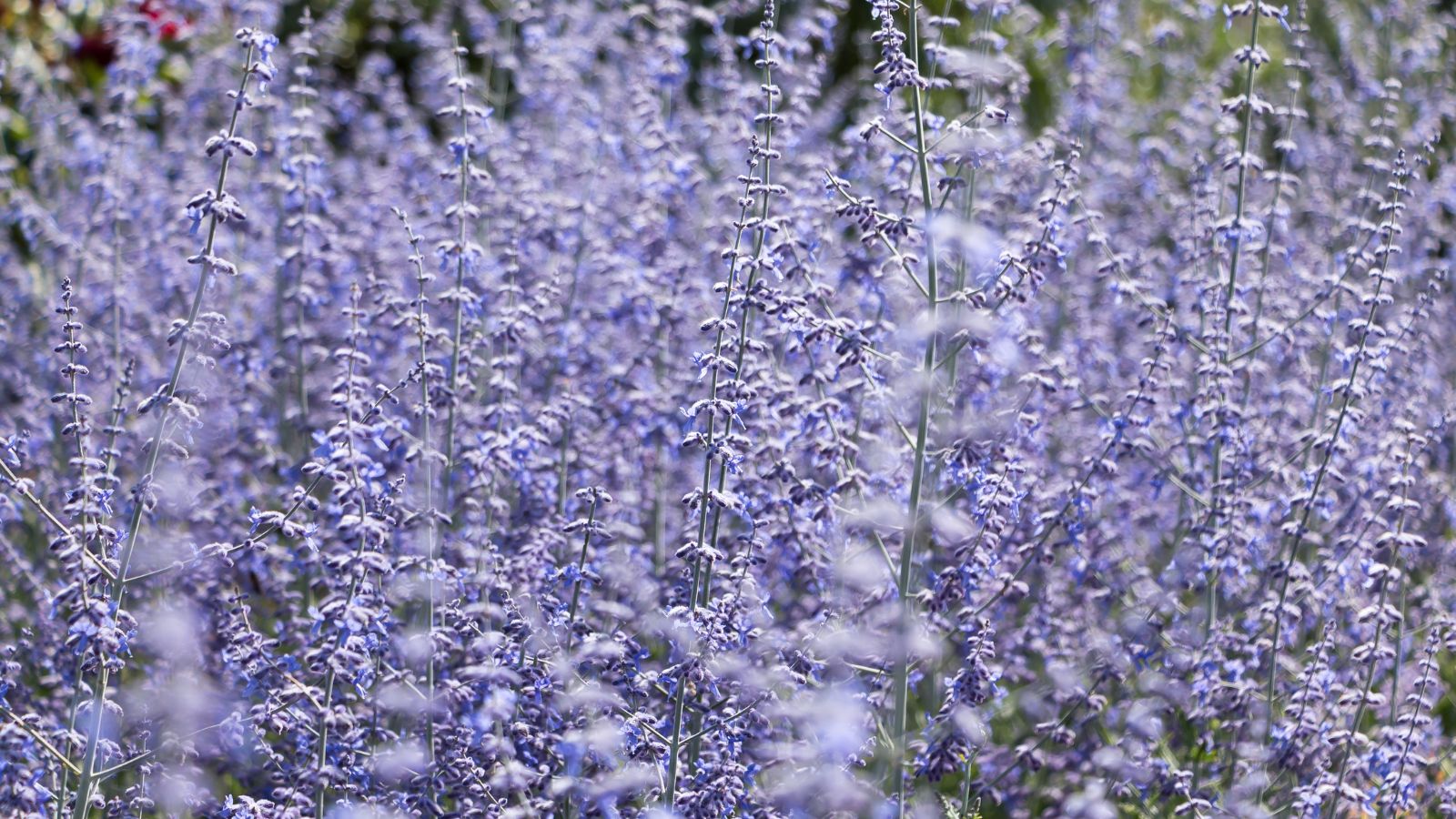
This drought-tolerant perennial offers months of lavender-blue flowers that bees and butterflies adore. The silvery foliage and airy flower spikes create beautiful winter structure, especially when covered with frost or snow. The woody stems also provide nesting sites for cavity-nesting bees.
Russian sage stores energy in its woody base during fall, preparing for next year’s growth. Premature pruning forces the plant to redirect energy at a critical time.
Quick Care Guide:
- Zone: 4–9
- Size: 3–5 feet tall, 2–4 feet wide
- Light/Soil: Full sun, well-drained soil
- Next Steps: Enjoy the winter architecture, then cut back hard in early spring to promote bushy new growth
8. Yarrow (Achillea)
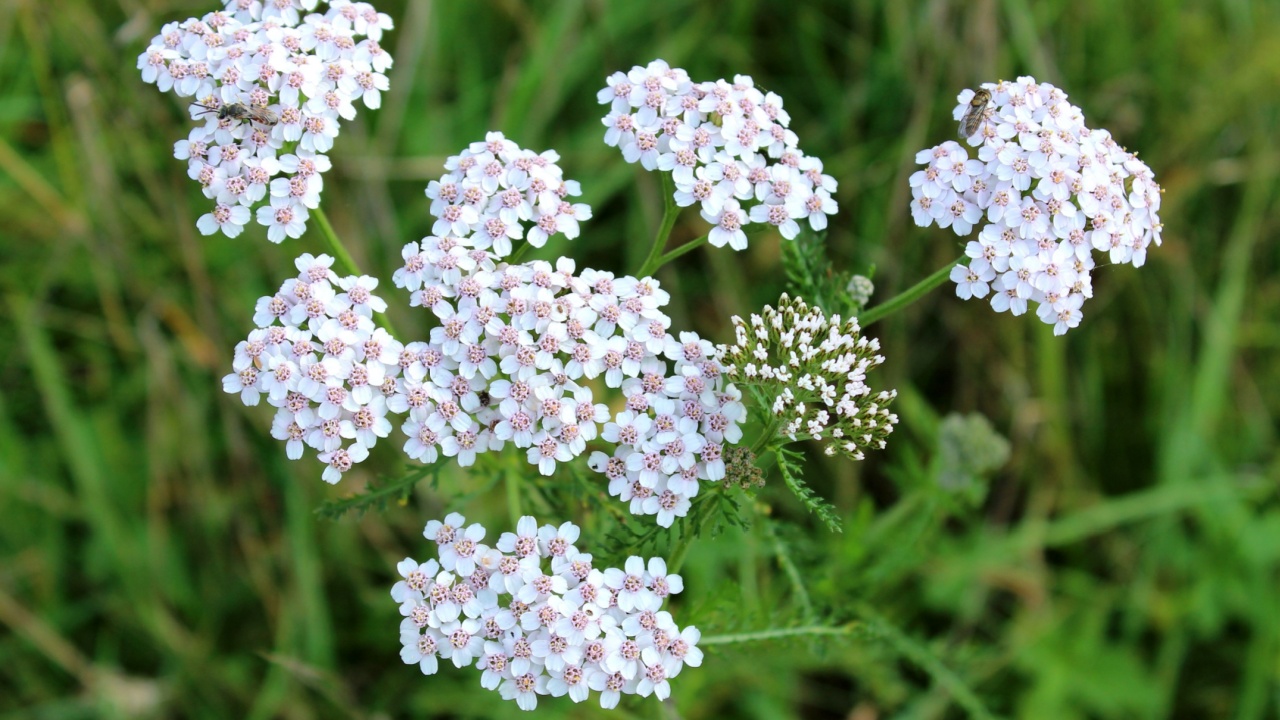
Yarrow‘s flat-topped flower clusters dry naturally into long-lasting seed heads that birds love. The seeds are particularly important for ground-feeding birds like juncos and sparrows. The plant’s ferny foliage also provides shelter for beneficial insects.
This tough perennial uses its fall foliage to build energy reserves for winter survival and early spring growth. The dried flower heads also make excellent additions to dried flower arrangements.
Quick Care Guide:
- Zone: 3–9
- Size: 1–4 feet tall, 1–2 feet wide
- Light/Soil: Full sun, well-drained soil
- Next Steps: Harvest some flowers for indoor arrangements while leaving others for wildlife. Divide clumps every 3–4 years
9. Joe Pye Weed (Eutrochium)
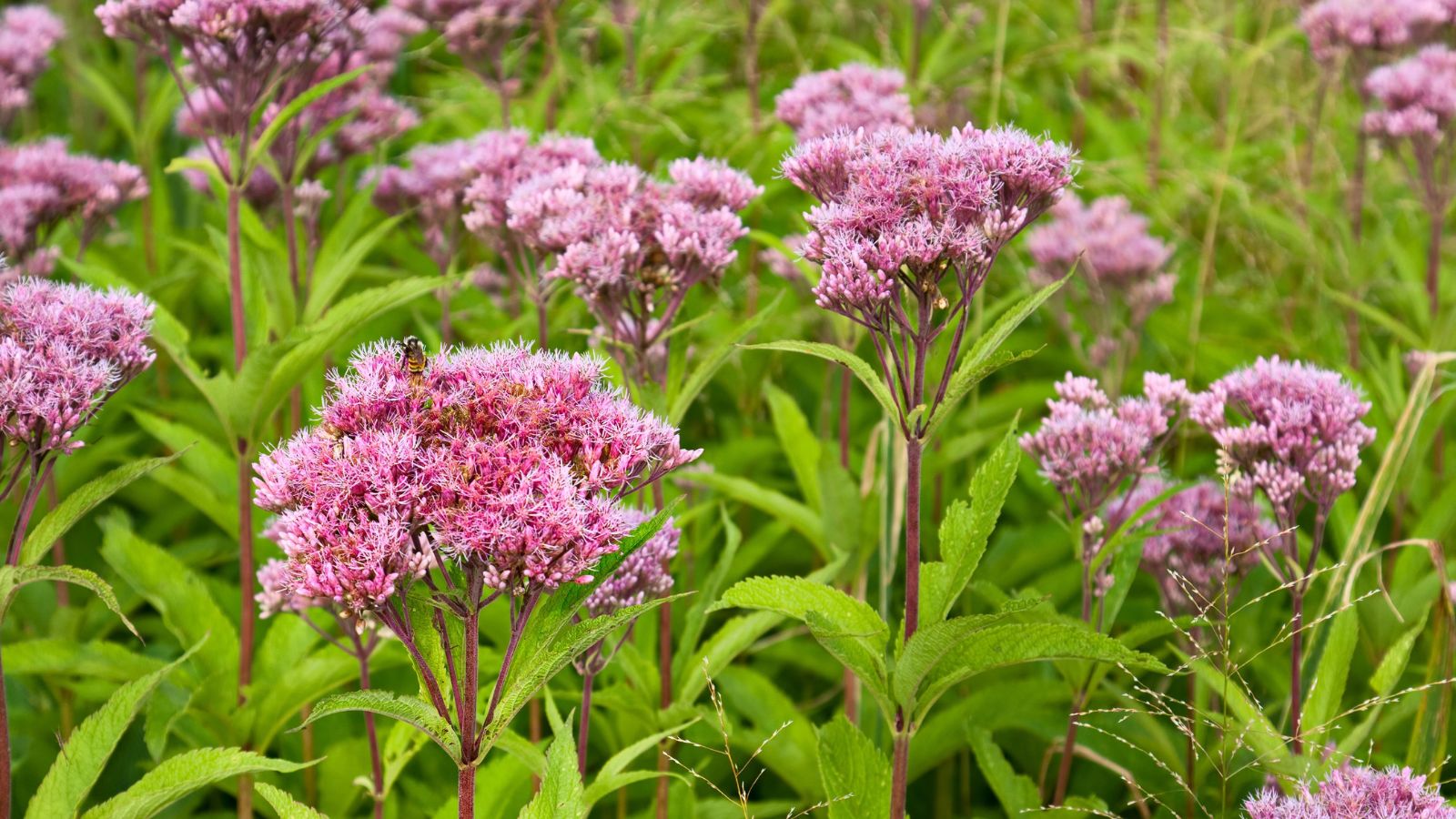
Don’t let the name fool you—Joe Pye weed is a pollinator powerhouse. Its massive flower heads can support dozens of butterflies at once, including monarchs, swallowtails, and native skippers. The fluffy seed heads that follow provide food for goldfinches and other seed-eating birds.
This tall native also creates valuable vertical habitat in the winter garden. Its sturdy stems support bird nests and provide wind protection for smaller plants nearby.
Quick Care Guide:
- Zone: 3–9
- Size: 4–7 feet tall, 2–4 feet wide
- Light/Soil: Full sun to partial shade, moist to wet soil
- Next Steps: Stake if necessary in windy locations. Cut back in spring before new growth begins. Divide every 4–5 years
10. Ornamental Grasses
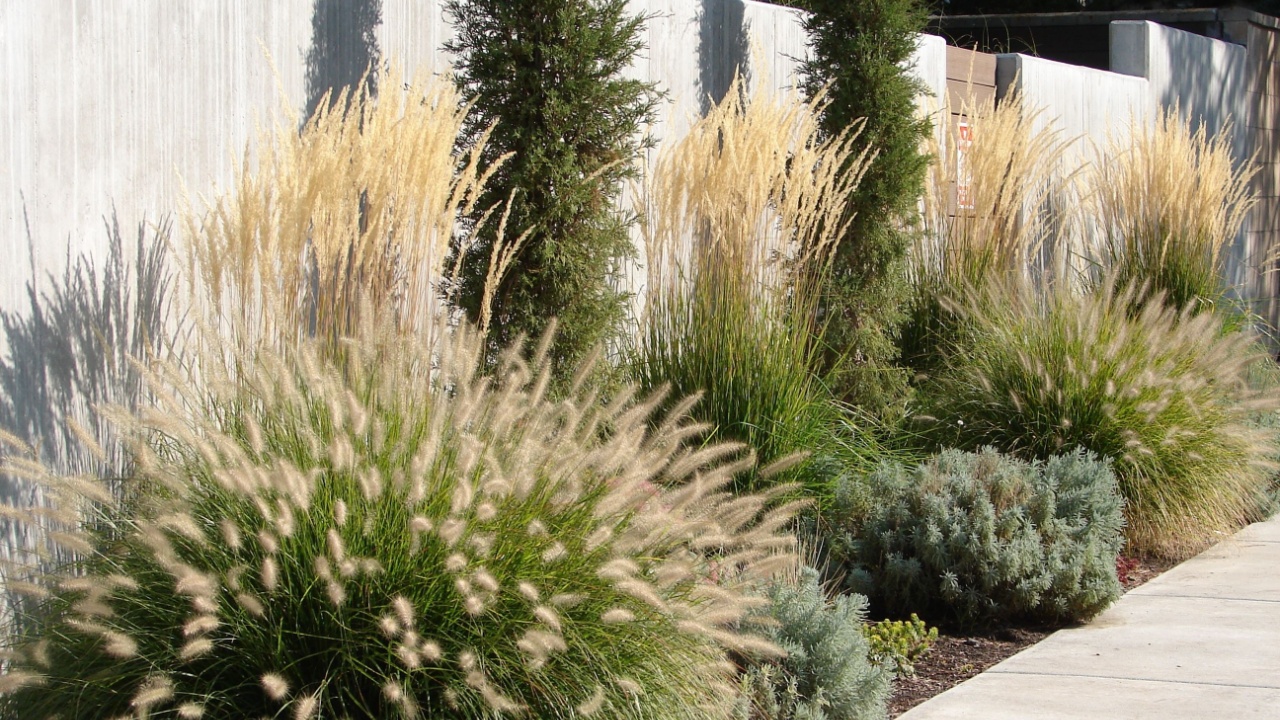
Most ornamental grasses reach their peak beauty in fall and winter. Their seed heads feed birds, their foliage provides nesting material, and their clumping growth habit offers shelter for small wildlife. The movement and sound of grasses in winter wind also adds sensory interest to dormant gardens.
Fall-cut grasses often produce weak spring growth because they haven’t had time to move energy down to their root systems. Many species also self-clean naturally, dropping seeds and dead foliage on their own schedule.
Quick Care Guide:
- Zone: Varies by species (3–10)
- Size: 1–12 feet tall, 1–6 feet wide
- Light/Soil: Full sun to partial shade, varies by species
- Next Steps: Bundle tall grasses if they threaten to flatten smaller plants. Cut back in late winter or early spring
11. Sunflowers (Helianthus)
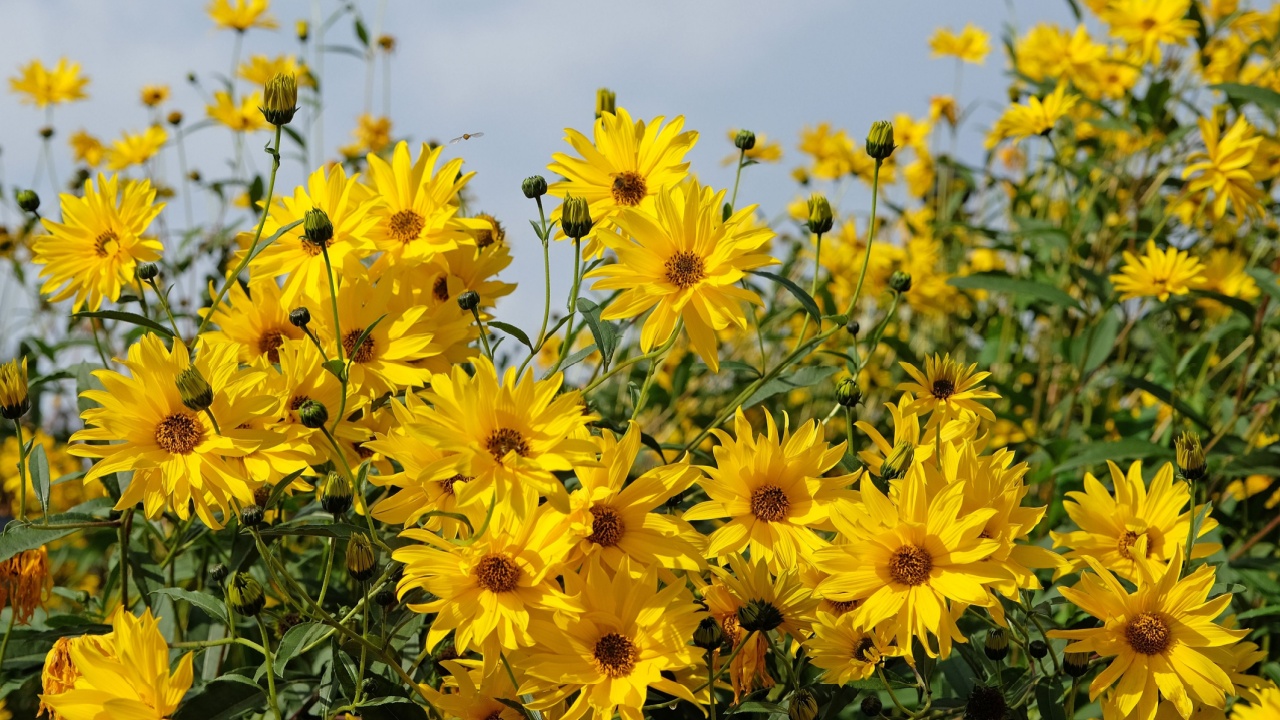
Both annual and perennial sunflowers provide massive amounts of bird food when their seed heads mature. A single large sunflower head can contain over 1,000 seeds, feeding multiple bird families throughout winter. The thick stalks also provide nesting sites for tunnel-nesting bees.
Cutting sunflowers before seeds mature wastes their primary ecological benefit. Even after birds have harvested most seeds, the remaining stalks provide structure and wildlife habitat.
Quick Care Guide:
- Zone: Annual varieties grown everywhere; perennial species zones 4–9
- Size: 2–12 feet tall, 1–3 feet wide
- Light/Soil: Full sun, fertile well-drained soil
- Next Steps: Leave heads attached until birds have harvested seeds. Save some seeds for next year’s planting
12. Purple Coneflower Relatives (Ratibida, Echinacea species)
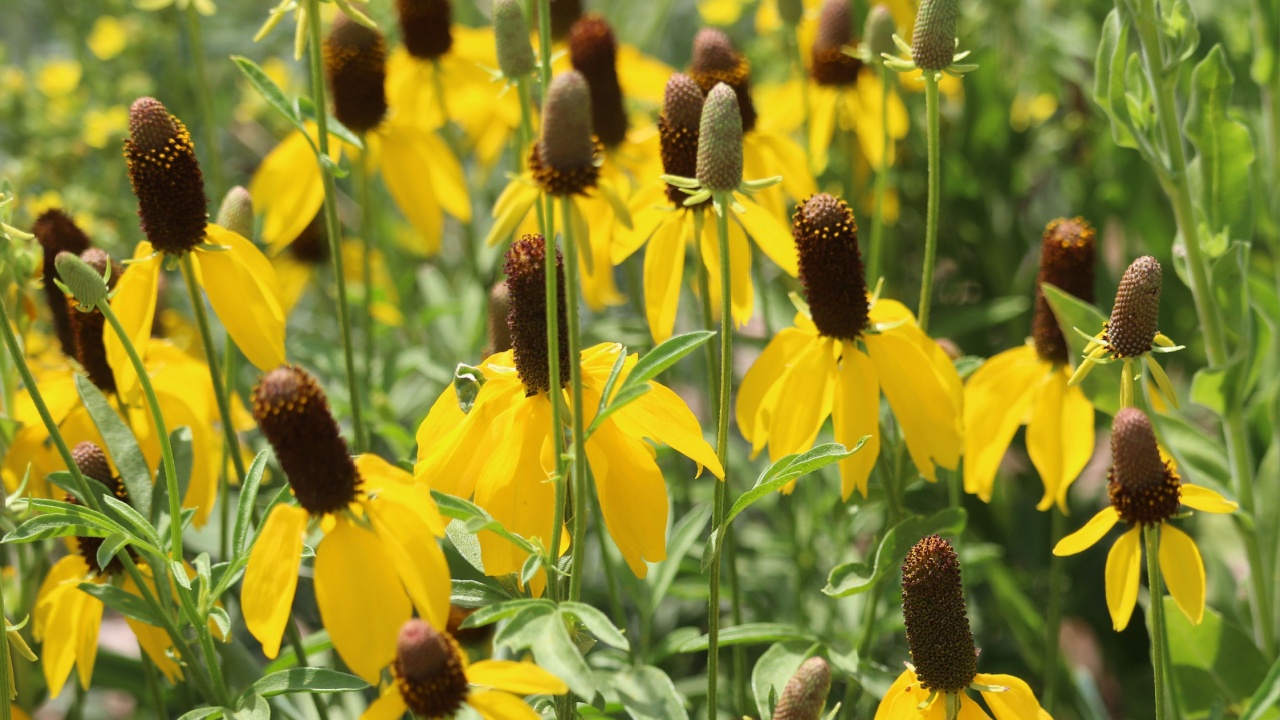
Plants closely related to purple coneflower, including prairie coneflower (Ratibida) and other Echinacea species, share the same wildlife value. Their prominent seed heads feed birds through winter while their deep taproots help prevent soil erosion.
These prairie natives have evolved to withstand harsh winters with their foliage intact. The dried stems and leaves provide insulation for the crown and create habitat for beneficial insects.
Quick Care Guide:
- Zone: 3–9 (varies by species)
- Size: 1–5 feet tall, 1–2 feet wide
- Light/Soil: Full sun, well-drained soil
- Next Steps: Allow natural reseeding for increased populations. Cut back in spring and divide every 3–4 years
13. Lavender (Lavandula)
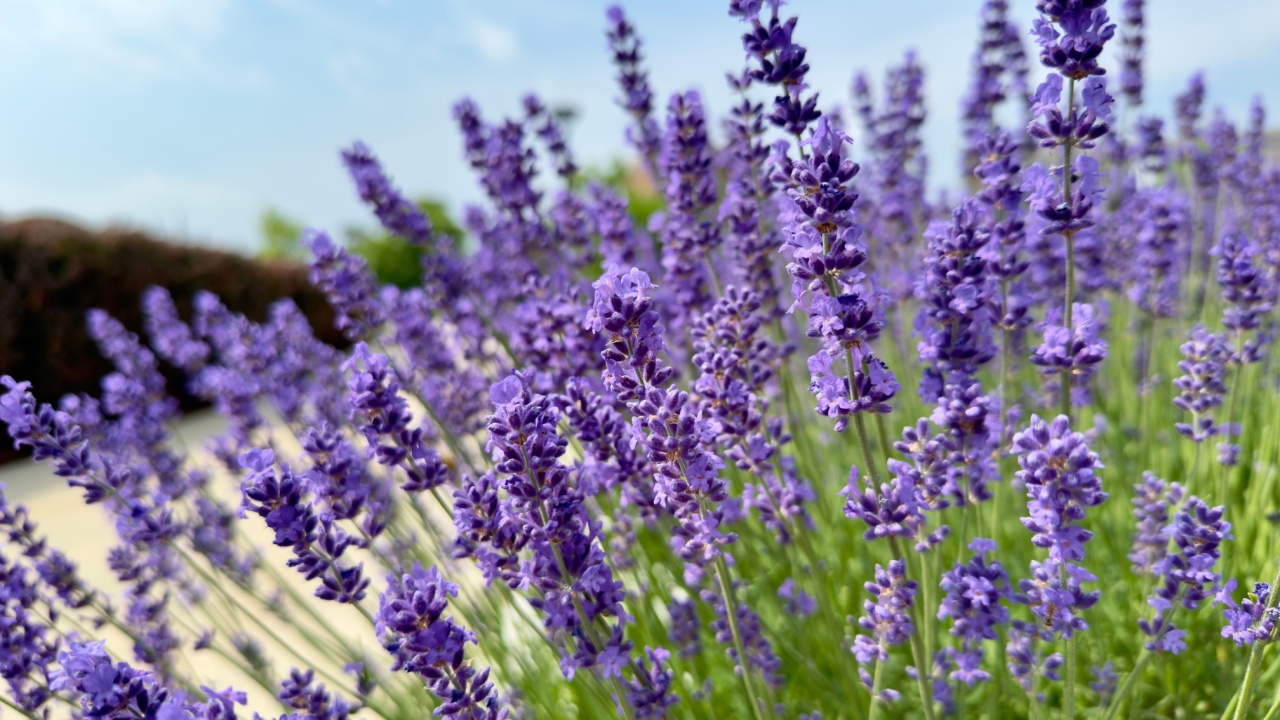
While many herbs benefit from fall pruning, lavender is a notable exception. This Mediterranean native needs its foliage for winter protection, especially in colder climates. The woody stems and evergreen leaves help insulate the plant’s base from temperature fluctuations.
Fall pruning stimulates new growth that won’t have time to harden off before winter, making the entire plant more susceptible to cold damage. The spent flower spikes also provide seeds for birds and maintain the plant’s attractive structure.
Quick Care Guide:
- Zone: 5–9 (varies by species)
- Size: 1–3 feet tall, 1–4 feet wide
- Light/Soil: Full sun, well-drained alkaline soil
- Next Steps: Harvest flowers for drying if desired, but leave most stems intact. Prune lightly in spring after last frost
Planning Your Wildlife-Friendly Fall Garden
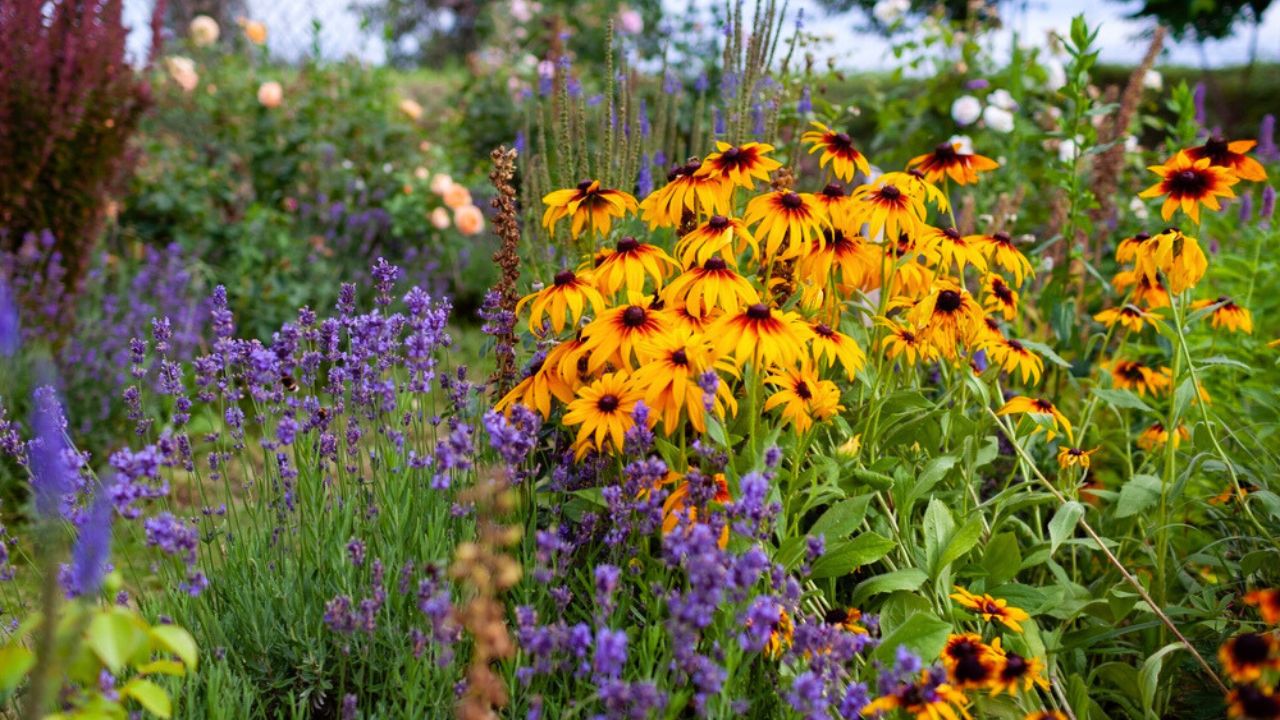
Start transitioning your mindset from “cleanup” to “habitat creation.” Every seed head left standing feeds birds. Every hollow stem provides insect shelter. Every clump of ornamental grass offers small wildlife protection from winter storms.
Consider your garden’s winter view from indoors. Many of these seed heads and dried stems create beautiful silhouettes against snow or evergreen backgrounds. The texture and movement they provide can be just as striking as summer flowers.
Creating a fall garden that supports both wildlife and your aesthetic goals requires thinking beyond traditional cleanup routines. Instead of cutting everything back, focus on safety and function. Remove only plants that pose hazards—diseased material, invasive species, or anything blocking pathways.