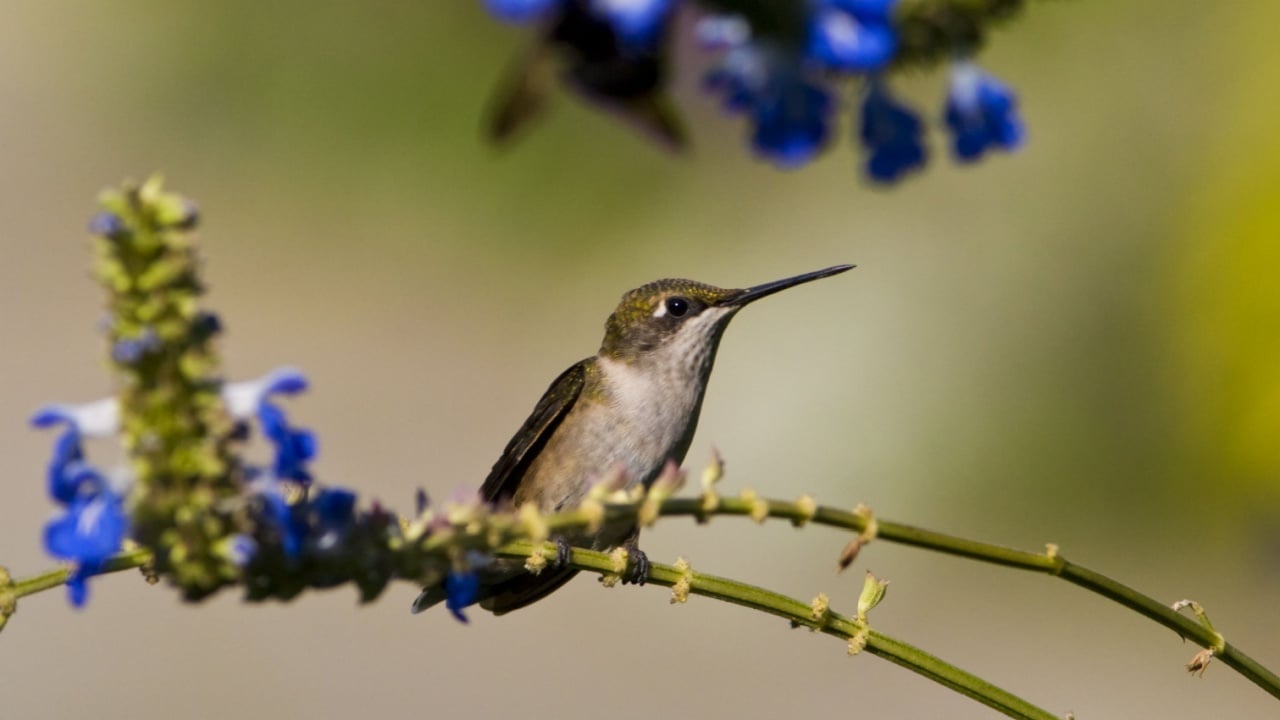
9 Beautiful Hummingbirds to Spot in the Yard
Hummingbirds are some of the most captivating creatures to welcome into your garden. With their iridescent feathers, rapid wingbeats, and unique ability to hover as they feed, they bring a touch of magic to any outdoor space. But attracting these tiny wonders takes intention—specifically, planting flowers that cater to their nutritional needs.
Discover nine incredible species of hummingbirds and the flowers that will keep them coming back to your yard.
1. Ruby-Throated Hummingbird
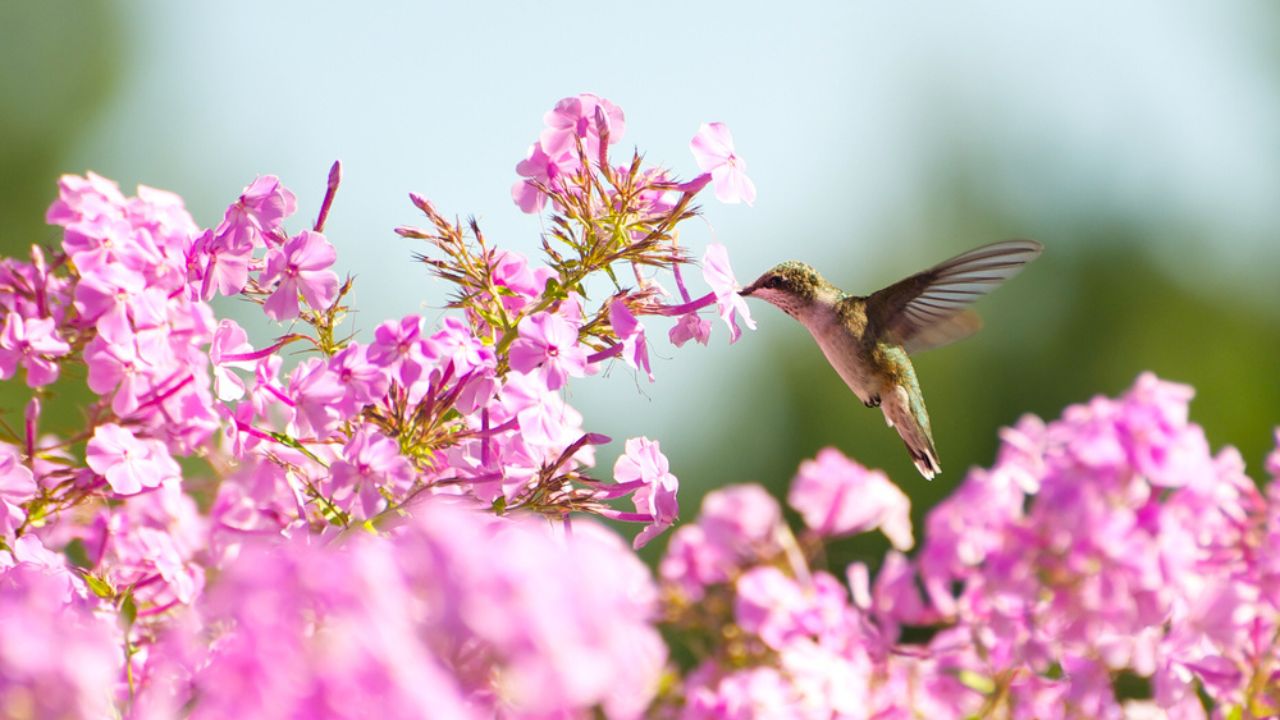
The ruby-throated hummingbird is the most common hummingbird found east of the Mississippi River. Males stand out thanks to the shimmering ruby-red patch on their throats, while both males and females sport green and white feathers. These birds are known for their migratory journeys, which stretch from as far north as Canada to as far south as Central America.
Flowers That Attract Them: Ruby-throated hummingbirds are particularly drawn to tubular flowers that are red, orange, or pink. Consider planting trumpet vine (be mindful of invasiveness in some regions), coral honeysuckle, bee balm, and cardinal flower to bring these vibrant visitors to your garden.
2. Black-Chinned Hummingbird
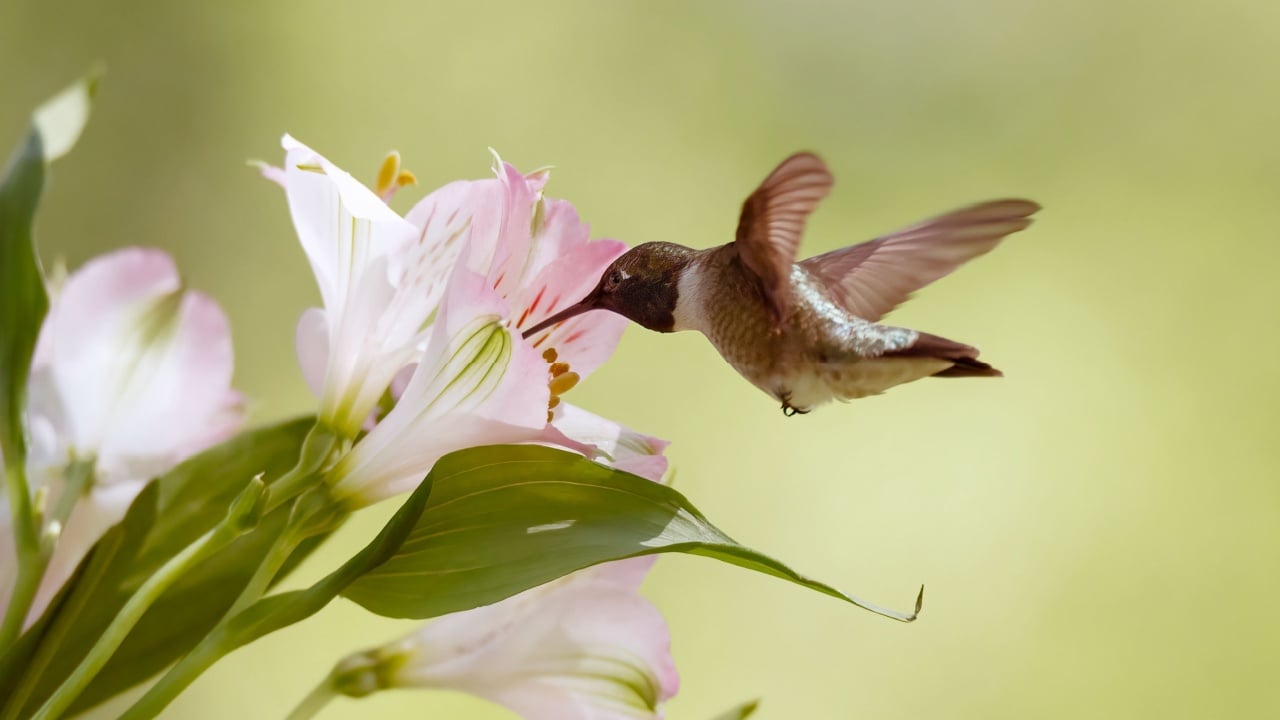
Found primarily in the western United States, the black-chinned hummingbird is known for its subtle but striking black-and-purple throats (on males) and green backs. They are agile, territorial birds that often swoop through gardens in lowland areas.
Flowers That Attract Them: Black-chinned hummingbirds enjoy desert-friendly flowers such as agastache, penstemon, and desert willow. These plants thrive in drier climates where black-chinned hummingbirds are most commonly found.
3. Rufous Hummingbird
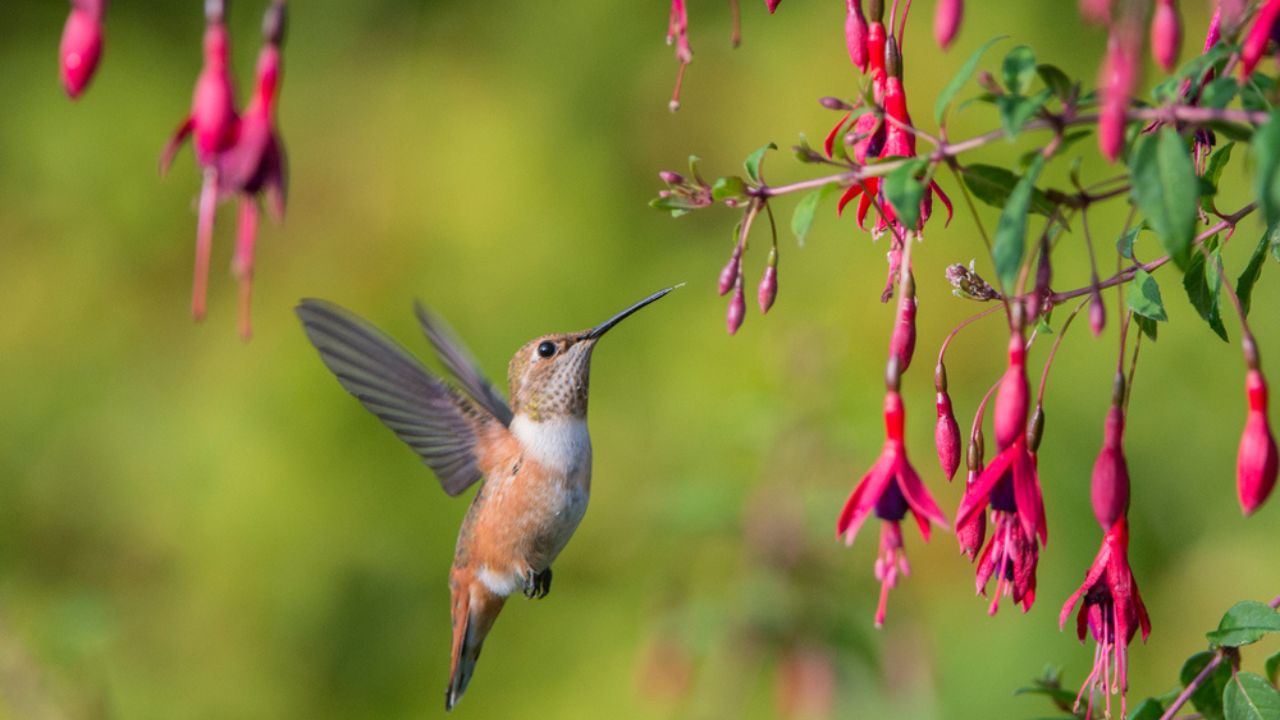
Famous for their fiery orange and copper feathers, rufous hummingbirds are fearless, confrontational, and highly territorial. They migrate extraordinary distances, sometimes traveling over 4,000 miles between their breeding grounds in the Pacific Northwest and their wintering habitats in Mexico.
Flowers That Attract Them: Rufous hummingbirds favor a wide range of bright red tubular flowers, including columbine, scarlet sage, and Indian paintbrush. Planting these species will make your garden irresistible to these feisty visitors.
4. Anna’s Hummingbird
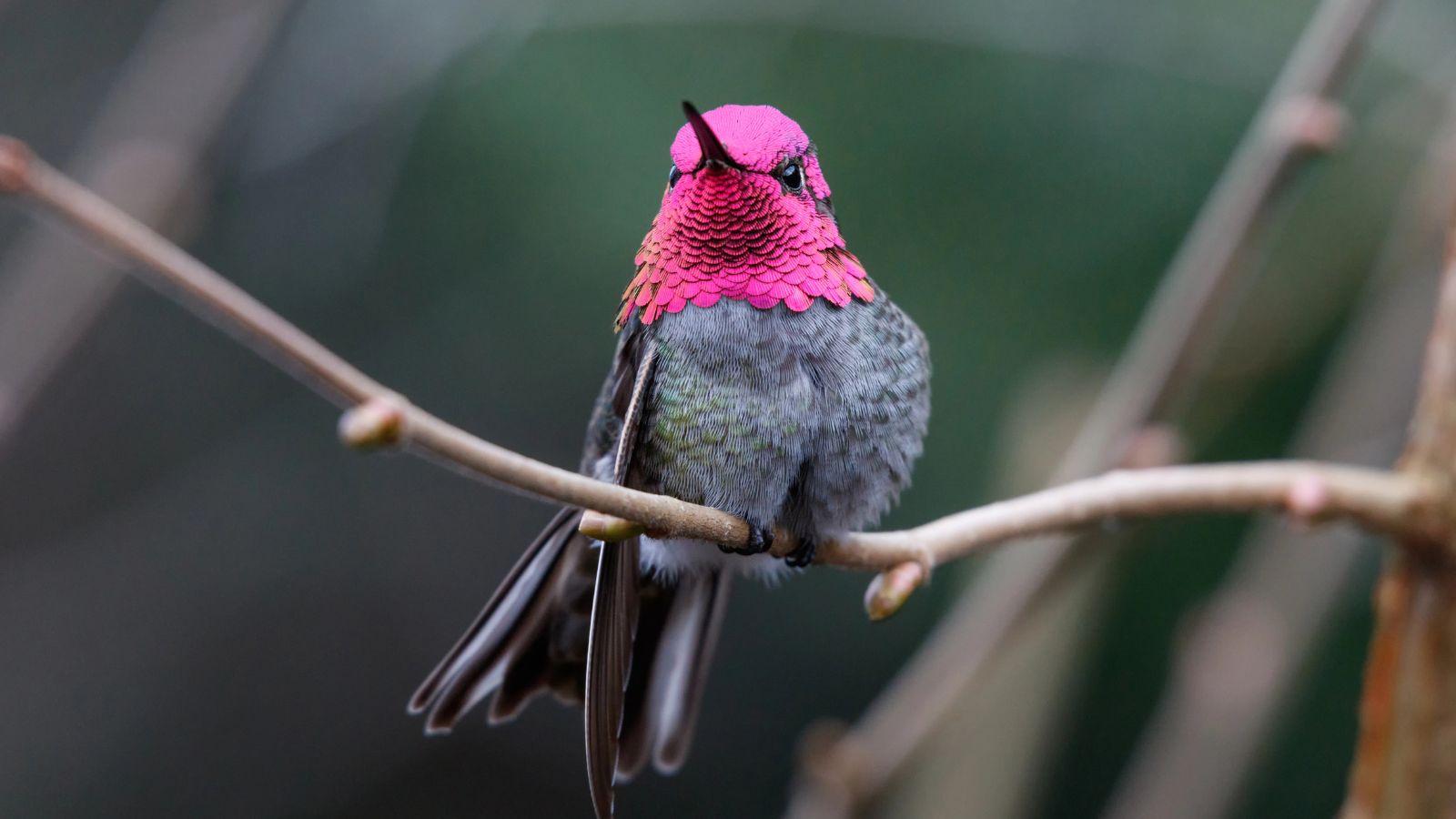
Unlike most hummingbirds that migrate, the Anna’s hummingbird is a year-round resident in the Pacific Northwest and parts of California. Males feature vibrant magenta heads, contrasting with their green bodies. They’re among the more vocal species and are territorial even towards others of their kind.
Flowers That Attract Them: Anna’s hummingbirds frequent gardens with diverse flowering plants like fuchsia, hibiscus, and flowering currant. These blooms provide the nectar they need year-round.
5. Costa’s Hummingbird
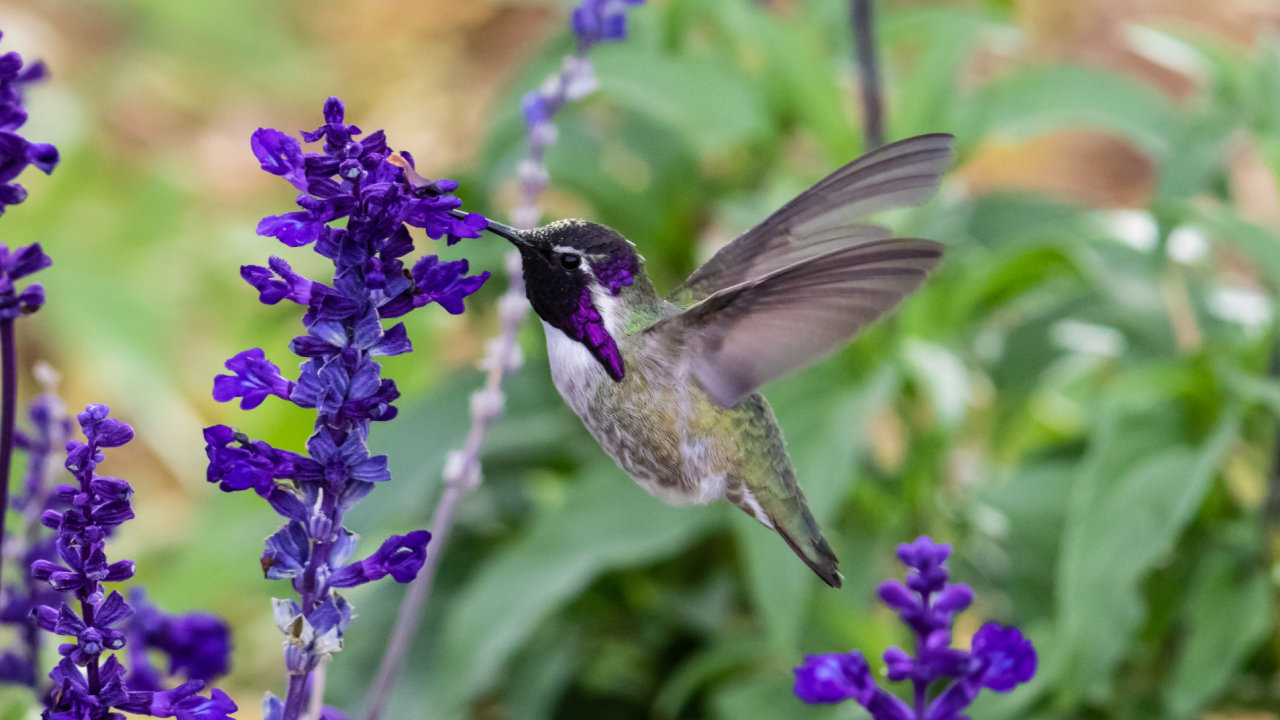
Tiny yet stunning, Costa’s hummingbird has vivid purple feathers around its head and neck. It primarily resides in desert habitats but has adapted to suburban gardens where feeders and native plants are available.
Flowers That Attract Them: To attract Costa’s hummingbirds, focus on desert-adapted flowers such as chuparosa, ocotillo, and desert lavender. These plants not only provide nectar but also thrive in the sunny, arid conditions Costa’s birds prefer.
6. Buff-Bellied Hummingbird
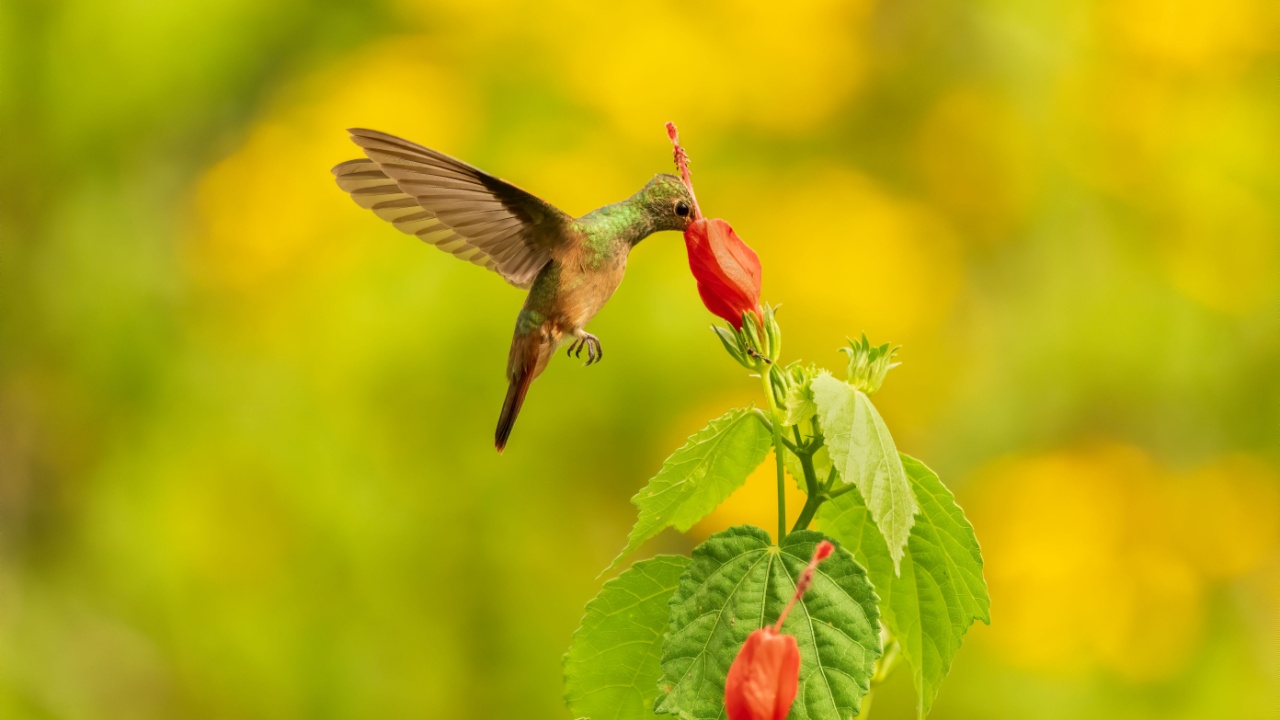
With their vibrant green backs and reddish bellies, the buff-bellied hummingbird brings splashes of color to Gulf Coast gardens. These stocky birds prefer warm coastal climates and are often spotted in southern Texas and Florida.
Flowers That Attract Them: Buff-bellied hummingbirds are fans of tropical and subtropical blooms such as shrimp plants, firebush, and Turk’s cap. These flowers offer the abundant nectar they need to stay energized.
7. Broad-Tailed Hummingbird
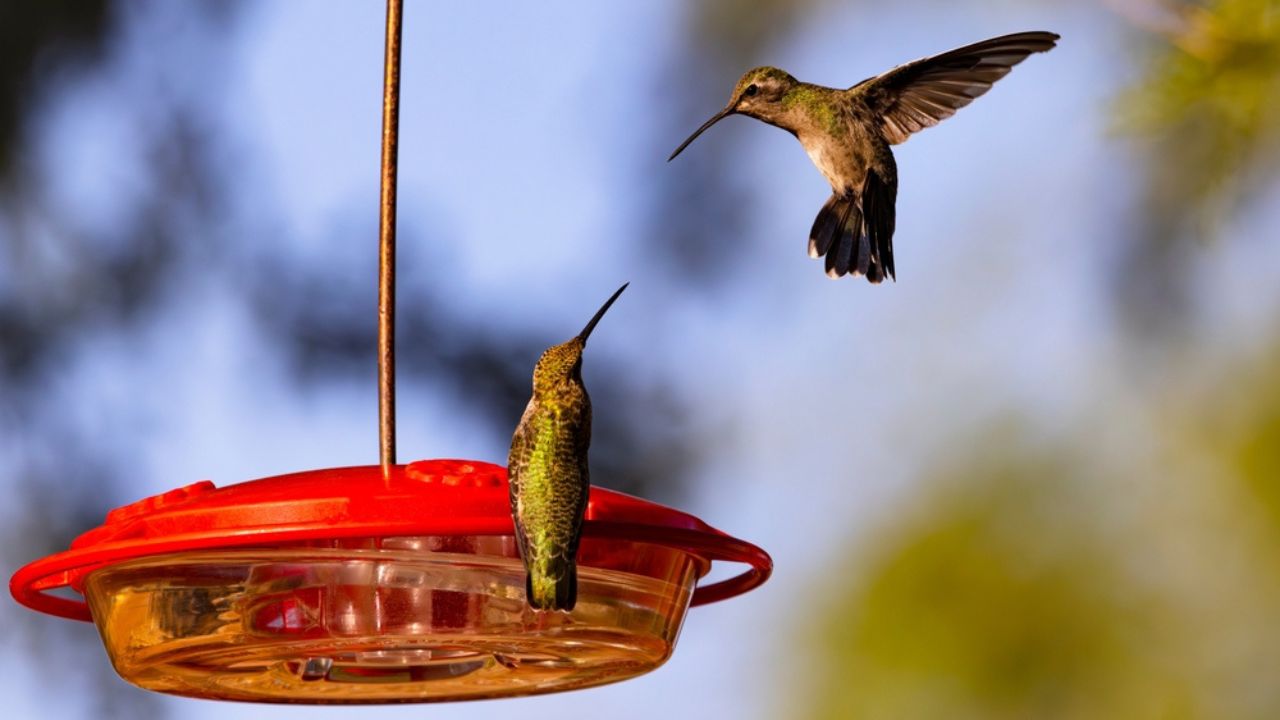
Broad-tailed hummingbirds are summer residents of the Rocky Mountains, thriving at elevations as high as 10,000 feet. Males feature shimmering rose-red throats, while females display a more subdued green coloring.
Flowers That Attract Them: Planting alpine favorites like larkspur, red columbine, and silene will ensure your garden becomes a pit stop for these altitude-loving birds. Their high-energy flitting is best appreciated when they pause to feed.
8. Calliope Hummingbird
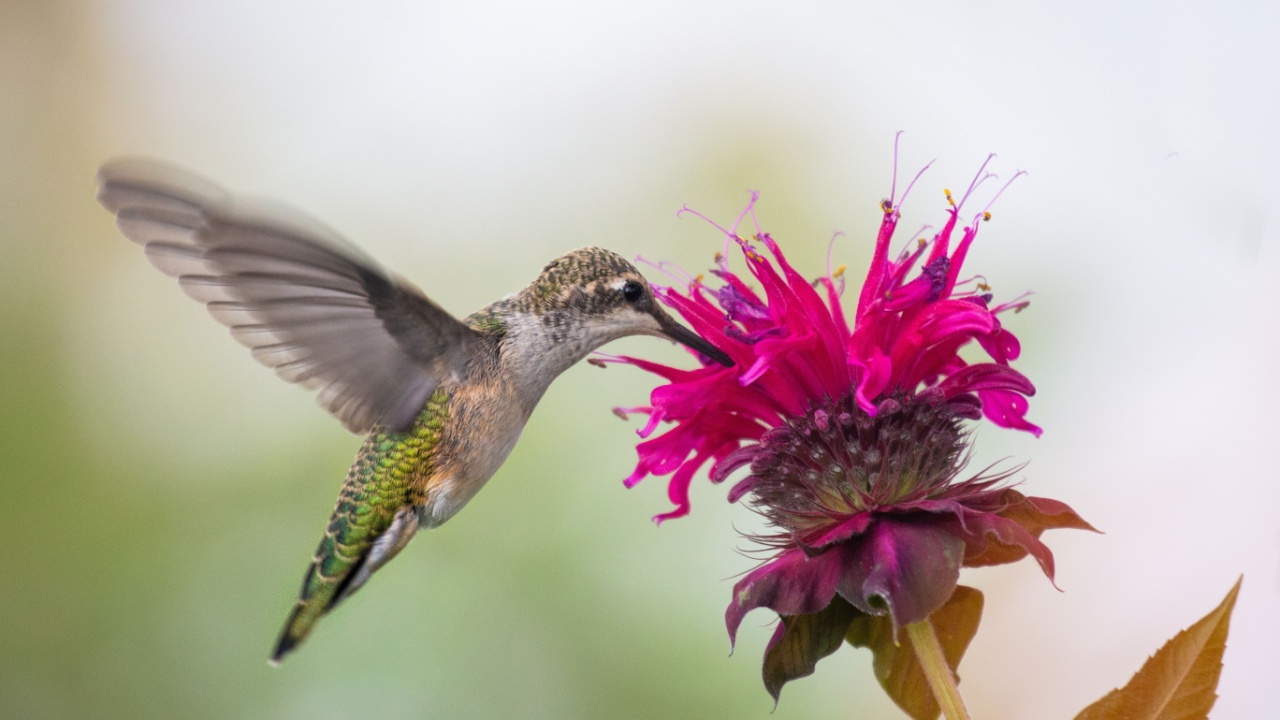
Calliope hummingbirds are the smallest hummingbird species found in North America, measuring just 3 inches in length. Despite their tiny size, males sport dazzling magenta streaks on their throats, making them a breathtaking sight.
Flowers That Attract Them: Calliope hummingbirds feed on native plants like scarlet gilia, honeysuckle, and orange trumpet flowers. These species provide rich nectar to support their fast metabolisms.
9. Allen’s Hummingbird
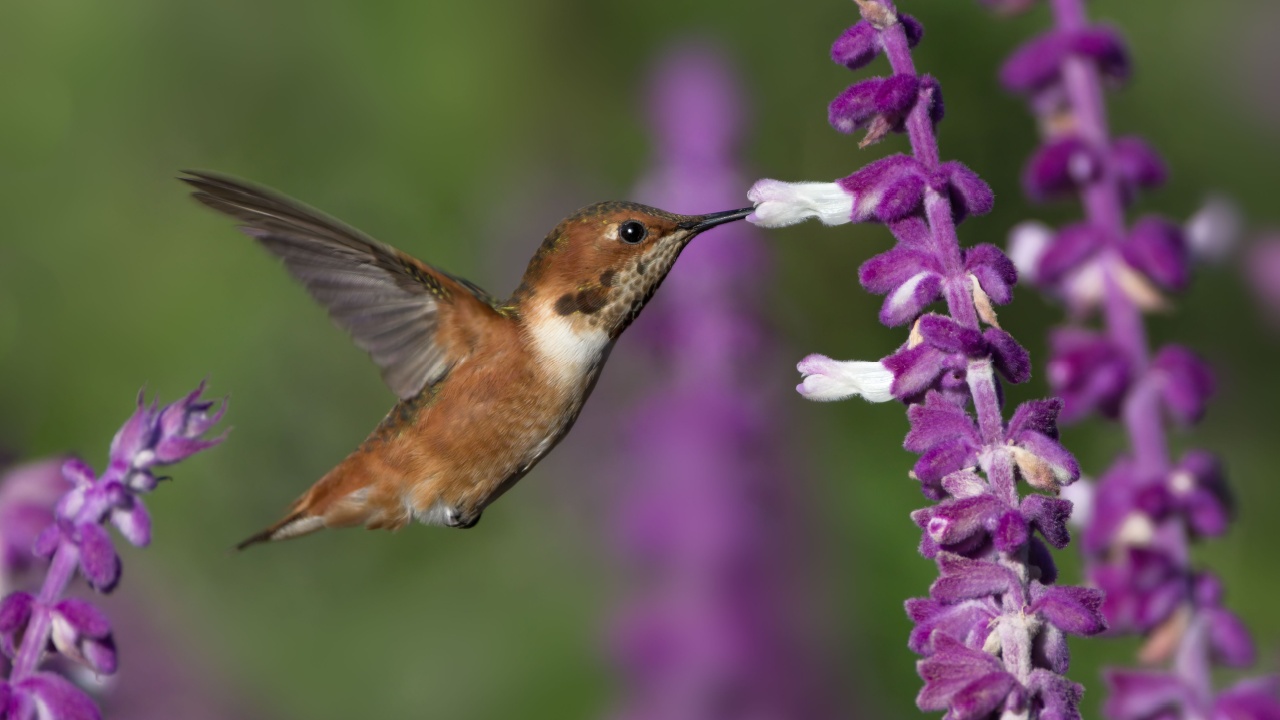
Native to the coastal strip of California and southern Oregon, Allen’s hummingbirds are celebrated for their orange neck patches and green backs. They are incredibly fast, territorial, and often mistaken for the rufous hummingbird.
Flowers That Attract Them: To invite Allen’s hummingbirds to your yard, plant fuchsia, monkey flower, and scarlet runner bean. These flowers thrive in the mild, coastal climates where Allen’s hummingbirds tend to roam.
FAQ: How to Attract Hummingbirds to Your Garden
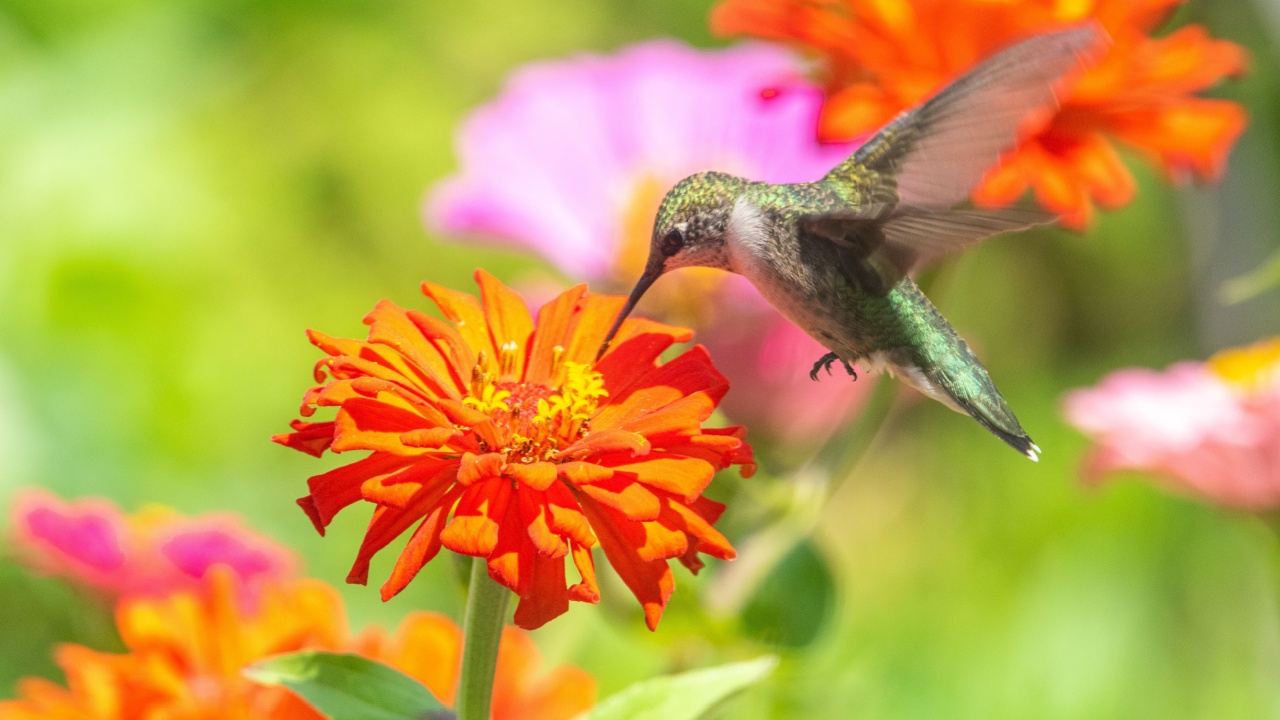
Q: What types of flowers are best for attracting hummingbirds?
A: Tubular flowers in bright shades of red, orange, or pink are the best for attracting hummingbirds. These blooms are rich in nectar and easy for the birds’ long bills to access. Examples include bee balm, salvia, and trumpet vine.
Q: Should I use a hummingbird feeder?
A: Yes, hummingbird feeders filled with a simple sugar-water solution are a great way to supplement natural nectar from flowers. Just remember to clean the feeder regularly to prevent mold and bacteria.
Q: How can I make my garden more hummingbird-friendly?
A: Plant a variety of flowering plants with staggered bloom times to ensure a consistent food source. Avoid using pesticides, as these can harm hummingbirds. Adding a water feature like a small fountain can also attract them. Attracting bugs that they like is also important, since nectar isn’t sufficient for most birds’ diets.
Q: Do hummingbirds prefer specific climates?
A: While some species thrive in deserts and others prefer coastal or woodland habitats, hummingbirds can adapt to most climates as long as they have access to nectar-rich flowers and clean water sources.
Creating a garden that’s welcoming to hummingbirds not only brightens your yard but also supports these incredible pollinators. By incorporating their favorite flowers and a few extra touches, you’ll ensure your outdoor space becomes a hummingbird haven.