10 Easy Bulbs to Plant This Fall for Blooms Next Spring
Planting bulbs in late summer to early fall is one of the simplest ways to set your garden up for success. Many varieties begin rooting while the soil is still warm, which helps them establish before frost. By spring, those same bulbs burst into color, rewarding you with flowers just when the garden needs them most.
Daffodils, tulips, and crocuses are classic favorites, but there are also fragrant hyacinths, elegant irises, and striking alliums that bring variety and charm. Planting a mix ensures continuous blooms from the earliest days of spring into early summer. These bulbs adapt well to a range of climates and require little more than the right soil, sun, and water.
Whether you want bold borders, naturalized drifts, or colorful containers, planting this fall makes it easy. With minimal care, these bulbs return year after year, creating a garden that feels fresh and full of life after winter. Marcum’s Nursery recommends choosing a mix of early-, mid-, and late-blooming bulbs for continuous color this upcoming spring!
1. Daffodils (Narcissus)
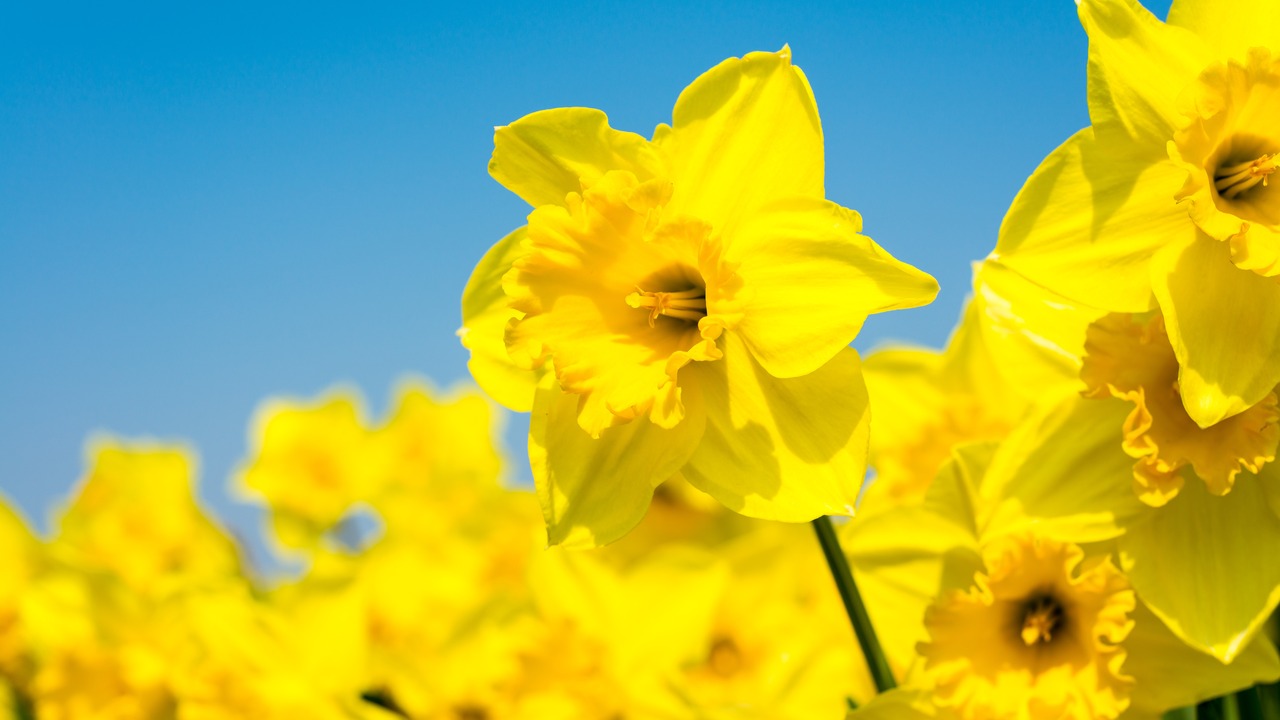
Daffodils are one of the most reliable bulbs for spring color. They multiply over time, tolerate different soils, and are rarely bothered by deer or rabbits. Their sunny yellow and white flowers are often the first sign of warmer days, making them a garden essential. Planting in clusters creates cheerful displays that return for years.
Hardiness: USDA zones 3 to 8
Soil: Well-drained, moderately rich
Care Tips: Bulbs should be planted about three times as deep as the bulb’s height, typically around 6 inches (15 cm); let foliage die back naturally
Design Ideas: Perfect under trees, along walkways, or mixed with tulips
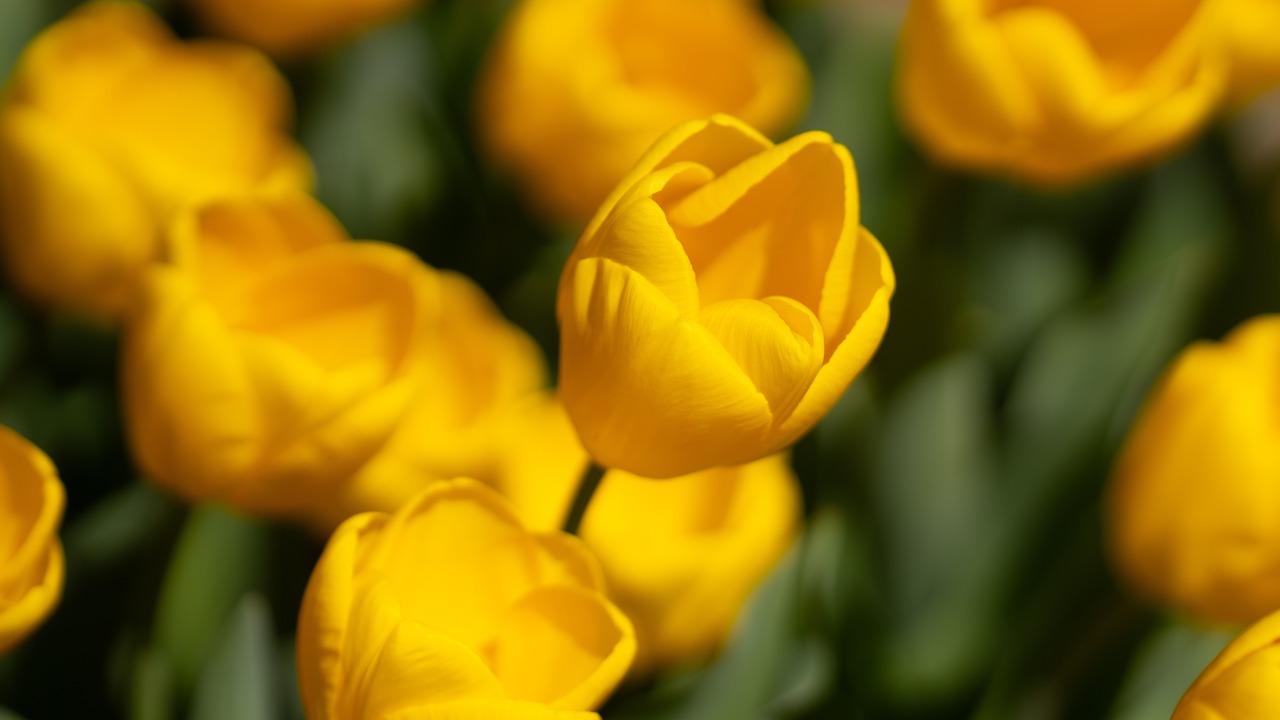
2. Tulips (Tulipa)
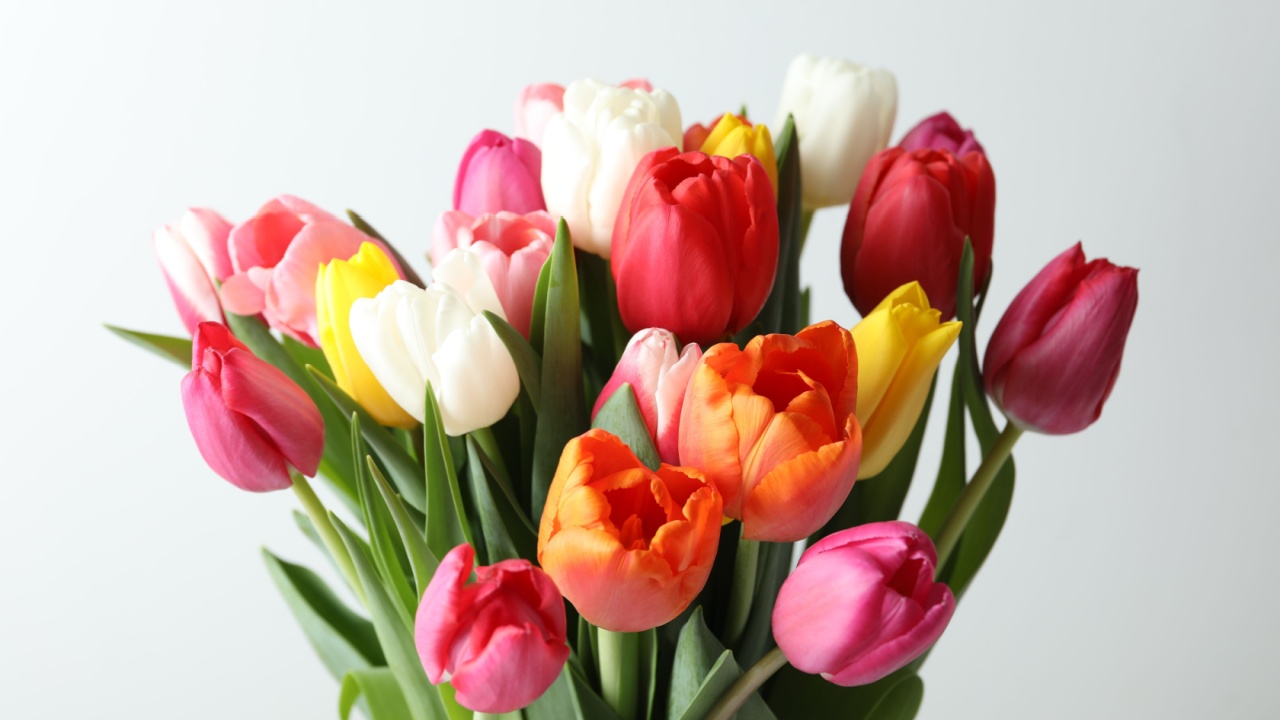
Tulips are famous for their color range and elegant form. Planting in the fall allows them to root deeply, ensuring a strong spring show. Though many gardeners replant them each year, their impact is undeniable. They work equally well in formal beds, casual landscapes, or containers.
Hardiness: USDA zones 3 to 7
Soil: Sandy or loamy, well-drained
Care Tips: Plant tulips 6 to 8 inches deep; remove spent flowers
Design Ideas: Great for bold color blocks or extended bloom with early and late varieties
3. Hyacinths (Hyacinthus orientalis)
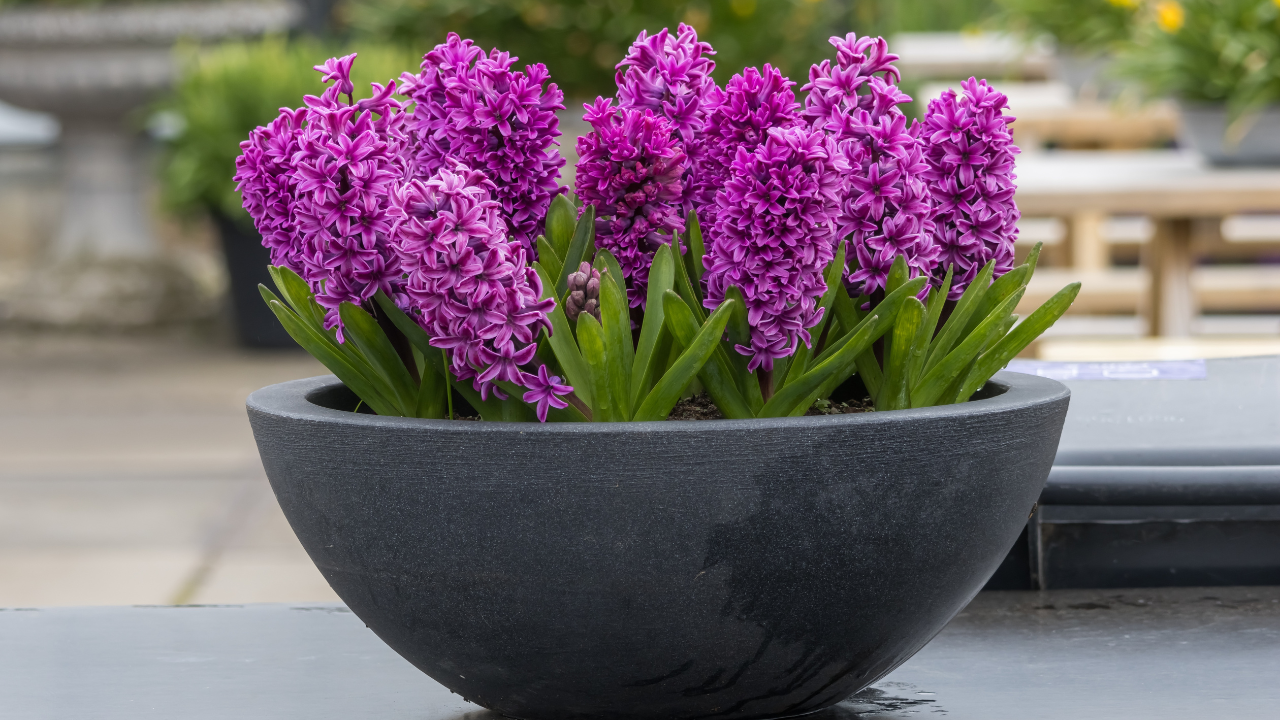
Hyacinths combine vivid color with an unforgettable fragrance. They bloom on upright spikes, perfect for borders and high-traffic spots where their scent can be enjoyed. Planting in the fall gives them time to root, producing strong flowers by spring. Their presence adds both beauty and aroma to the garden.
Hardiness: USDA zones 3 to 9
Soil: Loose, well-drained
Care Tips: Plant 6 inches deep; mulch for winter protection
Design Ideas: Excellent in pots, borders, or mixed with other bulbs
4. Crocuses (Crocus spp.)
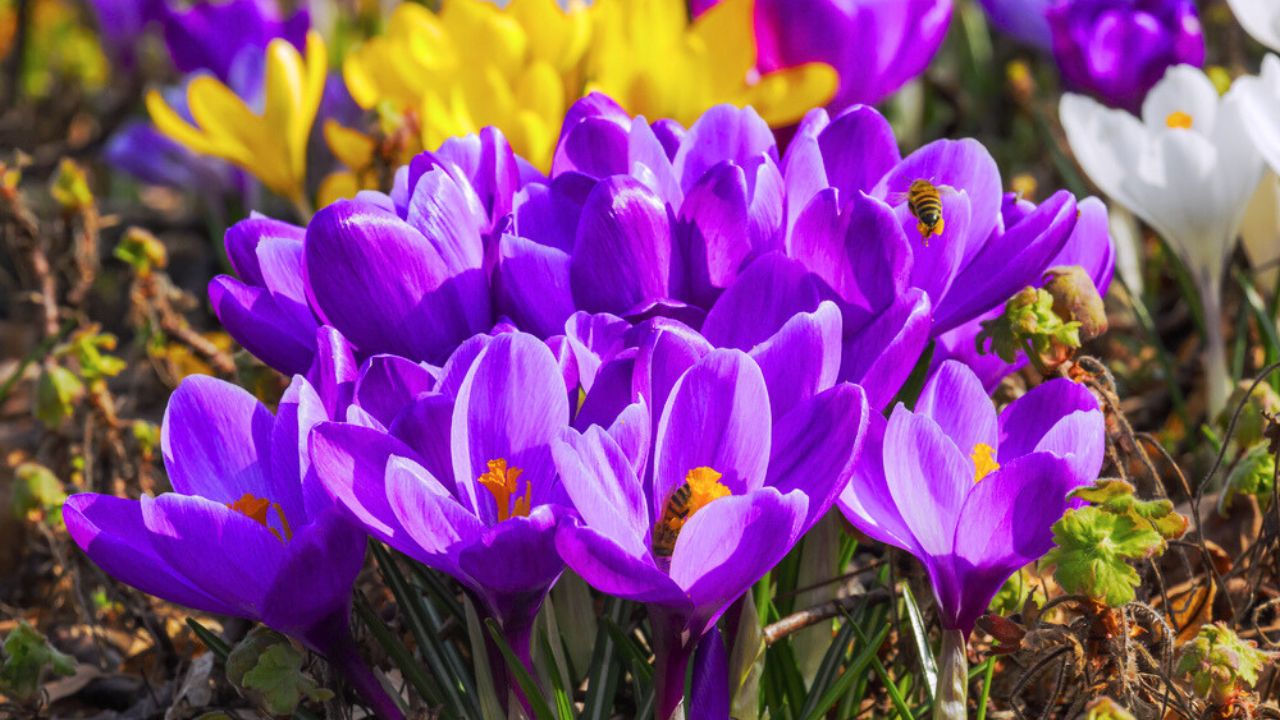
Crocuses are among the earliest flowers to appear, often pushing through the last patches of snow. Their purple, yellow, and white blooms bring a welcome splash of color at winter’s end. Planting in fall ensures they’re ready to greet spring. Their small size makes them easy to tuck into almost any space.
Hardiness: USDA zones 3 to 8
Soil: Sandy, sharply drained
Care Tips: Plant 3 to 4 inches deep; avoid excess watering during dormancy
Design Ideas: Naturalize in lawns, under trees, or along garden edges
5. Irises (Iris spp.)
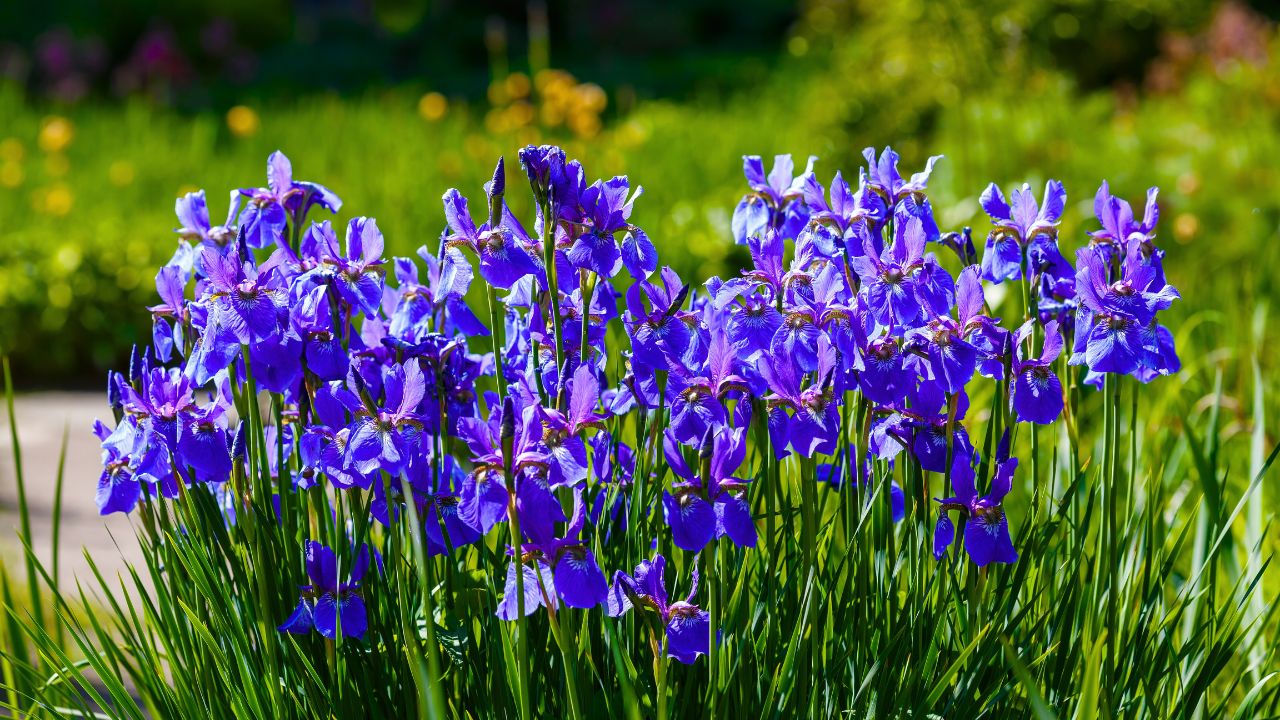
Irises bring elegance and height to spring gardens. A few varieties grow from bulbs (although the popular Bearded Iris and many other varieties grow from rhizomes- which should be planted in the warmer summer months), blooming in shades that range from delicate pastels to rich purples and blues. Planting in the fall helps them establish before cooler weather arrives. Their tall, sword-like foliage adds structure even when they’re not in bloom.
Hardiness: USDA zones 4 to 9
Soil: Neutral to slightly acidic, well-drained
Care Tips: Plant about 4 inches deep; avoid overcrowding
Design Ideas: Striking in mixed borders or in groups for dramatic effect
6. Alliums (Allium spp.)
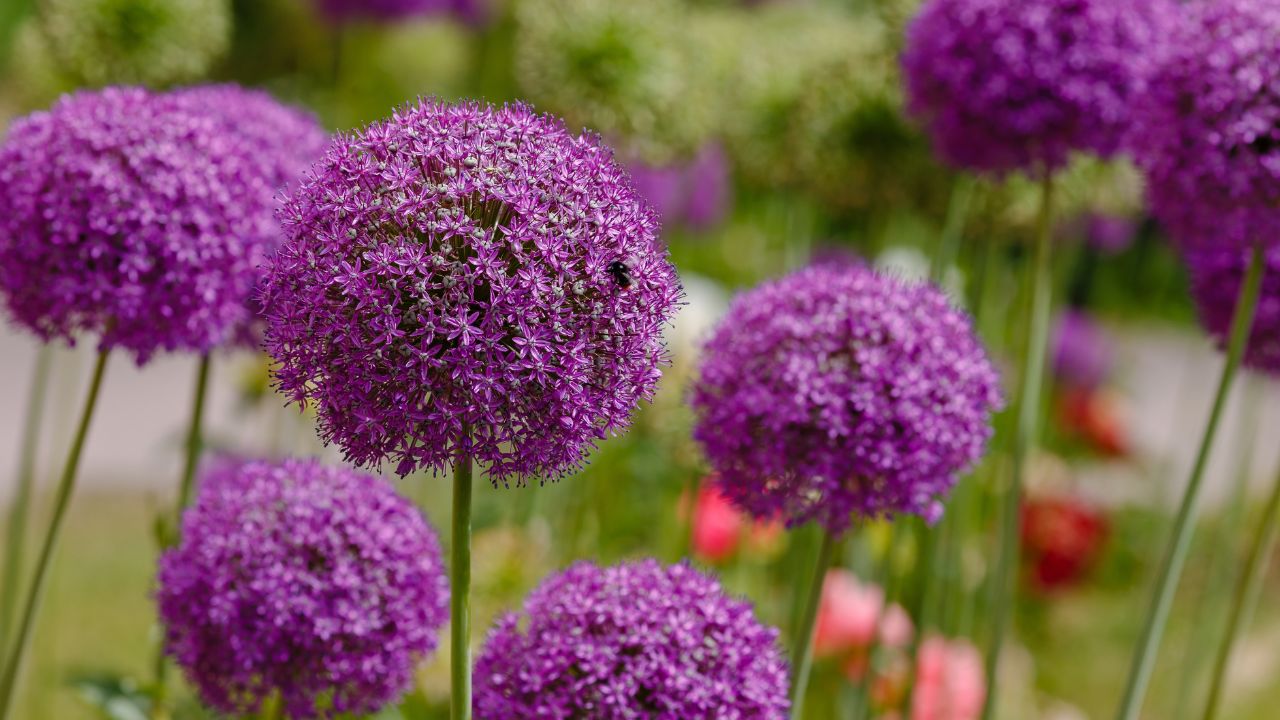
Alliums stand out with globe-shaped flowers on tall stems, adding height and structure. They bloom later than many bulbs, bridging the gap between spring and summer. Fall planting ensures their roots are ready for the following season. Their blooms also attract bees and butterflies while resisting deer and rodents.
Hardiness: USDA zones 4 to 9
Soil: Sunny, well-drained
Care Tips: Plant 46 inches deep; avoid overly rich soil
Design Ideas: Great for the back of borders or as focal points
7. Fritillarias (Fritillaria spp.)
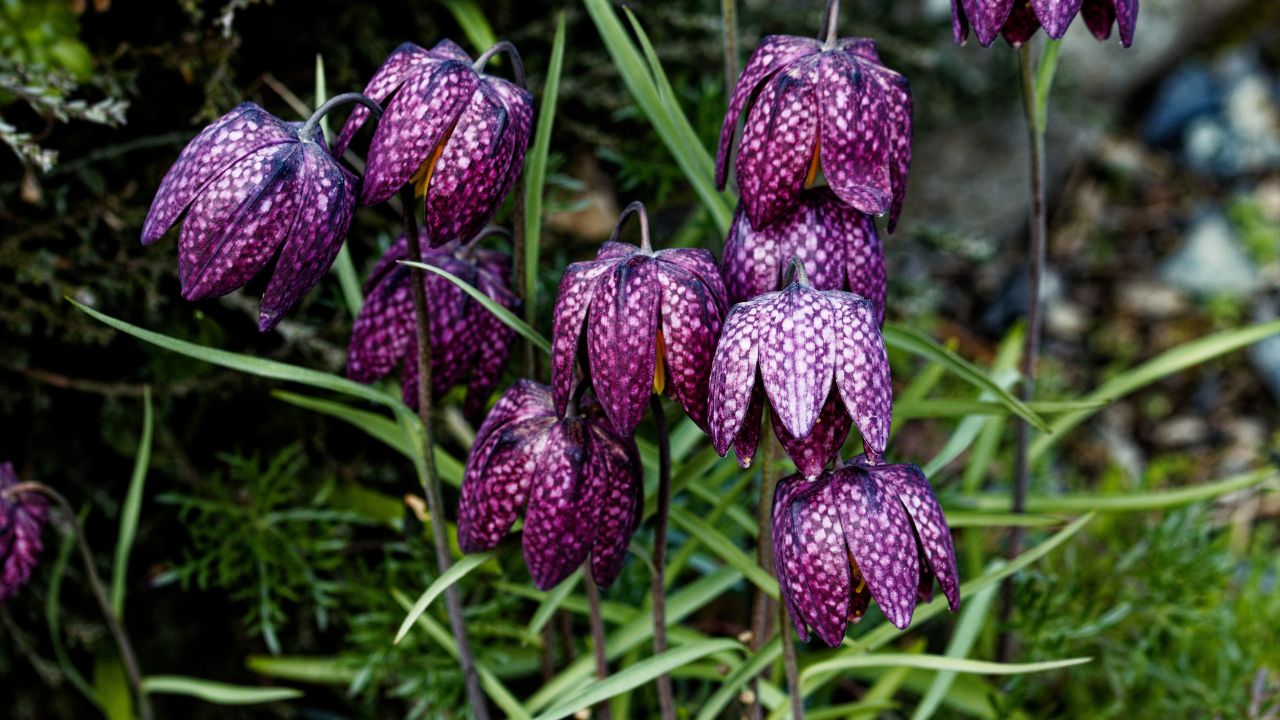
Fritillarias bring an exotic touch with their nodding, bell-shaped flowers. Though less common, they create striking focal points in spring gardens. Planting in the fall allows their large bulbs to settle before frost. Their unique look makes them a favorite for adding something unexpected.
Hardiness: USDA zones 4 to 8
Soil: Fertile, well-drained
Care Tips: Plant bulbs on their side to prevent rot; mulch in cold regions
Design Ideas: Combine with daffodils for contrast
8. Snowdrops (Galanthus nivalis)
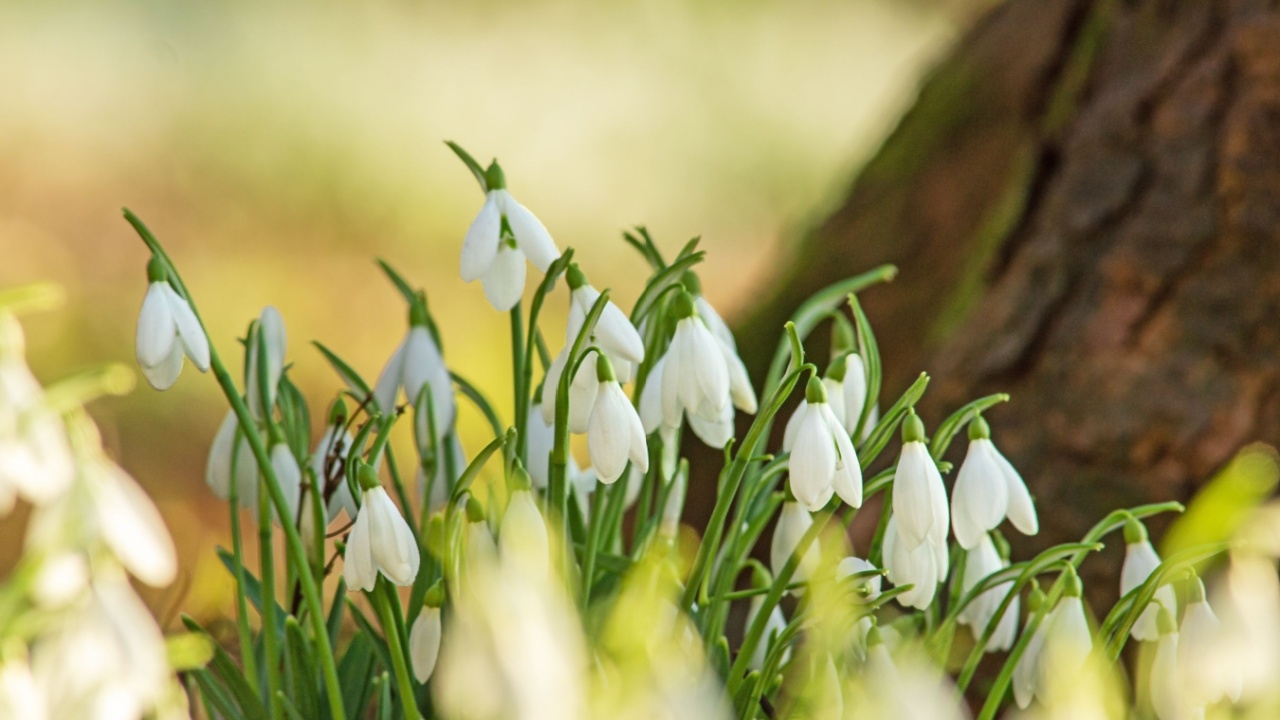
Snowdrops are delicate flowers that appear just as winter ends, often blooming while frost still lingers. Their pure white blossoms symbolize renewal and hope. Planting in fall ensures they’re among the first flowers to arrive each year. Though small, they make a big seasonal impact.
Hardiness: USDA zones 3 to 7
Soil: Moist but well-drained, humus-rich
Care Tips: Plant 3 inches deep; allow natural spreading over time
Design Ideas: Best in drifts under trees or along shaded paths
9. Grape Hyacinths (Muscari spp.)
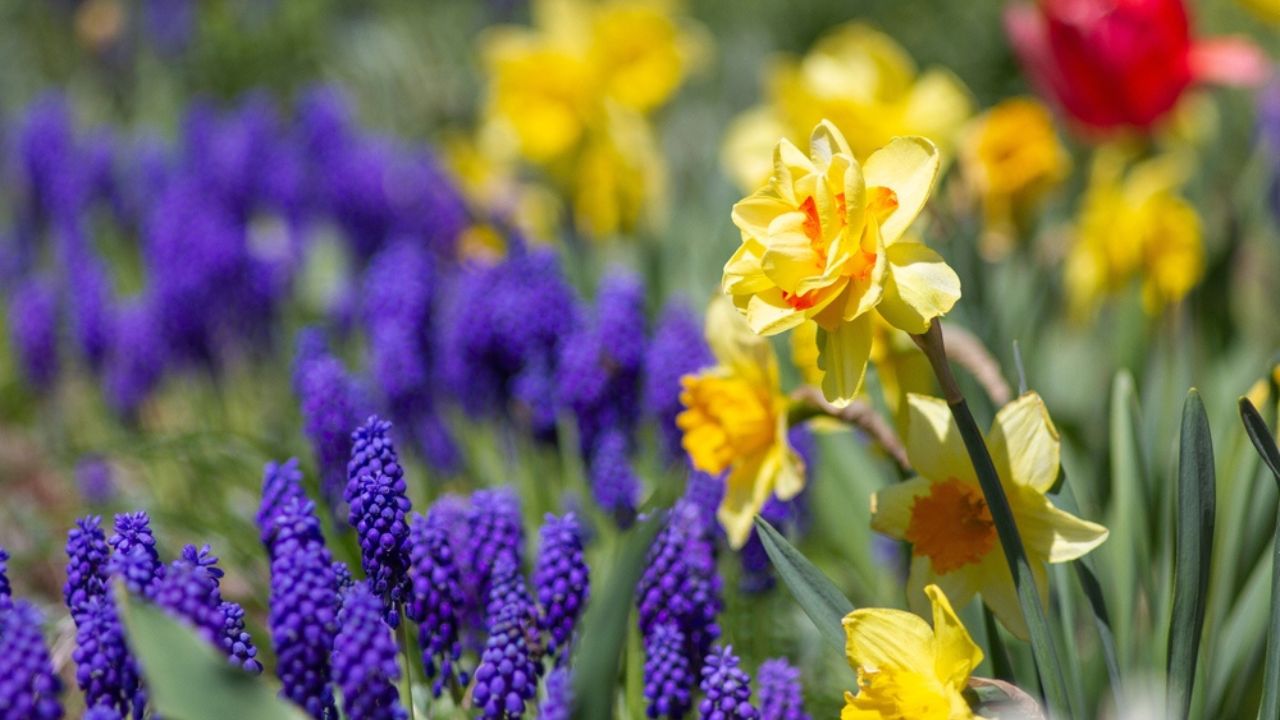
Grape hyacinths form clusters of tiny blue or purple flowers that resemble grapes. They naturalize easily, spreading to create carpets of color by spring. August planting sets them up for success, and they thrive with little care. Their charming look makes them a favorite for edging or filling gaps.
Hardiness: USDA zones 3 to 9
Soil: Moderately fertile, well-drained
Care Tips: Plant 3 inches deep; little water during dormancy
Design Ideas: Perfect for edging, lawns, or containers
10. Anemones (Anemone blanda)
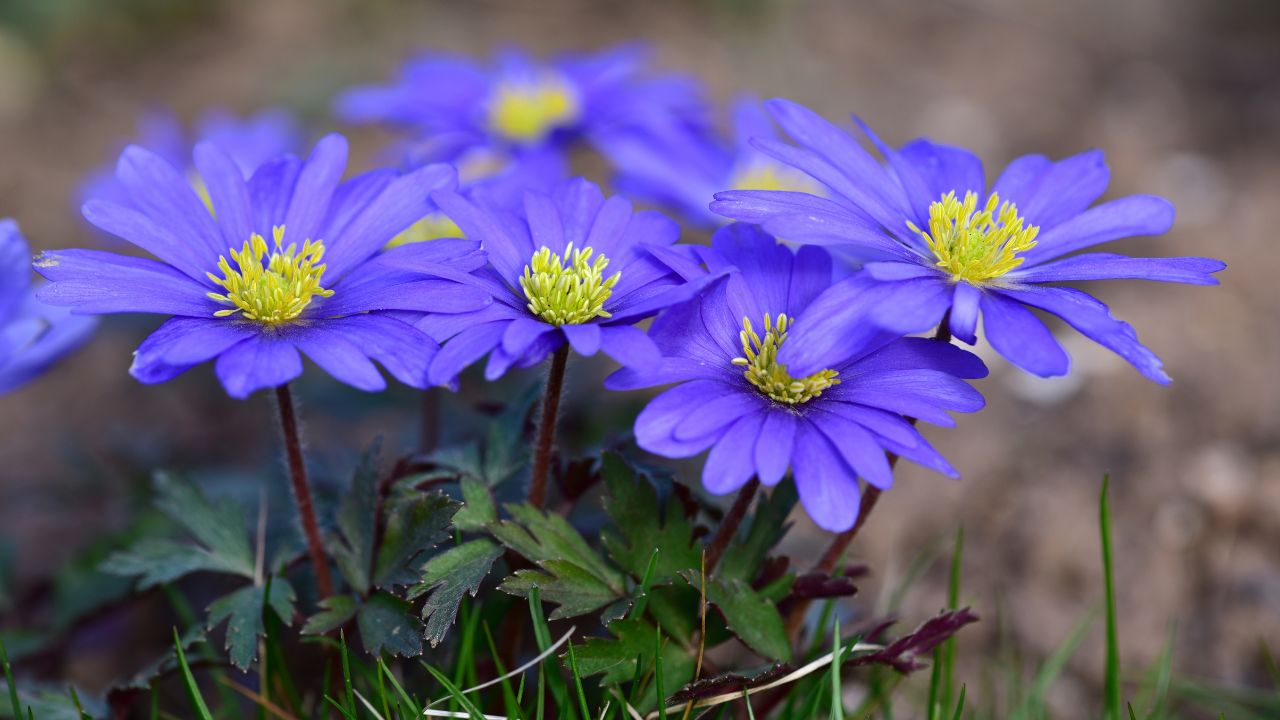
Anemones produce daisy-like flowers in cheerful shades of blue, pink, and white. Their blooms bring a woodland feel and pair beautifully with other early bulbs. Planting in August gives their tubers time to prepare for early spring flowering. Once established, they return each year with minimal care.
Hardiness: USDA zones 4 to 8
Soil: Humus-rich, well-drained
Care Tips: Soak tubers before planting; allow foliage to die back naturally
Design Ideas: Excellent for naturalizing under trees or in woodland gardens
Plant Now, Reap the Benefits Later
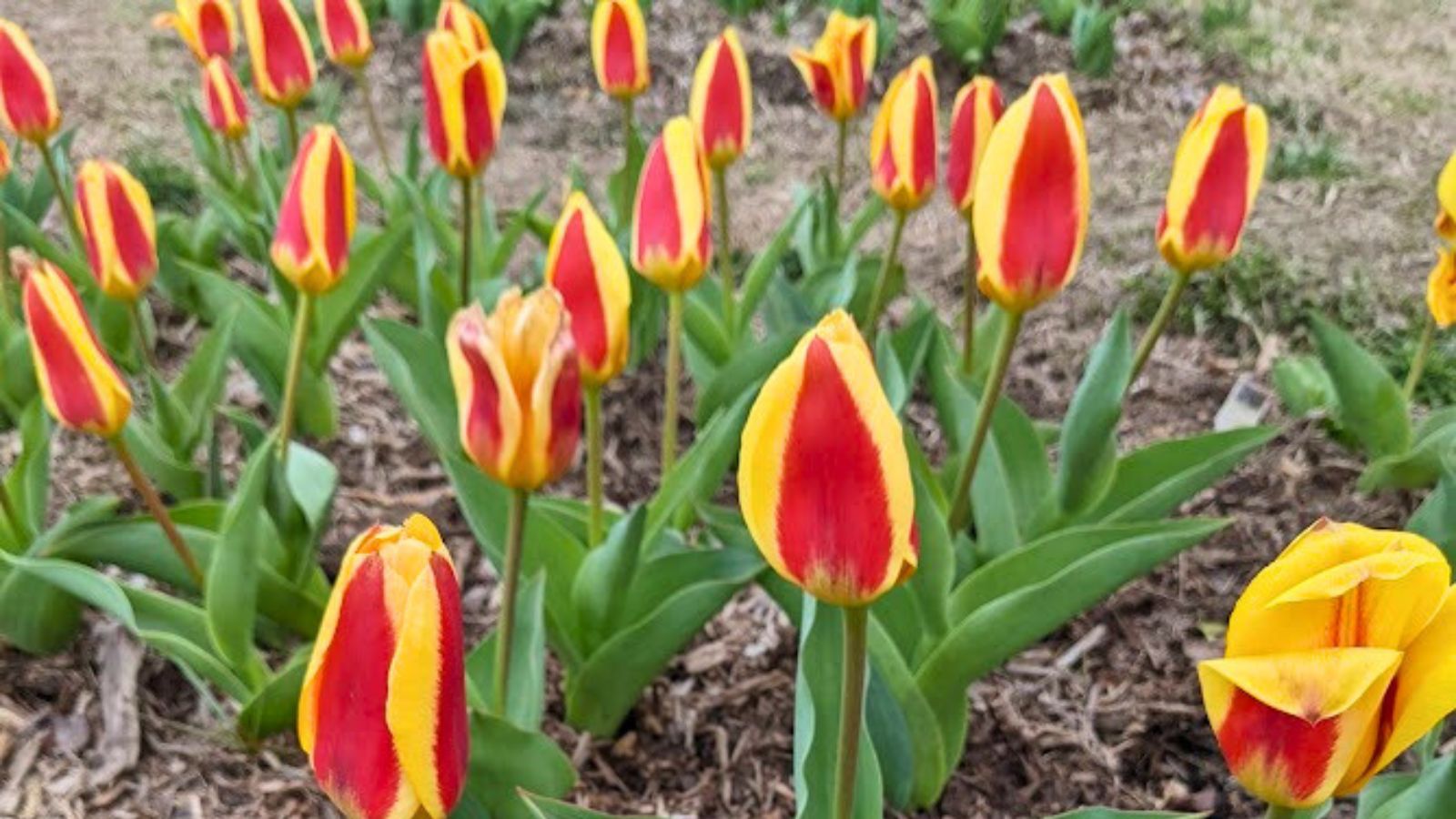
If you want your garden to burst with color next spring, now is the time to act. Start by choosing a mix of early, mid-, and late-spring bulbs so you’ll enjoy blooms for months instead of weeks. Check your USDA zone to be sure you’re picking varieties that thrive in your region, and remember the golden rule: plant each bulb about three times as deep as its height. Give them well-drained soil, full to partial sun, and a good watering after planting to help roots settle in.
Once planted, all that’s left is to let nature do its work over winter. Come spring, you’ll be rewarded with a succession of vibrant, low-maintenance flowers that return year after year—transforming your garden into a fresh, colorful welcome after the gray of winter.