8 Smart Ways to Make a Small Yard Look Bigger
A small yard does not need more square footage to feel open. Smart layout choices can change how the eye reads space, turning a tight backyard into one that feels calmer, deeper, and easier to enjoy.
The size on paper is only part of the story. Lines, color, height, and focal points all shape how spacious a yard feels from the patio, the back door, or a favorite chair.
Many compact yards feel cramped for simple reasons. Hard edges stop the eye too soon, bulky furniture blocks views, and flat layouts leave no sense of depth or movement.
Here are eight practical ways to make a small yard look bigger.
1. Use Curved Lines to Soften the Layout

Straight lines can make a small yard feel boxed in because they reveal the full boundary right away. A curved path, a rounded planting bed, or a gently shaped edge slows the eye and adds a sense of distance.
Even a slight bend in a gravel walkway or lawn border can make the space feel wider than it is. This works well in narrow yards where every hard edge stands out.
Curves do not need a full redesign to be useful. A homeowner might swap a square bed for a crescent-shaped border or place pavers in a subtle arc instead of a rigid line.
Repeating soft shapes in more than one spot helps the design feel planned rather than random. When the eye travels in a smoother pattern, the whole yard feels less confined.
2. Draw the Eye Up With Vertical Planting
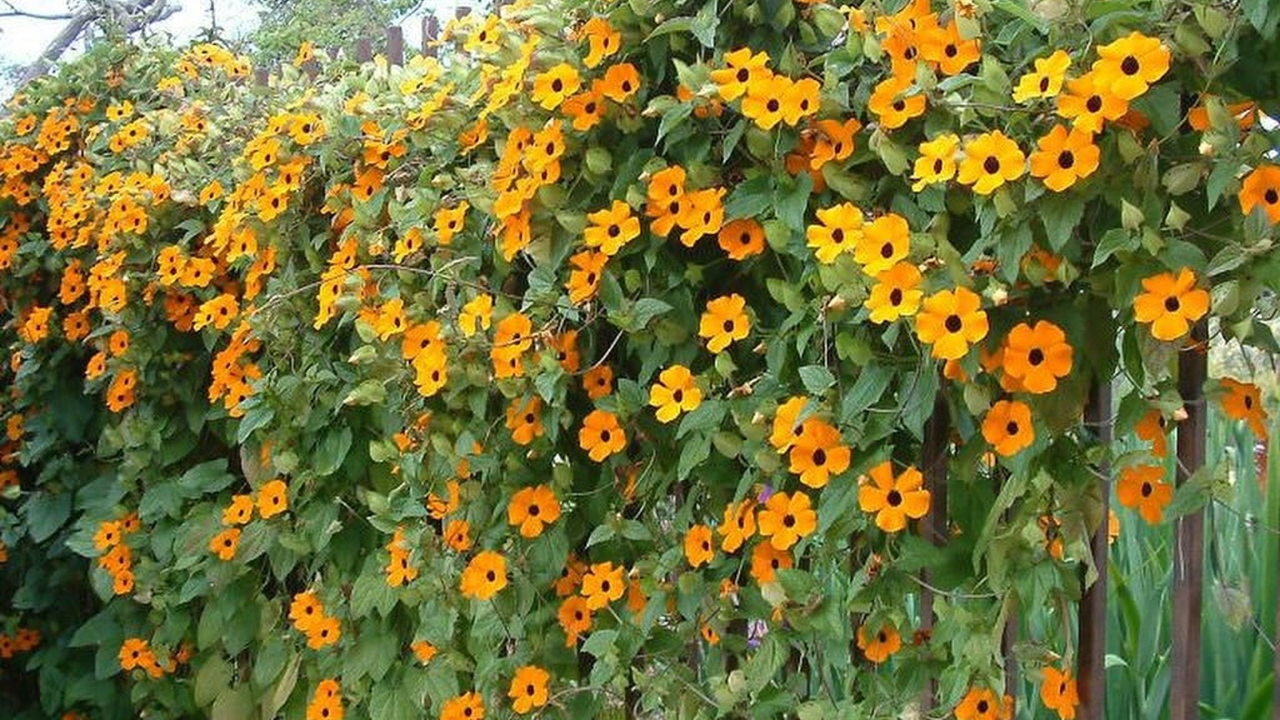
One of the best ways to make a small yard look bigger is to use the height that already exists. Trellises, slim arbors, climbing roses, jasmine, and clematis pull attention upward, which reduces focus on limited ground space.
A blank fence can become a living wall, and a narrow side yard can feel fuller without losing walking room. Vertical planting also softens solid surfaces that might otherwise make the yard feel closed in.
This approach works best when the planting stays controlled and intentional. A simple trellis behind a bench or a vine trained beside a gate often looks cleaner than several bulky pots crowding the floor.
Tall, upright plants such as ornamental grasses or narrow shrubs can add the same lift near corners and fence lines. Height gives the yard another layer, and layered spaces nearly always feel larger than flat ones.
3. Add a Reflective Feature for Depth

Water reflection can visually double a small space. A still-water bowl, compact fountain basin, or glossy dark water feature catches the sky, nearby plants, and shifting light, creating a sense of added depth.
The eye reads that reflection as more room, even in a modest backyard. This effect is strongest in a spot that gets natural light for part of the day.
The feature does not need to be large to make a difference. A shallow bowl placed where it reflects foliage or open sky can have more impact than a larger piece tucked into shade.
Clean lines usually work better in a compact yard because they keep the view from feeling crowded. When placed near seating or at the end of a path, a reflective element can make the entire layout feel more open and deliberate.
4. Borrow the View Beyond the Fence
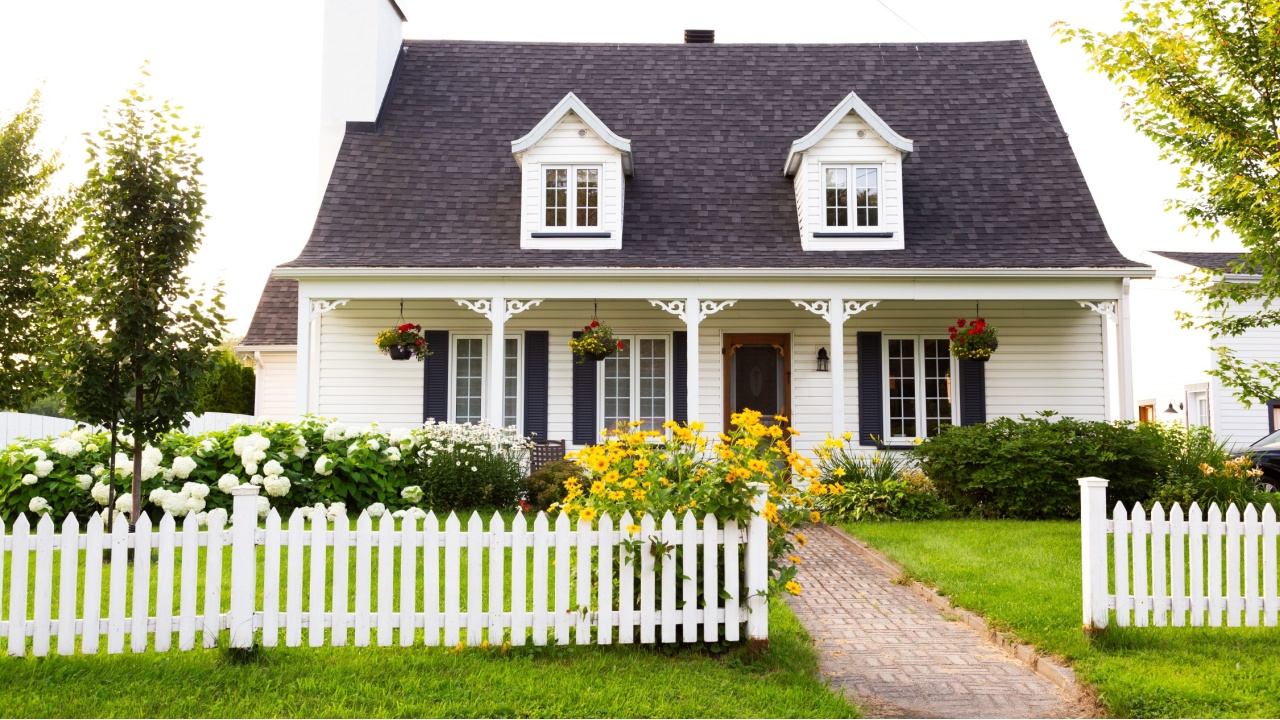
A yard feels larger when it visually connects to the space beyond its borders. If neighboring trees, distant greenery, or even a shared skyline sit beyond the fence, the design can frame those features instead of blocking them.
Open-style fencing, strategic plant placement, or a carefully placed bench can direct attention outward. That shift makes the yard feel like part of a wider scene.
This idea works best when boundary lines stay soft rather than harsh. For example, a low planting bed under an open fence can blend the yard with tree canopies beyond it, while a tall solid barrier cuts that link short.
The same principle applies to corner views and side-yard glimpses. A small backyard often feels bigger when its edges do less visual stopping.
5. Choose Light Colors for Surfaces and Decor
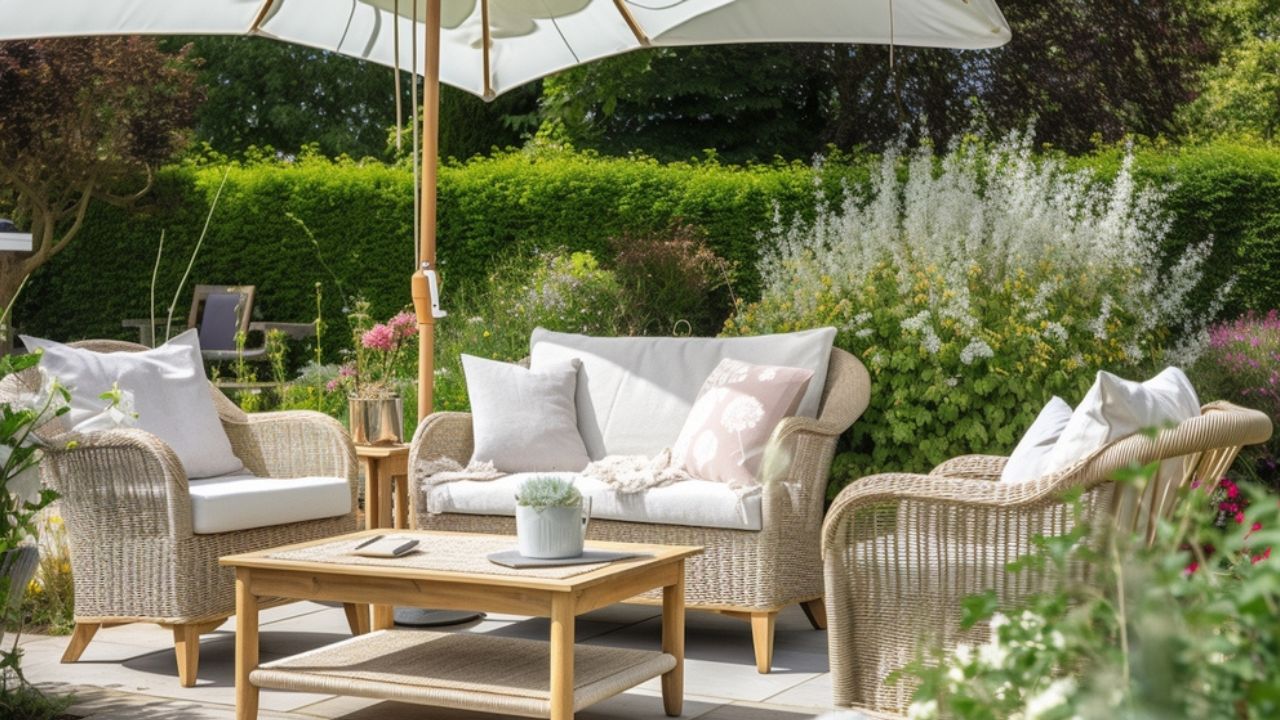
Dark surfaces can absorb light and make a small yard feel tighter. Pale pavers, light gravel, soft gray decking, and furniture in off-white or warm beige reflect more light, brightening the whole setting.
That brightness helps edges recede, which gives the yard a more open look. Even simple changes like lighter cushions or planters can shift the mood of the space.
The most useful palette is usually soft and limited. Too many strong color changes can break up the view and make a compact yard feel busy.
A small patio with pale stone, muted pots, and a few green accents often reads as larger than one filled with heavy, dark materials. Lighter finishes also pair well with planting, so the yard stays fresh without looking stark.
6. Create Zones That Lead the Eye Forward

A small yard can feel more spacious when it has a clear sense of movement. Separate areas for dining, lounging, or planting create the feeling of a journey, even when the yard is short.
A tiny patio, a narrow path, and a bench at the back fence can make the yard feel like it unfolds in stages. That layered layout gives the eye more to discover.
Good zoning depends on clear purpose, not clutter. A slim outdoor rug under a bistro set, a change in paving, or a pair of planters marking a transition can define an area without taking much room.
For example, a family might place a small table near the house and a quiet reading chair under a vine-covered trellis at the far end. Distinct zones make a yard feel designed, and designed spaces often seem larger than empty ones.
7. Build in Levels for More Dimension
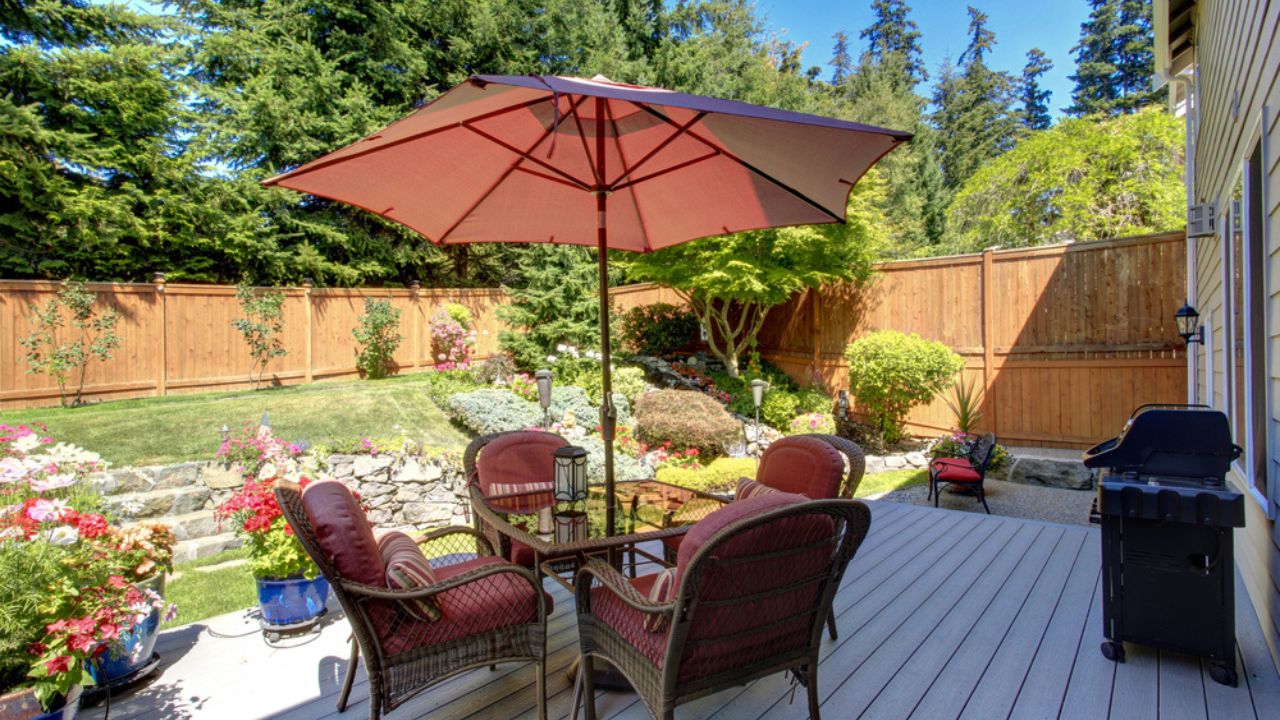
Flat yards show every boundary at once, which can make small dimensions obvious. Levels break up that view and add depth through raised beds, low retaining walls, steps, or a slightly lifted deck.
Even a change of six to twelve inches can reshape how spacious a yard feels. The eye moves across the layers instead of landing on the back fence right away.
Multi-level design does not need steep slopes or large construction work. A raised planter around a patio edge or a sunken gravel seating area can create contrast in a compact footprint.
This method also helps organize the yard by giving each level a role, such as dining on one plane and planting on another. More dimension usually brings more visual interest, and that added depth helps small spaces feel less compressed.
8. Use a Strong Focal Point to Shift Attention
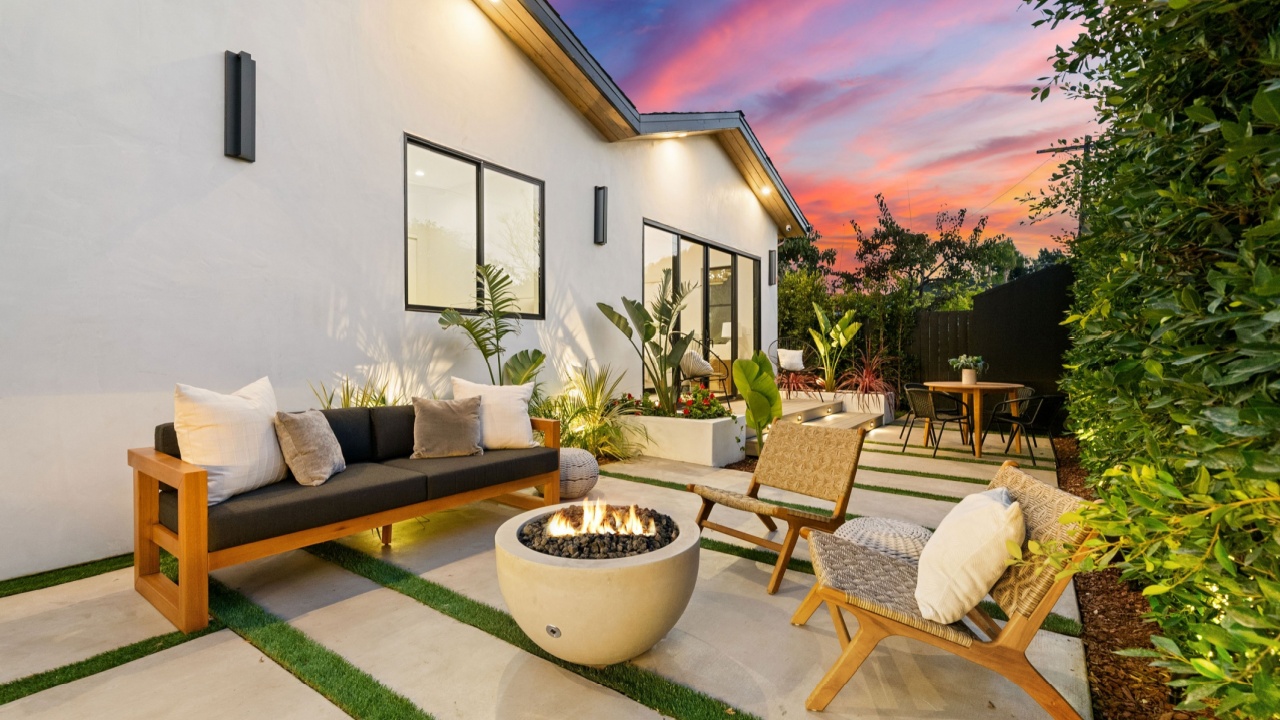
A focal point gives the eye a place to land, which helps distract from a yard’s limited size. This could be a pergola, a sculptural planter, a compact fire bowl, a striking tree, or a painted bench at the far end of the space.
When attention goes to one memorable feature, the yard feels intentional instead of cramped. Placement matters most when the focal point sits where it draws the eye through the yard.
A focal point should stand out, though it should still fit the yard. For instance, a slim pergola with a climbing plant can add height and structure without overwhelming a narrow lot, while a bulky gazebo may crowd it.
One strong feature usually does more than several competing accents. A clear visual anchor gives the whole yard a stronger sense of balance.
A Bigger Feel Without More Space
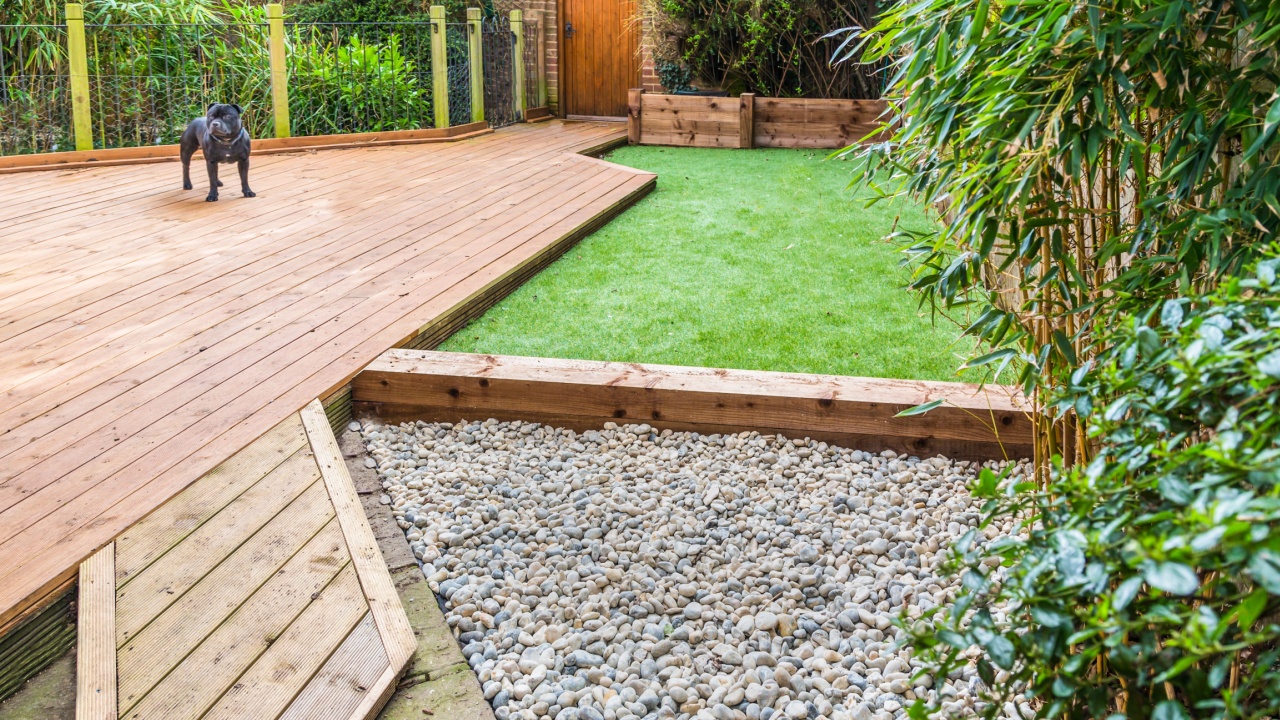
Small yards respond well to visual tricks that add depth, light, and movement. Curves soften edges, vertical planting uses empty height, and layered zones help the eye travel farther than the fence line.
Light finishes, reflected views, and a single strong focal point can also change how the whole space reads.
The most effective yards usually combine several of these ideas in a simple, balanced way. A pale patio, a curved bed, one climbing vine, and a bench placed at the back can shift the feel of a compact yard in a noticeable way.
With the right layout choices, a small backyard can feel open, inviting, and far more spacious than its measurements suggest.
Read More:
6 Toxic Trees That Aren’t Worth Planting in the Yard
3 Reasons Snakes Are Actually Good for Your Yard (And How to Attract Them)