14 Personal Items to Hide Before a Home Showing
Preparing a house for potential buyers requires more than just a quick vacuum and making the beds. When you live in a home, it is your personal sanctuary, but the moment it goes on the real estate market, it becomes a product. To get the best offers, the property needs to appeal to as many different people as possible.
Buyers often make up their minds within the first few seconds of walking through the front door. If they are distracted by personal belongings, they will struggle to focus on the actual house.
Real estate agents frequently point out that a clean, neutral environment makes a massive difference in how fast a home sells. When buyers can easily evaluate the size of a room or the condition of the flooring, they feel more confident about making an offer. Clearing out specific items removes the hidden barriers that hold buyers back.
The following checklist breaks down exactly what you should tuck away or remove before any real estate appointments.
1. Personal Valuables and Jewelry

Leaving expensive items out in the open introduces unnecessary risk during property tours. Even with trusted real estate agents present, multiple strangers will walk through the rooms and open closets. Protecting valuable assets prevents loss and keeps the focus entirely on the property itself.
Items such as expensive watches, diamond rings, and large amounts of cash should be stored in a secure safe or removed from the property entirely. Leaving these belongings on dressers or bathroom counters creates a distraction. Buyers might feel intrusive when looking around a main bedroom, especially if expensive jewelry is displayed in plain sight.
Locking up valuables provides peace of mind while strangers tour the residence. If a heavy safe is unavailable, place small valuables in a discreet box hidden deep within a locked cabinet. A clean dresser top looks much better and keeps precious items completely secure.
2. Medications and Medical Information

Privacy and safety remain top priorities when allowing the public into a private residence. Strangers do not need to know the medical history of the current occupants. Leaving private health details exposed can make visitors feel uncomfortable and violate the privacy of the homeowner.
Prescription bottles, daily pill organizers, and medical bills often clutter bathroom counters or kitchen tables. Prospective buyers routinely open medicine cabinets to check storage space. Seeing a shelf full of personal health items immediately reminds the buyer that someone else currently lives there.
Store all health-related items in a zipped bag tucked away in a bedside drawer or a designated travel case. Doing this protects sensitive health information and creates a cleaner look in the bathrooms and kitchen areas. A spotless bathroom counter helps potential buyers visualize their own morning routines.
3. Family Photos and Highly Personal Items
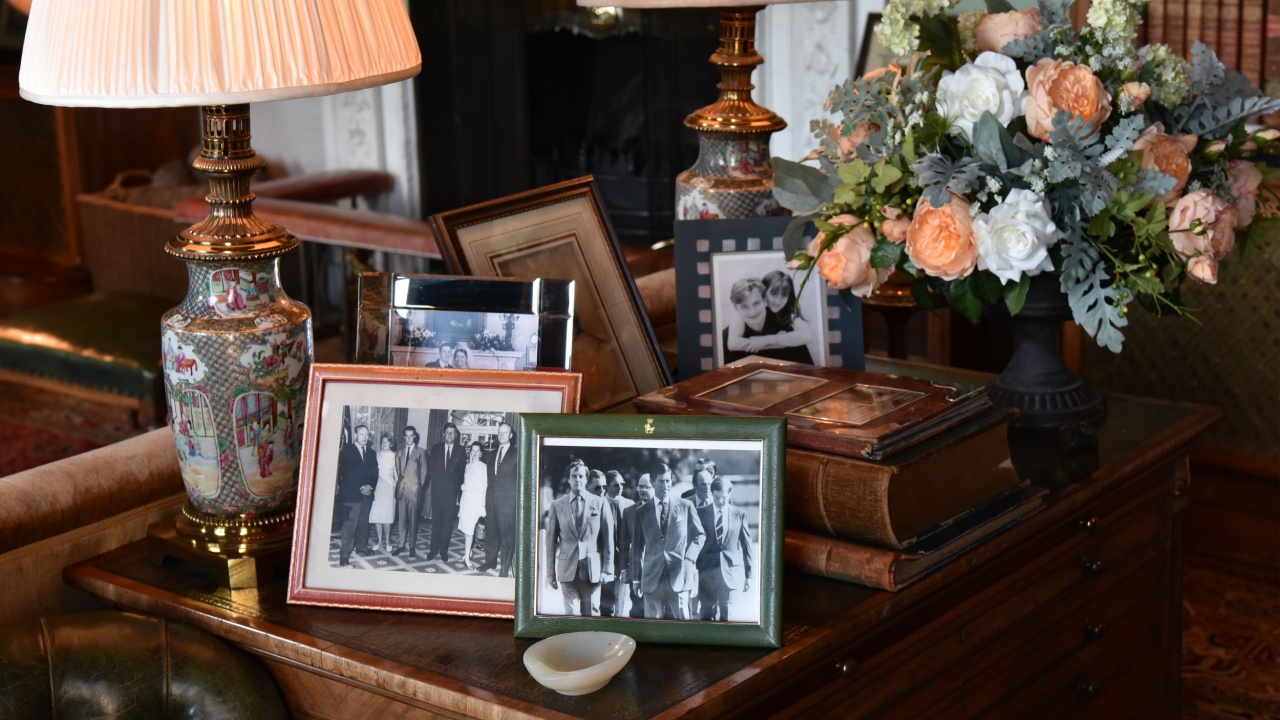
A house needs to look like a model home rather than a personal scrapbook. Buyers want to imagine their own family celebrating holidays in the living room. Seeing the current owners smiling back from every wall makes the space feel heavily occupied.
Large family portraits, wedding albums, and refrigerator collages immediately anchor the house to the current residents. While a few tasteful landscape photos look nice, walls dedicated to family memories pull the buyer’s attention away from the architectural features of the room.
Replace large personal canvases with neutral art prints or mirrors. Mirrors bounce light around the room and make spaces look larger. Packing away family photos early gives the seller a head start on moving day while creating a highly desirable neutral environment.
4. Political Signs and Flags

Homes sell best when they appeal to the largest possible pool of buyers. Political affiliations carry strong emotions that can instantly turn away a qualified buyer. Maintaining a neutral political stance inside and outside the property prevents unnecessary friction.
Yard signs, bumper stickers on garage refrigerators, and candidate flags have no place in a real estate transaction. If a buyer strongly disagrees with a political statement displayed in the home, they might walk away from a perfect house. Real estate transactions require a focus on the structure and location.
Remove all political materials from the front yard and interior rooms before taking listing photos or scheduling tours. Box these items up and store them in the garage or a storage unit. Keeping the environment completely neutral prevents emotional reactions that have absolutely nothing to do with the real estate.
5. Religious or Controversial Decor

Similar to political items, religious decor can make a space feel highly personalized and exclusive. A broad appeal leads to better offers and faster sales. Creating an inclusive atmosphere allows any buyer walking through the door to feel instantly at home.
Statues, large religious texts displayed on coffee tables, or controversial art pieces draw the eye away from the room’s features. Buyers might spend more time analyzing a specific piece of art than noticing the beautiful hardwood floors or the upgraded windows.
Swap out highly specific decor pieces for simple plants or standard coffee table books focusing on architecture or travel. Small adjustments in styling help buyers focus entirely on the square footage and layout. A neutral presentation always benefits the final sale price.
6. Pet Odors and Litter Boxes

Animals hold a special place in the household, but buyers rarely want to smell them. Real estate statistics show that strong pet odors rank among the top reasons buyers reject a home. A house must look and smell incredibly clean to fetch top dollar.
Litter boxes, food bowls, chew toys, and pet beds clutter floor space and introduce unwanted smells. Even if the current residents no longer notice the scent, fresh noses walking through the front door will detect it immediately. A dirty litter box in the laundry room can ruin a buyer’s perception of the entire house.
Take pets out for a walk or a drive during the showing. Hide all food bowls and toys in a dedicated plastic bin inside a cabinet. Clean litter boxes meticulously and consider moving them to the garage while buyers tour the property.
7. Strong Smells and Overpowering Scents
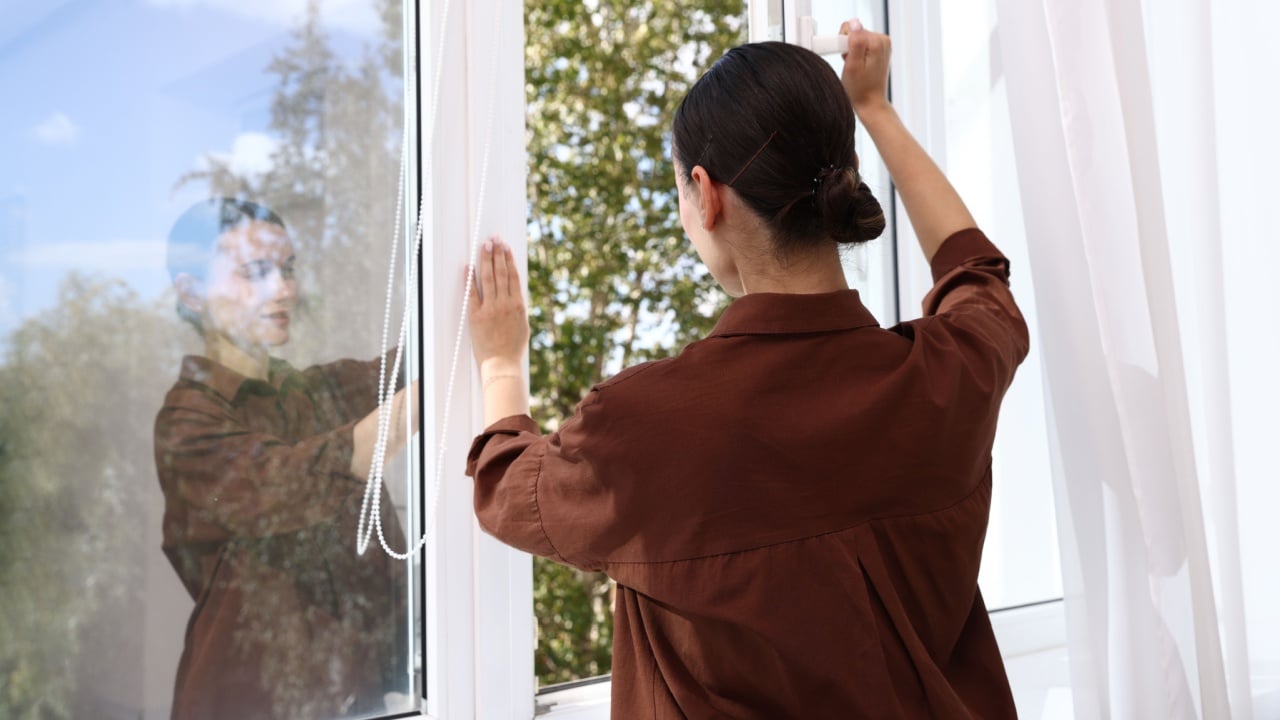
Trying to mask odors with heavy fragrances often backfires terribly. Buyers frequently assume that strong artificial scents exist solely to cover up hidden problems like mold or pet urine. A clean house naturally smells like fresh air.
Heavy plug-in air fresheners, incense, and strong candles overwhelm the senses. Some buyers suffer from allergies or sensitivities to artificial fragrances. An overpowering smell of vanilla or pine can actually drive a buyer out of the house before they even reach the second floor.
Open windows a few hours before a showing to let fresh air circulate through the rooms. For a pleasant scent, consider baking a small batch of cookies or brewing a fresh pot of coffee. Subtle, natural scents create a welcoming environment without raising red flags.
8. Dirty Dishes and Visible Food Mess
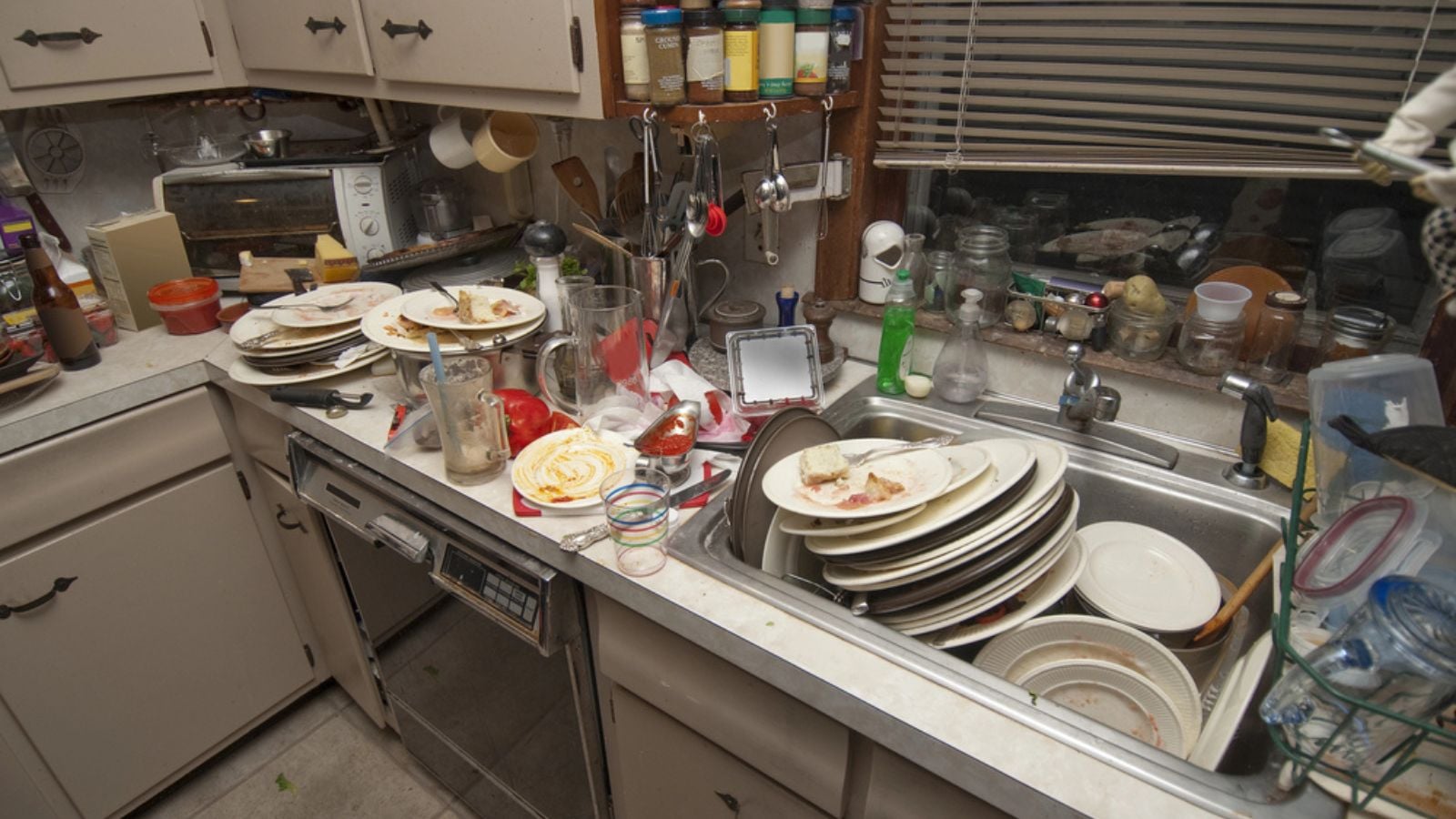
Kitchens heavily influence a buyer’s final decision. A messy cooking space signals a lack of maintenance and respect for the property. Buyers want to see expansive countertops and sparkling sinks when they evaluate the heart of the home.
Stacks of dirty plates, food crumbs on the stove, and overflowing trash cans can instantly kill a home’s momentum. A kitchen filled with last night’s dinner remnants smells bad and looks incredibly small. Cluttered countertops hide the actual amount of workspace available.
Run the dishwasher and put all clean items away before leaving the house. Wipe down every surface with a mild cleaner and take the trash out to the exterior bins. A pristine kitchen easily justifies a higher asking price.
9. Laundry Piles and Bathroom Clutter
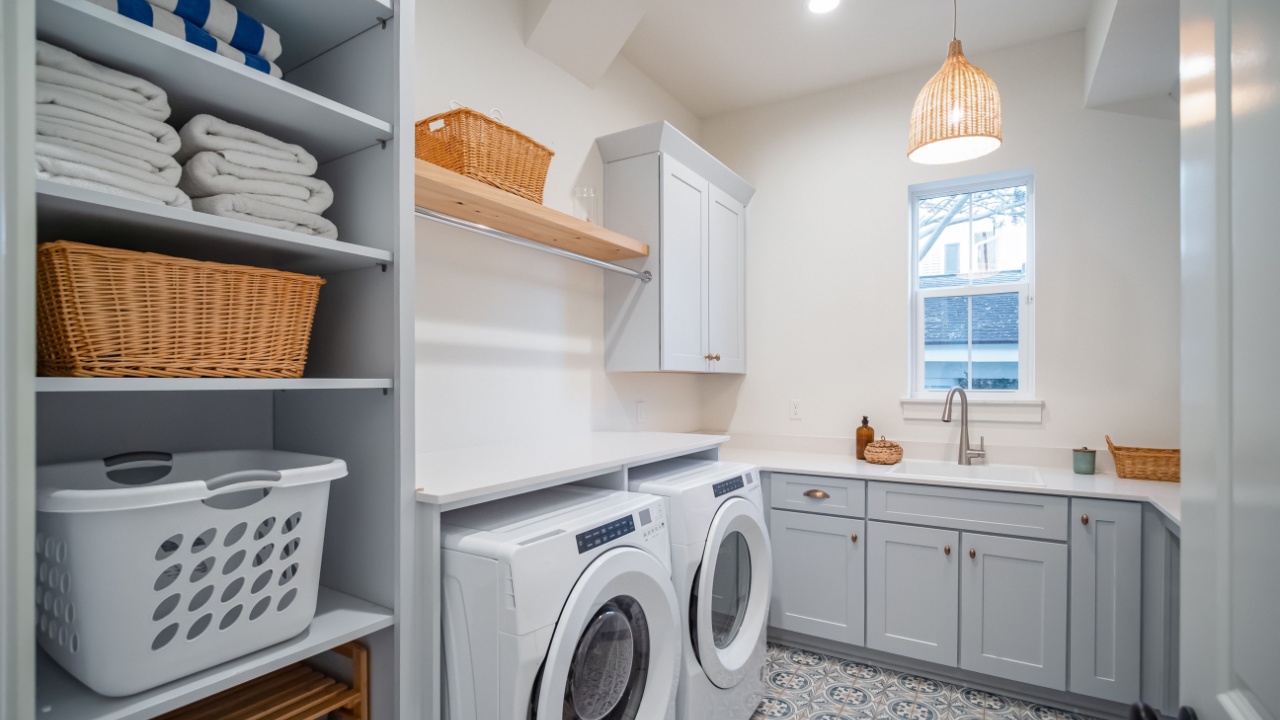
Bathrooms and laundry areas need to look functional and highly organized. Buyers closely inspect these utility spaces to evaluate storage capacity. Piles of clothes on the floor suggest that the home lacks adequate closet space.
Overflowing laundry baskets, wet towels hanging over shower doors, and counters covered in hair products look chaotic. A bathroom should feel like a serene spa environment. Clutter disrupts that feeling and makes the room look cramped.
Hide laundry baskets in the washing machine or a deep closet. Clear bathroom counters entirely, leaving only a bottle of hand soap and a fresh hand towel. Close shower curtains halfway to show off clean tile work while hiding everyday shampoo bottles.
10. Too Much Stuff in Storage Rooms
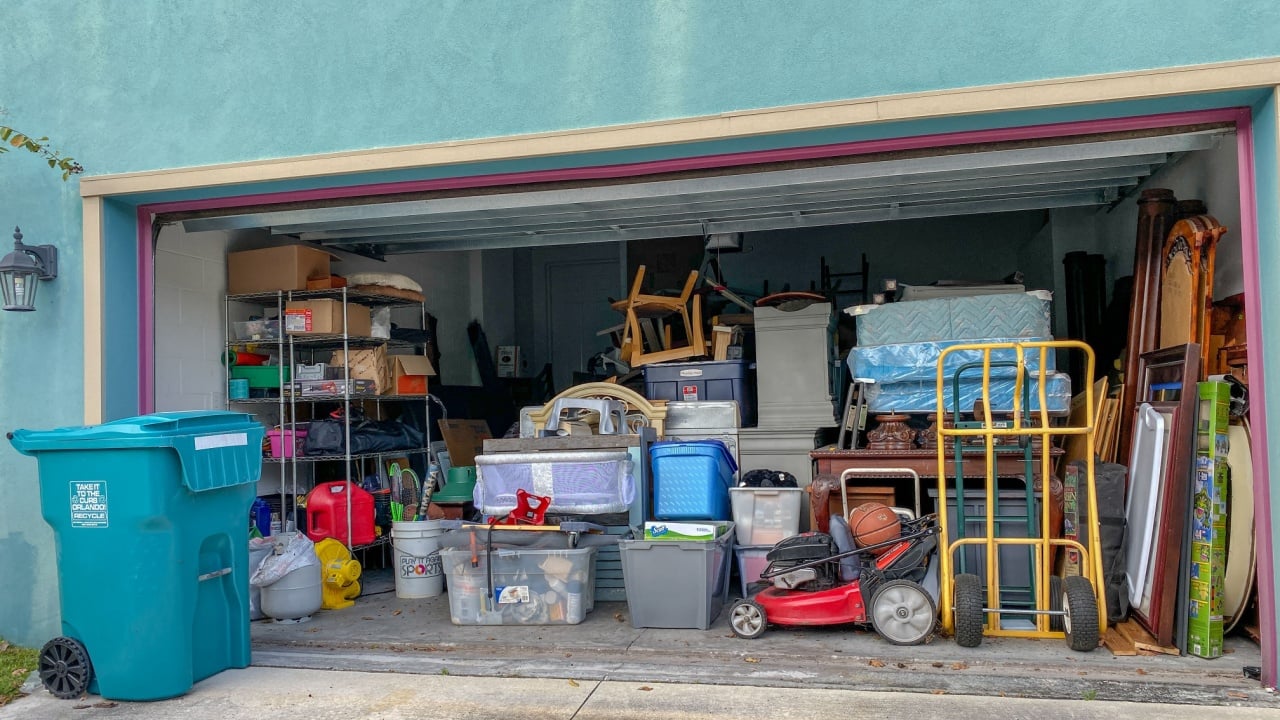
Sellers often make the mistake of shoving all their daily clutter into a spare bedroom or a basement corner. Buyers absolutely will look inside every closet, pantry, and storage area. Jam-packed spaces send a negative signal regarding the home’s total capacity.
When a garage or spare room is stacked floor to ceiling with moving boxes, the house feels significantly smaller. Buyers subconsciously calculate how their own belongings will fit into the property. If the current owner appears to be bursting at the seams, the buyer will assume the house is too small.
Rent a temporary storage unit for excess boxes and out-of-season clothing. Keep closets only half full so buyers can easily see the depth and shelving potential. Breathing room in storage areas translates to a higher perceived value.
11. Mail and Financial Bills
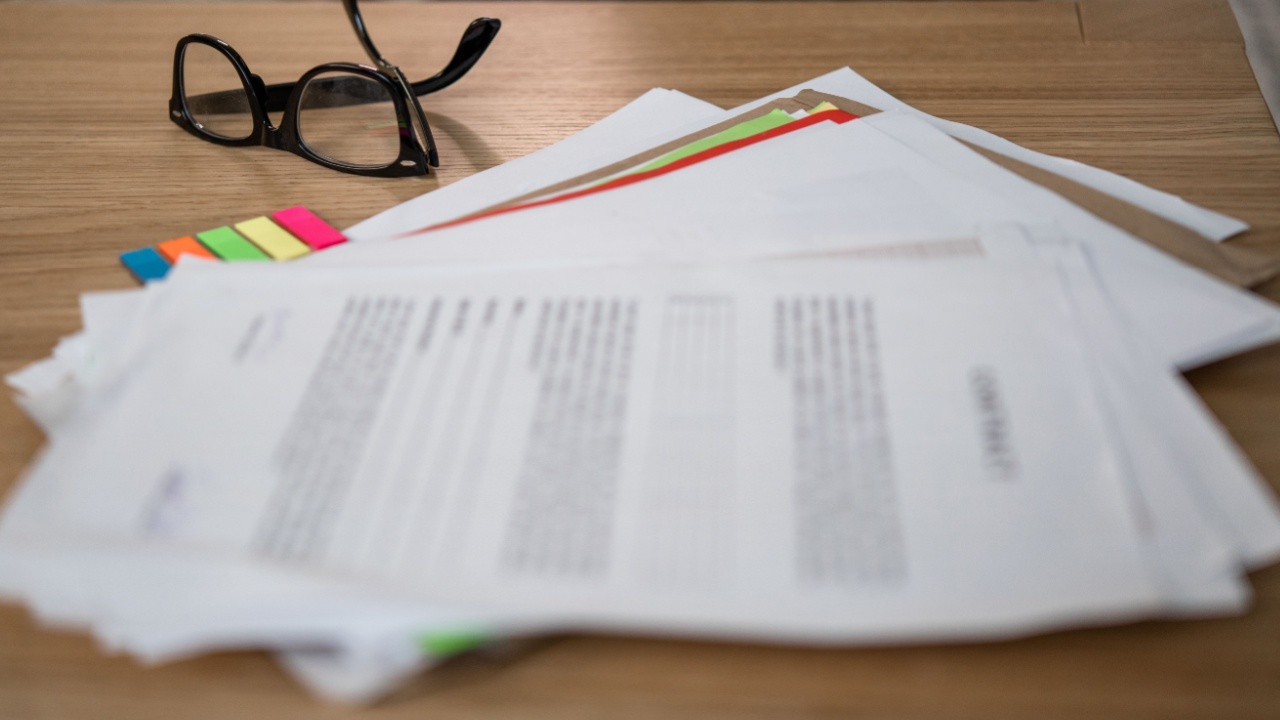
Financial documents and daily mail create visual clutter and pose a serious privacy risk. Leaving utility bills on the kitchen island gives strangers a direct look into household expenses. A clean desk or counter looks much more professional and inviting.
Stacks of envelopes, credit card statements, and bank notices often accumulate near the front door. This habit makes the entryway look messy right as buyers form their critical first impression. Private documents left unattended invite snooping from curious visitors.
Designate a specific drawer in a desk or a covered box for all incoming mail. Slide all paperwork out of sight before the real estate agent arrives with their clients. Protecting financial privacy requires just a few seconds of effort.
12. Weapons and Firearms
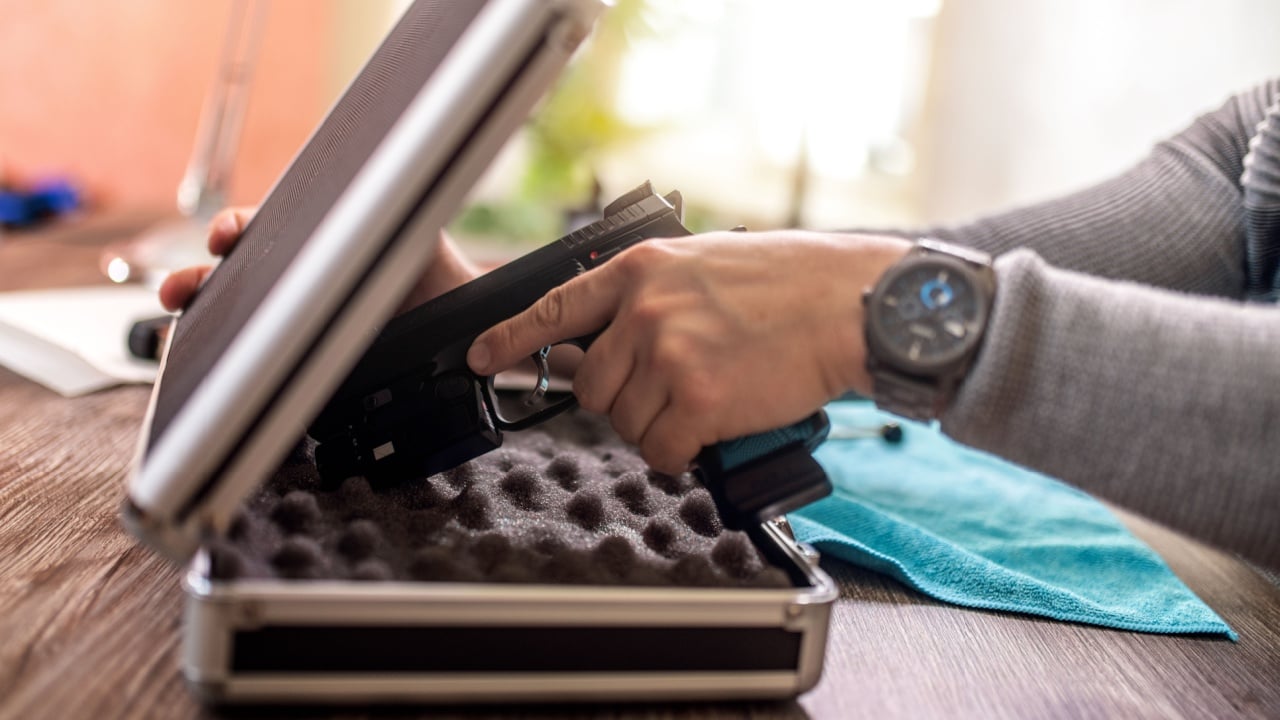
Safety considerations require the immediate removal or secure storage of all dangerous items. Buyers walking through a home expect a secure, family-friendly environment. Visible weapons can cause severe alarm and prompt buyers to leave the property immediately.
Hunting rifles left in corners, unsecured ammunition, or decorative swords create an intimidating atmosphere. Even in areas where hunting is popular, an unsecured firearm makes visitors extremely uncomfortable. A home tour should evoke feelings of comfort and security.
Lock all firearms in a heavy, bolted gun safe or remove them from the property entirely during the listing period. Hide decorative weapons out of plain sight. Prioritizing safety allows buyers to relax and enjoy the tour.
13. Calendars and Schedules

A family’s daily routine should remain completely private during a real estate transaction. Wall calendars proudly displaying vacation dates, children’s sporting events, and work schedules provide too much personal information to strangers.
Large whiteboard calendars in the kitchen or mudroom distract buyers from the actual space. Furthermore, advertising when the house will be empty due to an upcoming vacation poses a major security risk. Buyers do not need to know the daily movements of the current residents.
Erase all whiteboards and take down paper calendars before the first open house. Store daily planners in a briefcase or a closed desk drawer. A blank wall space looks much cleaner and protects family security.
14. The Sellers Themselves

The most distracting thing a buyer can encounter during a home tour is the current homeowner. Buyers need freedom to speak openly with their real estate agent and critique the property. They cannot do this if the owner is hovering in the hallway.
When sellers stay home during a showing, buyers feel like intruders. They rush through the rooms, avoid opening closets, and leave as quickly as possible. A rushed buyer rarely submits a competitive offer.
Pack a bag and leave the property at least fifteen minutes before the scheduled showing time. Go grab a coffee, run errands, or take a walk through a nearby park. Allowing buyers to explore the home privately significantly increases the chances of a successful sale.
Final Touches for a Successful Showing
Managing these details before property viewings directly influences how buyers perceive the value and care given to the home. Removing personal items, securing sensitive data, and creating clear paths through every room allows the property’s architectural strengths to stand out.
Taking the time to execute these final adjustments creates a neutral canvas that encourages competitive offers and an efficient sales process.
Read More:
18 Home Staging Mistakes Making Buyers Walk Away
Professional Staging Tricks to Make a Home Feel Instantly Cozier