8 Smallest Animals in the World (And Where You Can Find Them)
Tiny mammals can be harder to picture than giant ones. A blue whale sounds huge right away, but a mammal that weighs less than a coin can seem almost unreal.
Many of the world’s smallest animals live close to the ground, hidden in grass, leaf litter, burrows, rock cracks, and forest edges. Some dart through desert scrub, some hunt in Australian grasslands, and some may pass through rural yards near wild habitat without ever being seen.
Small bodies lose heat fast, burn energy fast, and leave little room for error, so these animals need constant food, cover, and a well-suited habitat.
This list looks at eight of the smallest animals in the world and the kinds of yards, gardens, and outdoor spaces found within their wider home regions across the globe.
1. Baluchistan Pygmy Jerboa
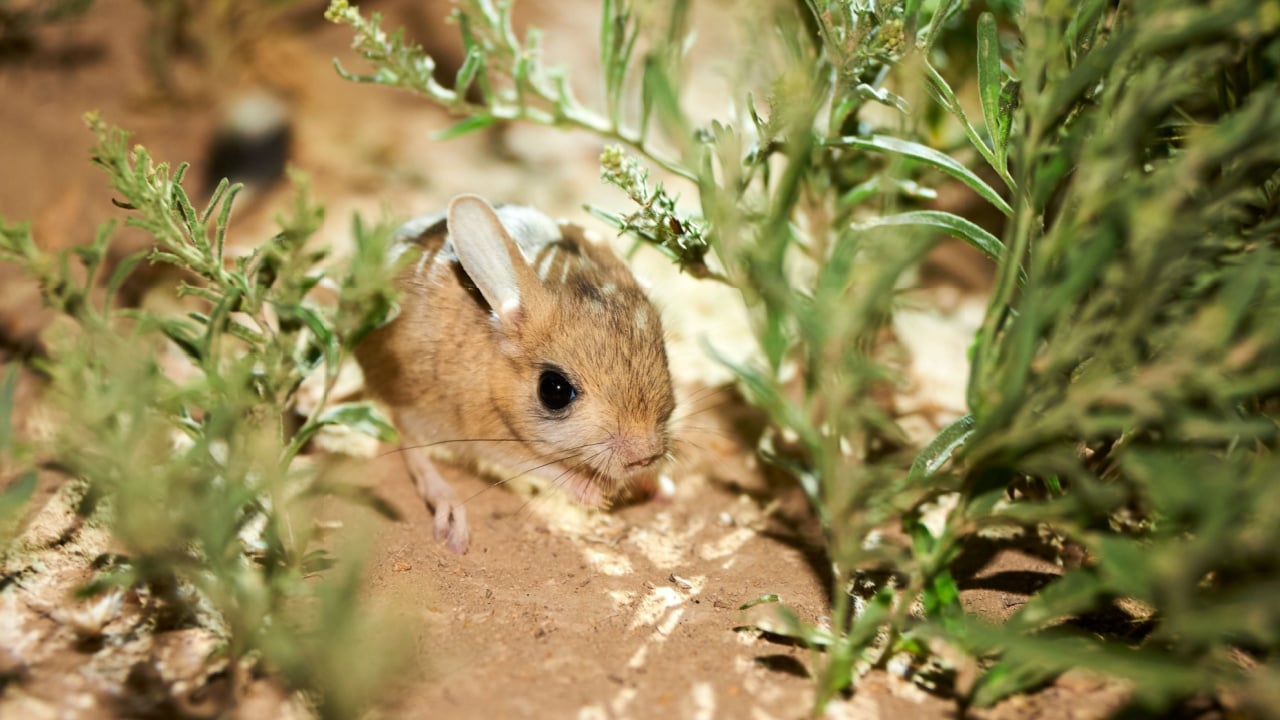
The Baluchistan pygmy jerboa is one of the tiniest rodents on Earth, weighing around 3 to 3.7 grams. It lives in dry parts of Pakistan and Afghanistan, where sandy ground, sparse shrubs, and desert plants shape its world.
Its huge back feet and tiny front legs give it a look a bit like a miniature kangaroo, and those long leaps help it move fast across open ground while using less energy than constant scurrying.
In the regions where it lives, homes with open, dusty yards near natural desert edges may sit close to suitable jerboa habitat, though this animal is rarely seen by people. It feeds on seeds and desert plants, so native ground cover matters far more than neat, cleared land.
A yard in its range would be most useful to local wildlife if it kept some natural structure, loose soil, and patches of dry vegetation instead of bare, heavily managed space.
2. Tasmanian Pygmy Possum
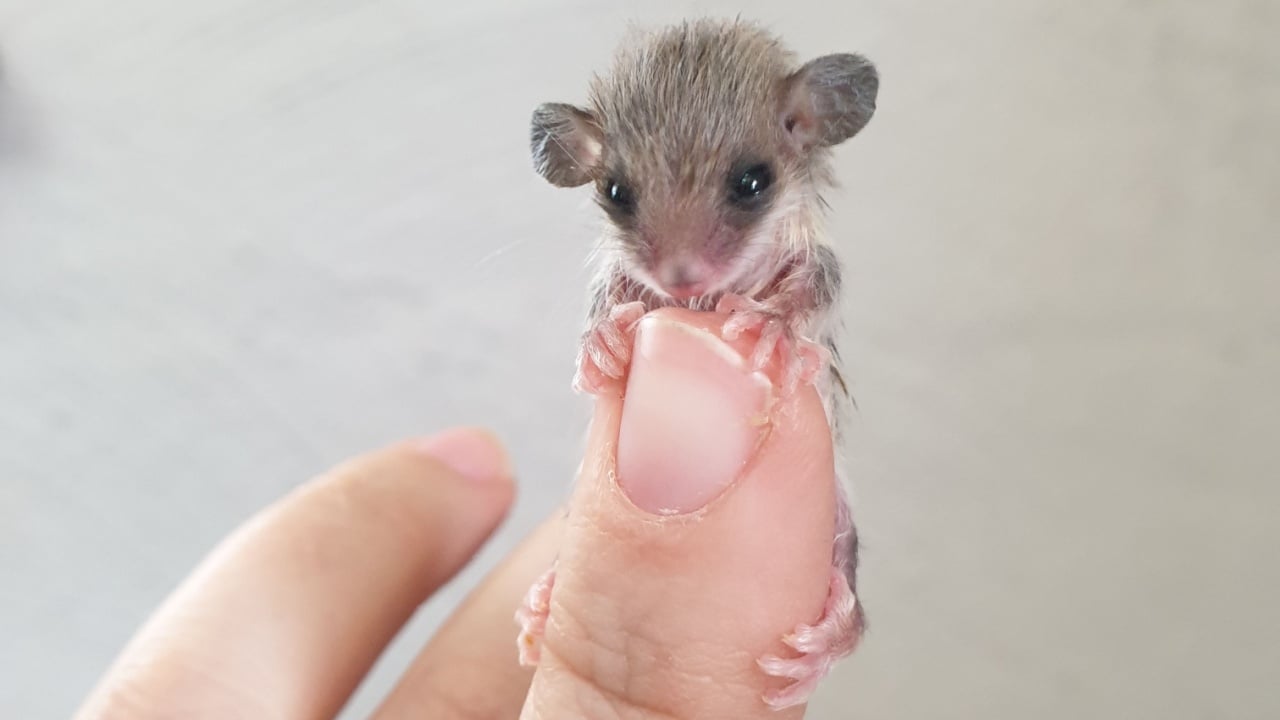
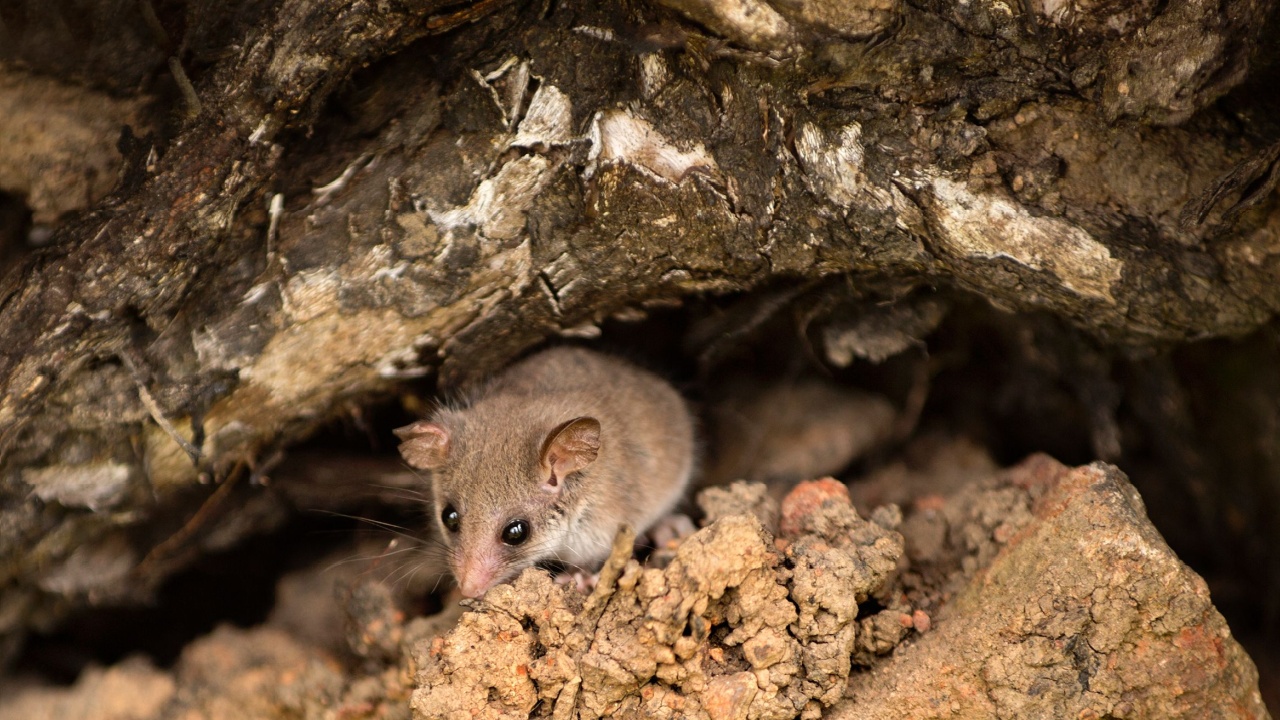
The Tasmanian pygmy possum is the smallest in the world, with a body length of just 2.8 inches. It lives in Tasmania and parts of mainland Australia, where it moves through shrublands, forests, and heath.
This tiny marsupial eats insects, spiders, small lizards, nectar, and pollen, which makes it one of the more varied feeders on this list.
That diet gives it a strong tie to flowering plants and healthy insect life near bushy habitats. In parts of Australia where it lives, yards planted with native shrubs and flowering species can support the same food web it depends on, even if the possum itself stays mostly out of sight.
Dense cover is especially important, since small mammals like this need places to hide during the day and safe paths to move after dark.
3. Etruscan Shrew
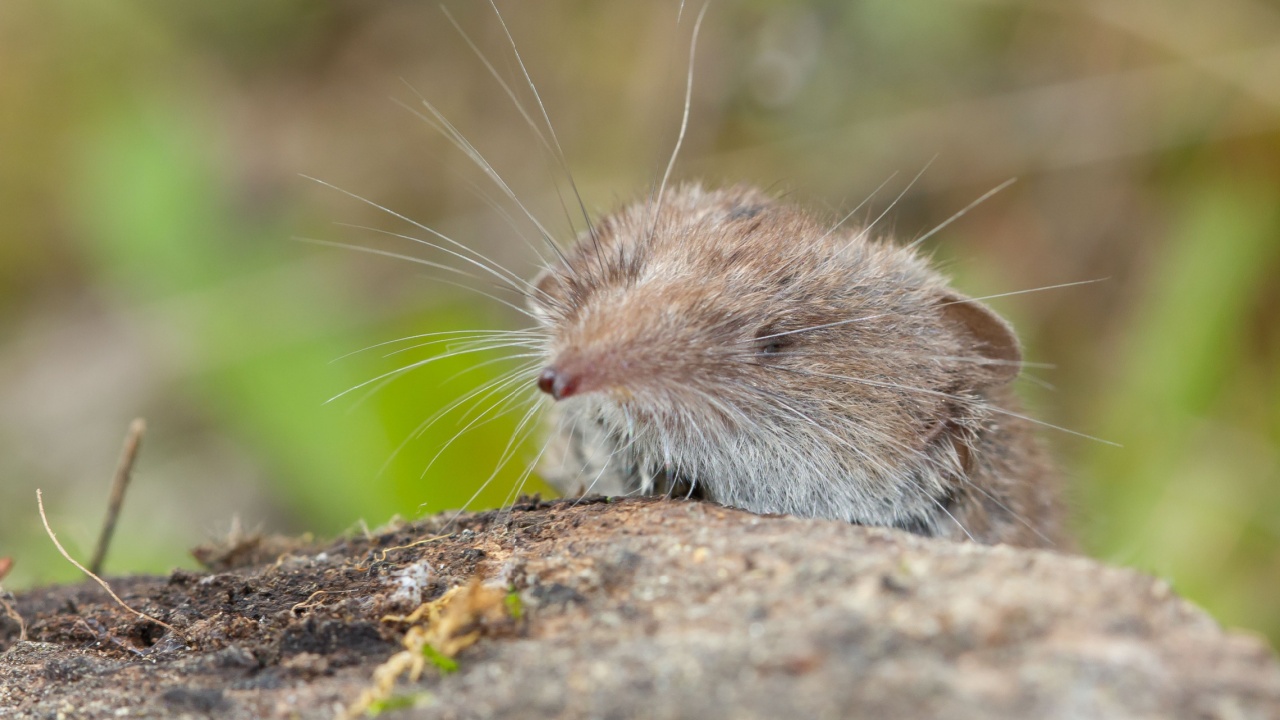
The Etruscan shrew is the smallest mammal by weight, often coming in at just 1.8 grams. It lives across parts of southern Europe, North Africa, Asia, and the Arabian Peninsula, usually in warm areas with brush, stone walls, farmland edges, and ground cover.
Its body is tiny, but its appetite is huge for its size, and it may eat up to twice its body weight in a day, mostly soft-bodied insects and other small prey.
That intense feeding need means it depends on places full of invertebrate life. In rural yards within its range, compost edges, low plants, leaf litter, and old stone features can support the insects it hunts, while heavily paved ground offers little.
Since this shrew must keep eating to stay alive, even small habitat changes near homes can shape how useful a local landscape is for animals this small.
4. Long-Tailed Planigale
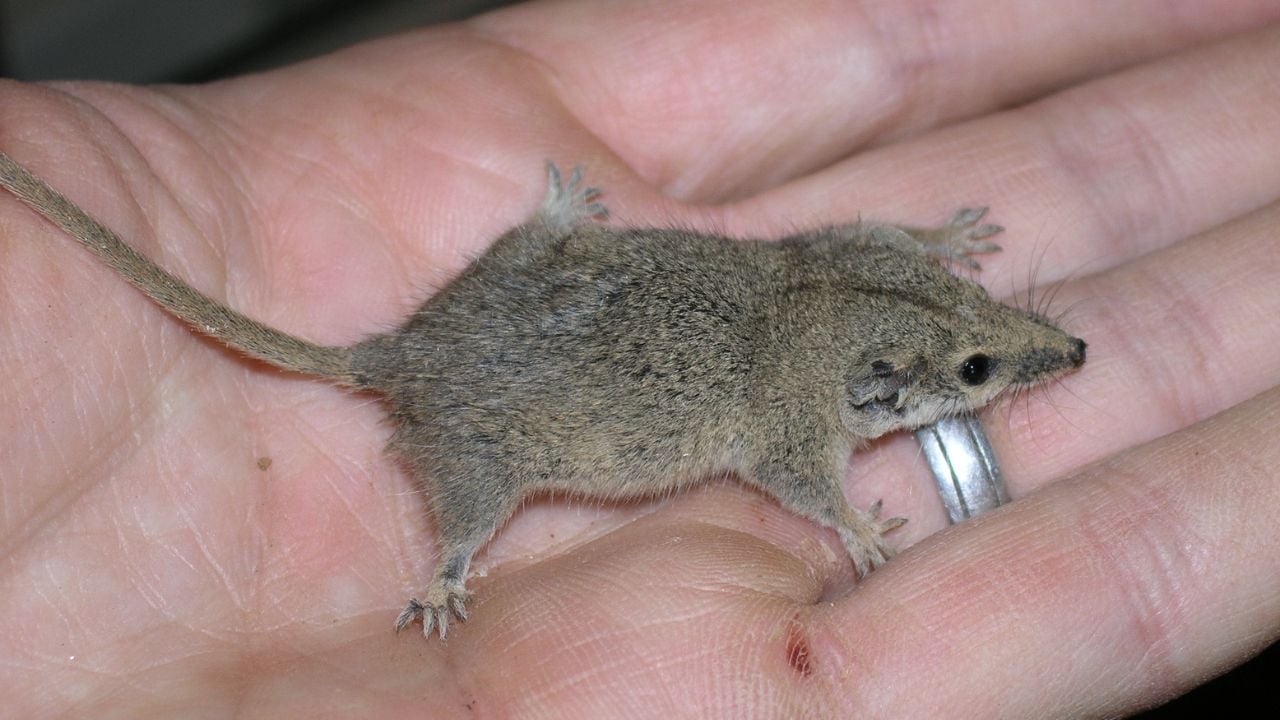
The long-tailed planigale is the world’s smallest marsupial, weighing around 4.2 grams. Found in northern Australia, it has a flat head, a slim body, and a long tail that helps it move into narrow cracks in soil and under dense ground cover.
Despite its size, it is an active predator that hunts insects, spiders, and even baby mammals when the chance comes.
Its hunting style shows that being tiny does not mean being fragile in behavior. In areas where this species lives, yards near native grassland or open woodland may overlap with the same insect-rich environment it uses, especially if the ground still has logs, litter, and rough cover.
Land that is cleared too often or cut too short can reduce shelter and prey, which is a serious problem for a predator that survives close to the soil surface.
5. African Pygmy Mouse
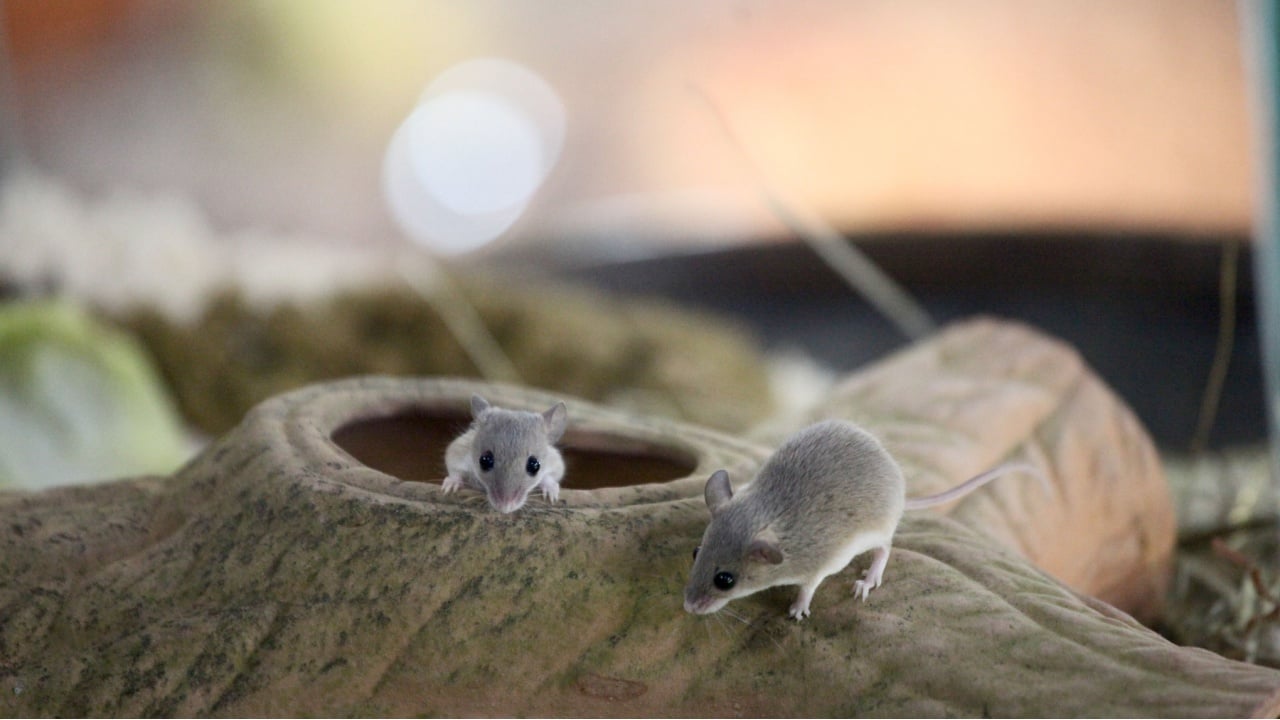
The African pygmy mouse is one of the smallest rodents in the world, measuring around 2 to 3 inches long and weighing 3 to 5 grams. It lives across much of sub-Saharan Africa in grasslands, savannas, and areas near farms and brushy cover.
It feeds on grass seeds and termites, a diet that links it to both plant cycles and the rich insect life found in warm, open habitats.
Because it can live near farmland and disturbed ground, this is one of the small mammals most likely to occur near people in some parts of its range. Yards with tall grass edges, seed-bearing plants, and low disturbance can blend more easily into the kind of habitat it uses.
At the same time, outdoor cats and heavy pesticide use can make home landscapes far more dangerous for an animal this small.
6. Narrow-Nosed Planigale
The narrow-nosed planigale weighs around 5.3 grams and lives in eastern Australia. It is a nocturnal hunter that feeds on beetles, moths, centipedes, and small lizards, and its long, narrow snout helps it probe into tight spaces for prey.
Like other planigales, it spends much of its life hidden in cracks, under vegetation, and close to the ground, where cover is as important as food.
This species does best in landscapes that still hold some natural messiness. In its home range, yards with native grasses, mulch, logs, and insect life may support a richer edge habitat than clipped lawns with little shelter.
For people living near bushland, a yard can function as part of a larger patchwork that small nocturnal hunters use to move, feed, and stay hidden from predators.
7. American Shrew Mole
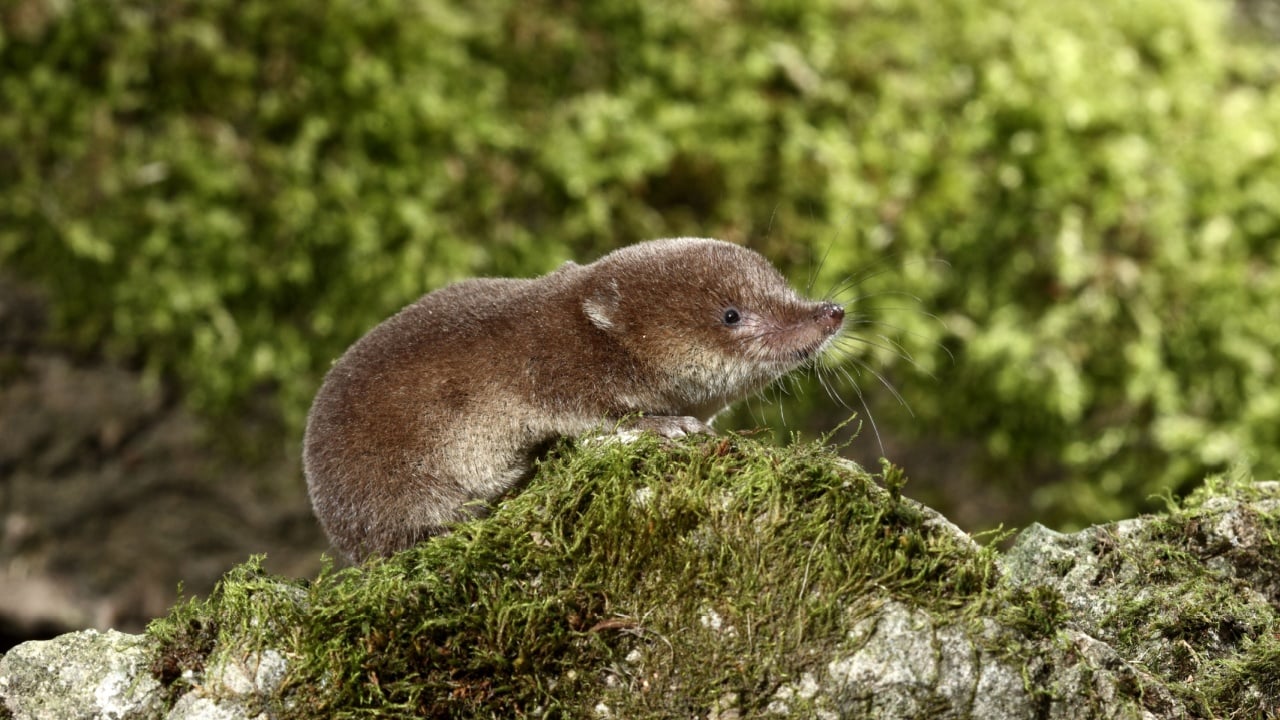
The American shrew mole is larger than some others on this list, but it still ranks among the smallest mammals, measuring around 4 to 5 inches long and weighing 7 to 11 grams. It lives in the Pacific Northwest of North America, where moist forests, soft soils, and rich ground layers support its digging life.
It feeds on snails, earthworms, fungi, and seeds, which sets it apart from many tiny mammals that rely more heavily on insects alone.
This animal is tied closely to damp, living soil, so its range includes the kind of cool, green yards found near woods in Washington, Oregon, and nearby areas.
A yard with leaf litter, shaded beds, loose soil, and fewer chemicals can support the worms and other small food items it seeks. Since it spends much of its time underground or under cover, many people could live near one without ever knowing it is there.
8. Bumblebee Bat
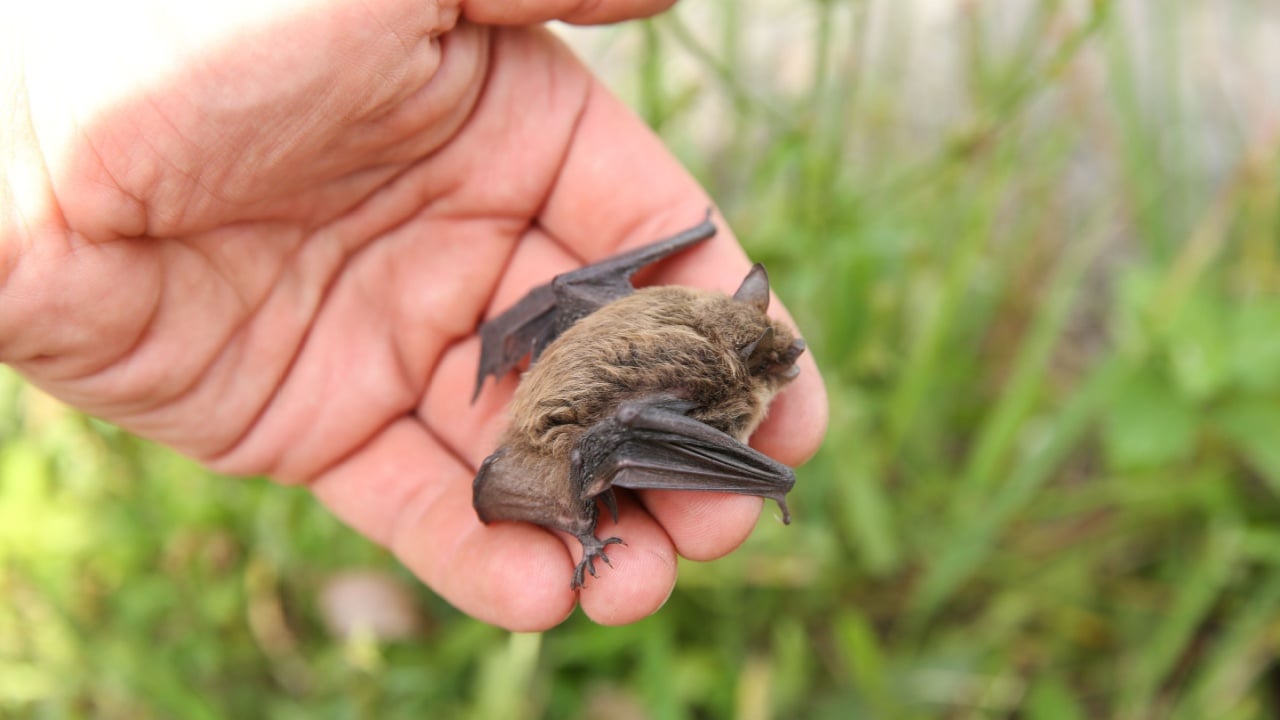
The bumblebee bat, also called Kitti’s hog-nosed bat, is the smallest mammal by length at roughly 1 to 1.3 inches, and it weighs under 2 grams. It lives in parts of Thailand and Myanmar, where it roosts in limestone caves and feeds on spiders, flies, and beetles.
Its tiny size is striking, yet the more remarkable fact may be how much it still depends on a full web of habitat, from safe cave roosts to nearby feeding grounds.
Even though it does not live in yards in the same way a ground mammal might, human-managed land near caves still affects its survival. Rural gardens, orchard edges, and small wooded spaces near its habitat can shape local insect numbers, while deforestation and disturbance can cut into feeding areas fast.
For a bat this small, a short flight still needs connected habitat, dark conditions, and a steady supply of tiny prey.
A Small Look at a Big World
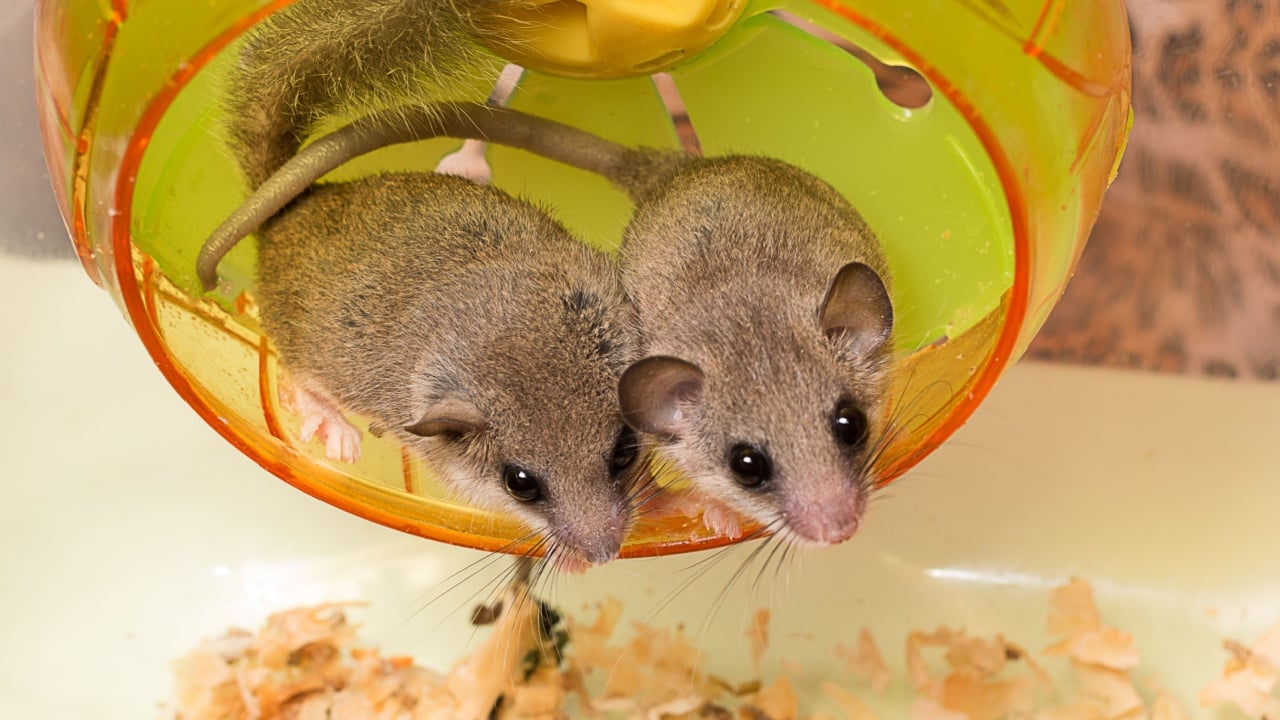
The smallest animals in the world are easy to miss, yet each one is built for a very specific place. Desert yards, Australian bush edges, African grasslands, Pacific Northwest garden soils, and Southeast Asian cave regions all support very different forms of tiny life.
Looking at these animals through the lens of the landscapes near human homes makes their lives easier to grasp. A yard is never just a yard to wildlife nearby. In many parts of the world, it can be a food source, a barrier, a hiding place, or a thin strip of living habitat that helps one of Earth’s tiniest mammals keep going.
Read More:
If You Spot These 11 Animals in Your Yard, It’s a Hopeful Sign