7 Smart Uses for Vinegar Around the Laundry Room
Not everyone knows that vinegar is one of the most versatile ingredients in the laundry room. Its mild acidity makes it useful for several laundry-care cleaning tasks.
Used the right way, it can help keep machines, tools, and surfaces in better shape.
At the same time, vinegar is not a cure-all. Some laundry tips that sound smart can cause damage, so it helps to know where vinegar works well and where it should be skipped.
Here are seven practical ideas for using vinegar in the laundry room while avoiding common mistakes.
1. Treat Certain Stains Before Washing
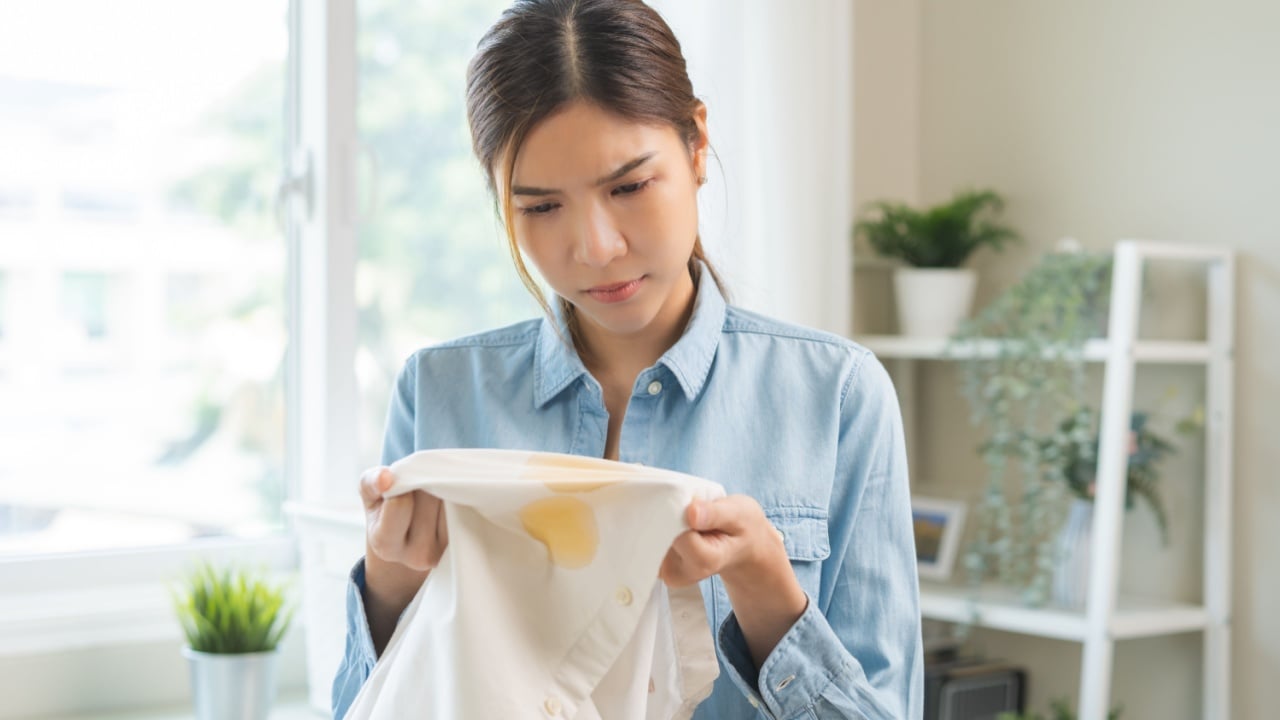
Vinegar can help loosen some alkaline stains before a wash cycle begins. A diluted mix of one part white vinegar and three parts water works well on residue left by detergent, deodorant, and some rust-toned marks on sturdy white fabrics.
It helps break down buildup so the stain has a better chance of lifting in the wash. This method is most useful as a spot treatment instead of a full soak.
A hidden patch test is a smart move before applying vinegar to any fabric. Delicate fibers, dark dyes, and natural stone buttons or trim may react poorly to acid.
For best results, the fabric should sit with the diluted solution for a short period, then be rinsed or washed soon after. Old, set-in stains may need a second treatment, though harsh scrubbing should be avoided.
2. Clean Hard Water Stains on Sinks and Faucets
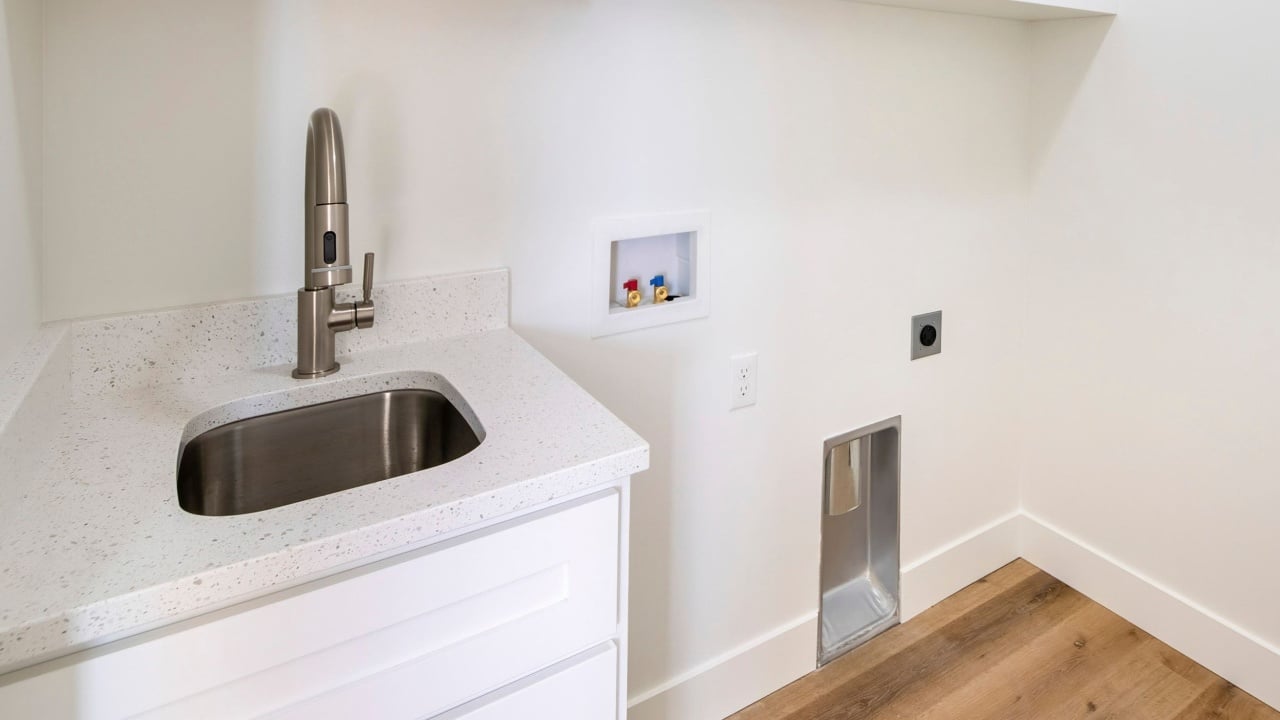
Laundry rooms often collect hard water marks around utility sinks, faucet bases, and nearby fixtures. White vinegar helps dissolve mineral deposits and soap scum that leave behind a dull, chalky film.
A soft cloth dampened with diluted vinegar can loosen the residue so the surface looks cleaner and feels smoother. This works especially well in homes with mineral-heavy tap water.
For heavier buildup, a vinegar-soaked cloth can rest on the stained area for several minutes before wiping. Gentle rinsing afterward helps clear away loosened residue and any lingering smell.
Vinegar should be used with care on natural stone, unfinished metal, or special coatings, since acid can wear down those surfaces. A quick label check or spot test can help prevent damage.
3. Remove Mildew from Washer and Dryer Exteriors
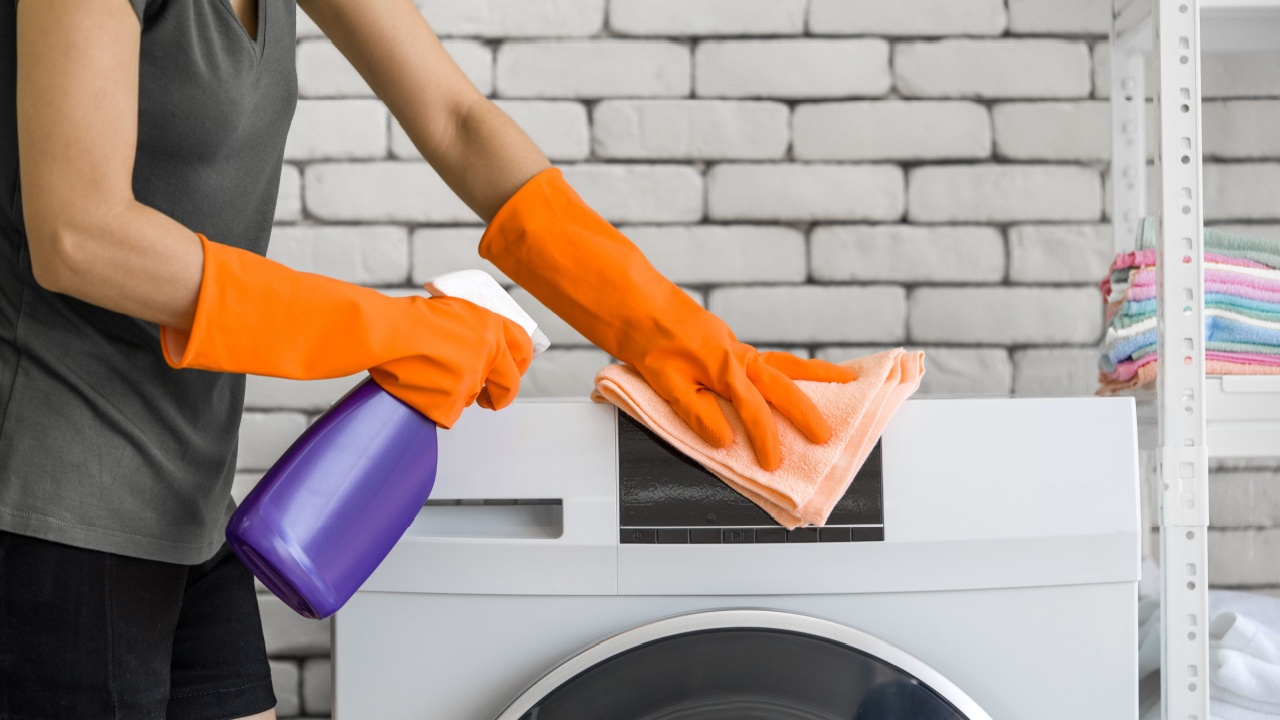
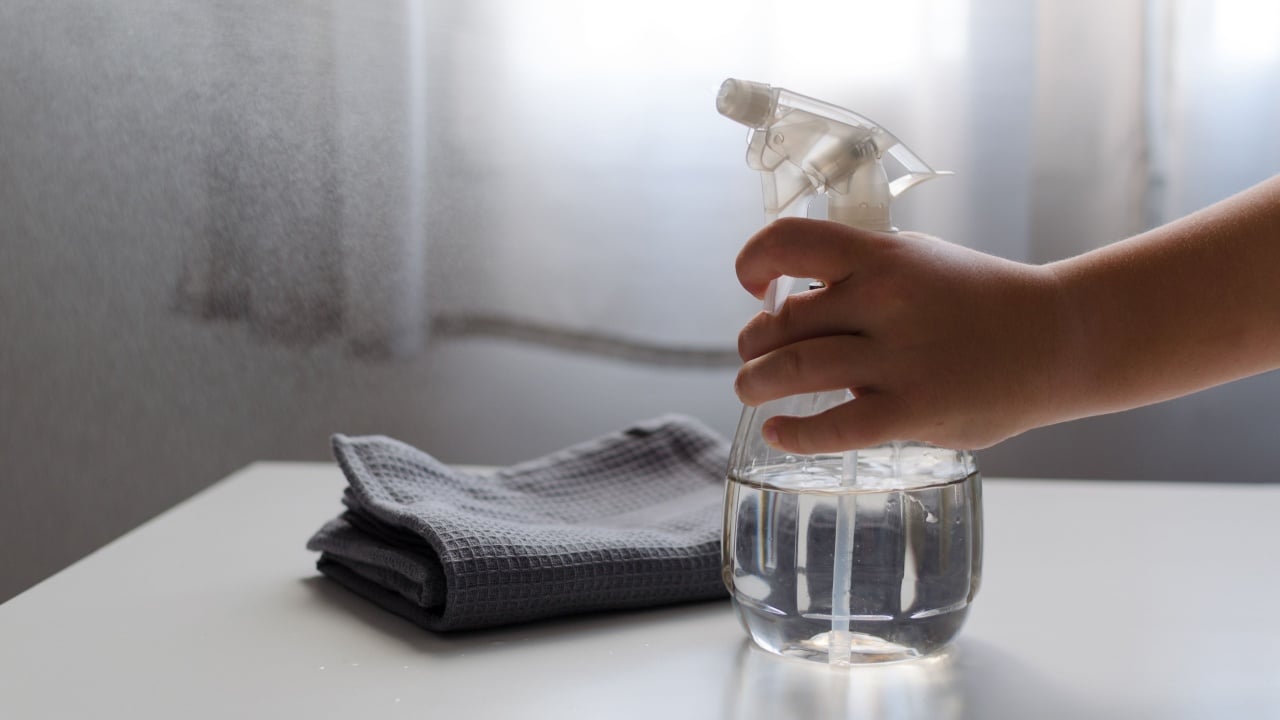
Laundry rooms tend to trap moisture, which makes mildew a common problem around machines. A spray made with equal parts vinegar and water can help clean mildew from the outside of washers and dryers, especially on painted metal and plastic surfaces.
It lifts grime and helps tackle musty spots that collect around lids, doors, and detergent areas. Used on the exterior, it can freshen areas that often get missed during routine cleaning.
The spray should be wiped away with a soft cloth after it sits briefly on the surface. Tight seams, rubber edges, and corners may need a second pass with a cloth or soft brush to remove stubborn residue.
Care is needed on stainless steel, since vinegar can dull or streak some finishes if it sits too long. Good airflow in the room can help slow mildew from coming back.
4. Soak Lint Traps to Remove Hidden Residue

Dryer lint screens can collect more than lint. Dryer sheets, fabric products, and detergent residue may leave behind a thin coating that blocks airflow even when the screen looks clean.
Soaking the lint trap in hot water with a small amount of dish soap and vinegar helps break up that film. Once cleaned, the screen can catch lint more effectively and support better dryer performance.
A soft brush can help remove any residue still clinging to the mesh after soaking. The screen should be fully dry before going back into the dryer, since trapped moisture can affect airflow.
This cleaning method is useful when water no longer passes through the screen easily. A simple rinse test under the faucet can reveal when buildup is present.
5. Clean an Iron Soleplate
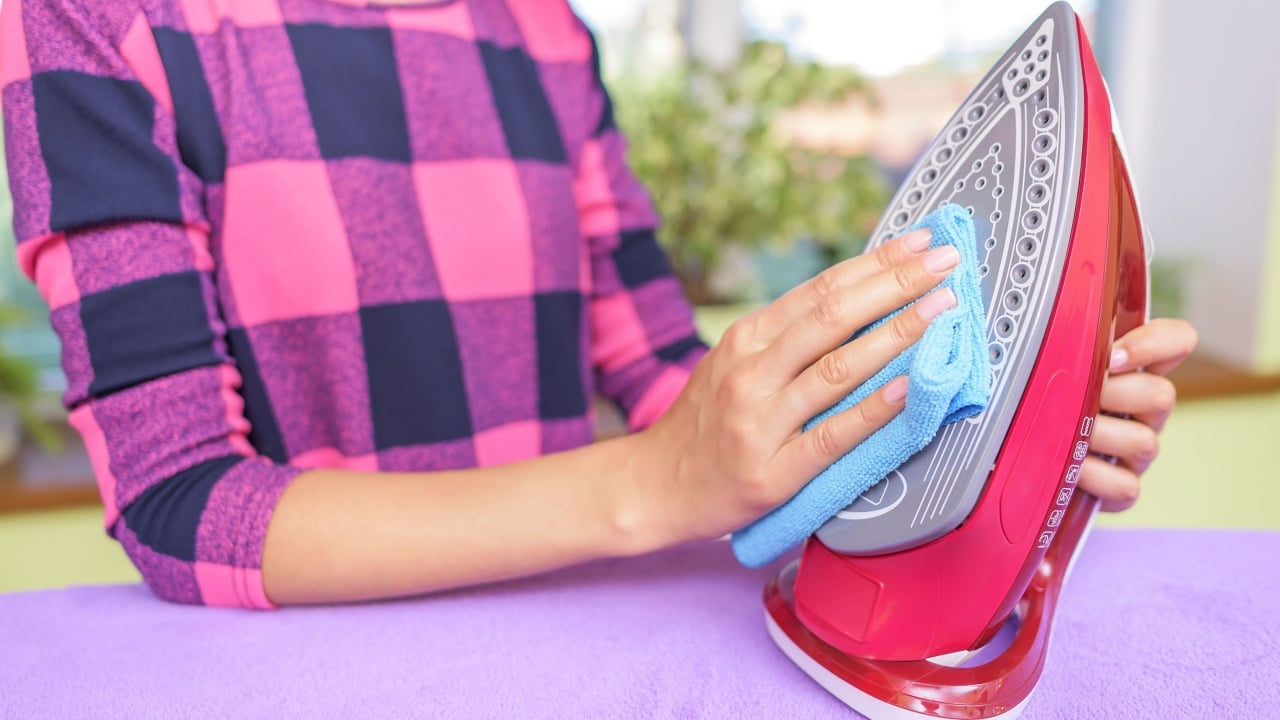
An iron soleplate can collect starch, scorch marks, and mineral buildup that affect how smoothly it moves across fabric. A warm mixture of vinegar and salt can help loosen that residue and restore a cleaner surface.
When the iron is unplugged and fully cool, the mixture can be applied with a soft cloth to lift grime without rough scraping. A cleaner soleplate glides better and is less likely to transfer marks onto clothes.
Any cleaner should be kept away from steam holes unless the iron maker allows it. After wiping the plate, a damp cloth can remove leftover residue so no salt remains behind.
The iron should be dry before use, and a test run on an old cloth is a smart precaution. This small task can help pressed items look neater and help the iron heat more evenly.
6. Use Vinegar to Help Release Wrinkles
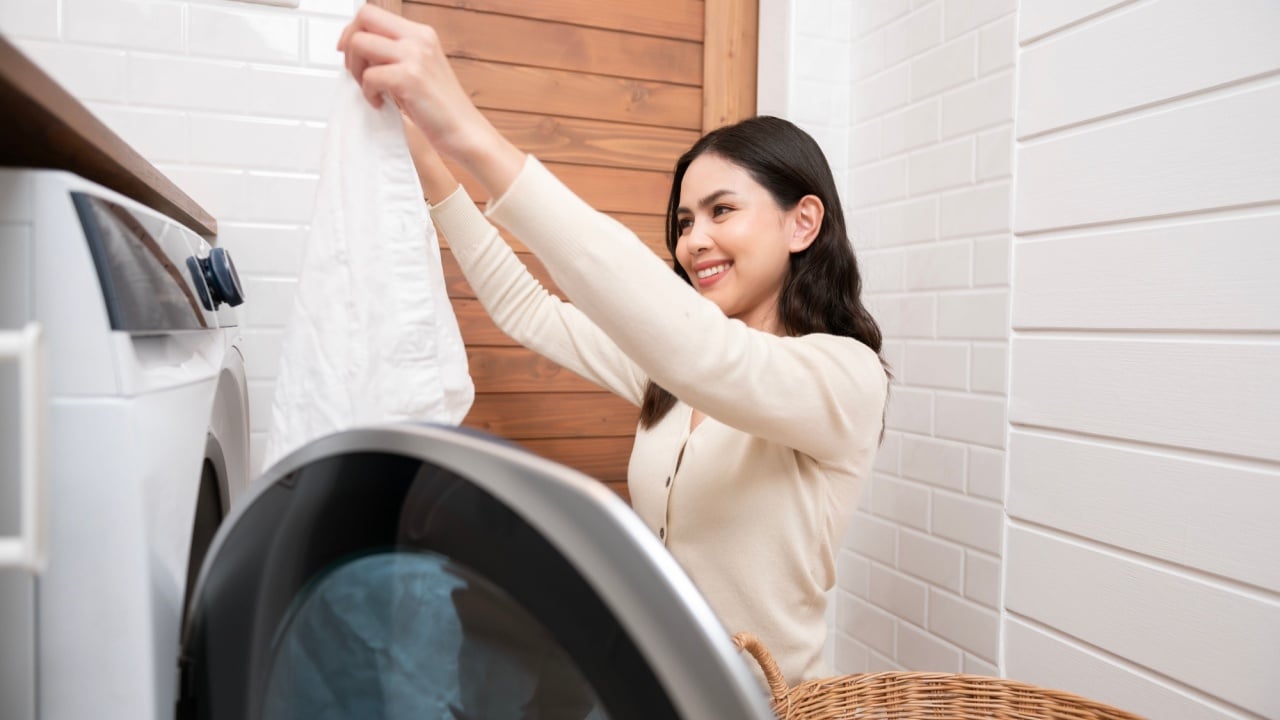
Vinegar can help relax wrinkles in fabrics like cotton and linen when used outside the washer. A light spray made with diluted vinegar can be misted onto a pressing cloth, then ironed over the wrinkled garment.
The moisture helps soften creases while the heat smooths the fabric. This method works best for touch-ups rather than full garment treatment.
The spray should stay light, since soaking fabric may leave a strong scent until it dries. A plain white cloth is a safe choice for the barrier layer, since colored fabrics may transfer dye under heat.
This approach is useful for shirts, table linens, and other items that need a quick refresh. It is less suited to delicate materials that require low heat or special pressing care.
7. Clean Cabinet Hardware and Small Laundry Room Fixtures
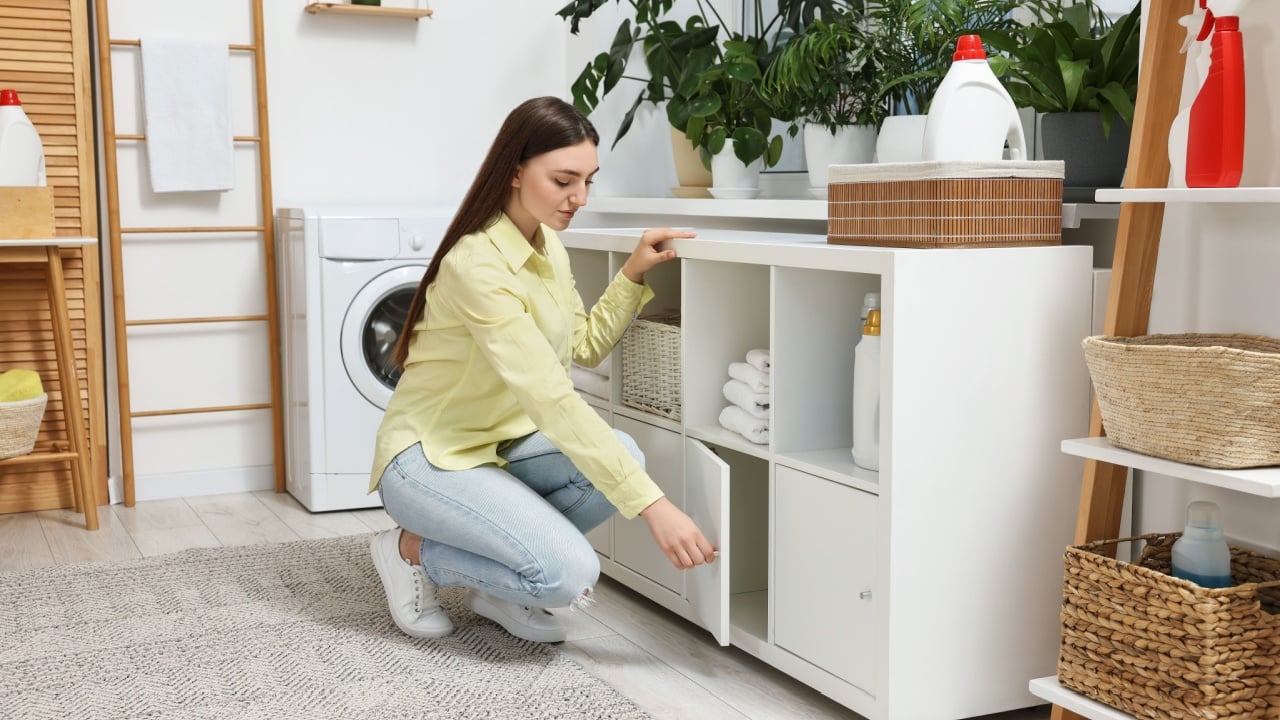
Laundry room cabinets and hardware can build up grime from damp hands, detergent dust, and everyday use. Diluted vinegar can help remove tarnish and residue from knobs, pulls, and similar fixtures, leaving them cleaner and brighter.
A soft cloth or cotton swab can reach into the edges where buildup often hides. This small detail can make the whole room look better kept.
Care matters here, since some finishes have protective coatings that vinegar can wear down. Brass-plated, lacquered, or specialty hardware may need a gentler cleaner made for that finish.
If the hardware is safe for vinegar, a quick wipe and dry buff is usually enough. Leaving vinegar sitting on metal for too long is best avoided.
A Smart Staple
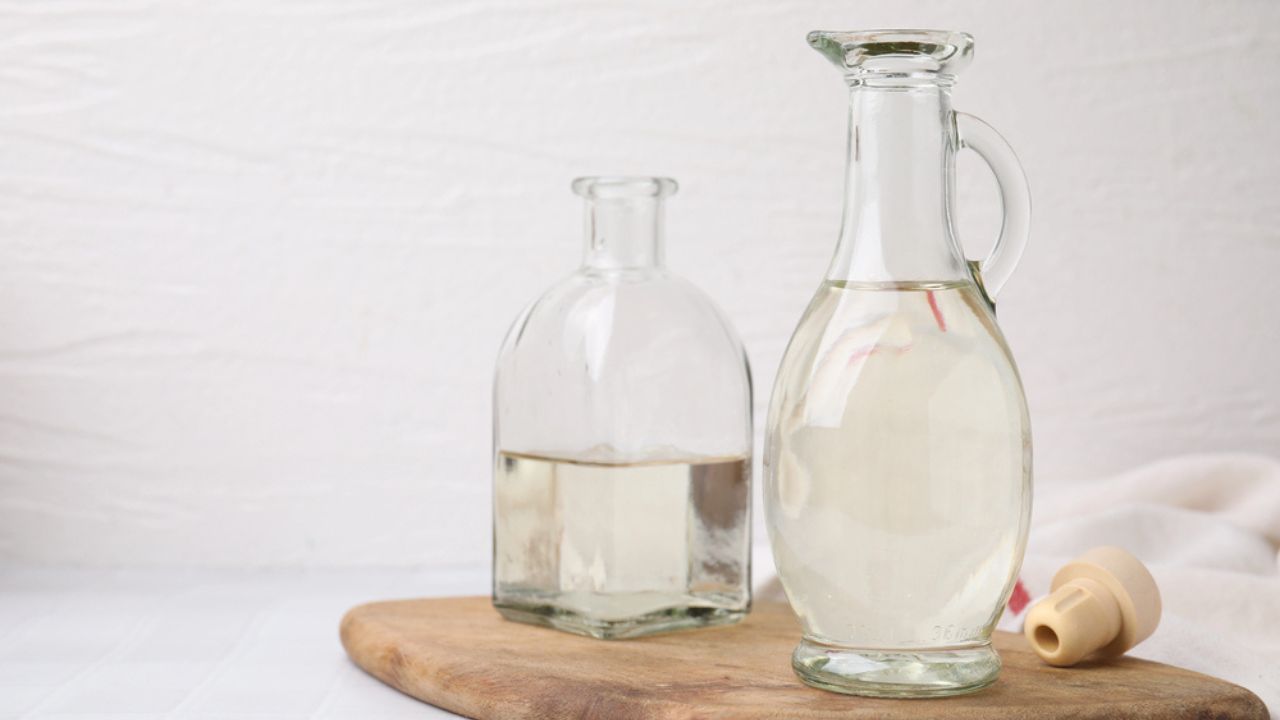
Vinegar has earned a steady role in the laundry room as a simple, effective helper. When used with care, it can freshen surfaces, clear away buildup, and make routine maintenance less of a chore.
Know what things to never clean with vinegar, and use it where it helps. With that balance, vinegar becomes a practical tool that supports a cleaner, more reliable laundry space.