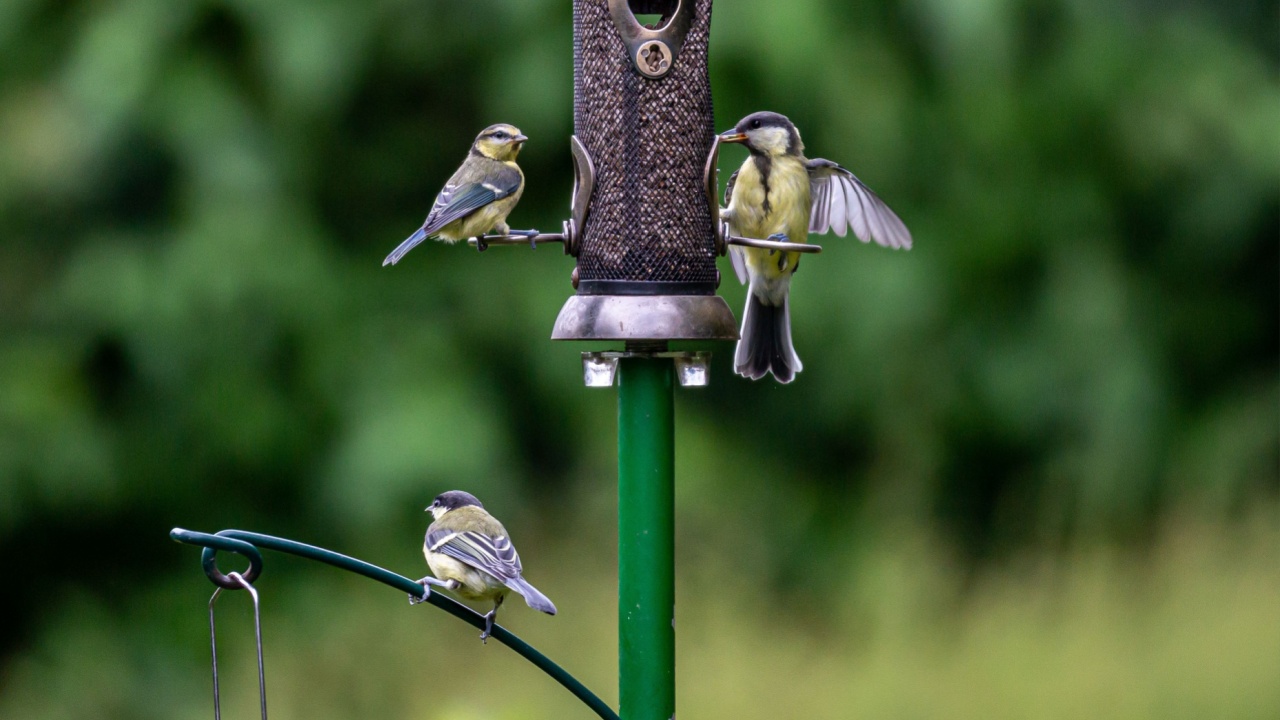
6 Bird Feeder Predators to Watch Out For (and What to Do About Them)
Colorful songbirds gather at a feeder and bring joy to any quiet morning. You set up feeders to help local birds thrive during difficult seasons. However, the food meant to nourish these small creatures frequently attracts unwanted attention from hungry hunters.
Predators view a busy feeding station as an easy buffet. When you gather many small birds in a single area, you unintentionally signal a feeding opportunity to nearby hunters. This gathering draws animals that rely on surprise attacks to survive.
A sudden attack quickly scatters your regular visitors and creates panic. Birds remember dangerous locations and abandon your yard entirely if they feel threatened repeatedly. Understanding the specific threats your feathered guests face daily to protect them.
Here are six common hunters that stalk feeding stations and target small birds (as well as other small animals attracted to your feeder). See how each animal operates and hunts its prey, and get clear actions you can take to protect your flying visitors today.
1. Hungry Rat Snakes
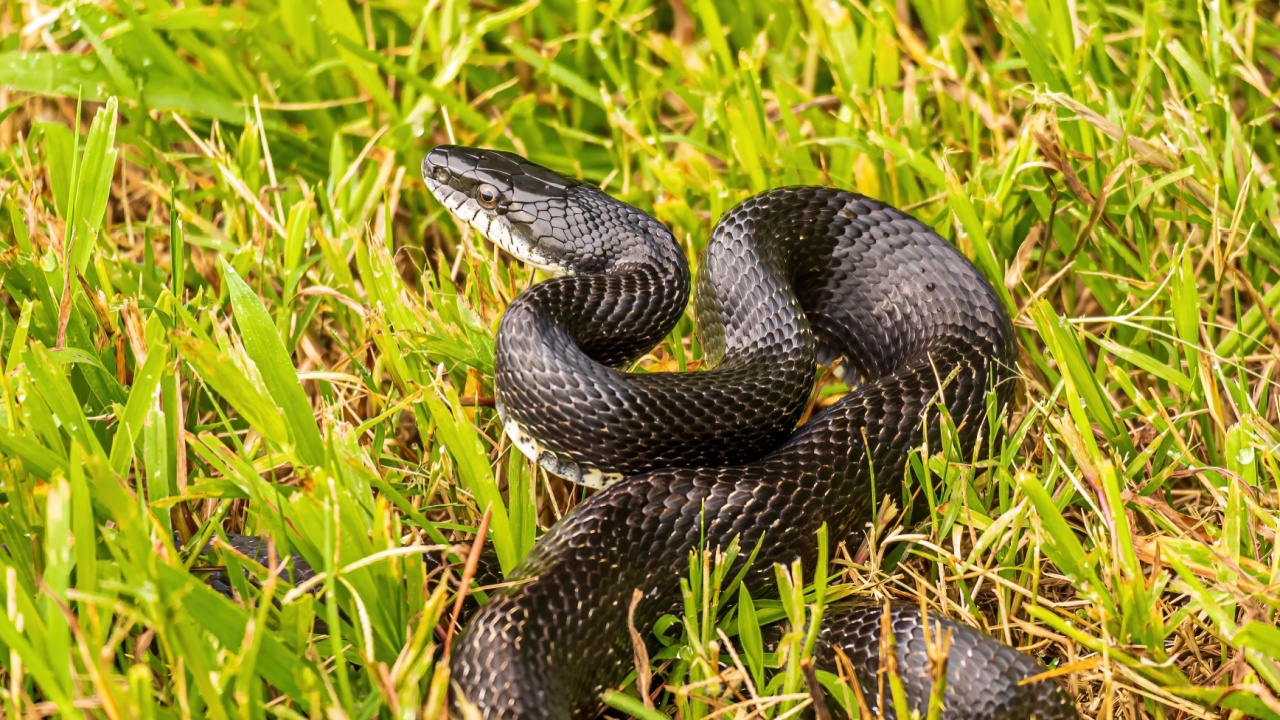
Many snakes climb incredibly well and reach high places with ease. They scale metal poles and wooden posts to reach nests or feeding stations.
Rat snakes actively seek out young fledglings and unguarded eggs when food gets scarce.
Stop these reptiles from reaching high areas by installing slick metal baffles on your poles. Keep all feeding stations far away from tree branches or structures that they can climb. Regularly clear away tall grass and brush piles to eliminate their preferred hiding spots.
2. Praying Mantises
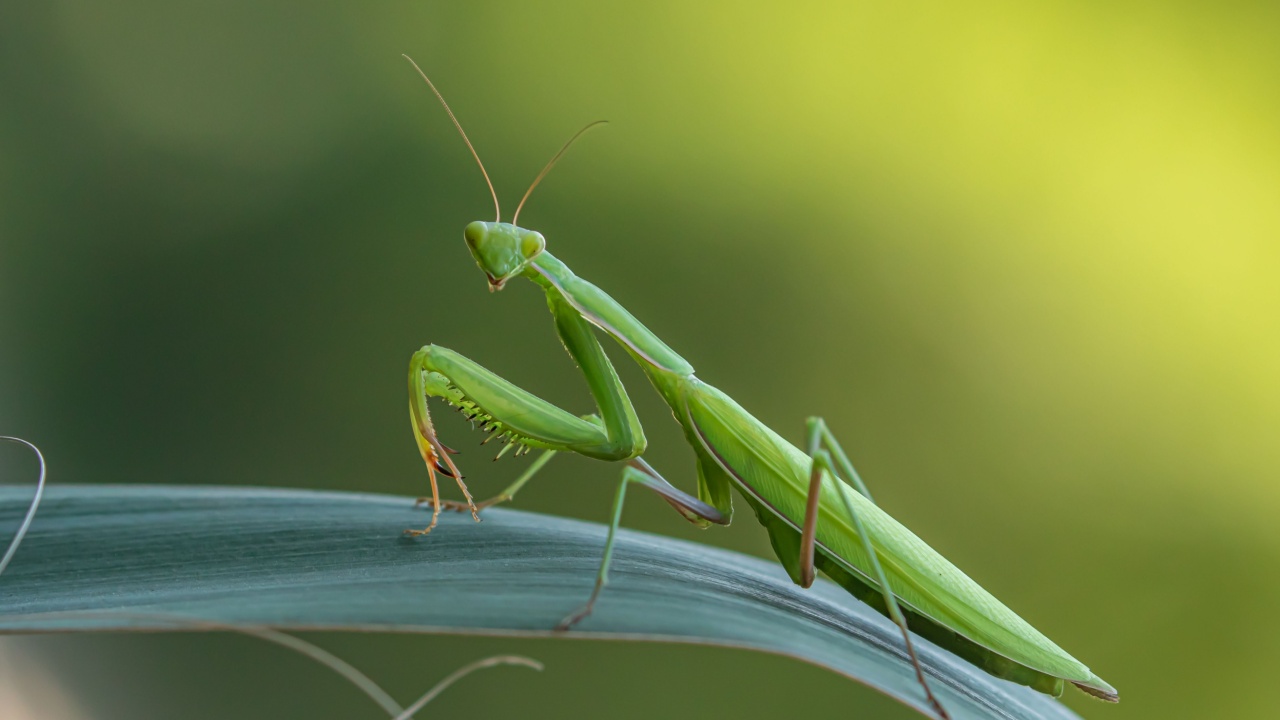
Large praying mantises occasionally pose a shocking threat to the smallest winged visitors. These insects blend perfectly with green foliage as they wait patiently near sugar water stations. When a tiny hummingbird hovers nearby, the large insect strikes with lightning speed.
Inspect your nectar feeders daily for any large insects hiding near the feeding ports.
Simply relocate any mantis you find to a different part of your yard. Clean the outside of the container frequently to deter them from hanging around.
3. Agile Coopers Hawks
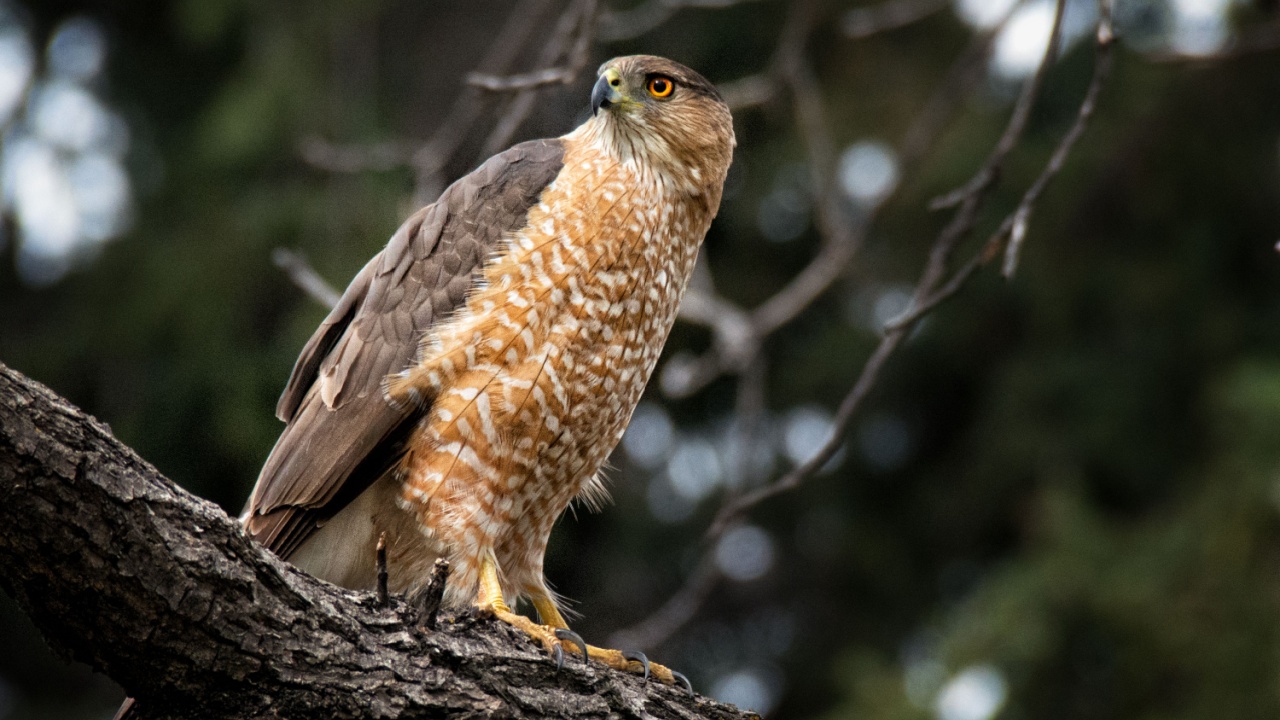
Cooper hawks are fast raptors that specialize in hunting smaller birds through dense suburban environments. They use bushes and fences as cover to launch surprise attacks on flocks. Their incredible agility allows them to navigate tight spaces while chasing terrified prey.
Position your feeding stations within ten feet of dense bushes or evergreen trees.
This placement gives small birds a safe place to dive into when a hawk attacks. Take down your feeders for a few days if a hawk decides to stay nearby permanently.
4. Clever Opportunistic Crows
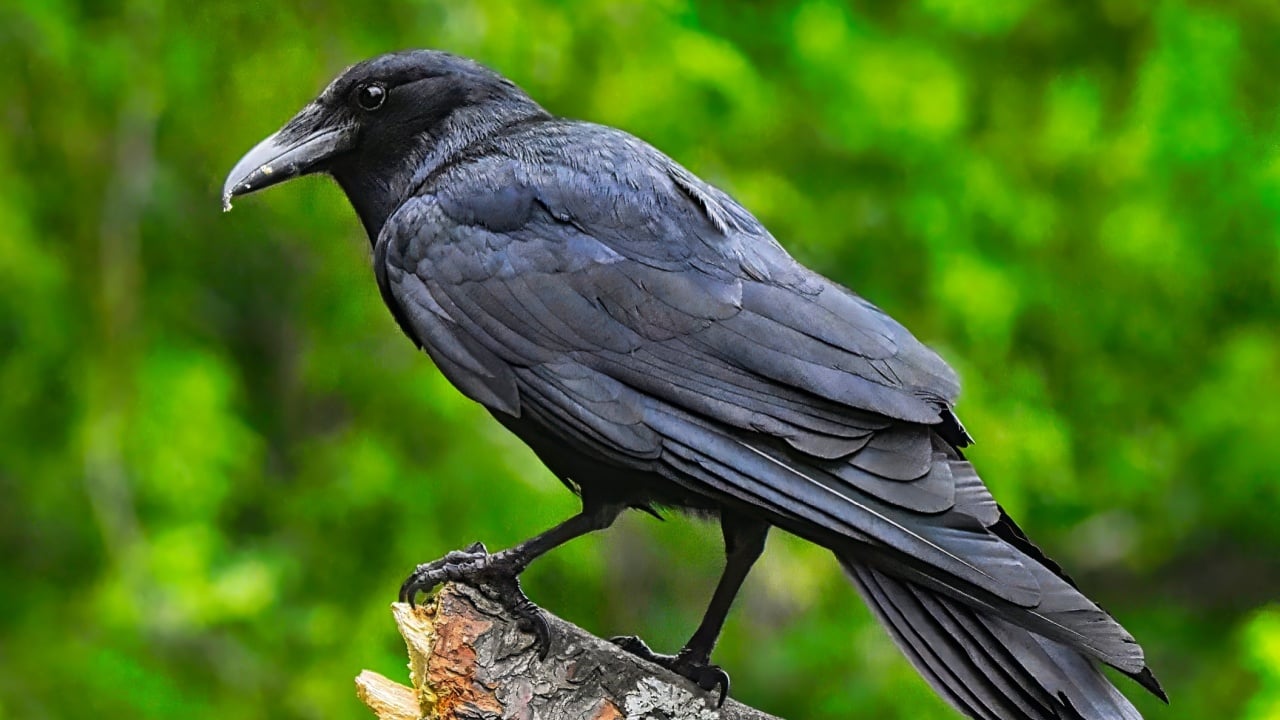
Crows possess high intelligence and eagerly exploit any easy food source they discover. These large black birds raid nests to eat unguarded eggs and helpless young fledglings. They also dominate feeding areas and chase away smaller species that try to eat.
Offer seed in weight-sensitive feeders that close when a heavy bird lands on them.
Spread multiple feeding stations across different areas of your yard to reduce congestion. Use cages over suet blocks to restrict access to smaller birds only.
5. Swift Sharp-shinned Hawks
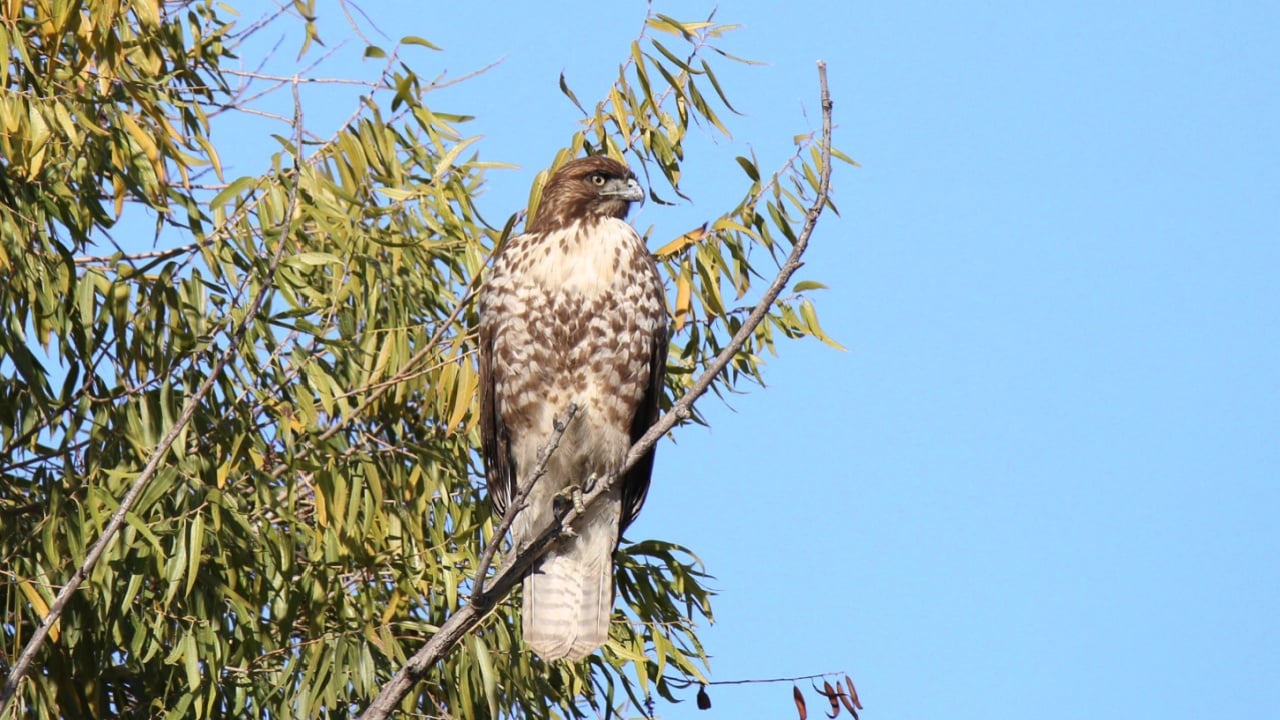
Sharp-shinned hawks are smaller than coopers hawks, but they are just as dangerous to small birds. These small raptors fly low to the ground before suddenly popping over bushes to surprise flocks. They target small songbirds mid-flight and strike with incredible precision.
While they play a natural role in the ecosystem, their presence frightens away regular visitors.
Provide plenty of natural cover, like thick shrubs, to give songbirds quick escape routes. Avoid placing feeders in wide open spaces where birds have nowhere to hide. Temporarily remove the food supply to encourage the raptor to hunt somewhere else.
6. Roaming Domestic and Feral Cats
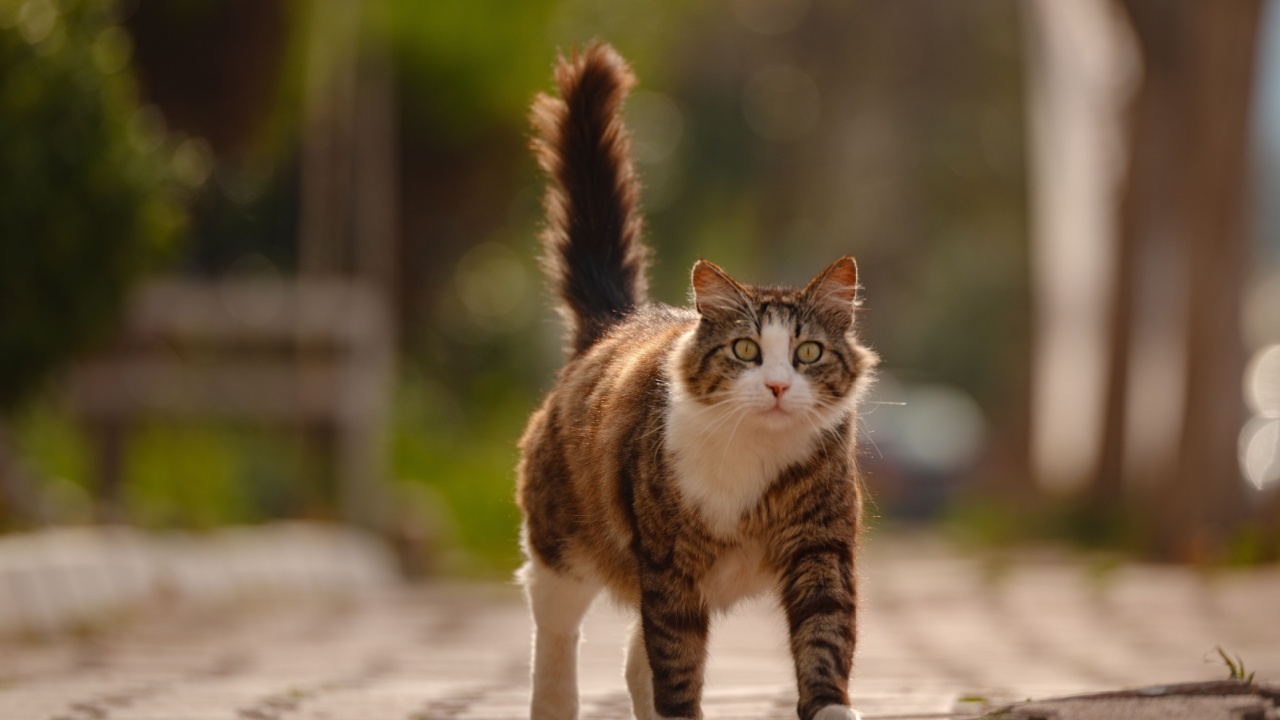
Domestic and feral cats hunt with silent precision and pose an immense threat to native wildlife populations. These pets kill billions of songbirds annually across the country by stalking them from the ground.
Unlike native wildlife, outdoor cats hunt purely for sport rather than survival.
Keep your pets indoors permanently to protect local wildlife populations from unnecessary harm. Install specialized fencing to prevent neighborhood cats from wandering onto your property. Place all food stations high off the ground where jumping felines cannot reach them.
Protecting Your Feathered Guests
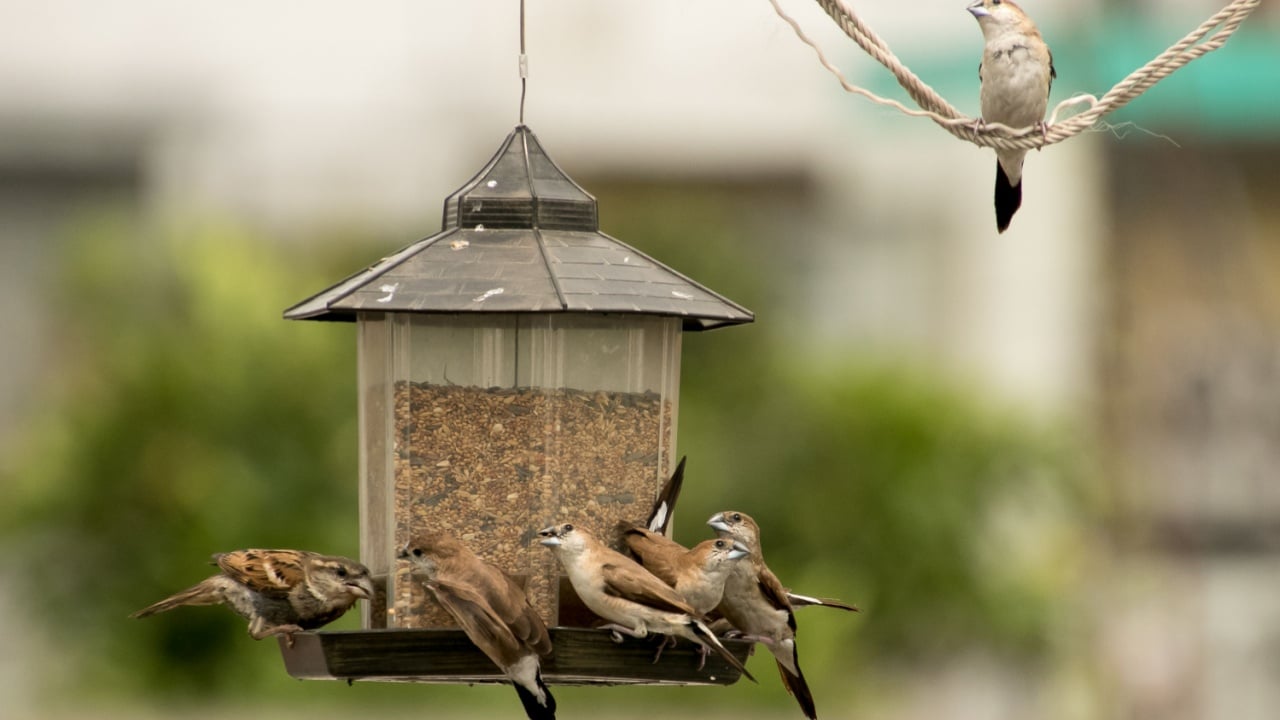
Maintaining your backyard safety requires constant vigilance and practical adjustments to your setup. You create a secure environment by learning how local hunters operate near your property. Small changes in placement and equipment make a massive difference in survival rates.
Secure feeding environments allow vulnerable songbirds to eat peacefully throughout the changing seasons. Take time today to evaluate your yard and implement these simple protective measures. Your feathered guests will safely enjoy the nourishment you provide for years to come.