8 Home Elements That Quickly Make a Space Feel Uneasy
What makes a space feel comfortable? Often, a room seems clean enough yet leaves people feeling tense, distracted, or oddly unwelcome.
That uneasy feeling often comes from small details that compete for attention. A crowded sofa, harsh light, strong scent, or blocked path can keep the body alert rather than relaxed.
Comfort at home is tied to sight, sound, smell, touch, and movement. When any of those feel off, the whole room may seem less settled, even if the decor is beautiful.
Here are eight common home elements that can make a space feel uneasy, with practical ways to make each one feel calmer and more useful.
1. Too Many Throw Pillows
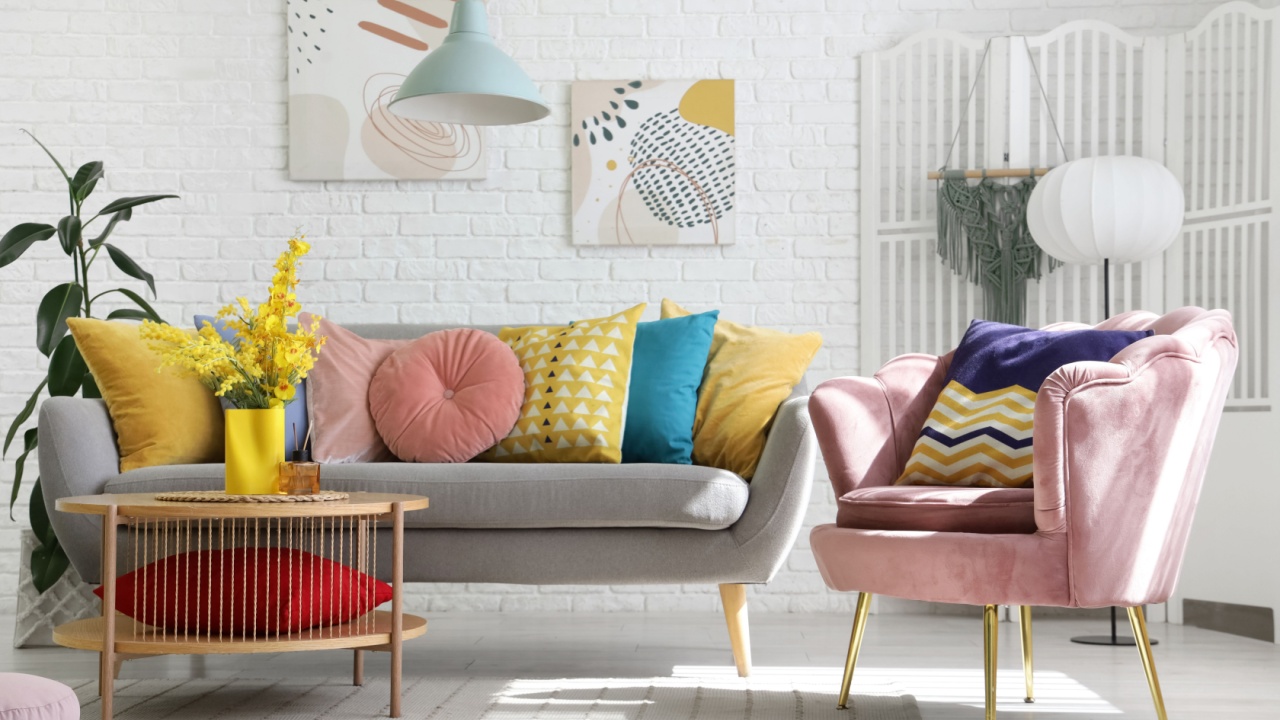
Throw pillows add color, texture, and softness, but too many can turn a sofa or bed into a barrier. When guests have to move several pillows before sitting, the room sends a subtle message that looks matter more than comfort.
Oversized pillows can also crowd armrests, shorten seat depth, and make conversation feel stiff.
Keep enough pillows to support the body without taking over the seat. On a standard sofa, two to four pillows usually provide balance, while a chair often needs only one.
Store extra seasonal pillows in a basket or closet so seating stays open and ready to use.
2. A Crowded Entryway
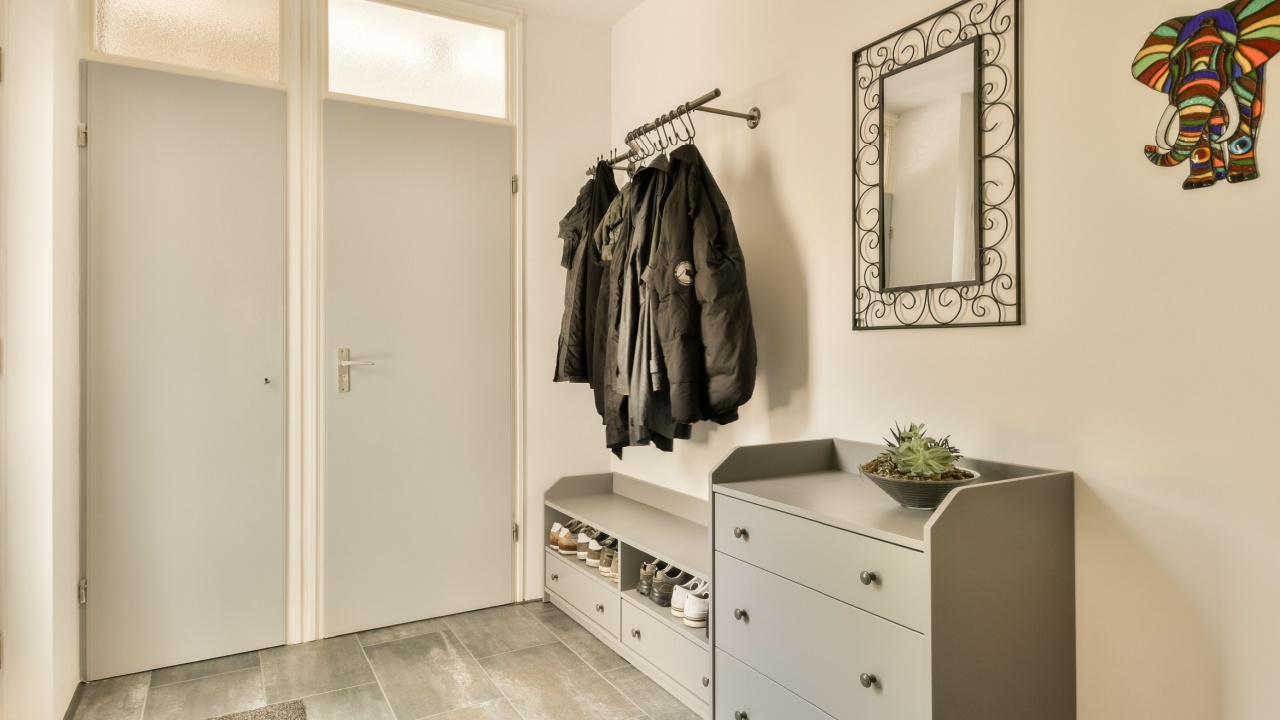
The entryway sets the tone before anyone reaches the main living space. Shoes, bags, coats, mail, pet leashes, and packages can create instant visual stress near the door and make your entryway chaotic.
Even a lovely home may feel unsettled if the first step inside requires dodging clutter.
Give every common item a clear landing spot that matches daily habits. A small bench, a shoe tray, wall hooks, and a narrow basket for mail can do more than a large cabinet no one uses.
Keep the floor as open as possible so people can enter, remove shoes, and set items down without awkward movement.
3. Blank or Impersonal Walls
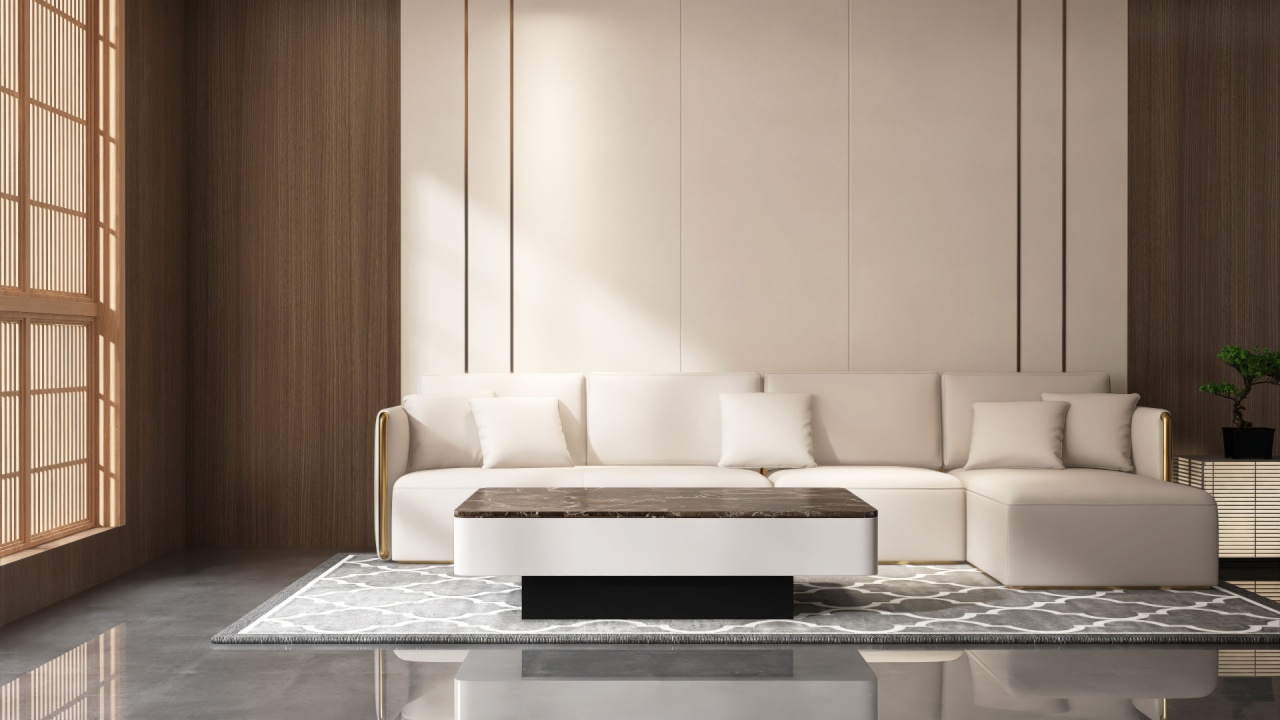
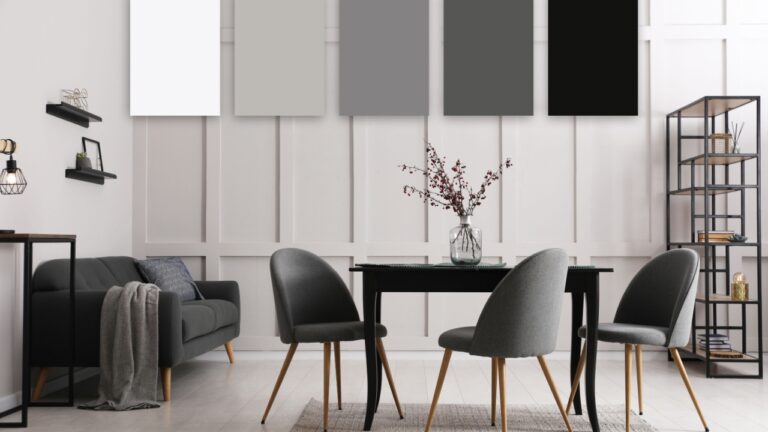
Blank walls may seem clean, but large empty stretches can make a room feel cold and unfinished. Walls help tell the eye where to rest, and when they offer no detail, the space may seem flat or temporary.
This is especially true in living rooms, dining areas, and guest rooms where people spend more time.
You do not need to fill every inch or buy expensive art. Framed family photos, fabric panels, pressed botanicals, mirrors, shelves, or simple prints can bring depth and personality.
Leave breathing room between pieces so the wall feels intentional rather than crowded.
4. Competing Scents
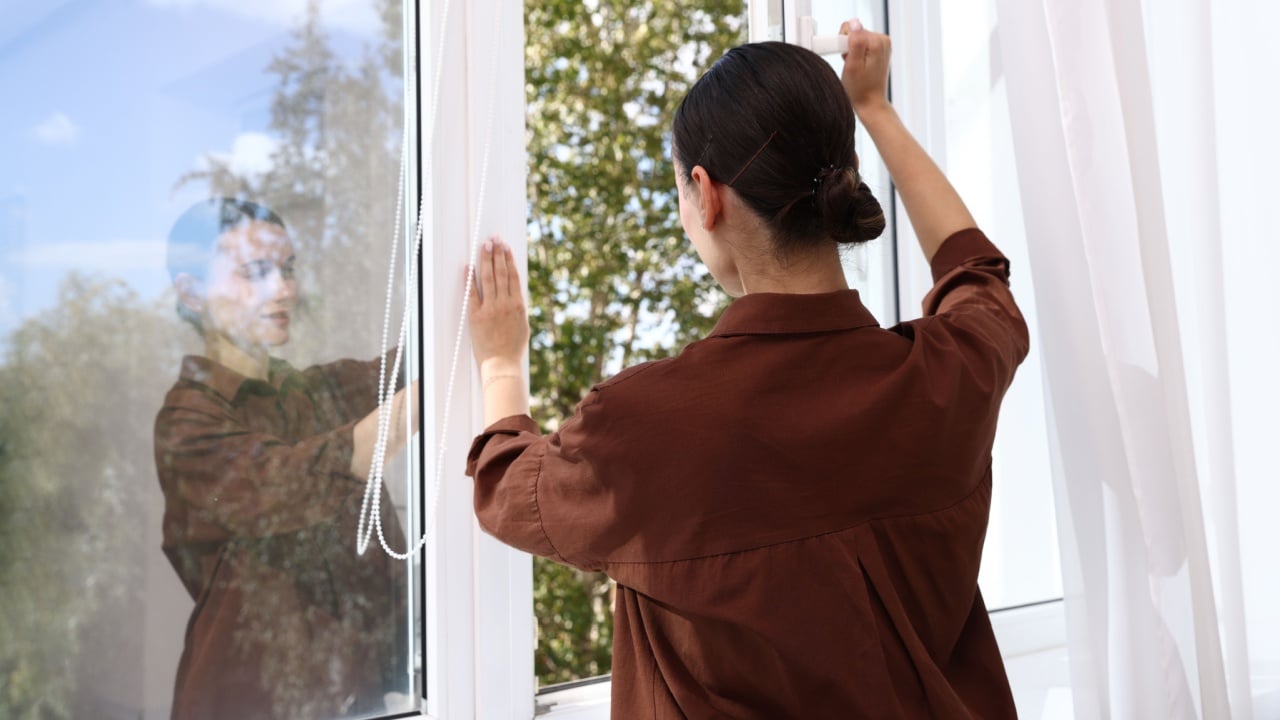
Scent affects comfort fast, and too many fragrances can overwhelm a room. A candle in one corner, a plug-in freshener near the outlet, a scented cleaner on the floor, and a room spray in the air can clash badly.
Strong fragrance may also bother guests with allergies, headaches, asthma, or scent sensitivity.
Aim for a clean base before adding fragrance. Open windows when possible, empty trash often, wash soft items, and address damp areas rather than masking odors.
If you enjoy smells, try layering scents. Use one source at a time, and choose gentle notes that do not clash with food, flowers, or cleaning products.
5. Visible Clutter and Unfinished Tasks
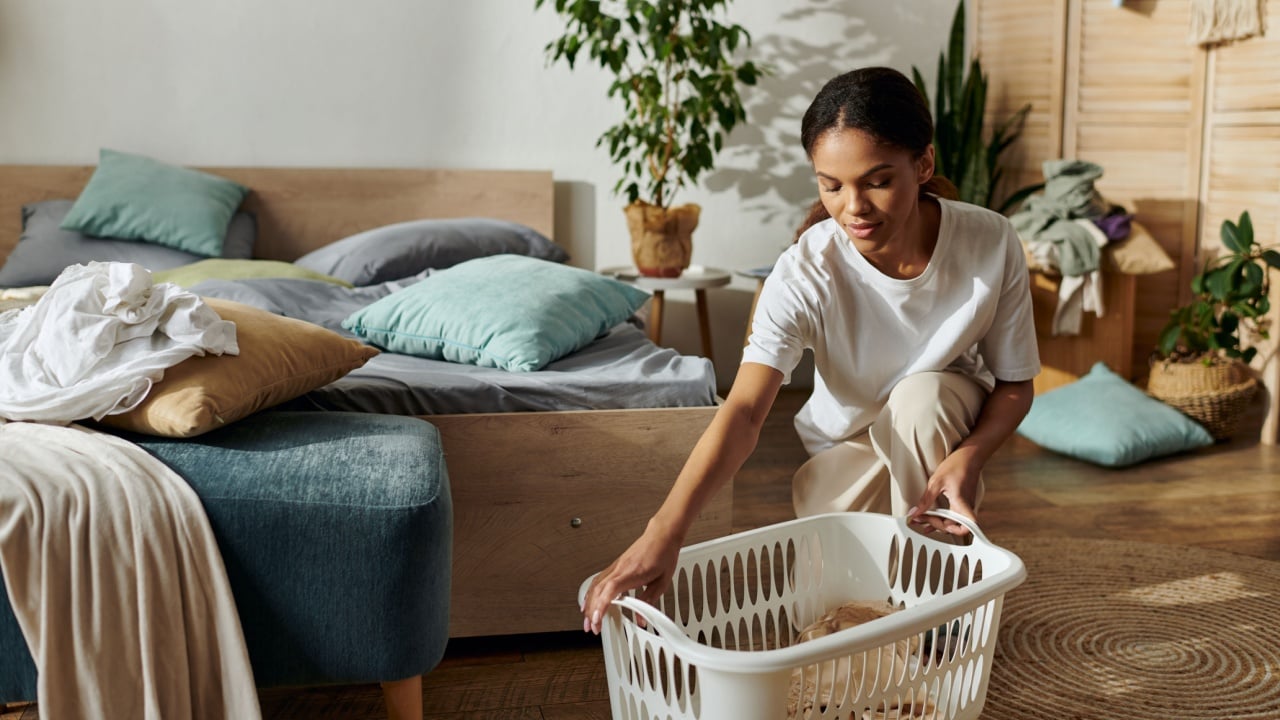
Clutter is more than a mess on a table. It often signals delayed decisions, unpaid bills, unread mail, tools left out, laundry waiting, or projects that need attention.
The brain keeps scanning these items, which can make a room feel busy even when no one is moving.
Focus first on surfaces that guide daily life, such as kitchen counters, coffee tables, nightstands, and dining tables. Use trays, baskets, or drawers to group items by purpose, then remove anything that belongs in another room.
A short daily reset after dinner or before bed can keep visual noise from building.
6. Bare Floors With Poor Sound Control
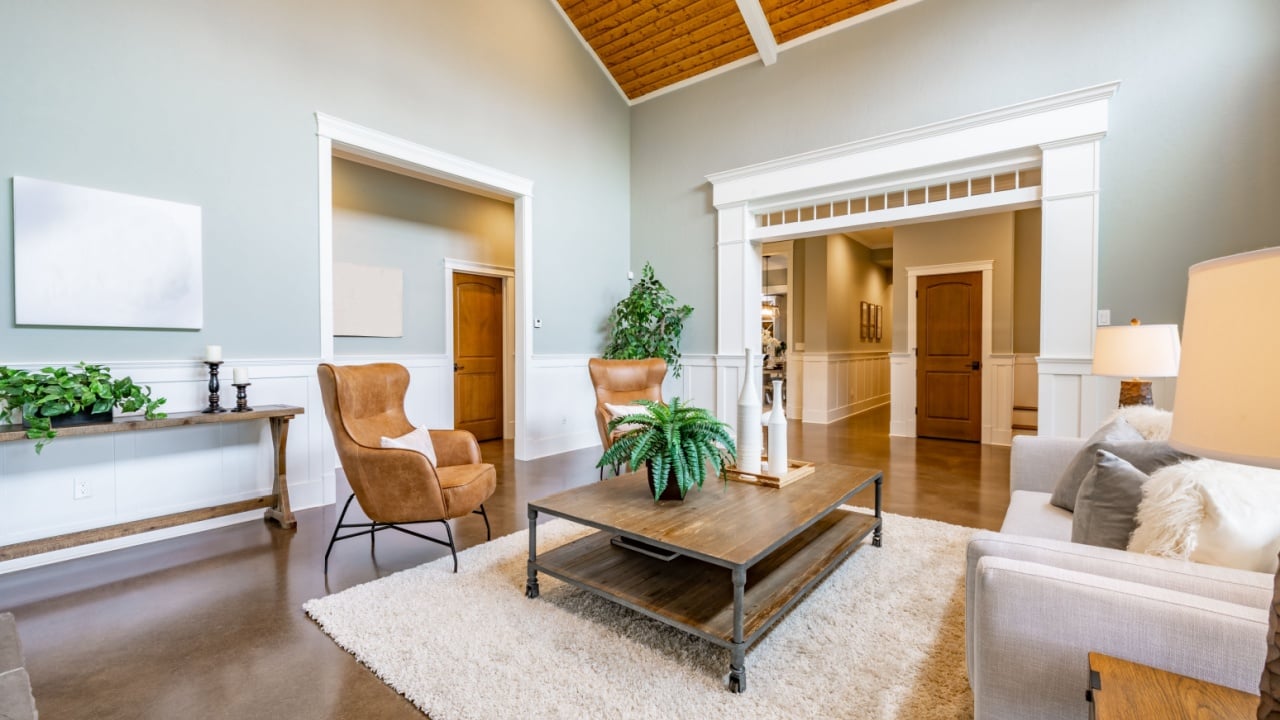
Bare hard floors can look polished, but they may also make a room feel sharp and hollow. Wood, tile, concrete, and laminate reflect sound, so footsteps, voices, and chair legs seem louder.
Cold floors underfoot can heighten the unease, especially in bedrooms, hallways, and living rooms.
Rugs help soften both sound and touch, especially when paired with a quality rug pad. Choose a size that anchors furniture instead of floating in the middle of the room.
If rugs are not practical, add fabric through curtains, upholstered seating, wall hangings, or padded dining chair seats.
7. Too Few Places to Sit
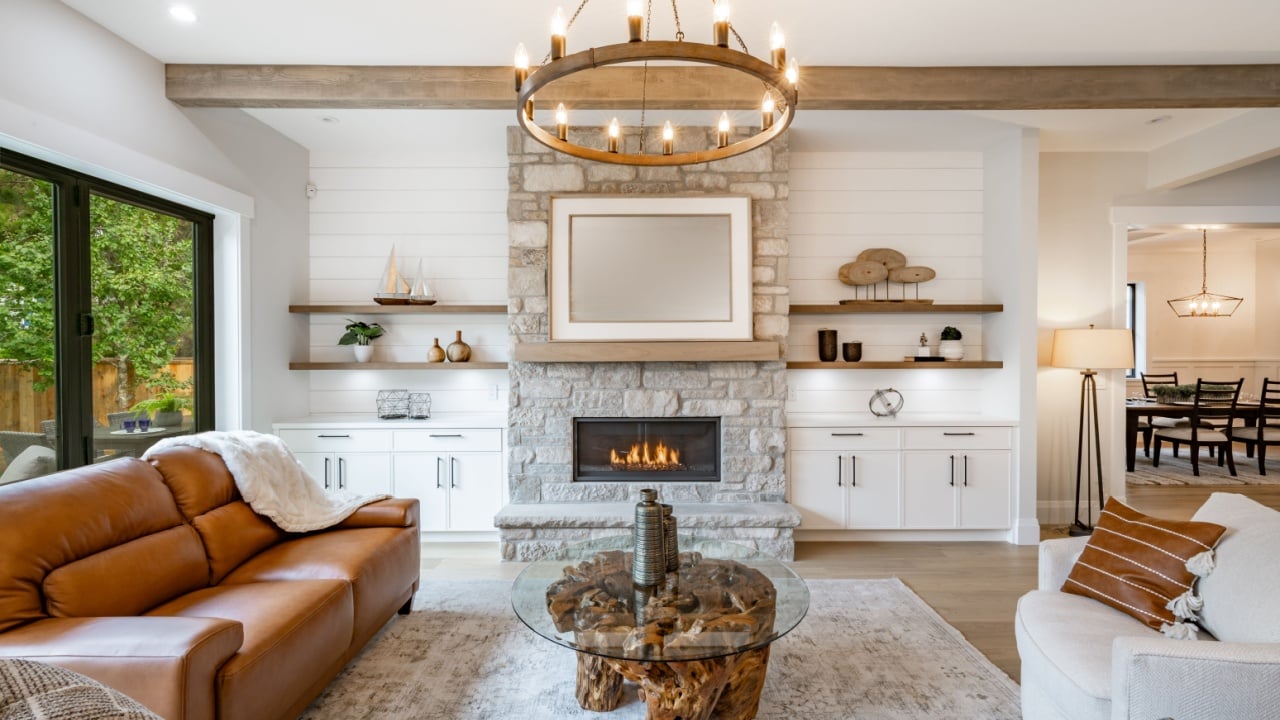
A room with limited seating can leave guests unsure where to go. People may hover near doorways, perch on armrests, or stand with drinks in hand while others sit.
Even family members may avoid a room if it does not support the number of people who use it.
Arrange seating for conversation, not just for viewing a television or fireplace. Add a small accent chair, stool, bench, or ottoman if the room cannot hold another full-size seat.
Leave clear paths between pieces so people can sit, stand, and move without squeezing past furniture.
8. Flat or Harsh Lighting
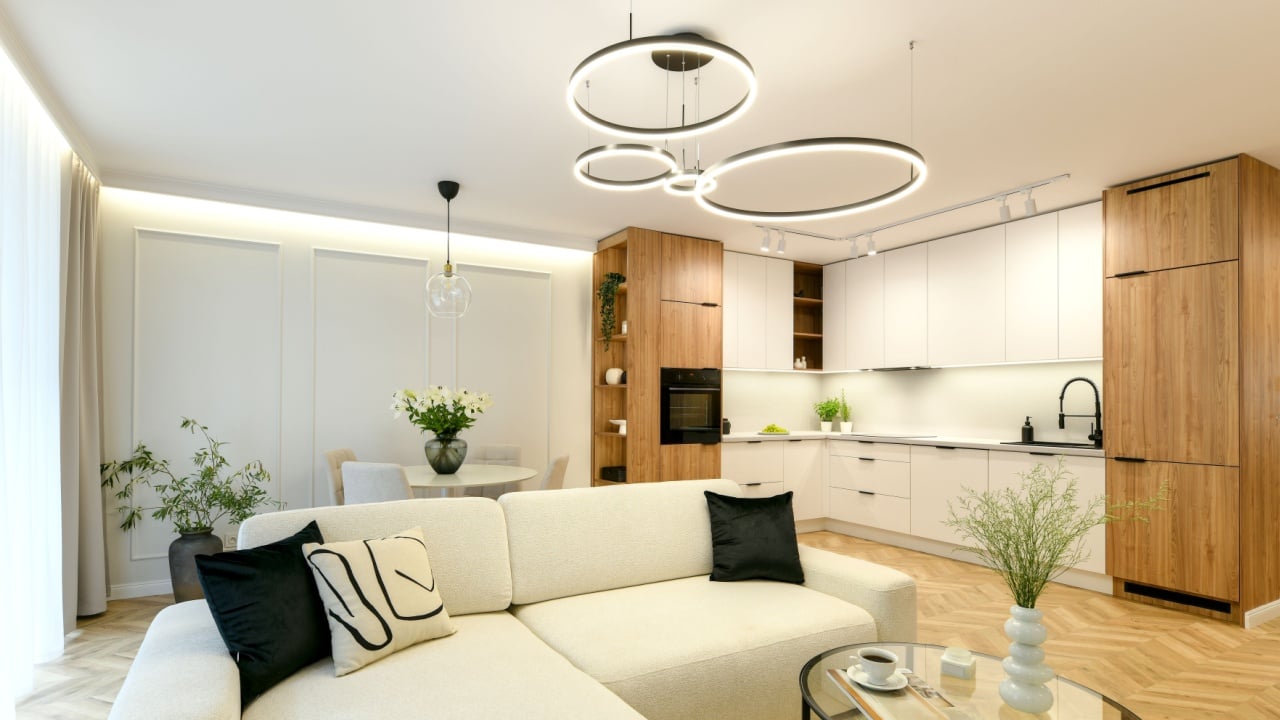
Lighting shapes mood, scale, and comfort more than many people realize. A single overhead light can cast hard shadows, wash out colors, and make faces look tired.
Dim corners can also feel gloomy, while bulbs that are too bright or too cool may make a room seem sterile.
Use layers of light at different heights. Pair overhead fixtures with table lamps, floor lamps, wall sconces, or under-cabinet lighting so the room works for reading, meals, tasks, and quiet evenings.
Warm white bulbs often suit living spaces and bedrooms, while brighter task lights work better in kitchens, offices, and laundry areas.
A Home That Settles the Senses
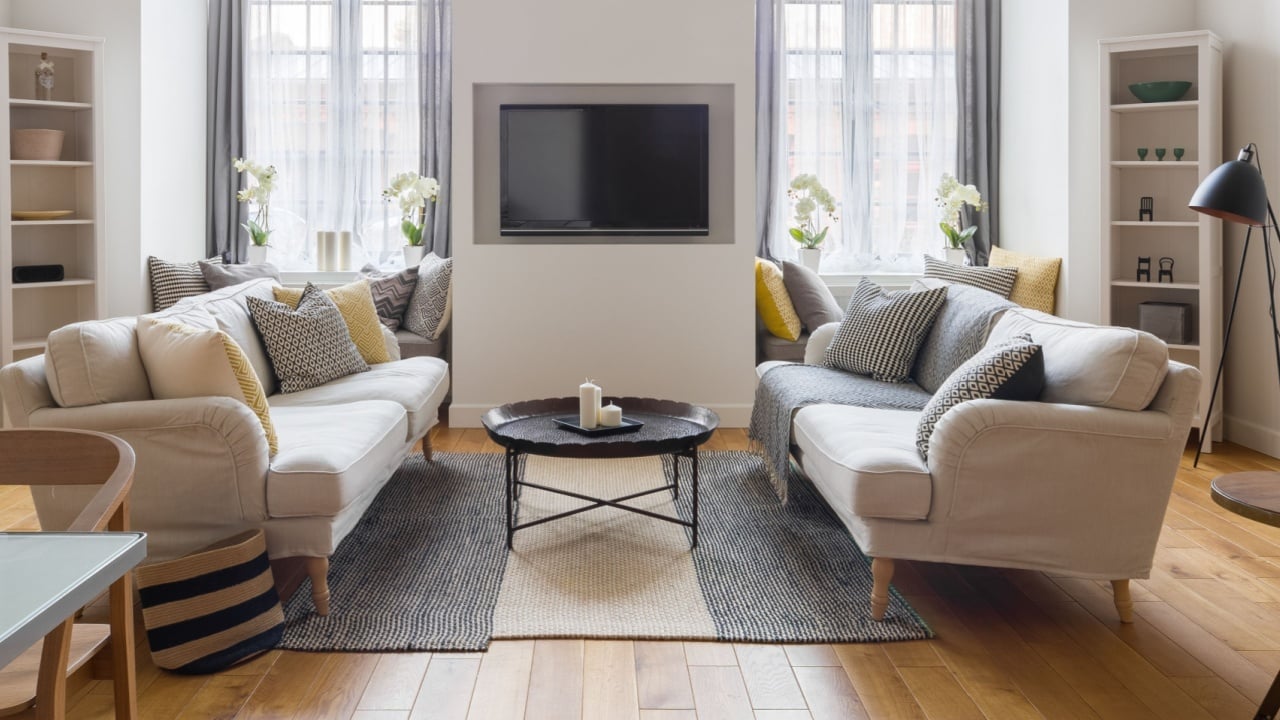
Uneasy spaces are often caused by ordinary choices that stack up together. Crowded seats, strong scents, harsh light, bare floors, and clutter all ask the mind and make a house feel uncomfortable.
Clear the entry, free up seating, soften sound, adjust lighting, and give the eye a few meaningful places to rest. When those details are adjusted, the same room can feel easier to enter and nicer to use.
Read More:
Why Experts Say Your Dog Doesn’t Belong in Your Bed at Night