
Why Experts Say Your Dog Doesn’t Belong in Your Bed at Night
Few things seem sweeter than a dog curling up beside you at night. It feels warm, familiar, and comforting right up until your sleep gets worse and your bed stops feeling clean.
Many dog owners allow this habit because it feels harmless. In many homes, though, sharing a bed with a pet slowly creates problems that affect sleep, health, and daily routines.
Dogs do not mean to cause trouble at night. Even calm, well-loved pets bring a few problems into a space meant for steady rest.
Here is why dogs don’t belong in your bed, as explained by expert evidence and research.
1. Disturbed Sleep

Dogs rarely stay still for a full night. They shift positions, scratch, lick, snore, jump down, and hop back up, often without their owners fully noticing each wake-up.
Even small sleep disruptions can break normal sleep cycles, which means you may spend enough hours in bed but still wake up tired. Light sleepers, couples, and people with busy schedules often feel this impact the most.
The problem gets worse when the dog is large, restless, or reacts to sounds outside. A dog that growls at passing cars, paces before settling, or pushes for more space can turn bedtime into a series of interruptions.
If you often wake with sore muscles, feel sleepy in the afternoon, or need caffeine to get through the day, your dog may be affecting your rest. Giving your pet its own sleeping spot can help both of you settle into a more stable routine.
2. Hygiene Concerns

Even clean dogs bring outdoor debris into the house. Their fur, paws, and skin can carry dirt, pollen, dust, bacteria, and traces of waste from grass, sidewalks, dog parks, and floors.
Once they climb into bed, all of that transfers to sheets, pillowcases, blankets, and mattresses. That means the place where you rest your face and body each night can get dirtier much faster.
Regular washing helps, but it does not fully solve the hygiene issue if the dog sleeps in your bed every night. Many owners end up cleaning bedding more often, vacuuming more, and still dealing with pet odor or hair stuck to fabric.
3. Allergy and Asthma Risks

Pet dander is a common trigger for allergies, and a bed gives it hours to collect close to your nose and mouth. For people with asthma, sinus issues, or mild pet sensitivity, this can lead to sneezing, itchy eyes, congestion, coughing, or trouble breathing at night.
Dogs can also bring pollen and other irritants indoors, which adds another layer of exposure. Symptoms may seem mild at first, yet repeated contact in a closed sleeping space can make nights harder.
Children, older adults, and anyone with an existing breathing condition may be affected even more. In some homes, a person may not realize the bed is part of the problem until symptoms improve after the dog starts sleeping elsewhere.
If you wake with a stuffy nose, scratchy throat, or irritated eyes, your pet’s place in the bed is worth reconsidering.
4. Training and Boundaries

Letting a dog sleep in your bed can blur the rules you want to keep during the day. A dog that is allowed on the bed at night may assume the furniture is always open to them, which can make training less consistent.
Some dogs become possessive of the bed or grow pushy when asked to move. This is more common in dogs that already struggle with impulse control or separation issues.
Clear sleeping rules often help dogs feel more settled, not less loved. A dog bed in your room can still give your pet closeness without making your mattress part of the routine.
If your dog is used to sleeping beside you, the switch may take a little time, yet calm repetition usually works better than giving in after a few rough nights.
5. Parasite Transmission
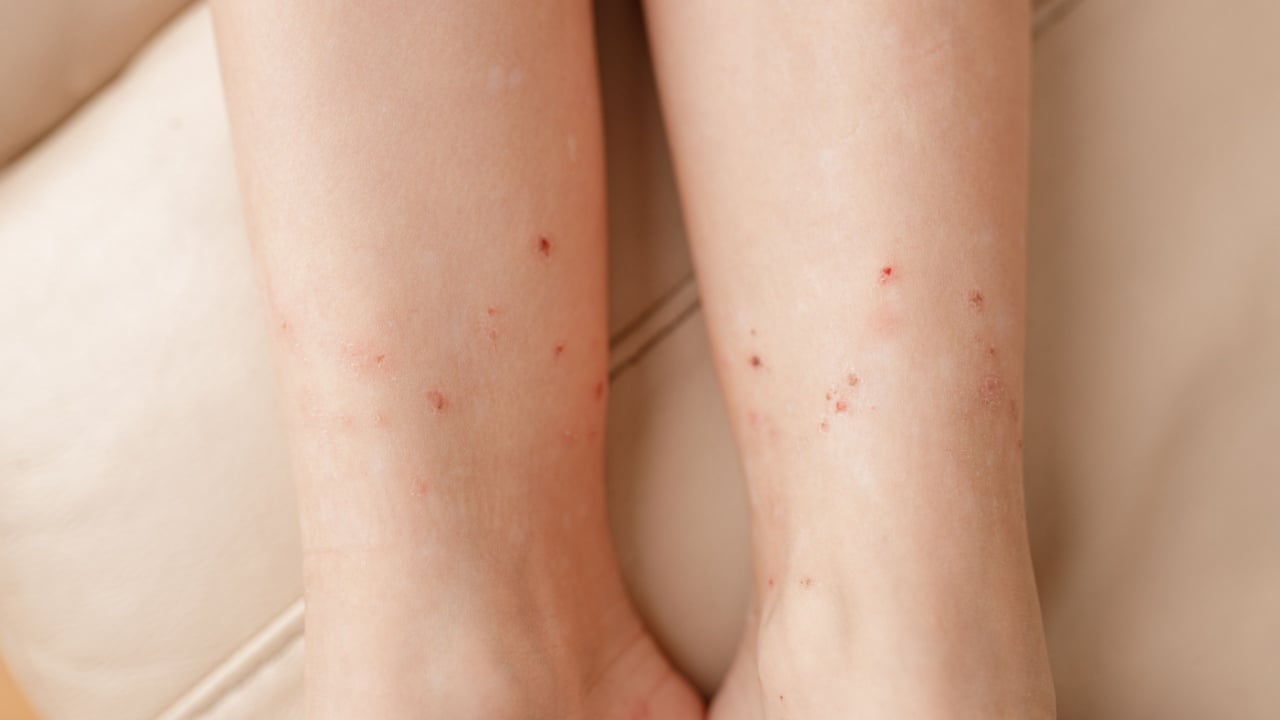
Even with regular grooming and veterinary care, dogs can carry fleas, ticks, and intestinal worms picked up from outdoor walks, parks, or other animals. When they share your bedding, these parasites have direct access to you, increasing the chance of itchy bites, skin irritation, or even more serious infections.
Ticks, for example, can transmit Lyme disease, while fleas may spread tapeworms if accidentally ingested.
Beyond the immediate health risks, parasites in the bed can quickly become a household problem. Fleas and mites reproduce rapidly, embedding themselves in mattresses, pillows, and upholstery, making them difficult to eradicate.
This compromises your comfort and requires costly treatments and deep cleaning.
6. Safety Risks for Your Dog

Depending on size and health, dogs can injure themselves by jumping on or off high beds. Small breeds risk falls, while older dogs with arthritis or joint problems may strain themselves climbing up.
Puppies or dogs recovering from surgery are especially vulnerable, since their bones and joints are less stable. Even accidents like rolling off the bed can cause harm, particularly if the floor surface is hard.
Beyond physical injury, repeated strain from climbing can worsen existing conditions over time.
A Better Night for Both of You

Loving your dog and setting limits can exist side by side. Your bed should support your sleep, protect your health, and stay as clean as possible.
Your dog should have a safe, comfortable place of its own. When dogs sleep elsewhere, many owners notice better rest, fewer allergens in the bedroom, and less strain around household rules.
A good dog bed, a soft blanket, and a steady bedtime routine usually make the transition easier. Place your dog’s bed in your room at first if your pet likes being close, then reward calm behavior and stick to the new rule each night.