7 Details Making a Home Feel Uncomfortable
Even the homiest house can turn into an accidental obstacle course of weirdness without anyone really noticing. Suddenly, the living room feels more like a furniture museum, the hallway resembles a tripping hazard Olympics, and the once-inviting sofa is buried under a pillow avalanche. Everyday items and habits sneaking in, quietly turning good intentions into mild discomfort and subtle stress.
This guide breaks down seven surprisingly common things that can send comfort packing. Here are some eye-opening (and possibly relatable) truths and simple fixes that can help your home actually feel like, well, home.
1. Excessive Throw Pillows
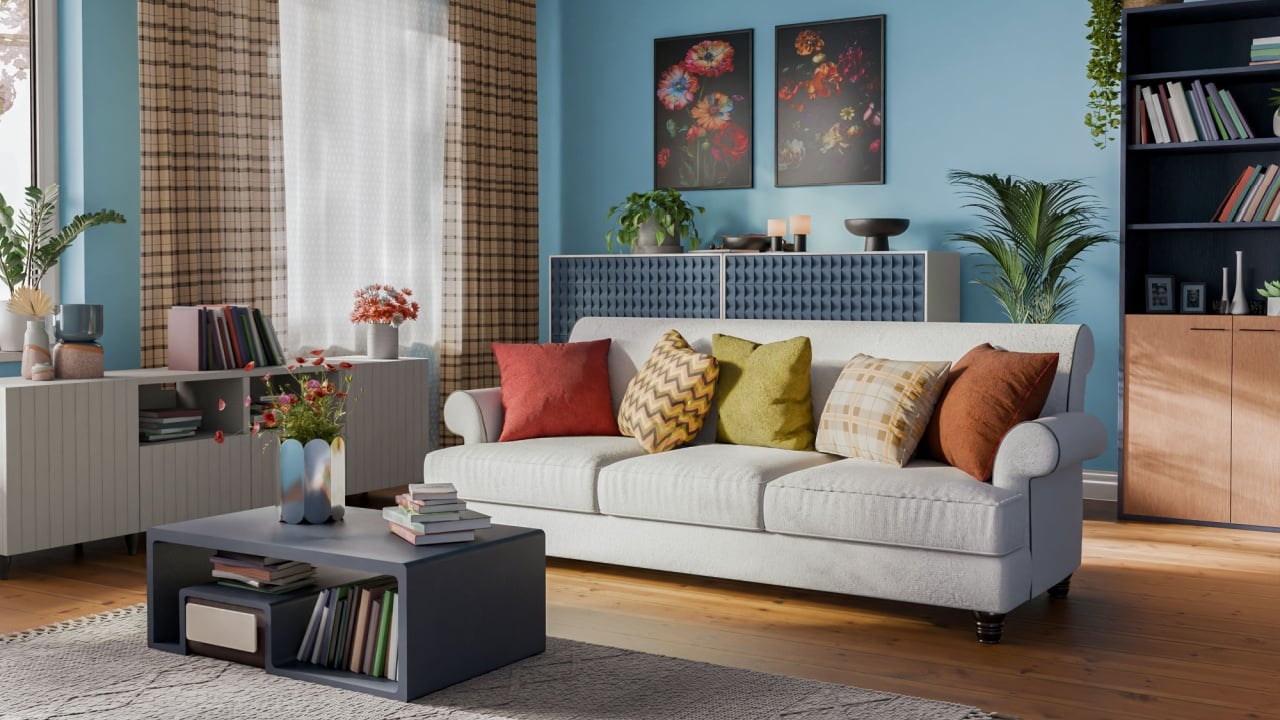
Throw pillows can certainly add a pop of color or a touch of personality to a sofa. However, there is a fine line between a stylish accent and a full-blown pillow invasion. When guests need to relocate an entire mountain of cushions just to find a place to sit, the furniture becomes more of a display piece than a functional spot for relaxation.
This pillow predicament sends a subtle message that the space is for looking at, not for living in. The primary purpose of a sofa is to offer a comfortable seat, and when that function is blocked, the room loses a significant amount of its welcoming quality. Paring down the collection to a few well-chosen pillows keeps the style while reclaiming the seating.
2. Inadequate Lighting
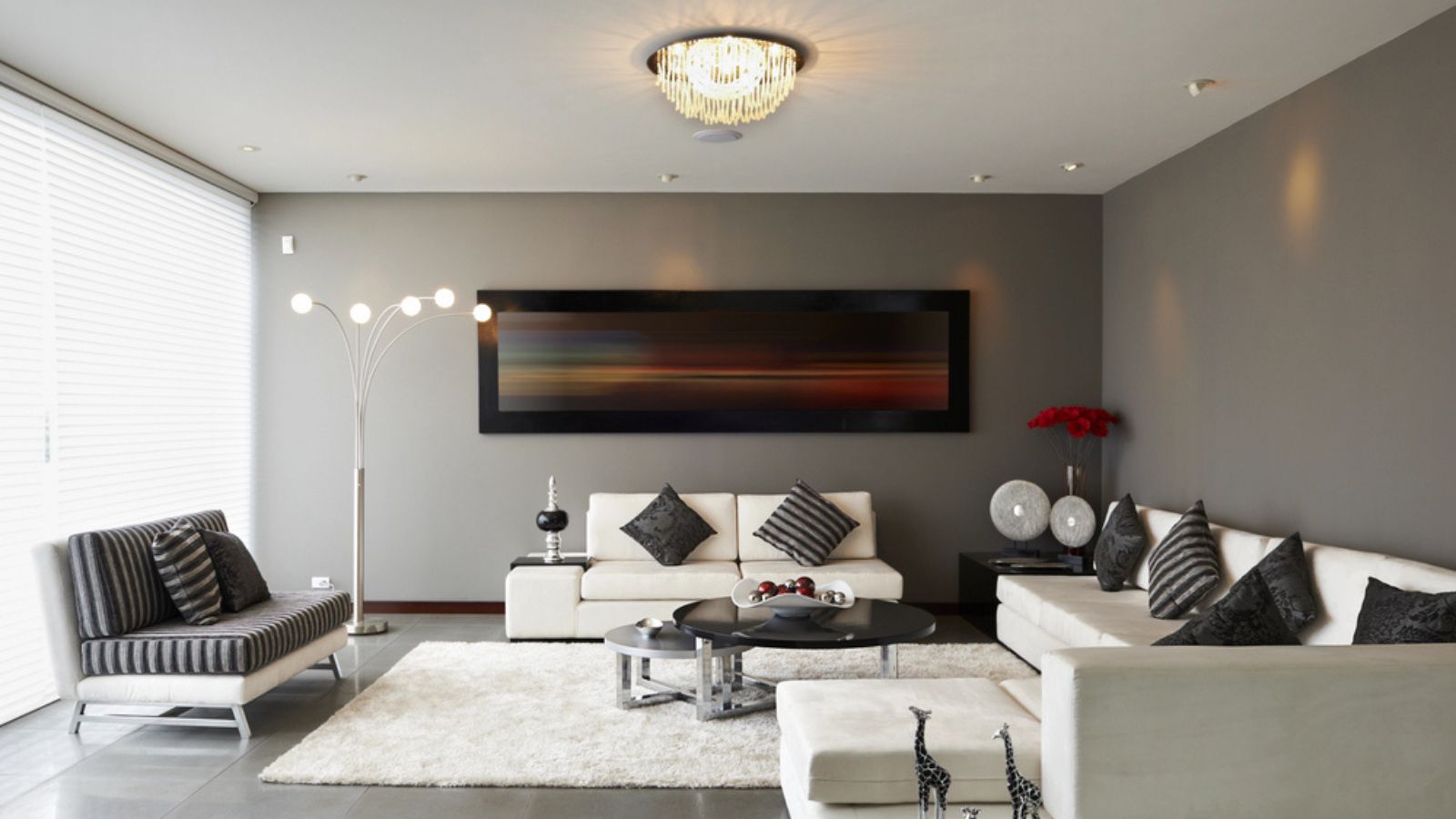
Poor lighting can completely alter the mood of a room, often making it feel gloomy and uninviting. A single, harsh overhead fixture can cast strange shadows and create a sterile, interrogation-room atmosphere. This kind of lighting makes it difficult to perform simple tasks like reading and can even contribute to eye strain and headaches.
Layering different light sources is a great way to fix this. Combining ambient lighting from a main fixture with task lighting from lamps and accent lighting to highlight specific features creates a balanced and adaptable environment. This method allows you to adjust the brightness and focus of light to suit any activity or time of day. Having options gives you control over the room’s atmosphere, making it a more functional and pleasant place to spend time.
3. Uncomfortable Furniture
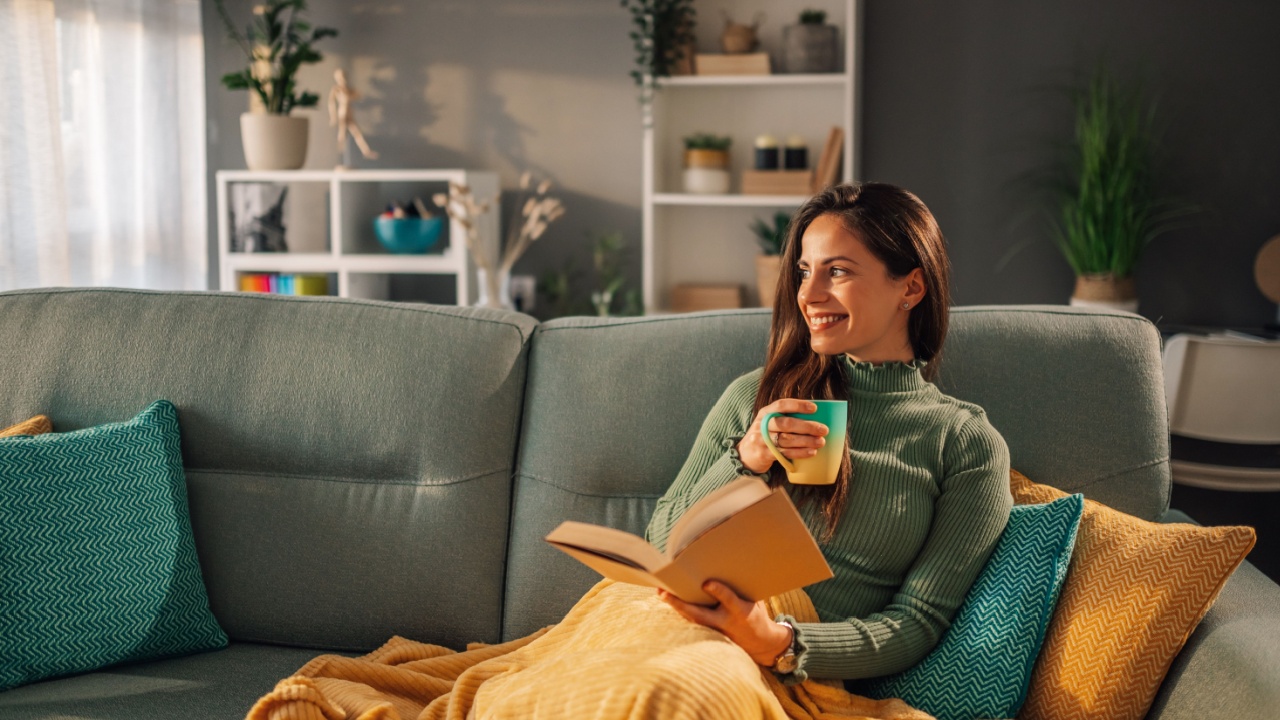
That visually stunning armchair might look perfect in the corner, but if no one ever wants to sit in it, it’s just taking up space. Furniture that prioritizes form over function is a common culprit in creating an uncomfortable home. Pieces that are too hard, too low, or oddly shaped force people into awkward positions, making it impossible for them to relax.
Experts say that bad furniture can affect your mental health. Choosing furniture should balance aesthetics with genuine comfort. Before committing to a piece, it’s wise to actually sit on it for more than a few seconds. Imagine spending a few hours reading a book or watching a movie on that sofa. If the thought makes you squirm, it’s probably not the right choice.
4. Too Many Smells
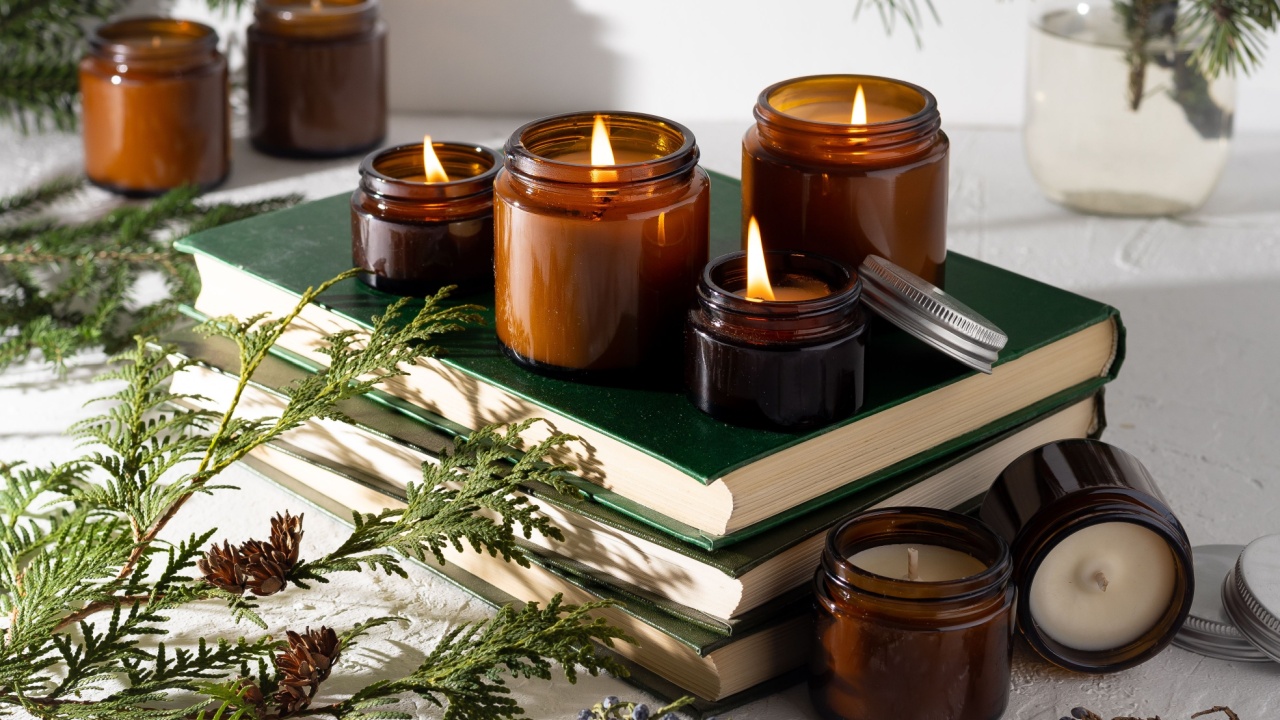
A pleasant scent can make a home feel welcoming, but an overload of different fragrances can have the opposite effect. When multiple scented candles, air fresheners, and diffusers compete for attention, the result can be an overwhelming, sometimes nauseating blend. What one person finds appealing, another might find overpowering, and the mix can be particularly troublesome for guests with sensitivities or allergies.
The goal is a clean, neutral environment, not a perfumery. Stick to one or two complementary, subtle scents per area, or better yet, focus on eliminating sources of bad odors rather than just masking them. Open windows for fresh air when possible. Simmer a pot of potpourri for a home that smells clean, fresh, and natural.
5. Cold, Bare Floors
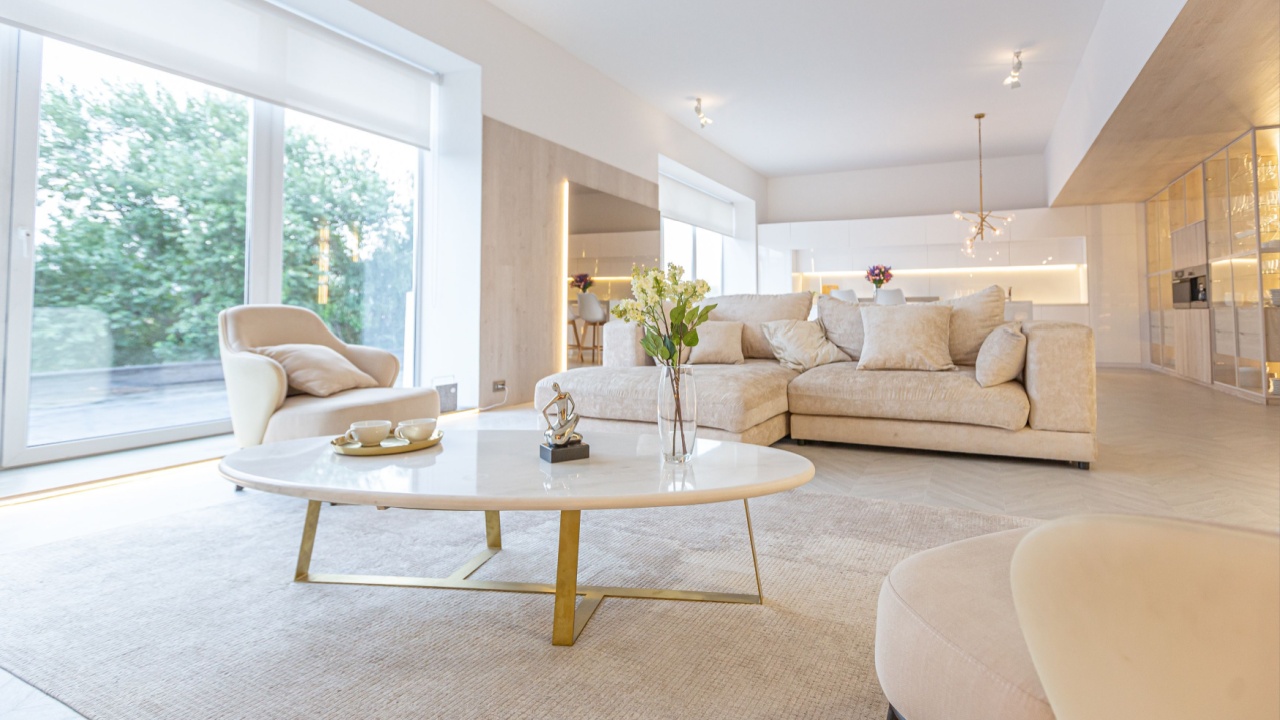
Floors are the foundation of a room, and when they are left cold and bare, they can make the entire space feel chilly and unwelcoming. Hardwood, tile, or laminate floors are practical and look great, but they offer little in the way of warmth or sound absorption. The feeling of a cold floor underfoot, especially on a cool morning, is not exactly the definition of comfort.
Adding an area rug is a simple solution that can dramatically change the feel of a room. Rugs provide a soft, warm surface underfoot and help to absorb sound, reducing echo and creating a more serene atmosphere. They also serve as an anchor for furniture, defining a space and adding texture, color, and pattern.
6. Blank Walls
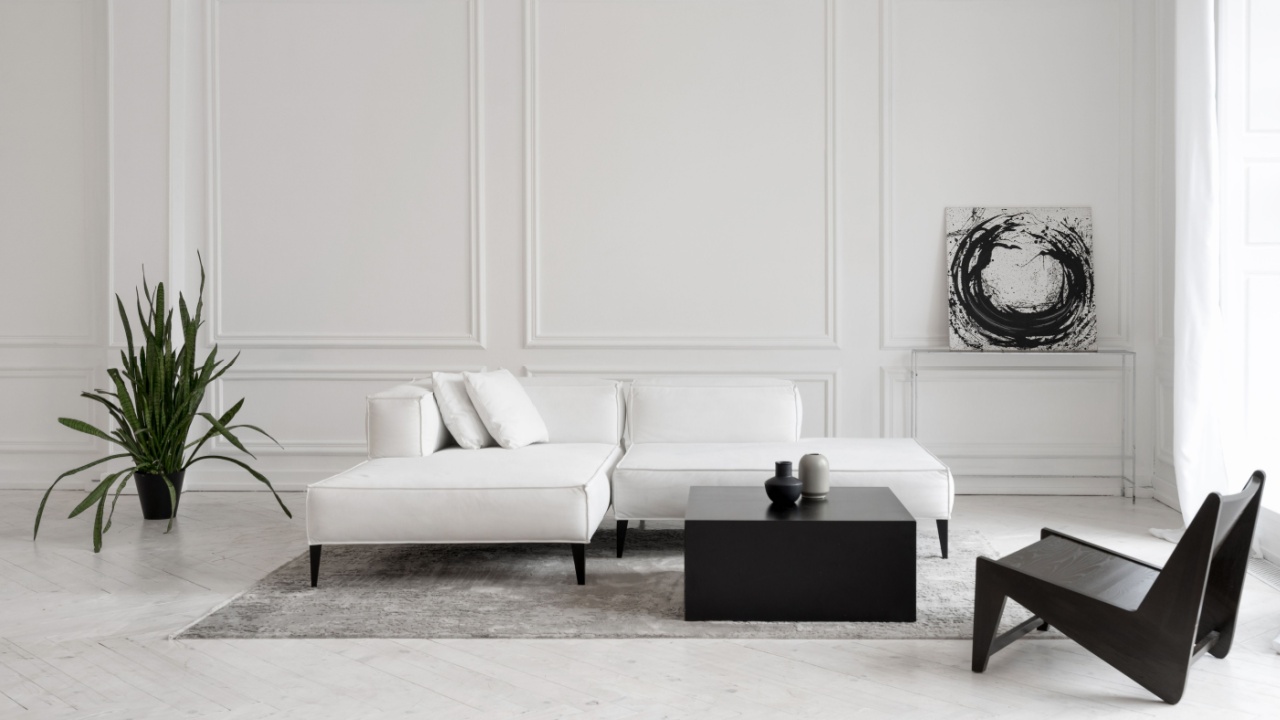
Walking into a room with completely bare walls can feel like stepping into a temporary, impersonal space. Walls without any art, photos, or decoration lack personality and warmth, giving the room an unfinished and sterile quality. It can feel as though the occupants have just moved in or are about to move out.
Decorating your walls is an opportunity to inject your personality into your home. This does not require expensive art. You can use family photographs, prints from favorite artists, interesting textiles, or even a collection of mirrors. Personalizing the walls transforms a generic box into a home that reflects your tastes.
7. Clutter, Especially Near the Entryway
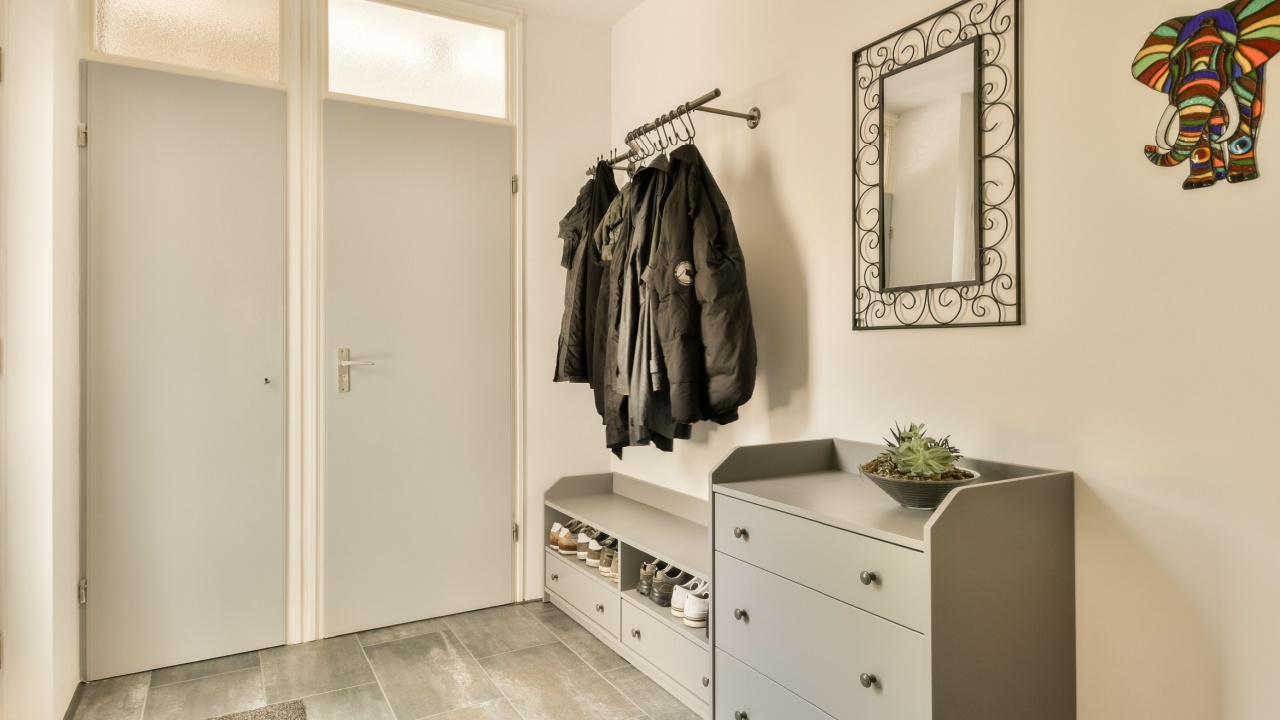
Clutter is a known enemy of a calm environment, but it has a particularly negative impact when it accumulates near the front door. The entryway is the first impression your home makes, and a pile of shoes, bags, mail, and coats immediately signals chaos and disorder. This initial visual stress sets a tone for the rest of the house, making it hard to unwind and feel at ease from the moment you step inside.
Establish a simple organizational system for the entryway. A designated spot for shoes, hooks for coats and bags, and a small table or tray for mail can contain the mess. Taking a few moments each day to put things back where they belong prevents buildup and maintains a clear, welcoming entrance. A tidy entryway creates a sense of order and peace.
A Place That Feels Like Home
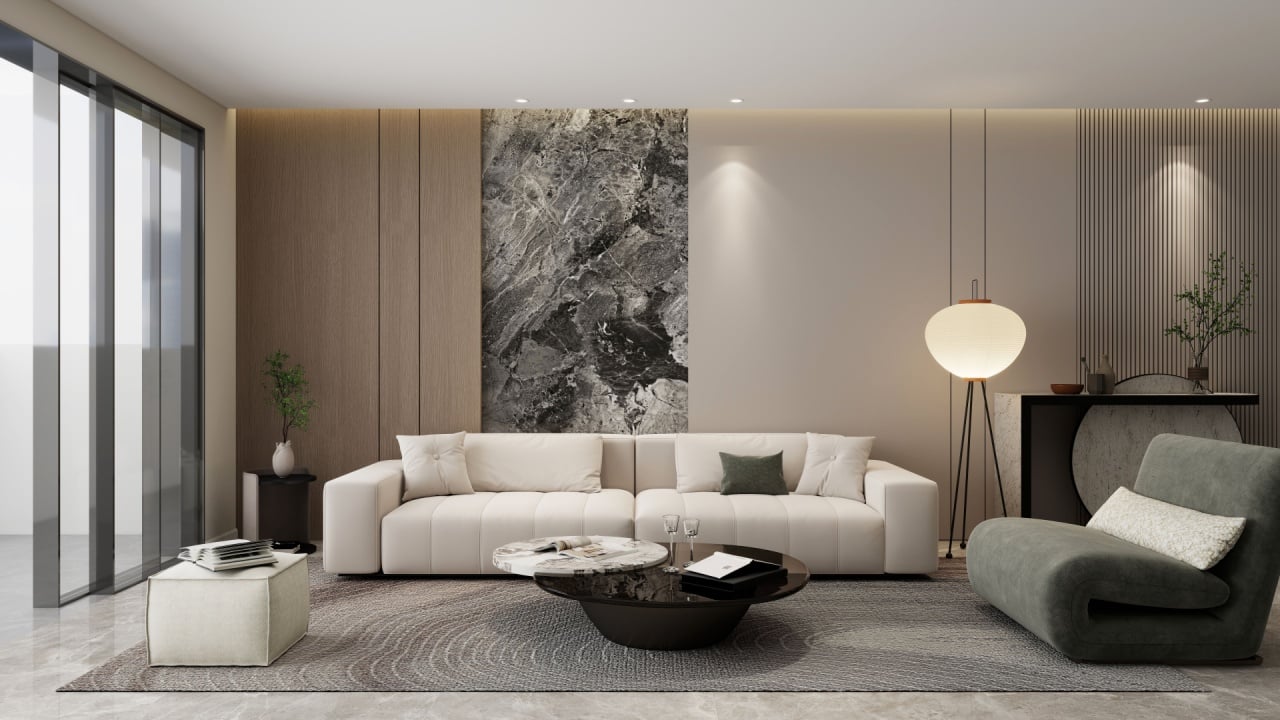
Nobody’s living room gets photographed for a magazine every day. Dishes pile up, socks go for surprise walks, and shoes gather near the door like they’re hosting a reunion. Comfort is shaped by the small choices like a lamp in just the right spot, fewer pillows fighting for sofa space, or finally wrangling the herd of shoes by the door.
Pick out the one area that feels the least inviting and give it a quick tweak; add a lamp, clear the hallway, or unpile the chair. Step back and see how it feels. The result won’t be a showroom, but that’s not the point. A truly comfortable home feels lived in, reflects your routines, and welcomes you back, mess and all.
Read More: