8 Flowers That Bloom All Summer Long With Minimal Effort
A flower bed can look full and colorful in June, then fade fast by July in the heat. For those who want steady blooms without spending every weekend on upkeep, plant choice makes a big difference.
Some flowers are built for a long season. They keep blooming through heat, shrug off common summer stress, and ask for far less attention than fussier picks.
That matters for anyone seeking a yard, patio, or porch that stays bright without constant deadheading, feeding, and replanting. A few reliable bloomers can carry the whole space through the hottest months.
Below are eight flowers that bloom all summer long with minimal effort.
1. Black-Eyed Susan
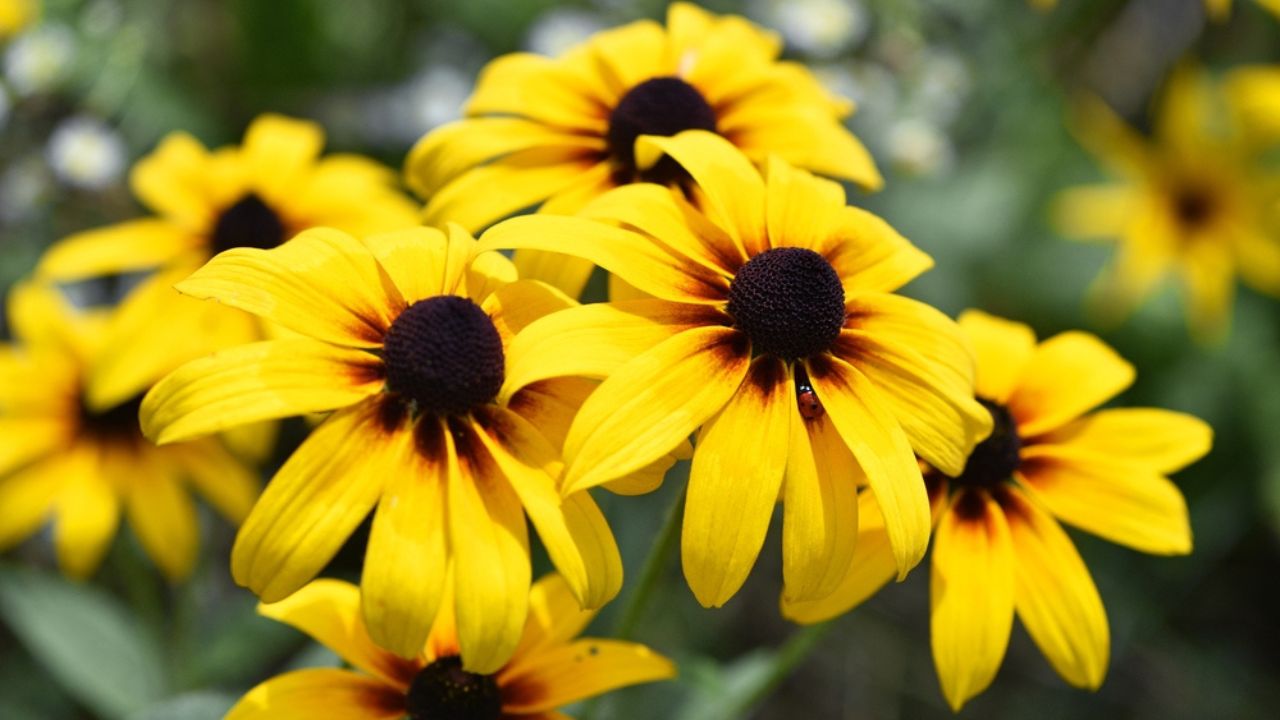
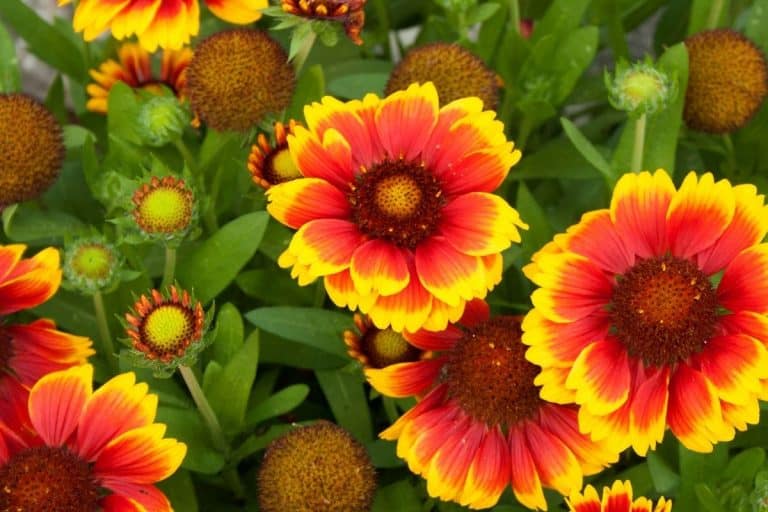
Black-eyed Susan is one of the easiest flowers for long summer color. Its golden petals and dark centers stand out from a distance, and the plants keep blooming through the heat when many other flowers slow down.
As a native-type daisy, it fits well in borders, pollinator beds, and casual cottage-style plantings. It also brings bees and butterflies into the yard, which gives it extra value beyond its bright look.
Black-eyed Susan grows best in full sun and soil that drains well, usually settling in with little fuss. Once established, it handles dry spells better than many summer bloomers, making it a smart pick for lower-maintenance gardens.
Removing spent flowers can help it bloom longer, though it often keeps going even if that chore is skipped.
2. Wishbone Flower
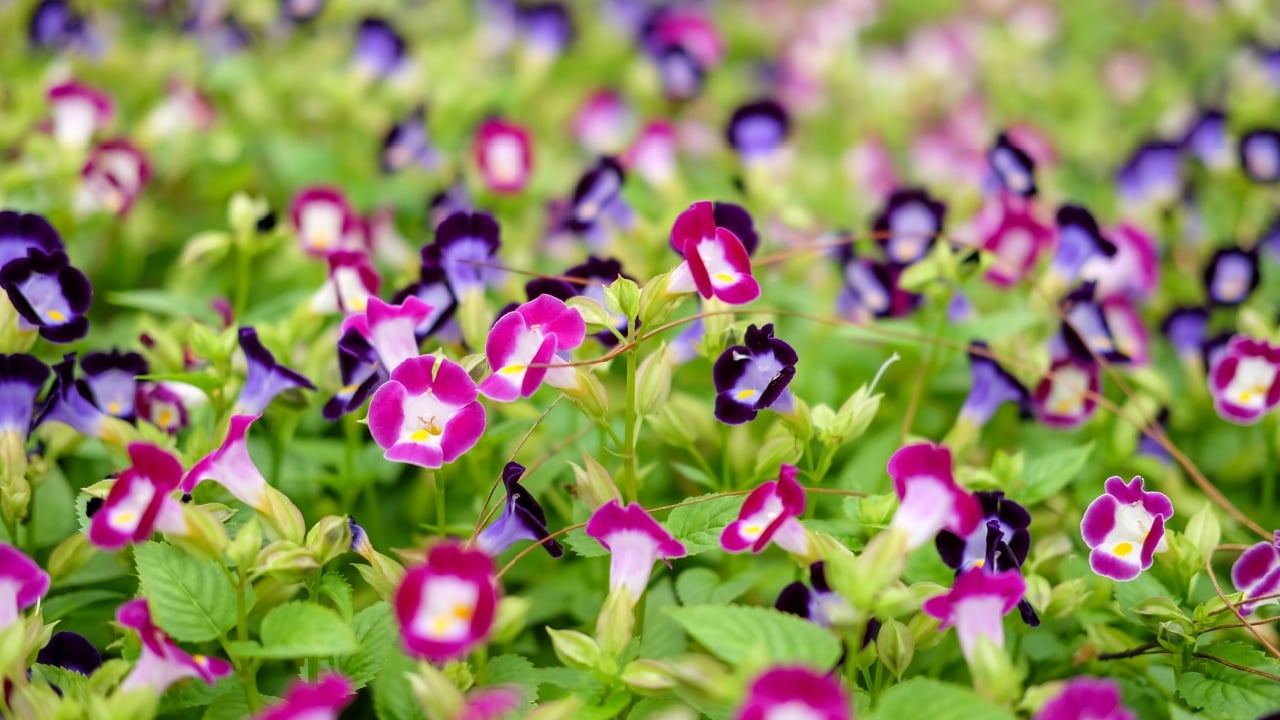
Wishbone flower is a strong choice for gardeners who need color in shade. Its trumpet-shaped blooms come in rich shades of purple, blue, pink, and yellow, and they show up steadily through the hottest part of summer.
The plant stays fairly compact, so it works well in containers, window boxes, and the front of shady beds. It provides a bright display in spots where many flowering plants struggle.
This flower grows best in moist, rich soil and does well with regular watering, especially in containers. It does not need much deadheading, which cuts down on routine care during busy weeks.
In humid regions, good air flow helps keep the plants looking fresh and healthy. For those with a porch or side yard that gets morning sun and afternoon shade, wishbone flower can fill that space for months.
3. Tickseed

Tickseed is a long-blooming favorite that brings easy color to sunny gardens. Most varieties produce waves of yellow, gold, or bicolored flowers from early summer well into fall, and the plants stay lively even in hot weather.
Their airy look blends well with other perennials, yet they are bright enough to stand on their own. Pollinators visit often, so they add movement as well as color.
Tickseed thrives in full sun and should not be planted in heavy, soggy soil. It tolerates lean conditions and often performs better without rich soil or heavy feeding.
Trimming the plant lightly after a heavy flush of bloom can encourage a fresh round of flowers and help maintain a tidy shape.
4. Bush Violet
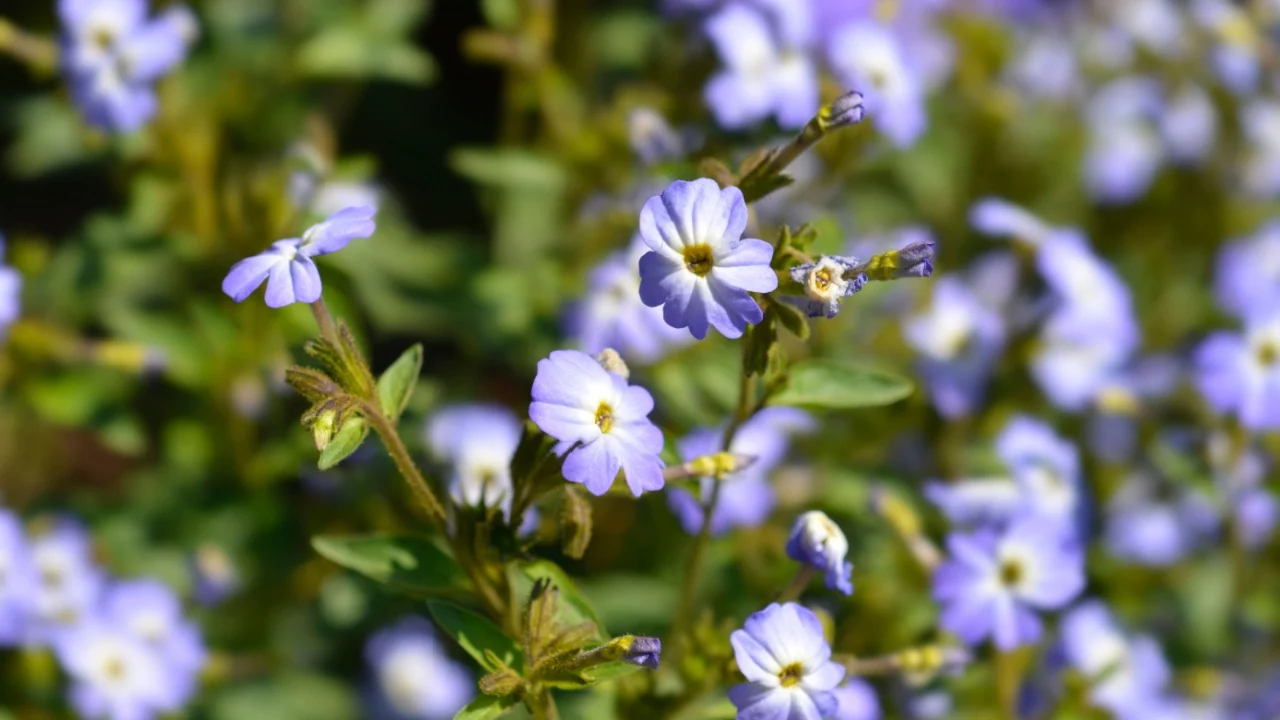
Bush violet offers soft, star-shaped flowers in blue, purple, or white, and it shines in shaded areas that need color. It blooms for a long stretch in warm weather and has a neat, mounded habit that works in containers and garden edges.
The flowers may look delicate, yet the plant is more durable than it seems when grown in the right place. It is especially useful for brightening dim corners where bold sun lovers would fail.
This plant prefers part shade to full shade in hot climates, with evenly moist soil that does not stay waterlogged. Occasional feeding can help support steady flowering, especially in pots where nutrients may wash out faster.
Pinching back leggy growth keeps the plant fuller and improves its shape through the season. In gardens that lack summer color under trees or near a covered patio, bush violet can fill that gap well.
5. Cape Plumbago
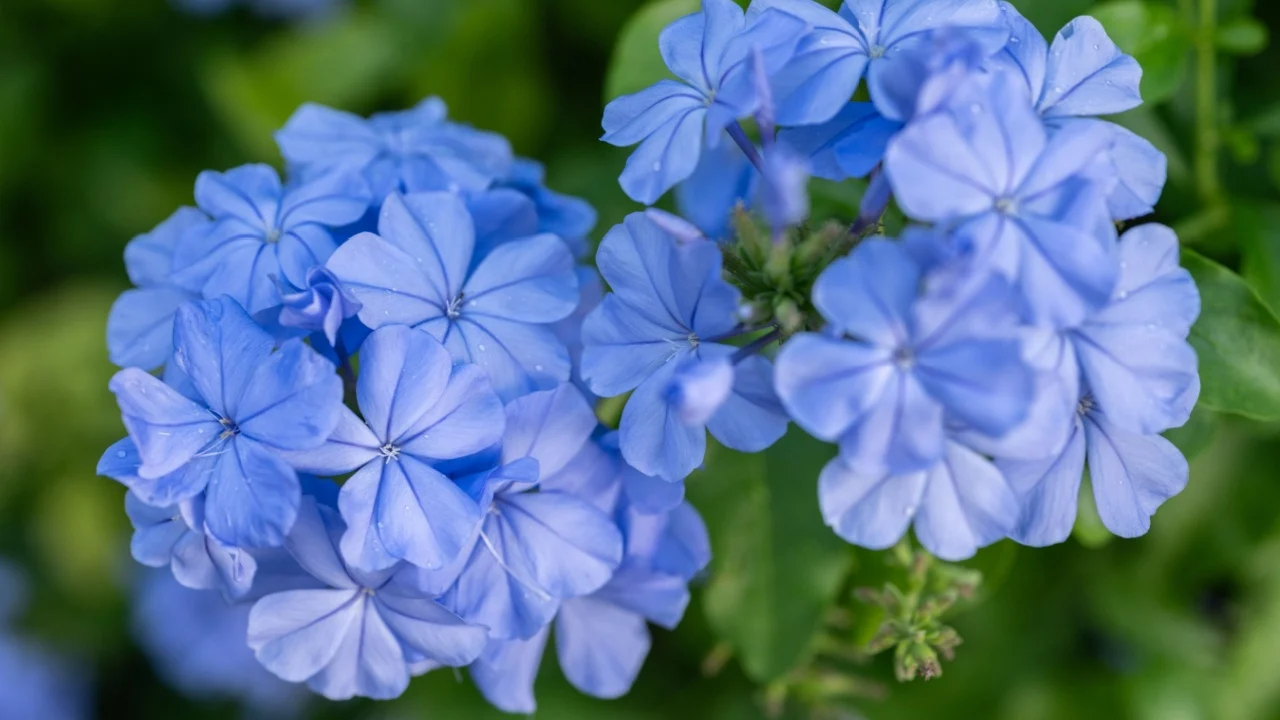
Cape plumbago brings clusters of pale blue, white, or soft pink flowers that bloom through much of summer in warm regions. The color is unusual enough to catch the eye, yet gentle enough to blend with many garden styles.
In mild climates, this plant can grow as a small shrub, while in cooler areas, it works well in large containers. Its long flowering season makes it useful when gardeners want steady color without constant replacement.
Cape plumbago thrives in full sun for the heaviest bloom, though light shade in very hot areas is suitable. Once established, it copes with heat well and does not require much beyond occasional watering during dry periods.
Light pruning shapes the plant and can lead to fuller growth with more flowers.
6. Moody Blues Veronica
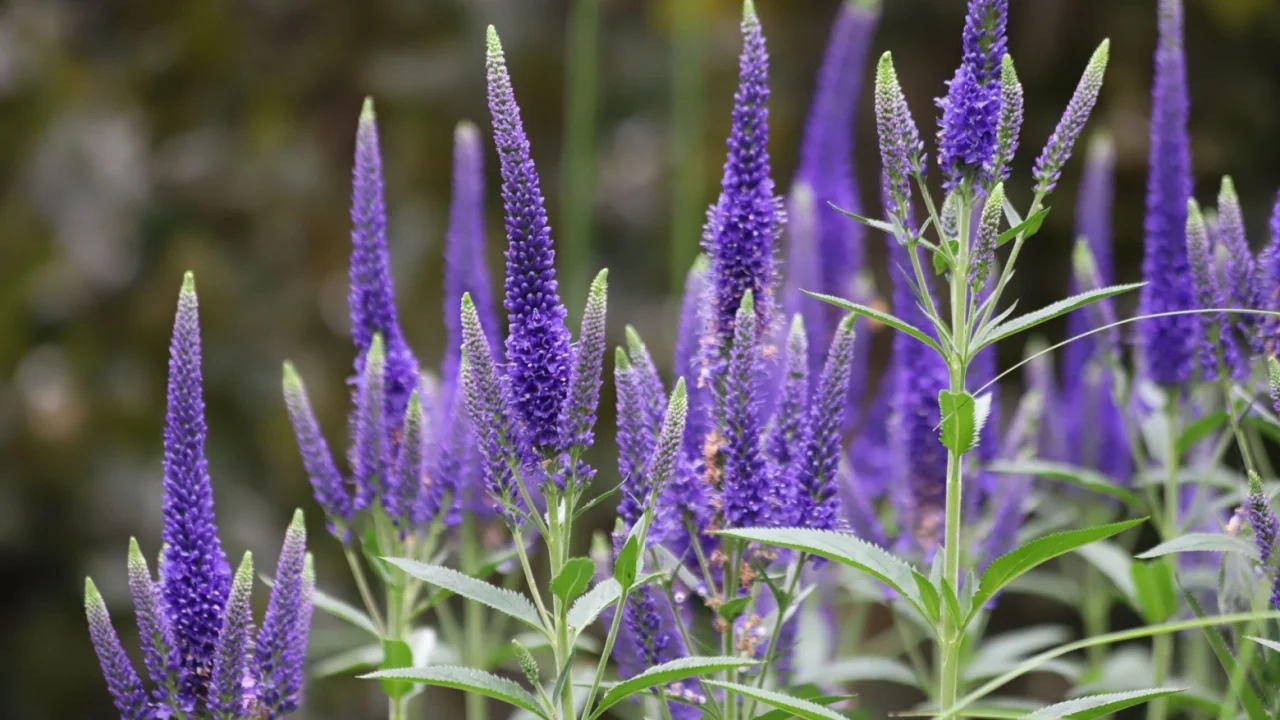
Moody Blues Veronica adds upright spikes of blue, violet, or pink flowers that bring a different shape to summer beds. Instead of broad daisy blooms, this plant offers vertical color that breaks up lower mounding plants and gives borders more structure.
It flowers for a long period, especially if faded spikes are cut back after the first flush. Bees and butterflies are drawn to it, which makes it useful in a pollinator-friendly yard.
This Veronica grows best in full sun with soil that drains well. It does not prefer to sit in wet ground, especially during stretches of summer humidity. A quick trim after blooming often leads to fresh flowers and a cleaner look later in the season.
Gardeners may plant it near walkways or in front-of-border spots where the flower spikes can be seen up close.
7. Garden Jewels Gerbera Daisy
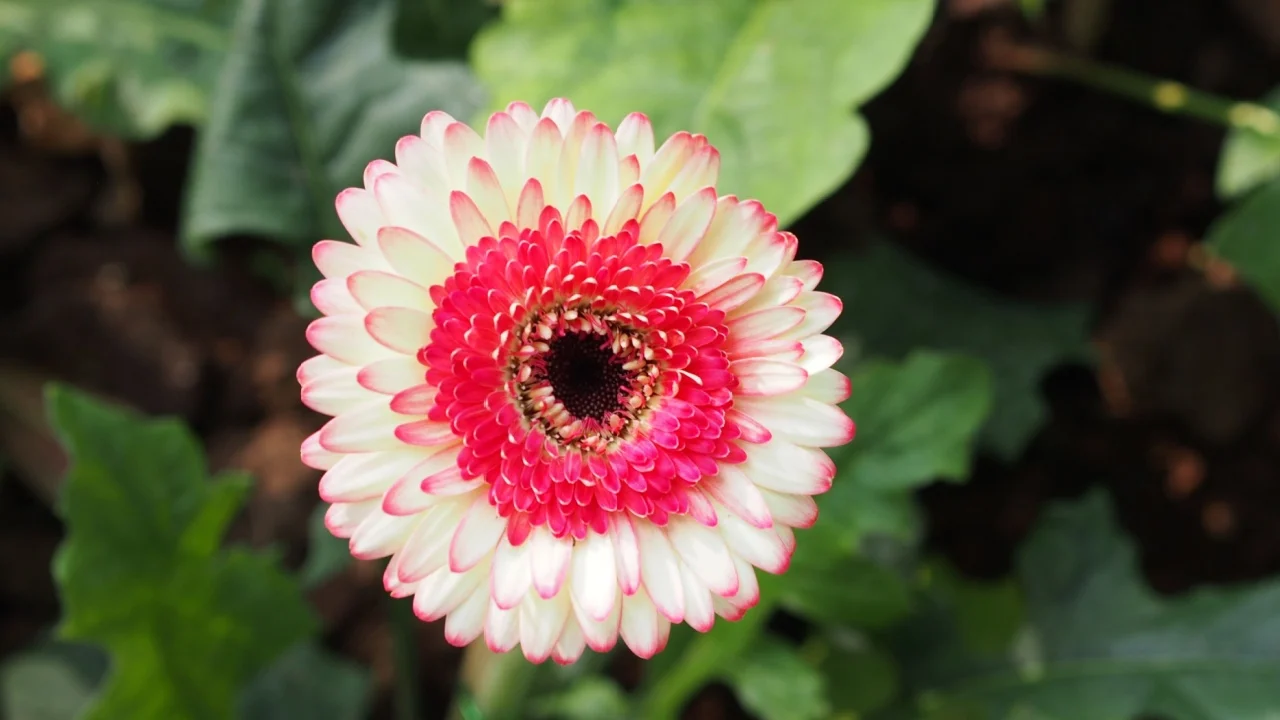
Garden Jewels Gerbera Daisy brings bold, clear color at a time when many flowers look tired. These heat-tolerant plants can produce a high number of blooms per plant, and the flowers are large enough to make a strong impact in beds, pots, and mixed containers.
Gardeners can find them in bright shades like red, orange, yellow, and pink, which is helpful for creating a more vivid summer display. The plants look polished and cheerful without demanding constant attention.
Good drainage is important for gerbera daisies, since soggy soil can lead to crown problems. Full sun supports strong blooming, though some afternoon shade is helpful in areas with very intense summer heat.
Removing old flowers encourages new buds and keeps the plant neat.
8. Pincushion Flower
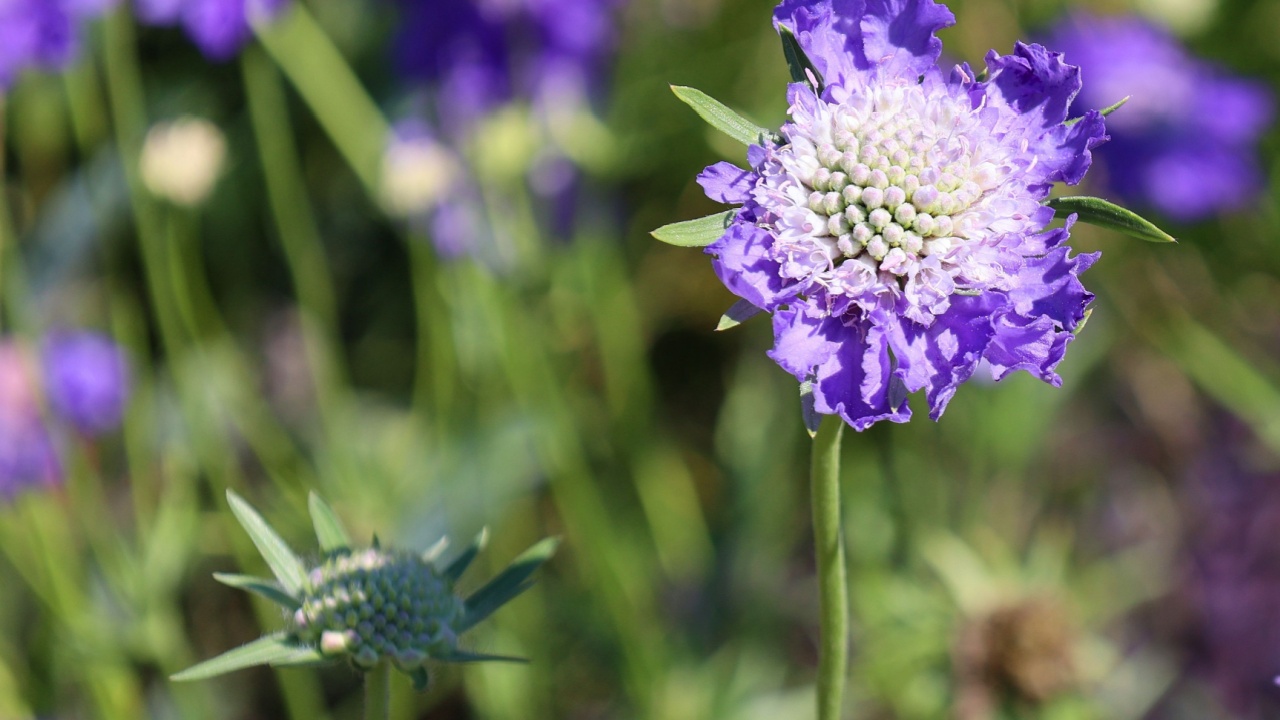
Pincushion flower has airy lavender-blue blooms that float above tidy mounds of foliage, giving the garden a lighter look than heavier summer flowers. It keeps blooming for a long stretch, often right up to frost, which makes it one of the most useful plants for season-long color.
Butterflies visit often, and the flowers mix well with both cottage-style and more formal plantings. Its softer shape helps balance bolder flowers in a mixed bed.
Pincushion flower should be planted in full sun and kept out of wet soil, especially in winter and rainy periods. Deadheading extends the flowering period further, even though this plant already offers a generous bloom season.
With slender and graceful stems, the pincushion flower creates the best display when planted in groups rather than as a single specimen.
Keep Summer Color Going
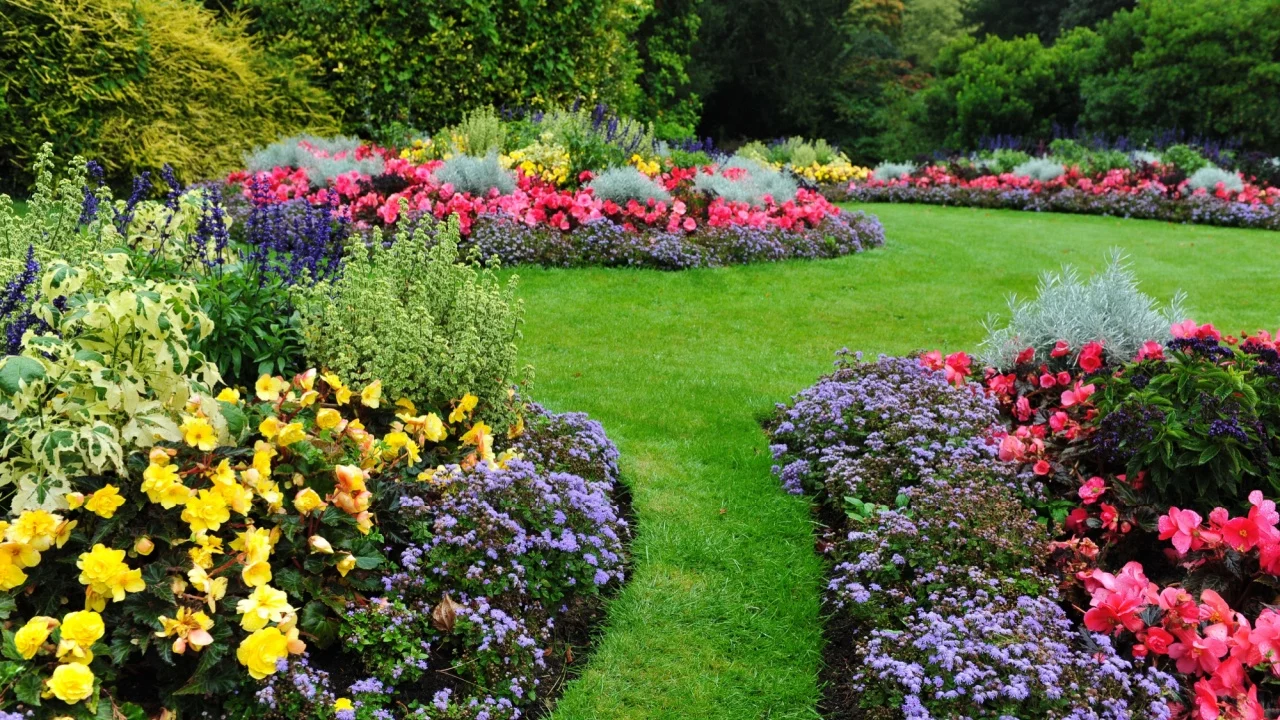
The easiest summer garden is built on flowers that keep showing up without constant care. Matching each plant to the right light and soil allows gardeners to enjoy months of color from a small group of reliable flowers.
Sunny bloomers belong in hot, open spots, while shade lovers are best suited for porches, tree lines, and darker beds. With the right mix, a garden can remain bright through summer without becoming a full-time job.