
8 Clues You’re Leaving for Burglars to Tell Them You’re Out of Town
Packing your bags for a long trip brings a wave of excitement as you anticipate new adventures. You spend weeks planning the perfect itinerary and organizing travel documents. Between booking flights and finding a reliable pet sitter, home security often falls to the bottom of many people’s priority list.
Statistics reveal that in the USA, a break-in occurs every 26 seconds. Property criminals rely on visual cues to determine which houses make easy targets. They drive through streets looking for subtle disruptions in your normal daily routine. A busy household has a distinct rhythm of activity, and any sudden stop in that rhythm sends a loud signal to anyone paying attention.
This guide breaks down eight specific signals you might accidentally send to criminals when you leave town. We cover the most common mistakes travelers make that leave their properties vulnerable.
By understanding these specific vulnerabilities, you can make adjustments to keep your residence safe while you enjoy your trip. That way you return to a safe, untouched home when vacation is over.
1. Broadcasting Real-Time Social Media Updates

Sharing vacation photos online from your resort gives criminals a massive advantage. Thieves monitor public feeds and local community groups to identify residents who broadcast their travel plans. Tagging your location at an airport or posting a beach selfie instantly confirms your residence is completely unoccupied. Some sophisticated criminals even use location tags to track exactly how far away you are from your neighborhood.
The safest approach is to keep your travel plans entirely offline until you return home. You can take all the photos you want during your trip and organize them into an album for later sharing. Waiting a week to post your vacation memories protects your property without sacrificing the fun of sharing experiences with friends. If you must share photos immediately, send them via private text messages rather than public platforms.
2. Neglecting Normal Yard Maintenance

An overgrown lawn stands out instantly in a neighborhood where everyone else mows regularly. Grass grows fast during the summer months, and leaving it uncut for two weeks makes your absence highly visible. In the winter, an untouched layer of snow on your walkways and driveway sends the same message to anyone passing by. Criminals use these environmental changes as primary indicators that a property lacks regular supervision.
Hiring a local neighborhood service solves this problem completely. Ask a local lawn care provider to maintain your grass while you travel, or hire a neighbor to shovel your snow after a storm. Paying someone a small fee to keep up appearances creates the illusion of daily activity. Maintaining the exterior of your property makes criminals assume someone is home, monitoring the residence.
3. Leaving the Driveway Completely Empty

A driveway with no vehicles parked in it for several consecutive days looks highly suspicious. Most households have at least one car parked outside or visible activity in the garage area. When a thief notices the same driveway empty day after day, they logically deduce that the residents have been away for an extended period.
Solve this problem by asking a trusted neighbor to park one of their vehicles in your driveway. Having a car present signals that someone is home. You can also leave a secondary vehicle parked outside instead of keeping it locked inside your garage.
4. Allowing the Mailbox to Overflow
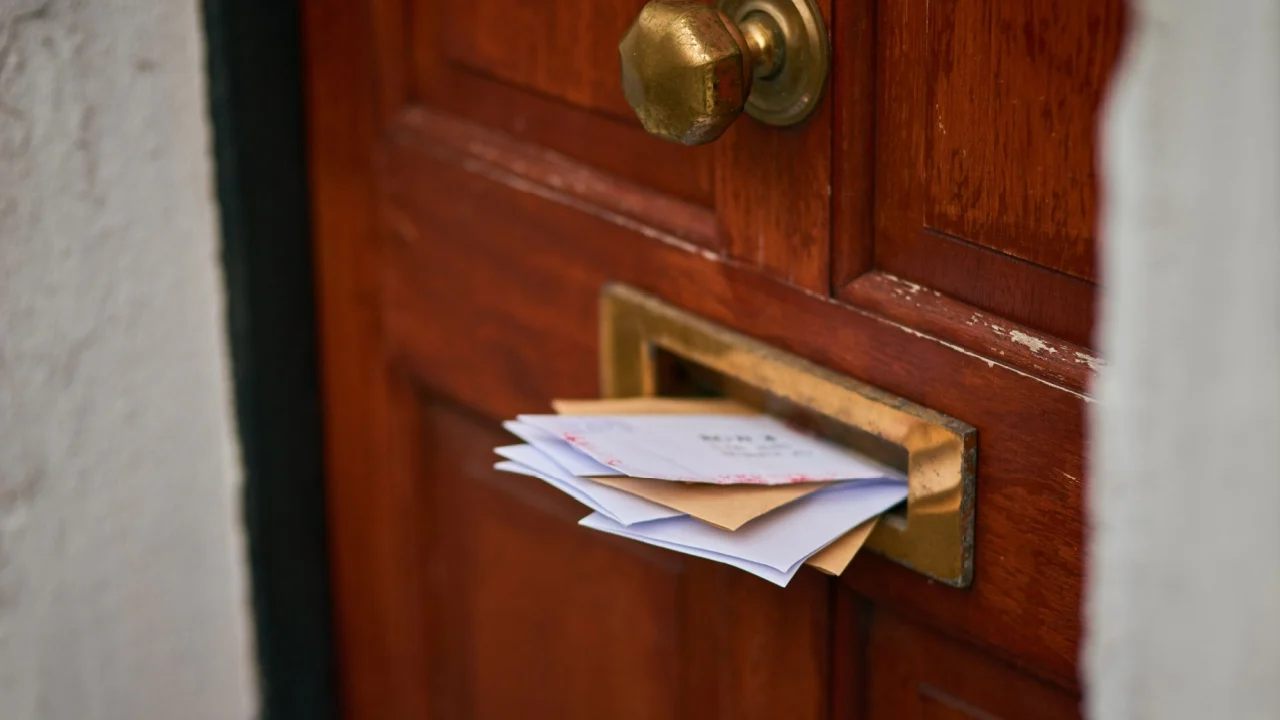
Stacks of letters and catalogs jammed into a mailbox provide undeniable proof that no one is checking the mail. Postal carriers will continue to deliver daily mail until the box can no longer hold any more items. Criminals routinely check mailboxes or look for newspapers piling up at the end of a driveway. This visual accumulation serves as a timeline, showing a thief exactly how long you have been away from home.
The United States Postal Service offers a free service to hold your mail for up to thirty days. You can set this up online in just a few minutes before you leave for the airport. Alternatively, you can ask a reliable neighbor to empty your mailbox every afternoon and hold the items inside their house. Stopping the flow of mail eliminates one of the most visible indicators of an empty residence.
5. Forgetting to Secure Windows and Doors

Shocking statistics reveal that 34 percent of burglaries gain access to the home through the front door. A surprising number of property crimes happen without forced entry because residents forget to lock up. Rushing out the door to catch a flight can lead to careless mistakes, like leaving a back window open or a side door unlocked. Intruders always check for the path of least resistance before attempting to break glass or force a lock.
Before you leave the house, walk through every room and physically test every single lock. Verify all latches on windows, sliding glass doors, and basement access points are securely fastened. You can also place wooden dowels in the tracks of sliding doors to add an extra layer of physical resistance.
6. Skipping the Weekly Trash Pickup

Trash collection happens on a specific schedule, and everyone in the neighborhood follows the same routine. When your trash bins stay hidden out of sight while the entire street lines their bins along the curb, thieves take notice. Missing trash day creates a clear break in your normal domestic pattern. An empty curb on garbage day provides a very strong indicator that the household is currently unoccupied.
Coordinating with a neighbor easily solves this visible break in routine. Ask a neighbor to roll your empty trash bin to the curb on collection day and return it to your house later that afternoon. They might even throw a single bag of their own garbage into your bin to make it look authentic.
7. Letting Deliveries Pile Up at the Front Door
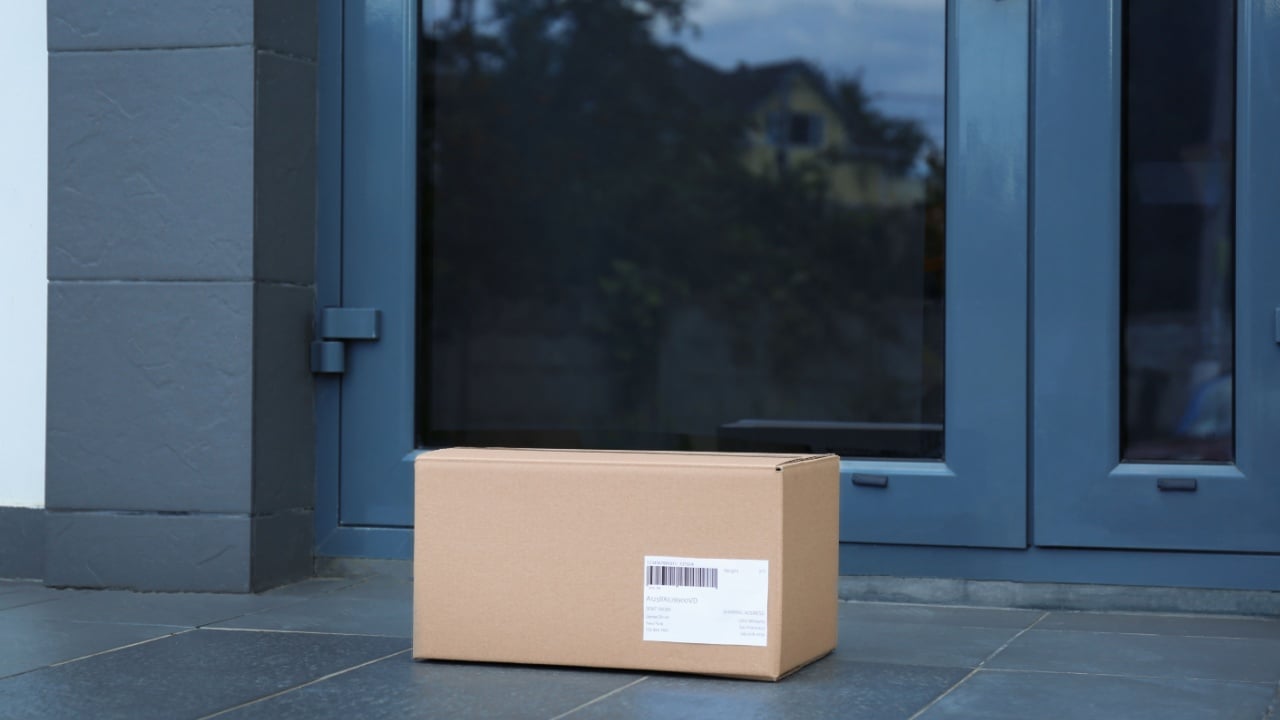
A stack of cardboard boxes sitting on a front porch acts as a magnet for criminals. Porch pirates cruise residential areas looking for unattended packages, and multiple boxes indicate the residents are out of town. A delivery sitting exposed to the elements for several days proves nobody is walking through the front door. The longer packages remain outside, the more obvious your absence becomes to anyone driving by.
You should always reroute deliveries or pause your online orders when planning a trip. Most major shipping companies allow you to redirect packages to a local retail store or locker for safe holding. If an unexpected package arrives while you are gone, text a neighbor immediately and ask them to grab it for you. Keeping your porch clear of deliveries removes a major temptation for passing criminals.
8. Keeping the House Completely Dark

A dark house at night looks completely lifeless and presents zero risk to an intruder. Most people turn on at least a few lights in the evening to cook dinner or watch television. Leaving your entire house completely dark for multiple consecutive nights signals that no one is inside. Conversely, leaving a single porch light turned on twenty-four hours a day also looks suspicious to an observant thief.
Smart plugs and outlet timers provide the perfect solution for managing your interior lighting. You can program a few lamps in your living room and bedroom to turn on and off at logical times during the evening. Set a television on a timer to create flickering light and muffled sound that mimics a normal evening routine. These simple devices create realistic activity patterns that effectively convince criminals to move on to another target.
Protecting Your Property While You Travel
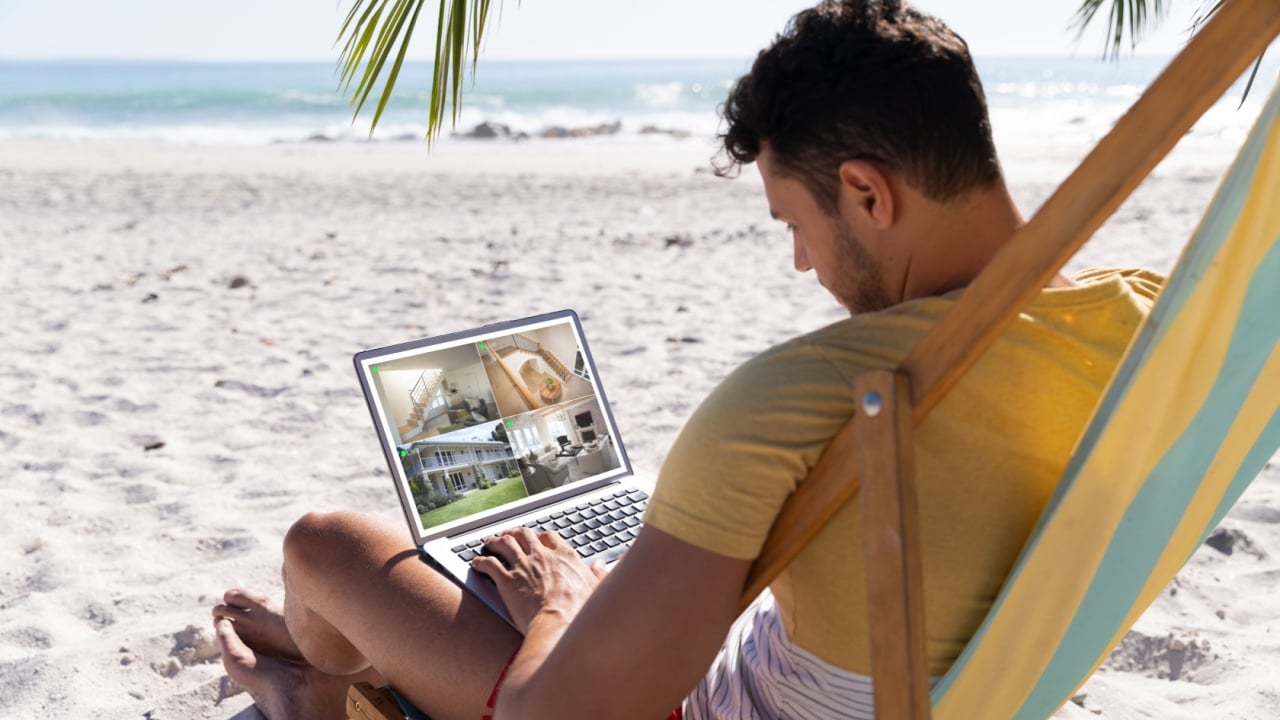
Taking the time to address these common vulnerabilities significantly improves your property’s security while you travel. Some security mistakes can attract burglars; thieves look for easy opportunities, and maintaining the illusion of an active household forces them to look elsewhere. A few quick conversations with neighbors and some basic technological adjustments make a massive difference in your overall security profile.