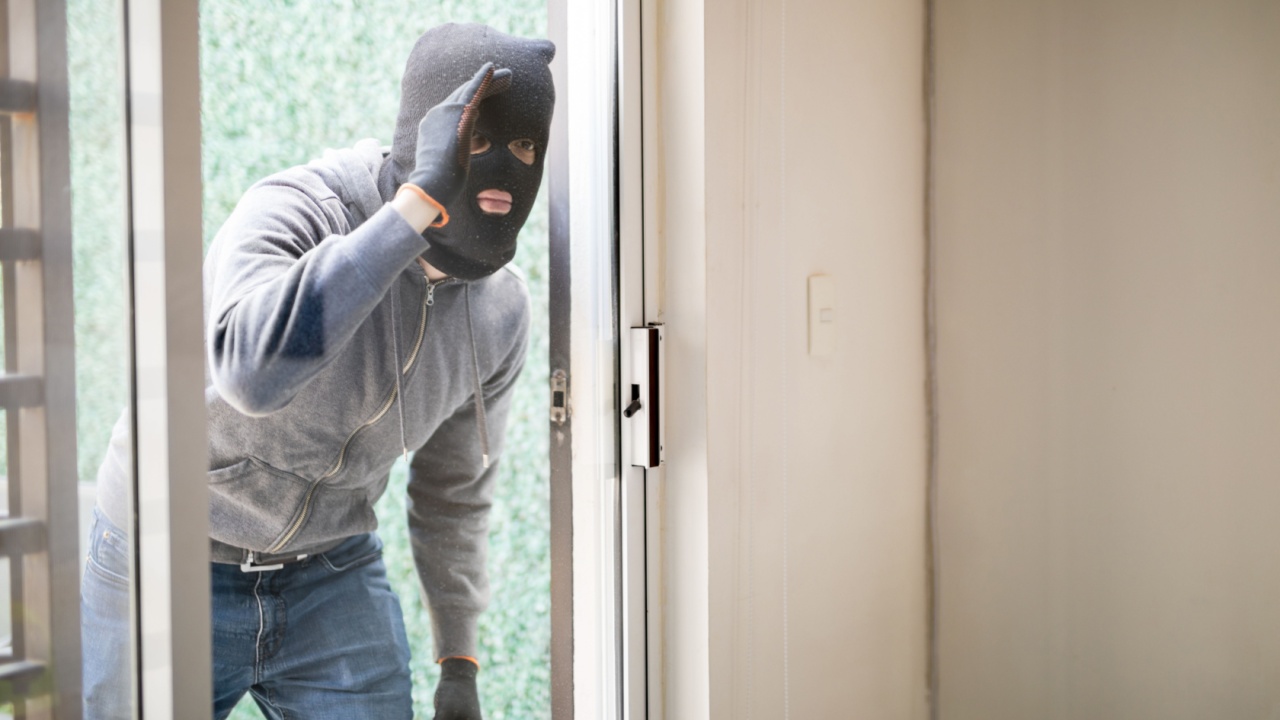
14 Spots Burglars Always Search After Breaking In
It’s a strange feeling to imagine a stranger walking through your home, touching your things. We hope this doesn’t happen, but we prepare for it by hiding our valuables. Most people believe their hiding spots are clever, unique even. Intruders are often working against the clock, which means they rely on speed, experience, and predictability. Your brilliant hiding spot might just be on their standard checklist.
One insurance company’s research on ex-burglars revealed that they can watch your house for as long as two months and raid it in five minutes. These professionals, for lack of a better term, have a system. They know where people instinctively stash their valuables. They are counting on you to hide your prized possessions in the most common places because it makes their job faster and more profitable. Understanding their methods is the first step in outsmarting them.
Below, we will walk through the 14 most predictable locations thieves target the moment they enter a home. By recognizing these hotspots, you can rethink your own security strategy. The goal is to make your home a less attractive target by avoiding the obvious and securing your valuables in places that a thief in a hurry would likely overlook.
1. The Master Bedroom
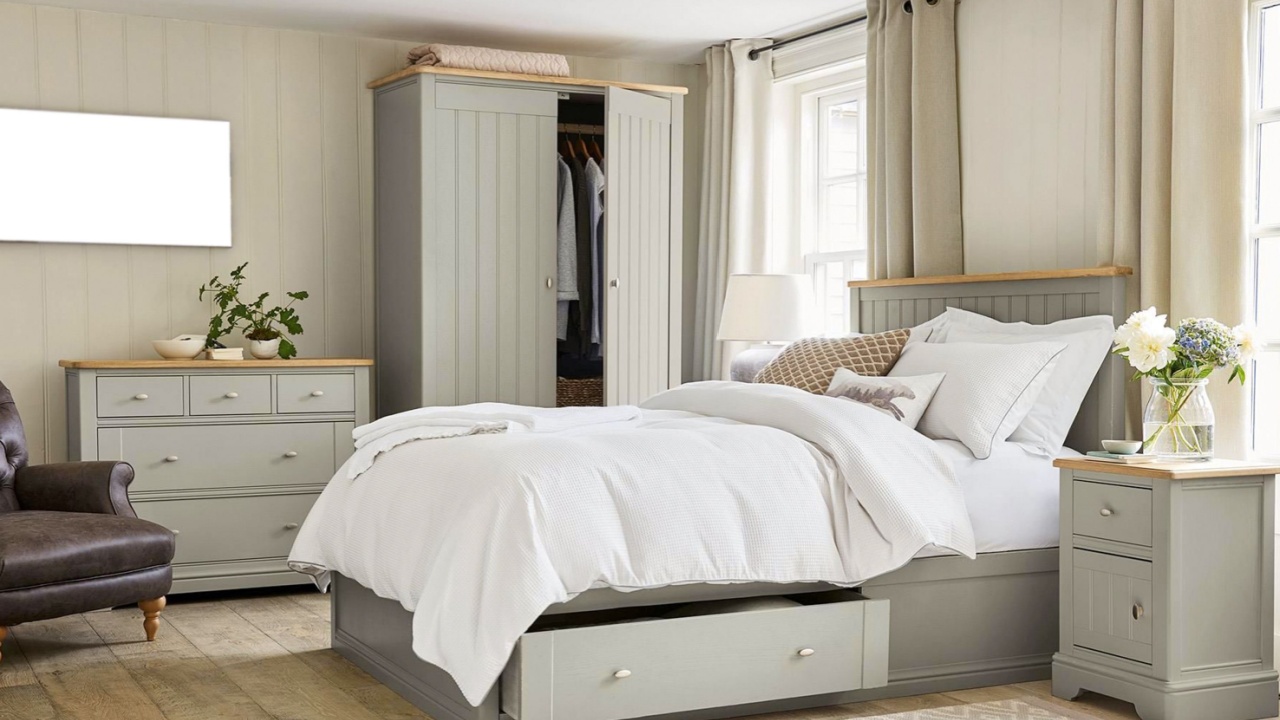
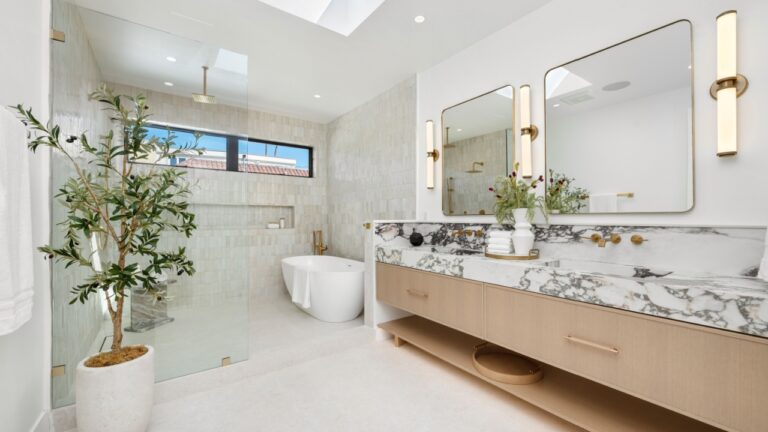
The master bedroom is almost always the first stop. It’s the personal sanctuary of the homeowners, and thieves know this is where the most valuable items are typically kept. They will go through dressers, nightstands, and closets with practiced efficiency. Jewelry, cash, and even personal documents are common finds here.
Because this room is such a high-priority target, it’s a poor choice for storing anything of significant value. Burglars will toss drawers, check under the mattress, and rummage through pockets of clothing hanging in the closet. If you must keep valuables in the bedroom, consider a well-hidden, bolted-down safe or a less obvious location than the top drawer of your dresser.
2. Under the Mattress
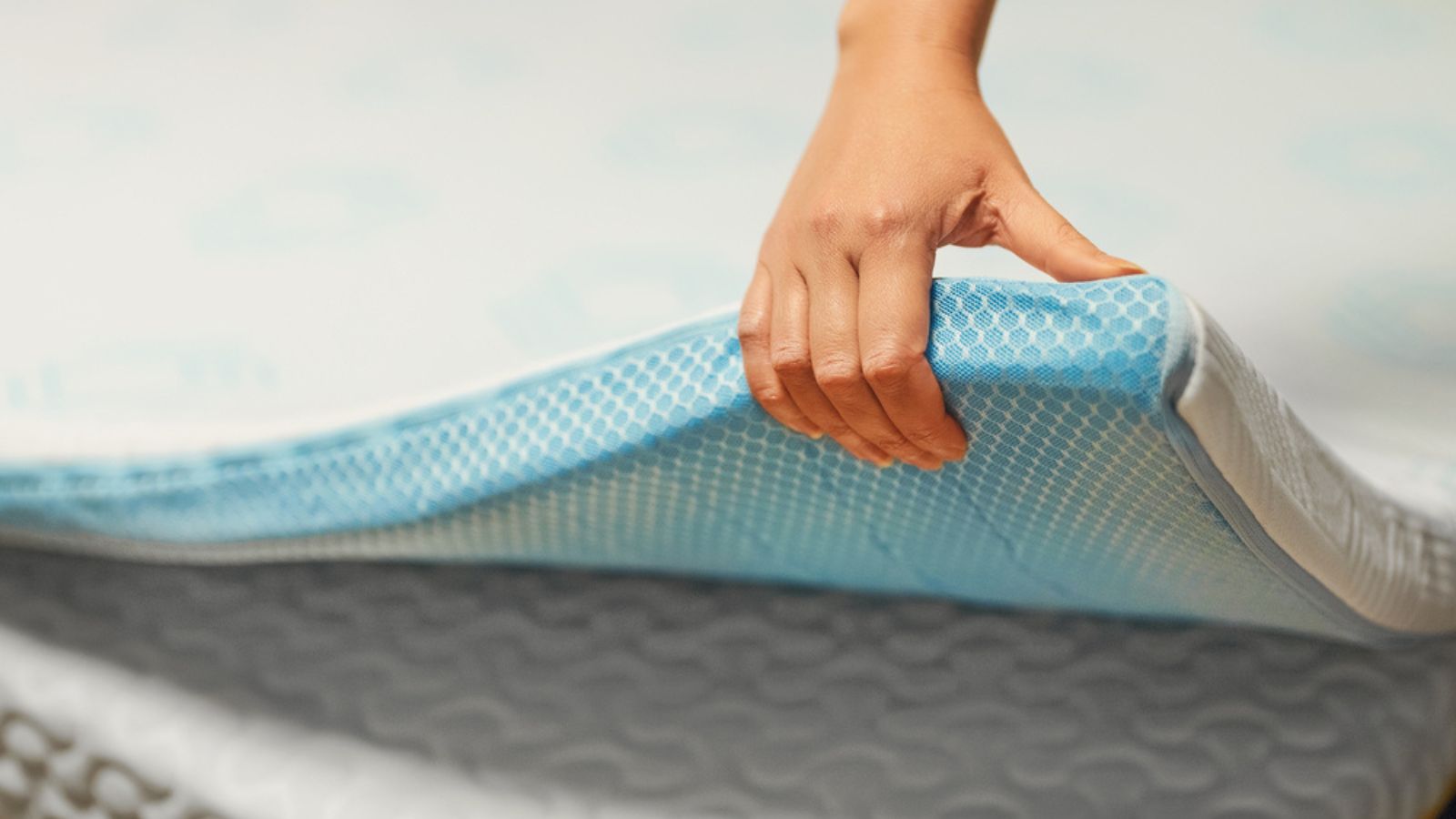
It’s a classic hiding spot, so classic that it’s become completely predictable. Lifting a mattress is a quick and easy action for a thief looking for flat items like cash, passports, or important documents. The idea of hiding something “under your nose” works better in theory than in practice when it comes to home security.
Intruders operate on patterns of human behavior. They know people seek comfort and convenience, and placing valuables near where they sleep feels secure. Unfortunately, this makes it one of the most vulnerable spots in your home. A thief will likely check under the mattress as part of their initial sweep of the master bedroom, making it a very risky storage choice.
3. Jewelry Boxes
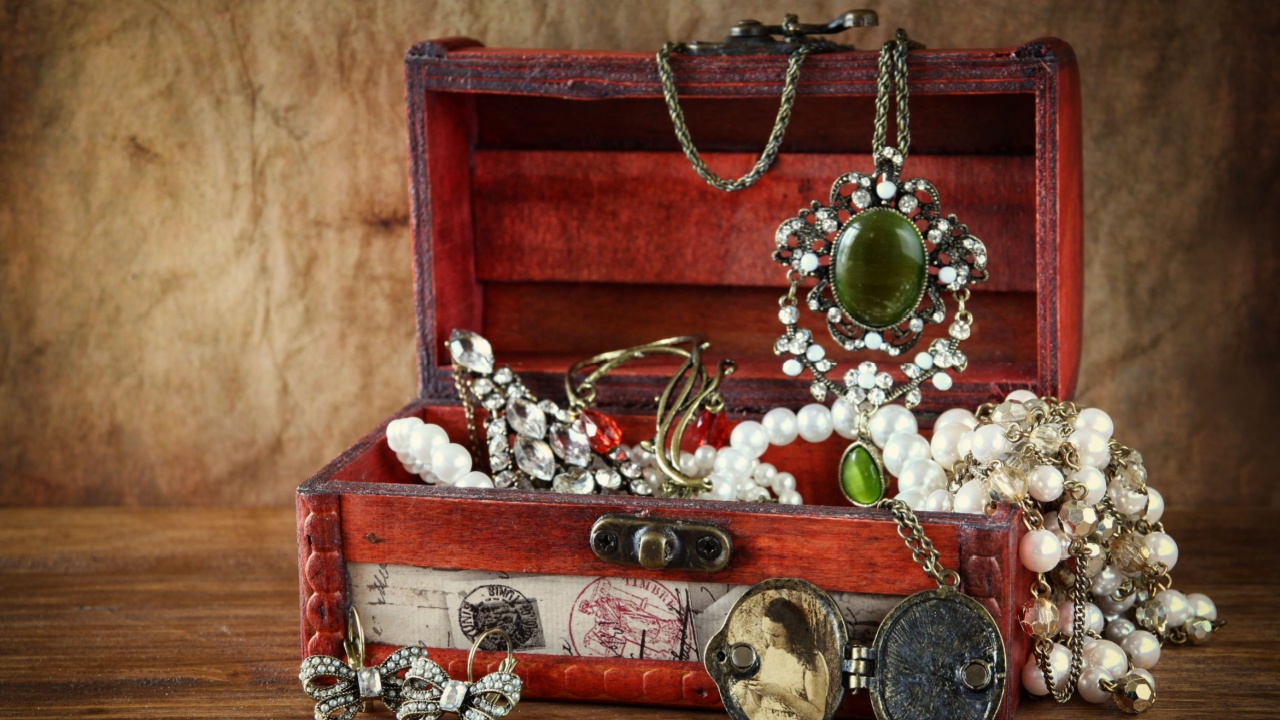
A jewelry box sitting on a dresser is like a neon sign pointing to treasure. It’s a container specifically designed to hold valuable items, so it’s an obvious and immediate target. Thieves won’t bother sorting through it piece by piece; they will simply grab the entire box and sort through it later at their leisure.
Even if you only store costume jewelry in it, a burglar won’t know that until after they have taken it. The box itself signals value. A better approach is to store your precious items in multiple, less conspicuous locations. Some people use decoy jewelry boxes filled with inexpensive items to distract from the real valuables hidden elsewhere.
4. Medicine Cabinets

Your bathroom medicine cabinet is another prime location for a quick search. Thieves are not just looking for jewelry or cash. Prescription medications, especially painkillers and other controlled substances, have a high street value. They can be sold quickly and easily, making them a tempting target.
This raid is about more than just a quick profit. Accessing your prescriptions also gives an intruder insight into your personal health, which can be unsettling. To protect your privacy and prevent theft, consider storing prescription medications in a lockbox or a less obvious cabinet in your kitchen or a locked linen closet.
5. Home Office or Study
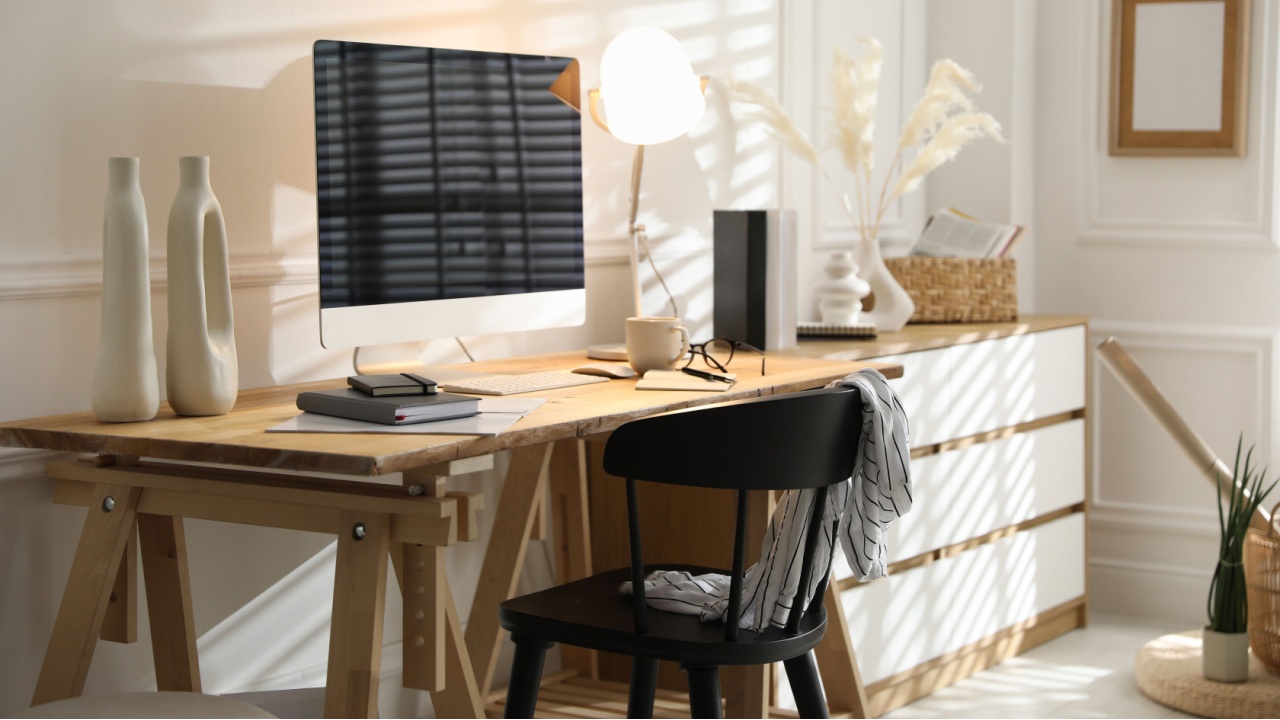
The home office has become a treasure trove for modern burglars. This room often contains laptops, tablets, checkbooks, credit cards, and filing cabinets full of sensitive documents. With the rise of remote work, more people are keeping expensive company equipment and personal financial information in one convenient place.
Thieves know that desks have drawers, and those drawers often contain small electronics, spare cash, or keys. They will quickly go through paperwork looking for anything containing personal identification numbers or financial details that could be used for identity theft. Securing your office with a locked door and a shredder for sensitive documents is a strong defensive move.
6. The Freezer

Hiding cash in a frozen block of broccoli sounds like a genius plan, but burglars are wise to it. People often assume that no one would bother to dig through a cold, packed freezer. The reality is that it takes only a few seconds to rummage through frozen goods, and thieves know that cash wrapped in foil or a plastic bag is a common sight.
This “cold cash” strategy is so well-known that freezers, both in the kitchen and in the garage, are on the standard search list. A thief might not unpack the entire thing, but they will certainly move items around and feel for any unusual packages. It’s better to find a hiding spot that requires more effort and time to access.
7. Kitchen Cabinets and Jars
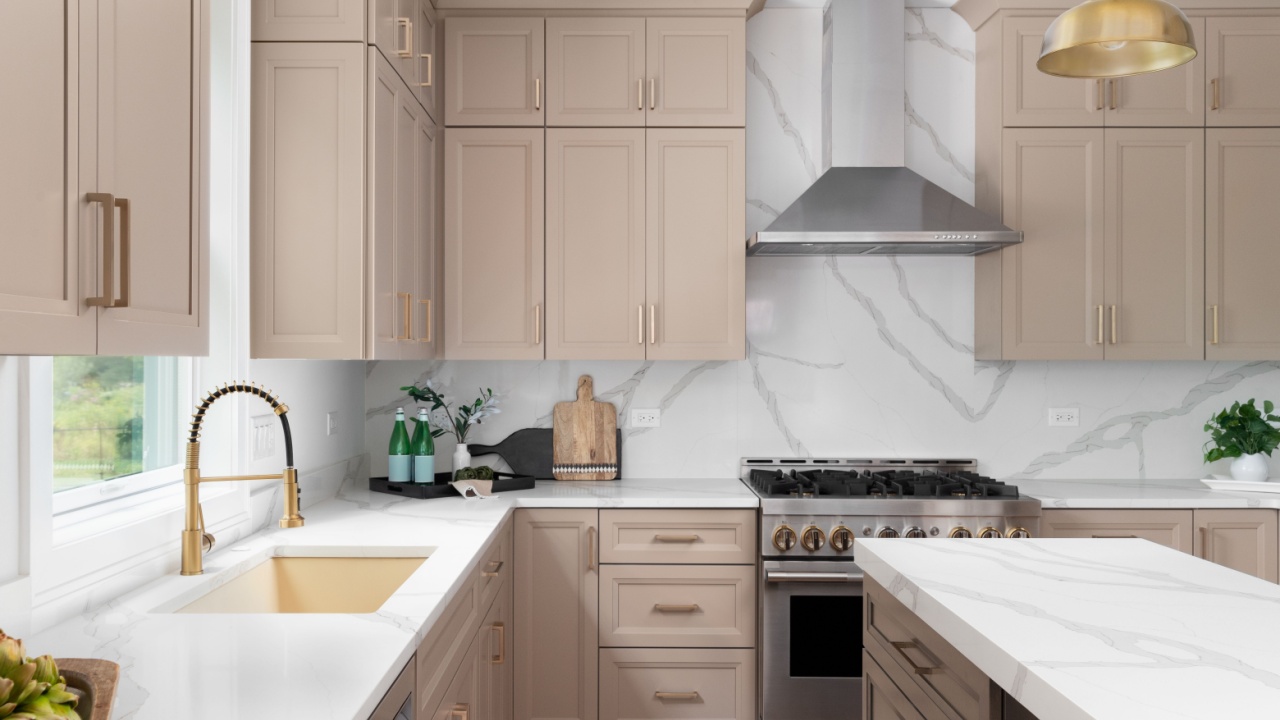
Many people stash emergency cash or spare keys in unassuming places like cookie jars, coffee canisters, or empty food boxes. These spots feel clever because they are hidden in plain sight, surrounded by everyday items. Unfortunately, the kitchen is one of the first places burglars will search.
Unfortunately, this tactic is common knowledge among intruders. They will quickly sweep through kitchen containers, knowing it’s a popular spot for homeowners to hide small valuables. A thief can pop the lids off a dozen jars in less than a minute. Instead of using food containers, consider a more secure and less obvious location for your emergency fund.
8. Living Room Entertainment Center
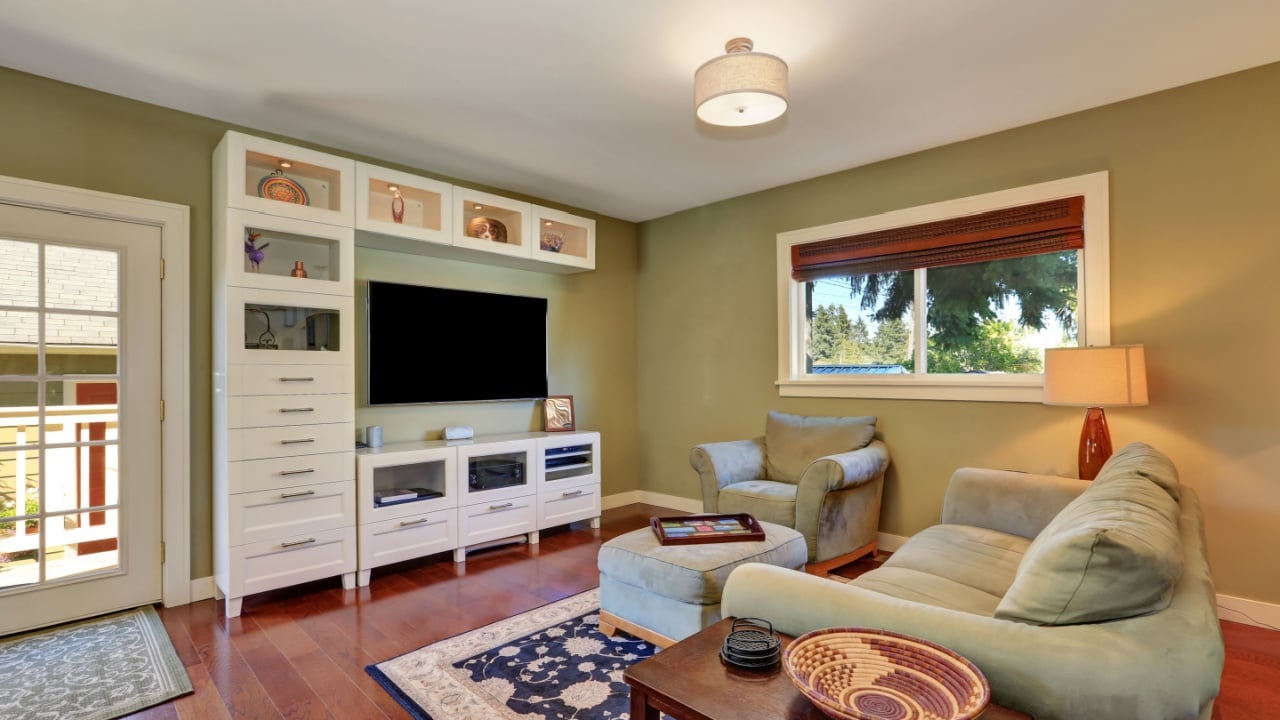
Your entertainment center is a hub for expensive electronics. Televisions, gaming consoles, speakers, and streaming devices are all high-value items that are easy to grab and sell. Burglars will also check the drawers and cabinets of the unit itself for DVDs, video games, and smaller electronics like headphones or cameras.
The area around the entertainment system is a focal point, making it a natural place for a thief to start. They can unplug and carry away thousands of dollars’ worth of equipment in just a few minutes. While you can’t easily hide a large television, you can record serial numbers and consider security mounts that make removal more difficult.
9. Children’s Rooms
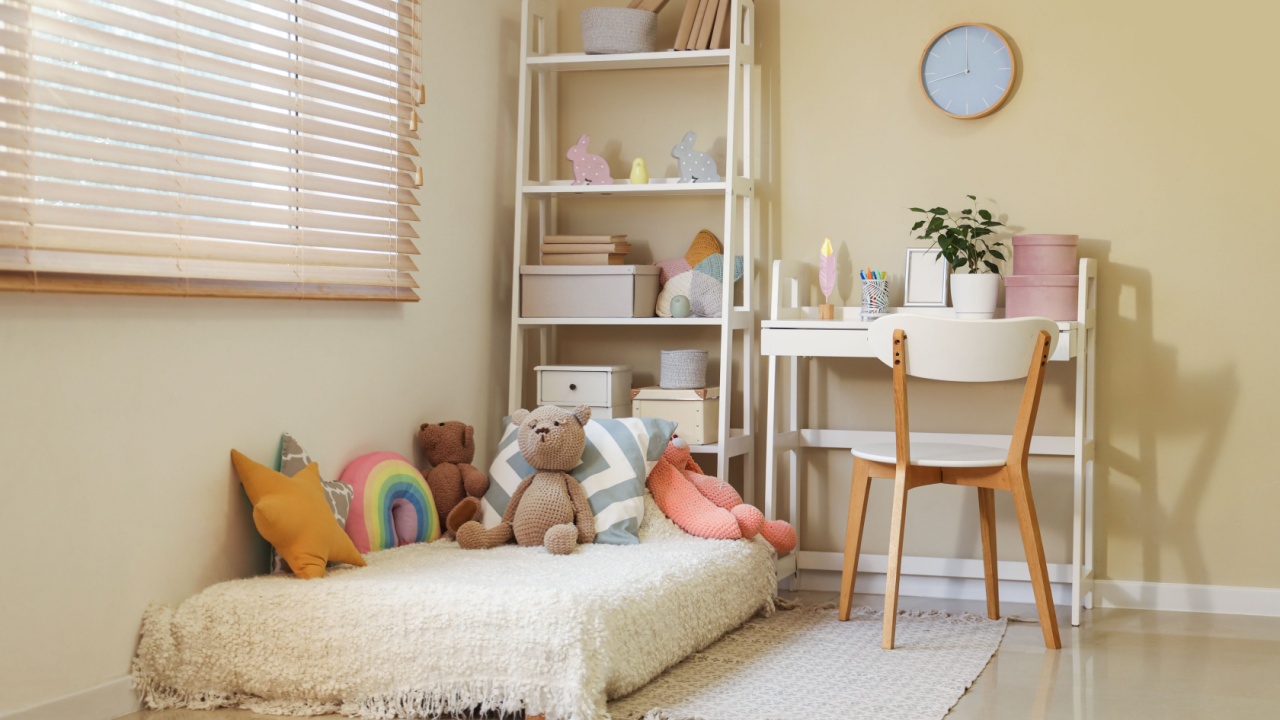
It may seem unthinkable, but a child’s room is not off-limits to a burglar. Thieves are opportunistic, not sentimental. They know that kids often have valuable electronics like tablets, gaming systems, or laptops. They also know that parents sometimes hide valuables in their children’s closets, believing it’s the last place anyone would look. Piggy banks are another easy target for quick cash. While the amount may be small, it all adds up for someone trying to grab whatever they can.
A burglar will spend a moment scanning the room for anything of value before moving on, making it a surprisingly common stop during a break-in. Protect children by keeping nothing of (major) value in their rooms. Let them keep the piggy banks in a safe place, or better yet, open up a savings account for them and teach them the value of saving money.
10. Closets
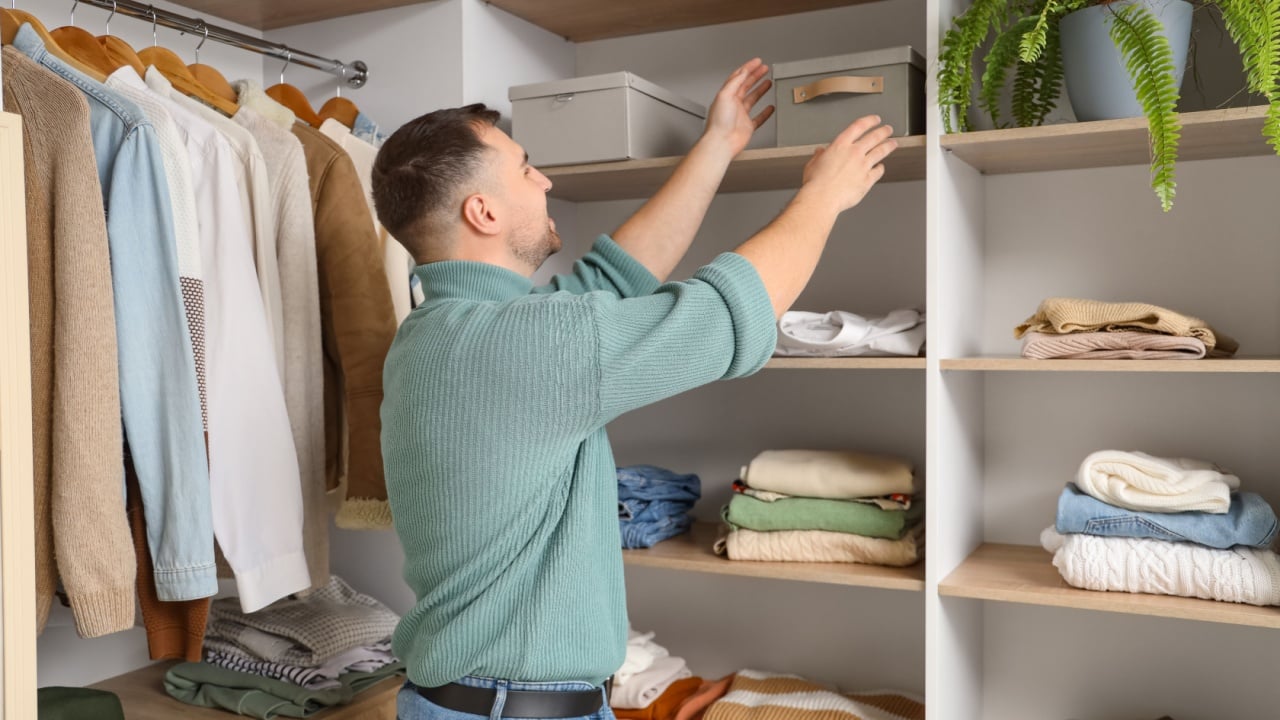
Closets are a default hiding spot for many people, especially the one in the master bedroom. People hide safes, lockboxes, and personal items on high shelves or tucked away in corners. Thieves know this. They will quickly run their hands through hanging clothes to check pockets and push aside items on the floor to see what’s behind them.
The top shelf of a closet is particularly vulnerable. It’s a common place to stash a box of important documents or a small safe that isn’t bolted down. A thief can easily grab it and take it with them to open it later. If you use a closet for storage, make sure that any safe is securely anchored to the wall or floor.
11. The Garage
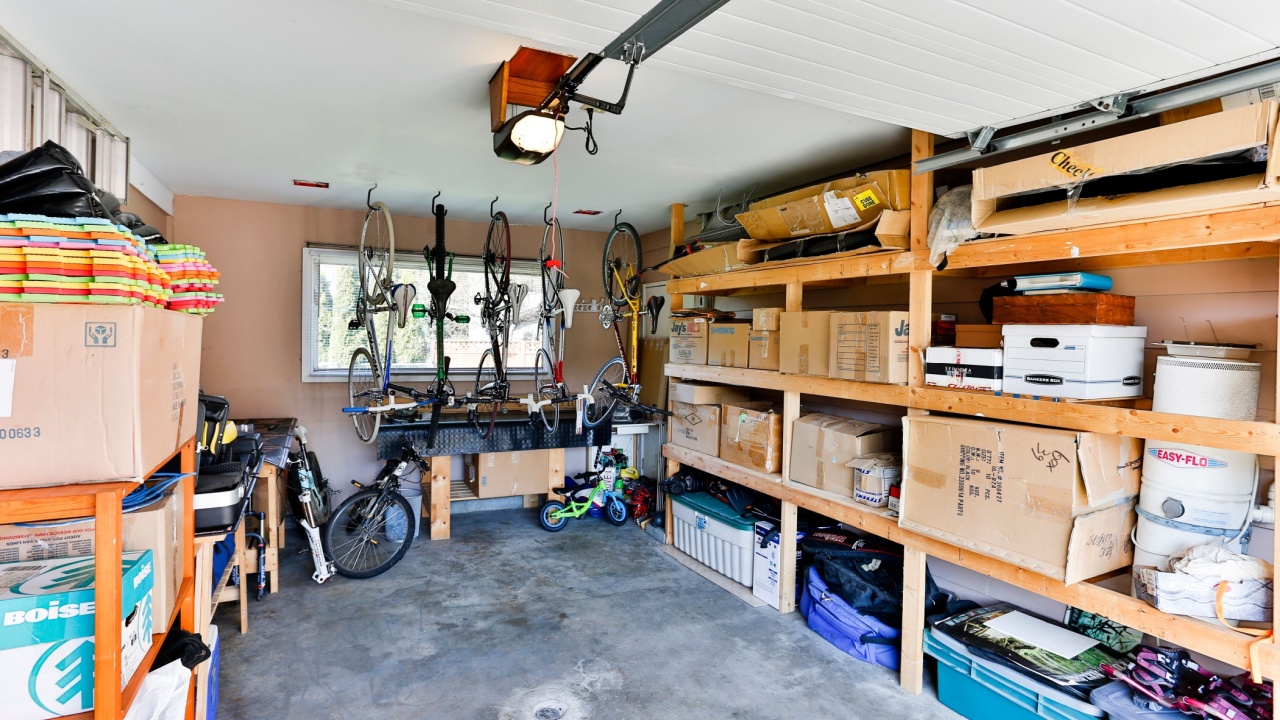
A garage is often an easy entry point, and it’s filled with items that can be quickly sold. High-end tools, bicycles, golf clubs, and sporting equipment are all popular targets. If a car is left unlocked in the garage, the glove compartment and center console will be searched for spare cash, garage door openers, or personal information.
Many people also use the garage for extra storage, including old file boxes or secondary freezers, both of which are targets. A thief who gains access to your garage not only has a wealth of items to steal but also a private space to work on breaking into the main house. Keep your garage safe by improving your lighting, keeping the garage doors in good condition, or using a smart garage door opener.
12. Dining Room
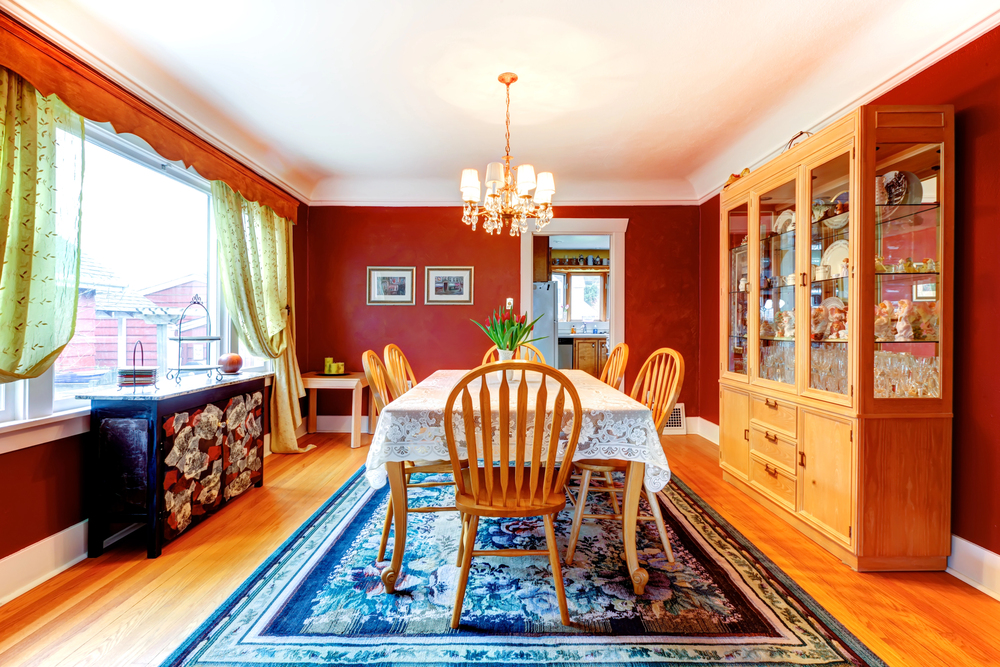
The dining room might seem like a low-priority area, but it often houses one very specific and valuable set of items: the fancy silverware and china. If you have a hutch or china cabinet, a burglar will make a point to check it. Sterling silver sets are heavy and valuable, making them a worthwhile prize sitting pretty in your cupboard.
While they may not take the bulky plates and dishes, any genuine silverware is at high risk. They will also look inside drawers of a sideboard or buffet for table linens, where people sometimes hide cash or important documents wrapped in napkins. Keep your cabinets locked if you have valuable items; avoid placing them on an open or glass shelf.
13. The Attic
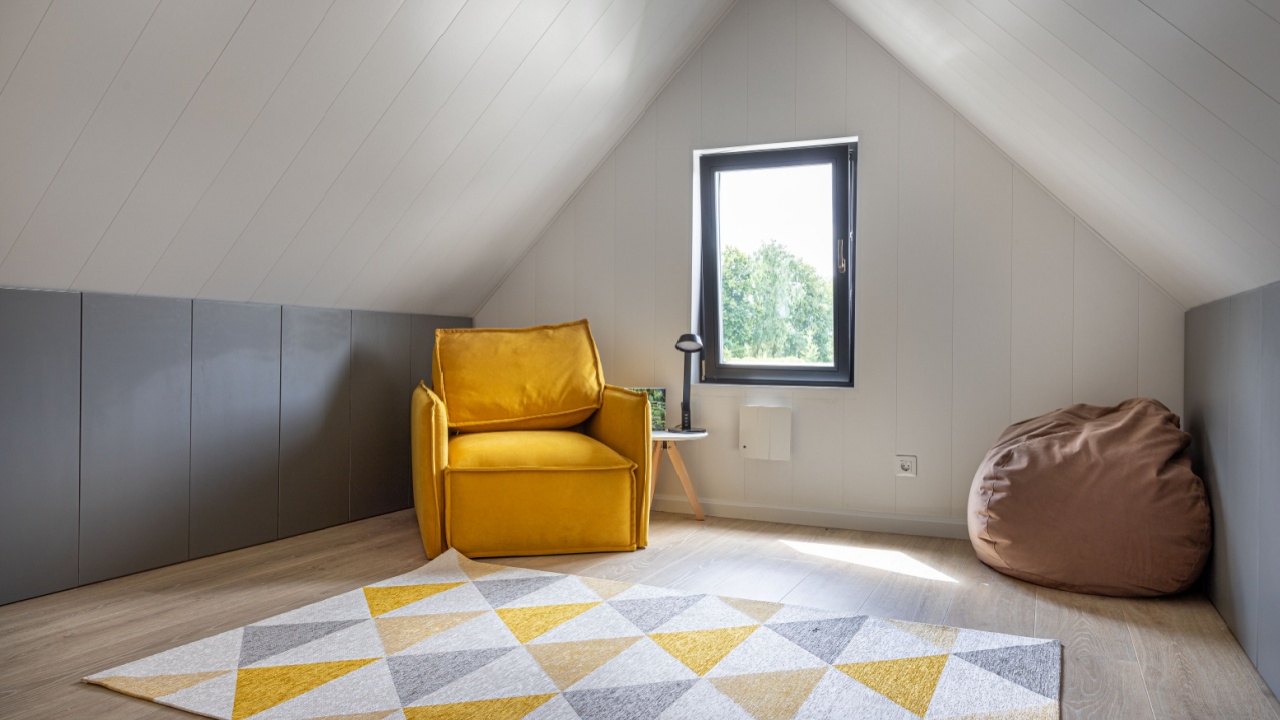
The attic is often filled with items that don’t see the light of day, which makes it oddly tempting to stash valuables among the old holiday boxes and forgotten school projects. Thieves know that people sometimes tuck away heirlooms, cash, or important papers up here. However, seasoned burglars will head for the attic if they think you’re hiding something truly special, as it’s a prime candidate for hidden treasures meant to be “extra safe.”
Unless your attic requires a ninja-level climb, it can be a quick target, especially if you’ve left the door or ladder access easy to spot. If you’re determined to hide something up there, at least keep the entrance concealed or invest in a locking mechanism. Even better, avoid storing high-value items in the attic altogether. Store heirlooms and important documents in a place that takes more than a dusty ladder and a little curiosity to find.
14. Vases and Planters
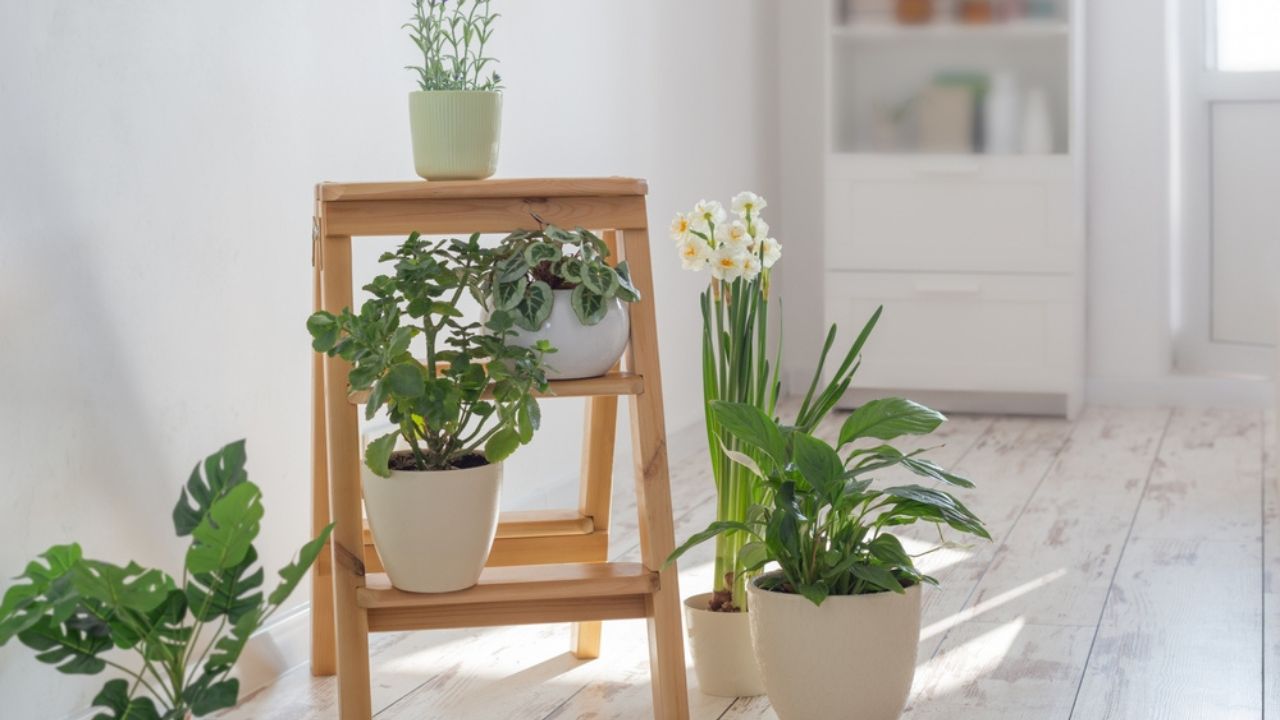
Decorative vases and indoor plant pots are another classic hiding spot that has been compromised by its own popularity. It’s easy to drop a roll of cash or a small bag of jewelry into a large vase. It feels secure because who would bother to empty out a vase full of decorative branches or a pot of dirt?
Thieves, that’s who. Tipping over a vase or quickly digging through the top layer of soil in a planter takes no time at all. They are looking for anything that feels out of place. This method is so common that it’s become part of the standard playbook for a quick home search.
Protect What Matters
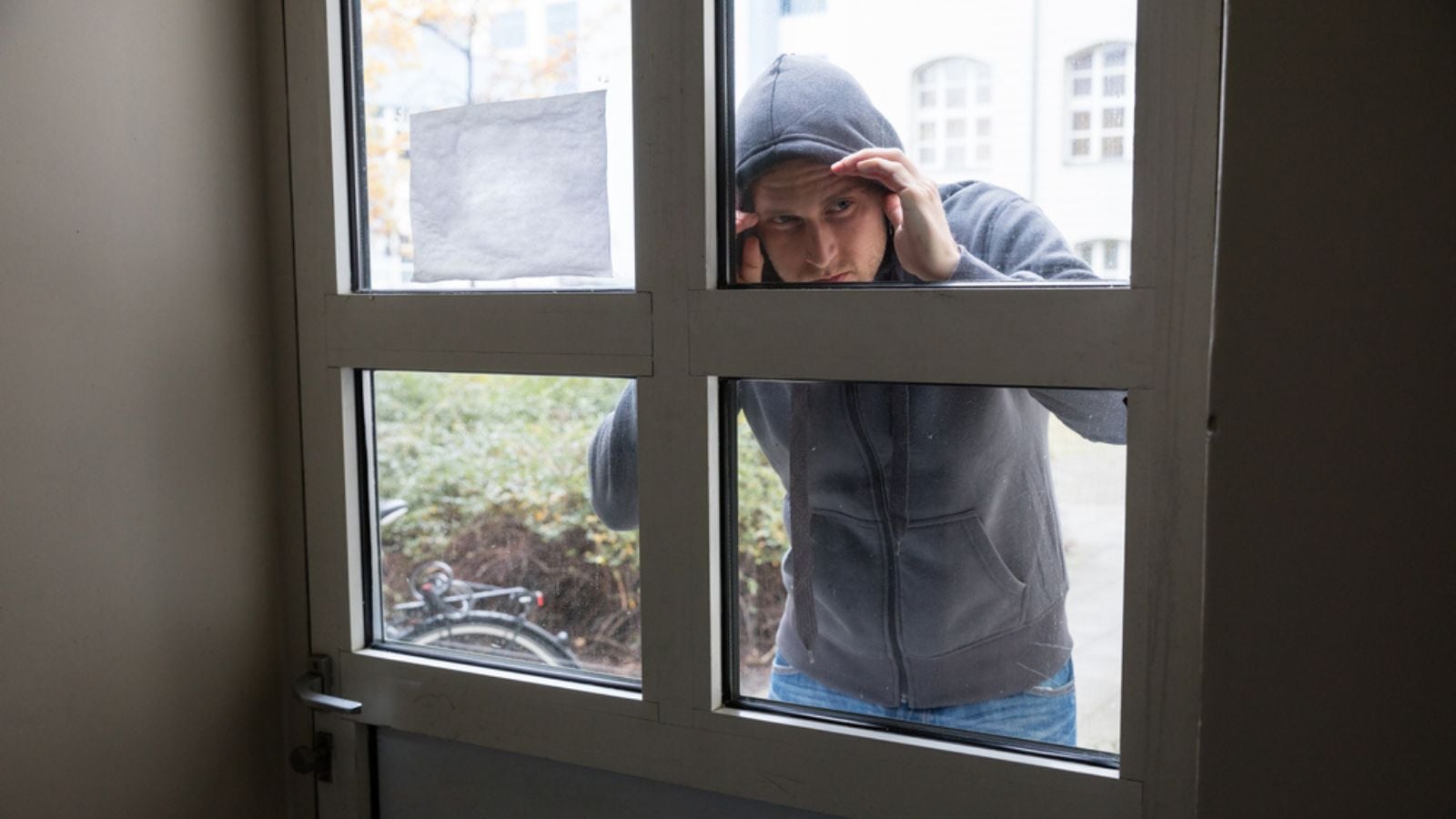
Knowing where intruders look is the first step toward better protecting your home. You are not being paranoid; you are being strategic. Take a walk through your home and look at it from the perspective of someone searching for valuables. Are your hiding spots on this list? If so, it might be time to get more creative.
Simple changes can make a big difference. Investing in a heavy, bolted-down safe for your most precious items is a wise decision. For other valuables, think outside the box. The best hiding places are those that are inconvenient, uninteresting, or difficult to access quickly. Your goal is to slow a thief down and make your home a less profitable target, encouraging them to move on as quickly as possible.