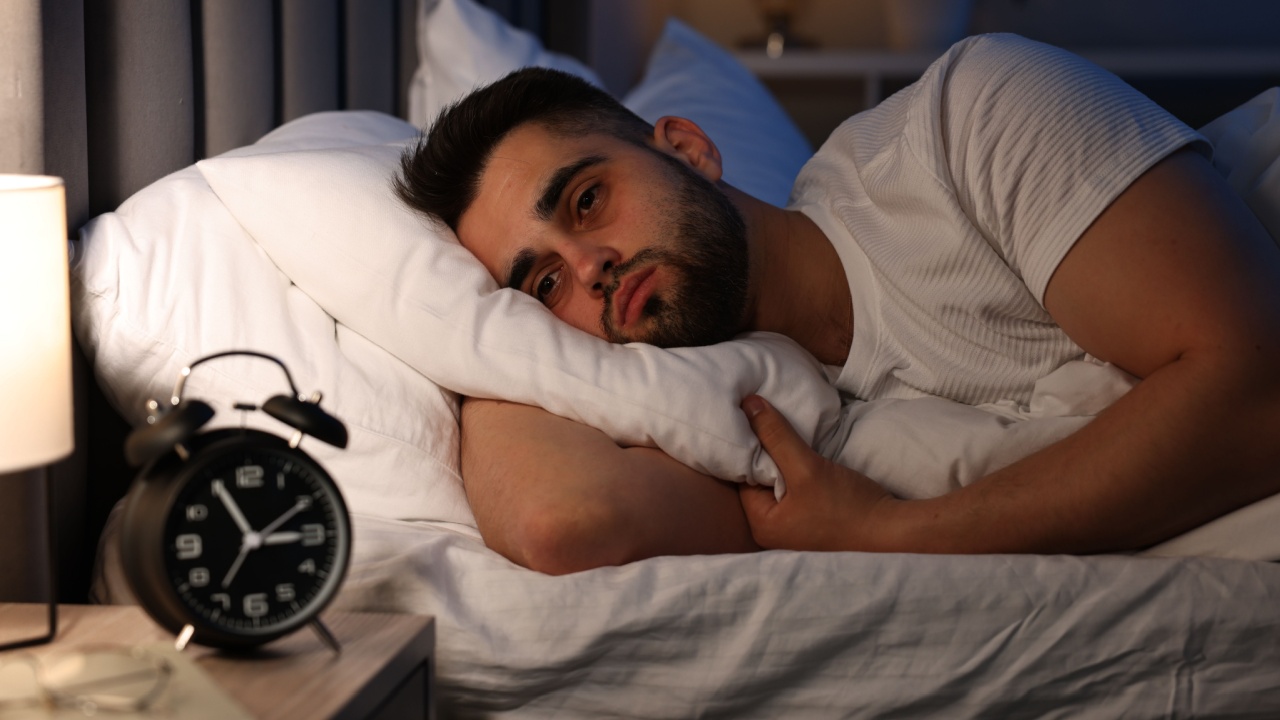
7 Nighttime Habits That Are Secretly Ruining Our Sleep
We all know sleep is important, but did you know your bedtime habits might be secretly sabotaging your rest? You might blame stress or a loud neighbor for your tossing and turning, but the real culprit could be your seemingly innocent evening routine. These habits can trick your brain into staying alert, leaving you feeling groggy and drained the next day.
Ready to uncover these sleep saboteurs? By making a few simple changes to your nightly habits, you can swap restless nights for restorative ones and finally get the deep sleep your body craves.
1. Indulging in Heavy Late-Night Feasts

Late-night pizza or leftover lasagna might hit the spot, but your digestive system probably isn’t as thrilled. Digestion takes energy, and when you eat a heavy meal right before bed, your body has to work overtime, often leading to discomfort, indigestion, or even acid reflux. Lying down after eating only makes things worse, allowing stomach acids to creep into your esophagus and disrupting your sleep with micro-awakenings.
The Fix? Finish big meals at least three hours before bed. If you’re hungry late at night, go for something light and protein-rich, like a handful of almonds or a banana, to keep your digestion in check.
2. Relying on a “Relaxing” Nightcap

A glass of wine or a cocktail before bed sounds like the perfect way to unwind, right? While that nightcap might make you feel drowsy at first, it’s actually a bit of a trick. As your body breaks down the alcohol, it kicks your “fight or flight” response into high gear.
This is why you might find yourself tossing and turning, waking up in a sweat, or having weirdly vivid dreams a few hours later. Alcohol also messes with your REM sleep, which is crucial for memory and mood. So, even after a full eight hours, you can wake up feeling groggy and grumpy.
The Fix: Try to have your last one at least three hours before hitting the hay. This gives your body time to process it, so you can get the quality sleep you deserve.
3. Ignoring the Bedroom Thermostat

While it’s tempting to keep your bedroom toasty, a warm room actually works against your biology. Your core temperature needs to drop to initiate sleep; if the room is too hot, you’ll likely toss and turn. Experts recommend keeping your space cool, dark, and quiet to align with your natural circadian rhythm.
The Fix: Set your thermostat between 60 and 67°F (15-19°C). If you get chilly, use breathable blankets you can easily add (or shed) instead of cranking up the heater.
4. Doomscrolling in the Dark

Smartphones, tablets, and laptops emit blue light, which tricks your brain into thinking it’s still daytime and suppresses the sleep hormone melatonin. The content you consume also keeps your brain on high alert, making it difficult to relax.
The Fix: Start a digital curfew at least 60 minutes before bed. Read a book or use an e-reader without a backlight. If you must use a device, turn on “night mode” to minimize blue light.
5. Sleeping on Stale Sheets

Hygiene plays a surprisingly large role in sleep quality. Over time, sheets accumulate dead skin, oils, sweat, and dust mites. For allergy sufferers, this buildup triggers congestion and itching that disrupts sleep. Even without allergies, the psychological boost of fresh, crisp linens provides a sense of calm that helps you relax.
The Fix: Wash your bedding once a week in hot water to eliminate allergens. Use hypoallergenic detergent if you have sensitive skin to avoid nighttime irritation.
6. Watching High-Adrenaline Entertainment

Winding down with a movie or TV show can impact your sleep depending on the genre. Action, thriller, and horror films spike adrenaline and cortisol, making it harder for your body to relax. Elevated heart rates and racing thoughts can delay sleep and lead to restless dreams.
The Fix: Save intense genres for earlier in the day. Before bed, opt for light comedies, nature docs, or familiar reruns to help your body unwind.
7. Falling Victim to “Social Jet Lag”

Consistency is key to a healthy circadian rhythm. Staying up late and sleeping in on weekends, known as “social jet lag,” confuses your internal clock. This shift prevents your body from establishing a predictable sleep-wake cycle, leading to that dreaded Monday morning grogginess.
The Fix: Try to keep your sleep and wake times consistent every day. If you stay up later on weekends, aim to keep the difference within an hour of your normal routine to minimize disruption.
Taking Back Your Night

Getting better sleep isn’t about making some huge life change; it’s about tweaking the little things you do every day. From adjusting your room temperature to eating at the right time, small habits can make a big difference in how well you sleep.
Pick just one thing to try tonight. See how you feel tomorrow, and let that energy motivate you to keep building a better evening routine. Your body will love you for it.