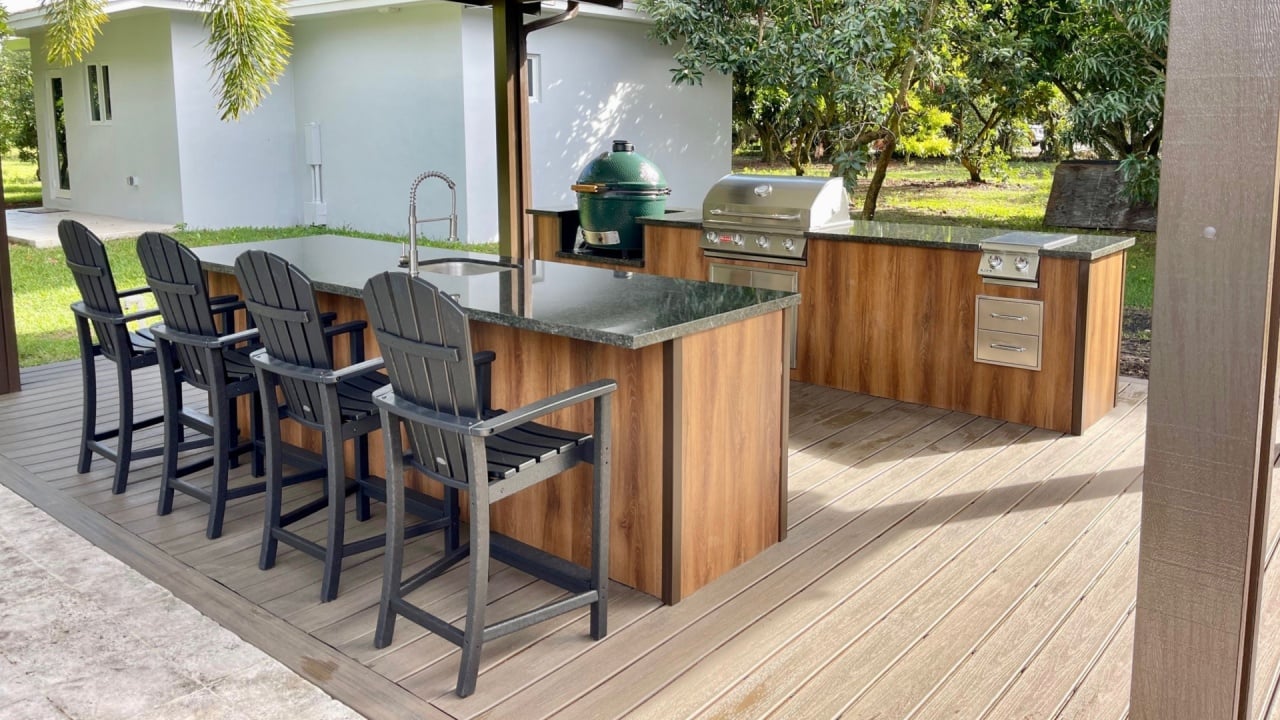
Dreaming of an Outdoor Kitchen This Summer? 6 Realities to Keep in Mind
Grilling burgers under a clear sky while friends relax with cold drinks is the ultimate summer dream. Outdoor kitchens turn your backyard into the place to be, letting you cook without missing out on the sunshine. But while those Instagram photos look perfect, building one takes more than just a grill and some patio space. Before you start digging, it’s important to know what you’re getting into.
Here are six realities of owning an outdoor kitchen to help you decide if it’s worth the leap.
1. The Financial Investment is Significant

Building an outdoor kitchen is more than just buying a nice grill. Construction costs can range from $350 to $800 per square foot, with appliances adding another $1,200 to $7,000. Why the high price? Everything must be weatherproof to handle temperature changes, moisture, and UV rays.
While a DIY approach might seem cheaper, hiring pros can prevent expensive future repairs. Plus, outdoor-rated appliances like fridges and ice makers cost more because they’re built with heavy-duty insulation and weatherproofing.
2. You Will Sacrifice Yard Space

An outdoor kitchen is a permanent structure that eats up square footage. Most designs range between 100 and 400 square feet. If you have a sprawling estate, this might not matter. However, for those with modest backyards, this footprint could consume space previously used for gardening, kids’ play areas, or general lounging.
Local regulations and HOA rules also play a massive role here. Safety codes often dictate how far a grill must be from the main house or property lines to prevent fire hazards. These setback requirements might force the kitchen into the middle of the yard, further reducing usable open space.
3. Extending Utilities is a Complex Logistics Puzzle
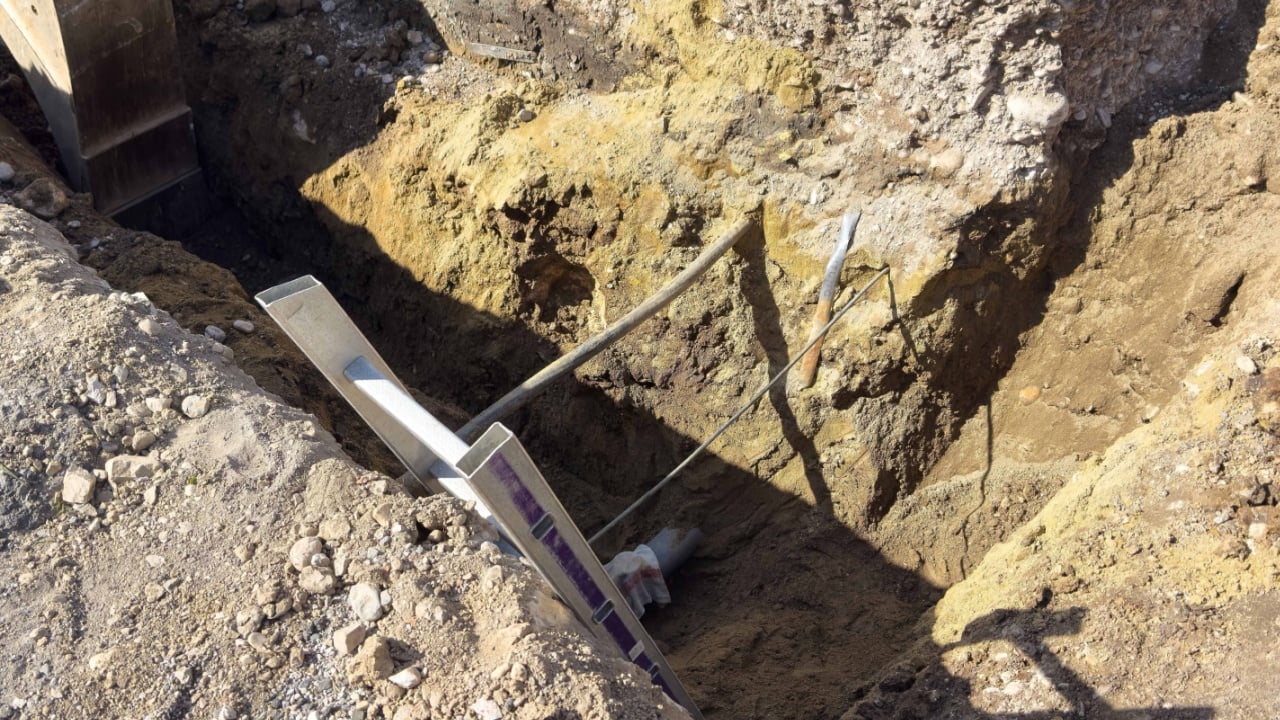
Getting water, gas, and electricity to the new site is rarely as simple as running an extension cord. For a fully functional kitchen with a sink, fridge, and gas grill, you need to extend utility lines from your main house. This process usually involves trenching through the yard, which can disrupt existing landscaping and drive up labor costs.
If your kitchen location is far from the house, the cost of running these lines increases significantly. Plumbing also introduces the need for drainage solutions. You cannot simply let sink water run onto the patio, so connecting to the sewer line or installing a dry well becomes necessary.
4. Maintenance is a Year-Round Commitment

Outdoor kitchens need a lot of upkeep to stay in good condition. While stainless steel is rust-resistant, it’s not rust-proof. Salty air, moisture, and harsh cleaners can cause corrosion if you’re not cleaning surfaces regularly. Porous stone countertops, like granite, need resealing every few years to prevent stains from setting in.
If you live in a colder climate, winterizing is a must. You’ll have to shut off water lines, unplug appliances, and cover everything securely. Even in milder weather, you’ll need to prep for storms by securing furniture and covering your grill.
5. Cleaning Requires More Effort Than Indoors

Indoor kitchens do not typically contend with pollen, falling leaves, or bird droppings. An outdoor setup is exposed to all these elements daily. Before you even start cooking, you will likely need to wipe down countertops and sweep the area to remove dust and debris.
Grease management is also more critical outside. Indoors, a range hood captures grease particles. Outdoors, that grease settles on the grill, the siding of your house, and the patio floor. Without regular deep cleaning, this buildup becomes unsightly and difficult to remove.
6. You Might Attract Unwanted Guests

Cooking outside smells delicious to you, but it smells even better to local wildlife. Ants, flies, raccoons, and mice are always on the lookout for a free meal. An outdoor kitchen can easily become a buffet for pests if you are not diligent.
Leaving a dirty grill or unsealed trash can overnight is an invitation for trouble. To keep critters away, you must clean up immediately after eating. This means wiping down all surfaces, emptying the grease trap, and removing all food scraps and trash from the area every single time you cook.
Start Planning Your Backyard Oasis

Understanding these realities does not mean you should abandon your dream. It simply means you can approach the project with a clear head and realistic expectations. If you are ready to tackle the maintenance and investment, an outdoor kitchen can still be a fantastic addition to your lifestyle.