Finally Off the Shelves: 8 Artificial Food Dyes Facing a Phase-Out
Vibrant colors make food look great, but the way we get those colors is about to change. The FDA and HHS have announced a major shift: petroleum-based synthetic dyes are being phased out of the American food supply by the end of 2026. The goal is to address health concerns and catch up with other countries that have already restricted these additives.
While the official phase-out will take time, you don’t have to wait to start cleaning up your pantry. Knowing which dyes are on the way out helps you make better choices today. Here are the eight artificial dyes targeted for removal and the lowdown on why they’re hitting the road.
1. Red Dye 40 (Allura Red)
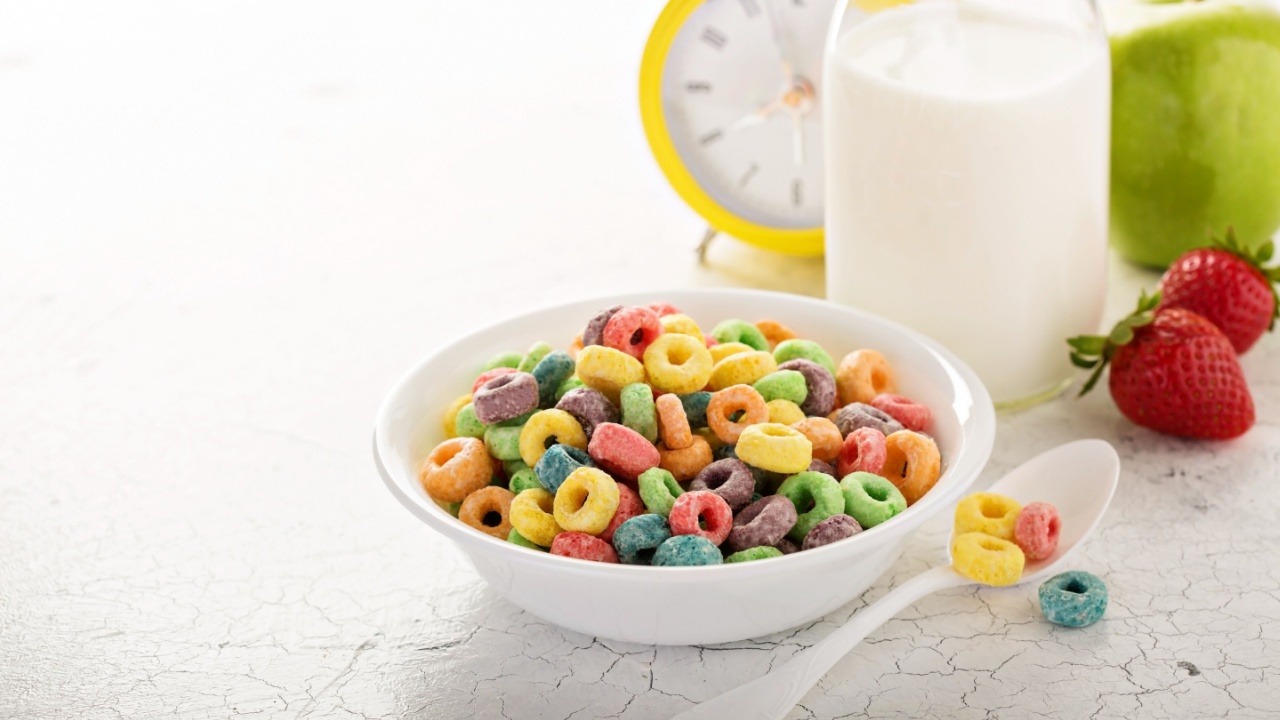
You can find Red Dye 40 everywhere (for now). This petroleum-based additive gives products a deep red color and is used in everything from cereals and sports drinks to candies and condiments. It’s even mixed with yellow dyes to create orange shades in snacks.
Because it’s so common, avoiding Red Dye 40 takes some effort. Research has linked it to behavioral issues in children, like ADHD, which is why it’s being phased out. Companies will likely switch to natural colorings like beet and pomegranate juice.
Pantry Tip: Check labels on anything cherry, strawberry, or fruit punch flavored. If you see “Red 40,” look for an alternative colored with vegetable juice or paprika.
2. Yellow Dye 5 (Tartrazine)
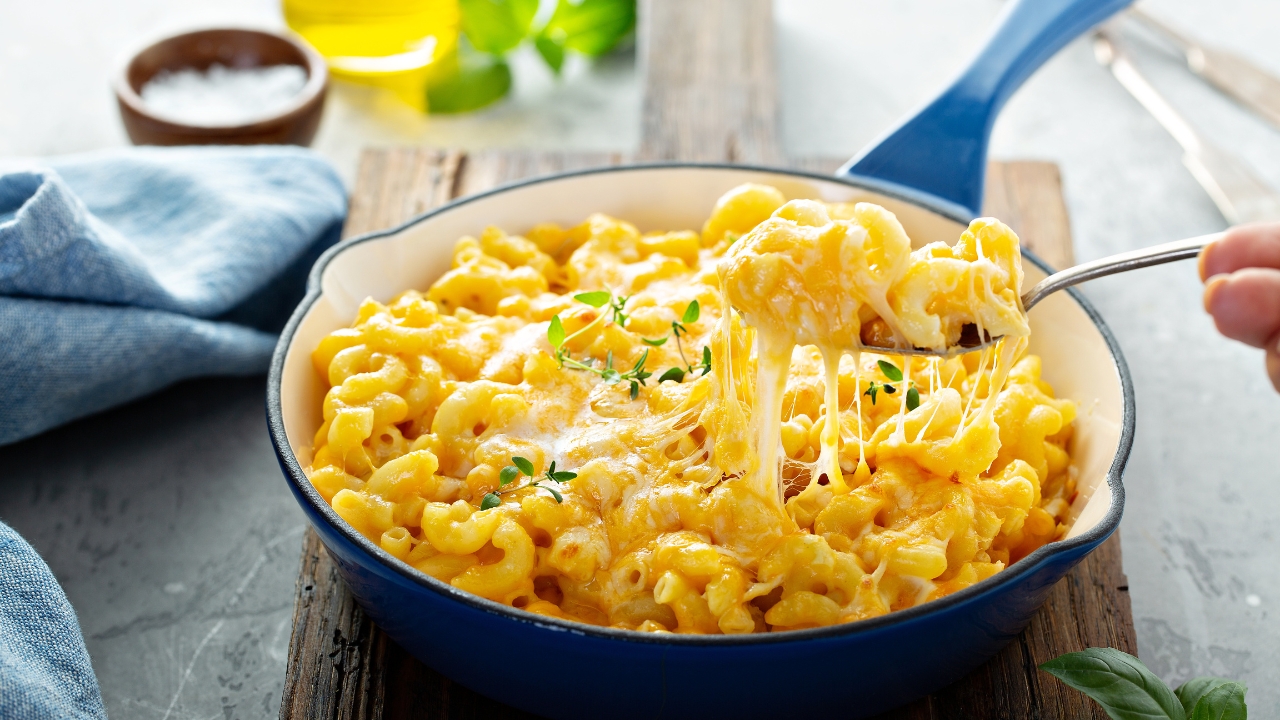
Yellow Dye 5, or Tartrazine, gives foods like soda, popcorn, chips, and yogurt their bright lemon-yellow color. It’s popular because it creates a bold, long-lasting yellow that natural options can’t quite match. You’ll also find it in some cosmetics and medications.
However, Tartrazine has been criticized for causing allergic reactions or sensitivity in some people. While it’s great for color, it adds no nutritional value. Switching to natural alternatives like turmeric, saffron, or beta-carotene is possible, but these create softer, less vibrant yellows.
Tip: Check ingredient labels on things like pickles and mac and cheese. Turmeric is a natural replacement that skips the synthetic additives!
3. Yellow Dye 6 (Sunset Yellow)

While Yellow 5 covers the lemon spectrum, Yellow Dye 6 handles the orange-yellow hues. This additive is responsible for the bright orange look of many cheese sauces, preserved fruits, baked goods, and soups. It is chemically distinct from Yellow 5 but shares a similar petroleum-based origin.
Like other dyes on this list, Yellow 6 is used primarily for aesthetic consistency, masking natural color variations that occur during processing. Its removal will force manufacturers to rely on annatto or paprika to achieve orange tones. This might mean your future nachos or cheese crackers will look slightly less fluorescent but will contain fewer synthetic chemicals.
Pantry Tip: Look for “annatto” on the label of cheese products. It is a natural seed extract that provides a rich orange color and is already widely used in many natural food brands.
4. Blue Dye 1 (Brilliant Blue FCF)
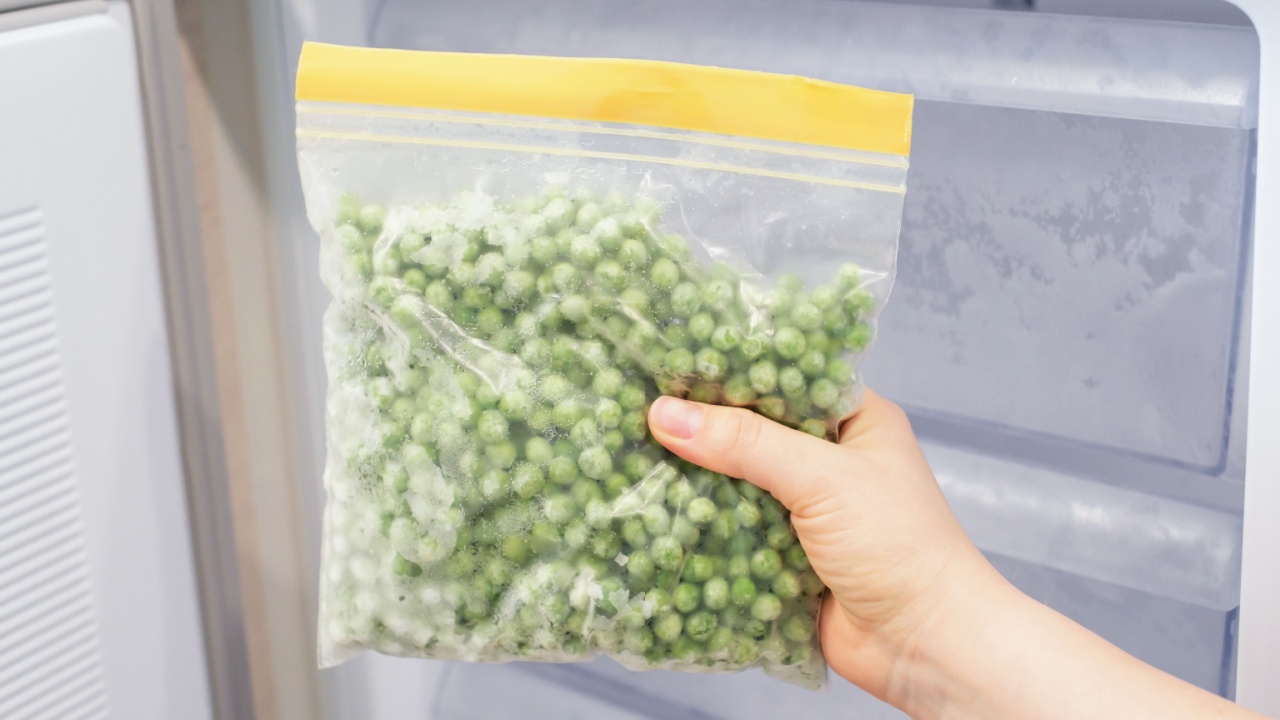
Blue Dye 1 creates the bright greenish-blue shades in ice cream, icing, and popsicles. Surprisingly, it’s also used in canned peas to make them look fresher. Linked to allergic reactions and behavioral concerns in children, this dye is often mixed with yellow to create green hues.
Because natural blue sources are rare, food scientists struggle to replace them. Spirulina extract is one of the few natural alternatives currently available to replicate those cool blue tones.
Pantry Tip: When buying canned goods like peas or soups, check the label. If color is important to you, choosing frozen peas often guarantees a bright green color without the need for added dyes.
5. Blue Dye 2 (Indigo Carmine)

Blue Dye 2, or Indigo Carmine, gives foods a deep blue color and is often found in snacks, cereals, and maraschino cherries. It’s even been used in pet food to appeal to humans, though pets don’t see colors the same way! Studies have linked it to hyperactivity, and, in high concentrations, it may increase the risk of tumors.
As Blue 2 is phased out, cereals and candies may look a little different. Natural, veggie-based colorants are becoming the go-to solution for keeping kid-friendly foods colorful and fun without synthetic additives.
Tip: Check labels on dark candies and snacks. Many now use fruit and vegetable extracts for a safer, colorful twist.
6. Green Dye 3 (Fast Green FCF)

Green Dye 3 is the hidden artist behind your favorite mint-flavored desserts, canned veggies, and salad dressings. While it’s not as famous as red or yellow dyes, it produces a specific “forest green” that’s hard to replicate by mixing blue and yellow alone.
Studies have linked Green Dye 3 to an increased risk of tumors in the bladder and testes of male rats, and there are concerns about its potential to cause allergic reactions and hyperactivity in children.
As the FDA phases out petroleum-based colors, you might notice your mint ice cream looking a little different. Companies are switching to natural options like spinach powder or matcha. These can change the taste slightly, so manufacturers have to get creative with their recipes.
Pantry Tip: Don’t let the color fool you! Mint treats that are white or colored with spirulina still have that same refreshing taste.
7. Citrus Red 2
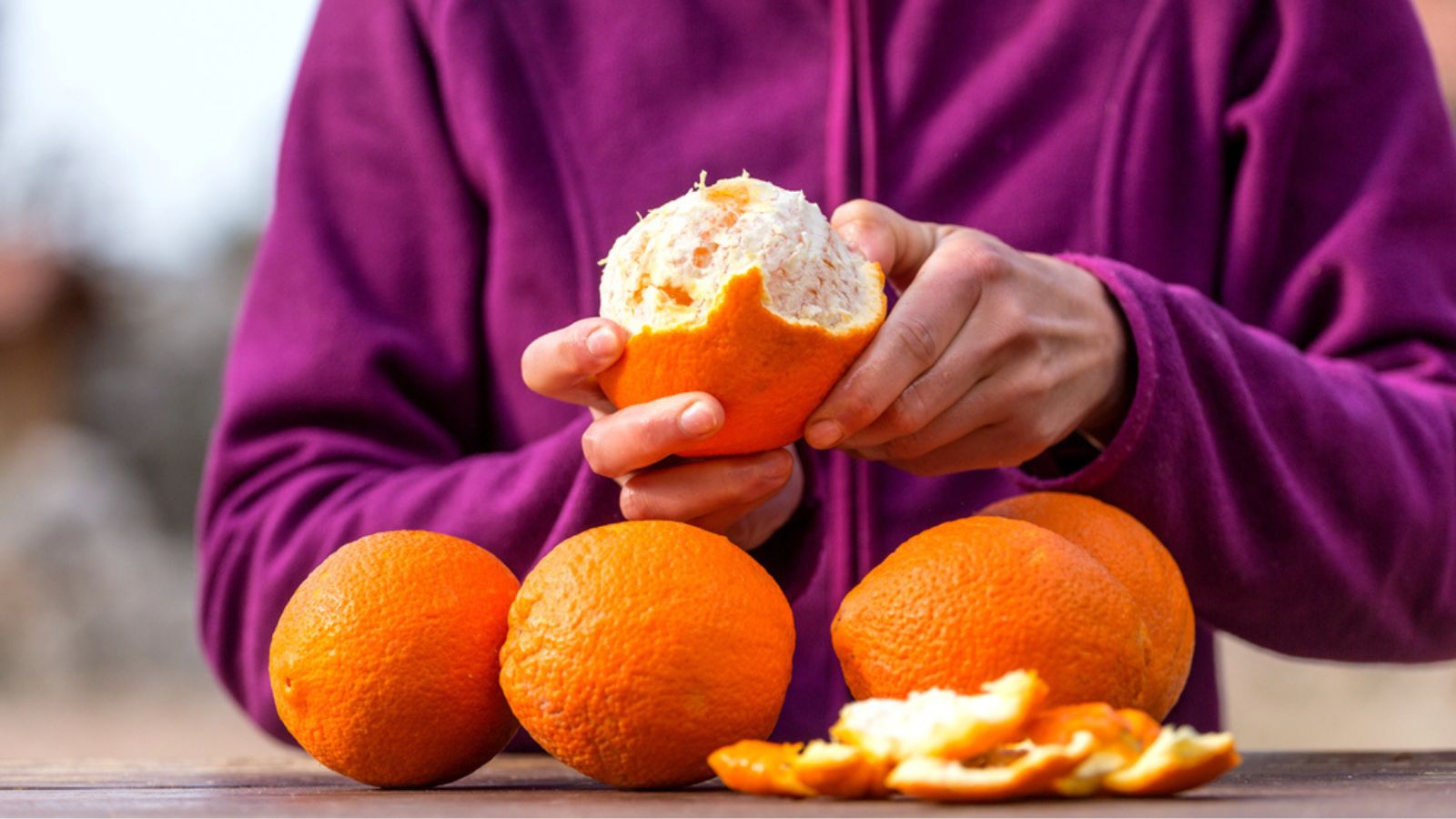
Citrus Red 2 has a very specific and somewhat controversial application. It is permitted only for coloring the skins of oranges, specifically those from Florida, to brighten their appearance. The dye is not allowed for use in the edible flesh of the fruit or in products intended for processing, such as orange juice.
The purpose of Citrus Red 2 is entirely cosmetic, intended to make fruit look ripe and uniform on the shelf. While most people do not eat orange peels, the dye can transfer to hands or zest during preparation. Its removal means oranges might look a bit more natural, perhaps less vibrant, but will be free of this chemical coating.
Pantry Tip: If you plan to zest an orange for baking or cocktails, consider buying organic oranges or those labeled as undyed to avoid any trace of Citrus Red 2.
8. Orange B
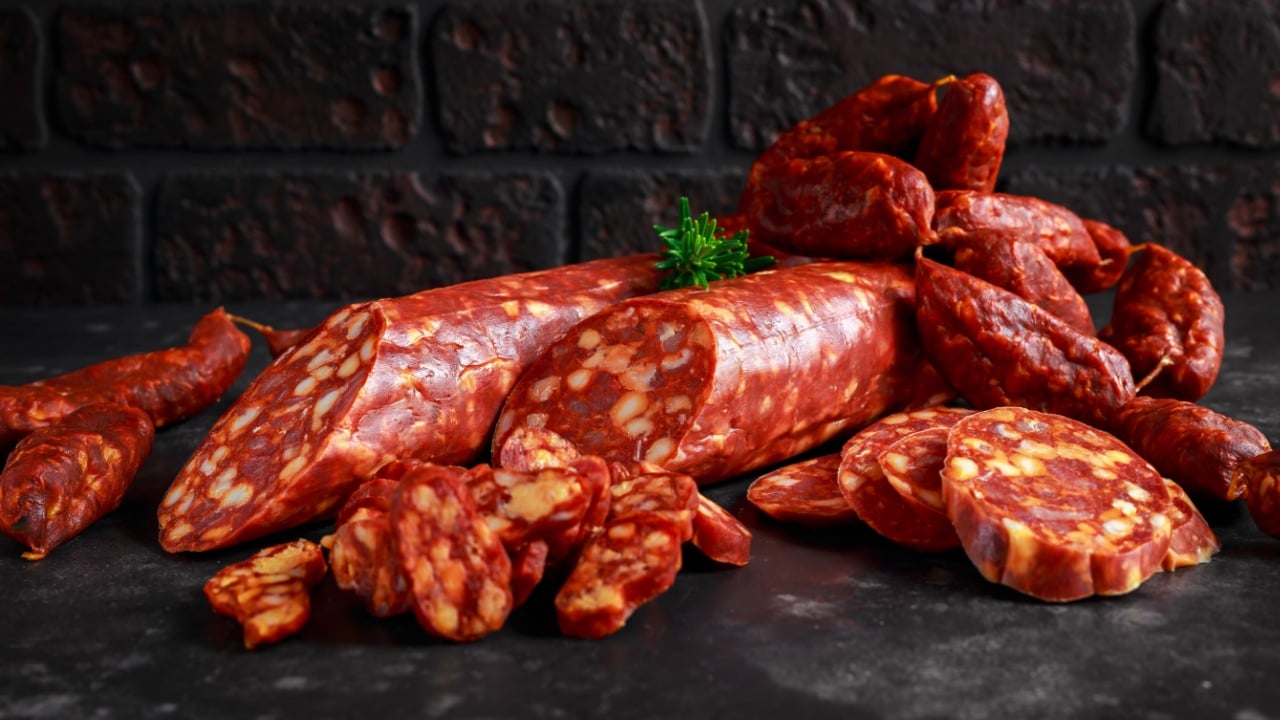
This next one is a bit of a deep cut. Orange B is an additive used only on the outside of hot dogs and sausages. Even then, its use is strictly limited by the FDA.
Most manufacturers have already stopped using Orange B, switching to other coloring methods for meats. Formally banning it just closes the door on its potential return, reminding us that even rarely used additives are part of the larger goal for a cleaner food supply.
Pantry Tip: When buying sausages or hot dogs, look for brands that state “no artificial preservatives or colors.” These products usually rely on celery powder or other natural methods for color and preservation.
Making the Switch to Natural Colors

The transition away from these eight dyes marks a significant change in the American food industry.
Turn the packages over and scan the ingredient list for specific dye names or numbers. Opting for products colored with fruit juices, vegetable extracts, and spices sends a signal to manufacturers that consumers value clean ingredients. Your food might look a little less neon in the future, but it will be free from these petroleum-based additives.