7 Foods to Never Leave on the Counter
Most people have a mental map of their kitchen, certain foods live on the counter, others in the fridge, and a few in the pantry. That mental map, however, is not always accurate, and some common habits around food storage can quietly lead to spoilage, foodborne illness, or a fridge full of wasted groceries.
Temperature, light exposure, and air circulation all play a role in how fast food degrades, and the counter, warm, lit, and open to the air, is not a neutral zone. Some foods deteriorate within hours when left out, while others develop harmful bacteria that are invisible and odorless.
Refrigeration is one of the simplest tools available to reduce food waste and protect health, yet many people skip it for foods that genuinely need it. A few adjustments to daily habits can extend freshness by days or even weeks, depending on the item.
Here are seven foods that should never stay on the counter, and what to do with each one instead.
1. Potatoes
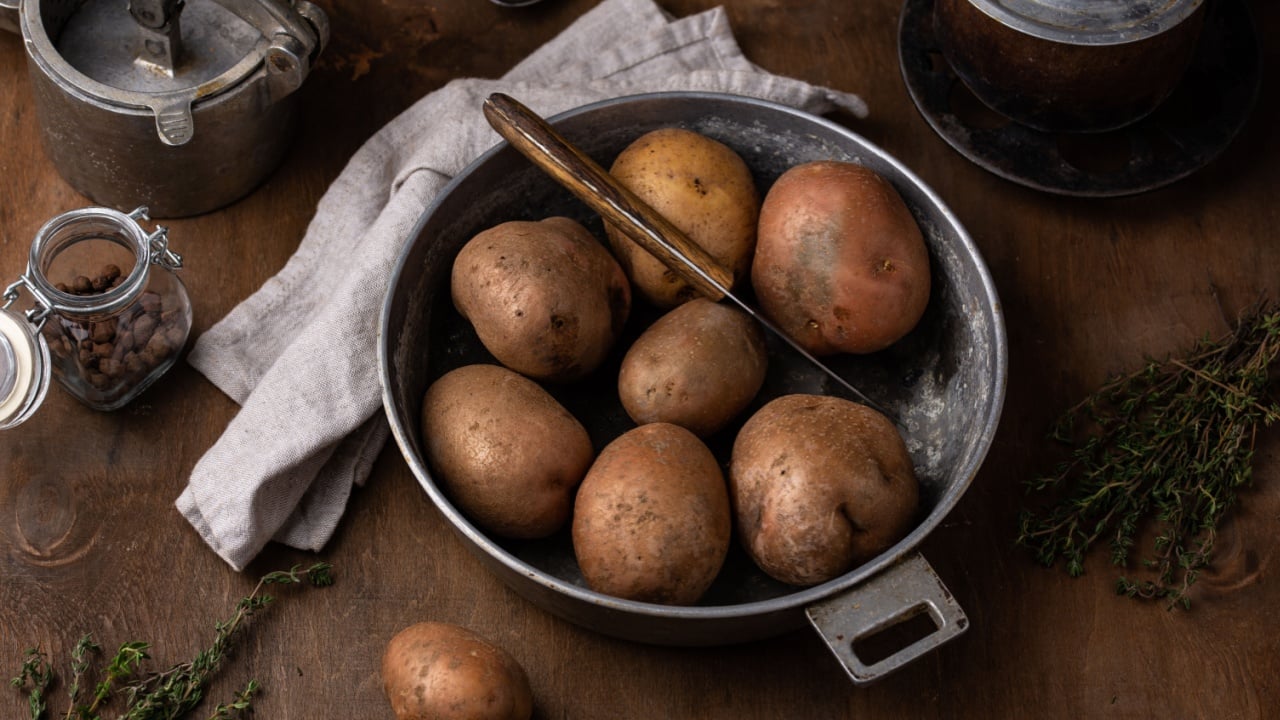
Potatoes do poorly on the counter when heat and light hit them day after day. Warm conditions speed sprout growth, and light can turn the skin green.
That green color can point to higher solanine levels, which makes the potatoes less safe to eat. The texture can shift too, with flesh that turns dry, mealy, or uneven.
A cool, dark pantry or cellar is a better home for potatoes. A perforated bag or open basket helps air move around them and cuts down on trapped moisture.
Potatoes should stay far from sunlight, heat sources, and onions, since onions can speed spoilage. When stored well, they can stay in good shape for several weeks.
2. Opened Mayonnaise

Opened mayonnaise should never sit on the counter for more than two hours. Once the jar is open, room temperature gives bacteria a better chance to grow.
That risk rises fast during meals, cookouts, or long prep sessions. A jar that looks fine can still become unsafe.
The refrigerator is the right place for opened mayonnaise every time. The lid should stay tight so the mayo keeps its texture and does not pick up food odors.
For the best quality and food safety, it is usually best used within two months after opening. A clean spoon each time also helps keep the jar in better condition.
3. Cucumbers
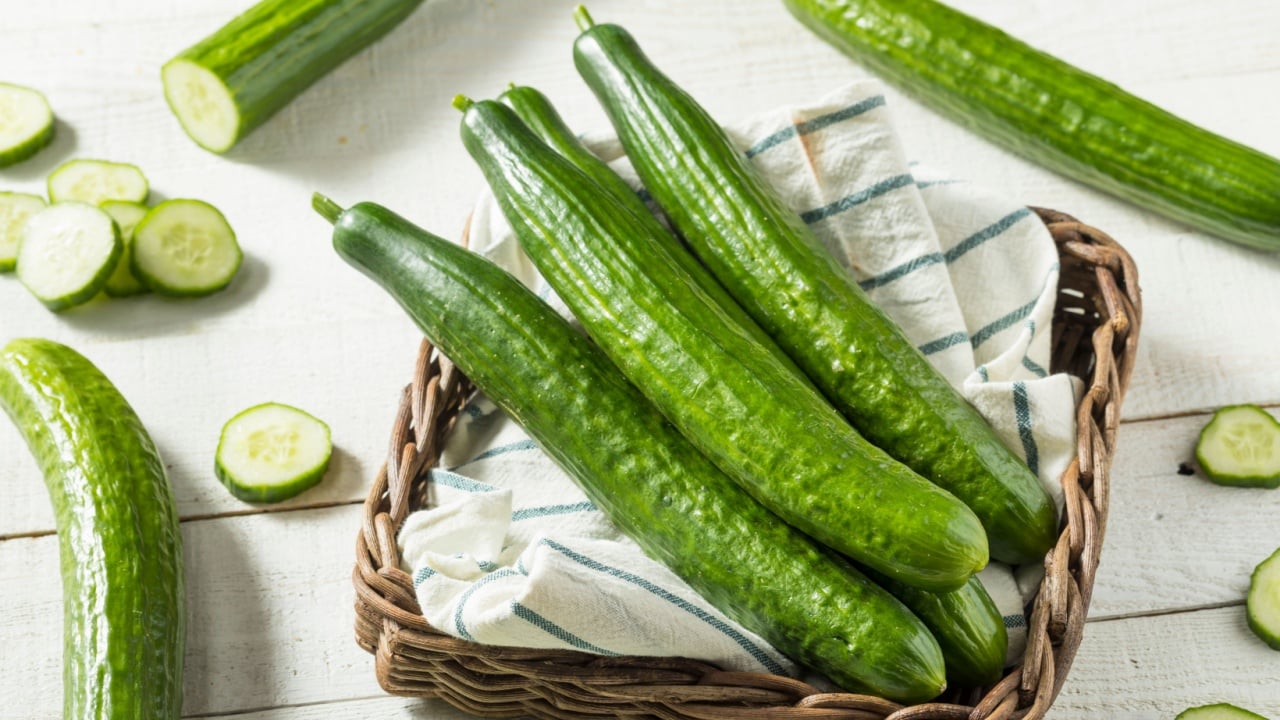
Cucumbers lose quality fast on the counter because they hold so much water. At room temperature, they soften, lose snap, and can turn watery in just a few days.
Their skin can wrinkle, and the inside can lose that fresh bite people want in salads and snacks. Fruits such as bananas and apples can make the decline even faster.
The fridge helps cucumbers last longer and hold their texture. They do well in the crisper drawer, and a loose paper towel can help absorb extra surface moisture. Most cucumbers stay fresh for around one week when stored this way.
They should stay out of the coldest spot so the flesh does not suffer from cold damage.
4. Bell Peppers
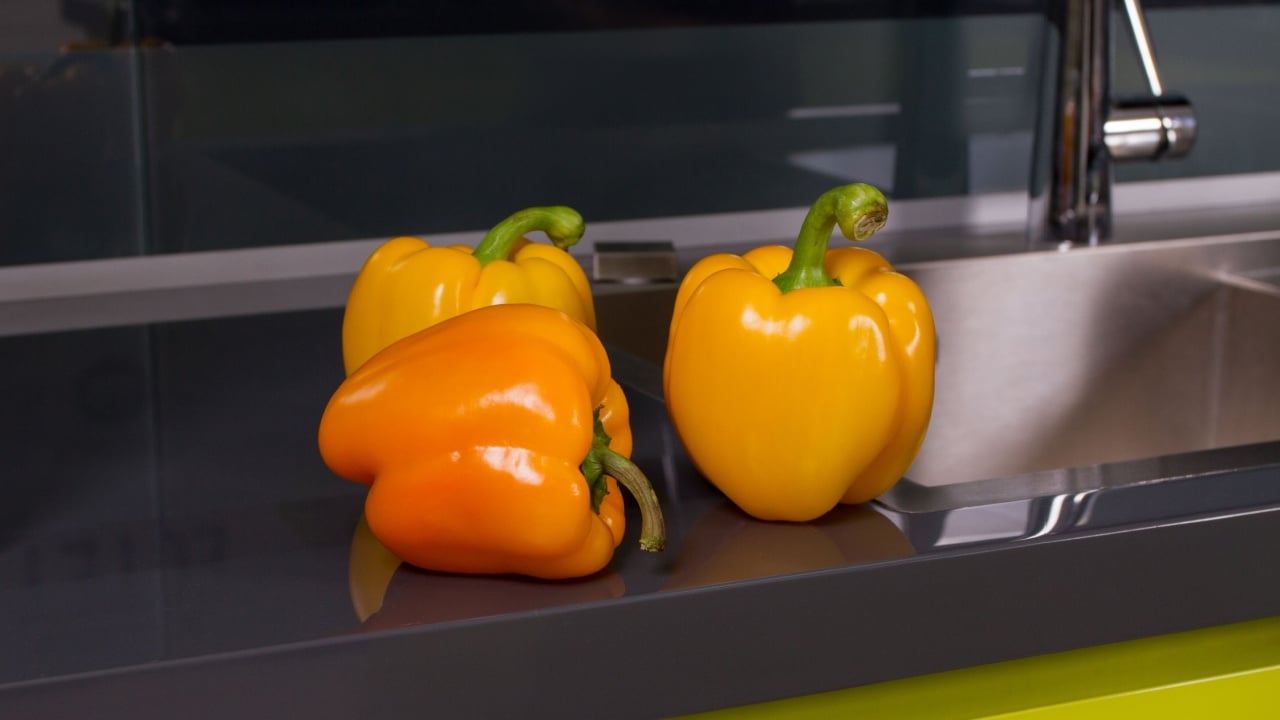
Bell peppers may look sturdy, but they soften quickly on the counter. Warm air pulls moisture from the skin and leaves it soft, dull, and less pleasant to eat. Soft spots can form, and those weak areas can invite mold.
Their fresh taste fades as the texture drops. The fridge keeps bell peppers firmer and fresher. A plastic bag helps hold moisture at a better level without letting the peppers dry out too fast.
Whole peppers can last up to five days this way, sometimes a bit longer if they are very fresh at purchase. Cut peppers should go into a sealed container and be used within a few days.
5. Sliced or Pre-Cut Produce
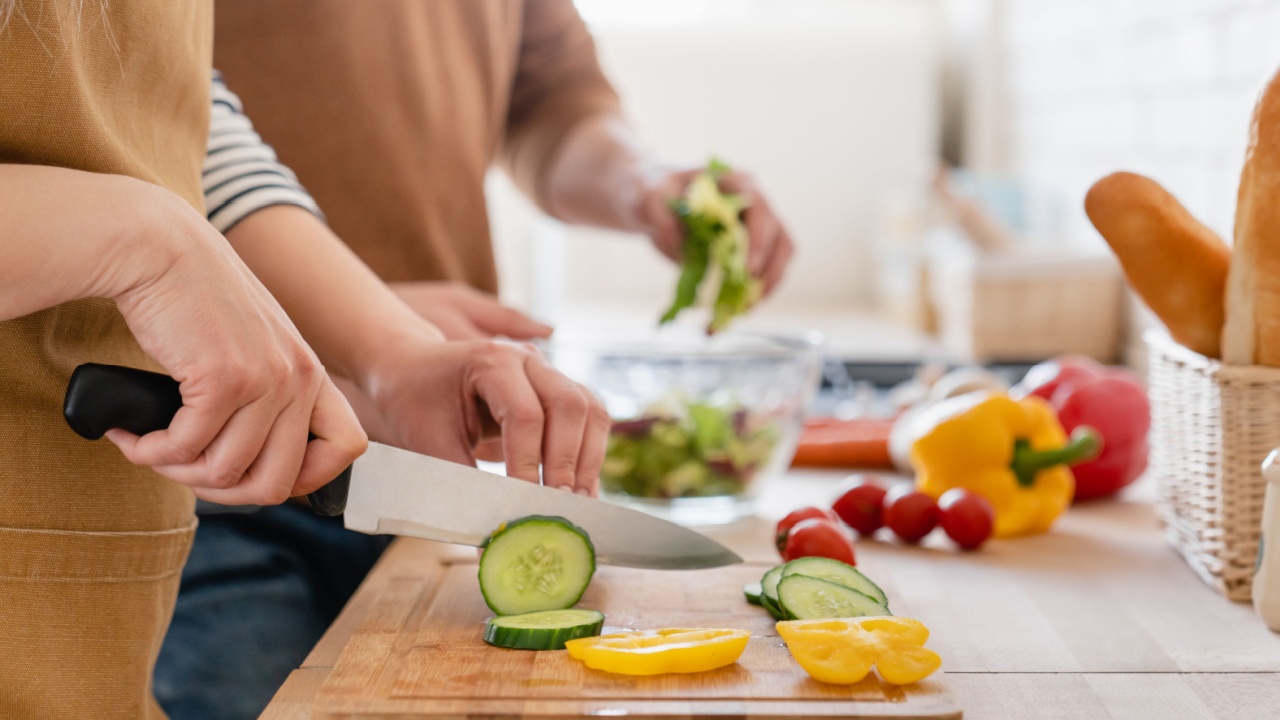
Sliced or pre-cut produce should never stay on the counter because the cut surface is far more vulnerable than intact skin. Once that outer layer is gone, bacteria can multiply much faster.
That raises the risk of foodborne illness, especially in a warm kitchen. Texture and flavor also drop much sooner after cutting.
The safest move is quick refrigeration in a covered container. Cold temperatures slow bacterial growth and help the produce hold its quality for a longer period.
Store-bought pre-cut fruit and vegetables follow the same rule and should go into the fridge right away. Clean prep tools and clean hands matter too, since they cut down on added contamination.
6. Eggs
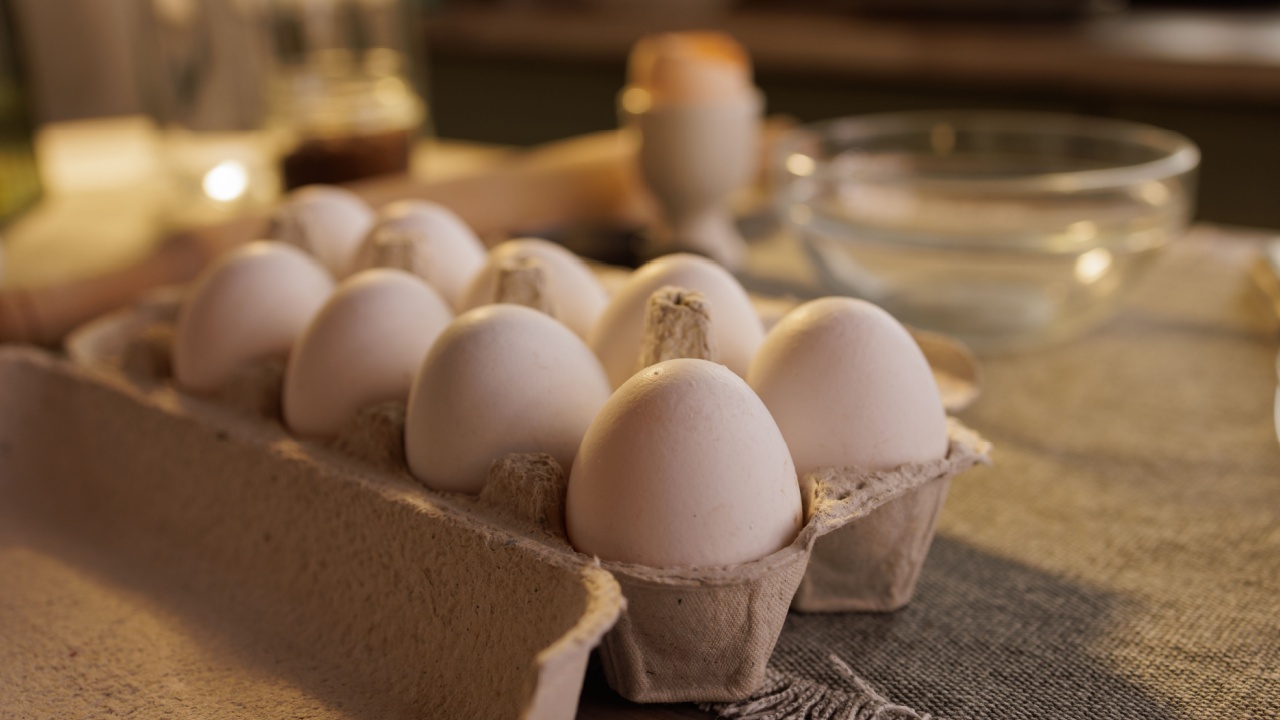
Store-bought eggs belong in the fridge, not on the counter. In the United States, commercial eggs are washed before sale, and that process removes the shell’s natural protective layer.
Without that layer, bacteria such as Salmonella have an easier path through the shell. Room temperature raises the food safety risk even more.
Whole eggs can last 3 to 5 weeks in the fridge when stored properly. The original carton is the best place for them since it helps block odor transfer and moisture loss.
An interior shelf works better than the fridge door because the temperature stays more stable there. A steady cold temperature helps keep both quality and safety in better shape.
7. Asparagus
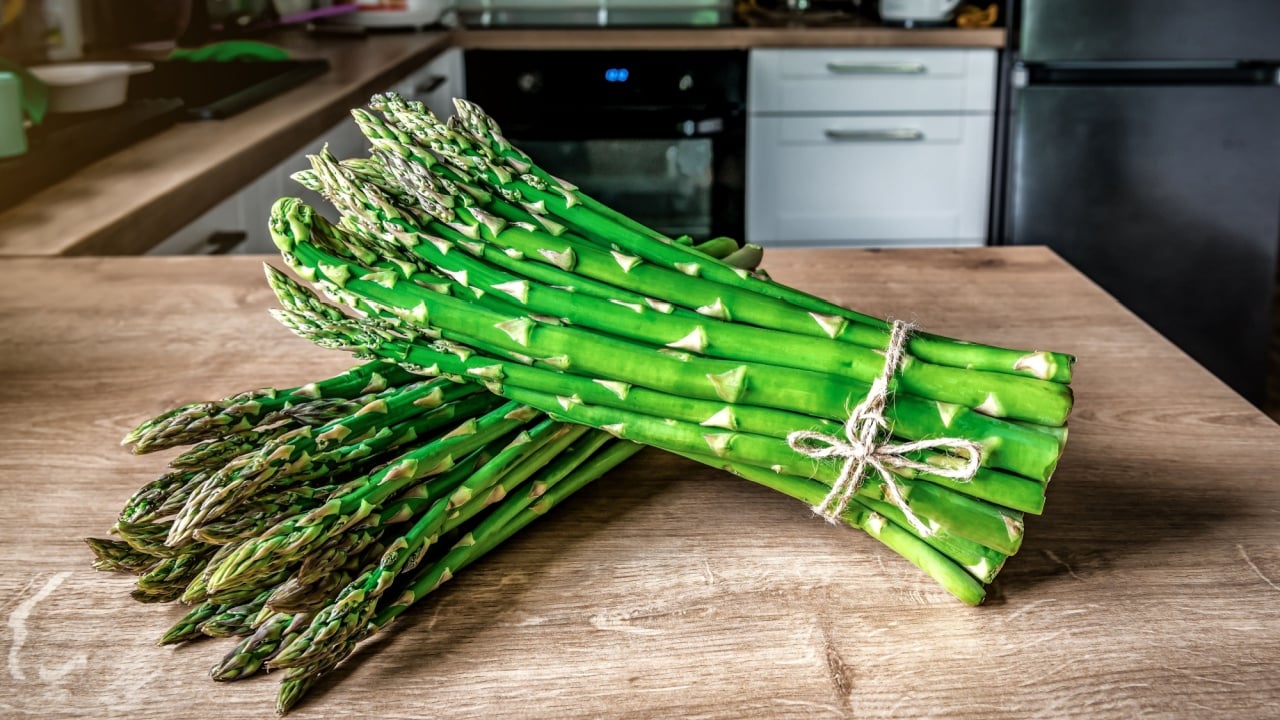
Asparagus loses moisture very fast on the counter. The stalks can turn limp, dry, and fibrous within a short time, which takes away the tender bite that makes asparagus worth cooking. Flavor fades too as the stalks dry out.
A bunch left out too long can look tired in less than a day. The fridge gives asparagus a much better shot at staying fresh. The cut ends should be wrapped in a damp paper towel and then placed inside a plastic bag.
That method helps the stalks hold moisture and texture for 3 to 5 days. Some cooks use a jar with a little water in the fridge, though the damp towel method works well and keeps the storage simple.
Keep Freshness in Reach
Better food storage saves more than food. It protects texture, flavor, and food safety in ways that show up in every meal and every grocery trip. Small storage habits can decide if produce stays useful or ends up in the trash.
A counter is best for foods that truly do well at room temperature. A little care right after purchase can cut waste, protect health, and make the kitchen run more smoothly.
Read More:
14 Freezer Storage Habits Killing Your Food’s Flavor (and Your Savings)