3 Freezer Storage Tips to Protect All the Meat
Freezers are wonderful inventions. You toss a package of ground beef in there, forget about it for six months, and assume it will be perfectly edible when you finally unearth it from under a bag of frozen peas. But sometimes, reality hits hard. You pull out that chicken breast only to find it covered in ice crystals and looking more like a fossil than food.
Freezer burn is the enemy of budget-conscious cooks everywhere. It ruins texture, zaps flavor, and leads to wasted money. The good news is that keeping meat fresh in the cold doesn’t require a culinary degree or expensive gadgets. It just takes a little know-how and a few extra seconds of prep time. This guide covers three reliable methods to protect your protein. You will learn how to ditch store packaging, seal out air effectively, and double-wrap for maximum protection. Let’s get that freezer organized and keep your food tasting the way it should.
1. Get Rid of the Store Packaging Immediately

It is tempting to come home from the grocery store and toss those styrofoam trays directly into the freezer. After all, the meat is already wrapped in plastic, right? Unfortunately, that flimsy plastic wrap is not designed for long-term frozen storage. It is designed to look good under supermarket lights for a few days.
Most store packaging allows air to circulate the meat. Air is the primary cause of freezer burn. When cold, dry air comes into contact with the surface of your steak or chops, it draws out moisture. This dehydration process causes those gray, leathery spots that make meat tough and flavorless. The solution is simple: remove the meat from its original packaging as soon as you get it home.
2. Use Airtight Bags to Seal Out Moisture
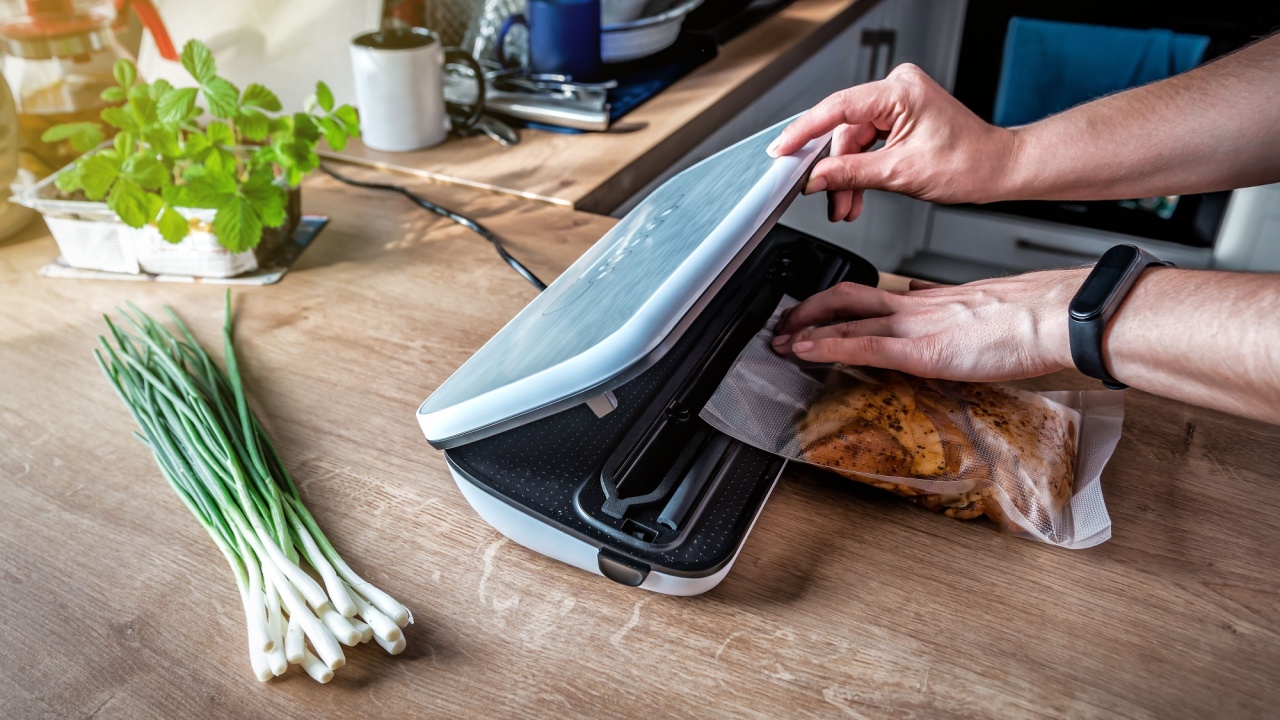
Once the meat is out of its original wrapper, it needs a new home. The best environment for frozen meat is one where air cannot reach it. Use vacuum sealers; they create a vacuum environment that prevents oxidation and dehydration. Meat stored this way can last two to three years without losing quality, compared to six months or less with standard wrapping.
However, you do not need a fancy machine to get similar results. High-quality freezer bags work well. Place your meat inside a heavy-duty zipper-lock freezer bag, seal the bag almost all the way, leaving just an inch of the zipper open, and slowly lower the bag into a bowl or sink filled with water. The water pressure pushes the air out of the bag through the small opening. Just before the water reaches the zipper, seal the rest of the bag. This technique removes the vast majority of the air, mimicking a vacuum seal without the cost.
3. Double-Wrap If You Lack Airtight Gear

Sometimes you run out of freezer bags, or you want an extra layer of security for that expensive roast. If you don’t have airtight containers or a vacuum sealer handy, the double-wrap method is your best defense. Start with a tight layer of plastic wrap or cling film. Pull it taut against the surface of the meat. You want to eliminate any pockets where air could sit.
Wrap it thoroughly so no part of the meat is exposed. Next, wrap that package in a layer of heavy-duty aluminum foil or dedicated freezer paper. The plastic wrap acts as a barrier against moisture loss, while the foil or paper protects against the harsh cold and prevents the plastic from becoming brittle and cracking. Secure the outer layer with freezer tape if necessary. Ordinary masking tape usually peels off in freezing temperatures.
Making Freezer Storage a Habit

Properly storing meat is less about fancy equipment and more about consistency. It takes a few extra minutes after a shopping trip, but the payoff is huge. You save money by throwing away less food, and your meals taste better because the ingredients have retained their moisture and flavor. Learn how to protect your freezer from power outages so that all your efforts are not in vain.
Also, keep a permanent marker in your kitchen drawer. Dating your packages is crucial. Even perfectly wrapped meat won’t last forever. Rotate your stock by moving older items to the front and placing new items in the back. This simple inventory management keeps your freezer from becoming a graveyard of forgotten dinners.
Read more:
14 Foods to Always Have Stocked in the Freezer
Freezer Full of Food? Here’s How to Keep It Safe During a Power Outage