5 Front Yard Ideas to Maximize Curb Appeal
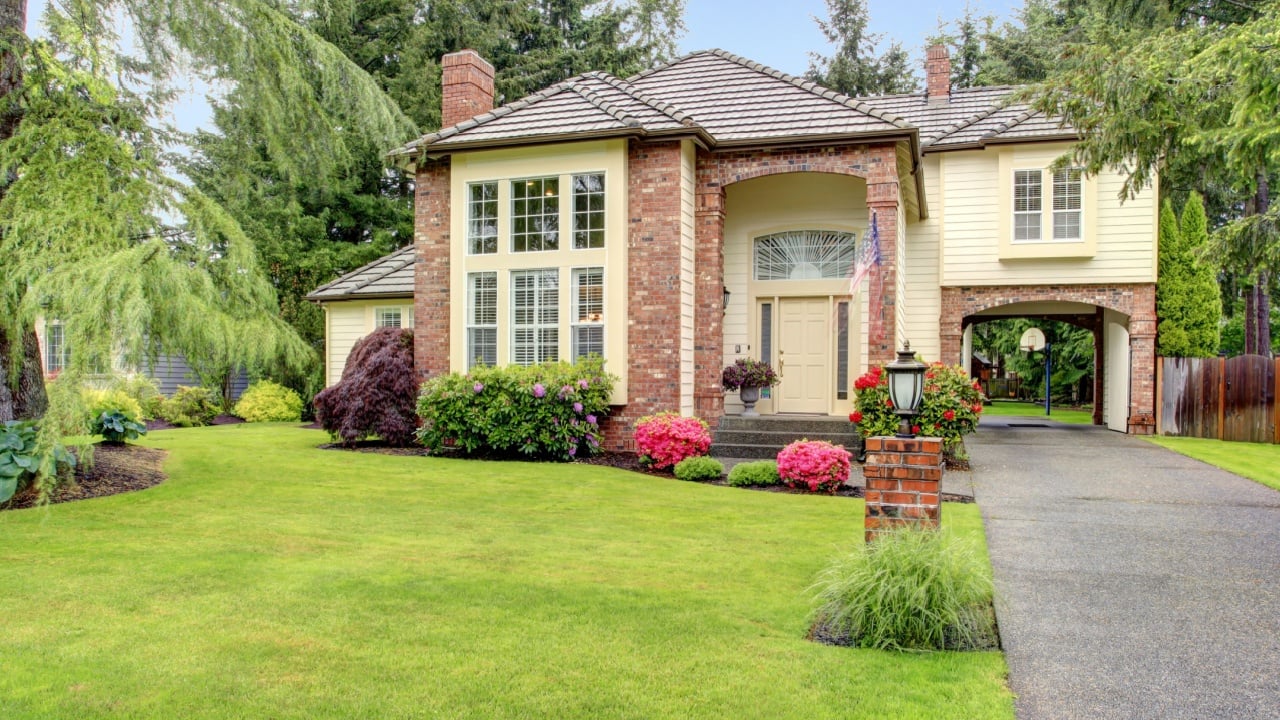
Improving a home’s curb appeal often can seem like a giant, mysterious project. Where do you even begin? It’s easy to feel stuck between the same old manicured lawn and a few ambitious-looking shrubs. It turns out, your front yard can be so much more than just a green space people pass on their way to the door.
This year’s trends are all about creating a front yard that’s beautiful, functional, and a genuine reflection of your home’s personality.
More homeowners are realizing that curb appeal isn’t just about aesthetics—it’s about creating a welcoming first impression that adds real value to the property. Small, intentional updates can completely shift how a home feels from the street, making it look more inviting, well‑kept, and uniquely yours.
We’ll explore five specific trends that are changing the way people approach their outdoor spaces. You’ll find ideas for everything from smarter planting to more thoughtful lighting, giving you a clear roadmap to a front yard you can be proud of.
1. Create an Expressive Front Entrance
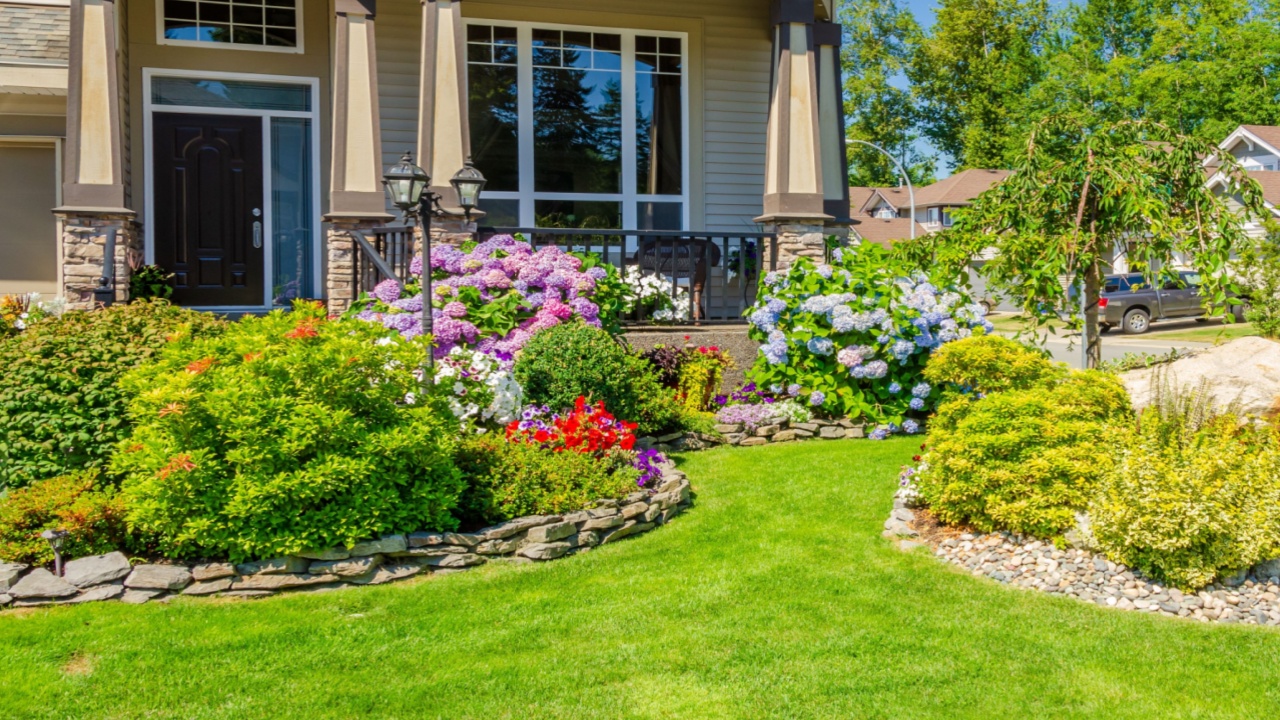
The journey from the street to your front door is the first impression your home makes. This year, the focus is on making that entrance a true introduction to your home’s interior style. Think of it as a preview of what’s inside. If your home is minimalist and modern, your entrance can reflect that with clean lines, simple plantings, and understated containers.
For another example, if you lean toward a more bohemian or rustic feel, your front yard can welcome guests with overflowing pots, natural materials, and a slightly untamed look. This approach creates a sense of harmony between your indoor and outdoor living spaces. Using colors or materials from your interior design on your porch, like painting the front door a shade that appears in your living room, builds a visual connection. This makes the transition feel intentional and welcoming.
2. Embrace Naturalistic Hardscaping
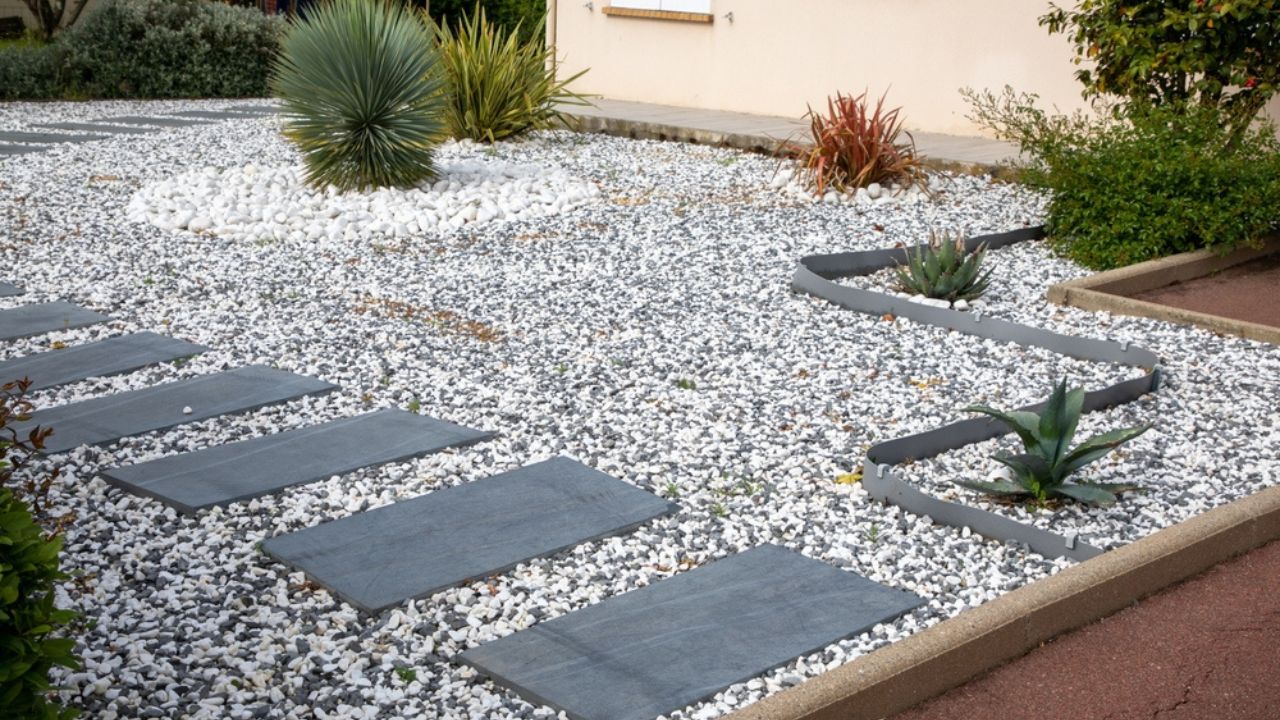
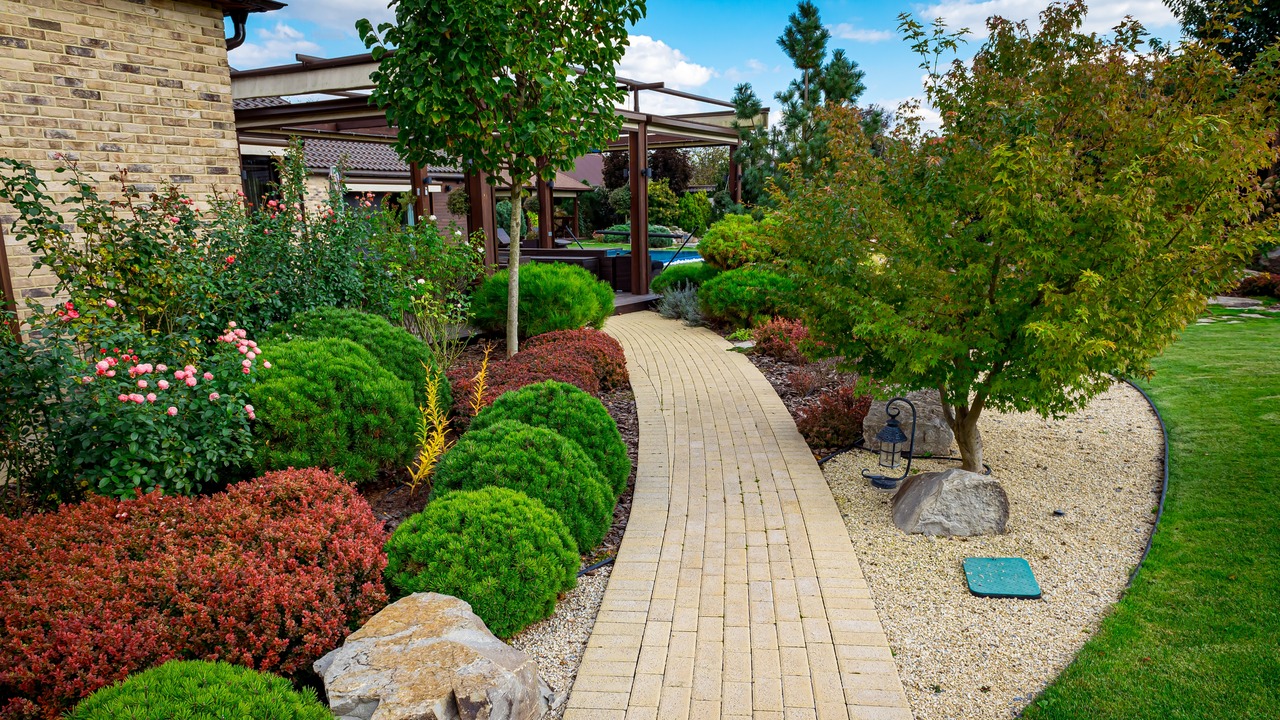
Hardscaping, which includes all the non-living elements like paths, walls, and patios, is moving away from rigid, straight lines. The new direction is toward organic shapes and materials that look like they belong in nature. Instead of a perfectly straight concrete walkway, picture a winding path made of flagstone or pavers with small, ground-cover plants tucked into the gaps.
Gravel is another material gaining popularity for its natural look and permeability. A gravel courtyard or pathway adds texture and a satisfying crunch underfoot. The benefit of these naturalistic designs goes beyond aesthetics. Curved paths are visually more interesting and can make a small yard feel larger. Using local stone for a low retaining wall or border connects the garden directly to its regional environment, giving it an authentic sense of place.
3. Layer Plants for Texture
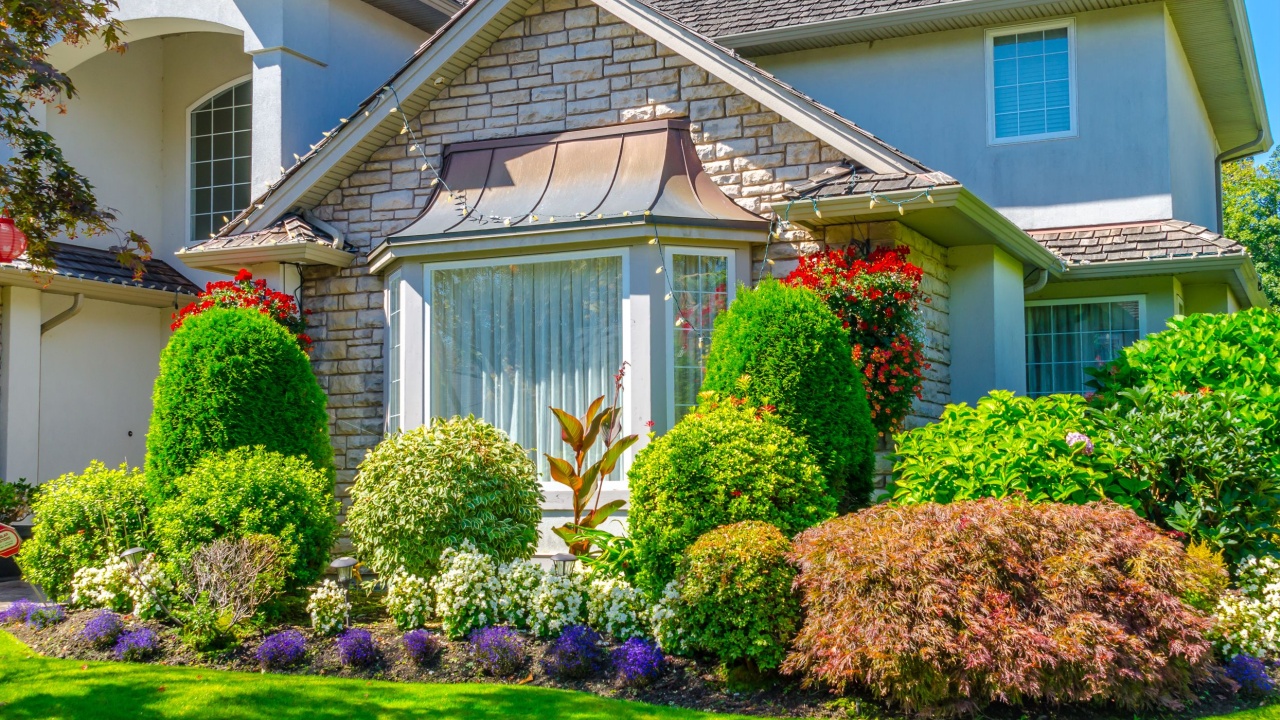
The era of perfectly trimmed, uniform hedges and rigid rows of annuals is giving way to a more natural and artistic planting style. The emphasis is now on layering plants of different heights, shapes, and textures to create a lush, dynamic landscape. This approach mimics how plants grow in nature, resulting in a garden that feels alive and full of movement. It’s less about control and more about orchestration.
To achieve this look, you start with a base layer of ground covers or low-growing perennials. Then you add a middle layer with medium-sized shrubs and grasses, followed by taller plants or small trees to provide height and structure. The key is to mix different foliage types. Combine the fine, airy texture of ornamental grass with the bold, broad leaves of a hosta. Place a spiky yucca near a soft, mounding fern. This contrast is what makes the garden visually compelling throughout the year, even when flowers are not in bloom.
4. Install Dark Sky Compliant Lighting
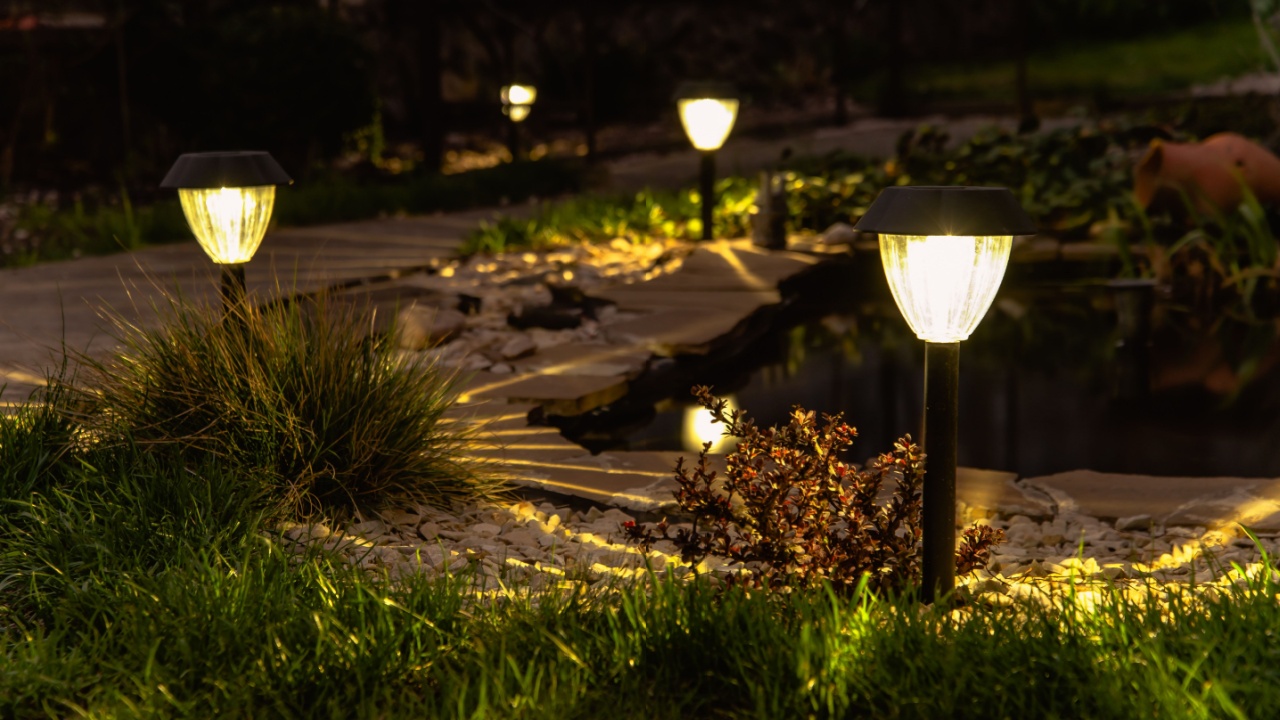
Outdoor lighting has a new mission: to be both beautiful and responsible. Dark sky-compliant lighting is designed to minimize glare and reduce light pollution. These fixtures direct light downward, exactly where it’s needed, instead of scattering it up into the night sky. This is not only better for the environment and nocturnal wildlife, but it also creates a more sophisticated and dramatic effect in your yard.
Instead of flooding the entire yard with one bright light, this trend uses multiple smaller, well-placed fixtures to highlight specific features. You can use a spotlight to show off the beautiful bark of a tree, wash a wall with a soft glow, or light up a pathway for safety. Smart lighting systems add another layer of control, allowing you to dim the lights, change their color, or set schedules from your phone.
5. Use Permeable Driveway Surfaces
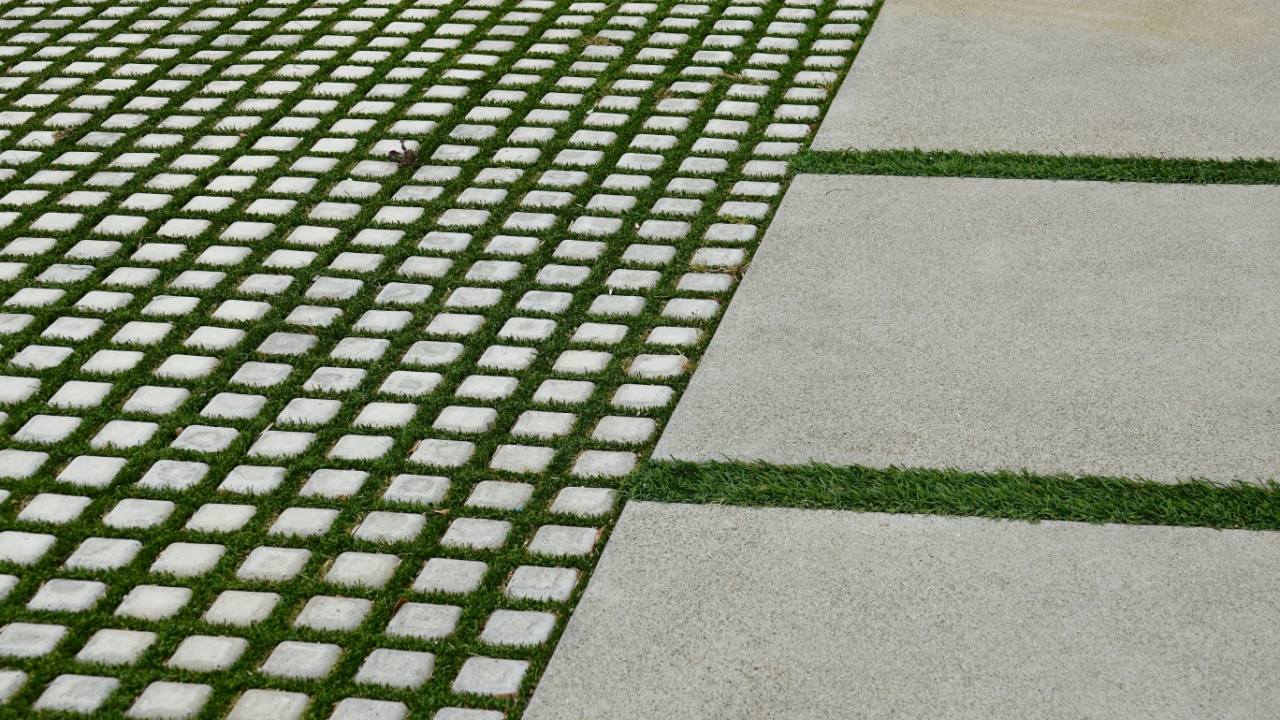
Driveways are often overlooked as a design opportunity, but they can have a huge impact on both curb appeal and environmental function. Traditional asphalt and concrete driveways create a large, impermeable surface that sends rainwater directly into storm drains. Permeable driveways, on the other hand, are made from materials that allow water to soak through into the ground below. This helps recharge groundwater, reduces runoff, and can prevent local flooding.
There are several attractive options for permeable surfaces. Permeable pavers have small gaps between them filled with gravel, allowing water to pass through. Gravel and crushed stone driveways offer a rustic, country-lane charm and are very effective at managing rainwater. Even grass driveways, reinforced with a plastic grid structure, are becoming a popular green alternative.
Putting Your Curb Appeal Plans Into Action
You can refresh your front yard with thoughtful updates, rather than starting from scratch. Begin by observing your space and deciding which of these ideas fits best with your home’s character. You could start by upgrading your outdoor light fixtures or by adding a few oversized containers to your porch for a quick visual lift.
If you’re planning a larger project, consider how a new walkway or planting scheme could better reflect your personal style. The goal is to create a space that looks great from the street and also brings you a little bit of joy every time you walk through it.