The Top 8 Foods in the U.S. Making Us Sick from Food Poisoning
According to the CDC, every year, about 9.9 million Americans suffer from foodborne illnesses acquired at home. When we get food poisoning, many people blame the last place they dined out for their unexpected illness.
The truth points to everyday groceries sitting inside our refrigerators right now. We often consume harmful bacteria without ever realizing the danger.
Food poisoning happens when bacteria or viruses multiply on items we eat regularly. Modern supply chains move produce and meat across the country very quickly. This rapid movement sometimes allows dangerous pathogens to spread before inspectors catch them. Proper handling at home prevents many of these microscopic threats from multiplying.
This article reveals eight everyday foods carrying hidden risks for your family. You will learn how these items become contaminated and what actions you can take. Following simple safety steps keeps your kitchen safe and your meals delicious.
1. Poultry
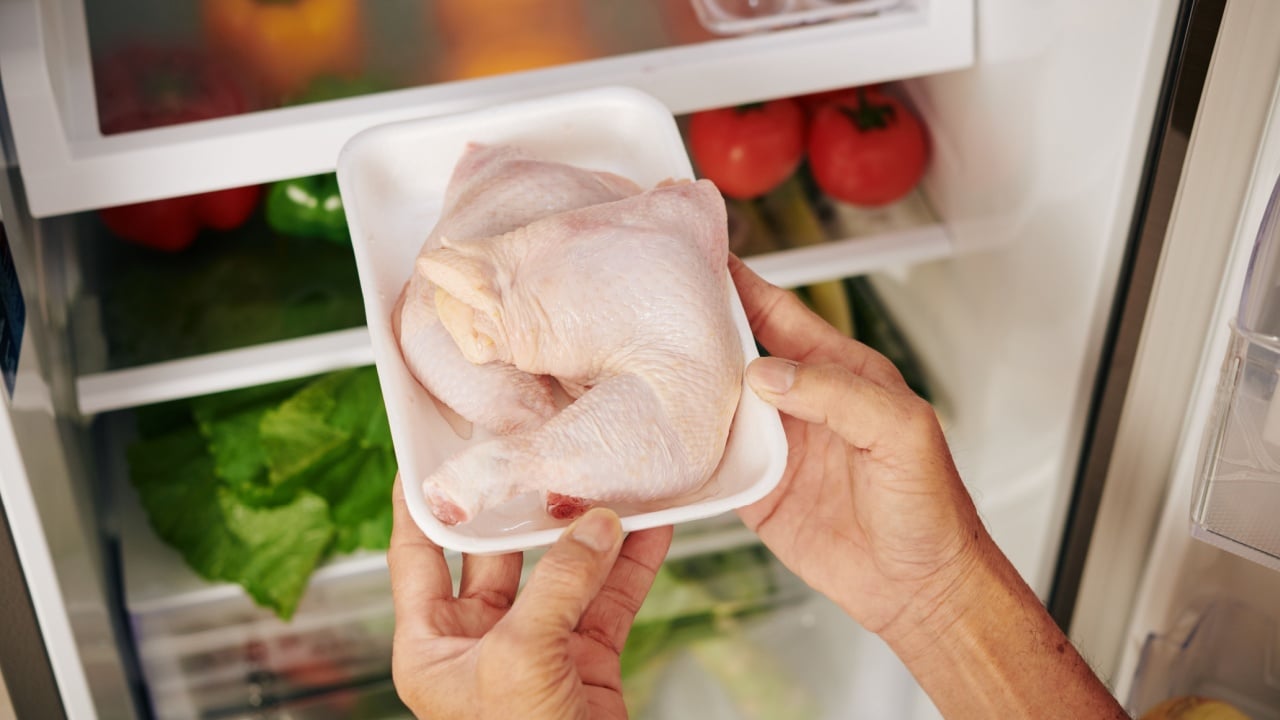
Raw chicken and turkey frequently carry harmful bacteria such as Campylobacter and Salmonella. Contamination occurs during slaughter when intestinal bacteria reach the edible meat. These microscopic pathogens survive freezing temperatures and remain active on raw birds.
Only thorough cooking completely destroys bacteria and makes the meat safe.
Handling raw poultry requires careful attention to prevent the spread of bacteria throughout your kitchen.
You should always use a separate cutting board for raw meat. Washing chicken in the sink spreads dangerous droplets across your countertops and dishes. Checking the internal temperature with a thermometer guarantees your meal is perfectly safe.
2. Vegetables and Leafy Greens
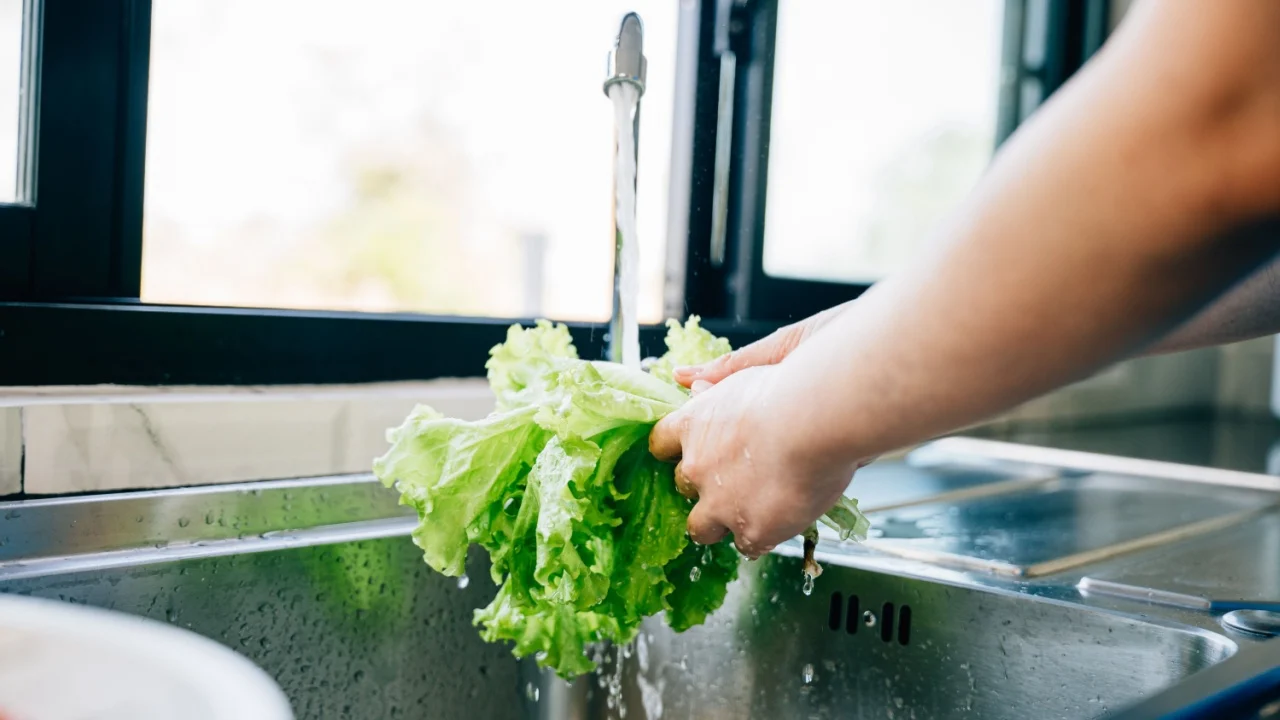
Salads and raw vegetables cause numerous illness outbreaks across the country every single year. Fields grow greens in soil where agricultural water often contains harmful microbes. Contamination spreads easily through processing facilities when heads of lettuce get washed together.
E. coli and Listeria survive the journey from the farm directly to your salad bowl.
You must wash all fresh produce thoroughly under running tap water before eating. Removing the outer leaves from cabbage and lettuce heads removes the highest concentration of dirt. Store unwashed greens in the refrigerator to help them last longer before consumption.
Keeping fresh vegetables away from raw meats prevents cross-contamination inside your fridge.
3. Raw Sprouts
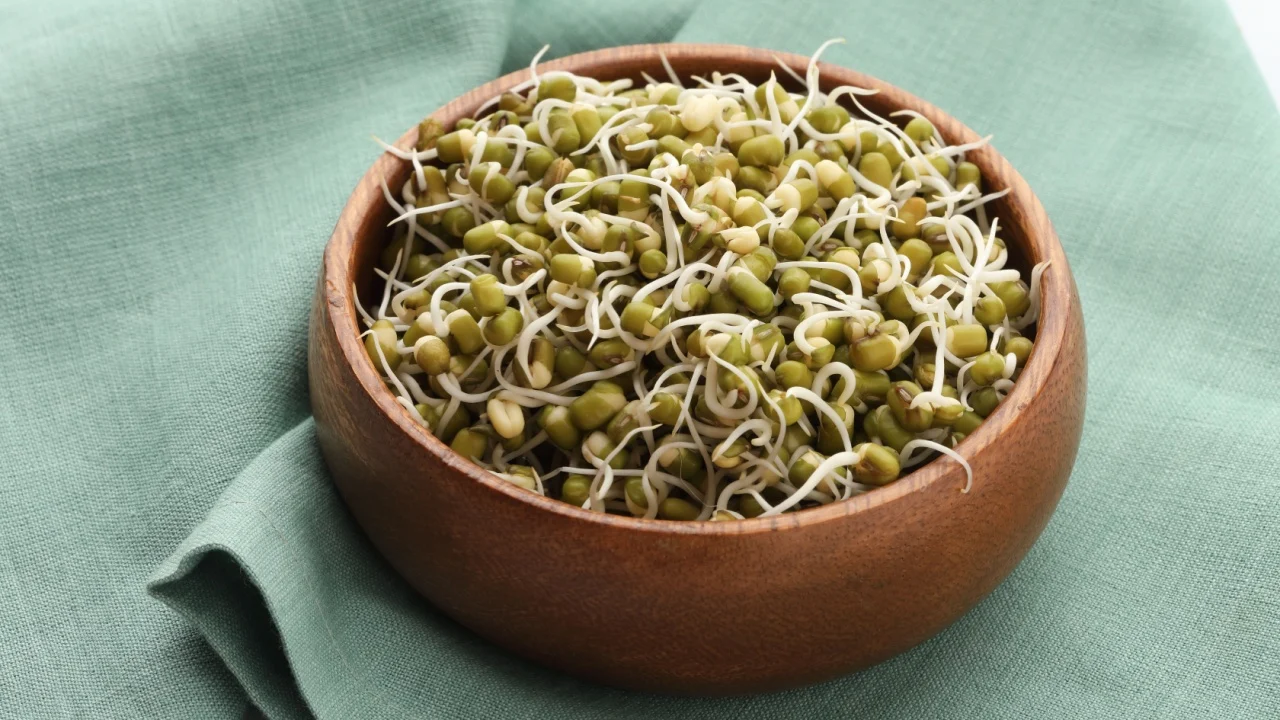
Alfalfa and mung bean sprouts present a unique risk for foodborne illness. Seeds need warm and moist environments to sprout and grow quickly. These exact same conditions allow bacteria like Salmonella to multiply at an alarming rate.
Bacteria enter the seed itself before the sprout even begins growing.
Washing sprouts will not remove bacteria trapped inside the plant tissue. Cooking sprouts thoroughly kills any harmful pathogens present in the food. Health experts advise pregnant women and young children to avoid raw sprouts entirely. Adding cooked sprouts to stir-fry dishes provides crunch without the added health risks.
4. Deli Meats

Sliced ham and turkey from the deli counter can harbor dangerous Listeria bacteria. Processing plants and deli slicers spread these pathogens easily from one piece of meat to another. Listeria grows surprisingly well even in cold refrigerator temperatures.
This specific bacterium poses severe health risks to older adults and pregnant women.
You should consume open packages of lunch meat within three to five days. Heating deli meats until they are steaming hot kills any Listeria bacteria hiding inside. Store sealed packages properly to keep the meat fresh until the printed expiration date. Choosing whole cuts of meat over heavily processed slices reduces your overall risk.
5. Eggs
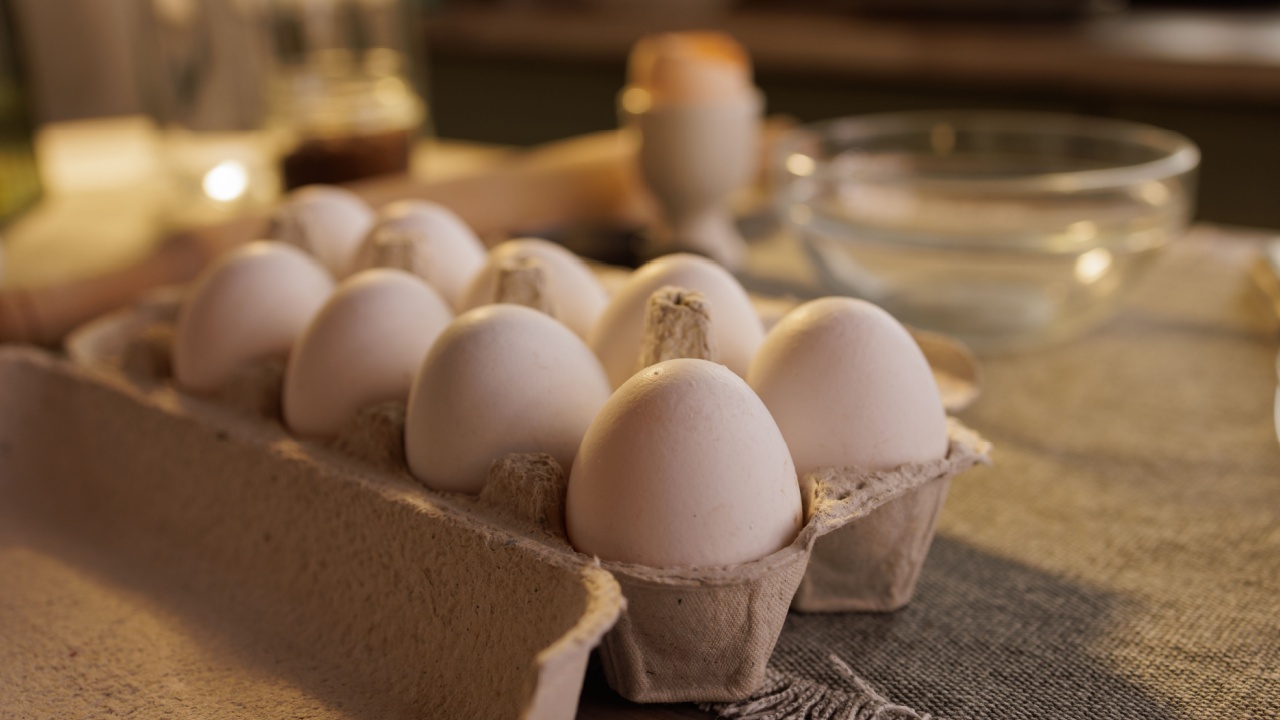
Fresh eggs sometimes carry Salmonella bacteria on the outside shell and inside the yolk. Infected hens pass the bacteria into the egg before the shell even forms completely. Commercial washing removes surface dirt but cannot reach the bacteria living inside the liquid.
Eating raw or undercooked eggs introduces these pathogens directly into your system.
Keeping your eggs refrigerated prevents any existing bacteria from multiplying quickly. Cooking eggs until both the yolk and white are fully firm provides maximum safety. Pasteurized eggs offer a safe alternative for recipes that require raw ingredients. Throwing away cracked or dirty eggs protects your family from unnecessary exposure.
6. Unpasteurized Dairy
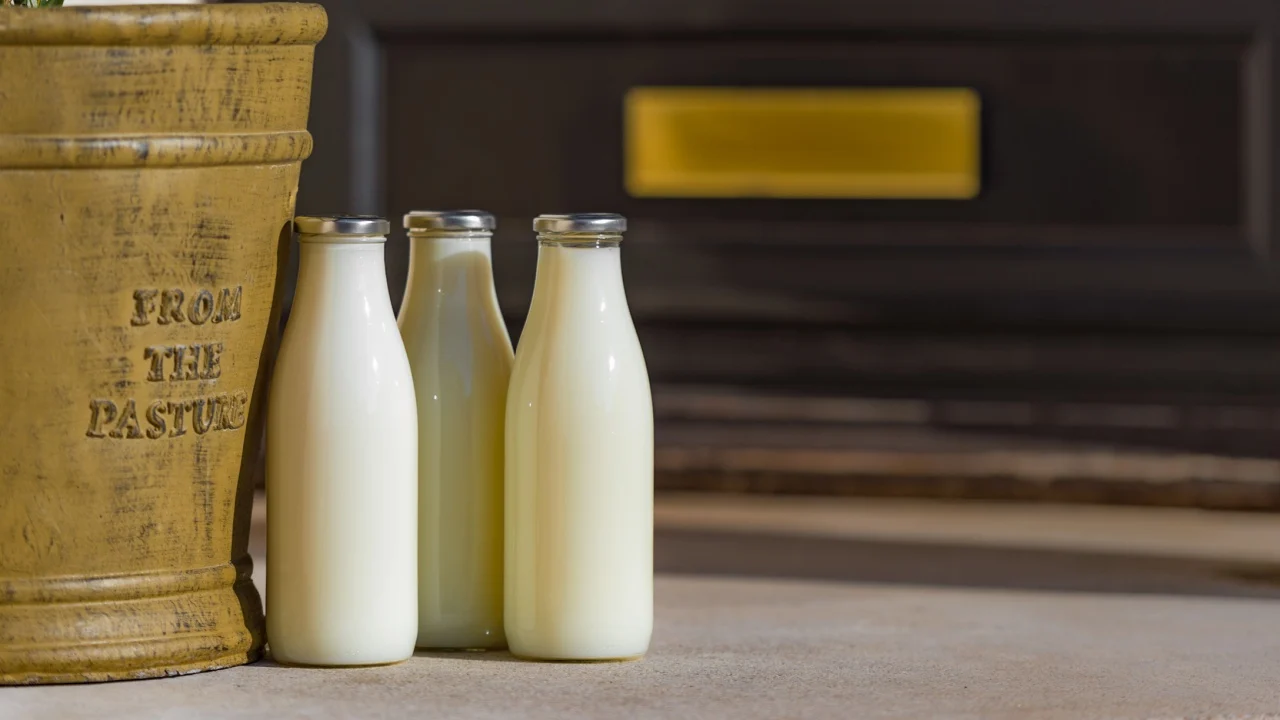
Raw milk comes straight from the cow without going through the pasteurization process. Unpasteurized milk carries dangerous pathogens like Campylobacter and E. coli. Outbreaks linked to raw dairy products cause severe hospitalizations across the country.
Pasteurization involves heating milk just enough to kill germs without destroying nutrients.
Purchasing pasteurized milk and cheese eliminates the risk of these severe bacterial infections. Soft cheeses made from raw milk require careful scrutiny before consumption. Checking food labels helps you confirm that dairy products have undergone proper safety procedures. Local farmers’ markets often sell raw milk products, requiring extra caution from buyers.
7. Seafood and Shellfish
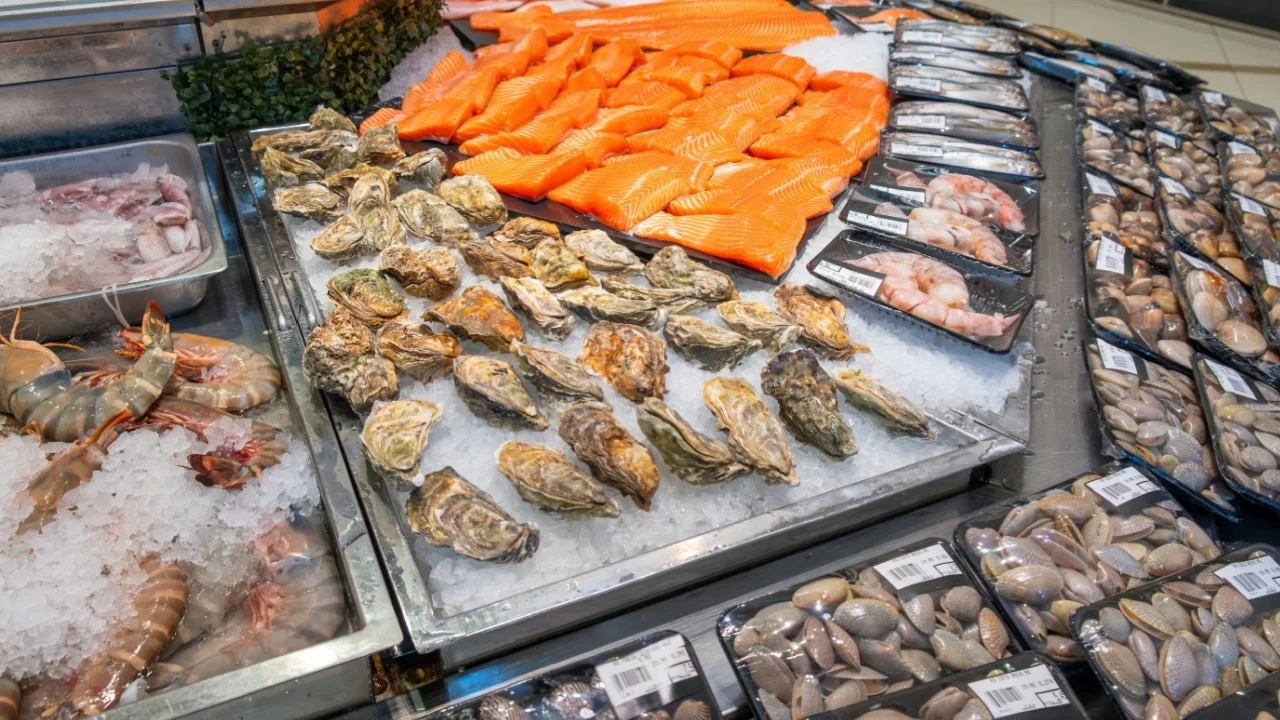
Oysters and clams filter massive amounts of ocean water through their bodies daily. This filtering process concentrates harmful toxins and bacteria inside the edible meat.
Certain fish develop dangerous histamine levels when stored at improper temperatures after being caught. Ciguatera poisoning occurs when people eat predatory fish carrying toxins from ocean algae.
Buying seafood from reputable markets reduces the chances of purchasing contaminated fish. You must immediately store all fresh seafood on ice or deep in your refrigerator. Cooking shellfish until the shells open wide destroys most harmful viruses and bacteria. Discarding any clams or oysters that remain closed after cooking prevents serious illness.
8. Rice

Uncooked rice often contains dormant spores of bacteria called Bacillus cereus. These resilient spores easily survive the boiling temperatures required to cook the grains.
Leaving cooked rice out on the counter allows these spores to wake up and multiply. The growing bacteria produce strong toxins that cause severe stomach cramps and nausea.
Serving rice immediately after cooking provides the best protection against this specific bacterium. You should place leftover rice into the refrigerator within one hour of cooking. Cooling large batches in shallow containers significantly speeds up the chilling process. Reheating leftovers until they are steaming hot kills active bacteria but might not destroy toxins.
Staying Safe in the Kitchen
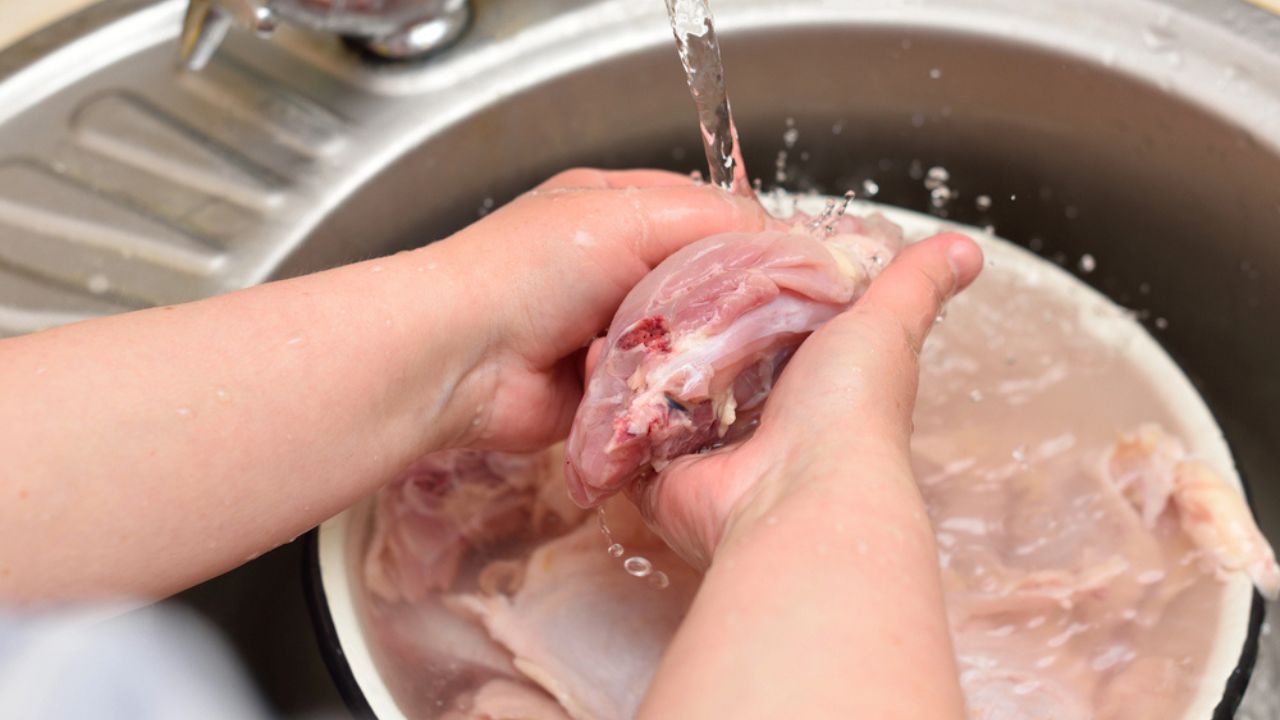
Protecting yourself from foodborne illness requires simple awareness of your daily kitchen habits. Proper temperature control stops invisible pathogens from turning a delicious meal into a nightmare. Washing your hands and sanitizing surfaces acts as your first line of defense. The foods we eat every day bring joy when handled with respect and care.
You now possess the knowledge to handle risky ingredients safely and confidently. Implementing basic hygiene rules transforms your kitchen into a highly secure environment. Staying informed helps you enjoy your favorite meals without worrying. Good health begins with smart choices and mindful preparation at home.