
7 Fall Habits That Kill More Roses Than Winter Does
The rose most likely to die in your yard this winter isn’t the one you forgot about. It’s the one you fussed over in October.
That sounds backward, but it’s how roses actually work. Cold alone rarely finishes them off. According to the University of New Hampshire Extension, winter injury happens when plant tissue freezes and thaws over and over, so the real goal is keeping a rose steadily cold, not warm. Hard pruning, late feeding, and covers that go on too soon all invite that dangerous cycle. Gardeners have been making this error for a long time: a 1922 issue of Wisconsin Horticulture scolded growers for piling on so much leaves, manure, and straw that their roses stayed soggy, froze anyway, and were smothered by spring.
If you have been growing roses for twenty or thirty years, you were probably taught at least a few of the habits below. What you do over the next few weeks decides whether your canes leaf out in April or you’re digging out a dead stump. The good news is that proper protection costs almost nothing. Fallen leaves and a few shovels of soil from another bed are free, and they work better than most store-bought gear.
So before you head out with pruners and a bag of fertilizer, read through these seven mistakes. The first one does the most damage, and the tool behind it is probably sitting in your garden shed right now.
1. Stop Hard Pruning Your Roses in the Fall
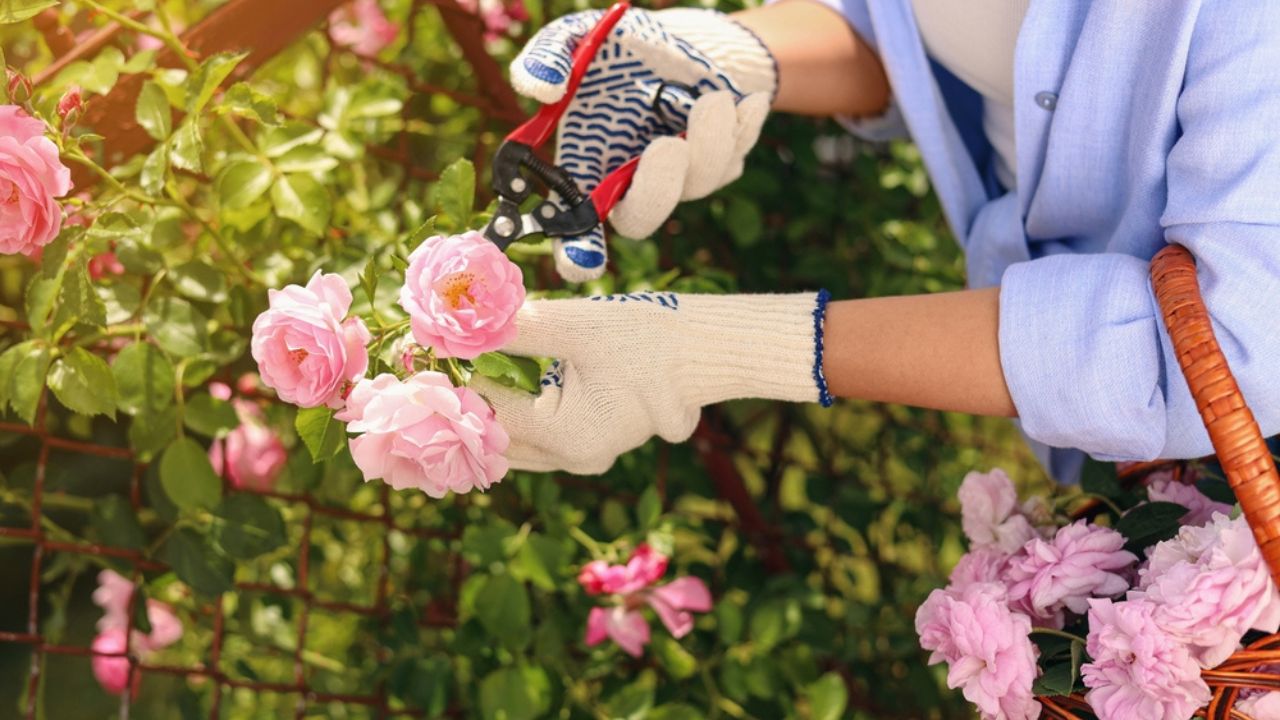
A tidy fall haircut feels responsible, but UNH Extension warns that heavy fall pruning can cost you the entire plant in a severe winter. Its advice is to leave 18 to 24 inches of healthy cane under the mulch.
The grower behind Fraser Valley Rose Farm has seen severe winters kill back more than 18 inches of cane. Cut a rose down to 18 inches in fall, and that dieback can reach all the way to the crown. His verdict is blunt: “Before winter is the wrong time to do structural pruning on a rose.”
Remove only dead or diseased wood now, and shorten any extra-long canes that would whip around in the wind. Save the real pruning for spring.
2. Never Feed Roses Once Summer Winds Down
Fertilizer in fall seems like a gift, but it sends exactly the wrong signal. David Austin Roses puts it plainly: “Feeding now would confuse the plant and encourage soft, frost-prone shoots.” That tender new growth can’t harden before the first deep freeze, and it dies back first.
Rose farmers know this, and most home gardeners never hear it. Fraser Valley Rose Farm stops feeding its outdoor roses in August. Put the fertilizer bag away until spring and keep the money in your pocket for another season.
3. Don’t Cover Roses Before the Ground Turns Cold
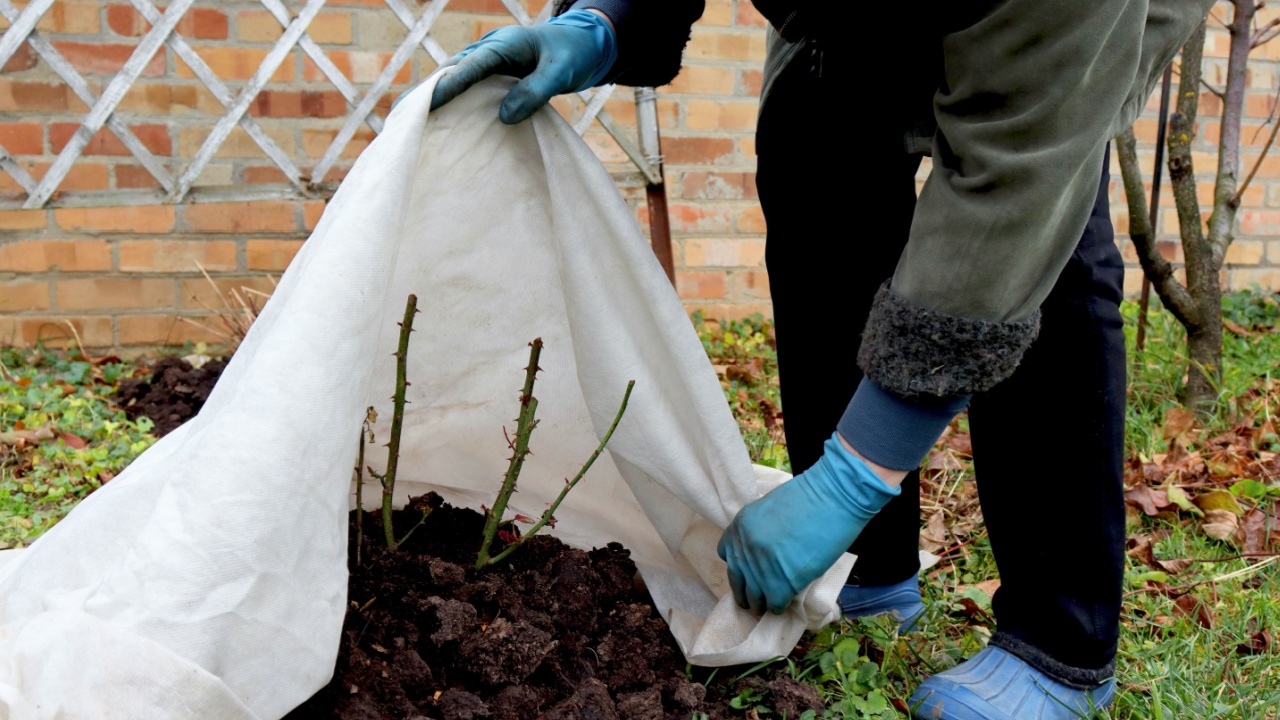
Covering early feels like extra insurance. It isn’t. NDSU Extension stresses waiting until roses are completely dormant after several hard freezes, and Colorado State University’s PlantTalk suggests mounding soil once nights have hit 20°F for several days.
There’s a pest hazard, too. Mice and voles spend fall hunting for warm winter quarters, and Horticulture magazine warns that if you cover too soon, they “will burrow in and chew the canes all winter.” Southern Living adds that loose straw or leaf filler can become a rodent nest. Waiting until the ground starts to freeze forces them to move in somewhere else.
4. Toss the Old Styrofoam Rose Cone
Plenty of us grew up with these white domes dotting the neighborhood. Matt Douglas of High Country Roses remembers his grandmother cutting her roses to 6 inches and capping them with styrofoam, and he doesn’t recommend it.
Research has caught up with the cone. Esther McGinnis of NDSU Extension explains that cones trap moisture that leads to rot and “can heat up on sunny winter days,” waking the rose from dormancy. She also notes they’re an eyesore and can blow across the neighborhood if they aren’t anchored, which is not the gift your neighbors want in January. If you keep yours, punch vent holes and weigh it down with bricks, as Southern Living suggests.
5. Avoid Raking Soil Up From Around the Rose
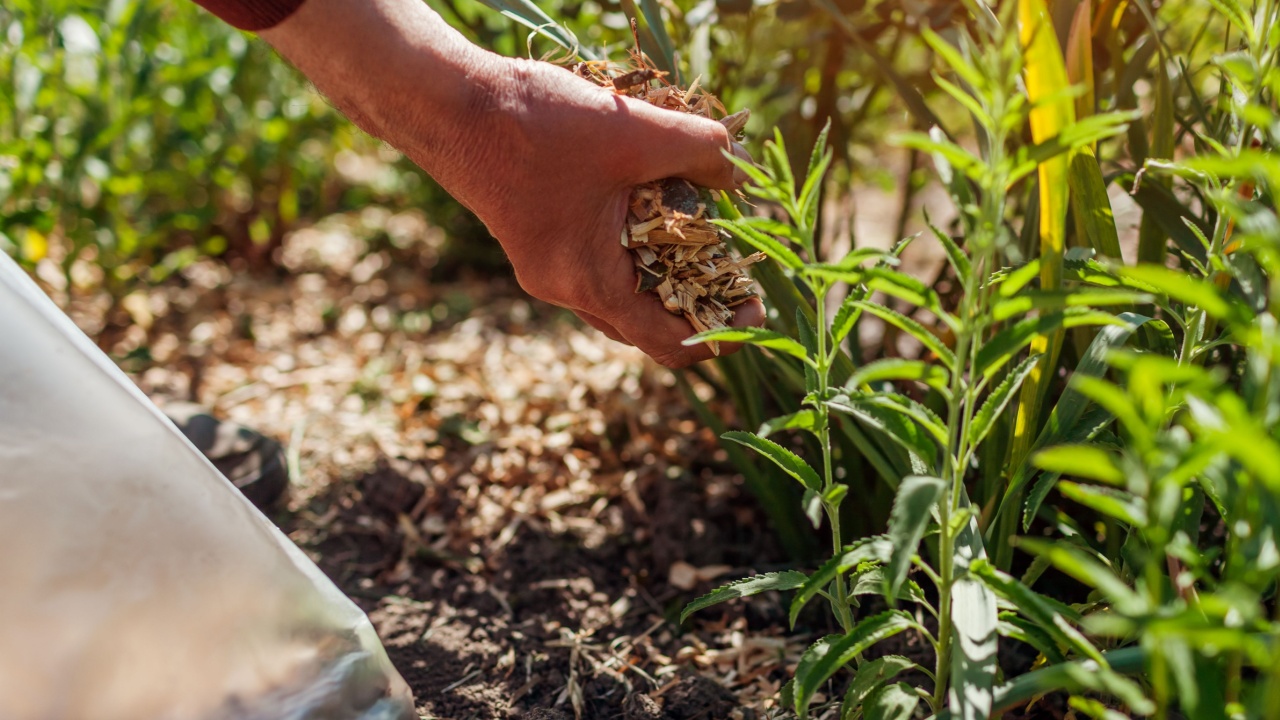
Mounding soil over the crown is still the gold standard, but where that soil comes from matters. UNH Extension is clear: “Bring in additional soil; do not rake it up from the base of the plant.” Scraping soil from the bed exposes the very roots you’re trying to protect.
Borrow 10 to 12 inches of soil from a vegetable bed or another corner of the yard, which is free. If you buy bagged soil, Southern Living cautions that it should contain no fertilizer. Once the mound freezes, shredded leaves inside a chicken wire cage make a free second layer.
6. Don’t Leave Diseased Leaves Lying Around
Those spotted, yellowed leaves under your roses are next year’s problems in waiting. Horticulturist Gail Pabst of the National Garden Bureau told Country Living that “fungal disease will overwinter in your garden” if you don’t remove it. Rake up and bag anything showing black spot, rust, or mildew; don’t compost it.
Wear thick gloves while you do it. The CDC notes that the fungus behind sporotrichosis, nicknamed rose gardener’s disease, lives in soil and on plant matter including rose bushes, and it enters through breaks in the skin like thorn pricks. Severe forms are uncommon and usually affect people with weakened immune systems or conditions like diabetes.
7. Stop Sending Roses Into Winter Thirsty

Many gardeners shut off the hose in October and forget about it until May. Matt Douglas of High Country Roses puts the case simply: “Moist and frozen is much less damaging to roses than being dry and frozen.”
Rosarian Stan Griep, writing for Gardening Know How, warns that dry winter wind can pull moisture from the soil to dangerously low levels. Give roses a deep drink before the ground freezes, then water on mild, dry spells. Water in the morning, too; David Austin Roses notes that soil left wet overnight can freeze and heave the crown.
How to Protect Roses From Winter Damage the Right Way
Doing less, at the right time, is the whole strategy. Right now in October, stop deadheading and let hips form, as Southern Living recommends, and clean up fallen leaves. Wait until mid-November to remove dead or diseased canes. After several hard freezes, tie canes together, mound fresh soil over the crown, and add a layer of leaves or straw. Pull everything back gradually around mid-March, once hard frosts have passed.
For the long term, plant smarter. NDSU recommends hardy shrub roses such as the Canadian Artist Series, which were bred to survive northern winters with no protection at all, and CSU calls shrub roses the hardiest performers for cold, windy climates.
A rose doesn’t need to be kept warm this winter; it needs to be kept steadily, boringly cold. Put the pruners down, gather your leaves, and let the season do the rest.
Read More
The 7 Best Garden Items to Thrift This Fall
9 Smart Ways to Save Money in the Garden Before Fall Ends