7 Frugal Lessons From the Great Depression That Could Save You Money Today
The Great Depression might feel like a distant chapter from a history book, filled with sepia-toned photos and tales of hardship. Yet, the resourcefulness and ingenuity of that era offer surprisingly relevant wisdom for modern life.
While we may not be facing the same economic landscape (and hopefully we won’t ever), the principles of making do, stretching resources, and finding value in simplicity are timeless. This article examines seven frugal lessons from that period and offers practical ways to apply them today to build a more intentional, less wasteful lifestyle.
1. Grow Your Own Food
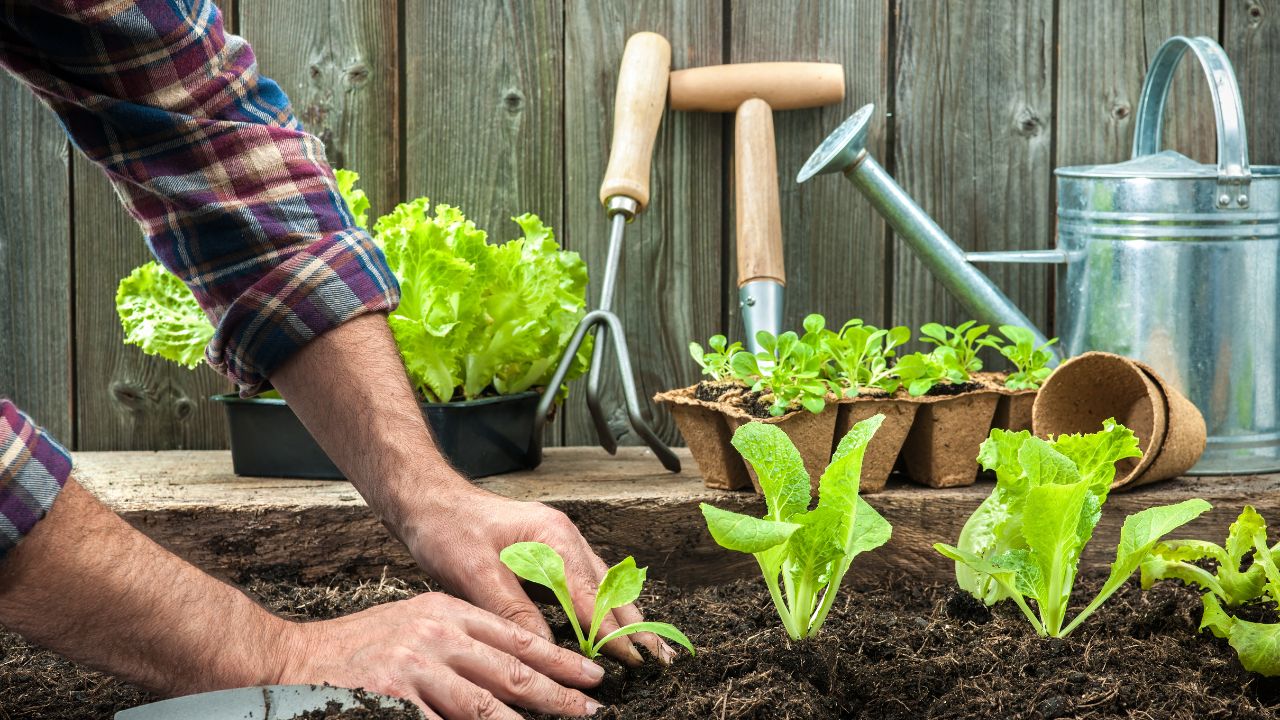
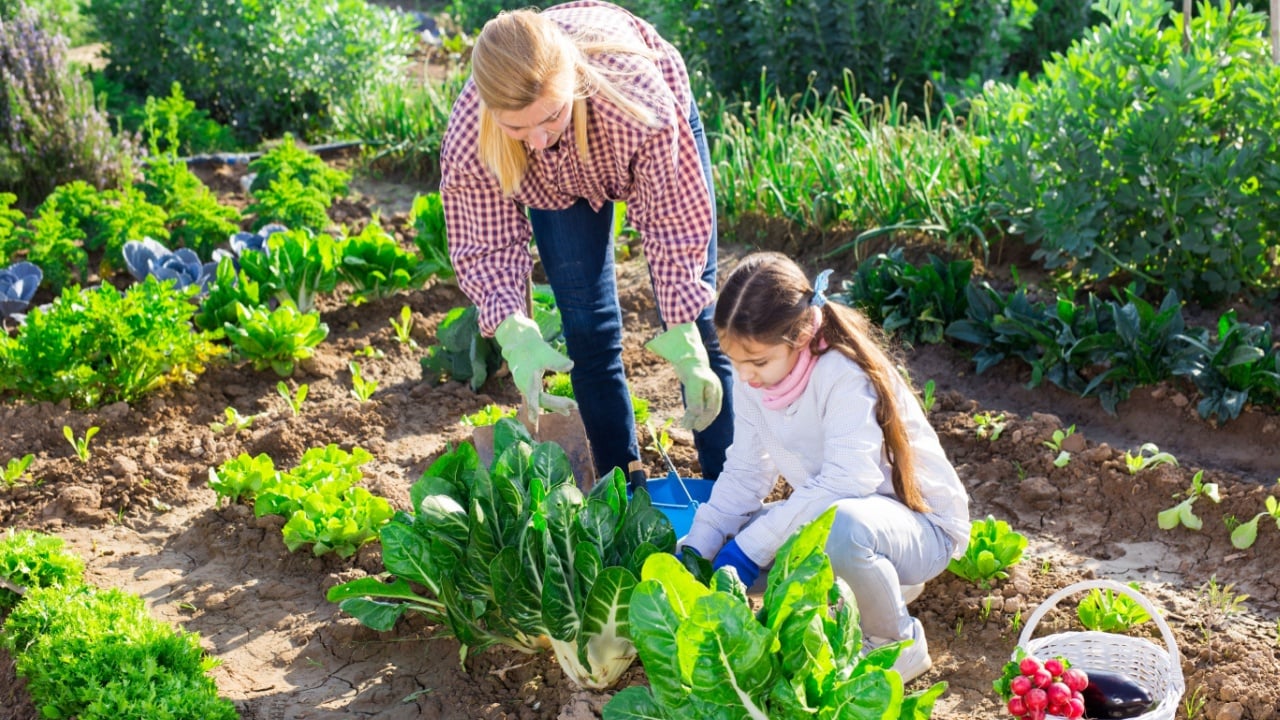
During the 1930s, “victory gardens” became a popular way for families to supplement their food supply and gain a sense of self-reliance. Small plots in backyards, and even windowsills, were transformed into productive spaces for growing vegetables and herbs. This practice put fresh food on the table and provided a meaningful activity and a connection to the earth during uncertain times.
Today, planting a garden continues to be a fantastic way to save money on groceries while enjoying the superior taste of homegrown produce. You control what goes into your food, from the soil to the fertilizer, avoiding unwanted chemicals. Starting with a few simple plants like tomatoes, lettuce, or herbs can make a noticeable difference in your grocery bill and your cooking. The satisfaction of harvesting something you grew yourself is a reward all its own.
2. Repair and Reuse Instead of Replacing

The throwaway culture of today would have been unimaginable to someone living through the Great Depression. When something broke, the first instinct was not to discard it but to fix it. From darning socks to patching up furniture, repairing items was a common and necessary skill. This mindset extended the life of countless household goods, saving money and reducing waste out of a deep respect for the value of every single possession.
Adopting this practice can be incredibly empowering. Learning basic repair skills, like how to sew on a button or fix a wobbly chair leg, keeps items out of landfills and dollars in your pocket. Before you decide to replace something, take a moment to consider if it can be mended. Many simple fixes can be learned from online tutorials, giving you a sense of accomplishment while preserving the items you already own.
3. Cook Meals from Scratch

Convenience foods and takeout were not options for most families in the 1930s (and wouldn’t have been affordable anyways0. Meals were prepared at home using basic, whole ingredients. This approach was not just about saving money; it was about making the most of what was available. Simple ingredients like flour, sugar, eggs, and seasonal produce were transformed into hearty, nourishing meals that fed the entire family. Cooking from scratch was a daily routine that promoted both frugality and health.
Returning to the kitchen to cook from scratch is a powerful way to manage your budget and improve your diet. Processed foods are often expensive and loaded with sodium and preservatives. By preparing your own meals, you have complete control over the ingredients, allowing you to create healthier and more flavorful dishes. It also encourages creativity, as you learn to build delicious meals around simple, affordable staples.
4. Avoid Debt and Pay with Cash

For the generation that experienced the Great Depression, debt was viewed with extreme caution. The economic collapse made credit a risky proposition, and many people learned to live strictly within their means. The guiding principle was simple: if you could not afford to pay for something with cash, you did not buy it. This philosophy required careful budgeting and a clear distinction between needs and wants.
While the modern financial world operates heavily on credit, the core lesson remains potent. Avoiding unnecessary debt, especially on consumer goods, provides a strong foundation for financial stability. When you pay with cash, you feel the direct impact of your spending, which often leads to more thoughtful purchasing decisions. Prioritizing needs over wants and saving up for larger purchases rather than financing them can prevent financial stress.
5. Use Leftovers Creatively

Wasting food was simply not an option during the Great Depression. Every scrap of food was valuable, and leftovers were seen as an opportunity, not a problem. A bit of leftover roast could become the base for a hearty soup, and stale bread was transformed into bread pudding or croutons. This creative approach to cooking stretched every meal as far as it could go, ensuring nothing went to waste.
Embracing this spirit can significantly reduce your household food waste and lower your grocery bills. Instead of letting leftovers languish in the back of the refrigerator, plan to repurpose them. Designate one night a week as “leftover night” or incorporate them into the next day’s lunch. Soups, frittatas, and casseroles are all excellent vehicles for using up small amounts of cooked vegetables, grains, and proteins.
6. Save and Repurpose Containers
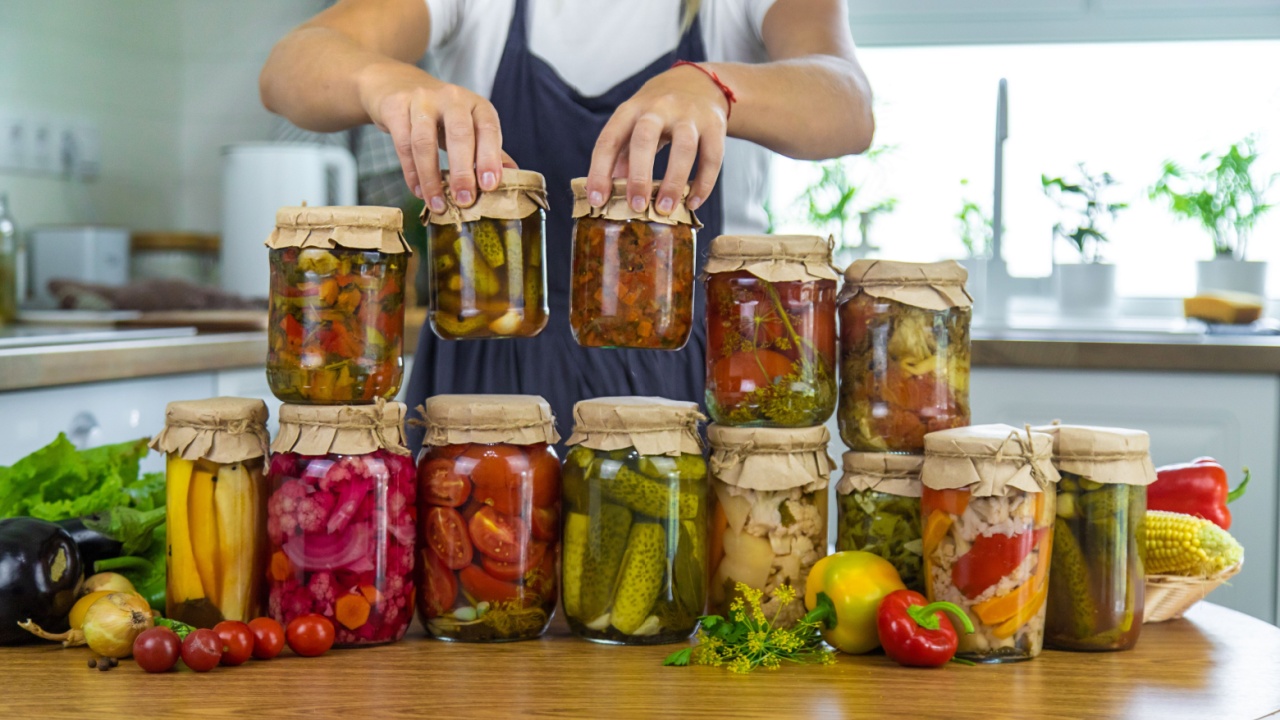
Before single-use packaging became the norm, containers were meant to be used again and again. Glass jars, tins, and cloth sacks were saved and repurposed for a variety of needs. Jars were used for canning and food storage, while cloth bags were mended and reused for shopping or storage. This habit was a simple, practical way to reduce waste and avoid the cost of buying new containers.
This practice is incredibly easy to adopt today. Instead of recycling that glass pasta sauce jar, wash it out and use it to store bulk spices, dry beans, or your own homemade salad dressing. Small tins can become organizers for office supplies or hardware. By finding a second life for containers, you reduce the amount of waste your household produces and save money on storage solutions.
7. Focus on Quality Over Quantity

When money was tight, every purchase had to count. People learned to invest in durable goods that would last for years, rather than cheap items that would quickly need replacing. A well-made coat, sturdy pair of shoes, or solid piece of furniture was seen as a better investment than several lower-quality alternatives. This focus on durability and longevity was a hallmark of a frugal and practical mindset.
This lesson is particularly relevant in today’s fast-fashion and disposable-goods landscape. While a higher-quality item may have a higher initial cost, it often proves more economical in the long run. By choosing well-made products, you replace them less frequently, saving money and reducing your environmental footprint. T
A Mindset of Resourcefulness

Frugality from the Great Depression wasn’t just survival mode; it was creativity in action. Those old-school approaches inspired clever ways to stretch resources, turning everyday challenges into opportunities for smart problem-solving. By dusting off these tried-and-true habits, households today can sidestep waste and hold onto more of their hard-earned cash.
Consider this your invitation to channel a little Depression-era savvy. Fix a wobbly chair, get curious about secondhand finds, or see how far leftovers can travel in tomorrow’s lunchbox. Small actions, repeated over time, can transform spending and saving.
Read More:
Is Waiting a Mistake? 15 Considerations Before Passing Down Money Later