10 Home Feature Buyers Don’t Want to See Anymore
Selling a home can feel like a strange popularity contest. You spend years making a space your own, only to find out that your beloved pastel pink bathroom is now considered a dealbreaker. Home trends come and go, and what was once the height of design can quickly become the reason a potential buyer walks away. Keeping up with what modern buyers want is half the battle.
Surveys and design reports are showing a clear shift in preferences. Buyers today are looking for spaces that are functional, low-maintenance, and reflect a more personalized, less formal lifestyle. From the layout of the rooms to the texture on the ceiling, certain features that were once standard are now sending buyers running for the hills.
Here are ten features that have fallen out of favor and what you can do about them.
1. Formal Dining Rooms
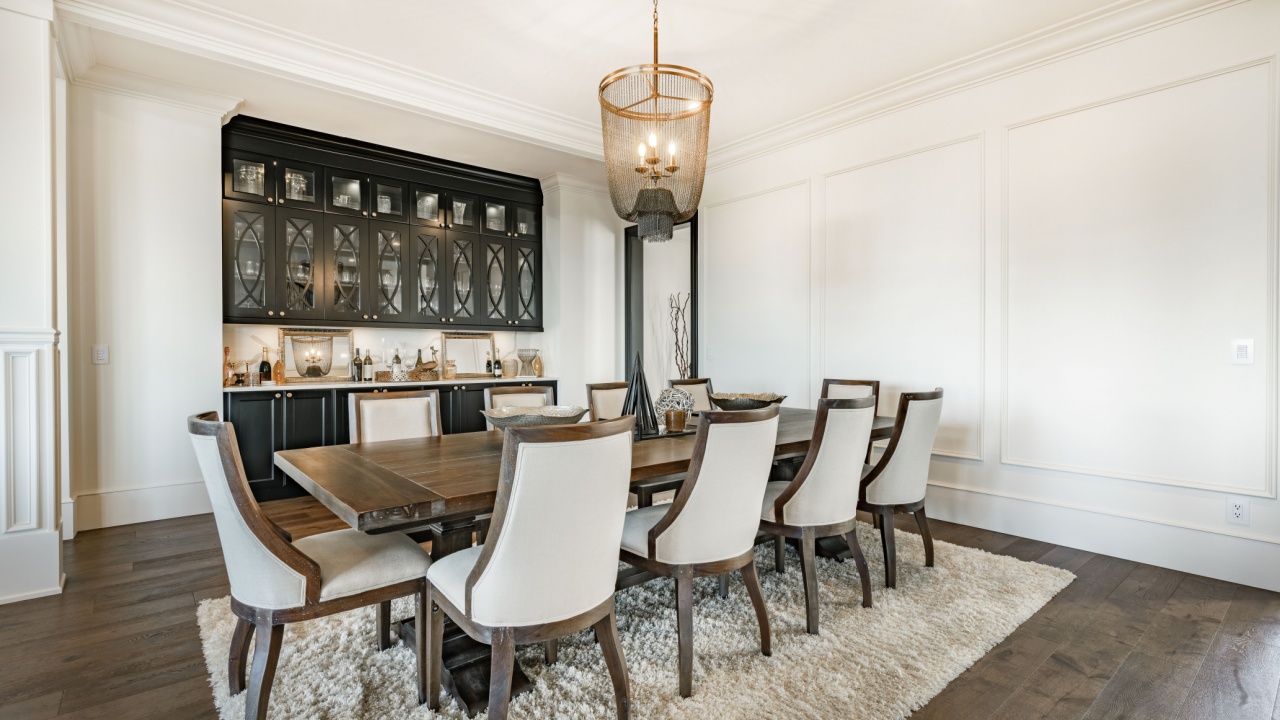
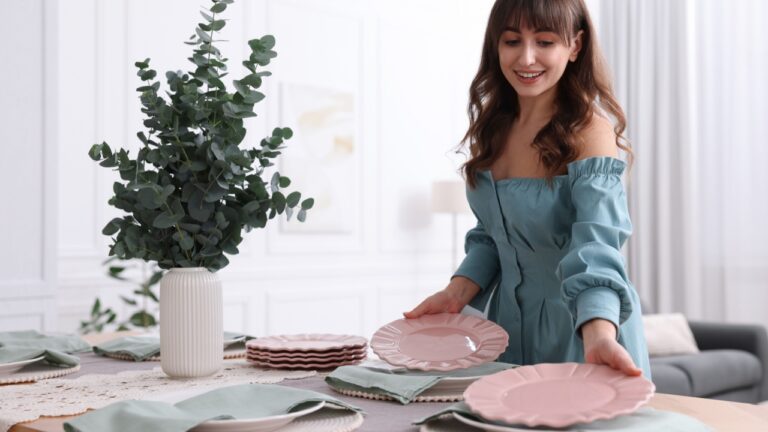
Remember those rooms you were only allowed in on holidays? The ones with the fancy china cabinet and a table that was always perfectly set but never used? It turns out modern families aren’t interested in maintaining a museum exhibit in their home. Nearly 80% of designers report that formal dining rooms have become less important, often getting absorbed into larger, more functional kitchen spaces.
Today’s lifestyle is more casual. Families prefer to gather around a large kitchen island for homework, quick meals, and conversations. The idea of a stiff, separate dining space feels outdated and wasteful to many. Buyers see it as unused square footage that could be better allocated to a home office, a playroom, or an expanded living area.
What to Do About It:
- Stage it Differently: If you have a formal dining room, stage it as a multi-purpose space. Show its potential as a library, a music room, or a comfortable home office.
- Open the Floor Plan: For those considering a renovation, knocking down a non-load-bearing wall between the dining room and kitchen can create the open-concept feel buyers love.
- Update Lighting: Replace the traditional chandelier with a more modern fixture to instantly change the room’s atmosphere.
2. Wall-to-Wall Carpeting
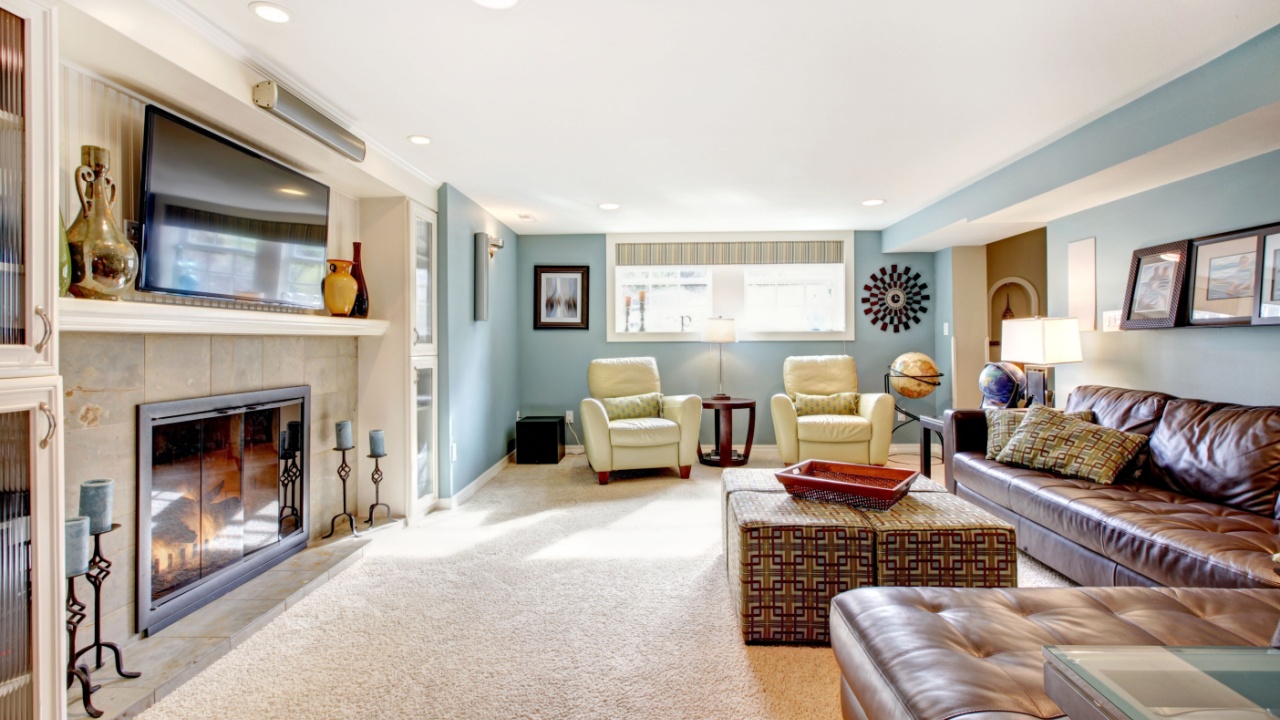
There was a time when plush, wall-to-wall carpeting was a sign of comfort and luxury. Today, it’s more likely to be seen as a sea of dust mites and mysterious stains. Buyers, especially those with allergies or pets, are wary of carpeting throughout the home. It traps dirt, odors, and allergens, and its lifespan is much shorter than that of hard flooring.
Hardwood floors, luxury vinyl plank (LVP), and tile have become the gold standard. Experts say they also give the highest Return on Investment (ROI) when you’re selling the house. They are easier to clean, offer a cleaner and more modern look, and allow for personalization with area rugs. A home with original hardwood floors hidden under old carpeting is a hidden gem waiting to be uncovered.
What to Do About It:
- Reveal and Refinish: If you suspect hardwood is hiding under your carpet, it’s worth pulling up a corner to check. Refinishing old hardwood floors can add significant value.
- Consider Modern Alternatives: If replacing flooring, look into durable and popular options like LVP, which mimics the look of wood but is waterproof and scratch-resistant.
- Professional Cleaning: If replacing carpet isn’t an option, a deep professional cleaning is essential before listing your home.
3. Popcorn Ceilings
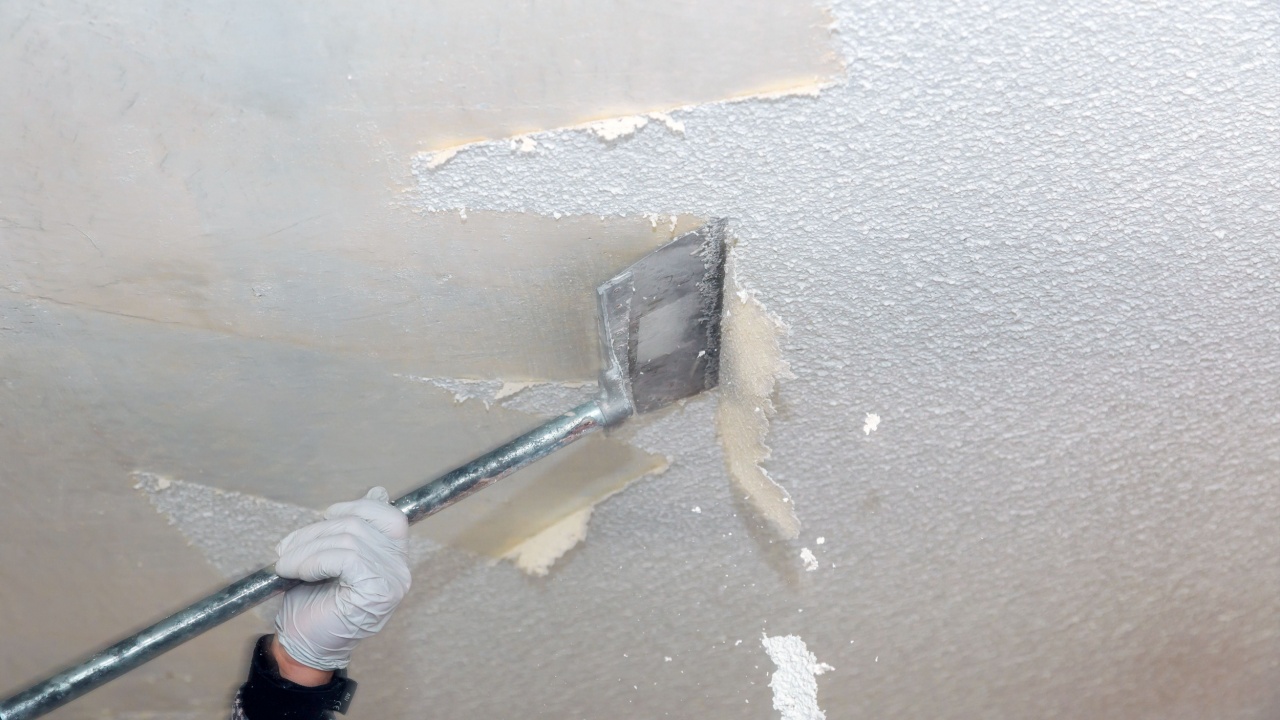
Nothing dates a home faster than a ceiling covered in that lumpy, cottage-cheese-like texture. Popcorn ceilings were popular from the 1950s to the 1980s because they were cheap and effective at hiding imperfections. Today, they are just seen as ugly and a massive chore to remove.
Beyond the dated appearance, these ceilings are difficult to clean, collecting dust and cobwebs in their many crevices. Worse, ceilings installed before the 1980s could contain asbestos, making removal a hazardous and expensive job. Buyers see a popcorn ceiling and immediately start calculating the cost and mess of scraping it all off.
What to Do About It:
- Test for Asbestos: If your home was built before 1980, get the ceiling tested for asbestos before attempting any removal.
- DIY or Hire a Pro: Removal is a messy but manageable DIY project for asbestos-free ceilings. It involves spraying with water, scraping, and then skim-coating and painting. If that sounds like too much, professionals can get it done quickly.
- Cover It Up: An easier alternative is to cover the texture with new, thin drywall or beadboard panels directly over the old ceiling.
4. Pastel-Colored Bathroom Fixtures
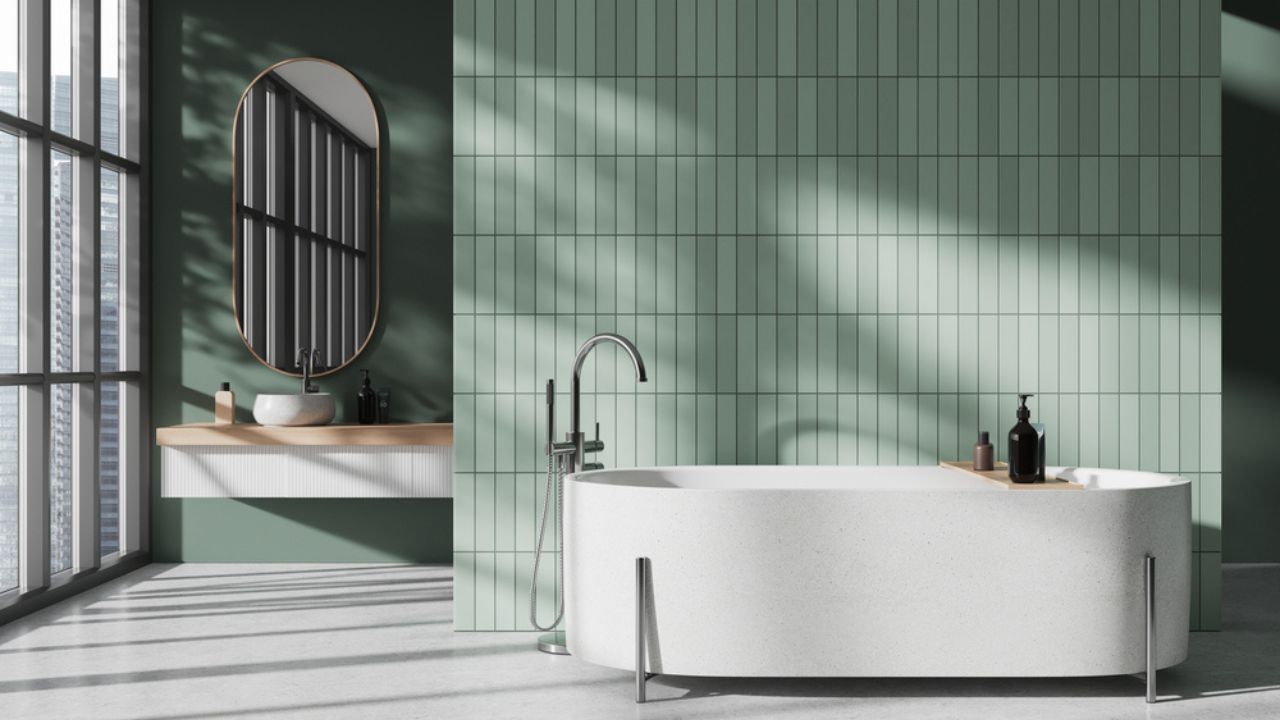
The pastel pink, mint green, and baby blue toilets and sinks of the mid-20th century had their moment. That moment is long gone. While a retro look can sometimes be charming, a bathroom full of colored porcelain often just looks old and hard to decorate around.
Modern buyers crave a clean, spa-like retreat for their bathrooms. This usually means a neutral palette of whites, grays, and natural tones. These colors feel fresh, clean, and timeless, allowing new owners to easily add their own personality with towels, art, and accessories without being locked into a sickly green color scheme.
What to Do About It:
- Replace the Fixtures: The most effective solution is to replace the colored toilet, sink, and tub with standard white ones. This is a relatively affordable update that makes a huge impact.
- Refinish, Don’t Paint: If replacement isn’t in the budget, you can have the porcelain professionally refinished in white. Do not try to paint it yourself with regular paint; it will chip and peel almost immediately.
- Embrace the Retro: If you have one standout piece, like a cool pink sink, you could lean into it with modern, retro-inspired wallpaper and fixtures. This is a risk, but it can pay off with the right buyer.
5. Overly Trendy Design Choices
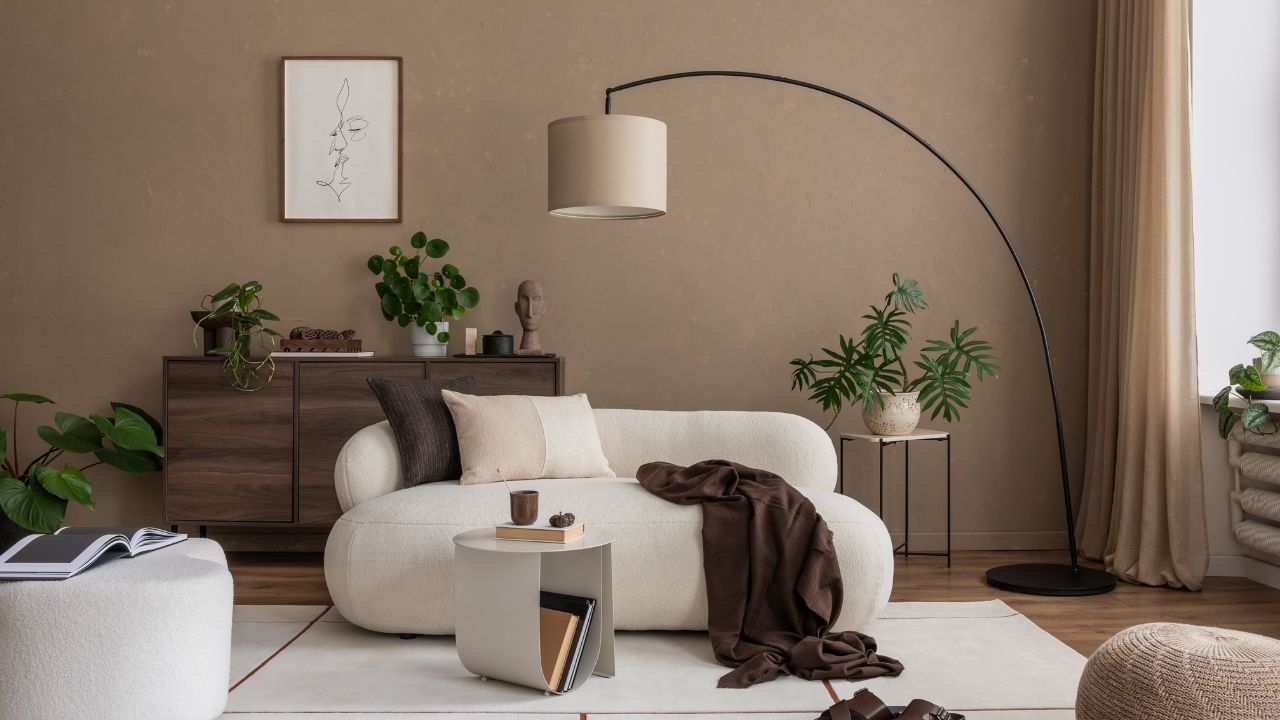
That chevron-patterned tile backsplash or the accent wall painted “millennial pink” might have looked great on Pinterest a few years ago, but highly specific trends can age very quickly. When a buyer sees a home filled with too many “of-the-moment” design elements, they don’t see a stylish home; they see a bunch of projects they’ll need to undo.
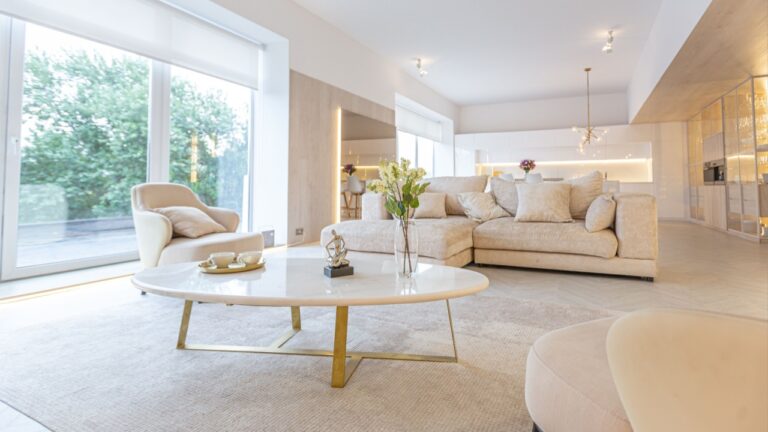
Buyers want to envision their own lives and style in a home. Classic and timeless finishes provide a neutral canvas for them to do that. While it’s fine to use trendy items in easily replaceable decor, building them into the permanent fixtures of a home can be a turn-off. Rounded couches and other bold furniture choices also suggest a style that might not align with a buyer’s taste.
What to Do About It:
- Go Neutral on Fixed Elements: When renovating, choose classic styles and colors for tile, countertops, and flooring.
- Repaint Bold Walls: A can of paint is your best friend. Painting a loud accent wall a neutral color is one of the cheapest and most effective ways to appeal to more buyers.
- Stage with Mass Appeal: When selling, remove or replace any polarizing decor. You want your home to feel inviting and flexible, not like a shrine to a fleeting trend.
6. Carpeted Bathrooms
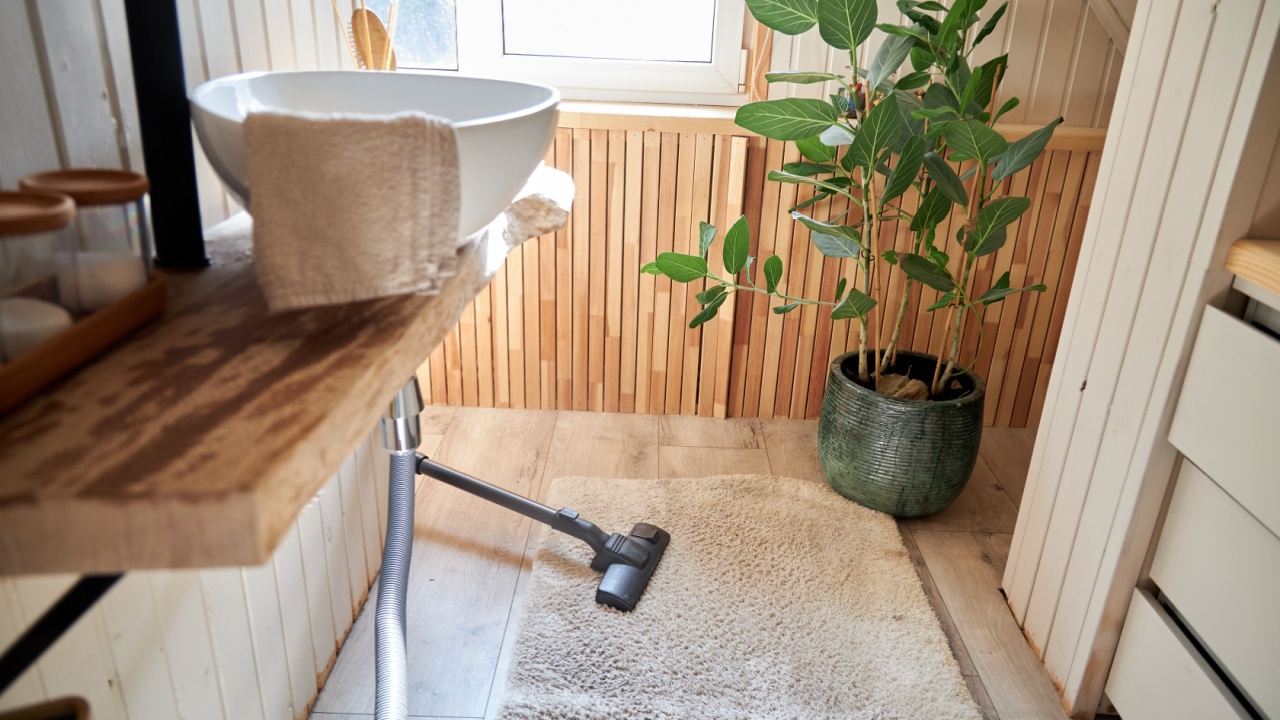
Let’s just take a moment to consider the concept: a soft, absorbent material on the floor of the wettest, steamiest room in the house. Carpeted bathrooms are a hygiene nightmare. They trap moisture, creating a perfect environment for mold and mildew. They are impossible to truly clean and absorb every splash, spill, and, well, misfire.
For modern buyers, this is one of the biggest red flags. It’s not just an aesthetic issue; it’s a health and sanitation concern. Buyers expect hard, water-resistant surfaces like tile, vinyl, or stone in a bathroom. Anything else is an immediate “no.”
What to Do About It:
- Tear It Out: There is no saving this feature. The carpet must go.
- Check the Subfloor: Once the carpet is removed, inspect the subfloor for water damage or mold. Any damaged sections will need to be repaired or replaced.
- Install Appropriate Flooring: Install ceramic tile, porcelain tile, or luxury vinyl plank. All are durable, waterproof, and exactly what buyers are looking for.
7. Matching Furniture Sets

The days of walking into a furniture store and buying the complete, five-piece matching bedroom or living room set are over. While it offers a simple solution to furnishing a room, it often results in a space that feels generic, stiff, and lacking in personality. It can look like a page from a catalog instead of a real, lived-in home.
Today’s design ethos is all about creating a curated, collected look. Buyers respond to spaces that feel personal and unique. This means mixing different styles, textures, and materials. A vintage wooden dresser might be paired with modern metal nightstands, or a dining table might be surrounded by chairs of different but complementary styles.
What to Do About It:
- Break Up the Set: If you’re selling a furnished home or just want to update your look, split up your matching sets. Move one piece to another room.
- Incorporate Different Textures: Add a linen armchair to a room with a leather sofa. Mix wood, metal, and glass elements.
- Stage with Personality: When staging, ensure the home feels collected over time. Use unique art, varied textiles, and a mix of furniture styles to create a space that feels authentic and inviting.
8. Glass Block Walls

Popular in the 80s and 90s, glass blocks were used for bathroom windows, shower walls, and accent walls. The idea was to let in light while maintaining privacy. This feature may look dated to many, but others seem to toy with the idea of bringing it back.
These walls are also a pain to clean, with grout lines that can attract grime and mildew. While they do let in light, there are now many more elegant solutions, such as frosted or textured glass windows, that offer the same benefits without the bulky, dated appearance.
What to Do About It:
- Plan for Removal: Removing a glass block wall or window is a significant renovation project that will likely require a contractor.
- Replace with Standard Windows: If it’s an exterior wall, replace the glass block with a modern, energy-efficient window. You can use frosted glass for privacy.
- Redesign the Space: For an interior wall, like a shower, demolition and retiling with modern materials will completely transform the bathroom.
9. Kitchens Without a Pantry
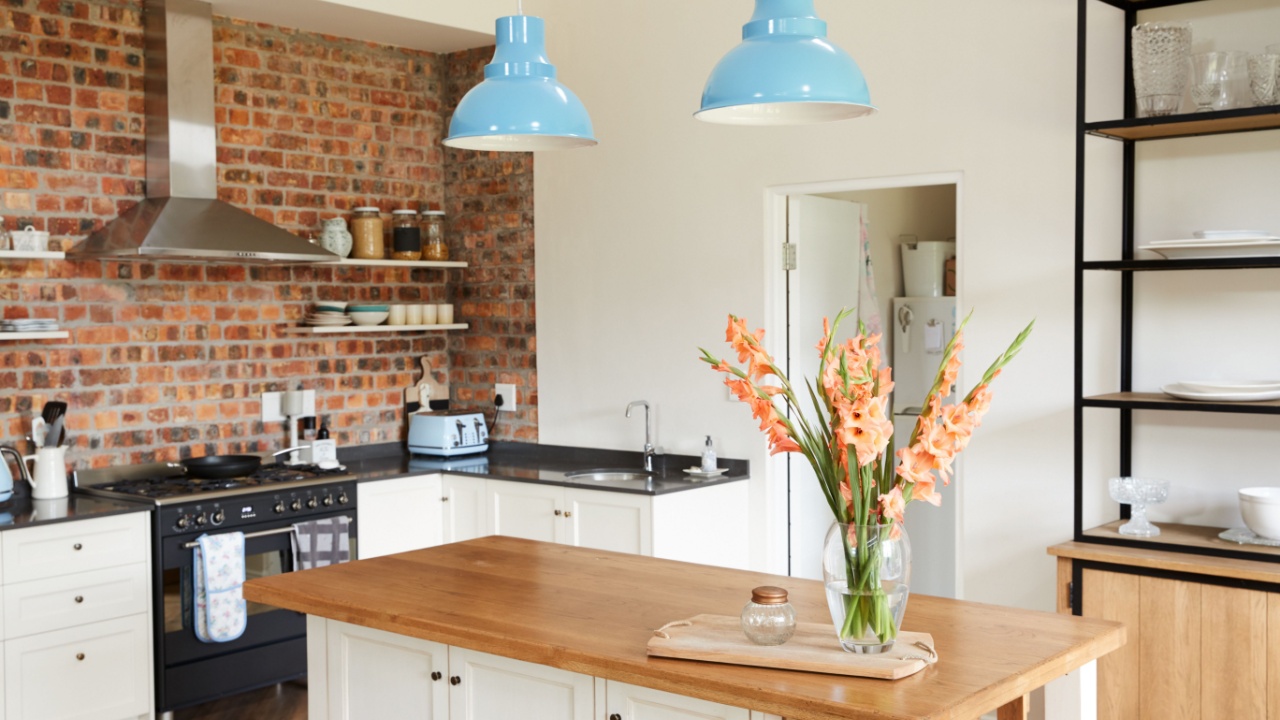
Kitchens need pantries the way babies need their mommies. As kitchens have become the central hub of the home, storage has become more important than ever. Buyers want a designated pantry, be it a walk-in closet or a wall of dedicated cabinetry. A kitchen with insufficient storage is a major functional problem.
Homeowners are buying in bulk, stocking up on supplies, and using a variety of small appliances that all need a home. A few cabinets here and there just won’t cut it. A well-organized pantry is a feature that buyers consistently rank as a top priority.
What to Do About It:
- Carve Out Space: Look for an adjacent closet or an underutilized nook that could be converted into a pantry.
- Install Pantry Cabinets: Add a tall pantry cabinet or a freestanding hutch to create dedicated food storage.
- Maximize Existing Cabinets: Outfit your current cabinets with pull-out shelves, lazy susans, and tiered organizers to demonstrate how much they can hold.
10. Jetted Tubs in the Main Suite

The giant, jetted tubs of the 1990s were once the ultimate symbol of luxury. But people have realized they rarely use them. They take up a huge amount of space, use an enormous amount of hot water, and are a hassle to clean. The jets can harbor mold and bacteria if not maintained perfectly.
Most buyers today would much rather have a large, luxurious walk-in shower with features like a rainfall showerhead, a bench, and seamless glass doors. A beautiful, spacious shower gets used daily, while a jetted tub often just collects dust. If a tub is desired, a simple, elegant freestanding soaking tub is a much more modern and appealing choice.
What to Do About It:
- Consider a Shower Conversion: If your budget allows, replacing the giant tub with a high-end walk-in shower will add significant appeal and value.
- Swap for a Soaking Tub: If you want to keep a bathtub, replace the bulky, jetted model with a sleek freestanding or simple drop-in soaking tub.
- Ensure It’s Spotless: If you must keep the jetted tub, make sure it is immaculately clean. Run a specialized jet cleaner through the system before showings.
What to Do Now

Looking at this list can feel overwhelming, but you don’t have to start uprooting your bathtub this afternoon. Focus on the changes that provide the biggest return on investment and appeal. Painting over bold colors, removing dated popcorn ceilings, and tearing out bathroom carpeting are often the most impactful and cost-effective updates. By addressing these dated features, you can present a home that feels fresh, modern, and ready for its next owner.