
Summer is supposed to feel light and easy, but somehow the house tells a different story. More people are home, more doors are swinging open, and more shoes, bags, and snack wrappers are finding their way onto every surface.
The season has a way of quietly undoing all the routines that kept things tidy during the rest of the year. School schedules disappear, guests pop in without much notice, and the usual order of a weekday gets replaced with something far more relaxed and far more chaotic.
Part of the problem is that summer cleaning feels like it should be easier, so it gets put off more often. Without a firm routine holding things together, small messes accumulate fast, and by the end of the week, the whole house feels like it needs a full reset.
These six habits are practical, low-effort, and designed to work with the messiness of summer, not against it. Each one addresses a real weak spot in the average summer home and gives you a clear, simple way to stay on top of it.
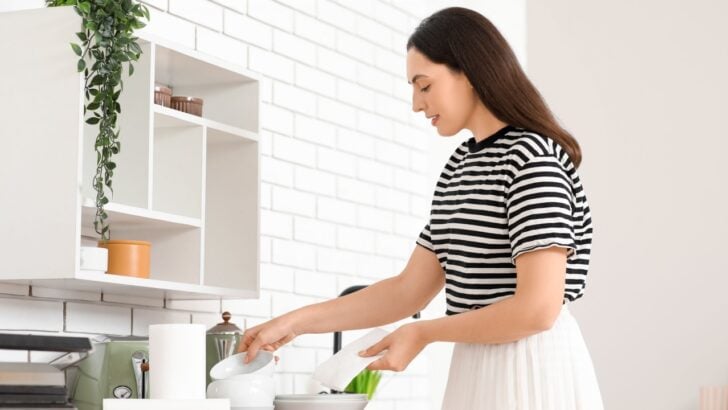
1. Reset the Kitchen Before Bed

Image Credit: Shutterstock.
The kitchen takes more abuse in summer than almost any other room in the house.
Between extra meals, longer days, and more people grazing from the fridge at odd hours, the mess builds up faster than it does during the school year.
A simple nightly reset makes a real difference. Load the dishwasher, wipe down the counters, clear the sink, and put away anything left out.
It takes around ten minutes, and waking up to a clean kitchen sets a completely different tone for the rest of the day.
2. Do the One-Minute Tasks Right Away
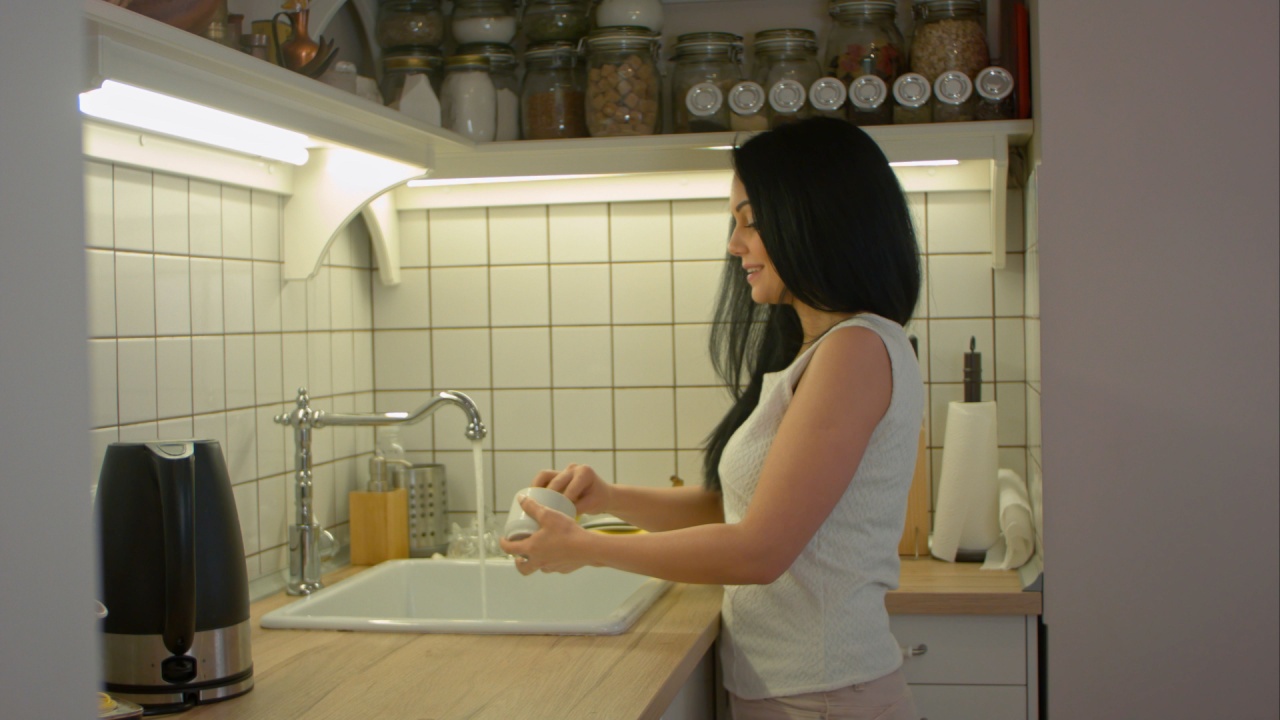
Image Credit: Shutterstock.
A dish left in the sink, a towel dropped on the floor, a wrapper sitting on the counter. Each of these takes less than sixty seconds to deal with, and each one gets worse when it waits.
One item becomes a pile, and a pile becomes something that requires real effort to address.
The fix is simple, if a task takes under a minute, do it immediately. Wipe the counter now. Rinse the bowl now. Hang the towel now.
This habit works best when everyone in the house follows it, so it helps to name it out loud and make it a shared standard rather than a silent expectation.
3. Set up a Shoe Drop Zone
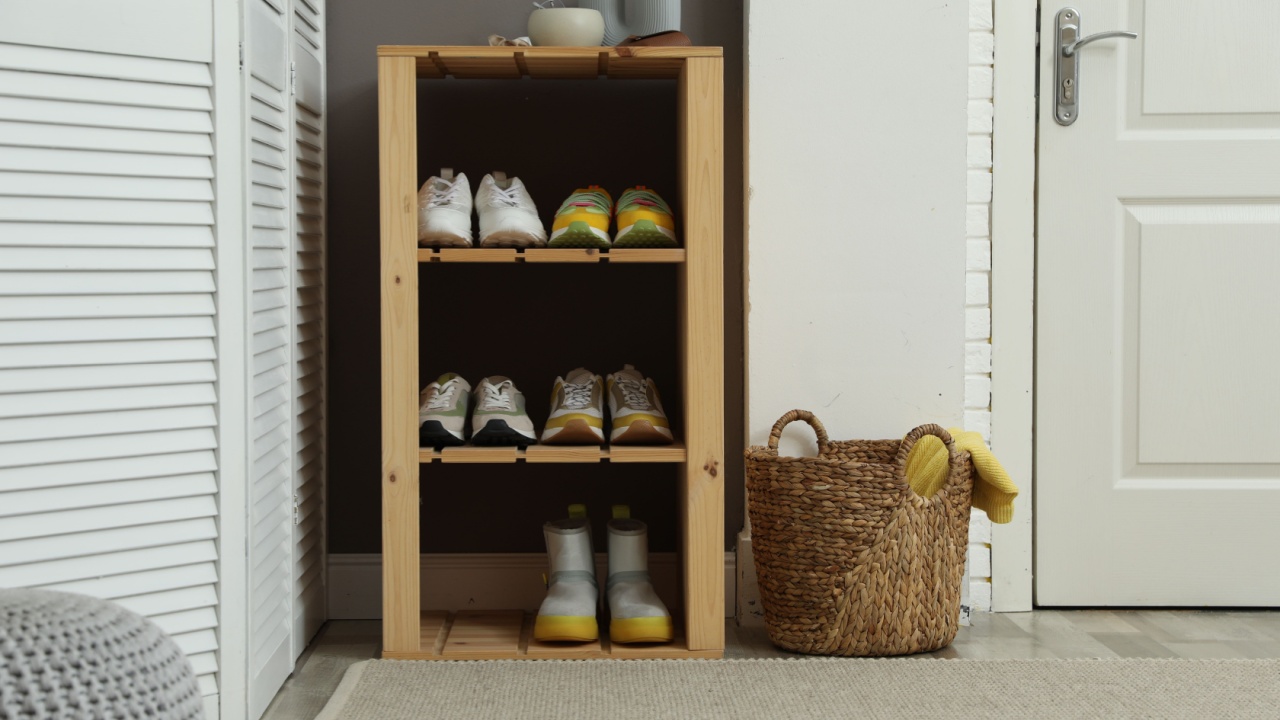
Image Credit: Shutterstock.
Summer footwear multiplies quickly. Flip-flops, sneakers, water shoes, and sandals all end up at the door, and without a system, they spread across the entryway and into the hallway before long.
A simple basket or small bin near the door solves this immediately. It gives shoes a home, keeps walkways clear, and makes it far less likely that someone will be hunting for a missing sandal right before leaving the house.
The basket does not need to be fancy; it just needs to be there and used consistently.
4. Run a Daily 30-Minute Reset

Image Credit: Shutterstock.
High-traffic areas like the living room, kitchen table, and hallways tend to collect clutter throughout the day. A short daily reset keeps those spaces from becoming overwhelming by the end of the week.
Set a timer for thirty minutes and move through the main areas of the house. Put things back where they belong, do a quick surface wipe in the kitchen and bathroom, and toss anything that needs to go.
Doing this at the same time each day, such as after lunch or before dinner, makes it feel like a natural part of the routine rather than a chore you have to talk yourself into.
5. Build a Simple Family Rhythm
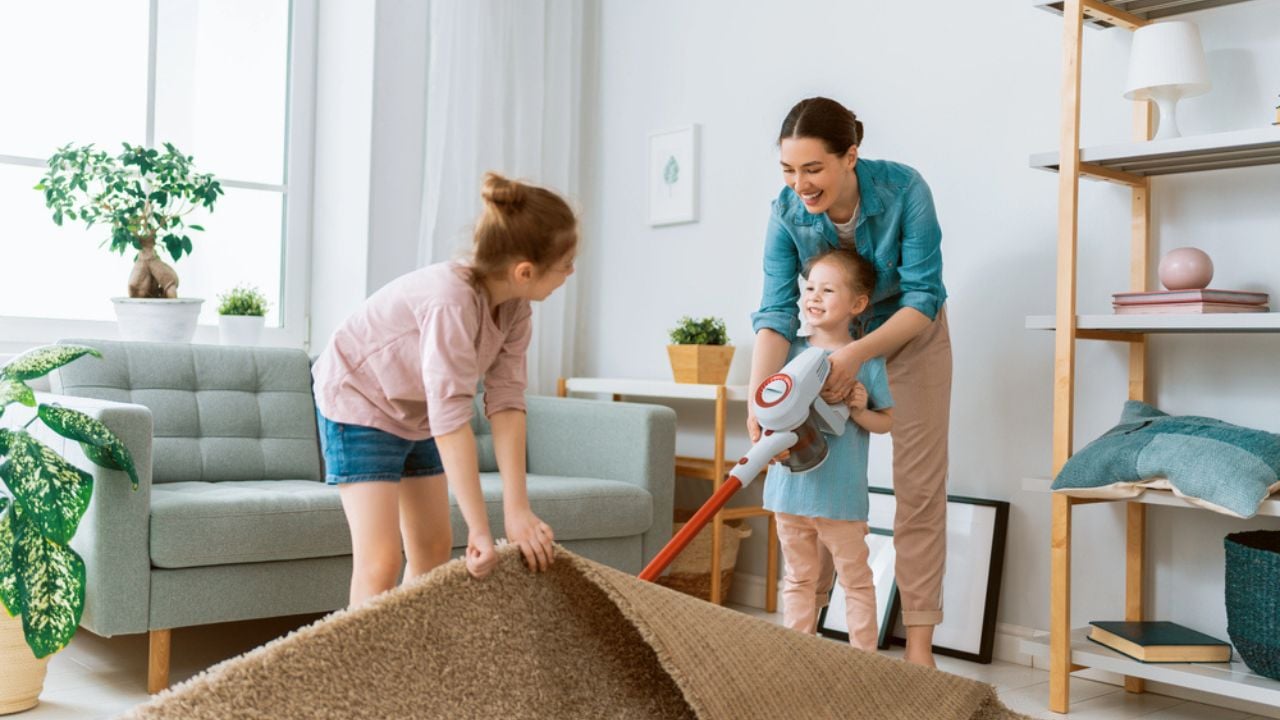
Image Credit: Deposit Photos.
When everyone is home for the summer, everyone contributes to the mess, and everyone can contribute to cleaning it up. A shared routine does not have to be rigid or complicated; it just has to exist.
A short morning list and a short evening list work well for most households. Morning tasks might include making beds, tidying up after breakfast, and checking on pets.
Evening tasks might cover clearing the table, wiping counters, and picking up common areas. Matching tasks to age and ability keeps it fair and realistic, and having a visible list removes the need for daily reminders or negotiations.
6. Give Yourself a Realistic Standard
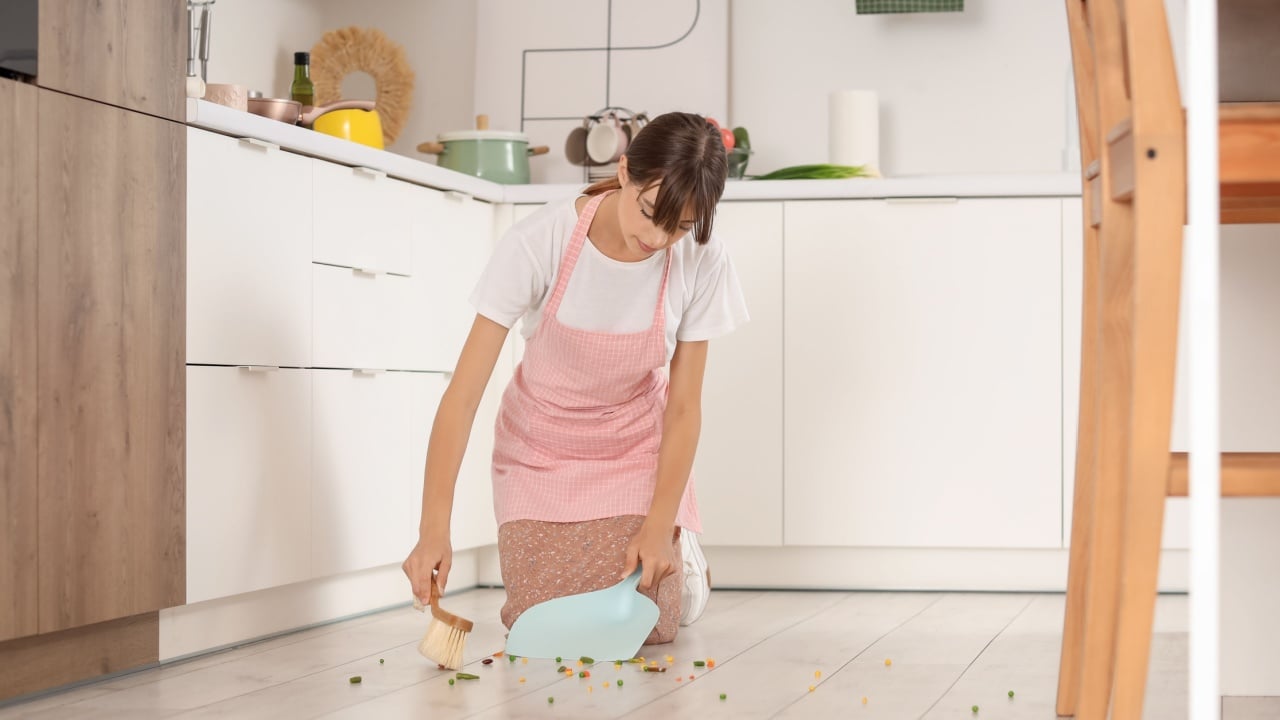
Image Credit: Shutterstock.
A spotless home in the middle of summer is an unrealistic standard, and chasing it leads to frustration more than cleanliness. The goal is a home that feels manageable and comfortable, not one that looks like no one lives in it.
Set a baseline for what “clean enough” means for your household during this season. Maybe the floors get swept every other day instead of daily.
Maybe the bathroom gets a quick wipe three times a week instead of a deep clean every weekend.
Deciding in advance what the minimum standard is removes the guilt of not doing more and helps you focus on the habits that actually move the needle.
How to Make These Habits Last

Image Credit: Shutterstock.
Habits work best when they are tied to something that already happens. Attaching the kitchen reset to your bedtime routine, or the family tidy-up to dinner cleanup, means the new behavior has a natural trigger instead of relying on willpower alone.
The other thing that helps is keeping it visible. A short written list on the fridge or a whiteboard in the kitchen reminds everyone what the daily standard is without you having to repeat it.
Small, consistent actions carried out daily do far more for a home than an occasional deep clean followed by weeks of letting things go.