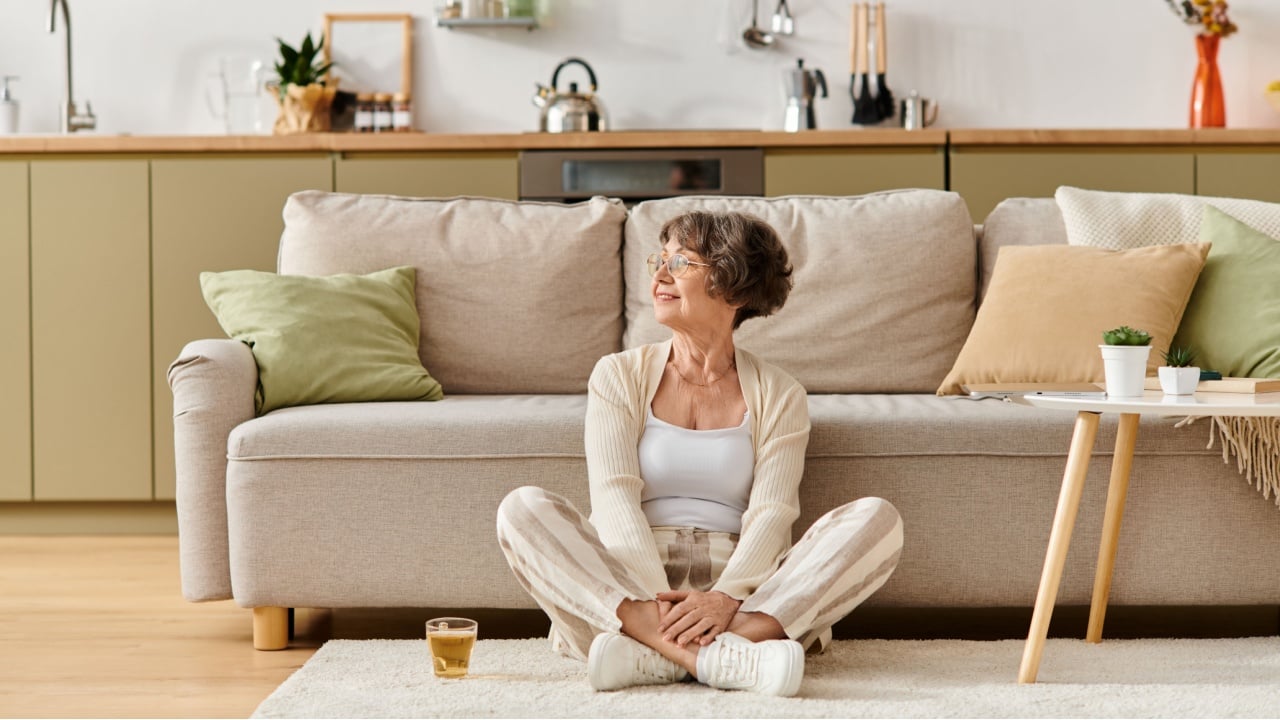
6 Important Ways to Make a Home Safe as You Get Older
Could your home actually be making everyday life a little tricky without you realizing it? As people get older, things like slippery floors, tripping hazards, dim hallways, or hard-to-use furniture can make moving around the house harder than it used to be. These small problems don’t feel like a big deal at first, but they can make daily tasks stressful or even dangerous. Making simple safety updates can help your home stay comfortable, easy to move around in, and safe.
Research from the National Institute on Aging shows that small changes like brighter lights, non-slip floors, and supportive fixtures can lower the chance of falls and help older adults live safely and independently for longer. With a few smart adjustments, your home can stay a place of comfort and confidence for years to come.
1. Improve Lighting Everywhere
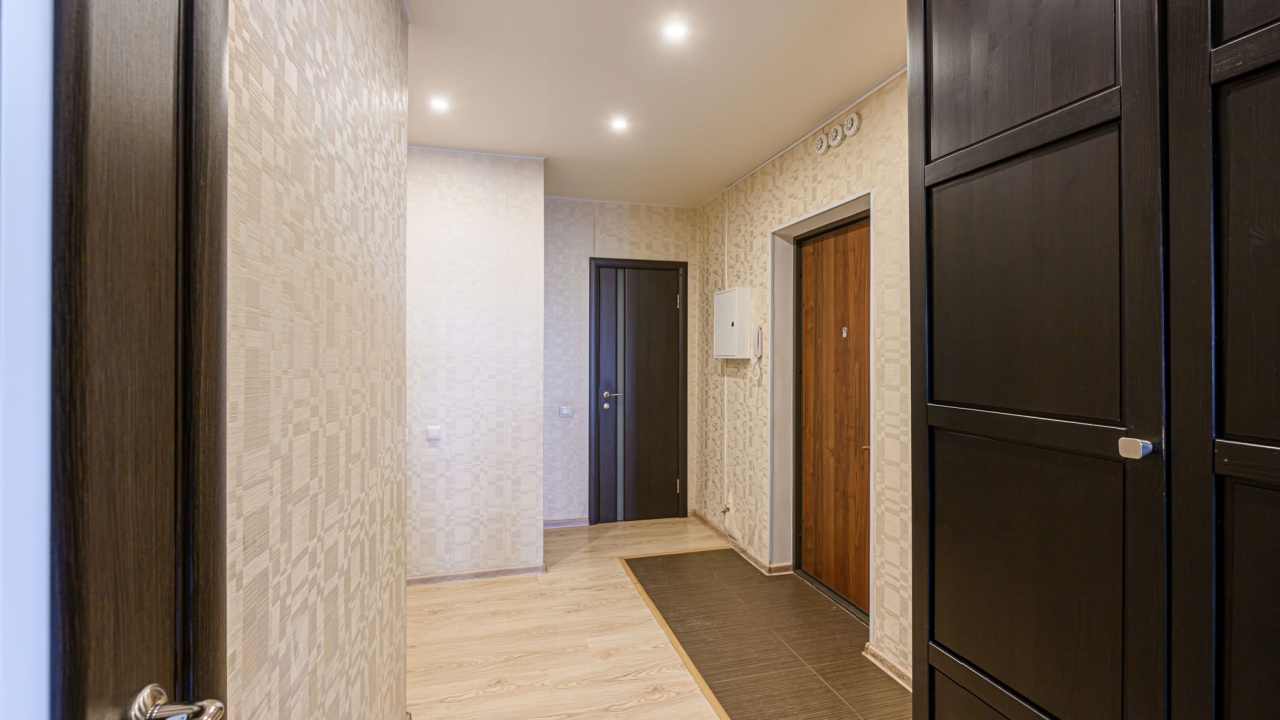
Walking through a dim hallway at night can be tricky for anyone, and it becomes even harder with age. Better lighting helps eyes adjust faster and makes it easier to see steps, corners, and changes in flooring. Bright lights in stairways, kitchens, entryways, and bathrooms reduce the risk of trips and bumps.
Good lighting is also easy to improve without major work. Motion-sensor lights in hallways or bathrooms turn on automatically, which is helpful at night. Outside, porch and pathway lights make coming home safer and help prevent falls in the yard or garden areas.
2. Switch to Non-Slip Floors and Clear Walkways
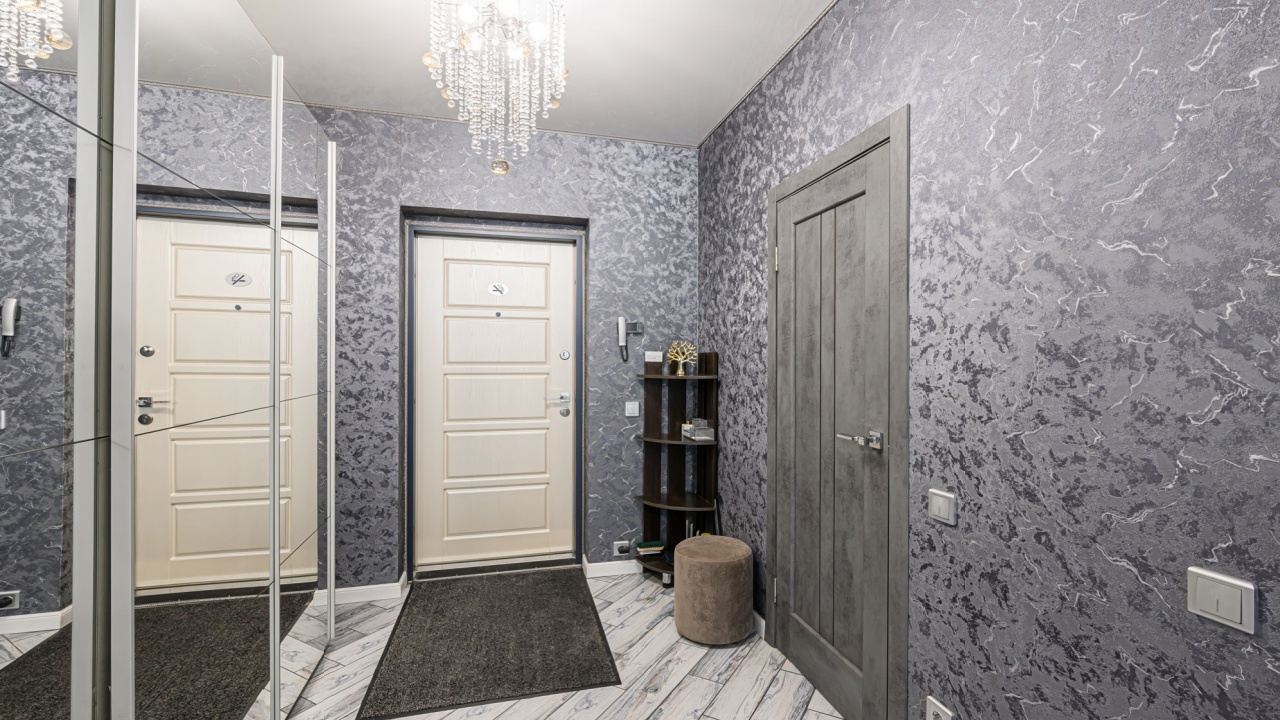
Loose rugs and slippery floors may look harmless, but they are a major fall risk. As balance changes with age, even a small rug corner can cause a serious fall. Non-slip flooring or textured surfaces give better grip, especially in kitchens, bathrooms, and entryways.
Keeping walkways clear is just as important as changing the floor. Removing clutter, cords, and low furniture creates smooth paths to walk through the home. This also makes it easier to move around with canes or walkers if they are needed later.
3. Make the Bathroom Easier and Safer to Use
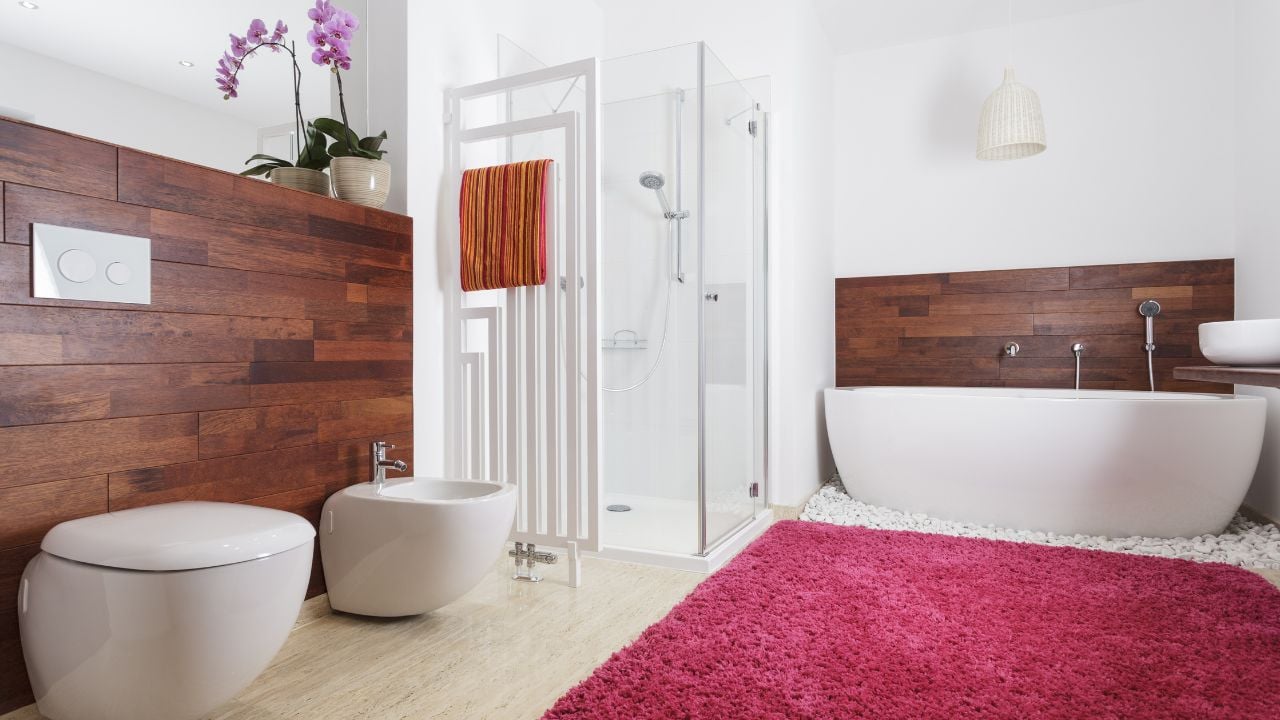
Bathrooms are one of the most dangerous places in the home because of water and tight spaces. Simple upgrades like walk-in showers, shower seats, and raised toilet seats reduce strain on the body. These changes make daily routines safer and more comfortable.
Easy-to-use fixtures also help a lot. Handheld shower heads and lever-style faucets are easier to control, especially for stiff hands. Adding non-slip mats and bright lighting finishes the job and helps prevent accidents during busy mornings or late-night trips.
4. Adjust the Kitchen for Easy Reach and Movement

The kitchen should feel helpful, not stressful. Reaching high shelves or bending too low can be hard as flexibility decreases. Lower shelves, pull-out drawers, and well-organized cabinets make cooking safer and more enjoyable.
Keeping everyday items within easy reach reduces the need for step stools, which can be risky. Good lighting over counters and clear floor space also helps with balance and visibility. Small changes like these support independence while keeping the heart of the home functional.
5. Furniture—Choose Comfort Over Style
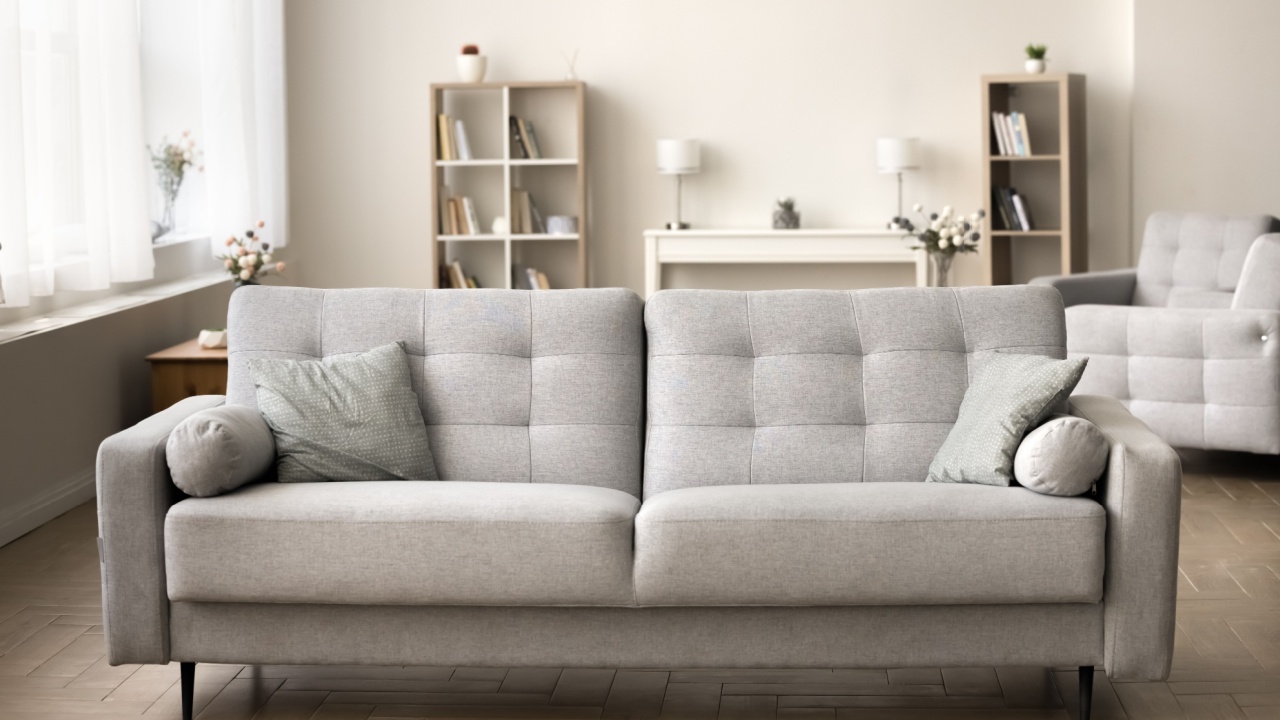
There was a time when a low, modern sofa looked great in the living room, but getting up from it slowly became a daily challenge. As people age, furniture that is too low, too soft, or unstable can make sitting and standing harder than it needs to be. Chairs without armrests or beds that sit close to the floor can increase strain on knees and raise the risk of losing balance.
Choosing comfort-first furniture helps make daily life safer and easier. Chairs with firm cushions, higher seat levels, and strong armrests provide better support. Keeping enough space between furniture pieces also creates clear walking paths, which lowers the chance of trips and makes moving around the home feel calm and stress-free.
6. Use Simple Smart Technology for Extra Safety

Technology can quietly support safety without getting in the way. Devices like medical alert buttons, fall-detection watches, and voice-controlled lights offer peace of mind. These tools are especially helpful for people who live alone or spend time in the garden or yard.
Smart lighting that turns on by voice or motion reduces the need to walk in the dark. Reminder systems can also help with daily routines like taking medicine. When chosen carefully, these tools feel helpful rather than confusing and add an extra layer of protection.
Growing Older, Living Safer
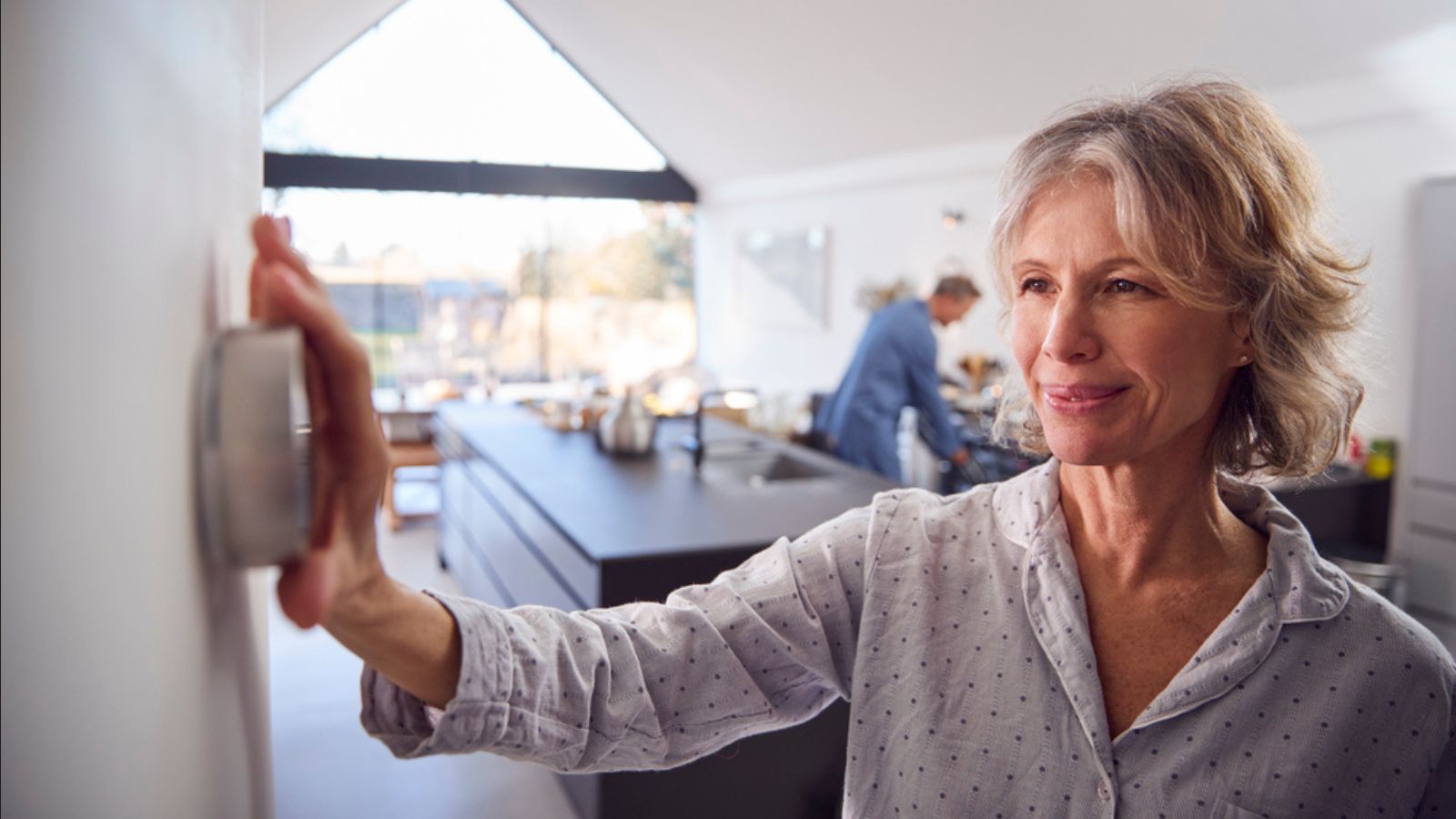
Making a home safer with age doesn’t mean giving up comfort, style, or independence. Small updates like better lighting, safer floors, supportive furniture, and easy-to-use spaces can make a big difference in everyday life. These changes help prevent falls, reduce stress, and make daily routines feel smoother and more confident. Start with simple fixes and plan bigger updates over time. A safer home grows with you, supporting comfort today and confidence for the years ahead.
Read more:
12 Strategies for a Safe, Nurturing Family Home
Keep Everyone Safe: 16 Things to Do Now at Home for Total Peace of Mind