
12 Strategies for a Safe, Nurturing Family Home
Designing a home that supports everyone inside isn’t just about paint colors or throw pillows. It is largely about the invisible threads tying the family together.
A supportive environment acts as a charging station for the human spirit, a place where the outside world’s noise gets turned down. This article explores 12 strategies that blend approaches to cultivate a truly supportive home (looking at both mental and physical well-being). You will learn practical ways to improve communication, foster emotional wellness, and create a calming atmosphere for everyone who lives there.
1. Establish Clear Communication

Open and honest dialogue is the foundation of a healthy home. When people feel heard and understood, trust deepens. This involves more than just talking; it requires creating a safe space for everyone to share their thoughts and feelings without fear of judgment. Practicing active listening, where you fully concentrate on what is being said, helps prevent misunderstandings and validates the speaker’s perspective. It shows respect and care.
It is easy to let days slip by where the only conversation involves logistics about dinner or laundry. Try setting aside ten minutes where logistics are banned. This deliberate pause allows family members to connect on a human level rather than just functioning as roommates who share a fridge. Ask open-ended questions that require more than a grunt for an answer. This habit keeps the lines open so that when bigger issues arise, talking feels natural rather than terrifying.
2. Implement Positive Discipline

Discipline is about teaching, not punishing. A positive approach focuses on guiding behavior respectfully. Using natural consequences, for example, allows children to learn from the direct results of their actions. If they forget their jacket, they will feel cold. This is a more effective lesson than an unrelated punishment. For younger children, redirecting their attention from a destructive activity to a constructive one can be a simple and effective method.
Yelling is exhausting for everyone involved. Instead of the classic timeout, which often leads to resentment, try a “time-in.” Sit with them while they calm down. It turns a moment of isolation into a moment of connection, teaching them how to handle big feelings rather than stuffing them away. Explaining the reasoning behind a rule helps, too. Kids are more likely to follow a limit when they understand it exists for safety or kindness, not just because an adult feels like being bossy.
3. Respond with Encouragement, Not Criticism

The way we respond to others, especially during moments of struggle, shapes their self-perception and resilience. Offering encouragement and positive feedback builds confidence. Instead of pointing out flaws, focus on recognizing effort and progress. A harsh tone or a dismissive comment can shut down communication and discourage future attempts. Reinforcing persistence helps cultivate a growth mindset, where challenges are seen as opportunities to learn.
It is easy to jump straight to correction when something goes wrong. However, constantly pointing out errors makes people feel like they are under a microscope. Try catching them doing something right. A simple acknowledgment of a completed chore or a kind word to a sibling can reinforce good behavior far better than a lecture ever could. People blossom under praise, whereas constant critique usually just makes them want to hide their mistakes.
4. Create Routines and Structure
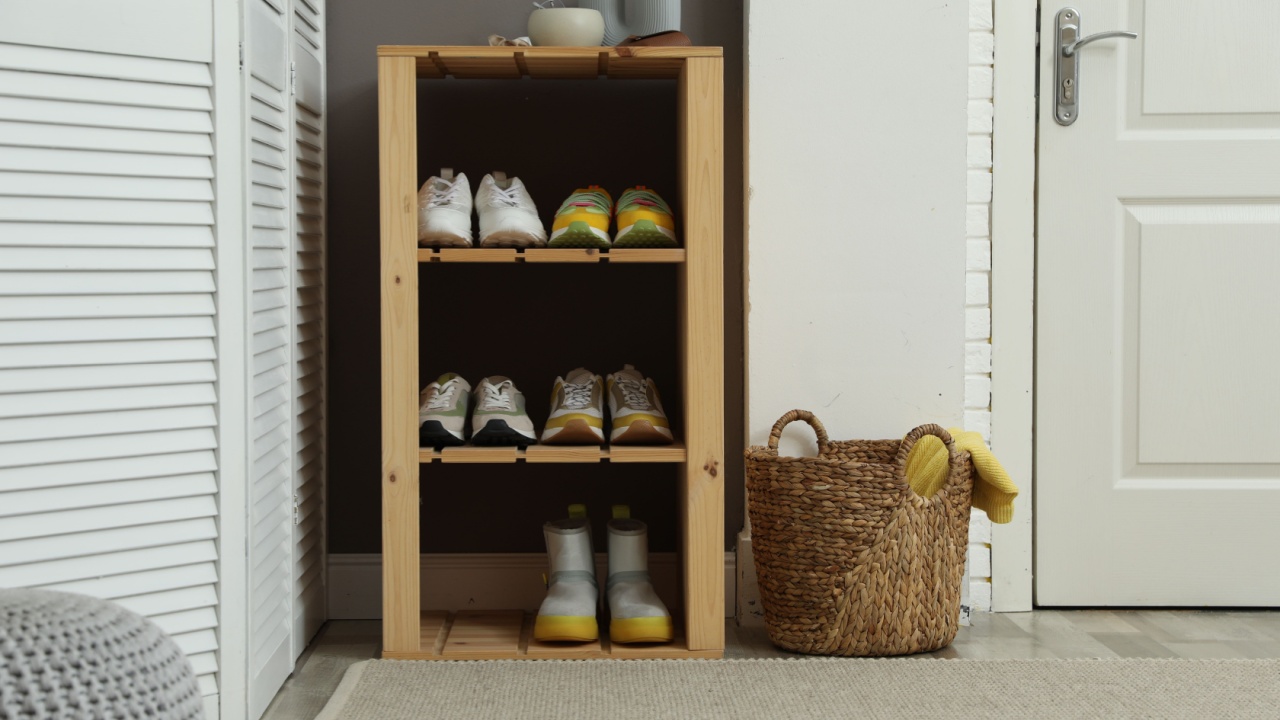
Predictability creates a sense of security for both adults and children. Having consistent routines for mornings, meals, and bedtime reduces daily stress and friction. When expectations are clear and followed consistently, there are fewer arguments and less confusion. This structure doesn’t need to be rigid, but a general flow to the day helps everyone know what to expect, promoting a calmer and more organized household.
Mornings often resemble a fire drill without a clear plan. When everyone knows that shoes go in the bin and backpacks live by the door, the panic subsides. This doesn’t mean you run a Sound-of-Music level a military camp; it is about removing the friction that causes snapping and frustration before the day has even started. Visual charts can help younger kids master these steps without constant nagging, sparing your voice and their patience.
5. Show Affection Daily

Physical touch and verbal affirmations are powerful ways to communicate love and security. Simple acts like hugs, holding hands, or saying “I love you” strengthen emotional bonds. It is important to show affection consistently, even during difficult moments. Demonstrating unconditional love, separate from correcting a behavior, reinforces that a person’s worth is not tied to their actions. This warmth helps build strong, secure attachments.
We often assume our family knows we love them, but assumptions are dangerous. Verbalizing it matters. A random text in the middle of the day or a squeeze on the shoulder while passing in the hallway acts like a small deposit in their emotional bank account. These gestures act as a buffer during conflicts, reminding everyone that the relationship is bigger than whatever argument is happening over the dishwasher.
6. Encourage Emotional Intelligence

Understanding and managing emotions is a critical life skill. You can encourage emotional intelligence by modeling healthy emotional regulation yourself. When you handle frustration or disappointment constructively, you provide a powerful example. Teaching children to name their feelings helps them articulate what they are experiencing. This practice also encourages empathy, as understanding one’s own emotions is the first step toward understanding the feelings of others.
Most of us were never taught how to handle our own anger or sadness, so teaching it can feel awkward. It helps to narrate your own experiences. Saying “I am frustrated because I burnt the toast” shows that negative emotions are normal and manageable, rather than scary monsters that need to be hidden. Books and movies are also great tools for this; discussing how a character felt helps kids build an emotional vocabulary without the pressure of it being about them.
7. Encourage Quality Family Time

Spending dedicated time together strengthens family bonds and creates lasting memories. Plan regular activities that everyone can enjoy, such as playing board games, going for a hike, or cooking a meal together. It is also valuable to spend one-on-one time with each person in the household. These individual moments build a unique connection and provide an opportunity for deeper conversations, reinforcing trust and making each person feel valued.
Quality time does not require tickets to a theme park or elaborate planning. It can happen on the living room floor with a deck of cards. The activity matters less than the attention. Putting down the phone and making eye contact during a conversation about their favorite video game shows them they are more interesting than your screen. These low-stakes hangouts are often where the best conversations happen.
8. Create a Calm Physical Environment

Our surroundings have a significant impact on our mood and stress levels. A cluttered and chaotic space can contribute to feelings of anxiety and being overwhelmed. Regularly decluttering your home can create a more peaceful atmosphere. Designating specific quiet areas, perhaps with comfortable seating or soft lighting, gives household members a place to retreat and relax. Reducing visual noise helps promote a sense of order and tranquility.
You don’t need a degree in interior design to make a space feel better. It is often about subtraction rather than addition. Clearing off the dining table so you can actually eat at it removes a visual reminder of unfinished tasks. A room with less visual noise allows the brain to rest. Even something as simple as keeping one corner of the living room tidy gives the eyes a place to land that doesn’t scream “clean me.”
9. Practice Gratitude and Mindfulness

Shifting focus toward the positive aspects of life can change the entire dynamic of a home. Making it a habit to share things you are grateful for as a family can cultivate a more optimistic outlook. Incorporating simple mindfulness practices, like deep breathing exercises or quiet reflection, can help everyone manage stress. These activities teach valuable skills for staying present and not getting carried away by negative thoughts.
Gratitude can feel cheesy, but it actually rewires the brain to scan for good news. It combats the natural tendency to focus on the one thing that went wrong. Sharing a “win” at dinner, no matter how tiny, shifts the collective mood from complaining to appreciating. Mindfulness can be as quick as taking three deep breaths together before leaving the house, hitting the reset button on everyone’s nervous system.
10. Build a Positive Internal Mindset

The language used within a home has a profound effect on self-esteem. Banning negative self-talk and derogatory labels helps create an environment where everyone feels respected. Limiting exposure to negative or toxic media can also protect the mental atmosphere of your home. Using positive affirmations can be a simple way to build confidence and encourage a more hopeful perspective.
The voice inside our heads is often our harshest critic. If you constantly call yourself an idiot for making mistakes, your kids will learn to do the same. Treating yourself with the same kindness you would offer a friend sets a powerful example of self-respect. Encourage family members to rephrase “I can’t do this” to “I am still learning how to do this.” It sounds small, but language shapes reality.
11. Model the Behavior You Want

Actions often speak louder than words. The most effective way to teach respect, kindness, and resilience is to demonstrate these qualities in your own behavior. How you talk about yourself and others sets the standard. When you model a positive and respectful attitude, you create a powerful blueprint for others to follow. Children, in particular, imitate the behaviors they see and hear from the adults around them.
Children are excellent mimics, which is both adorable and terrifying. They will copy your tone of voice and your coping mechanisms. If you slam doors when you are mad, do not be surprised when they do too. Adjusting your own behavior is often the fastest way to change theirs. It forces you to be the person you want them to become, which is the hardest and most rewarding part of the job.
12. Make Kids Feel Special Every Day

Consistently reinforcing a person’s importance is crucial for a supportive environment. This can be achieved through small, everyday actions. Spending distraction-free time together, even for a few minutes, sends a strong message that they are a priority. Offering individual moments, like a short walk or a quiet chat, shows you are invested in their life. These acts reinforce that they are seen, heard, and matter deeply.
Everyone wants to feel like they matter. Listening to a rambling story without interrupting or asking follow-up questions proves you are interested in their world. These small investments of attention build a foundation of self-worth that protects them when they face rejection outside the house. Leave a sticky note on a mirror or make their favorite snack on a Tuesday. It takes almost zero effort but yields massive returns in connection.
Building Support Starts with Small Wins

A supportive home doesn’t sprout overnight. Take a walk through your space and notice how people interact; are shoes piled at the door sparking sibling showdowns, or is the dinner table doubling as a fortress of solitude? Use what you observe as a springboard. Maybe a family check-in around leftovers feels right, or a plush corner for decompressing after a wild day could shift the energy. Make time for honest chats, carve out corners for calm, and let affection be as regular as paydays. The best measure of a home’s support is in the way people relax, share goofy inside jokes, or recover from rough patches together.