4 Statistics That Prove We Spend Way Too Much Time Indoors
We spend an outrageous amount of time staring at drywall. It is a strange reality that we, as a species designed to roam savannahs and forage for berries, have largely decided that cushioned squares and temperature-controlled boxes are where it’s at. You probably suspect you spend too much time inside, usually while scrolling through photos of other people hiking on a device that keeps you tethered to the couch. But the actual numbers are staggering, bordering on ridiculous.
This article dives into four specific statistics that illustrate exactly how disconnected we have become from the natural world. You will learn just how overwhelmingly indoor-centric modern life is, how it affects health, and how to reclaim a bit of that outside magic without needing to become a wilderness survivalist.
1. We Spend Over 90% Of Our Lives Inside

This number sounds fake. If you told someone you spent 93% of your budget on artisanal cheese, they would stage an intervention. Yet, according to the Environmental Protection Agency (EPA), the average American spends over 90% of their life indoors. That leaves a measly 7% for everything else, walking to the mailbox, mowing the lawn, or actually enjoying nature.
When you break down a 24-hour day, that means we only spend about 100 minutes outside, and much of that time is functional, like walking from a parking lot to a grocery store. The impact here is profound. Our bodies rely on natural light to regulate circadian rhythms. Being inside all day confuses biological clocks, leading to poor sleep and lower energy levels. It turns out that hiding from the sun like vampires is terrible for maintaining a healthy sleep schedule.
2. Indoor Air is Five Times More Polluted Than Outside
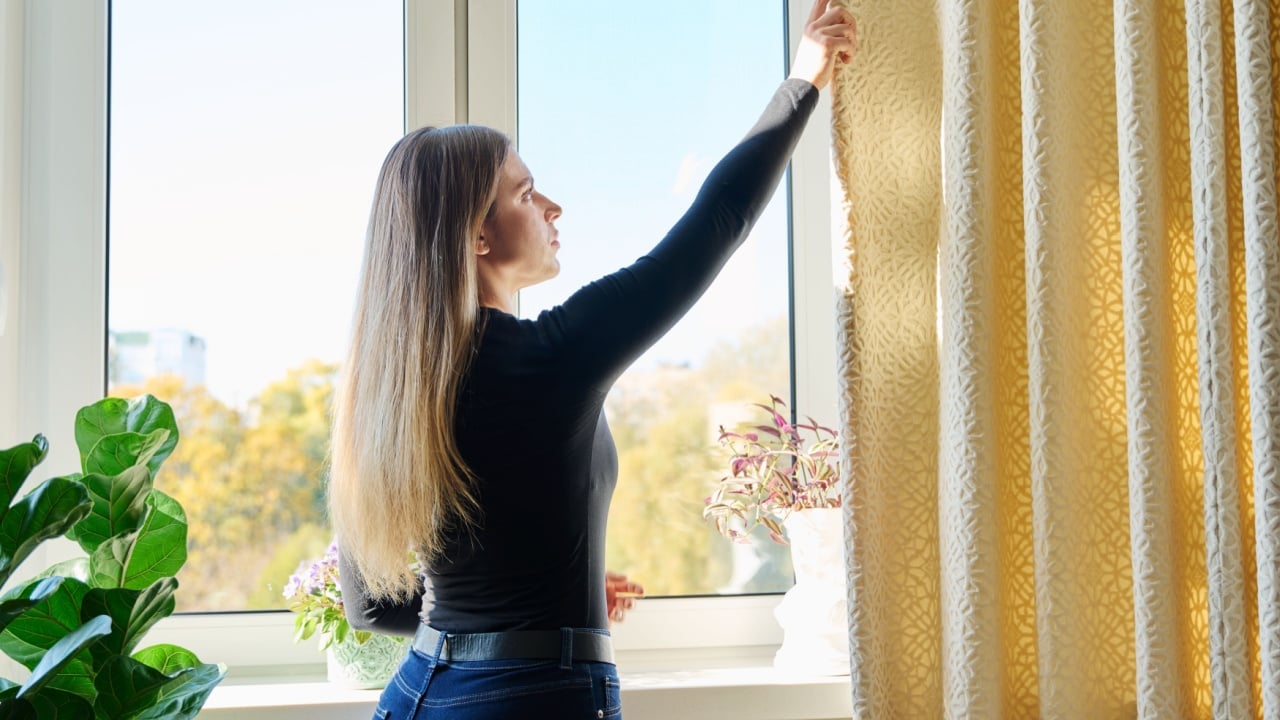
Most people assume that shutting the windows keeps the bad stuff out. In reality, you are often trapping the bad stuff in. According to the American Lung Association, indoor air pollutants can be two to five times higher than outdoor levels. In some extreme cases, indoor air is 100 times worse.
Our homes are filled with things that off-gas invisible chemicals. Furniture, cleaning products, paint, and even cooking fumes contribute to a cocktail of pollutants that just sit there, stagnating. Modern homes are built to be airtight for energy efficiency, which is great for the heating bill but terrible for fresh air circulation. Breathing this concentrated soup of dust mites, pet dander, and volatile organic compounds (VOCs) puts a strain on respiratory systems.
3. Children Today Spend 50% Less Time Outdoors

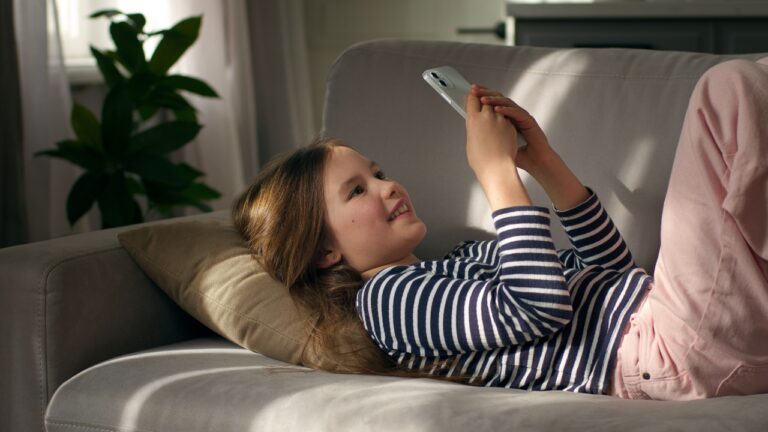
If you remember being kicked out of the house after breakfast and told not to come back until the streetlights came on, you are part of a shrinking demographic. Research indicates that today’s children spend 50% less time outdoors than the previous generation. Screens are the obvious culprit, offering high-dopamine entertainment without the risk of scraped knees or boredom.
However, the shift is also cultural. Scheduled activities, homework loads, and parental anxiety about safety have all conspired to keep kids under a roof. This lack of unstructured outdoor play has consequences. Being outside encourages creativity, risk assessment, and physical resilience. When kids interact with the chaotic, unscripted environment of a backyard or park, they learn things a tablet cannot teach. Losing that exposure stunts the development of motor skills and imagination.
4. We Spend About 6% of Our Time in Our Cars

This is perhaps the saddest statistic of the bunch. We spend roughly 6% of our time in automobiles, compared to 7% outdoors (and remember, some of that “outdoor” time is just walking to the car). For many commuters, the car seat gets more action than the patio furniture.
The vehicle has become a mobile living room, a bubble that transports us from one climate-controlled box to another. While cars are necessary for modern life, they reinforce a sedentary lifestyle. Sitting in traffic spikes cortisol levels and creates stress, whereas walking outside lowers blood pressure. Prioritizing windshield time over nature time denies the brain the reset it needs.
How To Break The Indoor Cycle
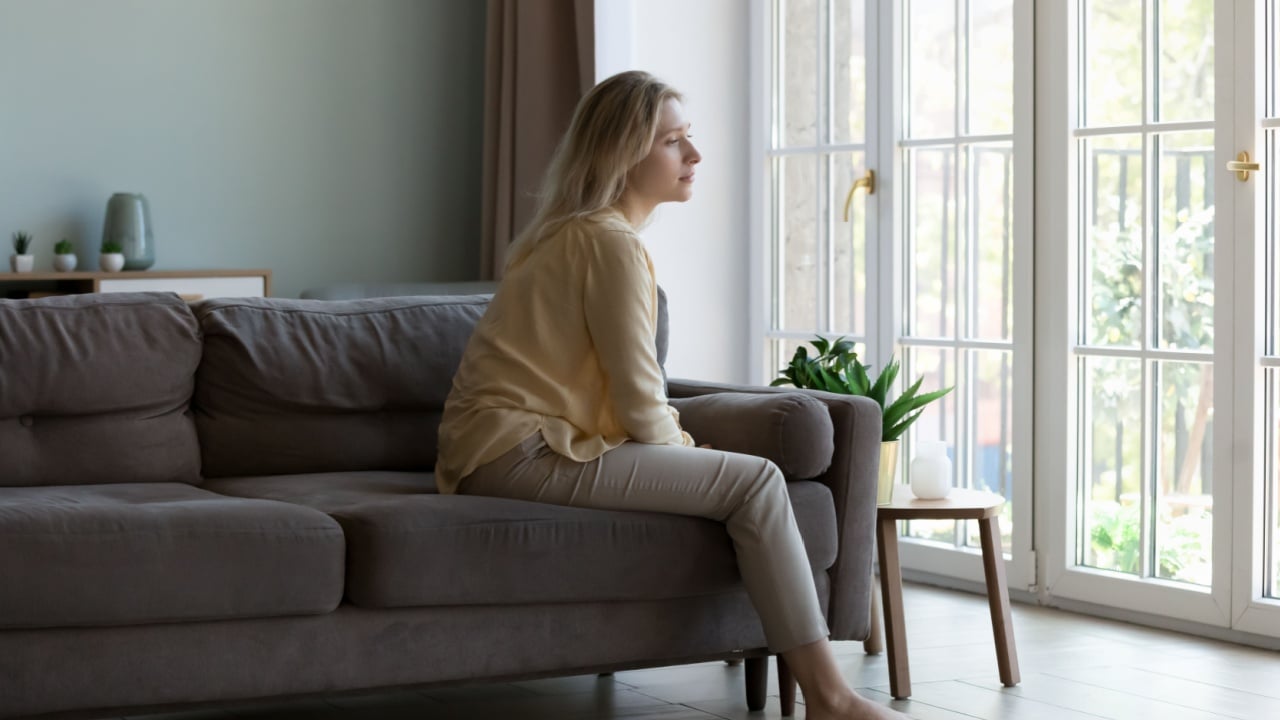
Knowing these stats might make you want to throw your smartphone into a river and live in a yurt, but drastic measures rarely work for long. Instead, even small changes can tip the scales in favor of fresh air and sunshine. Try having a meal outside, even if it’s just breakfast on the porch or a sandwich on a bench; that simple switch can add a little nature to your daily routine.
Make your outdoor space more appealing with a comfortable chair or hammock, anything that tempts you to linger under the sky. If you’re tied up with calls, use that time to walk around the yard or stroll the block. And when leaving the house isn’t an option, open a window and let some outside air in. We are biologically wired to crave the outdoors; sitting indoors for too long and not exercising is not just bad for our health, they are among the things speeding up the aging process.
Read more:
Want an Indoor Tea Garden? Start with These 6 Steps
7 Fun Indoor Family Activities for Slow Days and Bad Weather