15 Everyday Items Leaching Microplastics Into Human Bodies
Do you know that many seemingly harmless everyday items could secretly be leaching microplastics into your system? These products can cause tiny plastic particles to enter your body through your skin, diet, drinking water, or even the air you breathe in.
Microplastics are tiny particles that form when larger plastics break down. They are linked to health issues like heart attacks, fertility problems, and cancer. Recent studies even suggest they could lower sperm count.
So, to help you reduce exposure to these harmful particles, here are 15 daily items to watch out for that can harm your health and well-being. On the bright side, many of these can be swapped out with plastic-free alternatives.
1. Tea Bags

Many tea bags contain unsustainable polypropylene plastic. Even paper tea bags may use plastic in the sealant, making them non-biodegradable and contributing to microplastic pollution. A 2023 study found that hot water can release millions of microplastics from tea bags, with a single cup of tea containing up to 3.1 billion nanoplastics.
Loose tea leaves are becoming popular again. Sustainable alternatives, such as cast-iron teapots, metal strainers, or cotton and organic linen tea bags, are better choices if you’re worried about accidentally brewing up a cocktail of plastic.
2. Bottled Water

Water packaged in convenient plastic bottles is full of plastic particles. A new study has suggested that a liter of bottled water contains about 240,000 pieces of microplastics and nanoplastics.
Experts recommend switching to glass, aluminum, or stainless steel water containers to reduce exposure to ingesting plastic. They also recommend using filters to remove contaminants from tap water as an extra layer of security.
3. Paper Cups

Paper cups are often thought to be eco-friendly, but they also contribute to plastic pollution and accidental ingestion. They are coated with up to 10% high-density polyethylene (HDPE) to prevent leaks, making recycling difficult since the plastic needs to be separated from the paper.
Using paper cups for hot drinks can also release chemicals like fluoride, chloride, sulfate, and nitrate, according to a 2021 study. When you can, it’s better to choose a reusable glass or stainless steel cup to help reduce exposure to microplastics.
4. Plastic Ice Cube Trays
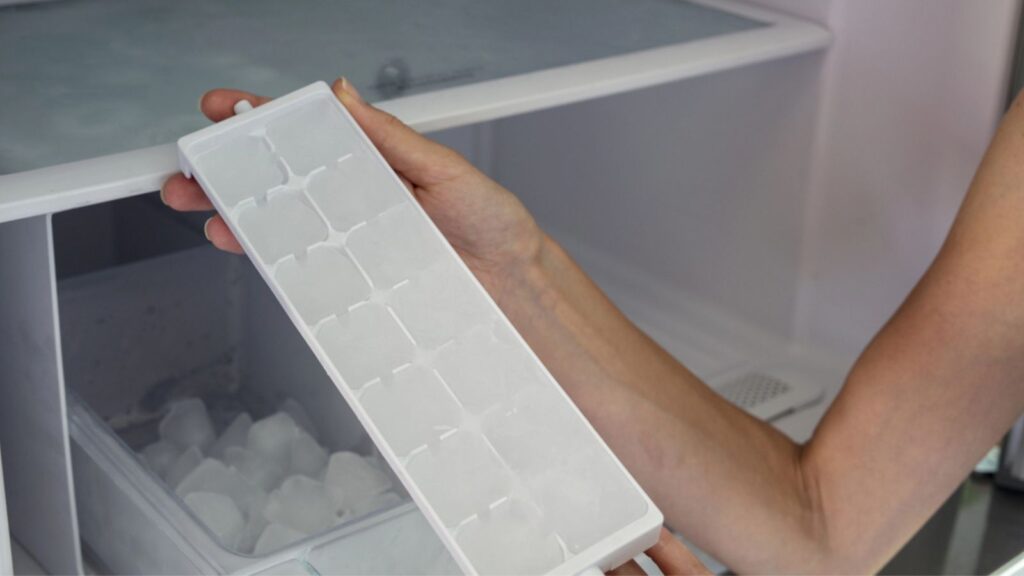
Plastic ice cube trays, like bottled water, again cause microplastic contamination in your system. This is because freezing could also cause microplastics to seep into the water, similar to heated plastics.
Stainless steel ice cube trays are a more sustainable option, gaining popularity for freezing faster and offering a plastic-free option. Silicone ice cube trays are also considered a healthier and more eco-friendly ice-making alternative as well.
5. Cutting Boards
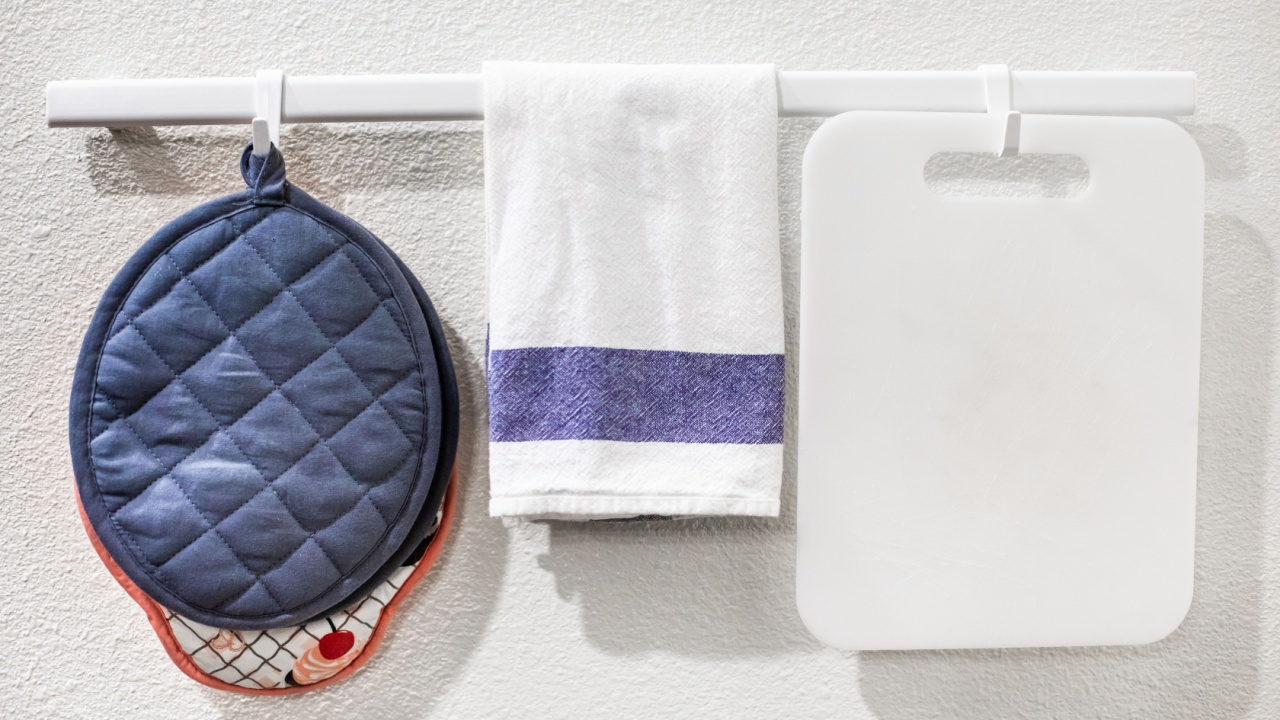
Research has revealed that chopping boards could expose humans to up to 79.4 million polypropylene microplastics yearly. This is because plastic boards may increase the transfer of microplastics to food.
Tempered glass or wooden cutting boards offer a low-cost, easy-to-clean, usually microplastic-free alternative. Some brands also make plastic-free chopping boards from durable paper fibers.
6. Microwavable Food Containers
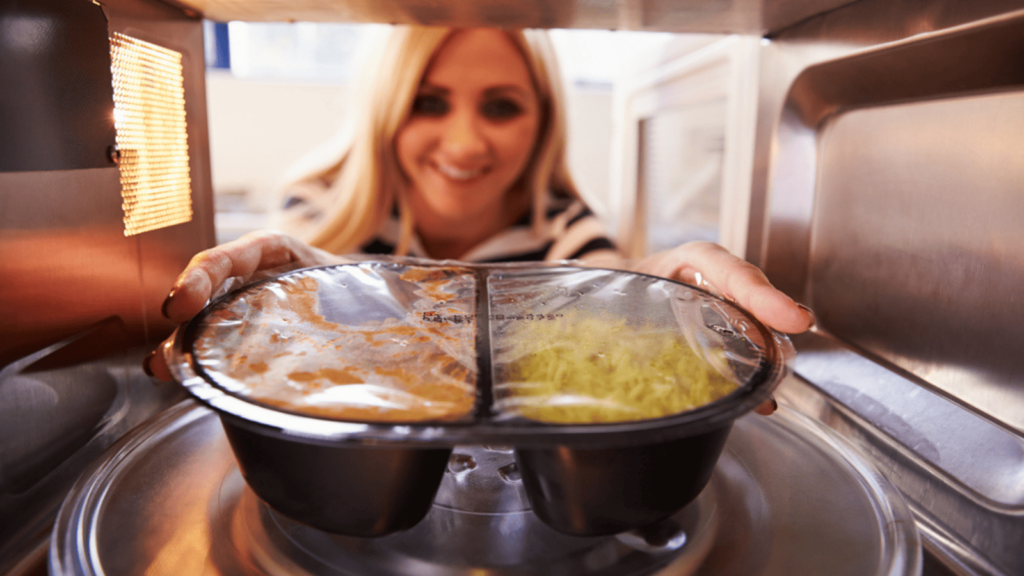
Microwave plastic containers are used for storing, cooking, and heating food. Researchers have found the presence of microplastics in these containers in shockingly high amounts. If you eat premade frozen food daily, you could ingest up to 150 million microplastic particles yearly.
Instead of plastic food containers, maybe opt for meal prepping with fresh ingredients and storing each portion in safer options such as glass, ceramic, or silicone containers.
7. Synthetic Makeup

A recent study indicated that 87% of the 7,000 beauty products analyzed contained microplastics. These microplastics can be harmful to your skin, causing inflammation that disturbs your skin’s natural balance. Some progress has been made in the clean beauty world, but many cosmetics still contain harmful microplastic ingredients.
To reduce your skin’s exposure to microplastics through cosmetics, you should choose products with natural ingredients like plant extracts and plastic-free packaging. You should also support brands that provide glass refill programs.
8. Polyester Clothing

Nearly 33% of dust in a typical home consists of microplastics from textiles. Synthetic clothing made from polyester, polyamide, and nylon can shed fibers, leaving bits of themselves lodged in the air, your skin, and even water sources. Polyester is classified as a “primary microplastic” because it sheds microfibers quickly when worn, touched, or washed.
Wear natural fiber clothing from cotton or hemp to reduce microplastics in your home and laundry. Regular vacuuming and mopping can also help decrease microplastics indoors.
9. Chewing Gum

Chewing gum is not edible. It contains polyethylene, a plastic also used in plastic bottles. Research shows that chewing gum is related to exposure to microplastics. After being chewed and thrown away, it remains in the environment forever.
To avoid this exposure, it’s best to switch to plant-based gum in biodegradable packaging. Many brands manufacture and market this type of gum due to concerns about microplastics in traditional chewing gum.
10. Bottles
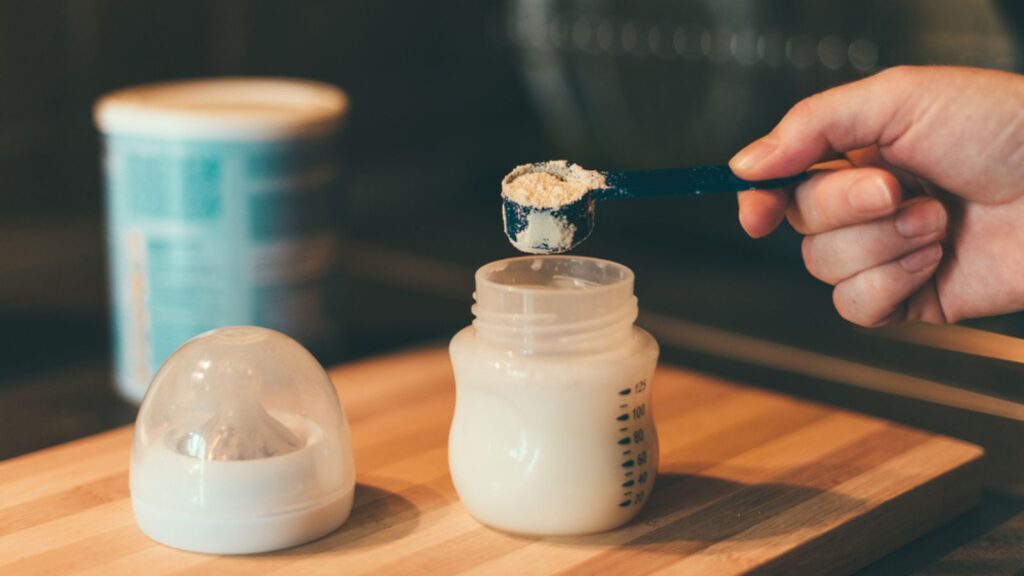
A fairly recent study found that bottle-fed babies consume millions of microplastics each day, raising concerns about how many of those are coming from the plastic bottles themselves. When the bottle is heated up to mix the formula, it potentially sheds microplastics that the baby will eventually consume.
To avoid this, mix up heated water and formula in a non-plastic container before transferring it to the plastic bottle. Since few alternatives exist as of now, it is best to dispose of and recycle bottles that show visible wear and meticulously wash all the others.
11. Tampons or Sanitary Napkins
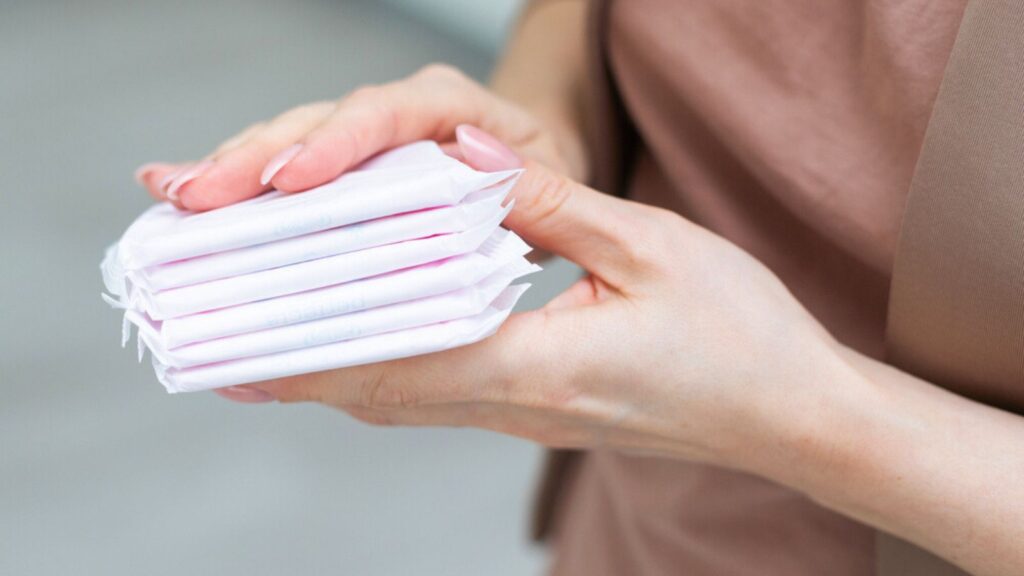
The absorbent core of menstrual pads contains superabsorbent polymers similar to those found in diapers. The leak-proof backing is also made of plastic film, and tampon applicators are also usually made of plastic.
All of this being said, it’s better safe than sorry to choose plastic-free menstrual products. Quite a few eco brands now offer menstrual products made of organic and biodegradable materials, allowing you to choose what you’re putting in your body on a monthly basis.
12. Toothpaste
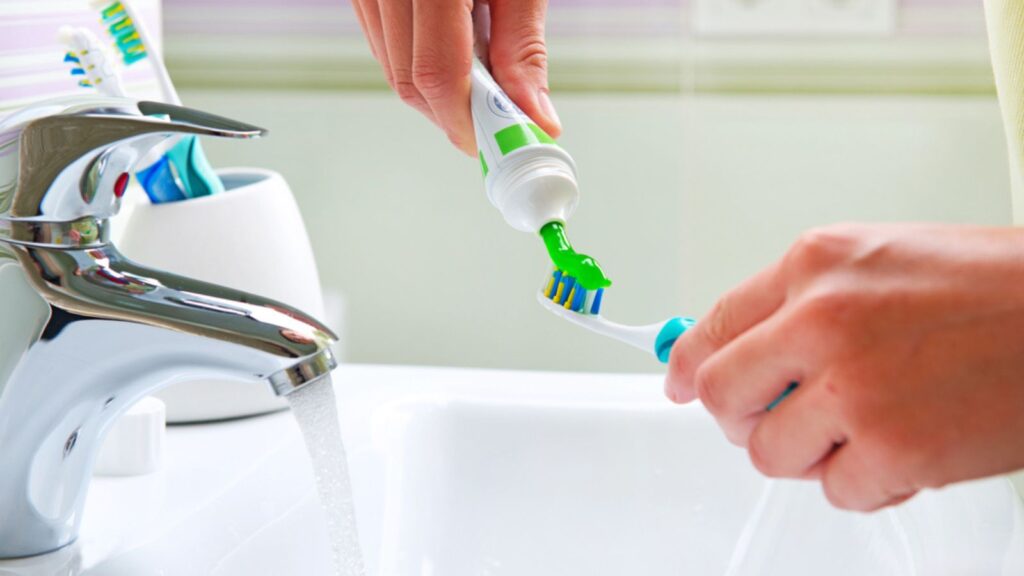
Many manufacturers add tiny plastic beads for exfoliation or plastics as thickeners, and the tubes they’re stored in are also made of non-recyclable plastic. Using toothpaste with small plastic beads (microbeads) for a long time can irritate your gums. These beads can also accidentally get into your body every day, which could harm your health.
You can find plastic-free toothpaste options. Also, check the ingredients for terms that start with “Poly, ” meaning that the product probably contains some form of plastic.
13. Sponges

Melamine sponges are great for removing tough stains, but when worn down, they release microplastics into your water onto your dishware. Scientists estimate that billions of these microplastics are released every month worldwide.
Nowadays, eco-friendly alternatives to traditional sponges are available, such as sponges made from natural materials like cellulose or coconut coir, which are more sustainable because they break down more efficiently and have a smaller environmental footprint. Better yet, many of these options are even compostable.
14. Aluminum Cans
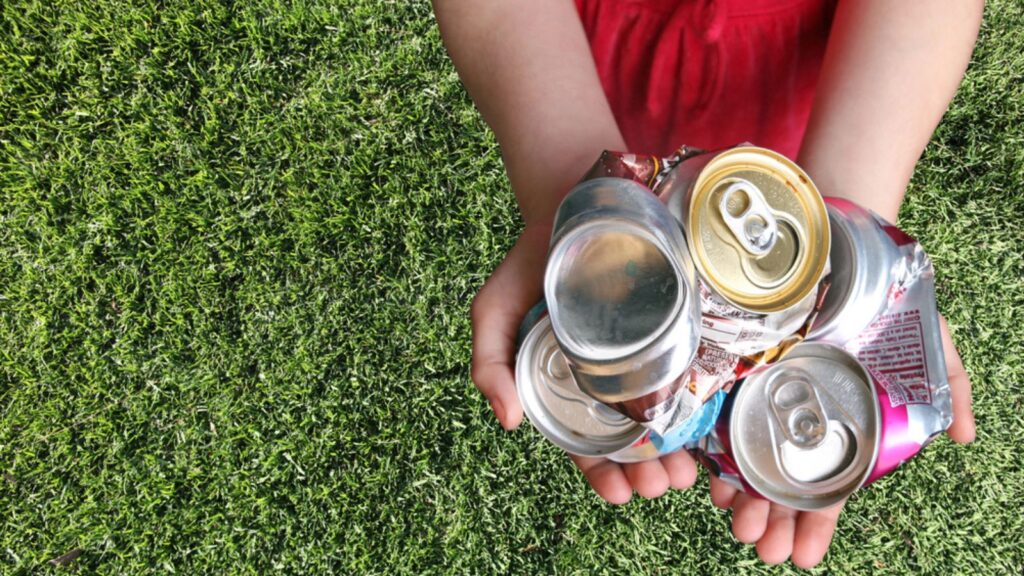
Aluminum cans have a layer of plastic inside that prevents the metal from reacting with the beverage and helps extend shelf life. Although they may be recyclable, they do contain plastics, which are linked to all the health problems we’ve previously discussed.
There are currently no aluminum cans without plastic linings. So, it’s best to choose glass containers when available, especially since aluminum still has a high environmental impact.
15. Non-Stick Pots and Pans
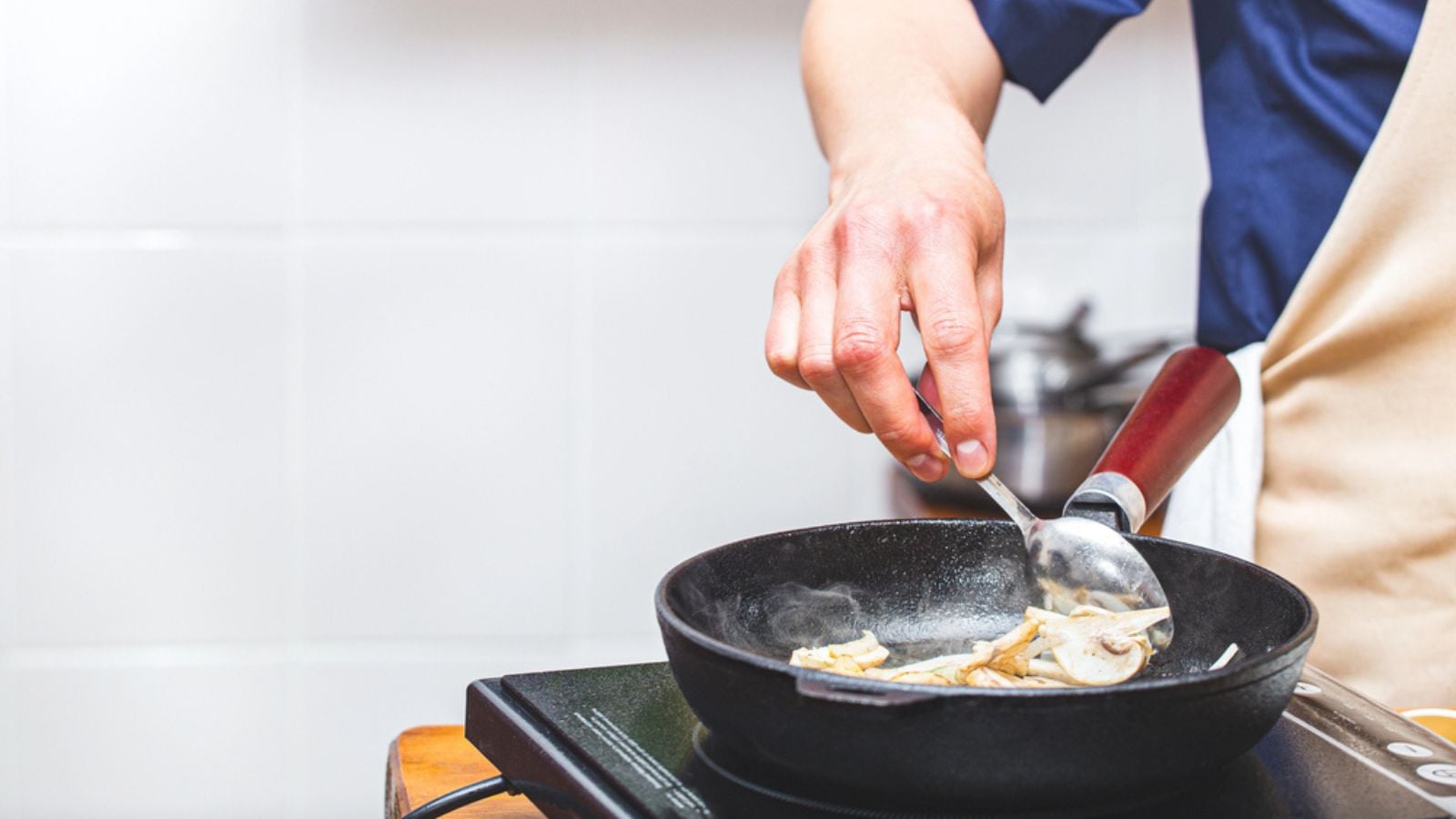
Non-stick pots and pans are coated with synthetic materials. Teflon and other non-stick coatings contain a synthetic polymer called Polytetrafluoroethylene (PTFE), which can seep into your food as it’s heated up.
Instead of synthetic non-stick pans, consider using a cast-iron pan or stainless steel. They might be more expensive than cheap non-stick options, but they are both durable options that will last you decades.