
14 Safety Essentials Every Home Needs in 2026
When it comes to home safety, a little preparation goes a long way. Disasters and accidents don’t give notice, but having the right safety gear on hand can protect your household and turn a potential crisis into a manageable event.
A well-stocked home is a secure home, offering peace of mind when you need it most. Research from emergency management agencies consistently shows that basic preparedness significantly reduces injuries and property damage.
That’s why we’ve compiled this list of essential items. Each product has been selected based on expert recommendations and real-world testing, so you can trust you’re getting reliable gear.
From fire safety to first aid, these fourteen essentials will help you build a safer environment for you and your loved ones.
1. Multi-Purpose Fire Extinguisher
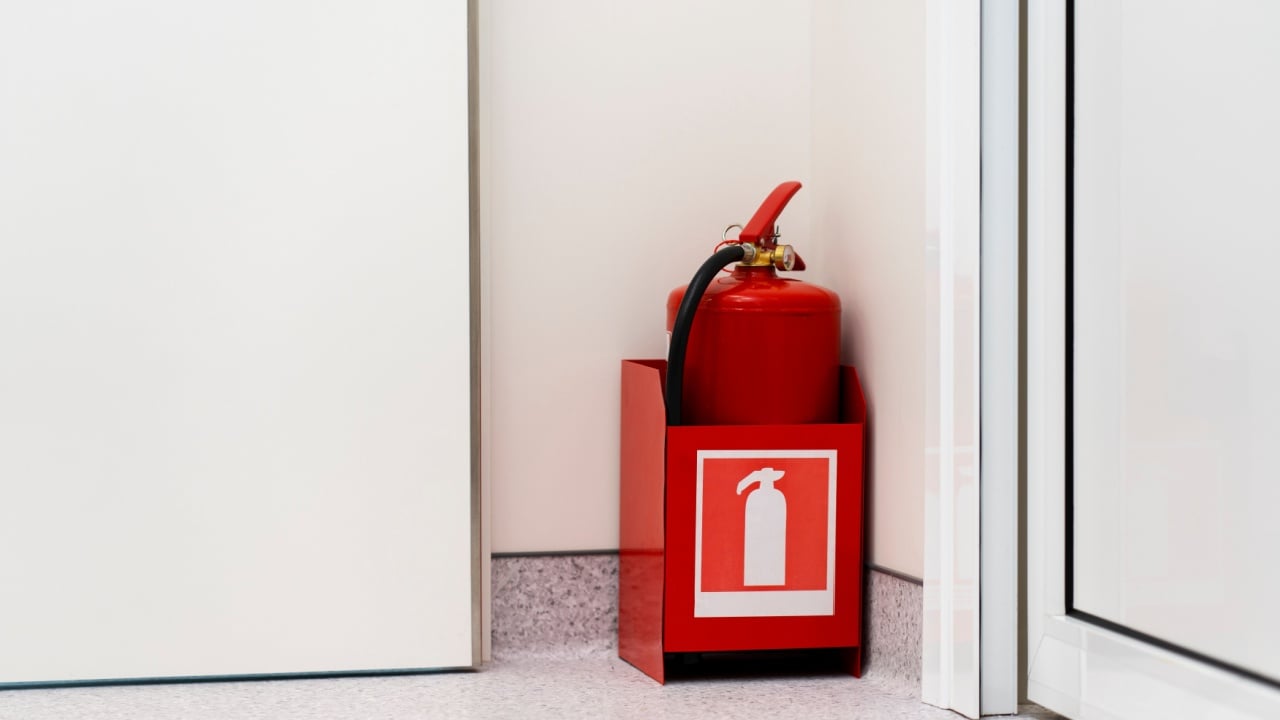
According to the National Fire Protection Association, having a portable fire extinguisher can stop small fires before they get out of control. A multi-purpose “ABC” extinguisher is your best bet for home use, as it works on most common types of fires, including those from wood, flammable liquids, and electrical equipment.
These extinguishers use dry chemicals to put out flames. It’s a good idea to keep one in the kitchen and another in the garage for quick access. Mounting them on the wall keeps them easy to see and safely away from children.
Remember to check the pressure gauge each month to make sure it’s in the green area. If you use the extinguisher or it expires, replace or recharge it right away.
2. Photoelectric Smoke Detectors
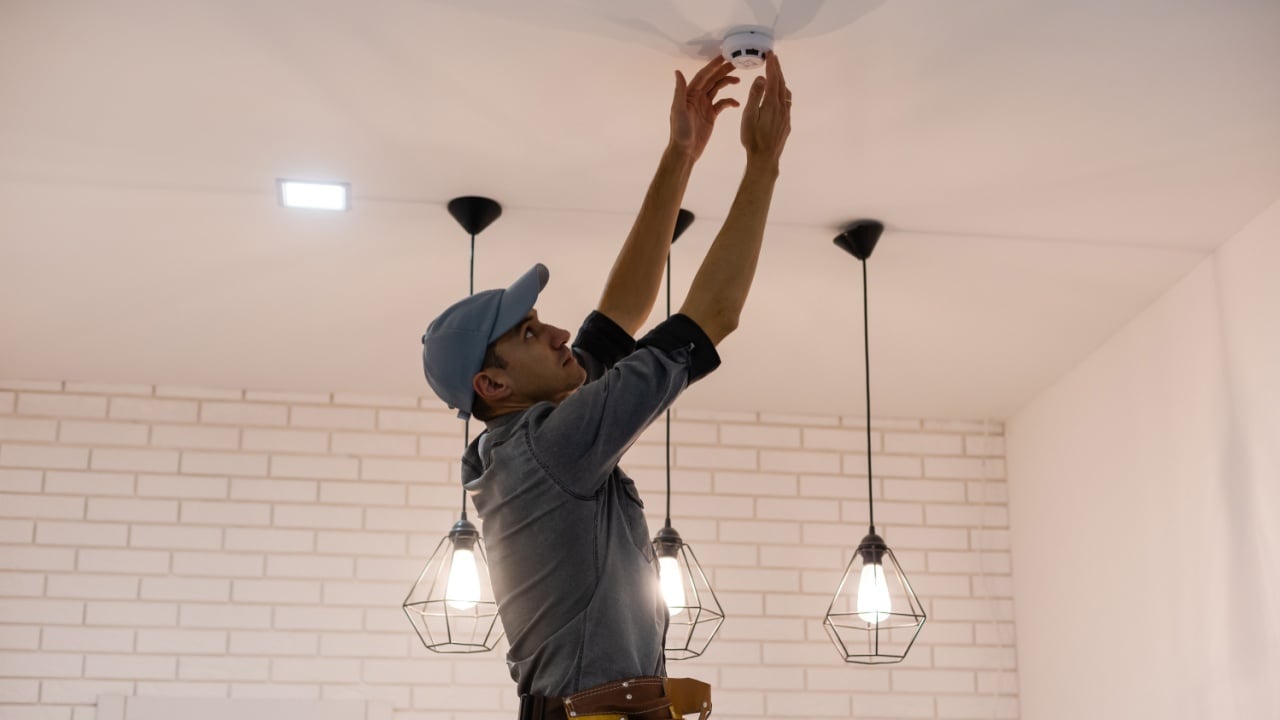
Photoelectric smoke detectors are better at detecting slow-burning, smoky fires compared to older ionization alarms. Since many modern materials create a lot of smoke before there are flames, this early warning is key. For the best protection, use hardwired alarms that also have battery backups.
These detectors spot large smoke particles and set off a loud alarm, which is essential for waking people up. You should install one in every bedroom and in the hallways outside. You can even get smart detectors that send an alert to your phone.
Make sure to test your alarms every month with the test button. Change the batteries once a year, and replace the whole detector every 10 years.
3. Carbon Monoxide Alarms

Carbon monoxide is an invisible and odorless gas produced by fuel-burning appliances. Health agencies recommend installing dedicated detectors to monitor air quality continuously. These devices prevent accidental poisoning by sounding an alarm long before the gas reaches dangerous levels.
The sensors measure the accumulation of carbon monoxide over specific time periods. Placing one on every level of the home provides comprehensive coverage. They should be located near sleeping areas to wake residents if a leak occurs at night.
Vacuum the vents of the alarm periodically to remove dust that might block the sensor. Replace the units according to the date printed on the back of the device.
4. Comprehensive First Aid Kit
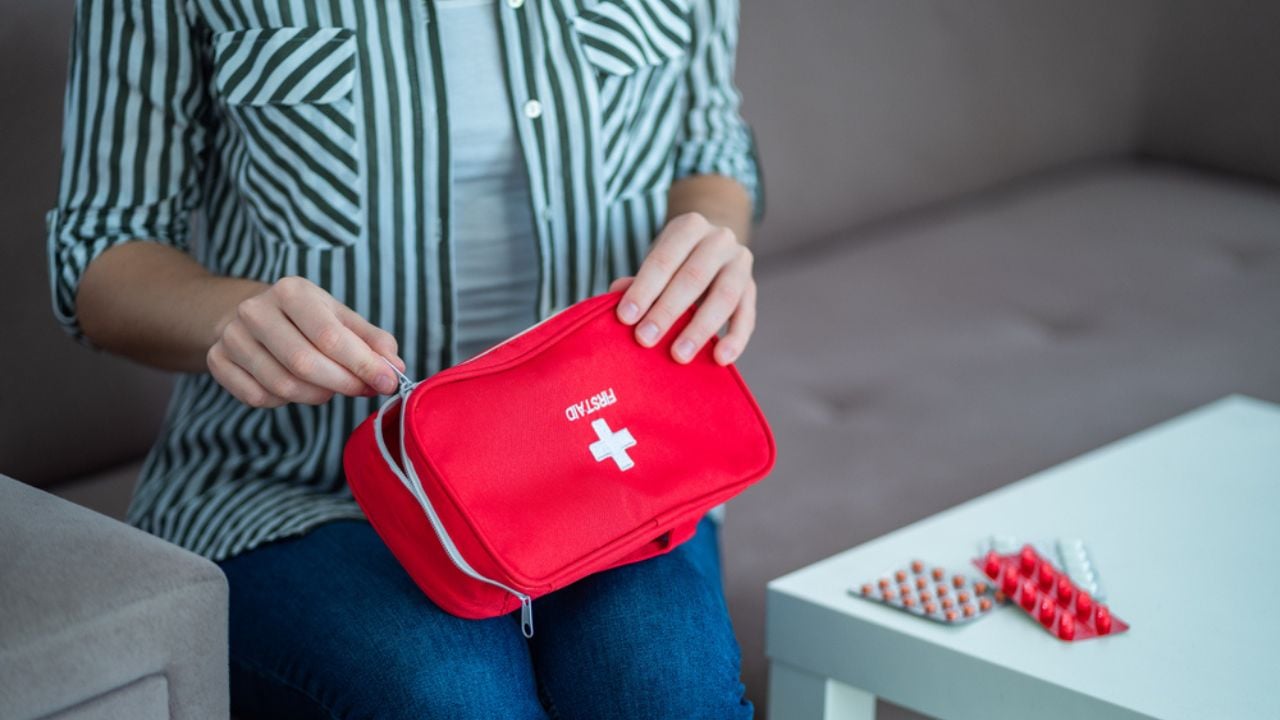
Keeping a well-organized trauma kit at home helps treat minor injuries immediately. Pre-packaged kits often contain low-quality items, so building or upgrading a kit provides better medical supplies. A proper kit includes various bandages, antiseptic wipes, medical tape, and trauma shears.
This kit addresses cuts, burns, and minor sprains without requiring an immediate trip to the pharmacy. Storing it in a central location like a hallway closet makes it easily accessible to everyone. The container should be waterproof and brightly colored for easy identification.
Review the contents of the kit twice a year to replace expired ointments and restock used bandages. Add personal medications and extra prescription copies to customize the kit for specific family needs.
5. High-Lumen LED Flashlights
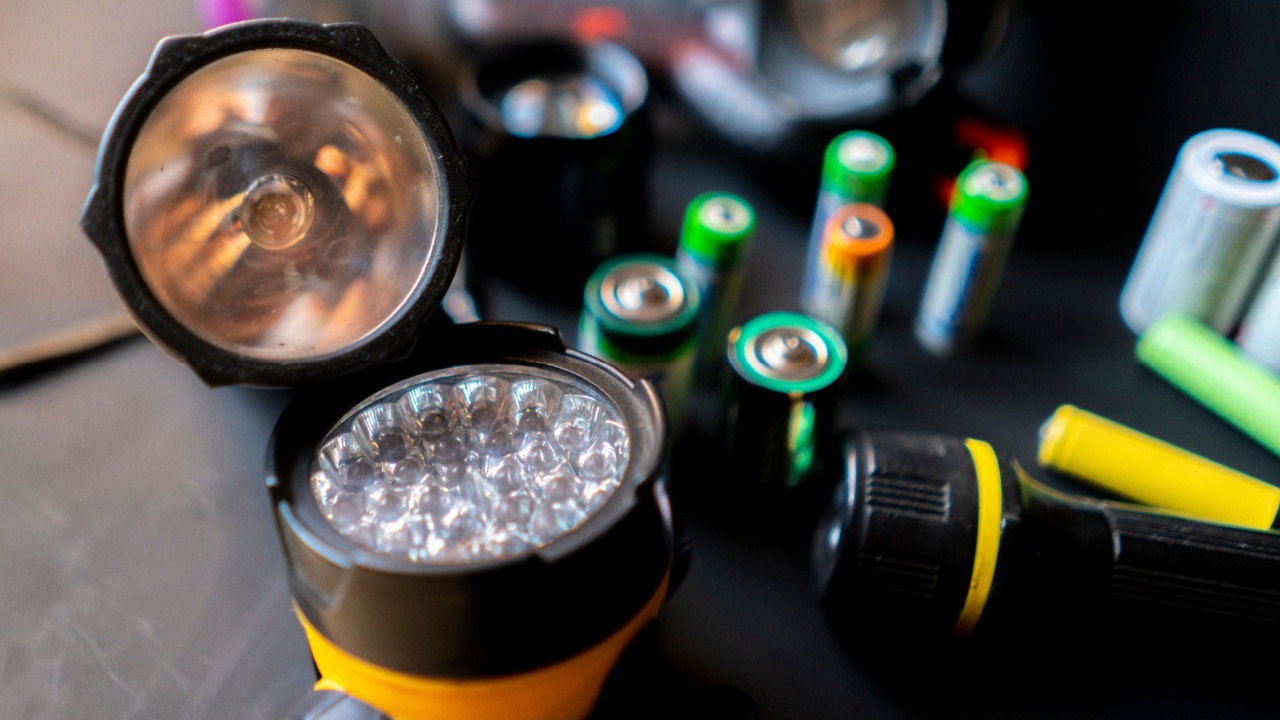
Emergency responders rely on high-lumen LED flashlights because they provide superior illumination and longer battery life than traditional bulbs. Keeping a heavy-duty flashlight in the home prevents accidents during sudden power failures. Modern LED technology creates a bright beam capable of lighting up an entire room.
These flashlights use either standard alkaline batteries or rechargeable lithium-ion cells. Placing one in the bedroom and another in the kitchen covers the most frequented areas of the house. Models with an adjustable focus allow users to switch between a wide floodlight and a narrow spotlight.
Store extra batteries next to the flashlight in a waterproof container. Check the battery compartment every few months to prevent acid leaks from ruining the device.
6. Emergency Weather Radio
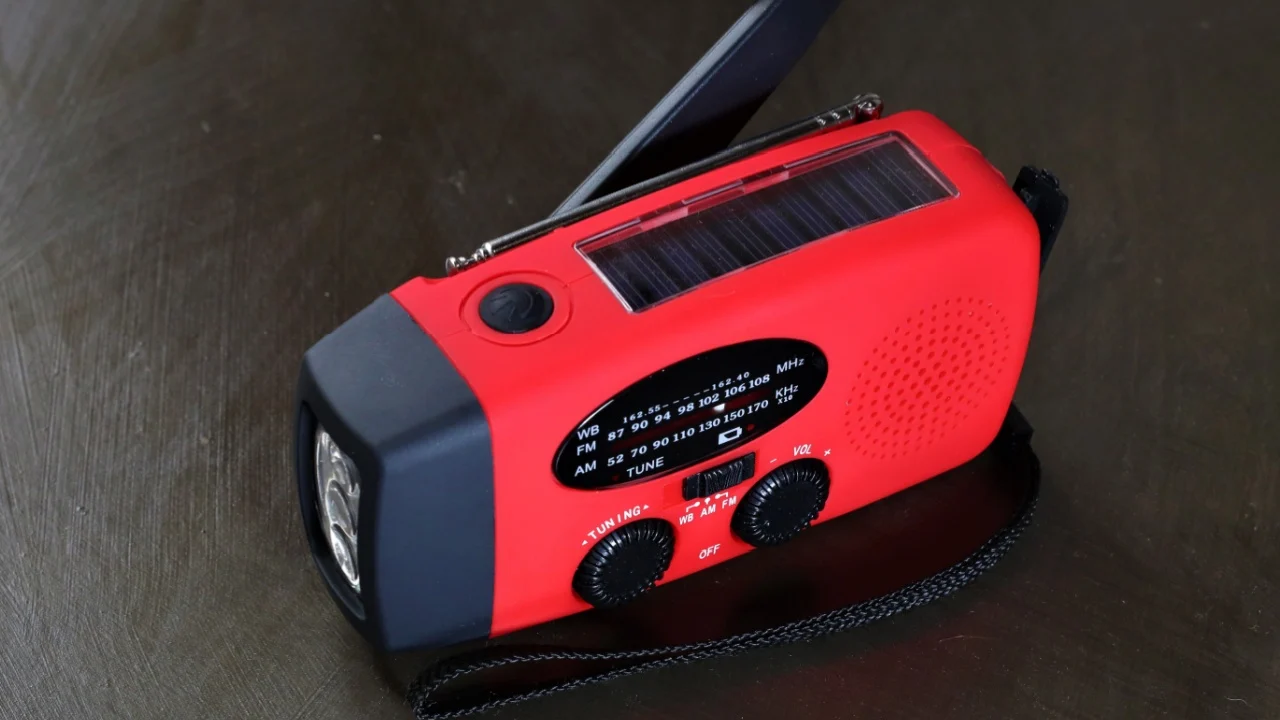
Standard radios can’t pick up the special frequencies used by the National Weather Service for continuous weather updates. An emergency radio, often with a hand crank, ensures you get these updates even if the power is out. These devices provide critical alerts for tornadoes, hurricanes, and severe storms.
Most emergency radios have several power sources, like solar panels, internal batteries, and hand cranks. They usually include a flashlight and a USB port to charge your phone. Keep the radio on a nightstand or kitchen counter so it’s easy to grab.
Set the radio to your local weather channel and learn how the alerts work. Try using the hand crank so you know how much effort it takes to charge the battery.
7. Fire Escape Ladders

Fire safety experts recommend having an alternative exit strategy for second and third-story bedrooms. A portable fire escape ladder provides a safe route to the ground when the main stairways are blocked by smoke. These ladders compact down for easy storage under a bed or inside a closet.
The design features slip-resistant rungs and heavy-duty hooks that attach securely to a window sill. They deploy quickly by tossing the rungs out the window. Standard models support up to a thousand pounds, allowing multiple people to descend safely.
Review the deployment instructions with all family members to guarantee everyone knows how to attach the hooks. Practice opening the window and lifting the ladder into position without actually climbing down.
8. Water Purification Pitcher
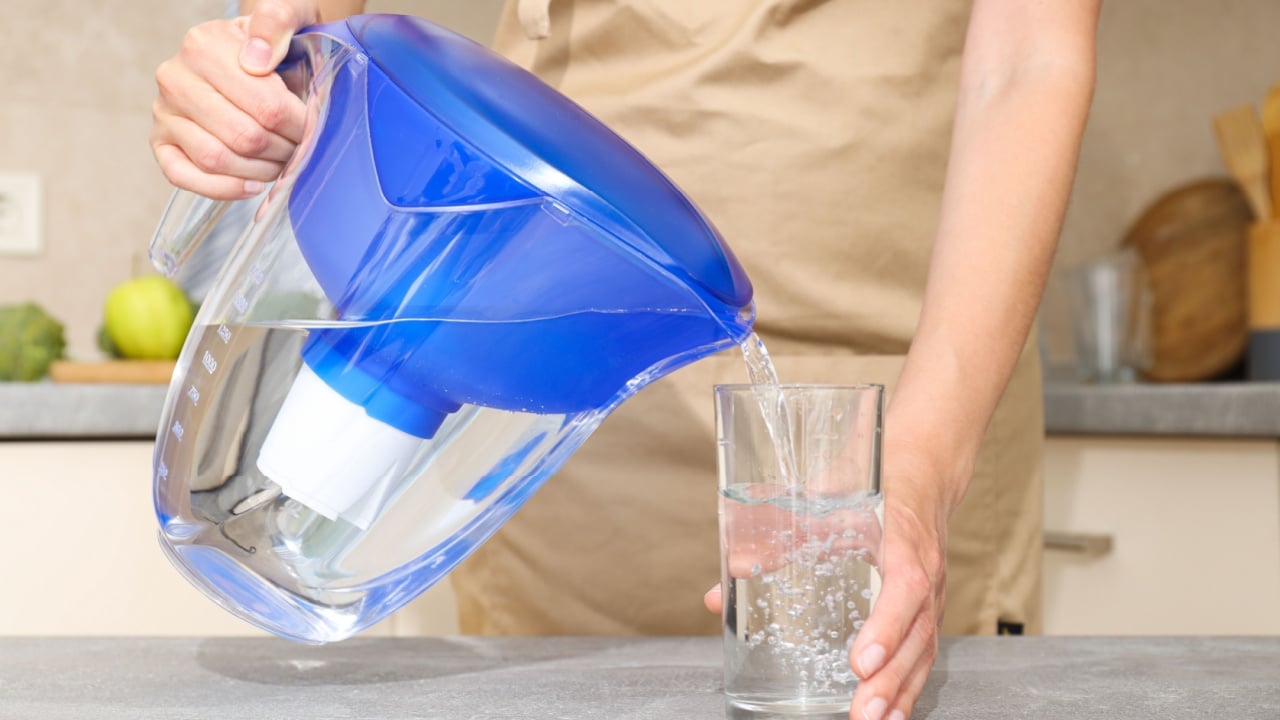
Having access to clean drinking water is essential, especially when public water systems fail. A gravity-fed water purification pitcher can remove harmful contaminants and bacteria from tap water, giving you a safe drinking source during a boil-water advisory.
These pitchers use carbon filters to trap tiny particles and chemicals. A high-capacity pitcher can provide gallons of clean water each day without needing electricity, making it perfect for severe storms.
Store extra filters in a dry place. Clean the pitcher with soap and warm water each time you change the filter.
9. Portable Power Station
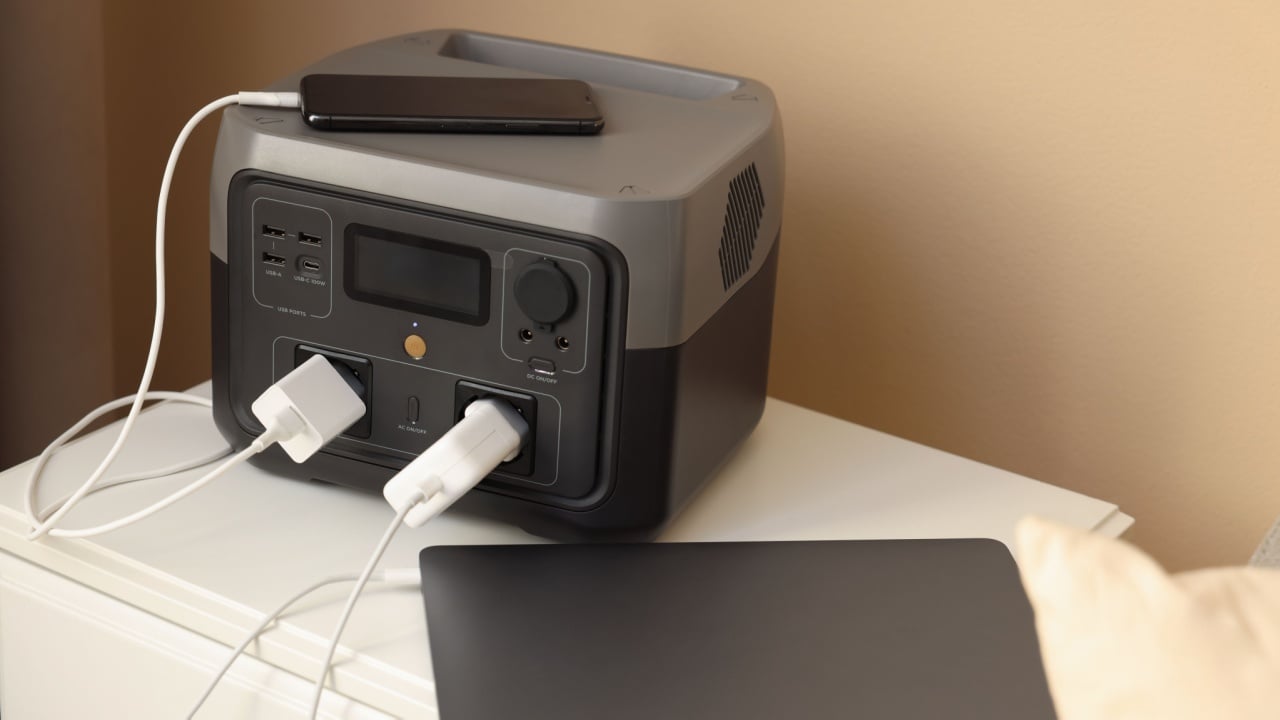
Energy analysts note that short-term power outages are becoming more frequent due to severe weather. A lithium-ion portable power station runs essential medical devices, charges phones, and powers small lights without the noise of a gas generator. These units are safe to use indoors because they produce no exhaust.
The stations feature multiple output ports, including standard AC outlets and USB connections. They store enough energy to keep a household connected and comfortable for several hours. Recharging the unit is done via a wall outlet or compatible solar panels.
Keep the power station plugged into a wall outlet so it remains fully charged at all times. Cycle the battery every six months by draining it halfway and recharging it.
10. Long-Term Food Supply
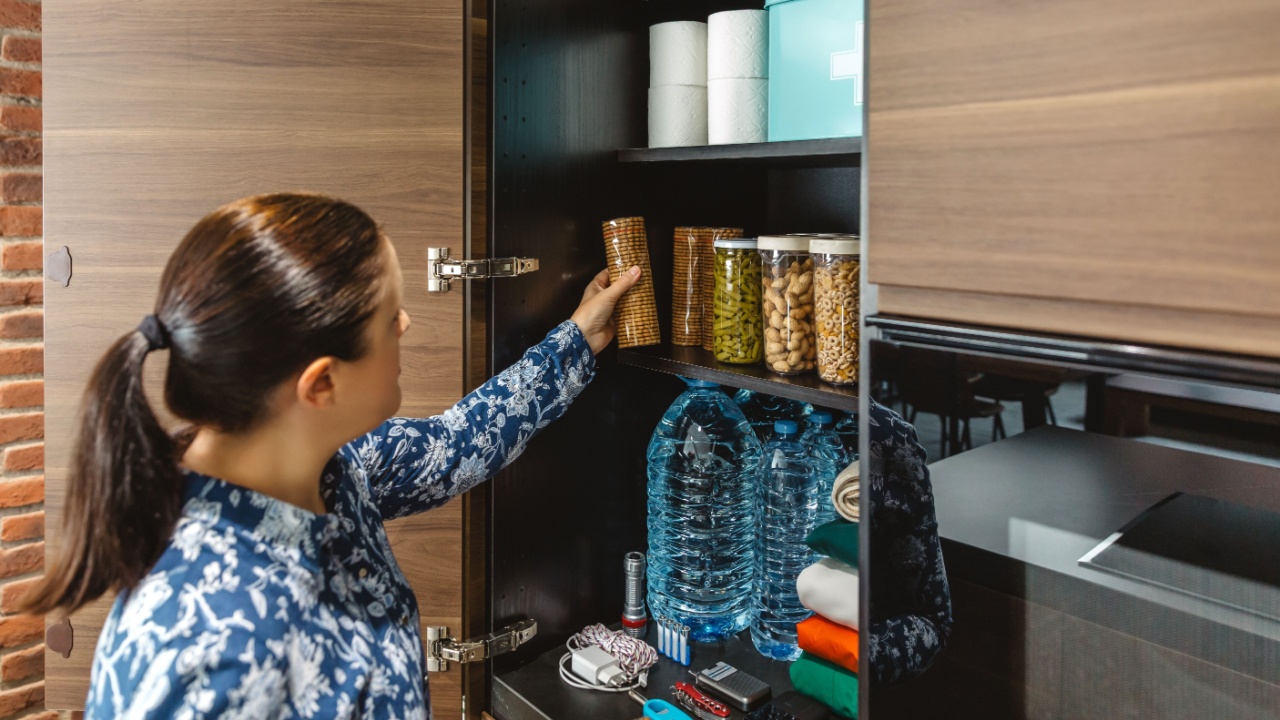
Relief organizations advise households to keep a minimum of three days of non-perishable food on hand. Building a small pantry of shelf-stable meals provides nutrition when grocery stores are inaccessible. Freeze-dried meals and canned goods offer the best combination of calories and long shelf life.
These supplies require minimal preparation and often only need hot water to become a complete meal. Storing the food in airtight plastic bins protects it from moisture and pests. A dedicated shelf in the basement or pantry keeps the emergency food separate from daily groceries.
Rotate the canned goods annually by consuming the older items and replacing them with new purchases. Keep a manual can opener inside the food storage bin.
11. Heavy-Duty Duct Tape

Heavy-duty duct tape is essential for quick fixes during an emergency. It’s strong enough to seal broken windows, patch tarps, or temporarily fix leaking pipes. This professional-grade tape has a reinforced backing and a powerful adhesive that sticks to rough and wet surfaces like brick or wood.
Regular craft store duct tape isn’t strong enough for these jobs. Keep a few rolls of heavy-duty duct tape in a tool drawer for unexpected damage.
Store the tape somewhere cool so the adhesive doesn’t melt. If the edges look dry, it’s time to replace the roll.
12. Quality Multitool

A good multitool combines several tools like pliers, screwdrivers, a knife, and wire cutters into one pocket-sized gadget. This means you don’t have to search through a toolbox for the right tool in an emergency.
These tools should fold out and lock in place for safety. Keeping one in a kitchen drawer is handy for quick fixes, like turning a stuck valve or opening a tricky package. Look for one made of stainless steel to prevent rust.
Add a drop of oil to the hinges each year to keep them working smoothly, and sharpen the knife blade when needed.
13. Fireproof Document Safe
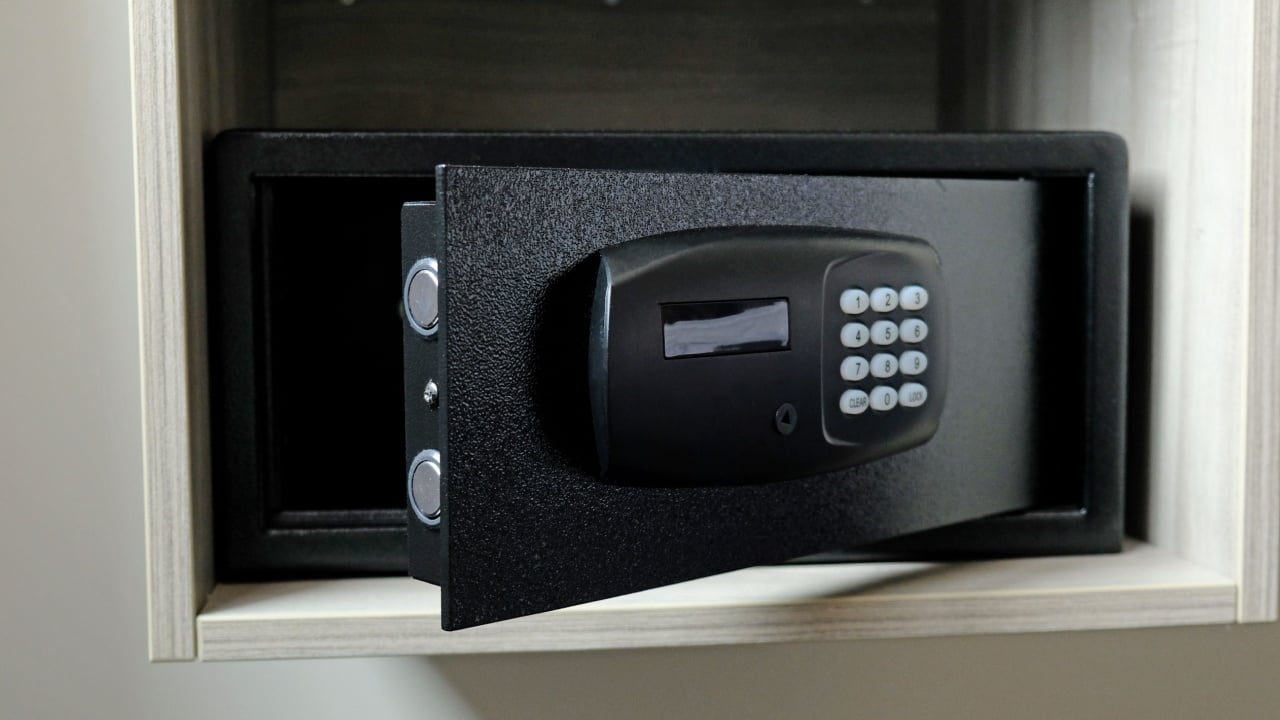
Financial advisors recommend storing physical copies of vital records in a secure, fire-resistant location. A heavy-duty fireproof safe protects passports, birth certificates, and insurance policies from heat and water damage. These safes withstand extreme temperatures for up to an hour.
The safe uses thick, insulated walls and a waterproof seal to shield the contents. Placing it on a lower floor or in a basement provides the lowest temperature exposure during a house fire. Digital media, like backup hard drives, also survive inside these protected enclosures.
Place moisture-absorbing silica gel packets inside the safe to prevent mold growth on paper documents. Memorize the combination and keep the backup physical key in a separate, secure location.
14. Thermal Emergency Blankets

Rescue teams utilize Mylar thermal blankets to prevent hypothermia in harsh conditions. These reflective blankets retain up to ninety percent of a person’s body heat. They provide immediate warmth if the home heating system fails during a severe winter storm.
The blankets fold down to the size of a wallet and weigh only a few ounces. Distributing a few blankets in the bedroom nightstands and the living room provides quick access for everyone. The windproof and waterproof material also serves as a temporary window covering to block cold drafts.
Keep the blankets sealed in their original packaging until they are needed. Discard and replace them after a single use since they are difficult to repack tightly.
Be Prepared, Not Scared

Take a weekend to evaluate your current emergency supplies and identify missing items from this list. Purchase the missing gear and organize it in a designated, easily accessible location in your home. Setting up these tools today creates a safer environment for everyone under your roof.
Read More:
20 Items to Always Keep on Hand in the Event of an Emergency
17 Bulk Foods to Always Have in Your Pantry for Emergencies and Quick Meals